As our understanding of space grows, so does our awareness of the potential threats posed by near-Earth asteroids. Recent studies have identified five such asteroids now considered significant risks, urging scientists and policymakers to re-evaluate our planetary defense strategies. These celestial bodies could have substantial impacts on Earth, making it essential to explore their trajectories and possible consequences.
Understanding Near-Earth Asteroids

Definition and Characteristics
Near-Earth asteroids (NEAs) are celestial objects that orbit the sun and come within 1.3 astronomical units of our planet. They vary in size, composition, and trajectory, often consisting of rock, metal, or a combination of both. These asteroids’ proximity to Earth classifies them as potential threats, given that their orbits can intersect with Earth’s path, posing collision risks.
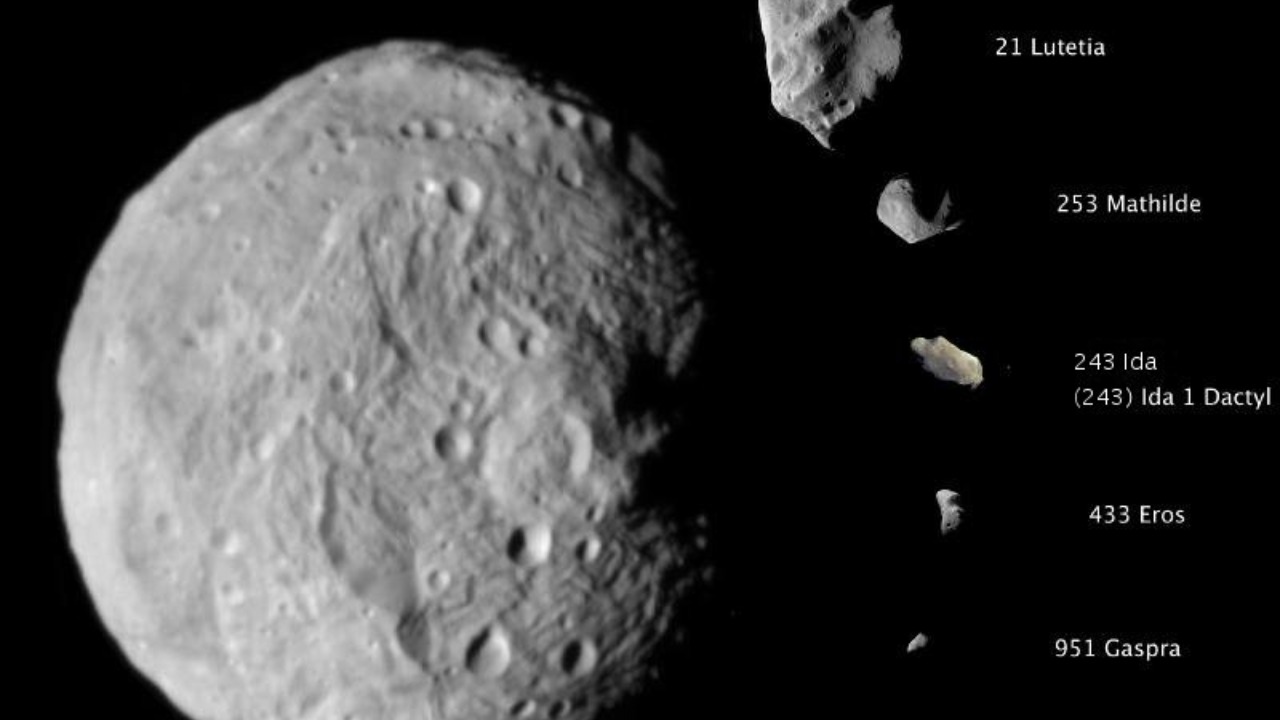
Common traits among NEAs include their irregular shapes and diverse compositions. Some are rich in metals like nickel and iron, while others are composed of silicate materials. Their sizes also vary significantly, ranging from small, house-sized bodies to massive objects stretching over a kilometer in diameter. These characteristics influence both their detectability and the potential impact they could have if they collided with Earth.
Detection and Monitoring
Space agencies like NASA employ various techniques for detecting and monitoring NEAs. Ground-based telescopes and space missions play critical roles in identifying new asteroids and tracking their trajectories. For instance, the NASA Asteroid Watch program continually observes the skies to identify potential threats, using radar and infrared technology to measure asteroid sizes, shapes, and orbits.
International collaboration is essential in monitoring asteroid threats. Programs like the International Asteroid Warning Network (IAWN) foster global cooperation by sharing data and resources. This collaborative effort ensures that no single nation bears the burden of defending against potential asteroid impacts alone, and it enhances the overall efficacy of detection and response strategies.
The Five Asteroids of Concern
Asteroid 2022 YS5
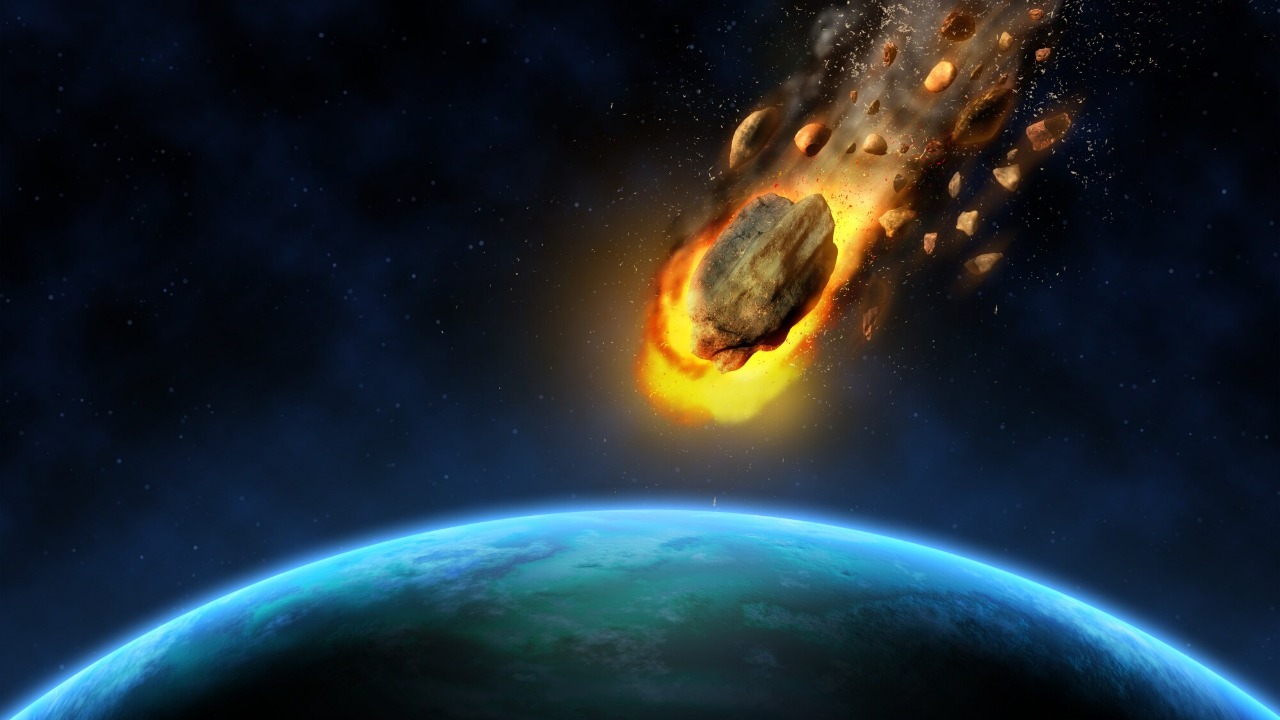
Asteroid 2022 YS5, a recent discovery, has attracted significant attention due to its trajectory, which brings it alarmingly close to Earth. This building-sized space rock, according to a report from The Times of India, has a potential impact scenario that raises concerns among scientists. While the probability of a collision is currently low, its close approach underscores the need for vigilance and preparedness.
Asteroid 2024 YR4
Asteroid 2024 YR4 has also raised alarms due to its anticipated close approach to Earth. The asteroid’s trajectory, as reported by CNN, has prompted ongoing research efforts to better understand its path and potential impact scenarios. As scientists continue to study this asteroid, they emphasize the importance of continued observation to refine impact predictions and mitigation strategies.
Other Notable Asteroids
Beyond 2022 YS5 and 2024 YR4, three additional asteroids are garnering attention due to their size and proximity to Earth. These celestial bodies, while currently under observation, could have significant consequences if their trajectories were to change. The combination of their size and orbital paths makes them important objects of study, as even a small deviation in their orbits could lead to potential impacts.
Potential Impact and Consequences
Environmental and Geographical Effects
The impact of an asteroid on Earth could have severe environmental and geographical effects. Depending on its size and composition, an asteroid collision could result in massive explosions, tsunamis, and even climate change. Historical precedents, such as the asteroid that caused the extinction of the dinosaurs, highlight the catastrophic potential of such events. Understanding these impacts is crucial for developing strategies to mitigate potential future threats.
Economic and Humanitarian Implications
Beyond environmental concerns, an asteroid impact could have far-reaching economic and humanitarian implications. The disruption of global trade, damage to infrastructure, and potential loss of life would pose significant challenges to affected regions. Governments and organizations are developing preparedness plans to protect human life and infrastructure, emphasizing the importance of proactive measures to minimize potential damages.
Current Mitigation Strategies
Planetary Defense Initiatives
International efforts are underway to develop asteroid deflection technologies as part of planetary defense initiatives. Organizations like NASA and the European Space Agency (ESA) are exploring various strategies, including kinetic impactors and gravity tractors, to alter asteroid trajectories. These initiatives aim to reduce the risk of potential impacts and protect Earth from future threats.
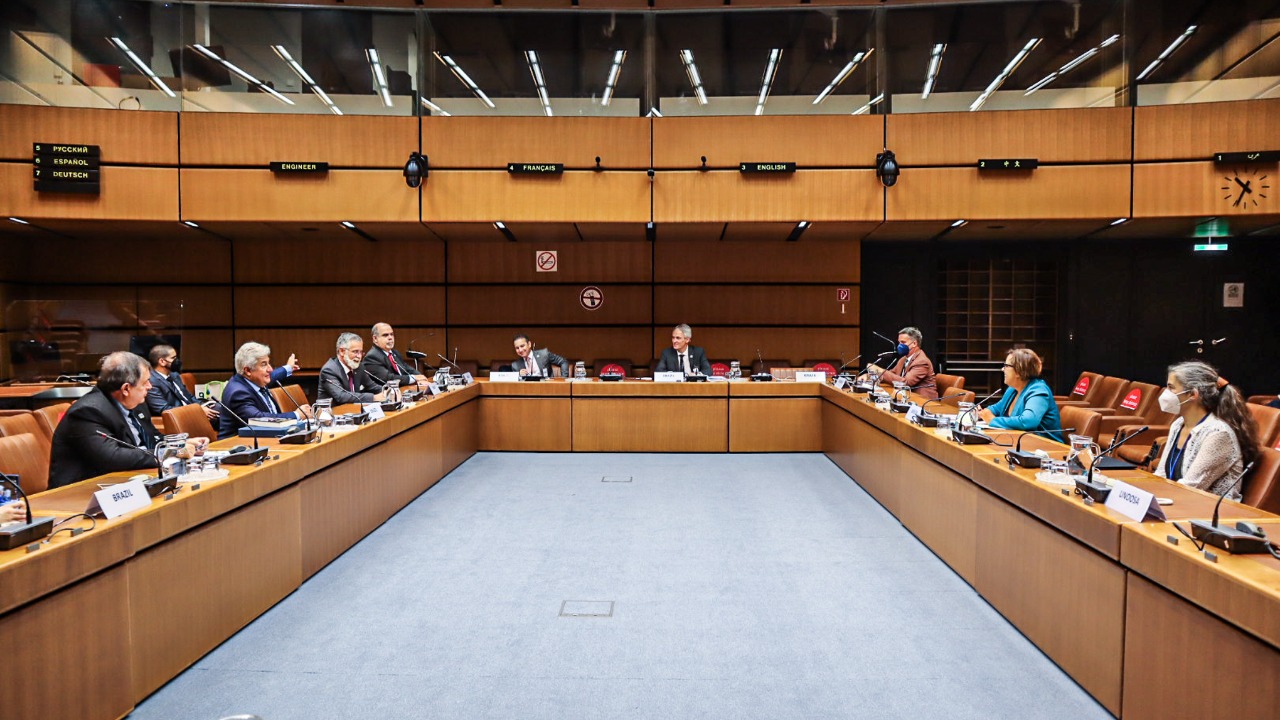
Key organizations involved in these efforts include the Planetary Defense Coordination Office (PDCO) and the United Nations Office for Outer Space Affairs (UNOOSA). Their strategies focus on international collaboration and technological innovation to enhance our planetary defense capabilities.
The Role of Public Awareness and Education
Educating the public about asteroid threats is crucial for building support for planetary defense initiatives. Public engagement can foster a better understanding of the risks posed by near-Earth asteroids and encourage participation in mitigation efforts. By raising awareness, organizations can garner the necessary support and resources to advance their research and development efforts.
Future Outlook and Challenges
Advancements in Detection and Tracking
Emerging technologies are poised to improve asteroid tracking accuracy, enhancing our ability to predict potential impacts. Innovations such as space-based telescopes and advanced radar systems offer new possibilities for detecting and monitoring NEAs. However, scientists face challenges in predicting asteroid paths due to the complex dynamics of celestial mechanics and the limited data available on these objects.
Policy and Funding Considerations
Increased funding for asteroid research and defense is essential to advance our understanding and preparedness for potential threats. Policymakers must prioritize investments in space security to ensure the continued development of detection and mitigation technologies. Enhancing global cooperation and establishing clear policies will be crucial for addressing the challenges posed by near-Earth asteroids and ensuring the safety of our planet.
