In the harshest of environments, certain lifeforms not only survive but thrive. These resilient creatures and organisms adapt to toxic conditions that would be lethal to most others. From microscopic bacteria to highly adaptable fungi, these lifeforms showcase nature’s incredible ability to endure and evolve amidst adversity.
Extremophile Bacteria
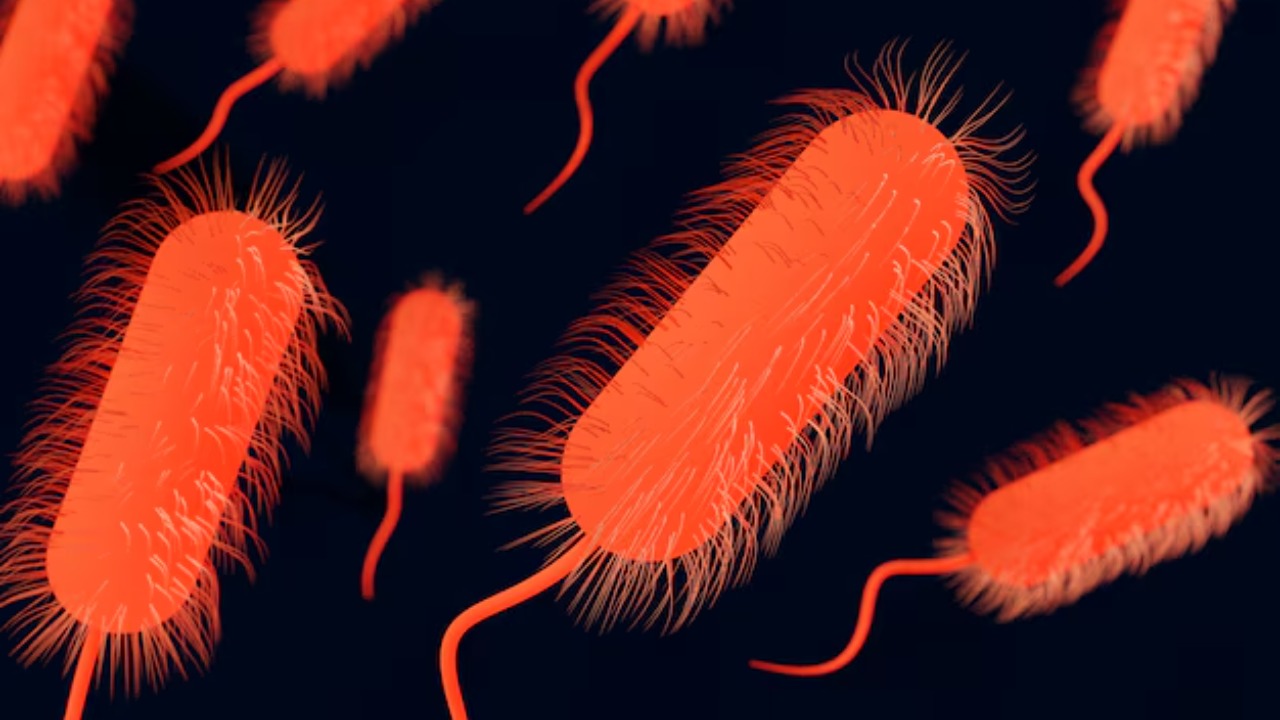
Extremophile bacteria are remarkable microorganisms capable of thriving in some of the most hostile environments on Earth. These resilient bacteria can be found in places with extreme temperatures, high radiation, and toxic chemical concentrations. For instance, some extremophiles flourish in the radioactive wastelands of Chernobyl, demonstrating remarkable adaptability. Their ability to survive in such conditions not only intrigues scientists but also provides insights into potential applications in biotechnology. To learn more about the impact of Chernobyl on wildlife, click here.
Tardigrades
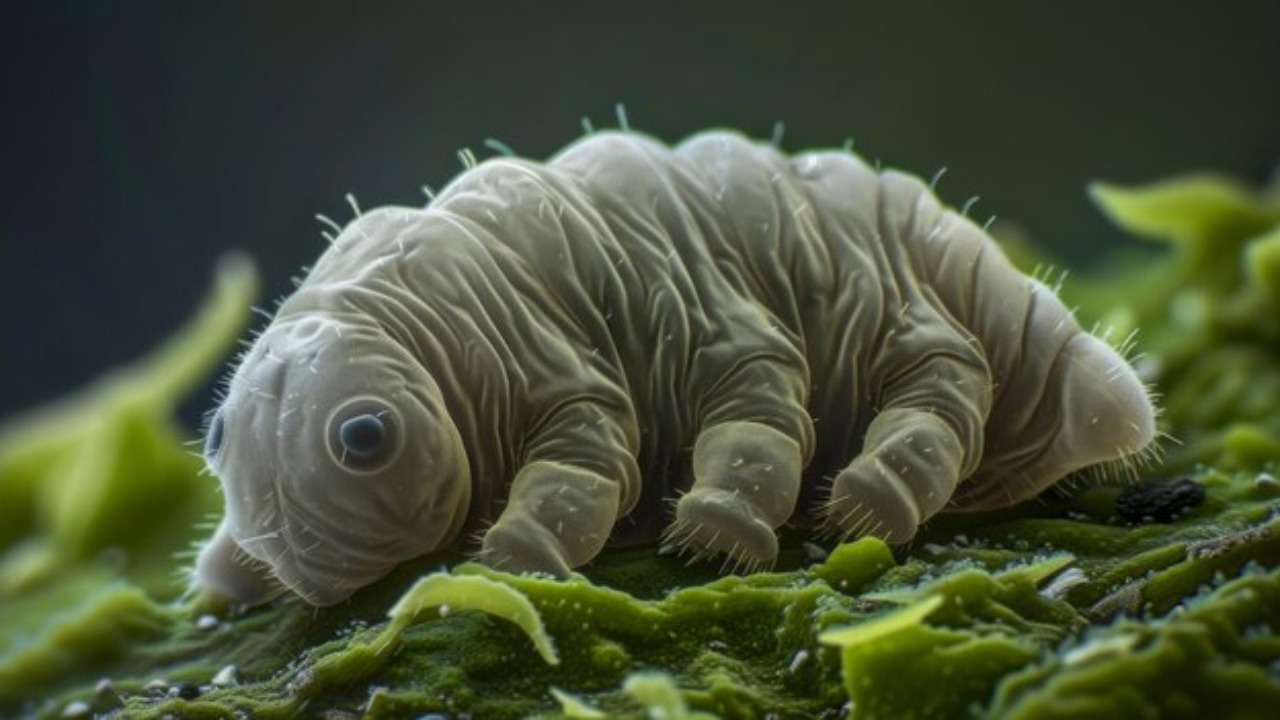
Tardigrades, also known as water bears, are microscopic creatures renowned for their resilience. They can survive extreme temperatures, high levels of radiation, and even the vacuum of space. Their unique ability to enter a cryptobiotic state allows them to withstand these harsh conditions. By dehydrating their bodies and reducing metabolic activity, tardigrades can endure environments that would be fatal to most lifeforms. Their resilience offers fascinating possibilities for research in astrobiology and the study of life’s limits.
Brine Shrimp
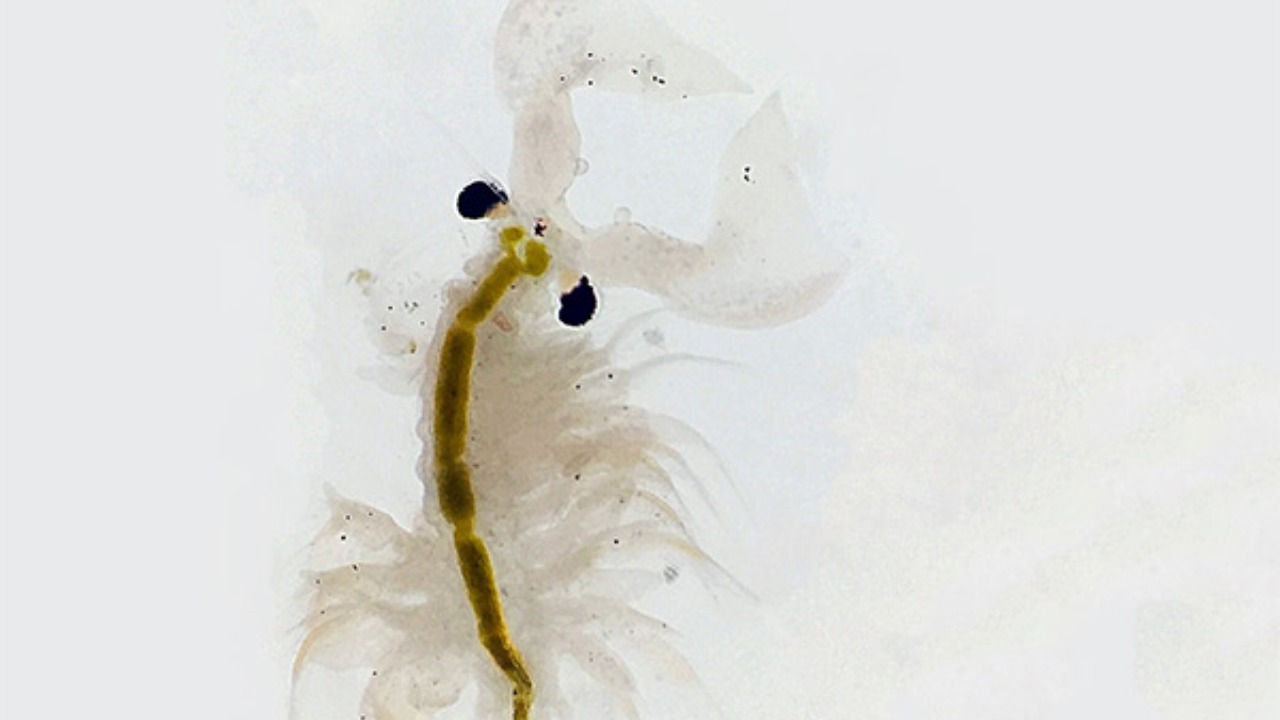
Brine shrimp, often found in highly saline environments, have adapted to thrive in conditions that few other organisms can withstand. These small crustaceans have a unique ability to survive in hypersaline lakes with high concentrations of salt. Their cysts can remain dormant for years, hatching only when conditions become favorable. This ability to endure extreme salinity and desiccation makes brine shrimp a subject of interest for scientists studying extremophiles. For more insights on surviving in hostile environments, visit this discussion.
Mutant Plants
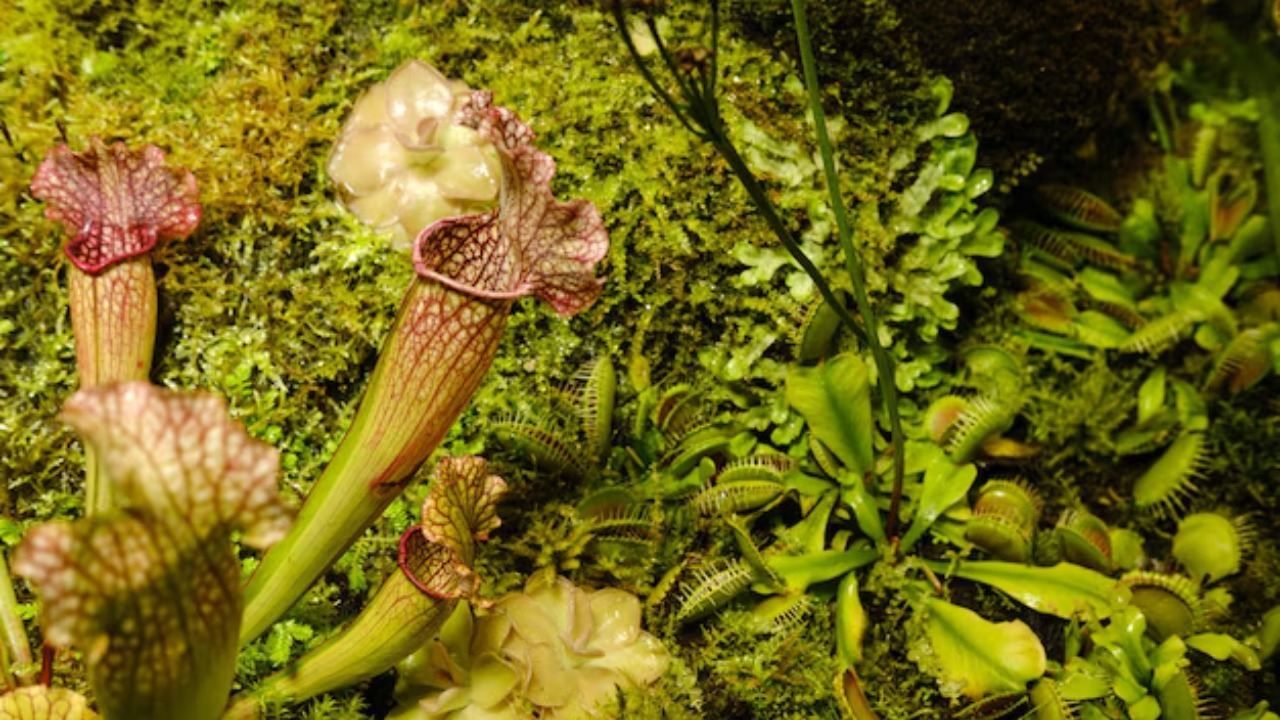
In areas contaminated with heavy metals or radiation, certain plants have evolved unique adaptations to survive and even thrive. These mutant plants have developed mechanisms to tolerate high levels of toxins, making them invaluable for research in bioremediation. By extracting and storing heavy metals, these plants help to purify contaminated soils, offering a natural solution to environmental pollution. Such plants not only highlight nature’s adaptability but also provide promising avenues for cleaning up toxic waste sites. Explore more about the impact of environmental changes here.
Fungi
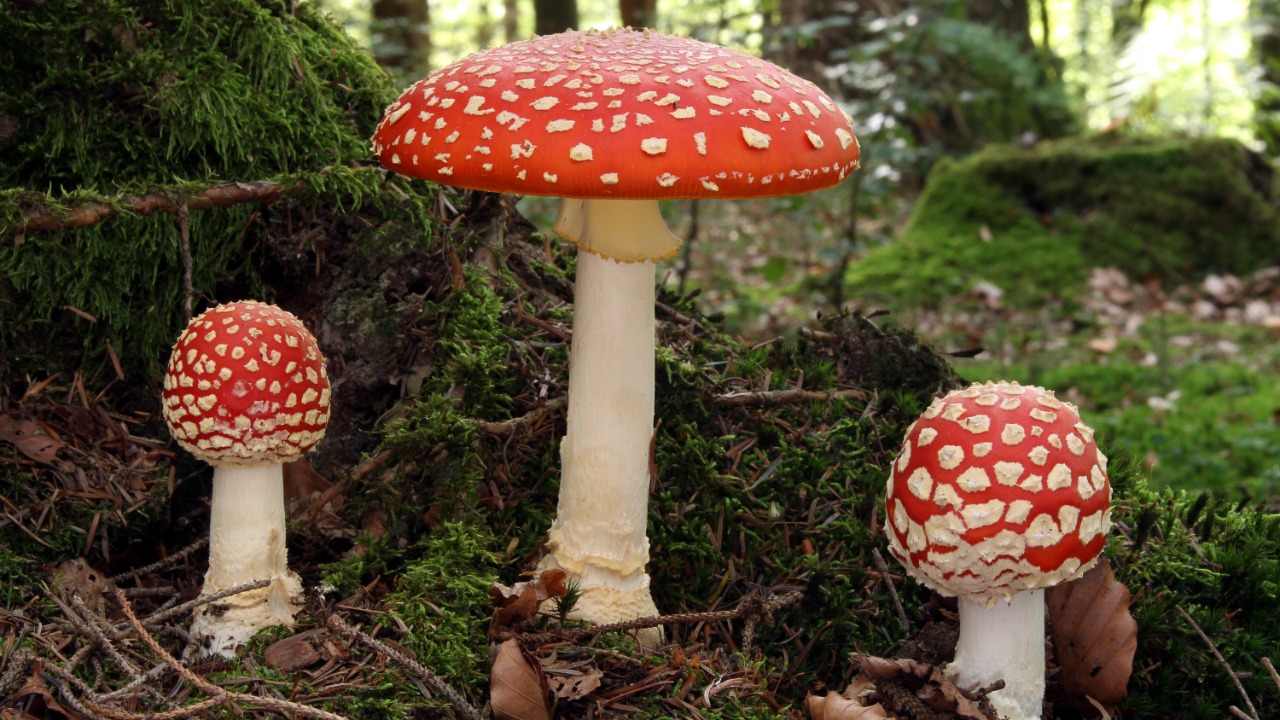
Fungi are incredibly versatile organisms that can thrive in a variety of extreme environments, including radioactive zones and areas with high levels of heavy metals. Some fungi have developed a unique ability to metabolize toxic substances, making them key players in breaking down pollutants. Their mycelial networks can penetrate deep into contaminated soils, aiding in the decomposition of complex compounds. This makes fungi essential for ecological restoration efforts and highlights their role in maintaining ecosystem balance. To dive deeper into the fascinating world of fungi, consider exploring this research article.
