
As electric SUVs gain popularity, some owners are discovering that the range of their vehicles is not holding up as expected. Whether due to battery degradation or initial overestimates, it’s important for potential buyers to be aware of these concerns. Here are five electric SUVs currently experiencing early range loss.
Tesla Model X

The Tesla Model X has long been a pioneer in the electric SUV market, known for its impressive range and cutting-edge technology. However, some owners have reported a noticeable decrease in range over time. This is partially attributed to battery degradation, a common issue in electric vehicles as they age. Despite Tesla’s continuous software updates, which often improve efficiency and performance, the physical limitations of the battery can still lead to range loss.
Drivers who frequently use the Model X for long commutes or road trips may find the reduced range particularly concerning. Tesla recommends regular maintenance and avoiding extreme temperatures to help mitigate range loss, but these solutions may not fully address the concerns of those experiencing more significant reductions.
Ford Mustang Mach-E
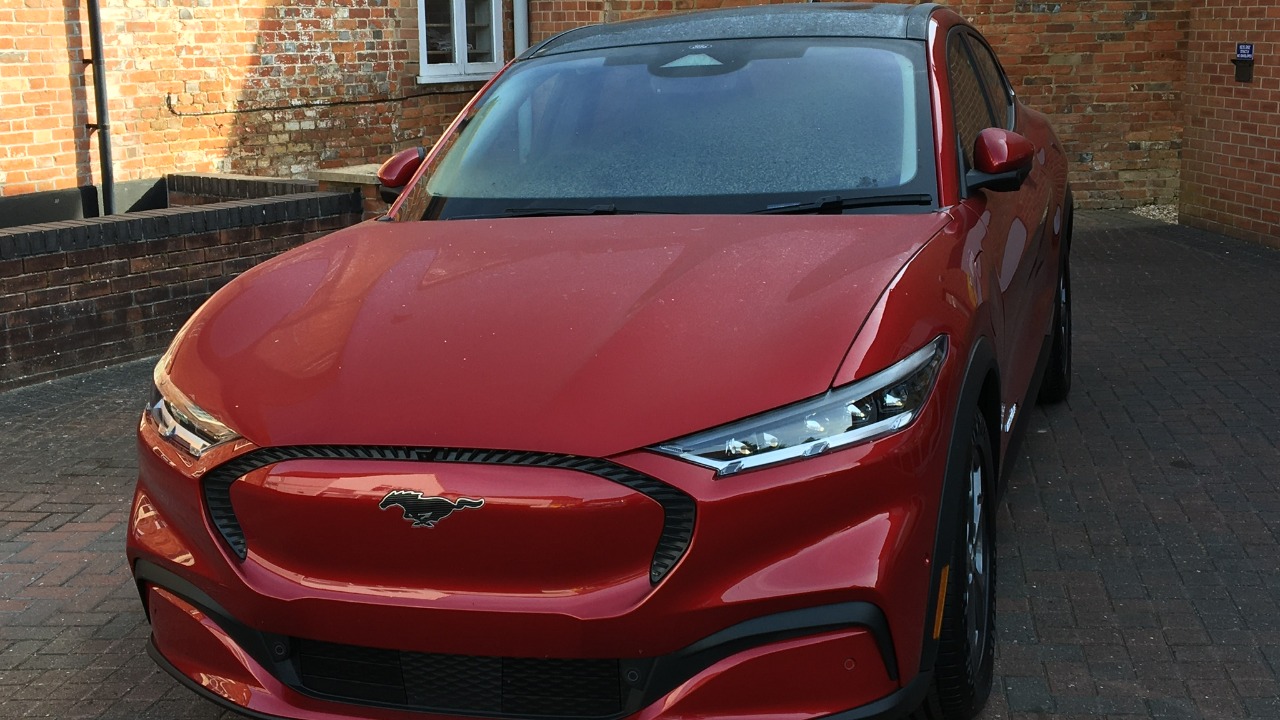
Ford’s entry into the electric SUV arena with the Mustang Mach-E has been met with enthusiasm, but not without its challenges. Some owners have encountered range discrepancies, which can be frustrating for those expecting a seamless transition from traditional fuel vehicles. Consumer Reports notes that real-world conditions, such as weather and driving habits, significantly impact the Mach-E’s range.
To combat these issues, Ford has been transparent about how factors like temperature and speed can affect performance. They advise drivers to take advantage of features like regenerative braking and eco-driving modes to help preserve battery life. However, these efforts may not fully alleviate the concerns of those experiencing unexpected range reductions.
Audi e-tron
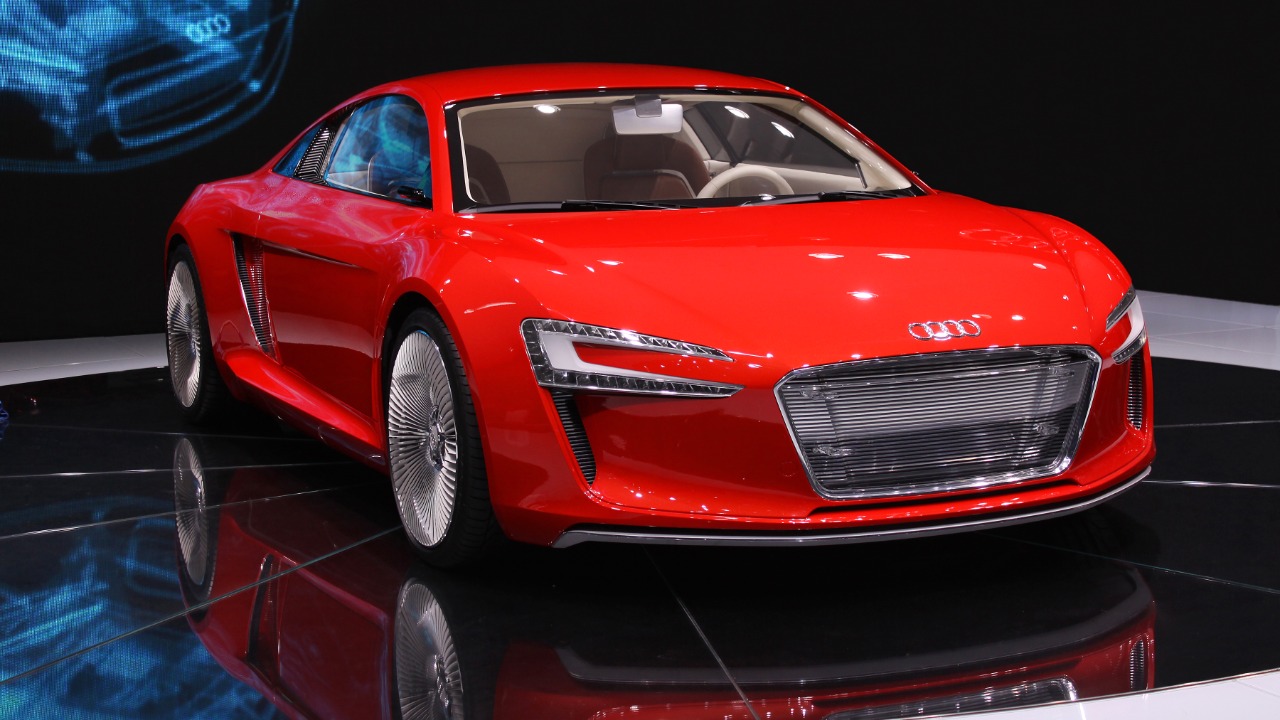
The Audi e-tron offers luxury and performance, but it hasn’t been immune to range-related issues. Early adopters have reported that the vehicle’s range can drop more quickly than anticipated, which is particularly problematic in colder climates. The Ioniq Forum discusses how electric vehicles like the e-tron are susceptible to range loss in winter months, a factor Audi continues to address in newer models.
Audi has taken steps to educate consumers about optimal charging practices and the benefits of pre-conditioning the battery. Nevertheless, these measures may not entirely satisfy drivers who find themselves recharging more often than expected, especially when it comes to longer journeys.
Hyundai Kona Electric
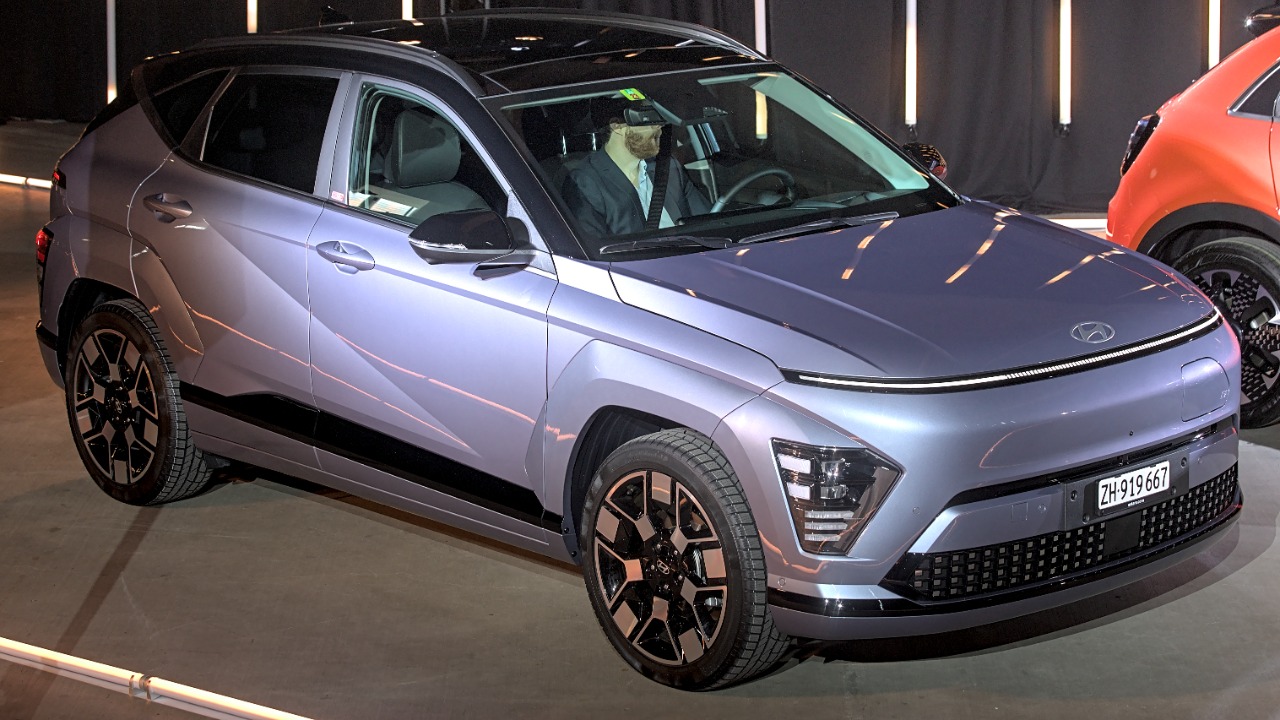
The Hyundai Kona Electric has been a popular choice for those seeking an affordable electric SUV. However, some owners have reported early range loss, raising concerns about long-term performance. As noted in a study on electric vehicle economics, battery technology is still evolving, and Hyundai is actively working to improve battery life and efficiency.
Hyundai emphasizes the importance of maintaining proper tire pressure and using energy-saving driving modes to help preserve range. However, drivers who consistently experience range loss may need to reassess their charging habits and driving patterns to maximize the Kona’s potential.
Jaguar I-PACE
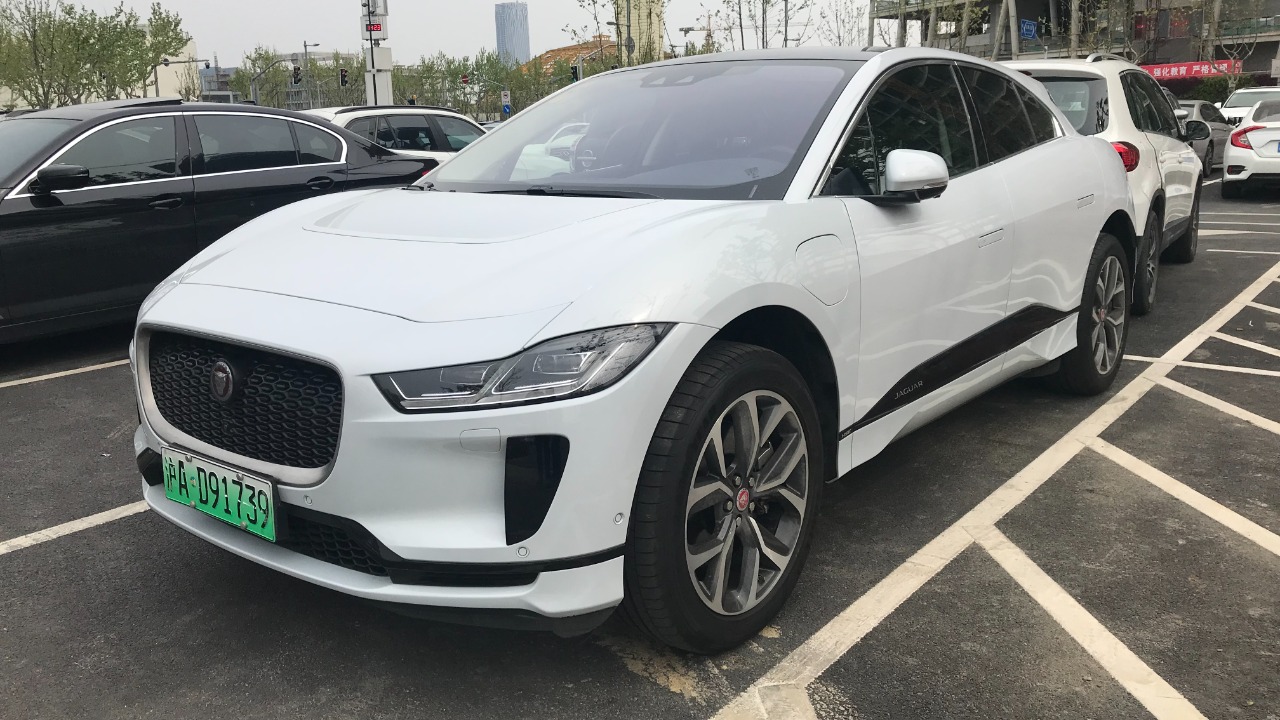
The Jaguar I-PACE is celebrated for its stylish design and robust performance, yet some drivers have encountered range issues sooner than expected. The I-PACE’s range can be negatively impacted by factors like aggressive driving and frequent use of climate control systems. As highlighted in research on vehicle efficiency, these factors can significantly deplete an electric vehicle’s battery.
Jaguar offers guidance on charging strategies and driving techniques to help maintain range, but owners experiencing substantial range loss might need to seek further support. Understanding the limitations and adopting best practices is essential for maximizing the I-PACE’s longevity and efficiency.
