Throughout history, numerous archaeological discoveries have baffled scientists and historians alike. These findings suggest that ancient civilizations may have possessed technological capabilities far beyond what we previously imagined. The following are five significant discoveries that hint at the advanced technological prowess of ancient cultures.
The Antikythera Mechanism
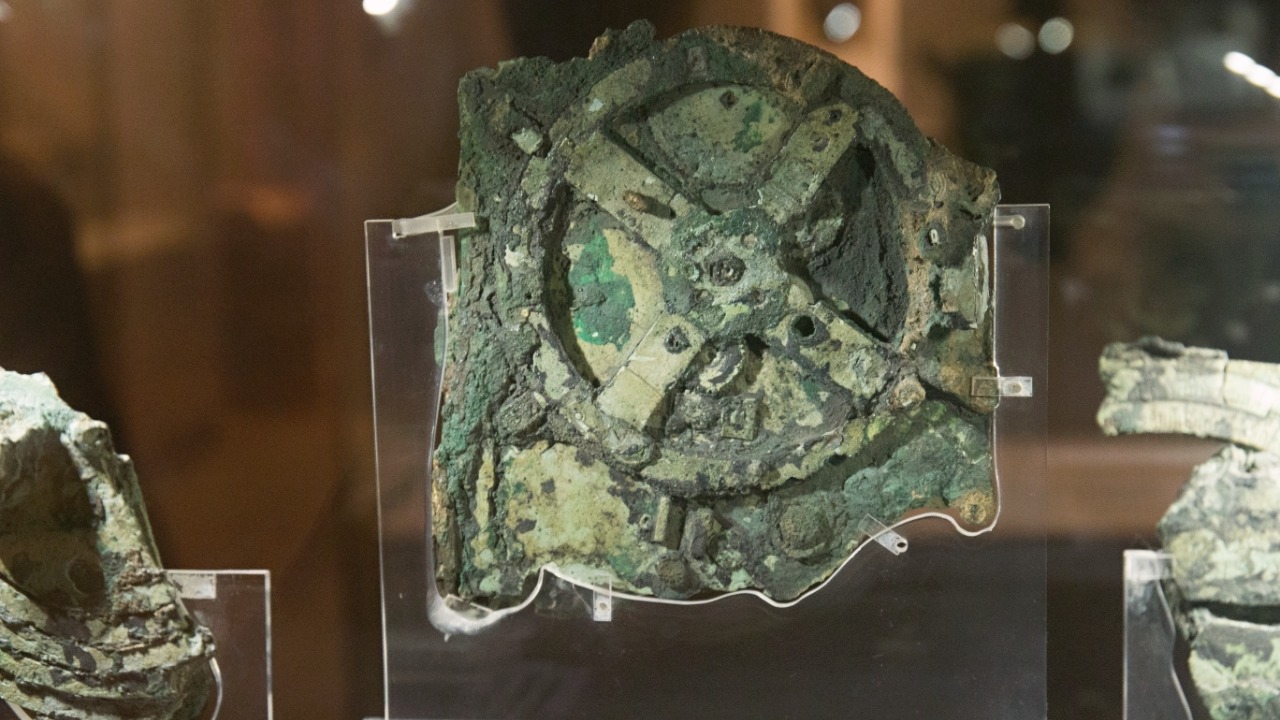
The Antikythera Mechanism is often regarded as one of the most astonishing ancient technologies ever discovered. This ancient Greek device, dating back to around 100 BC, was used to predict astronomical positions and eclipses for calendrical and astrological purposes. Its complex gear systems resemble those of a modern analog computer, showcasing a level of sophistication thought impossible for its time.
The mechanism was discovered in a shipwreck off the Greek island of Antikythera in 1901. Researchers continue to study its intricacies, and it remains a profound example of ancient innovation. The detailed craftsmanship and scientific understanding required to create such a device continue to intrigue scholars worldwide.
The Baghdad Battery
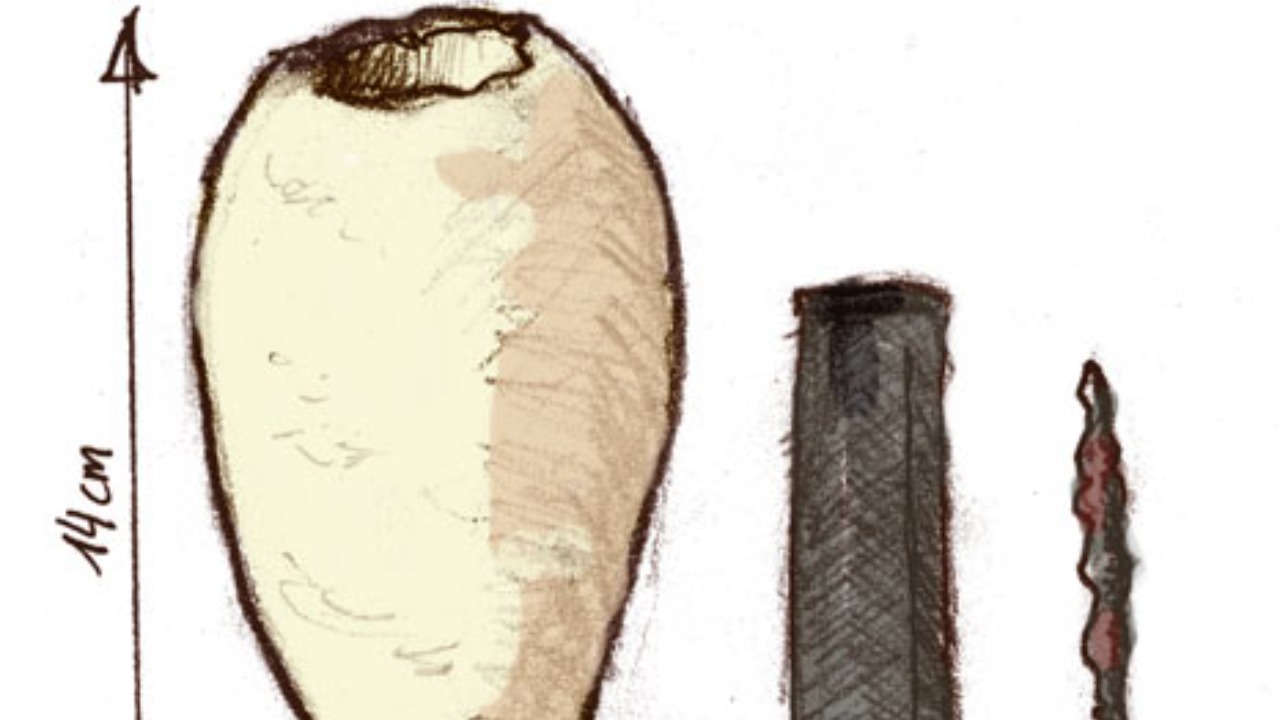
Discovered in Iraq in the 1930s, the Baghdad Battery consists of ceramic jars with copper cylinders and iron rods. These ancient artifacts are believed by some to be early forms of galvanic cells, capable of producing electric current. While the exact usage of these batteries remains debated, they suggest that ancient societies may have experimented with electricity long before modern times.
Some theories propose that these batteries were used for electroplating or perhaps had religious or medicinal purposes. The Baghdad Battery challenges our understanding of ancient technological capabilities and continues to spark curiosity and debate among historians and archaeologists.
The Nazca Lines
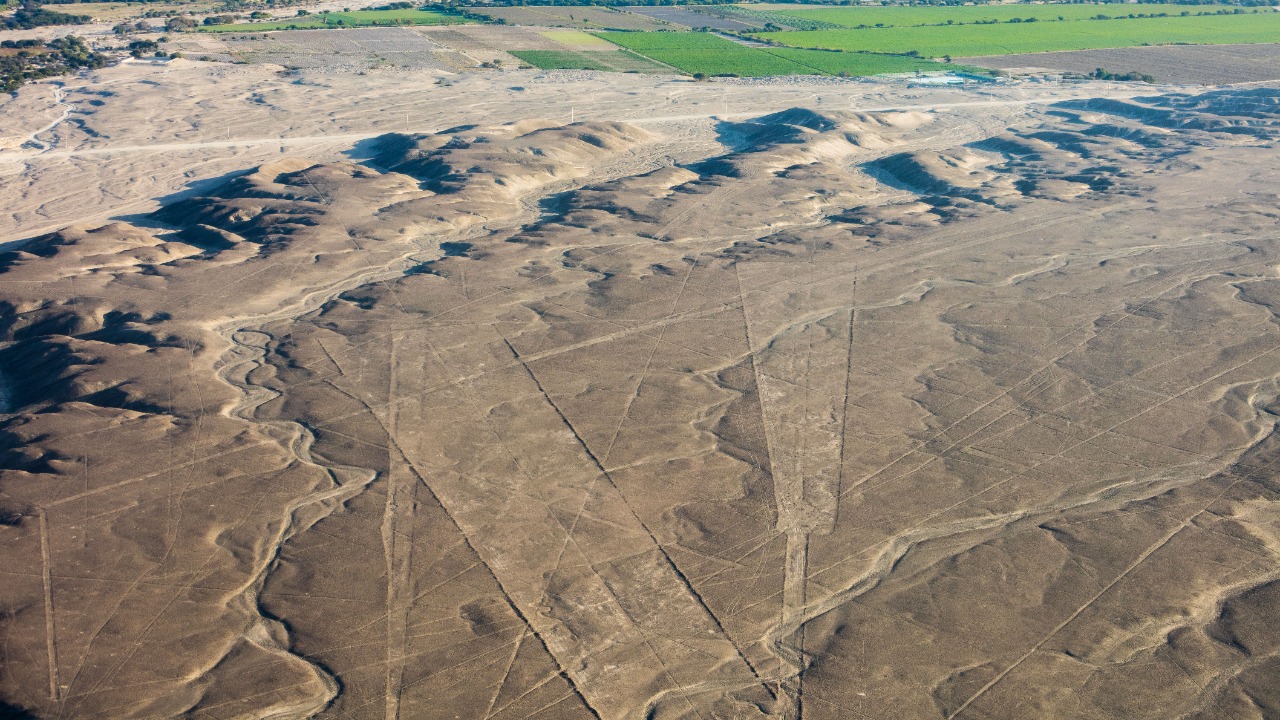
The enigmatic Nazca Lines in Peru are a series of large geoglyphs etched into the desert sands. Created by the Nazca culture between 500 BC and 500 AD, these lines form various shapes, including animals, plants, and geometric patterns. The precision and scale of these drawings suggest that the Nazca people had a sophisticated understanding of mathematics and surveying techniques.
Visible only from the air, the purpose of the Nazca Lines remains a mystery. Some speculate they were part of astronomical calendars or religious rituals. Their creation demonstrates a remarkable level of coordination and knowledge, cementing the Nazca Lines as a testament to ancient ingenuity.
The Stone Spheres of Costa Rica

Scattered throughout the Diquís Delta and on Isla del Caño, the Stone Spheres of Costa Rica are a collection of over 300 petrospheres. Discovered in the 1930s, these perfectly round stones vary in size, with some reaching up to two meters in diameter. Their creation, transport, and purpose remain a mystery to this day.
The spheres are thought to have been created by the Diquís culture, possibly for ceremonial purposes or as symbols of status. The precision with which they were carved suggests advanced knowledge of stonework and geometry, challenging our assumptions about the technological capabilities of ancient Central American civilizations.
The Pyramids of Egypt

The Pyramids of Egypt, especially the Great Pyramid of Giza, are perhaps the most iconic symbols of ancient engineering. Built over 4,500 years ago, these colossal structures demonstrate a remarkable understanding of mathematics, astronomy, and architecture. Their construction involved precise alignment with celestial bodies and the use of massive limestone blocks.
Despite numerous theories, the exact methods used to build the pyramids remain uncertain. Some researchers suggest that the Egyptians might have employed advanced techniques or machinery. Regardless of how they were built, the pyramids continue to captivate and inspire people around the world with their sheer scale and enduring mystery.
