In modern warfare, technology plays a critical role in safeguarding the lives of soldiers. From advanced protective gear to cutting-edge medical innovations, defense techs provide essential support on the battlefield. Here are five key technologies that are making a significant impact on the safety and effectiveness of our troops.
Advanced Body Armor
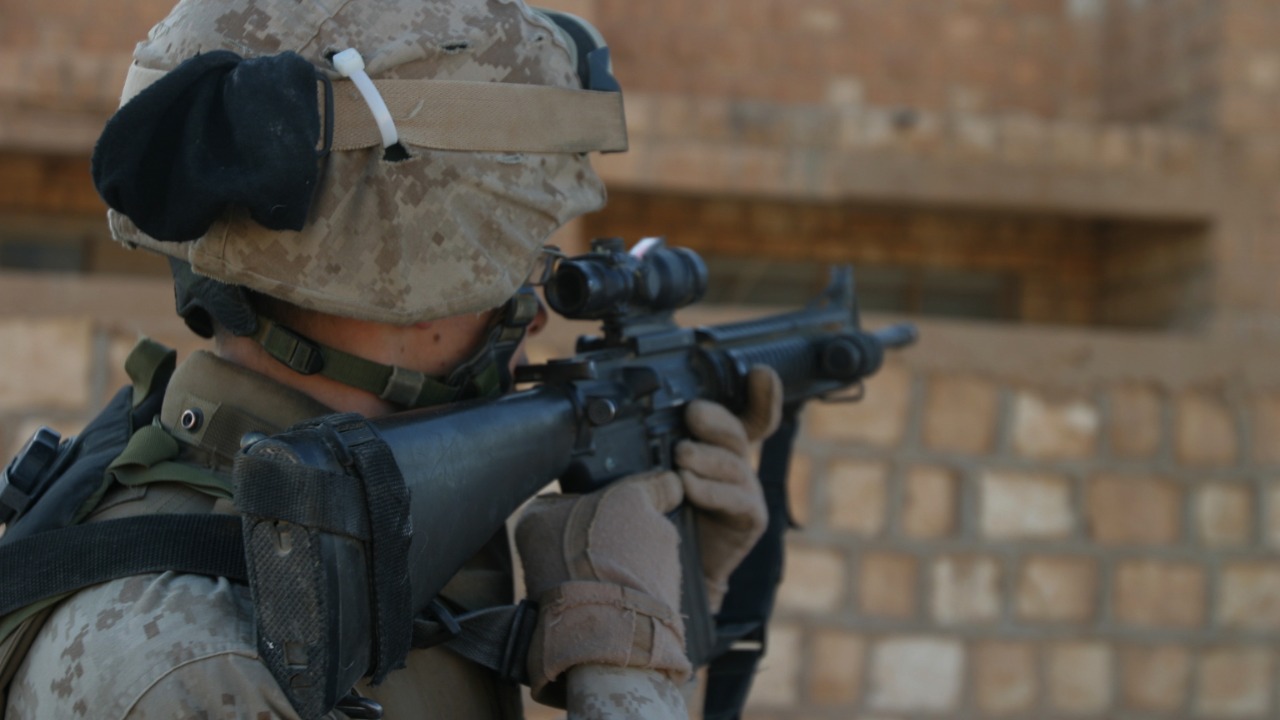
Advanced body armor is crucial in protecting soldiers from ballistic threats. Modern body armor technologies have evolved significantly, incorporating materials like ultra-high-molecular-weight polyethylene and carbon nanotubes, which offer enhanced protection while maintaining mobility. These materials are lighter and more flexible, reducing the burden on soldiers and allowing them to perform their duties more efficiently.
The development of modular armor systems also provides soldiers with customizable protection, allowing them to adapt to different combat scenarios. This adaptability is essential in today’s ever-changing battlefield conditions, offering soldiers the flexibility to adjust their armor based on the threat level they face.
Autonomous Drones
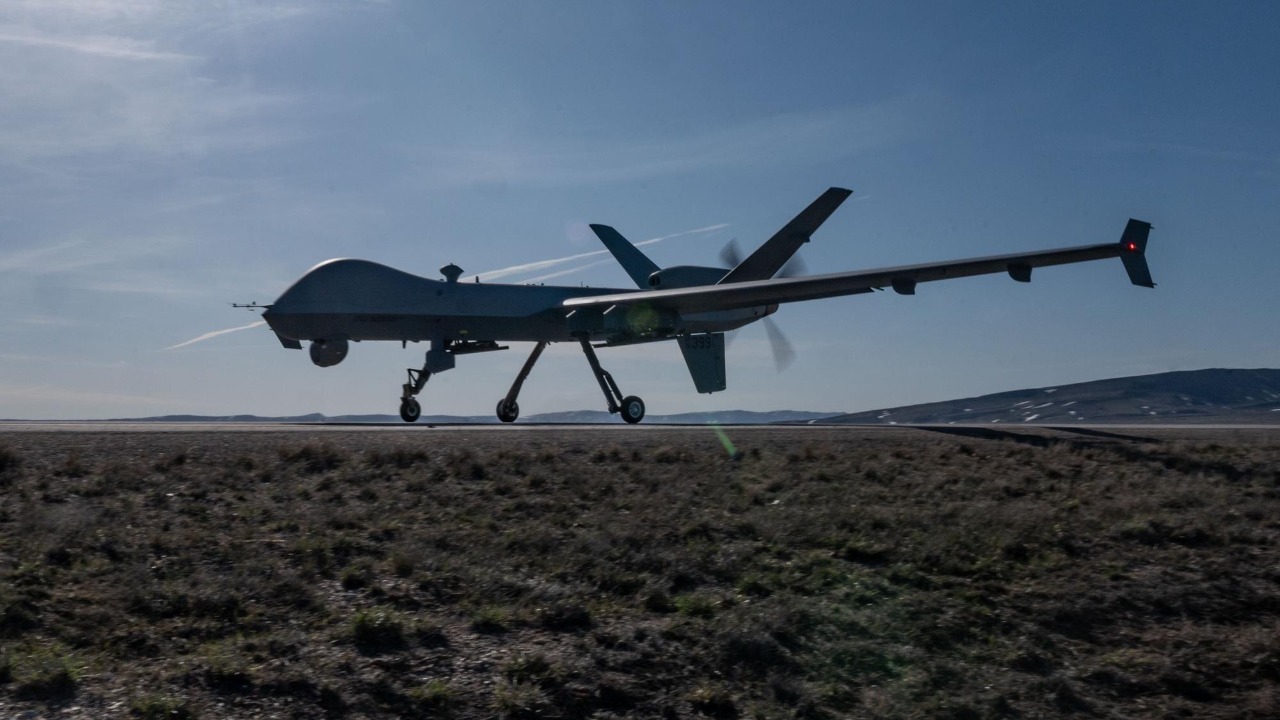
Autonomous drones have revolutionized reconnaissance and surveillance in combat zones. These unmanned aerial vehicles (UAVs) can operate in dangerous environments without risking human lives, providing real-time intelligence and a bird’s-eye view of the battlefield. This capability allows for more informed decision-making and enhances situational awareness for troops on the ground.
Moreover, drones equipped with advanced sensors and imaging technologies can identify potential threats and provide crucial information for strategic planning. The integration of artificial intelligence in drone operations allows for autonomous navigation and target identification, further reducing the risk to soldiers during missions.
Battlefield Medical Evacuation Systems
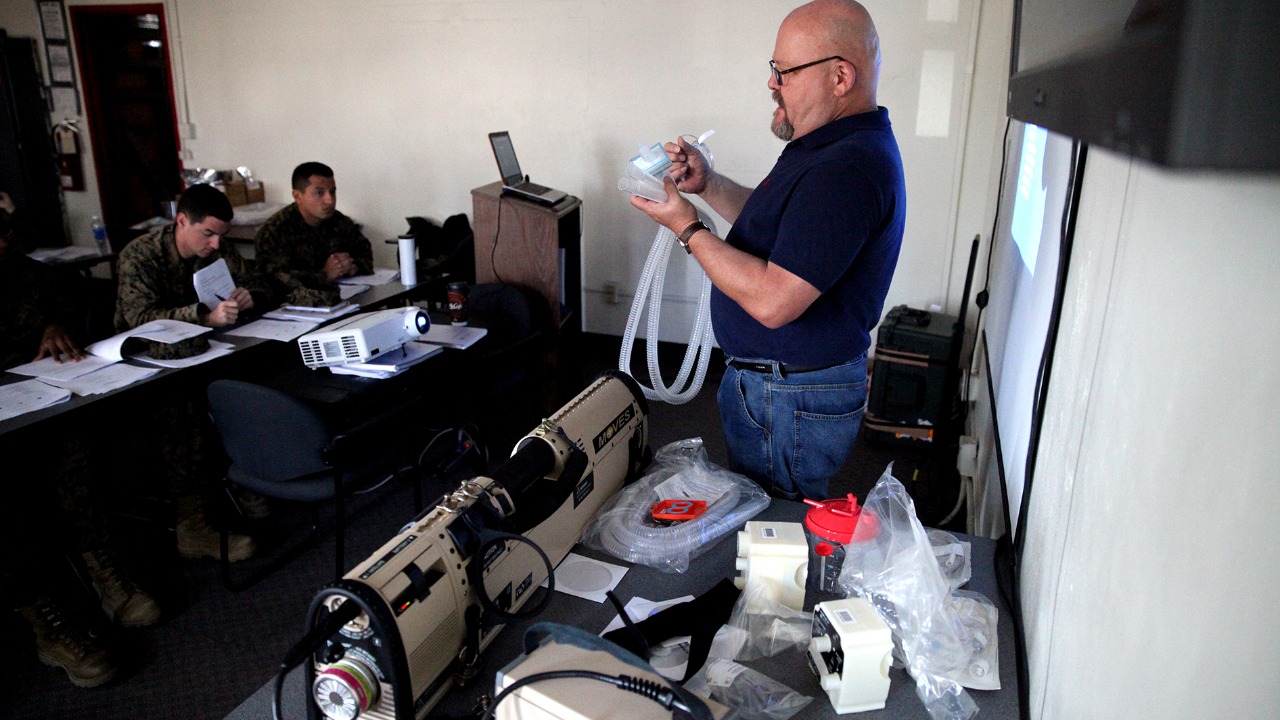
Efficient medical evacuation systems are vital in saving lives during combat. These systems have evolved to include advanced technologies such as automated tracking and communication tools, which ensure that injured soldiers receive timely medical attention. The integration of telemedicine capabilities allows for remote diagnosis and treatment, improving the chances of survival for wounded personnel.
Additionally, modern medical evacuation systems incorporate lightweight and portable medical equipment, allowing for rapid deployment and treatment in the field. Innovations in this area continue to enhance the ability of combat medics to provide high-quality care under challenging conditions.
Laser Defense Systems
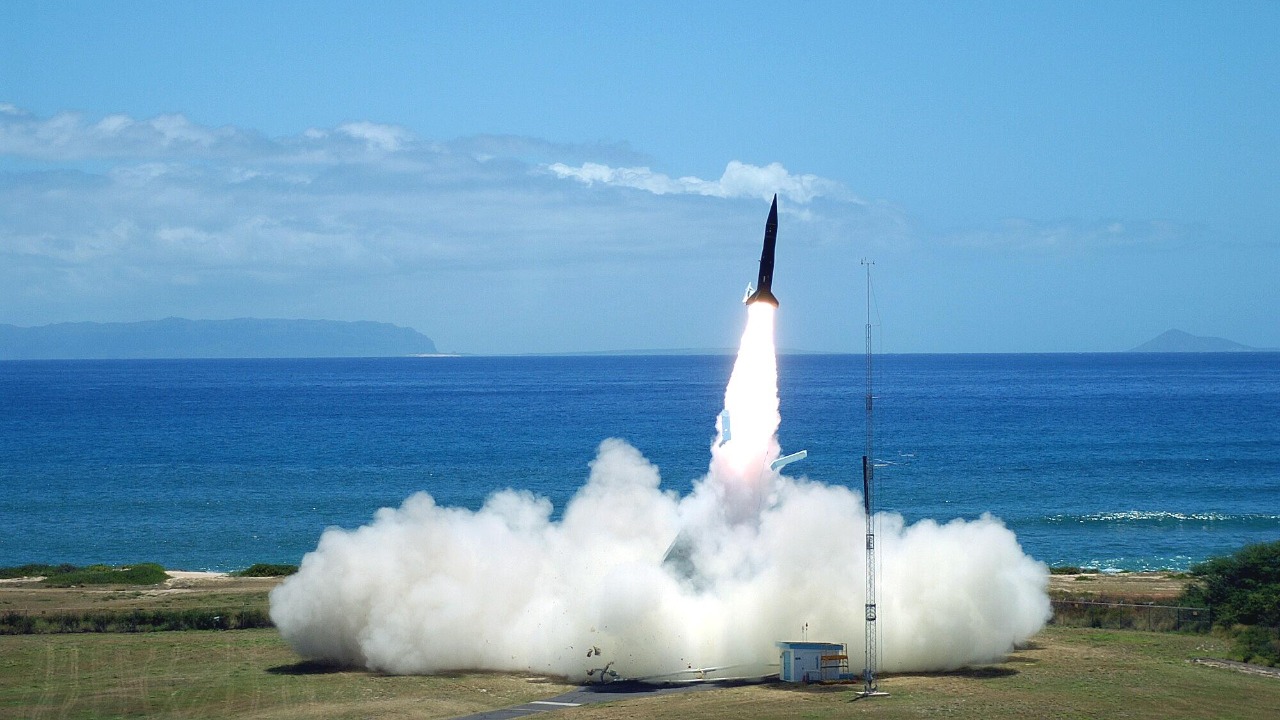
Laser defense systems offer a high-tech solution for intercepting and neutralizing incoming threats such as missiles and drones. These systems use directed energy to disable or destroy targets with precision, offering a protective shield for troops on the ground. The speed and accuracy of lasers make them a valuable addition to any defense arsenal.
Research and development in this area focus on improving the range and power of laser systems, making them more effective against a wide array of threats. The use of laser technology represents a shift towards more sustainable and cost-effective defense systems, as they require less ammunition and can be deployed repeatedly without significant logistical challenges.
Wearable Health Monitors
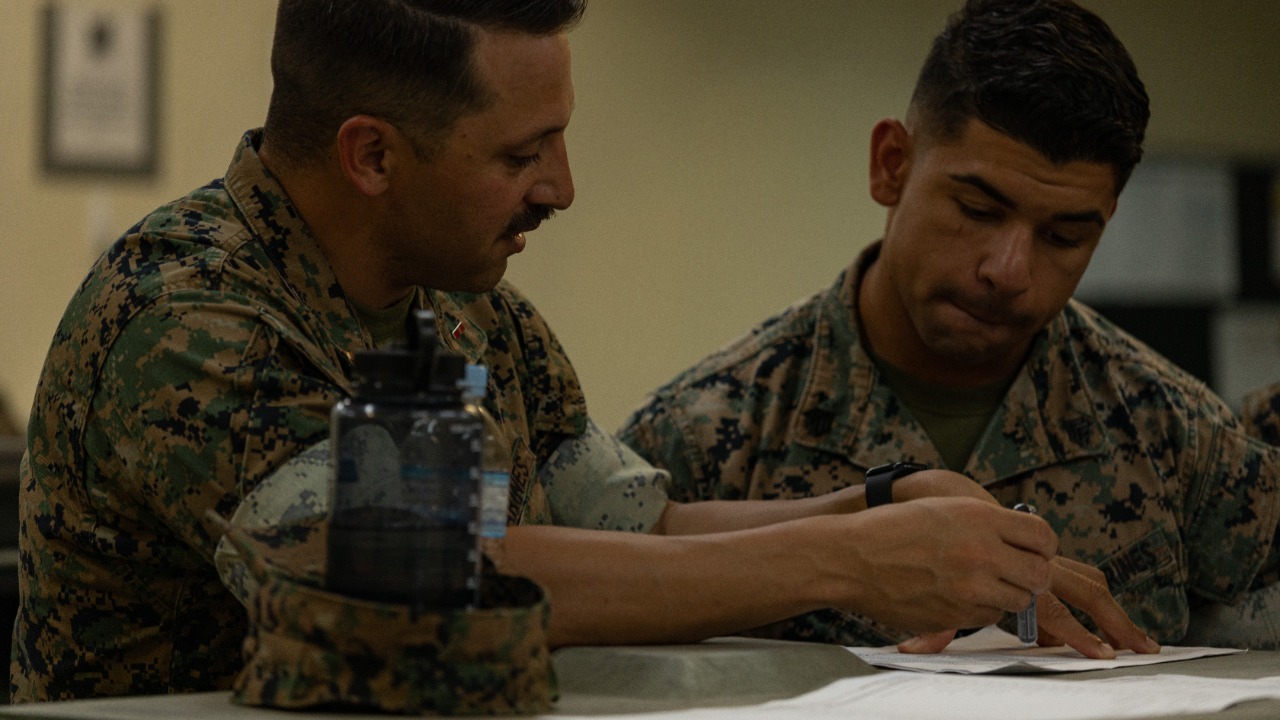
Wearable health monitors have become an essential tool for tracking the physical condition of soldiers in real time. These devices can monitor vital signs, detect injuries, and provide early warnings of health issues, allowing for prompt medical intervention. The data collected by these devices can be transmitted to medical personnel, enabling them to make informed decisions about a soldier’s fitness for duty.
Innovations in wearable technology are also enhancing the ability to monitor environmental conditions, such as temperature and humidity, which can impact a soldier’s performance and well-being. As wearable tech continues to advance, its role in maintaining the health and safety of soldiers will only grow, providing critical support in both training and combat scenarios.
