The universe is filled with mysteries that continue to baffle scientists and enthusiasts alike. Among these enigmas are the various sounds captured from the depths of space. While space is a vacuum and sound cannot travel in the traditional sense, radio waves and other electromagnetic signals can be translated into audio forms, revealing a symphony of unexplainable cosmic phenomena.
The Eerie Whispers of Saturn
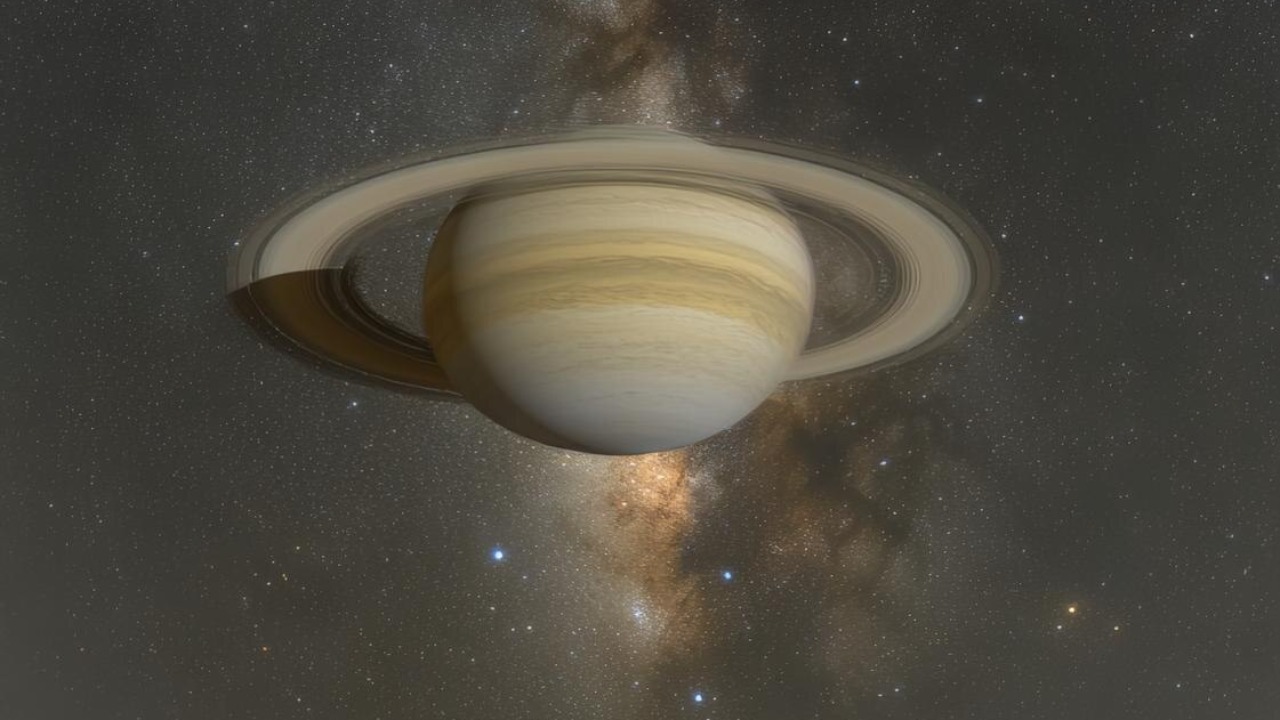
Saturn, with its majestic rings and swirling storms, has long intrigued astronomers. But it’s not just the visual spectacle that captures attention. The planet emits eerie radio waves that, when converted to sound, create an otherworldly chorus. These emissions, recorded by missions like Cassini, reveal a curious blend of whistles and pops that seem almost alive.
Scientists attribute these sounds to interactions between Saturn’s magnetic field and its moons, particularly Enceladus. However, the precise mechanisms remain a topic of debate. The sounds are captivating, not just because of their alien nature, but also due to the mystery they represent. They remind us of how much there is still to discover about our solar neighborhood.
Mysterious Pulses from a Distant Galaxy
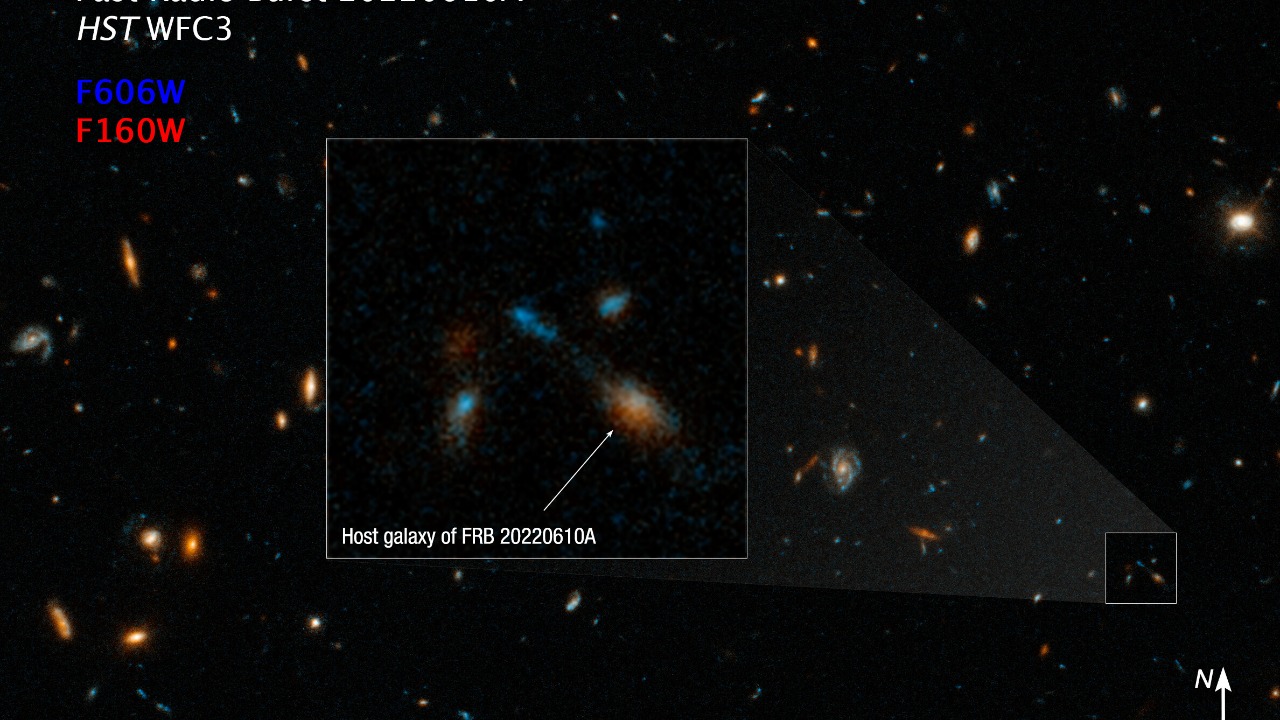
Far beyond our own galaxy, astronomers have detected mysterious radio pulses known as Fast Radio Bursts (FRBs). These brief but intense bursts of energy are perplexing, lasting only milliseconds, yet releasing as much energy as the sun does in an entire day. The origin of FRBs is still unknown, leading to a plethora of theories ranging from neutron star collisions to alien technology.
What makes these sounds particularly intriguing is their unpredictability. Despite numerous detections, the exact source and cause of FRBs remain elusive, fueling both scientific inquiry and public fascination. As technology advances, researchers hope to unravel this cosmic puzzle, potentially shedding light on phenomena beyond our current understanding.
The Enigmatic Hiss of the Cosmic Void
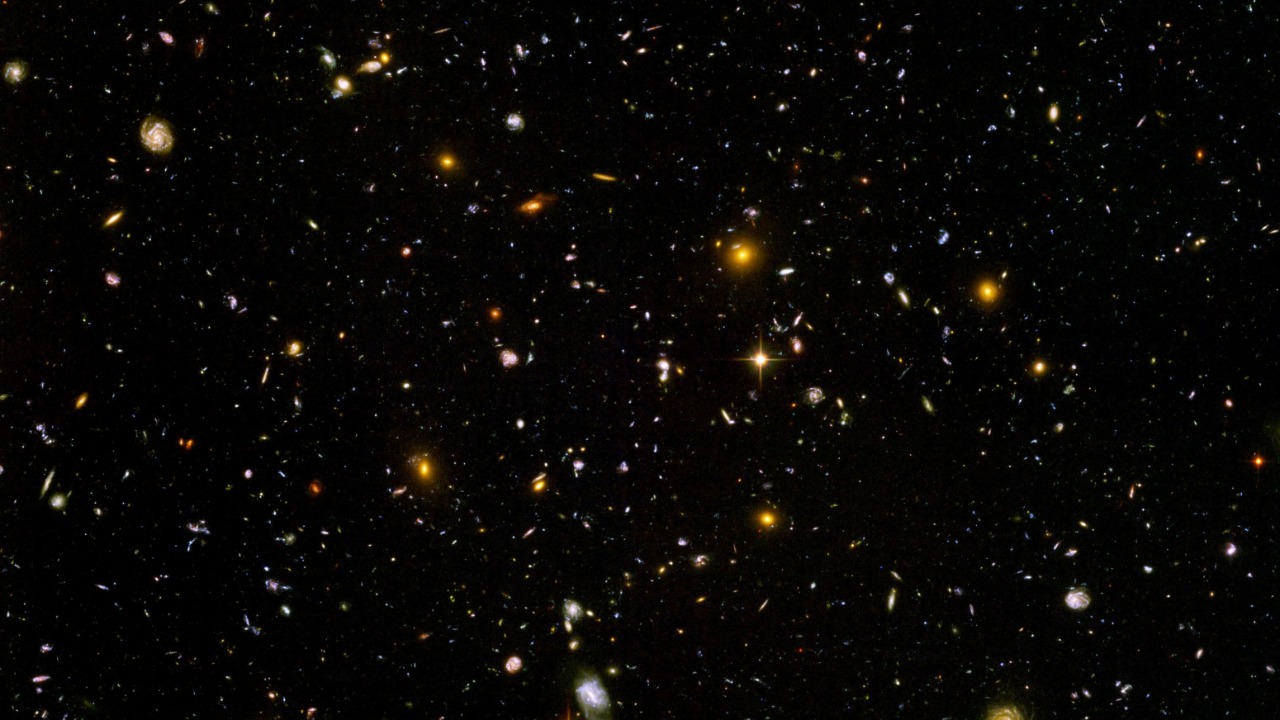
While space is predominantly silent, there exists a persistent, low-frequency hum known as the cosmic microwave background radiation. This hiss is a relic of the Big Bang, a faint afterglow that permeates the universe. When translated into sound, it resembles a static hiss, a reminder of the universe’s fiery beginnings.
Despite being well-documented, the cosmic hiss still holds secrets. Variations in the background radiation suggest early fluctuations in the universe’s density, which eventually led to the formation of galaxies and stars. Studying this ancient echo offers insights into the universe’s infancy, but questions about its true nature linger, enticing astronomers to delve deeper into the cosmic past.
Unidentified Rhythms from a Neutron Star
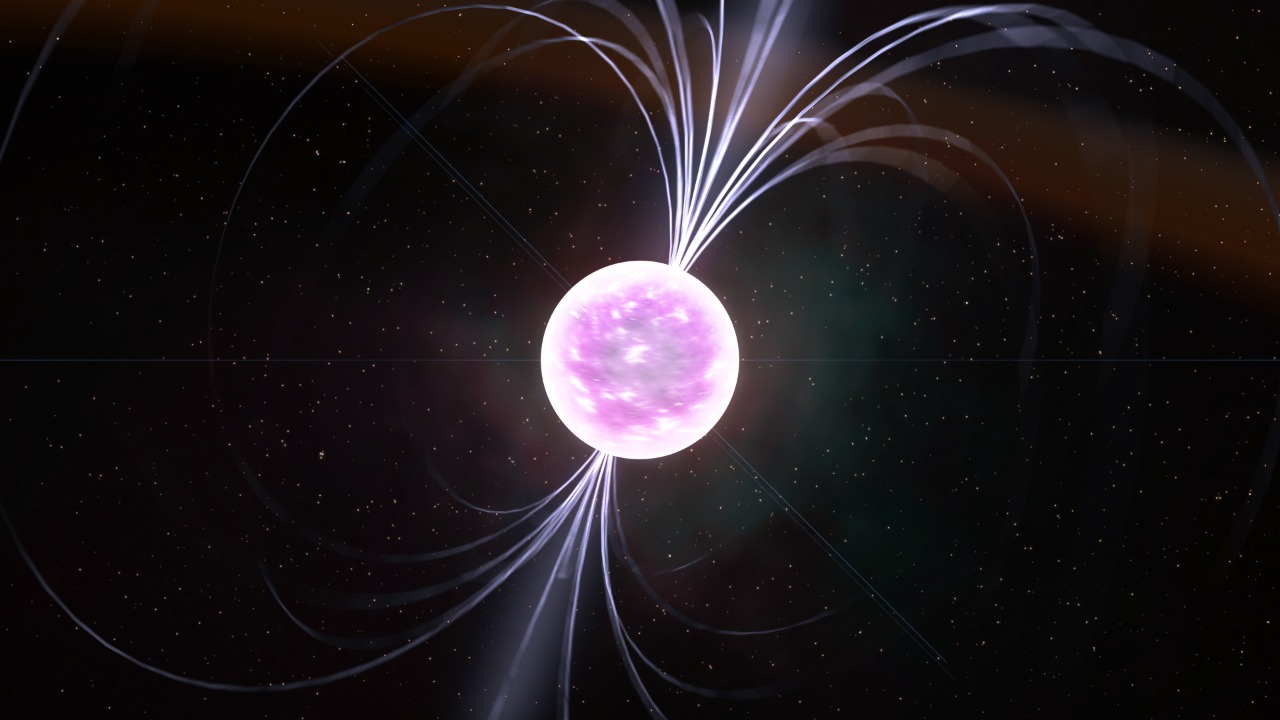
Neutron stars, the dense remnants of supernovae, are known for their intense magnetic fields and rapid rotation. Some of these stars emit rhythmic signals known as pulsar emissions, which can be translated into sound. These rhythms are both mesmerizing and perplexing, creating a cosmic heartbeat that echoes across the universe.
However, not all rhythms from neutron stars are understood. Some pulsars exhibit irregular patterns that defy current models. These variations could be due to a variety of factors, such as changes in the star’s rotation or magnetic field. Understanding these anomalies might offer insights into the complex physics governing these celestial objects.
The Haunting Echoes of a Black Hole
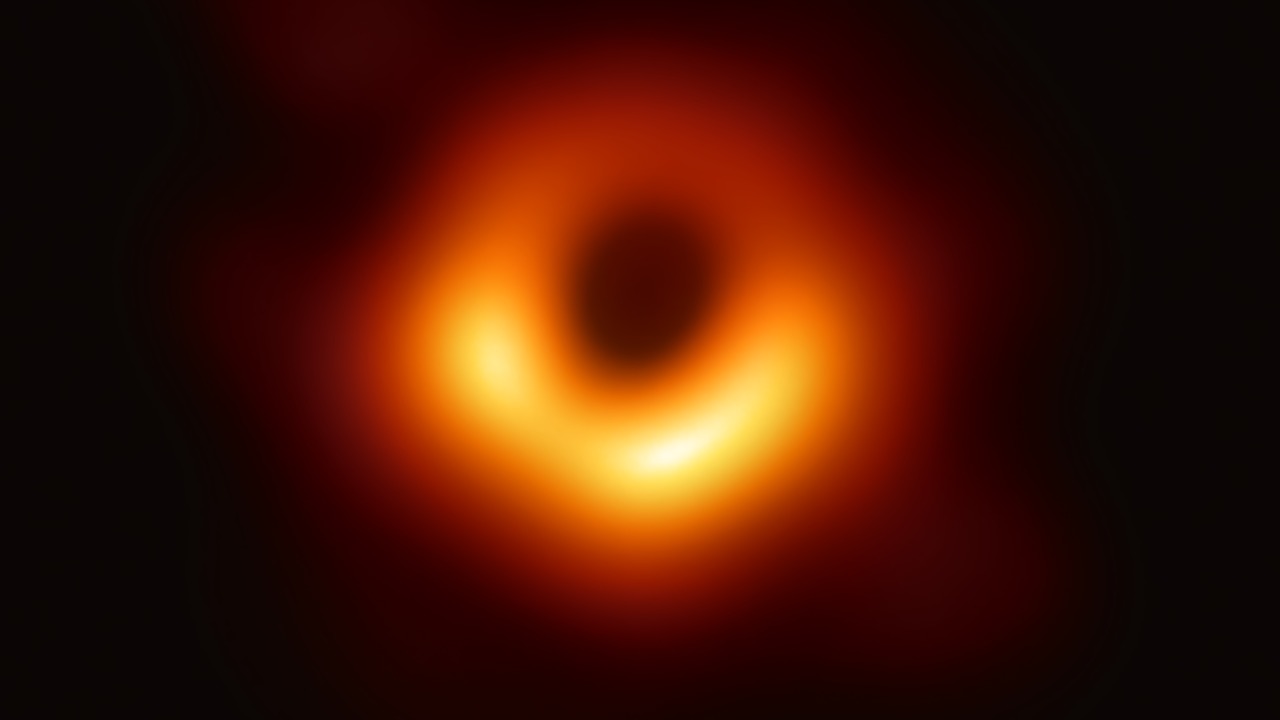
Black holes, regions of spacetime with gravitational pulls so strong that not even light can escape, have captivated both scientists and the public. Recently, astronomers have managed to capture the sounds of black holes through their interactions with surrounding matter. These sounds, when converted into audio, produce deep, haunting echoes that seem to resonate with the mysteries of the universe.
While the process of converting gravitational waves into sound is complex, the results are undeniably captivating. The sounds provide a unique opportunity to study the dynamics of black holes and their environments. As we continue to explore these enigmatic objects, the echoes they produce might one day reveal the secrets of the universe’s most extreme environments.
