In an era where cyber threats are ever-evolving, ensuring the security of our data is paramount. From quantum-resistant laptops to high-security enterprise servers, different computer systems offer varying levels of encryption to safeguard sensitive information. Here, I explore five types of computers that boast unbreakable encryption, ensuring your data remains secure against even the most sophisticated attacks.
Quantum-Resistant Laptops
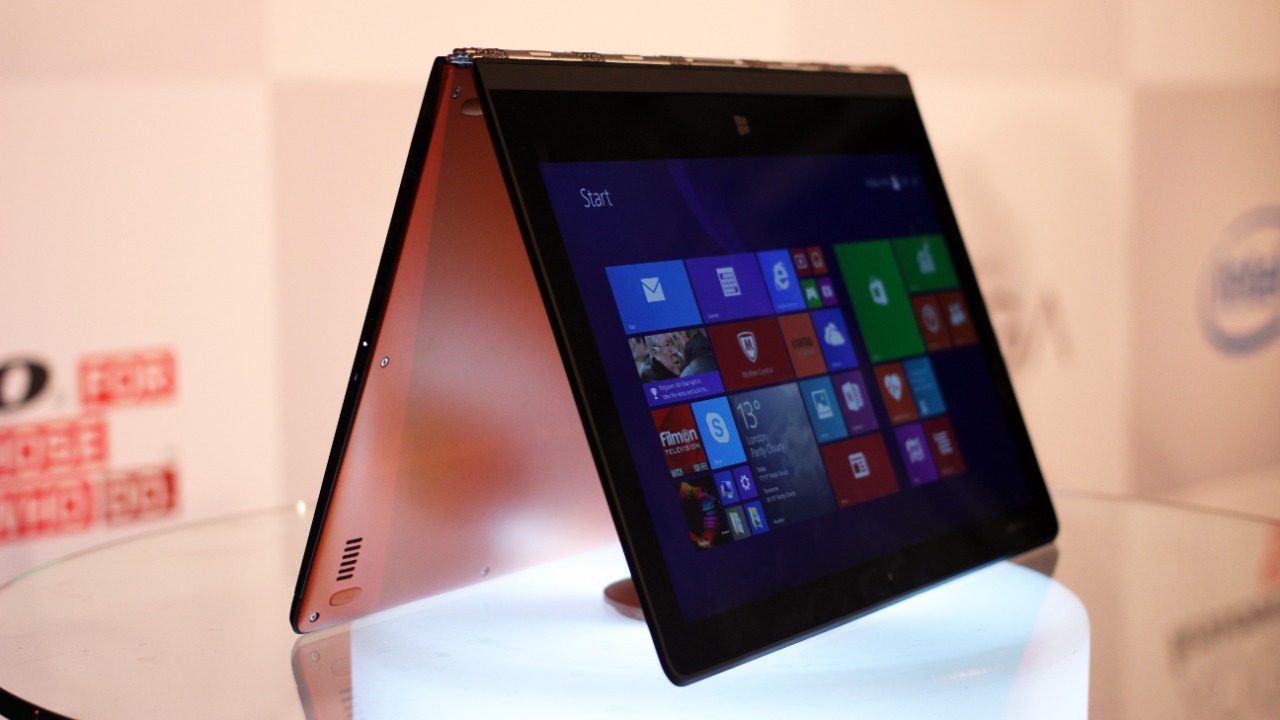
The advent of quantum computing has posed a significant challenge to traditional encryption methods. Quantum-resistant laptops have emerged as a solution, incorporating algorithms designed to withstand the power of quantum computers. These laptops utilize lattice-based cryptography, which is believed to be secure against quantum attacks. Brands like Lenovo and Dell have started integrating quantum-proof algorithms into their business-class laptops, ensuring data protection for years to come.
Such laptops are ideal for industries that handle sensitive data, such as finance and healthcare. As quantum technology continues to develop, the importance of adopting quantum-resistant encryption cannot be overstated. Researchers and manufacturers are actively working to make these laptops accessible for a broader audience, ensuring a future-proof solution for secure computing.
Military-Grade Secure Workstations
Military-grade secure workstations are specifically designed to meet the stringent security requirements of defense organizations. These computers often feature hardware-based encryption and rigorous security protocols, providing an extra layer of protection against unauthorized access. The Advanced Encryption Standard (AES) is commonly employed, offering robust security that is nearly impossible to crack with current technology.
Brands like HP and Dell offer workstations that are certified to meet military specifications, ensuring they can operate in harsh environments while maintaining data security. These workstations often include secure boot processes and encrypted storage solutions, making them a reliable choice for any organization prioritizing data integrity.
Privacy-Focused Ultrabooks

For users who prioritize privacy, ultrabooks with privacy-centric features offer an excellent solution. These lightweight laptops come equipped with features such as biometric authentication, secure boot, and hardware-backed encryption. Companies like Apple and Microsoft have pioneered this category with their MacBook and Surface lines, respectively, offering built-in encryption that protects data even if the device is lost or stolen.
Privacy-focused ultrabooks also integrate secure browsing features and advanced firewalls. Such devices are ideal for professionals who are constantly on the move, ensuring their data remains protected without compromising on performance or portability. Encryption algorithms used in these devices are continually updated to protect against new threats, making them a smart choice for anyone concerned about privacy.
Blockchain-Integrated Desktops
Blockchain technology, known for its decentralized and secure nature, is now being integrated into desktop computers to enhance security. These desktops use blockchain to verify and encrypt data transactions, adding an extra layer of security that is difficult to breach. IBM has been at the forefront of this innovation, using blockchain to secure everything from personal data to financial transactions.
By utilizing blockchain, these desktops ensure data integrity and transparency, reducing the risk of tampering or unauthorized access. This technology is particularly appealing for businesses that require a high level of data security, such as those in the financial or healthcare sectors. As blockchain technology evolves, its integration into desktop computers promises to revolutionize data security practices.
High-Security Enterprise Servers
Enterprise servers are the backbone of any large organization, and securing these servers is crucial. High-security enterprise servers are equipped with state-of-the-art encryption technologies to protect sensitive company data. Companies like IBM and Oracle offer servers with advanced encryption capabilities, including homomorphic encryption, which allows data to be processed without being decrypted.
These servers often include features such as secure multi-tenancy and encrypted virtual machines, ensuring data remains isolated and protected. They are designed to handle massive amounts of data while maintaining high levels of security and performance. For organizations dealing with critical data, investing in high-security enterprise servers is a strategic move to safeguard against potential breaches.
