As climate change continues to accelerate, glaciers around the world are melting at unprecedented rates. Along with the environmental impacts, this melting is revealing hidden historical treasures that have been locked away for millennia. Among these treasures are ancient tools that provide a fascinating glimpse into the lives of early humans. Here, I delve into five remarkable tools discovered as glaciers recede, shedding light on the ingenuity of our ancestors.
Otzi the Iceman’s Copper Axe
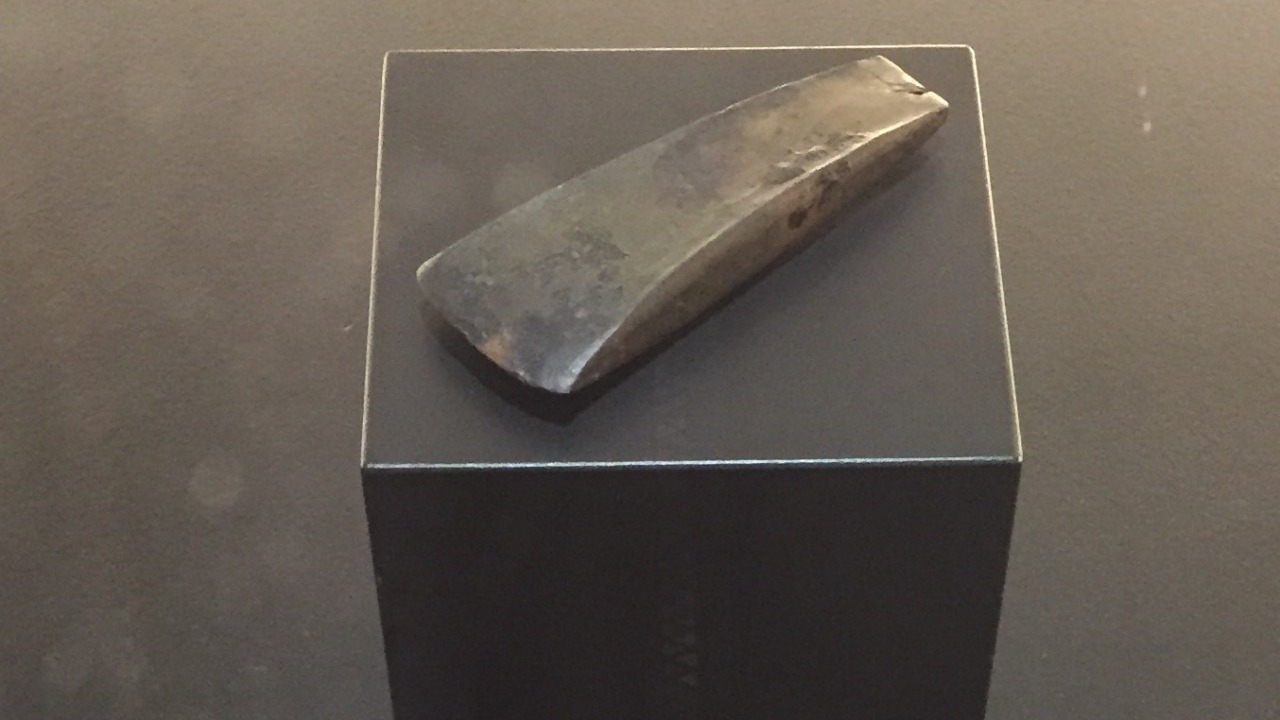
One of the most significant archaeological finds uncovered by melting ice is Otzi the Iceman. Discovered in the Ötztal Alps in 1991, Otzi’s remarkably preserved body dates back over 5,000 years. Among his possessions, the copper axe stands out as a tool of both practical and symbolic significance. The axe’s blade, made of nearly pure copper, highlights the advanced metalworking skills of the time and suggests the importance of copper in Neolithic society.
Researchers believe that the copper for the axe was sourced from Tuscany, over 300 miles away from where Otzi was found. This indicates not only the mobility of these ancient people but also their extensive trade networks. The design and craftsmanship of the axe reveal much about the technological advancements of the era, showcasing a blend of utility and artistry. Such discoveries open a window into the daily life of prehistoric humans and their interaction with the environment.
The Schnidejoch Bow and Arrows

The Schnidejoch Pass, located in the Swiss Alps, has become an invaluable site for archaeologists thanks to receding glaciers. In 2003, a hiker stumbled upon a collection of artifacts, including a bow and arrows, which were later dated to around 4,000 years ago. This find is particularly significant as it offers insight into ancient hunting techniques and the materials used.
The bow, made from yew wood, highlights the use of natural resources and the skill involved in its construction. The arrows, with their flint arrowheads and sinew bindings, demonstrate a sophisticated understanding of aerodynamics and weapon design. Such discoveries are crucial for understanding the subsistence strategies of ancient populations and their adaptation to harsh alpine environments. As glaciers continue to retreat, more secrets from the past, like those from Schnidejoch, are expected to emerge, offering further glimpses into the history of human ingenuity.
The Yukon’s Ancient Moccasins

In the icy wilderness of Canada’s Yukon Territory, melting ice patches have revealed an unexpected treasure trove of artifacts, including fragments of ancient moccasins. These moccasins, believed to be over 1,000 years old, provide a rare glimpse into the footwear of Indigenous peoples who lived and thrived in these harsh environments.
The moccasins were crafted from caribou hide, showcasing a deep understanding of material properties and the ability to create functional clothing from available resources. The stitching and design of these moccasins reveal intricate craftsmanship and cultural significance, offering clues about the daily lives and mobility of the people who wore them. Such finds underscore the adaptability of ancient cultures to changing climates and landscapes, as well as their resourcefulness in using the natural world to their advantage.
The Iron Age Wooden Sledge
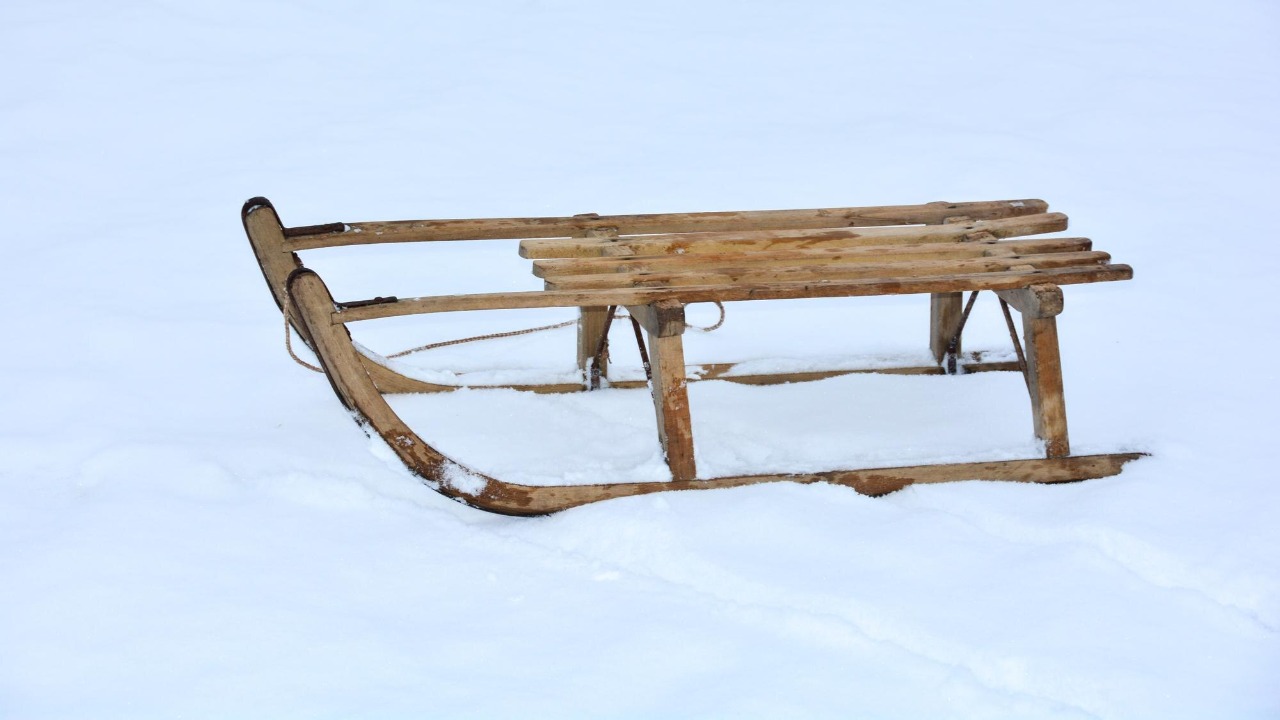
Another fascinating discovery unearthed by melting glaciers is an Iron Age wooden sledge, found in Norway. This artifact, estimated to be around 1,500 years old, offers a glimpse into ancient transportation methods and the engineering skills of the time. The sledge was discovered in the Lendbreen ice patch, a site that has yielded numerous other artifacts.
Constructed primarily from birch wood, the sledge’s design reflects the ingenuity of its makers, who crafted a durable means of transporting goods across snow and ice. The sledge features a flat bottom and curved runners, optimized for gliding over icy terrain. This discovery highlights the importance of sledges in the daily lives of Iron Age communities, enabling them to navigate challenging environments and maintain their livelihood. As more artifacts emerge from the ice, our understanding of ancient transportation and trade networks continues to deepen.
The Bronze Age Horse Bridle
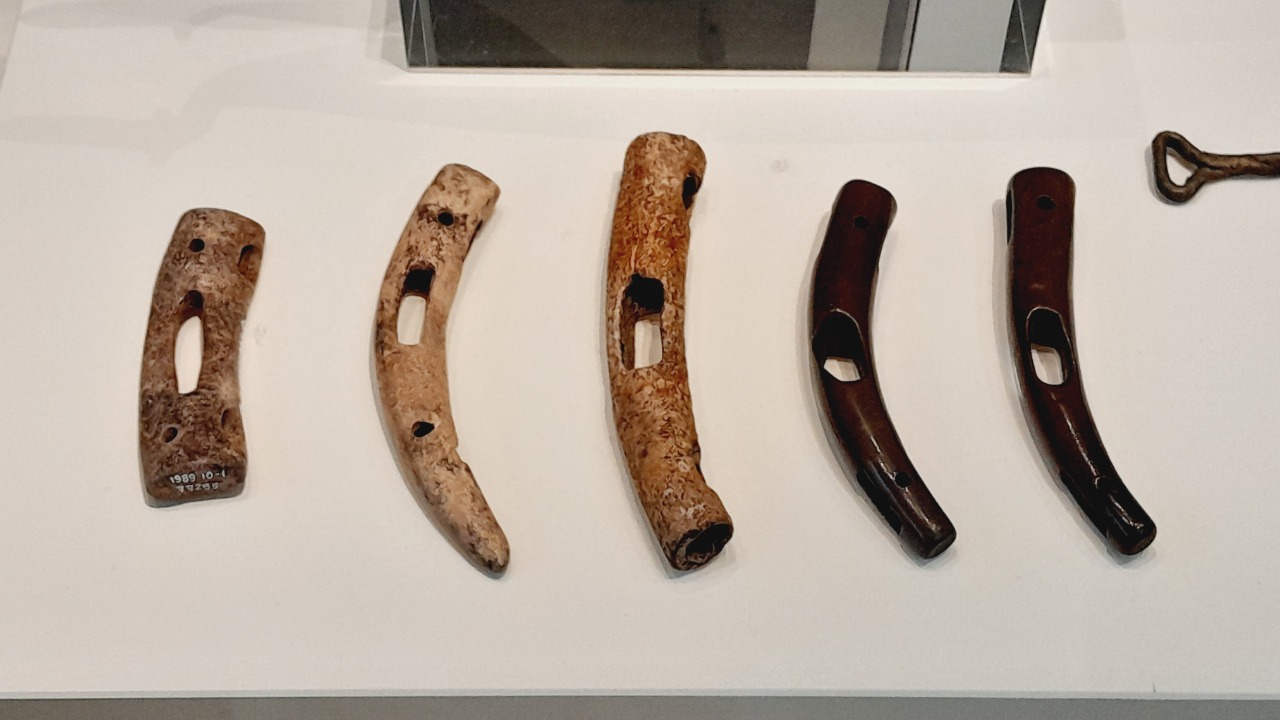
In a remarkable find at the Jotunheimen Mountains in Norway, a Bronze Age horse bridle was revealed by the receding glaciers. Estimated to be over 3,000 years old, this discovery offers a rare glimpse into the domestication of horses and their role in ancient societies. The bridle, made from leather and decorated with bronze fittings, indicates the importance of horses in transportation and warfare during this period.
The craftsmanship of the bridle, with its intricate design and durable materials, reflects a sophisticated understanding of animal husbandry and the critical role horses played in expanding trade and communication networks. This find not only enriches our understanding of Bronze Age technologies but also highlights the adaptive strategies of past cultures in exploiting animal resources. As glaciers continue to melt, more such discoveries are expected, providing further insights into the complex relationship between humans and their environment.
These discoveries, emerging from the depths of ice and time, not only enrich our understanding of ancient cultures but also underscore the dynamic interplay between humans and their environment. As glaciers continue to melt, it is crucial to document and preserve these artifacts, offering future generations a tangible connection to their past. The melting glaciers serve as both a warning and an opportunity, revealing the intricate tapestry of human history that was once hidden beneath the ice.
