
Artificial Intelligence is revolutionizing education, offering tools that enhance learning experiences and streamline academic processes. However, some AI technologies are so advanced that schools are opting to ban them to maintain academic integrity. Here are five AI tools that have faced restrictions in educational environments.
1) Advanced Essay Generators
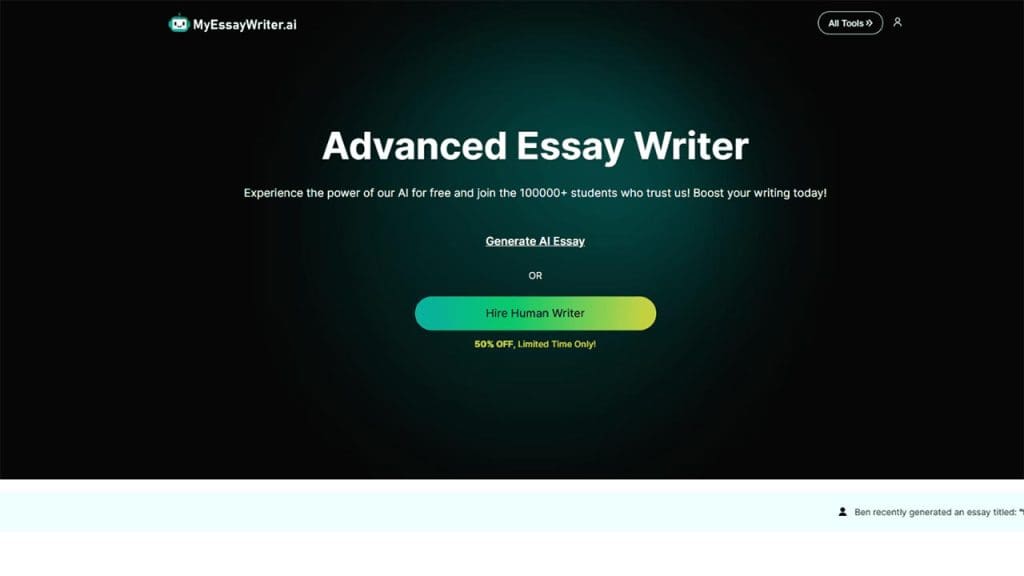
The rise of AI-powered essay generators has made it easier than ever for students to produce well-written essays with minimal effort. These tools can create coherent and contextually relevant content on a variety of topics, raising concerns about plagiarism and originality. Educators worry that students may rely too heavily on these technologies, leading to a decline in critical thinking and writing skills. As a result, some institutions have banned their use, emphasizing the importance of learning to craft authentic, personal writing.
2) AI-Powered Plagiarism Detectors
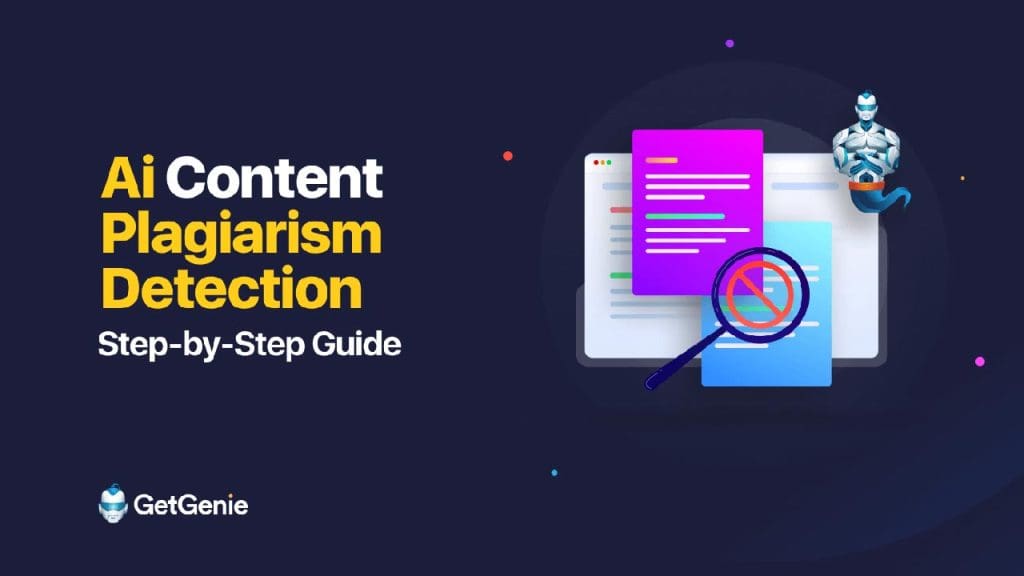
While designed to uphold academic integrity, AI-powered plagiarism detectors have sparked a debate about privacy and accuracy. These tools can scan vast databases to detect similarities between submitted work and existing content. Although they play a crucial role in identifying copied material, concerns have been raised about false positives and the ethical implications of monitoring student submissions. Some schools have opted to limit their use, fearing potential misuse and the impact on student trust.
3) Intelligent Language Translators
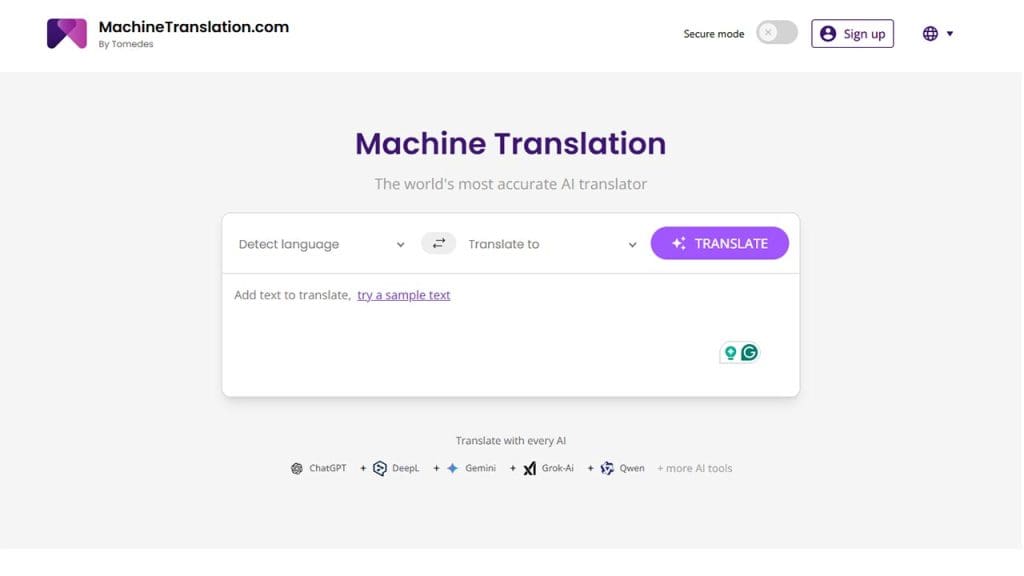
Intelligent language translators have become indispensable for students learning foreign languages, but their capabilities have led to restrictions in academic settings. These AI tools provide real-time translation and nuanced interpretation of texts, allowing students to bypass the learning process. According to educational research, relying heavily on translators can hinder language acquisition and cultural understanding. To encourage language immersion and skill development, some educators have restricted their use during assessments and language classes.
4) Automated Research Compilers

Automated research compilers have revolutionized how students gather and organize information for projects and papers. These AI-driven tools can quickly compile relevant data from multiple sources, streamlining the research process. However, as discussed in educational studies, there is concern that students may not develop essential research skills or critically engage with their sources. To promote independent research abilities, some academic institutions have chosen to ban or limit the use of these compilers.
5) Smart Math Problem Solvers
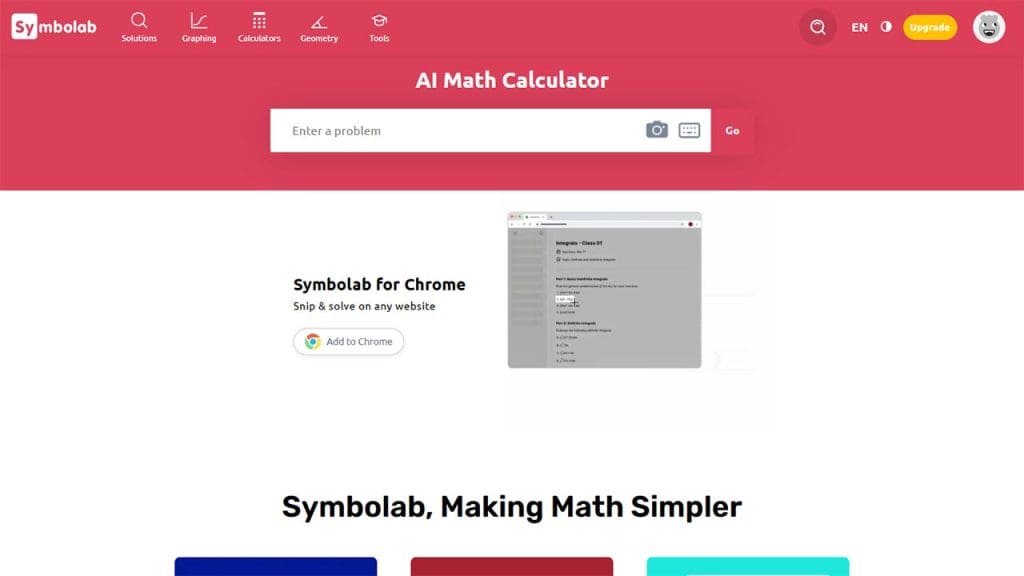
Smart math problem solvers leverage AI to provide instant solutions to complex equations, aiding students who struggle with math concepts. These tools offer step-by-step explanations and can be a valuable educational resource. However, as noted in the ongoing debate on AI in education, there is concern that students might become overly dependent on these solutions, bypassing the learning process. To ensure students develop critical thinking and problem-solving skills, some schools have restricted their use in classroom settings.
