Scientists have successfully extracted and analyzed DNA from a 4,600-year-old human skeleton discovered at the Naqada site in Upper Egypt. This analysis has revealed unexpected genetic connections to ancient populations in Mesopotamia, suggesting previously unrecognized migrations or interactions between these regions during the Old Kingdom period. The individual, a male aged approximately 25–35 years at death, belonged to a community at the predynastic Naqada III site. His genome shows a mix of local Egyptian ancestry with Levantine and Mesopotamian influences, marking the first successful ancient DNA sequencing from predynastic Egypt. This breakthrough, published in a July 2025 study, provides direct evidence of gene flow that reshapes our understanding of early Bronze Age cultural exchanges.
The Discovery and Excavation
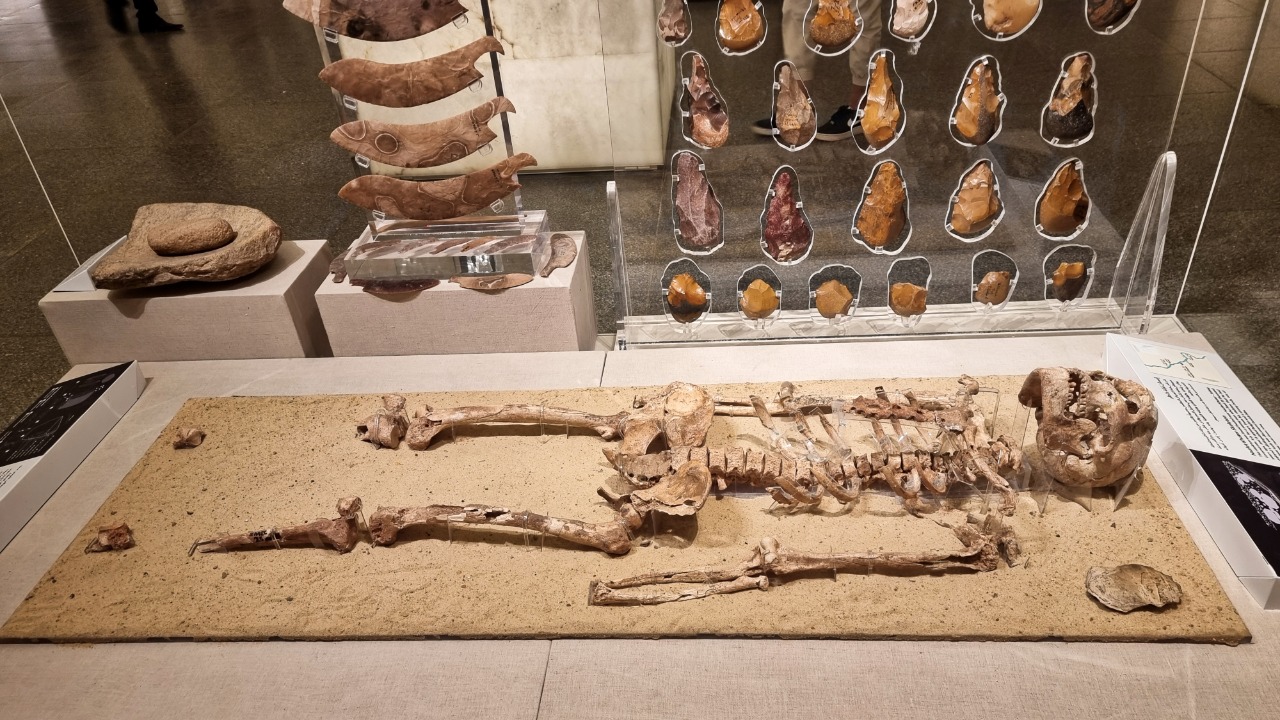
The 2019 excavation at the Naqada III cemetery in Upper Egypt, led by archaeologists from the University of Tübingen, uncovered the skeleton cataloged as N IIIa-1. This skeleton was found in a simple pit grave alongside pottery and tools typical of the predynastic era. The discovery site, rich in historical artifacts, provided a unique glimpse into the lives of ancient Egyptians. However, the preservation of the remains posed significant challenges due to Egypt’s hot climate, which typically degrades ancient DNA. To overcome this, the team transported the remains to a lab in Germany, where they used petrous bone samples for DNA extraction [Euronews].
The skeleton’s physical characteristics, including a height estimated at 165 cm, and signs of manual labor evident from the teeth and bones, suggest he was likely a local farmer or artisan. These details provide a vivid picture of the individual’s life and social status within his community. The findings underscore the importance of integrating archaeological and genetic data to reconstruct ancient lifestyles and interactions [CGTN Africa].
DNA Analysis Techniques
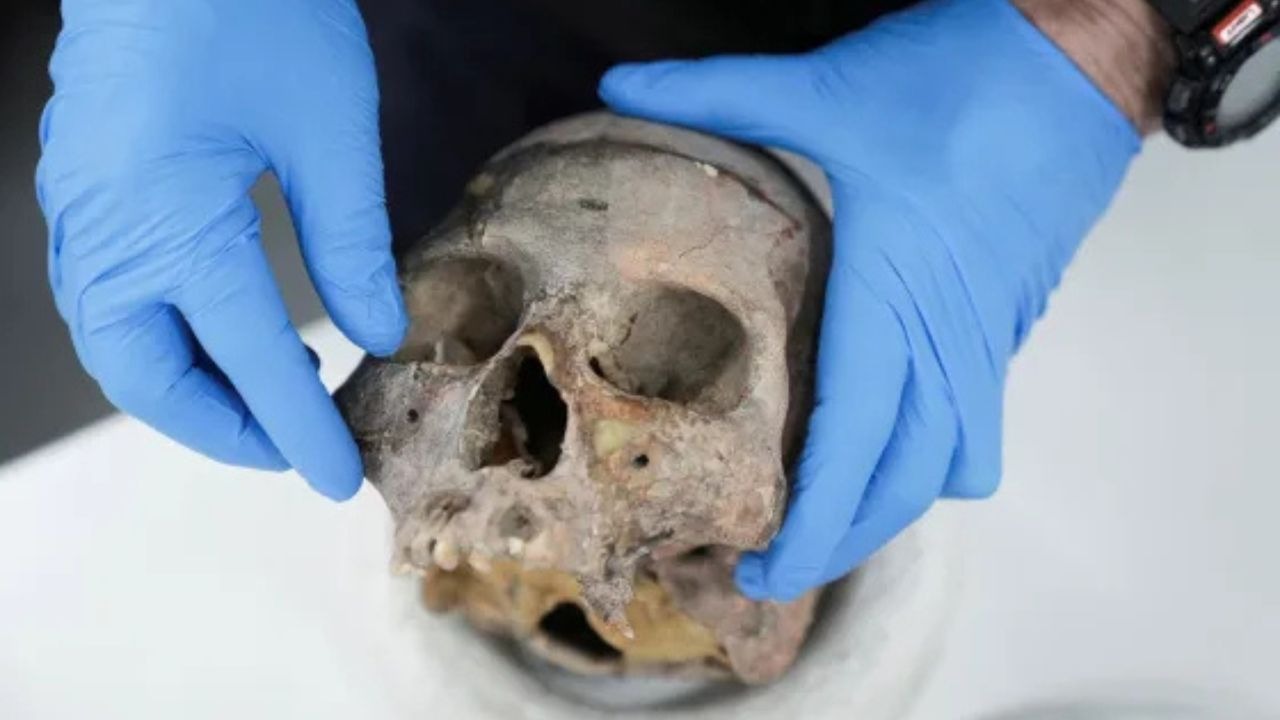
The DNA sequencing process employed next-generation methods on a 10 mg sample from the temporal bone, achieving 0.1x coverage of the genome after filtering for contamination. This meticulous process was authenticated through multiple labs, including the Max Planck Institute, ensuring the reliability of the results. The use of advanced techniques highlights the progress in ancient DNA research, allowing scientists to explore genetic histories previously inaccessible [KCCI].
Principal component analysis (PCA) and admixture modeling were used to compare the genome against 1,000 modern and ancient datasets. This analysis confirmed a 70–80% continuity with Neolithic Levantine farmers and a 15–20% affinity to Mesopotamian groups from sites like Tell Brak. Such findings provide a clearer picture of the genetic landscape of ancient populations and their movements across regions. The study also verified that there were no close modern Egyptian relatives in the dataset, emphasizing the genome’s uniqueness as the oldest successfully sequenced from North Africa predating the pyramids [National Geographic].
Genetic Links to Mesopotamia
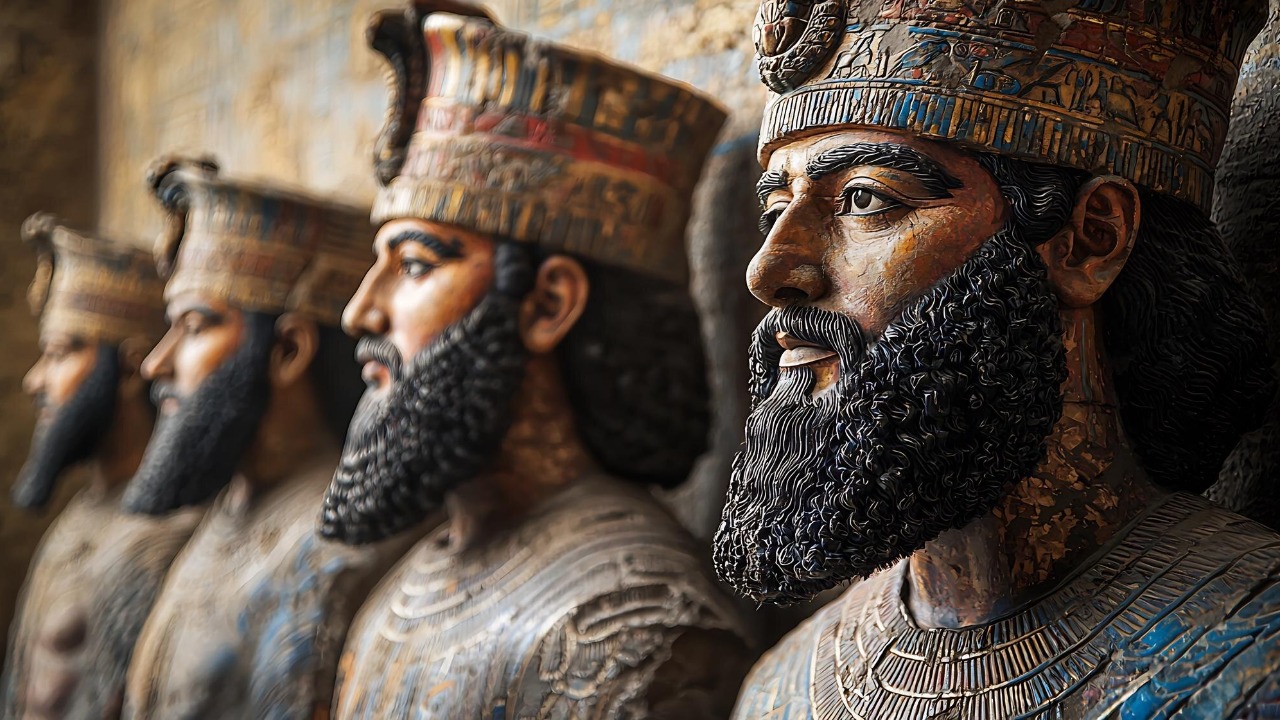
The genetic analysis revealed shared haplogroups, including Y-chromosome J2-M172, which is common in Bronze Age Mesopotamia. This indicates male-mediated migration around 3000 BCE from the Fertile Crescent to the Nile Valley. Such genetic links provide tangible evidence of historical migrations and interactions that shaped the cultural and genetic makeup of ancient civilizations [Archaeology Magazine].
Mitochondrial DNA findings showed H1 lineage ties to early Sumerian populations, suggesting intermarriage or trade-related gene flow during the Naqada period. This genetic evidence aligns with archaeological findings of Mesopotamian-style artifacts in Egypt, supporting theories of cultural diffusion. Notably, the absence of sub-Saharan African markers in this individual contrasts with later Egyptian pharaohs, pointing to a predominantly Near Eastern ancestry influx before dynastic unification [National Geographic].
Implications for Ancient Civilizations
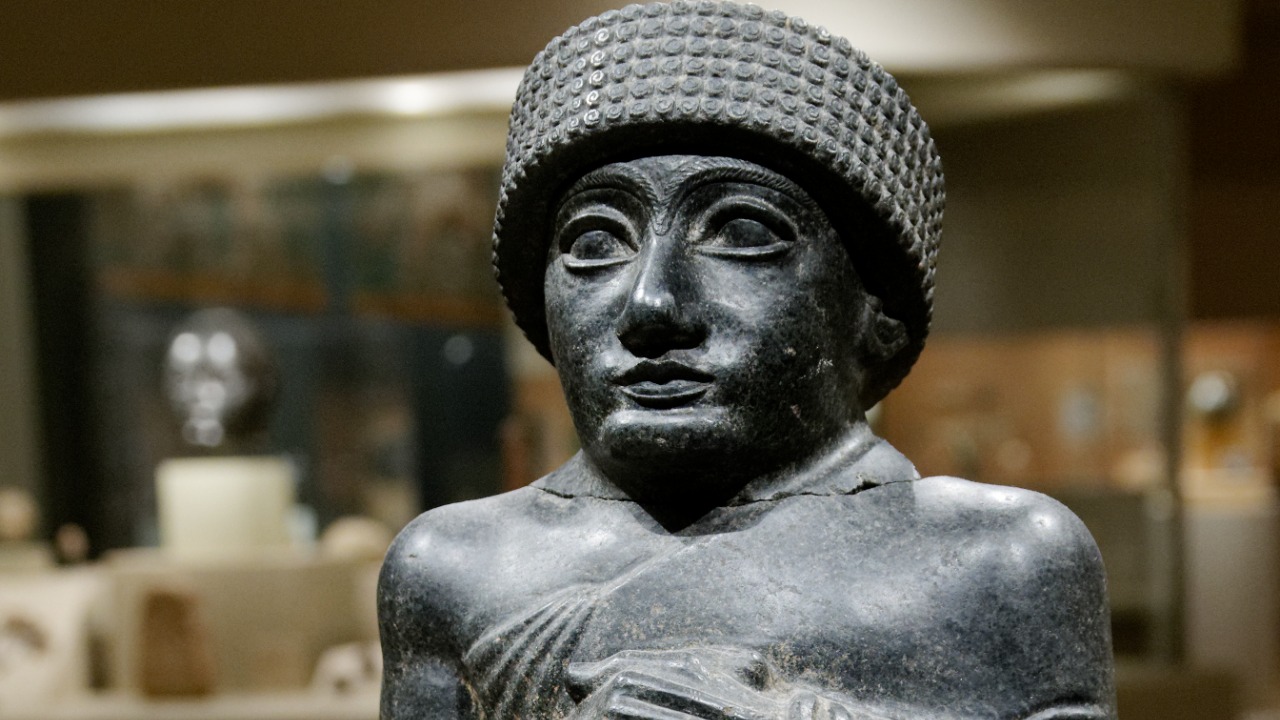
The genetic data supports archaeological evidence of Mesopotamian-style artifacts, such as cylinder seals, appearing in Naqada graves. This implies cultural diffusion via the Levant around 2600 BCE, highlighting the interconnectedness of ancient civilizations. Such findings challenge traditional narratives and suggest a more complex web of interactions and exchanges between early societies [Euronews].
Climate-driven migrations during the 4.2 kiloyear event may have pushed Mesopotamian groups southward, influencing Egyptian state formation. This perspective offers a new understanding of how environmental factors shaped human history and the development of early states. The study’s findings also prompt a reevaluation of the “Dynastic Race” theory, as the genome shows no elite foreign origins but rather grassroots exchanges. This challenges previous assumptions about the origins of Egyptian civilization and highlights the importance of integrating genetic data into historical research [CGTN Africa].
