

Recent discoveries have unveiled two of the world’s largest lithium deposits, with significant findings in Germany and under an American supervolcano. The deposit discovered in Germany is estimated to contain 43 million tons of lithium. Meanwhile, a separate massive deposit under an American supervolcano is valued at 413 billion euros. These discoveries could potentially reshape the future of electric vehicles by providing substantial new sources of lithium for battery production.
Significance of the German Lithium Discovery
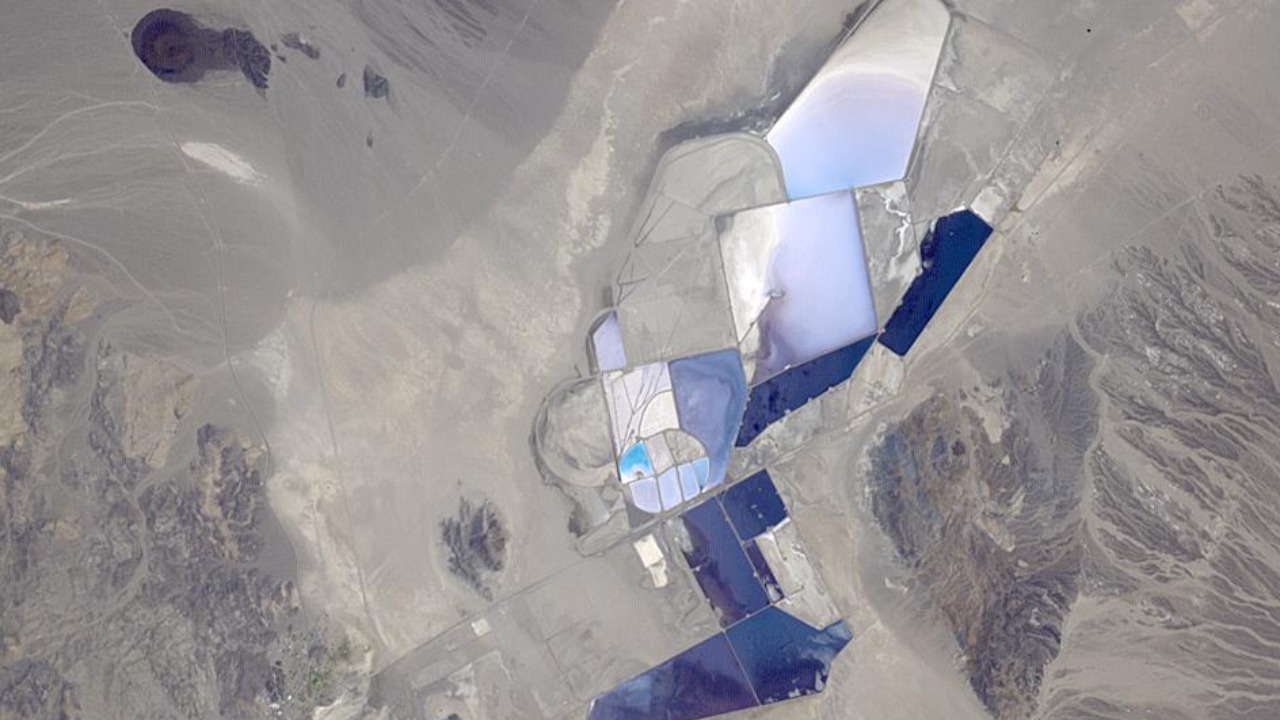
The discovery of a massive lithium deposit in Germany, estimated to contain 43 million tons of lithium, marks a significant milestone in the global search for this critical mineral. According to Interesting Engineering, this deposit could dramatically influence the electric vehicle (EV) industry by providing a substantial source of lithium for battery production. As the demand for EVs continues to rise, the availability of lithium becomes increasingly crucial, making this discovery particularly timely.
Germany’s position as a leader in automotive manufacturing could be further strengthened by this find. The potential to locally source lithium may reduce dependency on imports and lower production costs for German automakers. This could accelerate the transition to electric vehicles, aligning with global efforts to reduce carbon emissions and combat climate change. The strategic importance of this deposit cannot be overstated, as it offers a pathway to more sustainable and economically viable EV production.
Moreover, the German government may play a crucial role in facilitating the development of this lithium deposit. By implementing supportive policies and providing incentives for sustainable mining practices, Germany can ensure that the extraction process aligns with environmental standards. This approach not only protects local ecosystems but also enhances Germany’s reputation as a leader in green technology. Additionally, partnerships between the government, industry stakeholders, and research institutions could foster innovation in lithium extraction techniques, further solidifying Germany’s position in the global market.
Unveiling the American Supervolcano Deposit
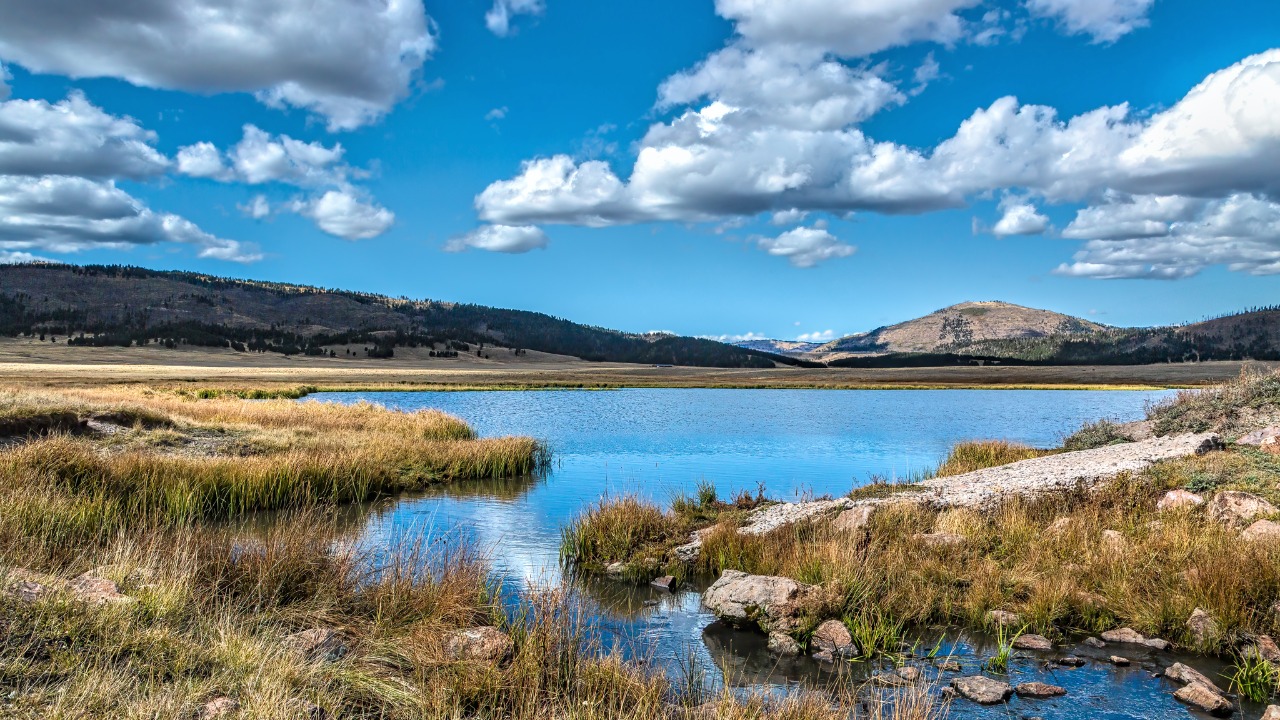
Geologists have uncovered what is claimed to be the world’s largest lithium deposit under an American supervolcano, with an estimated value of 413 billion euros. This discovery, reported by Indian Defence Review, highlights the immense potential of this deposit to transform the global lithium market. The sheer size and value of this deposit could position the United States as a major player in the lithium supply chain, reducing reliance on foreign sources.
The strategic implications of this find are significant, as it could enhance energy security and support the burgeoning EV industry in the United States. The ability to tap into such a vast resource may lead to increased investment in mining and processing infrastructure, creating jobs and boosting local economies. Furthermore, the development of this deposit could foster innovation in lithium extraction and processing technologies, potentially setting new standards for efficiency and sustainability in the industry.
In addition to its economic potential, the American supervolcano lithium deposit presents unique geological and environmental challenges. The location within a supervolcano raises concerns about the feasibility and safety of extraction operations. Experts suggest that advanced geological assessments and risk mitigation strategies will be essential to address these challenges. Furthermore, collaboration with environmental organizations could help develop extraction methods that minimize ecological impact, ensuring that the benefits of this resource are realized without compromising environmental integrity.
Impact on Global Lithium Supply
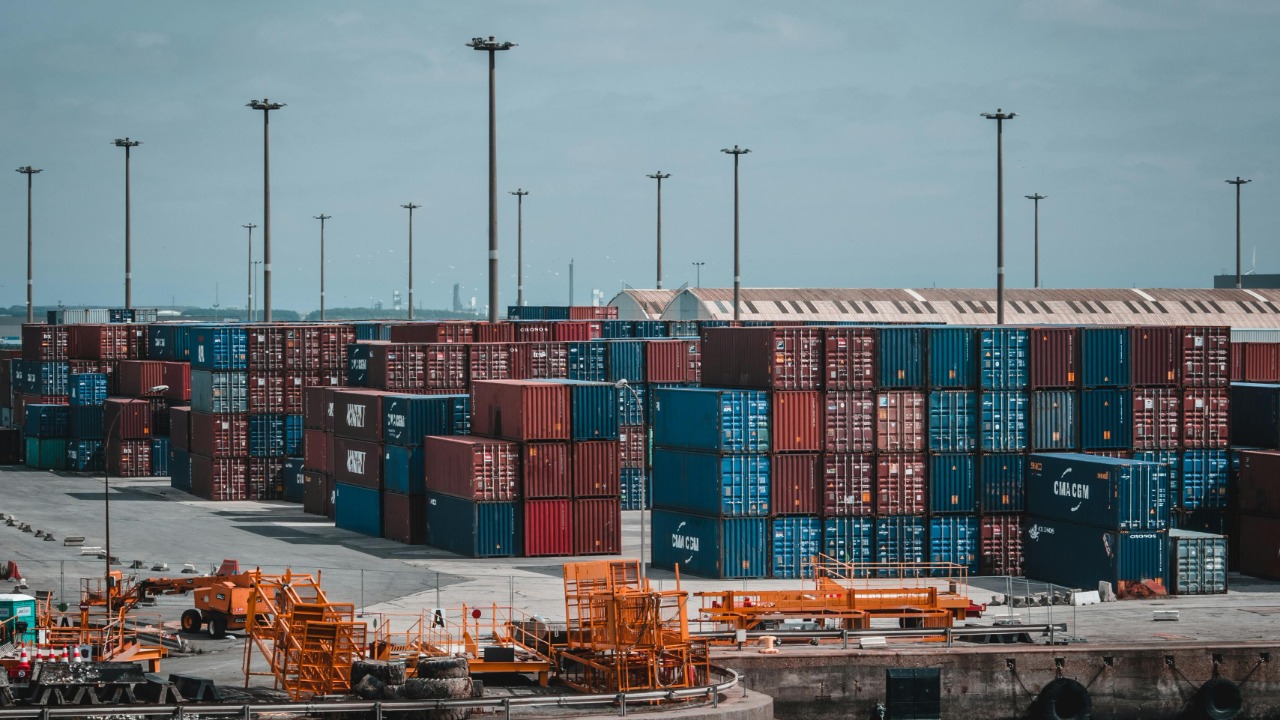
The discovery of these major lithium deposits in Germany and the United States could significantly alter the global supply chain for lithium, a critical component in electric vehicle batteries. As reported by Interesting Engineering, these findings could reduce reliance on existing lithium producers and diversify the sources of this essential mineral. This diversification is crucial for stabilizing supply and mitigating the risks associated with geopolitical tensions and market fluctuations.
With the potential to increase global lithium supply, these deposits could also lead to more competitive pricing, benefiting manufacturers and consumers alike. The increased availability of lithium may encourage further investment in EV technology and infrastructure, accelerating the transition to cleaner transportation options. As countries strive to meet ambitious climate goals, the strategic development of these deposits could play a pivotal role in achieving a sustainable energy future.
These discoveries also have the potential to influence global trade dynamics. As countries with significant lithium reserves, Germany and the United States could leverage their resources to negotiate more favorable trade agreements and strengthen their geopolitical standing. This shift could lead to a more balanced distribution of lithium resources worldwide, reducing the dominance of current leading producers. Additionally, the increased supply could spur technological advancements in battery technology, potentially leading to more efficient and longer-lasting batteries, which are crucial for the widespread adoption of electric vehicles.
Potential Challenges and Considerations
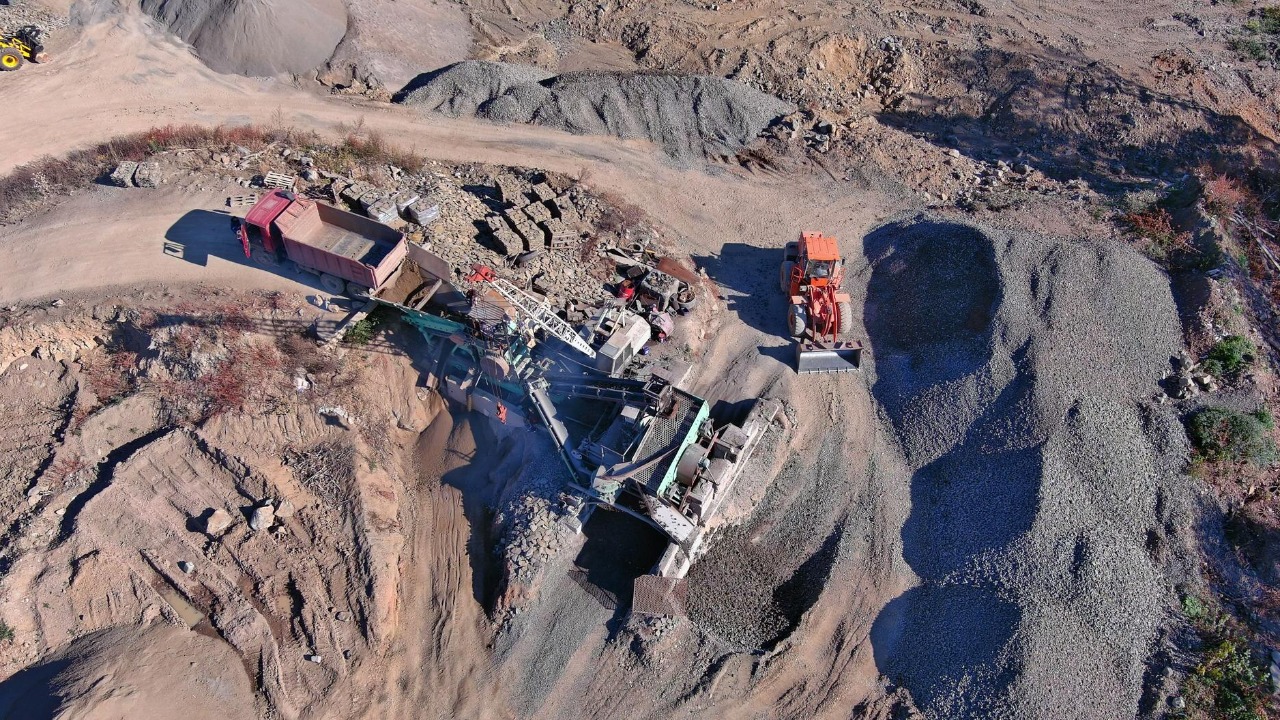
While the potential benefits of these lithium deposits are significant, several challenges and considerations must be addressed. The extraction of lithium from these deposits must consider environmental impacts and sustainability practices. As highlighted by Interesting Engineering, responsible mining practices are essential to minimize ecological disruption and ensure the long-term viability of these resources.
Economic and geopolitical factors may also influence how these deposits are developed and integrated into the global market. According to the Indian Defence Review, the strategic importance of these resources could lead to increased competition and potential conflicts over access and control. Policymakers and industry leaders must navigate these complexities to ensure that the development of these deposits aligns with broader economic and environmental objectives.
Another critical consideration is the social impact of developing these deposits. Communities near the mining sites may experience both positive and negative effects. On one hand, the creation of jobs and infrastructure development can boost local economies. On the other hand, there may be concerns about displacement and changes to traditional ways of life. Engaging with local communities and ensuring their involvement in decision-making processes can help mitigate these issues and promote equitable development. Additionally, transparent communication and fair compensation practices are essential to maintaining social harmony and support for mining projects.