Recent archaeological discoveries often reshape our understanding of ancient civilizations, but the unearthing of a 4,000-year-old handprint in an Egyptian tomb has sparked particular intrigue. Discovered in an unexpected location, this handprint offers insights into the secretive practices of its time, leaving experts and enthusiasts eager to uncover its hidden story.
The Discovery of the Ancient Handprint
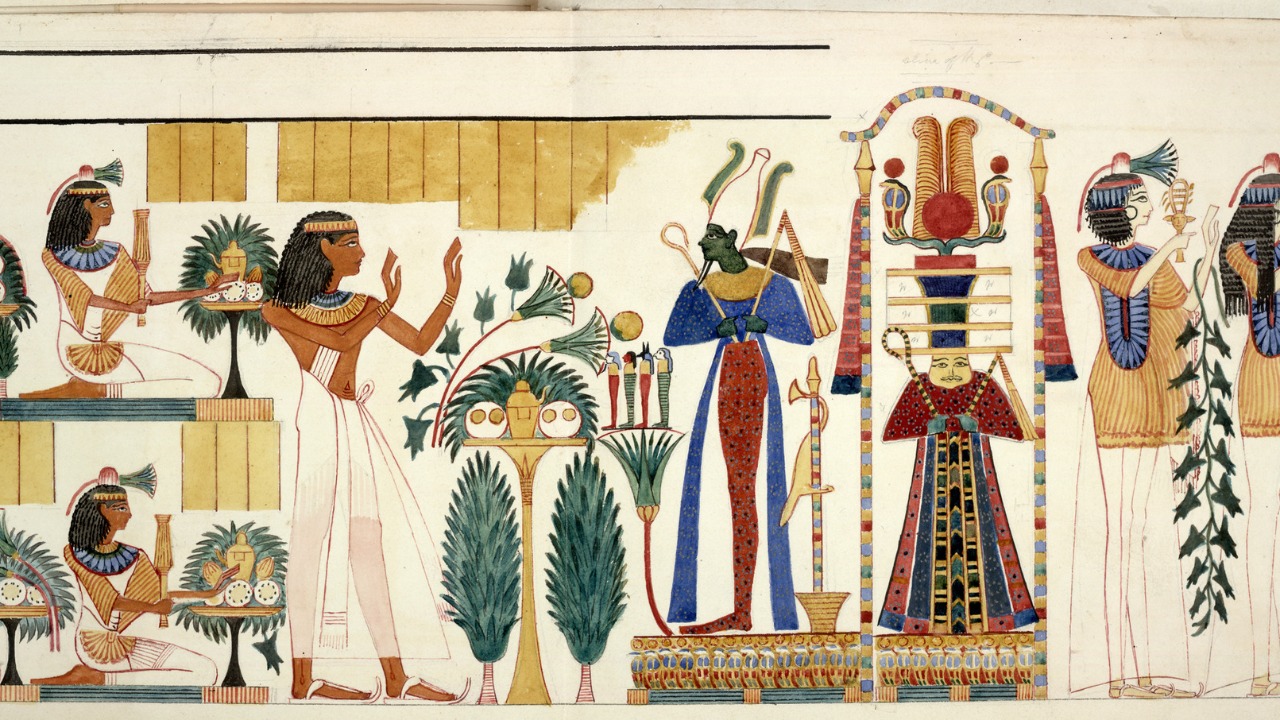
At a nondescript excavation site in Egypt, archaeologists stumbled upon what initially seemed like another routine find. However, as they delved deeper into the tomb’s secrets, they uncovered a unique feature: a 4,000-year-old handprint embedded in a hidden recess. The handprint was located in a concealed chamber within the tomb, shrouded from the public eye, suggesting it was deliberately placed away from prying eyes.
The archaeological community was abuzz following this discovery, as it was unlike any other findings in the region. The significance of this handprint lies not only in its age but also in its hidden nature, which raises questions about the intentions of its creators. This discovery has been documented in various sources, such as CNN, which highlights the role of such finds in reshaping our understanding of ancient Egypt.
The Historical Context of the Handprint
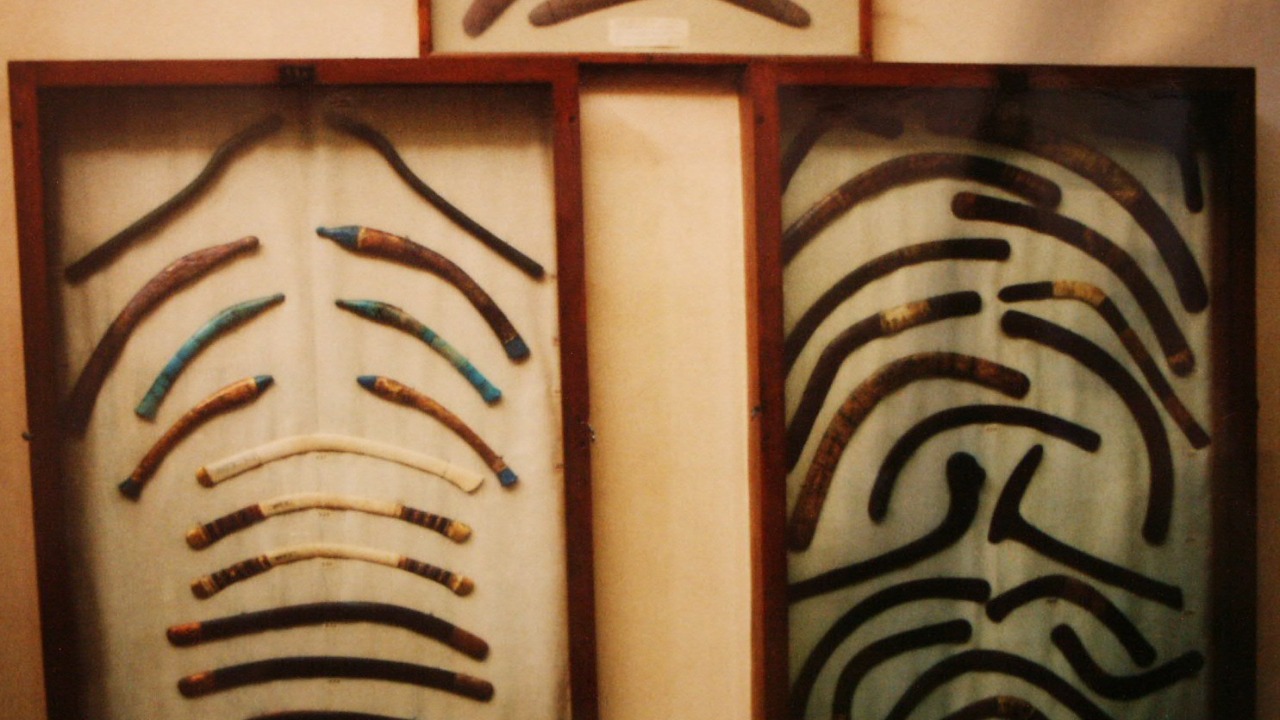
The handprint dates back to approximately 2000 BCE, a period rich in cultural and religious evolution in ancient Egypt. This era is known for its significant advancements in architecture, art, and societal organization. Handprints in ancient Egyptian culture were often symbolic, representing the presence or approval of the gods or the deceased. This cultural context provides a lens through which we can interpret the meaning behind the handprint.
When comparing this handprint with other findings from the same era, such as the ancient Egyptian soul houses, it becomes apparent that the handprint might have been part of a broader religious or ceremonial practice. These comparisons help to piece together the social and religious fabric of the time, offering a more comprehensive understanding of their significance.
The Mystery and Purpose of the Hidden Handprint
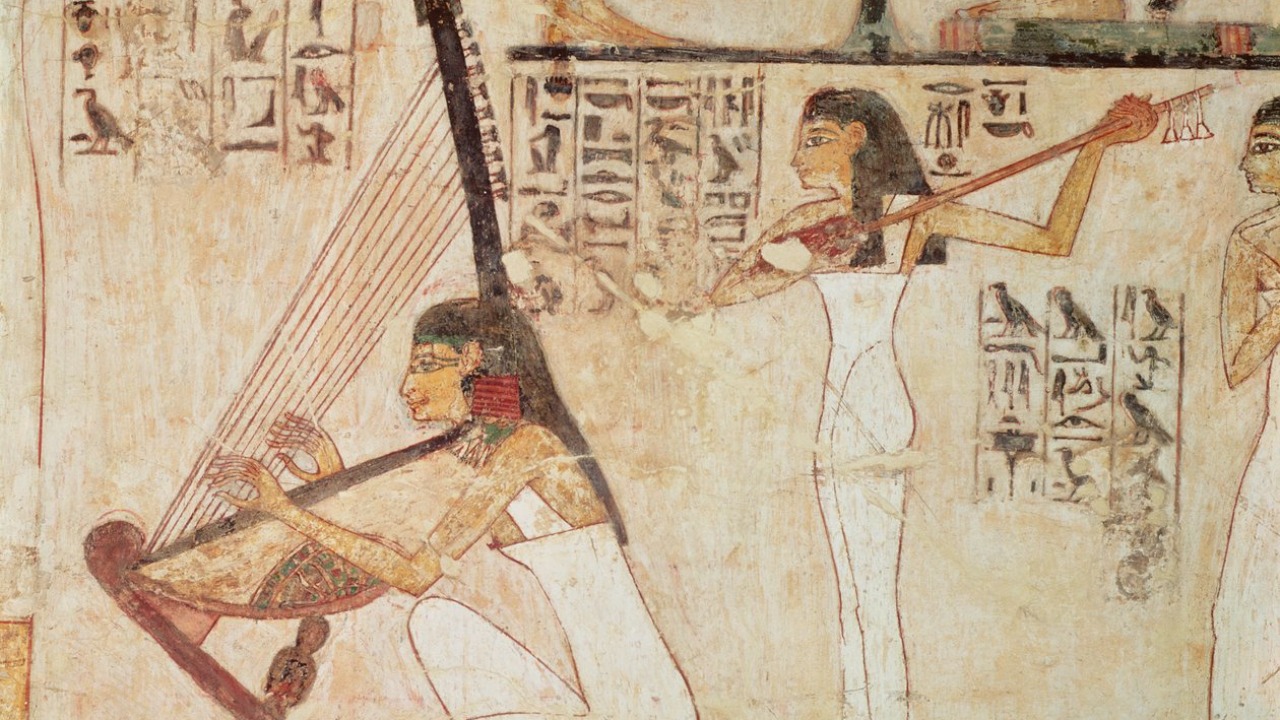
Why was the handprint hidden from view? This question has led to several intriguing theories. Some experts suggest that it might have been part of a secretive ritual or a symbol of protection for the deceased. The hidden nature of the handprint implies it was not meant for public display, possibly having a personal or protective function within the tomb’s context.
One theory posits that the handprint could be linked to burial rituals, serving as a spiritual safeguard for the soul’s journey in the afterlife. This idea aligns with the ancient Egyptian belief in the afterlife and the importance of protecting the deceased during their journey. According to a study on Egyptian burial practices, such symbols were often used to communicate with the gods or to signify the presence of divine protection.
Technological Advances in Archaeology
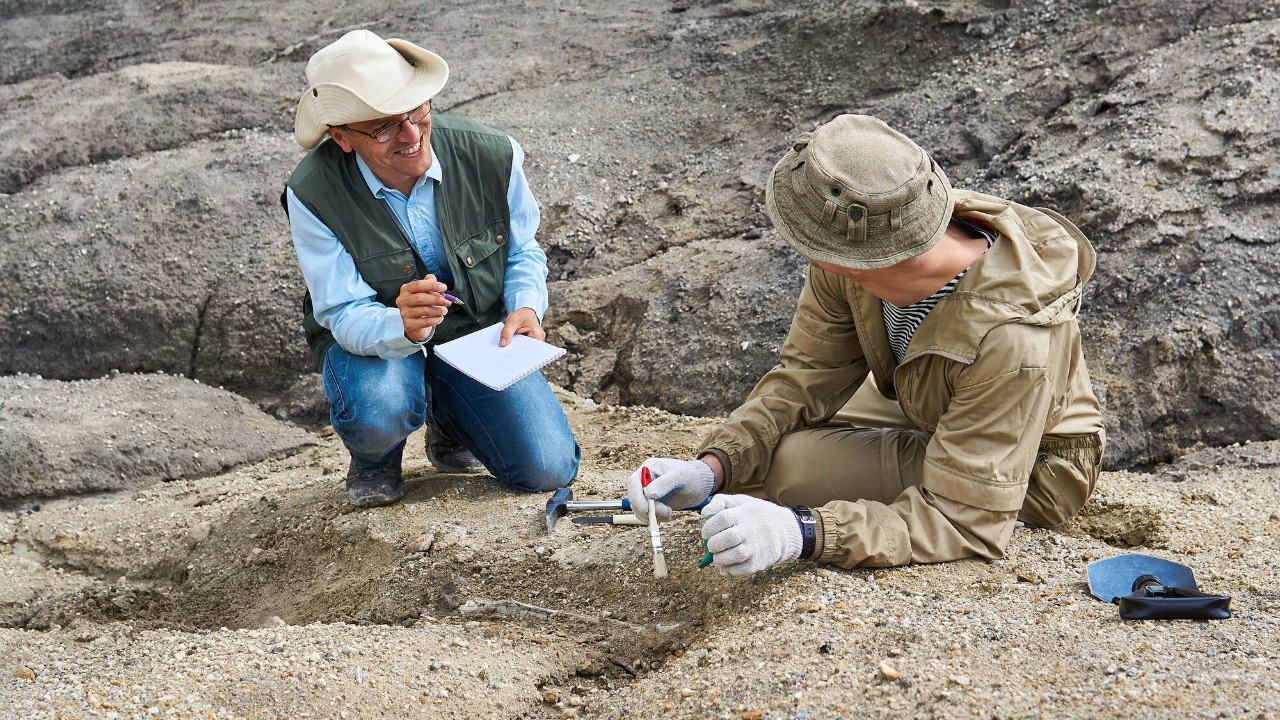
The discovery of the handprint was made possible by advancements in archaeological technology, particularly 3D scanning and imaging methods. These tools allow archaeologists to explore hidden chambers and detect features that might otherwise remain unnoticed. By digitally reconstructing the tomb, researchers could identify the handprint’s precise location and understand its context within the tomb.
This technological leap is indicative of the growing trend towards interdisciplinary collaboration in archaeology. Experts from various fields, such as anthropology, history, and engineering, are working together to uncover and analyze ancient artifacts. These advancements promise exciting prospects for future discoveries, potentially revealing more hidden treasures like the handprint. As noted in academic literature, the integration of technology in archaeology is revolutionizing our understanding of ancient civilizations.
Cultural and Academic Impact
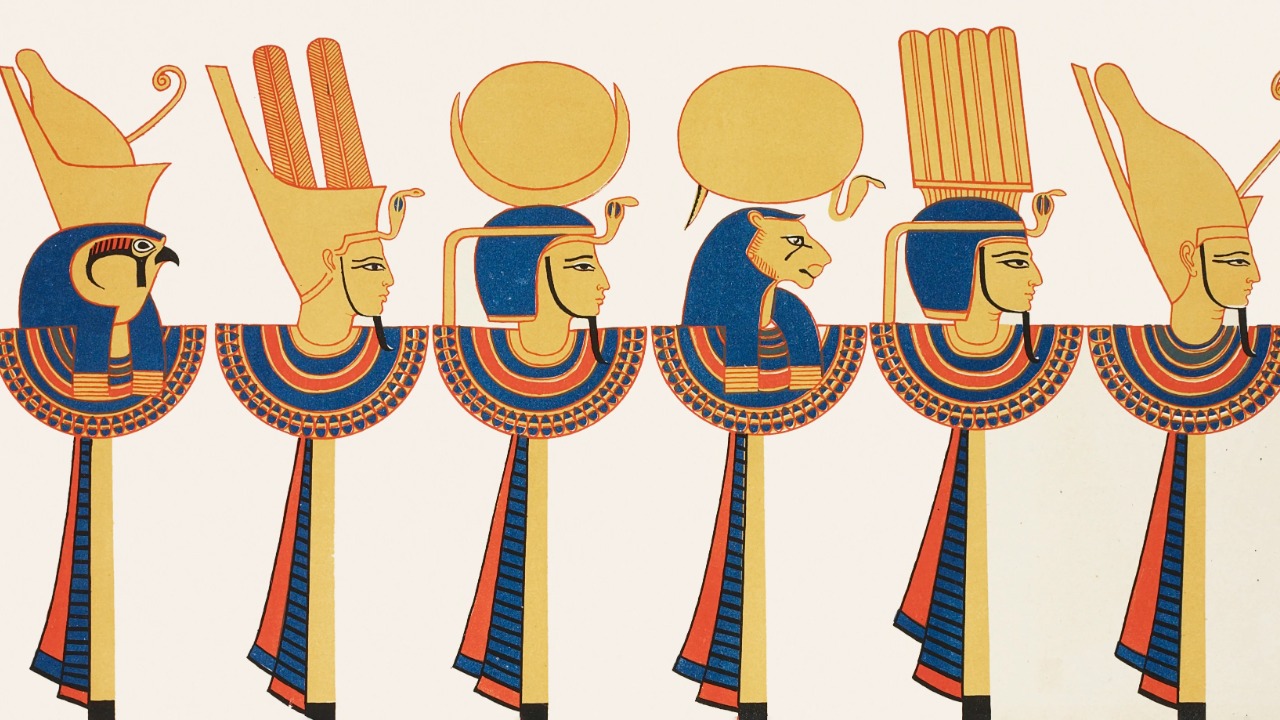
The unearthing of the handprint has broader implications for our understanding of ancient cultures. It challenges existing theories about societal structures and rituals in ancient Egypt, prompting a reevaluation of previously held beliefs. The discovery has also influenced contemporary archaeological methodologies, encouraging the incorporation of advanced technologies for more precise and thorough investigations.
Moreover, this finding has sparked renewed interest in the exploration of ancient Egyptian sites, potentially inspiring further research and excavation efforts. The academic community is abuzz with discussions about the handprint’s meaning, leading to new hypotheses and debates. As a prominent figure in archaeology remarks, discoveries such as this one remind us of the endless mysteries that lie beneath the sands of history, waiting to be uncovered.
