In a groundbreaking turn of events in the world of drone technology and military warfare, a $400 civilian-grade drone wreaked havoc on a $500M Russian warship located 350km away, setting a new world record in the process.
The Drone’s Journey to the Target
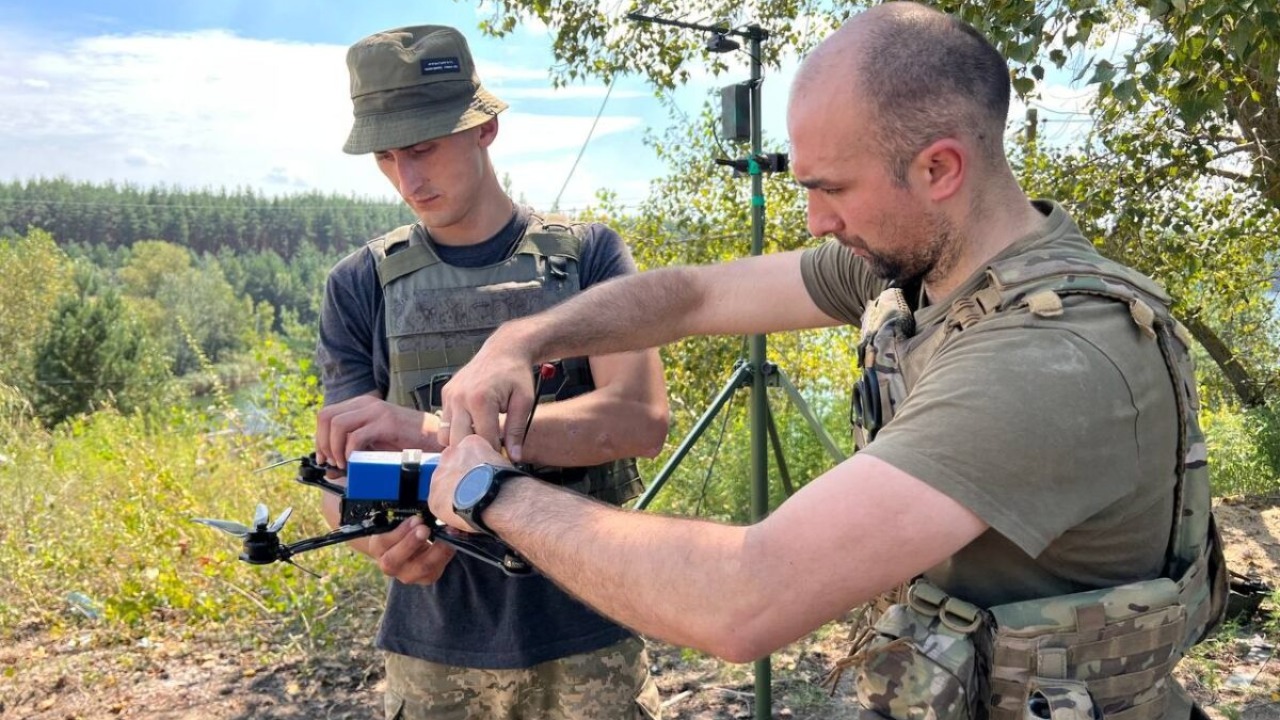
The drone’s flight path was nothing short of remarkable, considering that it managed to travel an impressive distance of 350km to reach its target. This is a milestone in the realm of drone technology, given the drone’s price point. The drone’s endurance and range are significantly better than most other drones in its price range, which usually have a maximum range of 100km, according to MSN.
This civilian-grade drone’s performance raises questions about the capabilities of more expensive commercial drones and military-grade drones. Could they achieve even more impressive feats? Only time will tell. For now, the spotlight remains firmly on this $400 drone and its record-breaking journey.
Technological Features of the $400 Drone
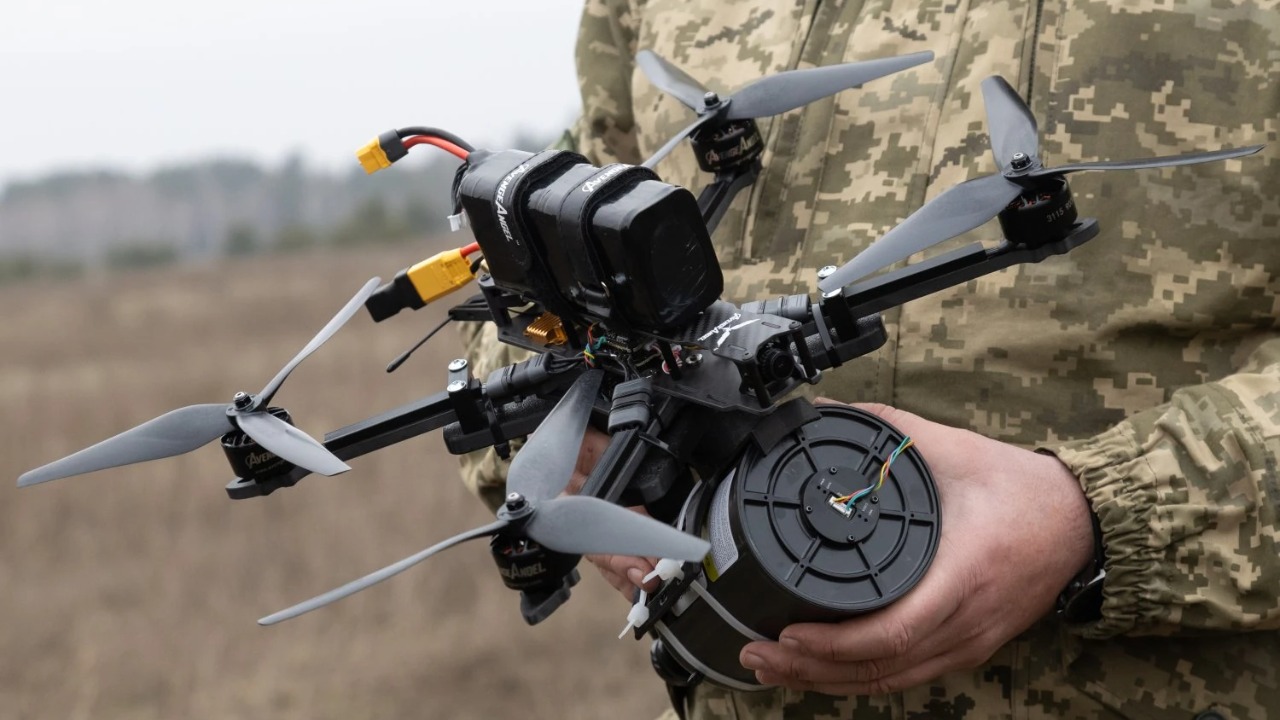
What is it about this $400 drone that enabled it to accomplish such a feat? The drone’s build and technological aspects played a huge role. It was equipped with a powerful battery and an efficient propulsion system, which maximized its flight time and range. Additionally, it had a compact and lightweight design that enhanced its agility and speed, making it hard to detect and intercept.
When compared to other commercial drones in the market, such as the popular DJI Mavic Mini, the $400 drone outshines them in terms of performance. The Mavic Mini, for instance, has a range of only 4km and a flight time of 30 minutes, far lesser than the record-breaking drone. This incident underscores the rapid advancements in drone technology, especially in cost-effective models.
Russian Warship’s Defensive Capabilities and Why They Failed

The targeted Russian warship was not a sitting duck. It was equipped with advanced defensive systems designed to detect and neutralize incoming threats. However, these defenses failed to stop the drone. ResearchGate provides detailed information on Russia’s military modernization efforts, including their warship defense systems.
The possible reasons for the defense failure are numerous. It could be that the drone’s small size and swift speed made it difficult to detect. Alternatively, the drone might have utilized stealth technology that rendered it invisible to the warship’s radar. Whatever the reason, this incident clearly highlights the vulnerabilities in even the most advanced defense systems.
Implications for Future Warfare

This event marks a paradigm shift in military warfare. The fact that a low-cost drone was able to inflict considerable damage on a high-value military asset underscores the increasing role of unmanned systems in warfare. As per CSIS, unmanned systems are expected to play a crucial role in future conflicts, and this incident only strengthens that assertion.
It also implies that defense strategies need to adapt to counter such threats. Traditional defense systems designed for large, slow-moving targets may not be effective against small, fast, and agile drones. As a result, military technology may need to focus more on developing effective counter-drone systems.
The Global Response and Impact

The global response to this event has been significant, particularly from military and technology communities. Many have expressed astonishment at the drone’s capabilities, while others have raised concerns about the potential misuse of such technology. This incident serves as a warning to all nations about the emerging threats in modern warfare.
Furthermore, this event could have far-reaching implications for international relations and military strategies. Nations might be forced to reevaluate their defense strategies and invest more in counter-drone technology. It also underscores the importance of regulating drone technology to prevent it from falling into the wrong hands. With the landscape of warfare changing rapidly, adaptability and foresight will be key to maintaining security and balance.
