In the fast-paced evolution of automotive technology, certain car features are so seamlessly integrated into our driving experience that they often go unnoticed—yet their absence would be strongly felt. These underrated innovations underscore the brilliance of modern car engineering, as highlighted in a recent article from Popular Mechanics.
1. Adaptive Cruise Control: A Seamless Companion on the Road
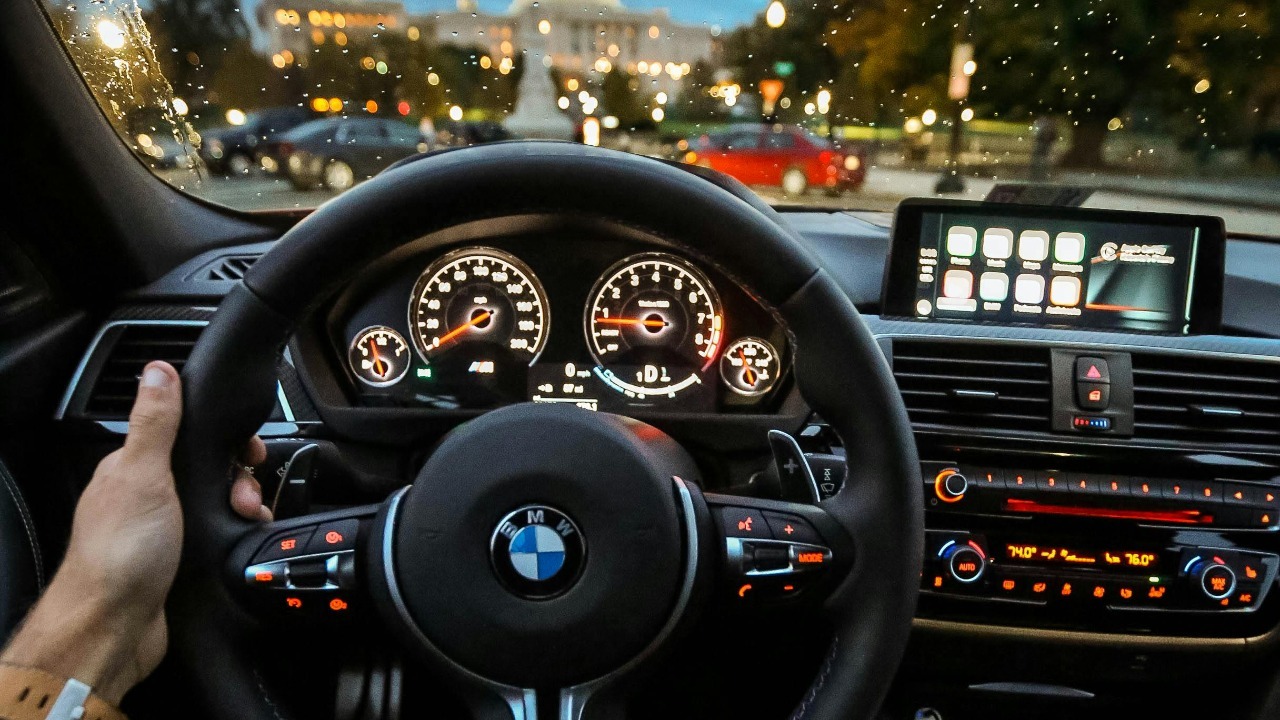
Adaptive cruise control is a transformative feature that automatically adjusts a vehicle’s speed to maintain a safe distance from the car ahead. This technology enhances both driver convenience and safety by reducing the need for constant manual speed adjustments. Especially during long highway drives, adaptive cruise control significantly alleviates driver fatigue, allowing for a more relaxed and focused driving experience. According to Popular Mechanics, this feature is a testament to how modern cars are designed to support drivers in maintaining optimal control and comfort.
By continuously monitoring the road and adjusting speed accordingly, adaptive cruise control helps prevent accidents caused by sudden stops or changes in traffic flow. This system is particularly beneficial in congested traffic conditions, where maintaining a consistent speed can be challenging. The integration of this technology into everyday driving routines exemplifies the subtle yet profound impact of automotive advancements on road safety and driver well-being.
In addition to enhancing safety and convenience, adaptive cruise control systems are increasingly incorporating advanced technologies such as machine learning and artificial intelligence. These advancements allow the system to learn from the driver’s habits and preferences, further personalizing the driving experience. For instance, some systems can adjust acceleration and deceleration patterns based on the driver’s typical behavior, providing a smoother and more intuitive ride. Furthermore, as vehicle-to-vehicle communication technology becomes more prevalent, adaptive cruise control systems are expected to become even more effective by sharing real-time data with other vehicles on the road, thereby optimizing traffic flow and reducing congestion.
2. Lane Departure Warning Systems: Keeping You on Track

Lane departure warning systems are crucial in preventing accidents caused by unintentional lane drifting. These systems alert drivers through visual, audible, or tactile warnings when they begin to veer out of their lane without signaling. This technology is particularly effective in reducing the risk of accidents due to distracted or drowsy driving, encouraging drivers to take corrective action promptly. As noted by Popular Mechanics, the implementation of lane departure warning systems is a significant step towards enhancing road safety.
The effectiveness of these systems lies in their ability to detect lane markings and monitor the vehicle’s position relative to them. By providing timely alerts, they help drivers maintain their intended path, reducing the likelihood of collisions. This feature is especially valuable on long road trips or during nighttime driving when fatigue can impair a driver’s concentration. The integration of lane departure warning systems into modern vehicles reflects a broader commitment to leveraging technology for safer driving environments.
Beyond their basic functionality, lane departure warning systems are evolving to include lane-keeping assist features, which not only warn the driver but also gently steer the vehicle back into the correct lane. This proactive approach to lane management is particularly beneficial in preventing accidents on highways, where lane discipline is crucial. Moreover, the integration of these systems with other advanced driver-assistance systems (ADAS) creates a comprehensive safety net that supports the driver in maintaining control under various conditions. As these technologies continue to advance, they are expected to play a pivotal role in the development of fully autonomous vehicles, where maintaining lane integrity will be essential for safe operation.
3. Automatic Headlights: Illuminating the Way

Automatic headlights are a simple yet essential feature that ensures optimal visibility by activating or adjusting based on lighting conditions. This technology enhances safety by eliminating the need for manual intervention, preventing common issues like forgetting to turn on headlights at dusk or in tunnels. According to Popular Mechanics, automatic headlights contribute significantly to overall road safety by ensuring that drivers always have the appropriate level of illumination.
The convenience of automatic headlights lies in their ability to adapt to changing environmental conditions, such as entering a tunnel or driving through a storm. By automatically adjusting the lighting, these systems help drivers maintain focus on the road without the distraction of manually controlling the headlights. This feature exemplifies how modern automotive technology can enhance safety and convenience, making driving a more seamless experience.
Automatic headlights are also being enhanced with adaptive lighting technologies that adjust the beam pattern based on the vehicle’s speed, steering angle, and road conditions. This means that the headlights can provide a wider spread of light at lower speeds for better visibility in urban settings, while focusing the beam further down the road at higher speeds for improved highway driving. Additionally, some systems are equipped with sensors that detect oncoming traffic and automatically dim the high beams to prevent blinding other drivers. These innovations not only improve safety but also enhance the driving experience by ensuring optimal visibility in all conditions.
4. Keyless Entry Systems: Convenience at Your Fingertips
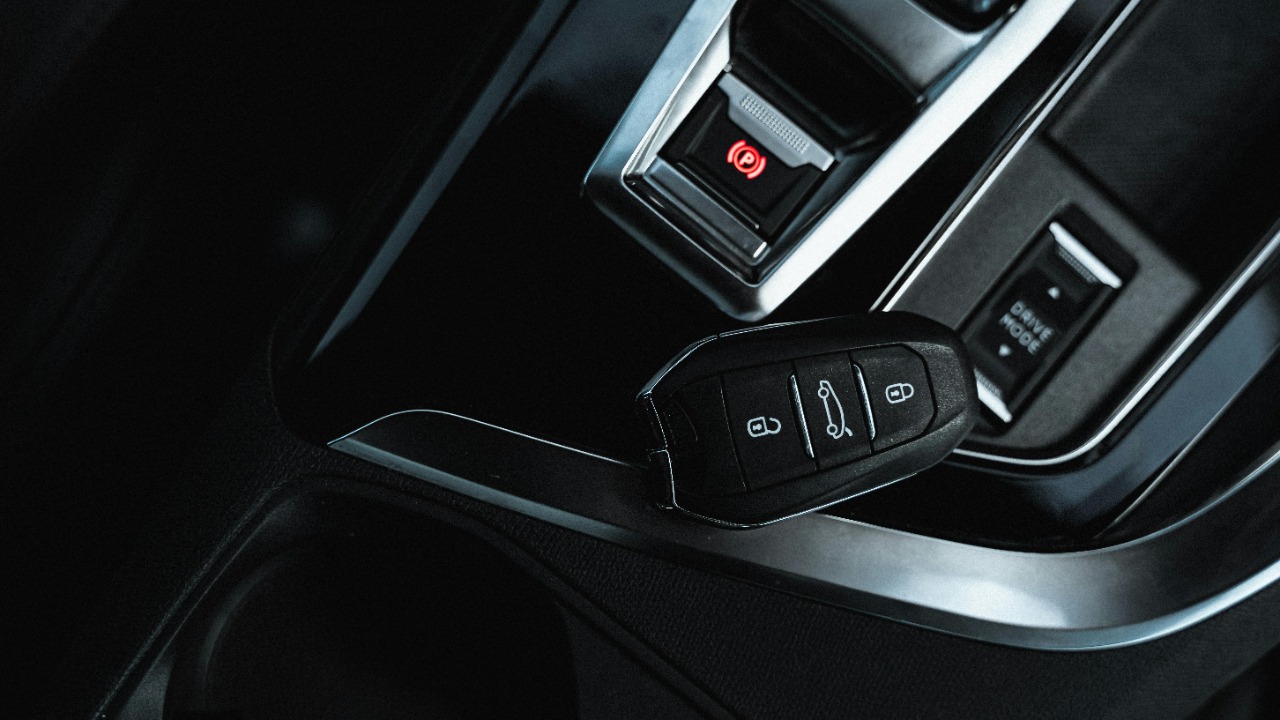
Keyless entry systems offer unparalleled convenience by allowing drivers to unlock and start their vehicles without removing the key fob from their pocket or bag. This feature emphasizes both convenience and security, reducing the risk of locking keys inside the car and streamlining the process of accessing and starting the vehicle. As highlighted by Popular Mechanics, keyless entry systems are a prime example of how modern technology can simplify everyday tasks.
The security benefits of keyless entry systems extend beyond convenience. By eliminating the need for traditional keys, these systems reduce the likelihood of theft and unauthorized access. Additionally, the seamless integration of keyless technology into vehicle design reflects a broader trend towards enhancing user experience through innovation. As automotive technology continues to evolve, features like keyless entry systems will likely become standard, further enhancing the convenience and security of modern vehicles.
Keyless entry systems are also being integrated with smartphone applications, allowing drivers to control vehicle access remotely. This means that users can lock or unlock their cars, start the engine, and even adjust climate controls from their smartphones, adding an extra layer of convenience and functionality. Furthermore, these systems often include features such as personalized driver profiles, which adjust seat positions, mirror angles, and radio settings based on the detected key fob or smartphone. This level of customization not only enhances the user experience but also underscores the potential of keyless technology to transform the way we interact with our vehicles.
