
In an era where personal data is as valuable as gold, it’s important to understand how your smartphone might be collecting information about you. While many people worry about the microphone or camera, these are not the only ways your phone can track you. Here are four surprising methods that may be flying under your radar.
Location Data and GPS Tracking
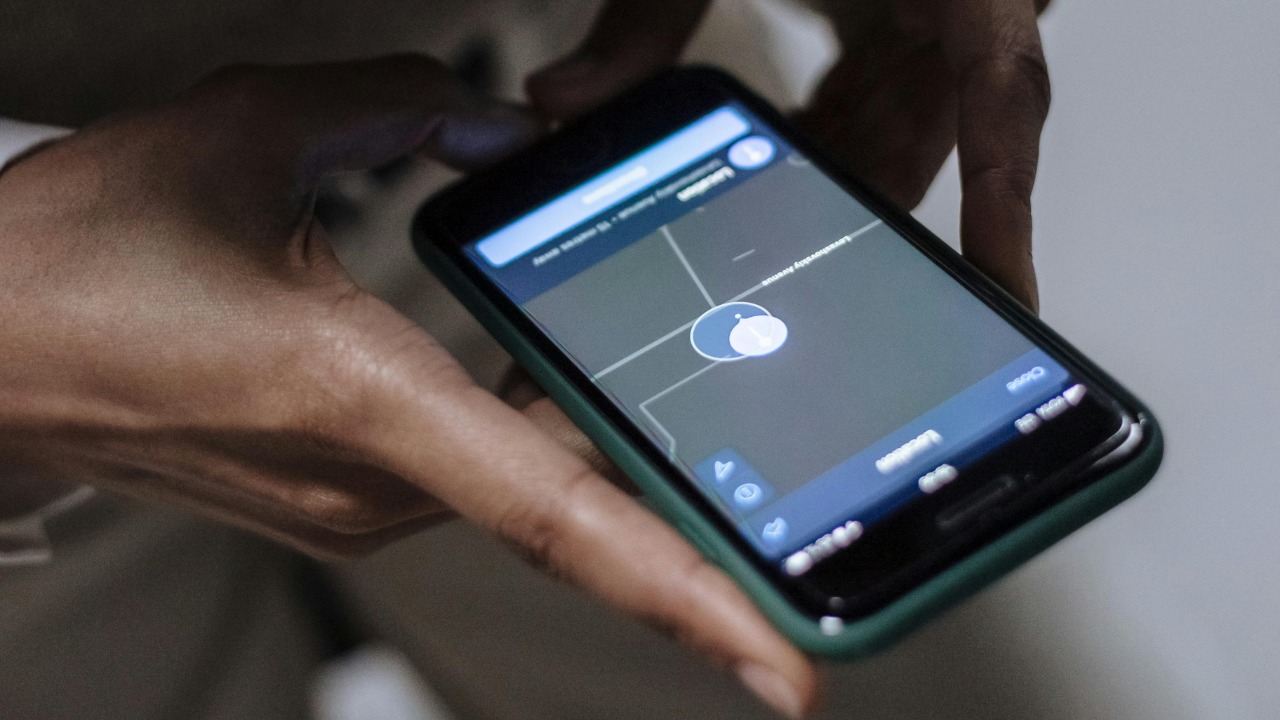
One of the most straightforward ways your phone tracks you is through location data and GPS tracking. Many apps request location services to function optimally, but this also means your movements can be logged and analyzed. Whether you’re using a mapping app for directions or simply checking the weather, your location data is constantly being updated and stored. It’s wise to review app permissions and adjust them to limit access to this sensitive information.
Apple and Android devices both provide options to manage your location settings. You can often choose between allowing location access all the time, only while using the app, or not at all. Keeping location services off when not needed can help protect your privacy. For further insights on digital privacy, you might find this white paper by the Future of Privacy Forum enlightening.
Wi-Fi and Bluetooth Connectivity
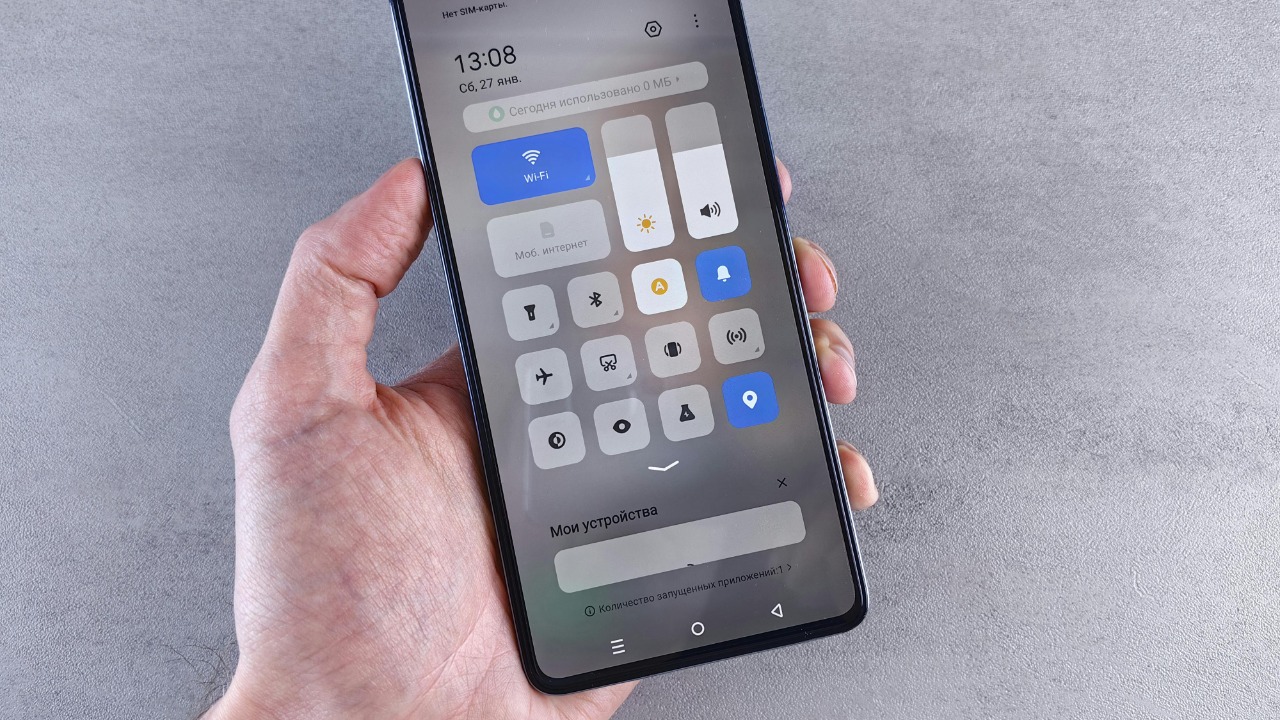
Wi-Fi and Bluetooth are convenient for staying connected but can also serve as tracking tools. When your phone searches for or connects to Wi-Fi networks, it shares a unique identifier known as a MAC address. This can be used to track your movement within an area, like a mall or airport. Similarly, Bluetooth signals can be picked up by beacons to understand your location and behavior patterns.
Consider turning off Wi-Fi and Bluetooth when you’re not using them, or utilize settings that randomize your MAC address. These small steps can prevent retailers and marketers from tracking your activities without your consent. For those interested in technology and its implications, check out this video for more details.
App Usage and Activity Monitoring
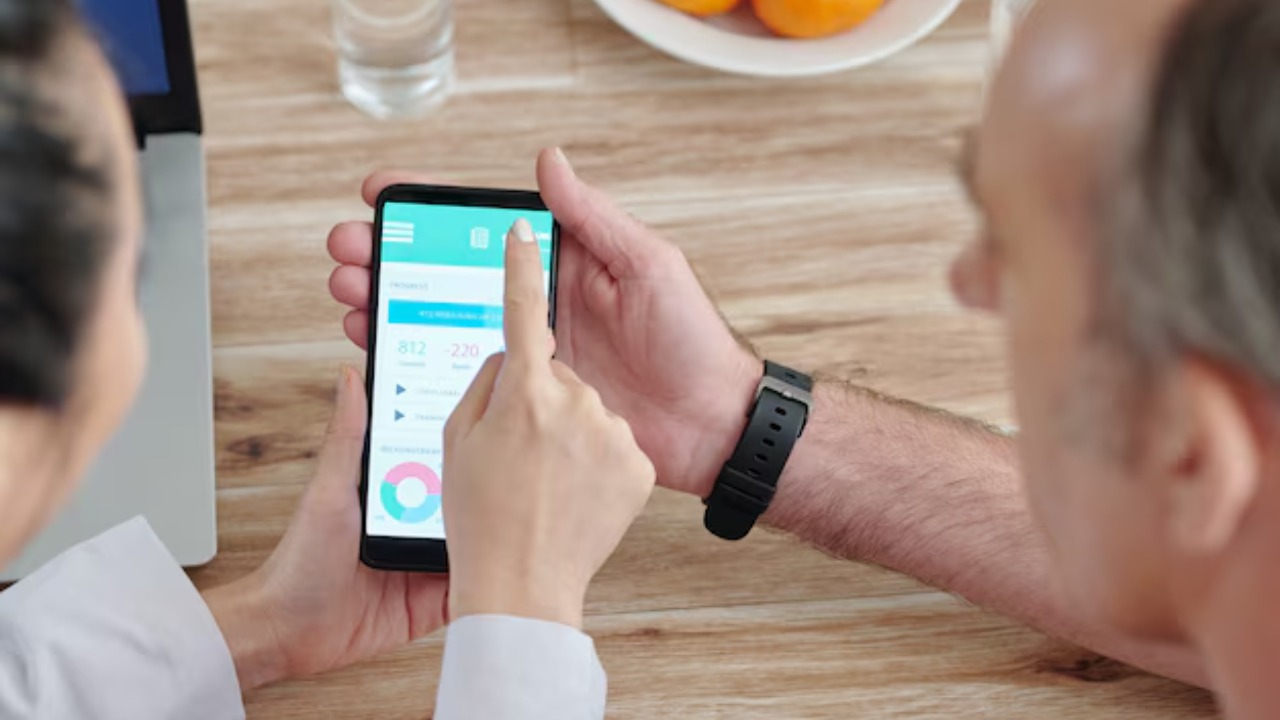
Your phone can also track you through app usage and activity monitoring. Many applications collect data on how often and how long you use them, creating a digital footprint of your habits. This information is often used to tailor advertisements and suggestions, but it can also reveal details about your lifestyle and routines.
To protect your privacy, review the privacy settings and permissions of each app you install. Some apps may allow you to opt out of certain data collection practices. Regularly checking your app permissions can help ensure that you’re only sharing information you’re comfortable with.
Sensor Data and Motion Detection
Smartphones come equipped with various sensors that can track your movements in unexpected ways. Accelerometers, gyroscopes, and magnetometers can detect your phone’s orientation and motion, offering insights into your daily activities. For instance, if you’re into fitness, these sensors can track your steps or even your workout intensity. For those interested in capturing such activities, a beginner’s camera might be a useful addition.
While this data can be incredibly useful for health and fitness apps, it also has the potential to be misused. Be mindful of which apps have access to these sensors and adjust settings to limit unnecessary tracking, safeguarding your privacy.
