In the world of medical advancements, 3D-printed organs have made a significant stride. Latest trials have demonstrated that these bioengineered organs can maintain their function for up to six months, a significant achievement in the field of regenerative medicine.
Understanding 3D Bioprinting
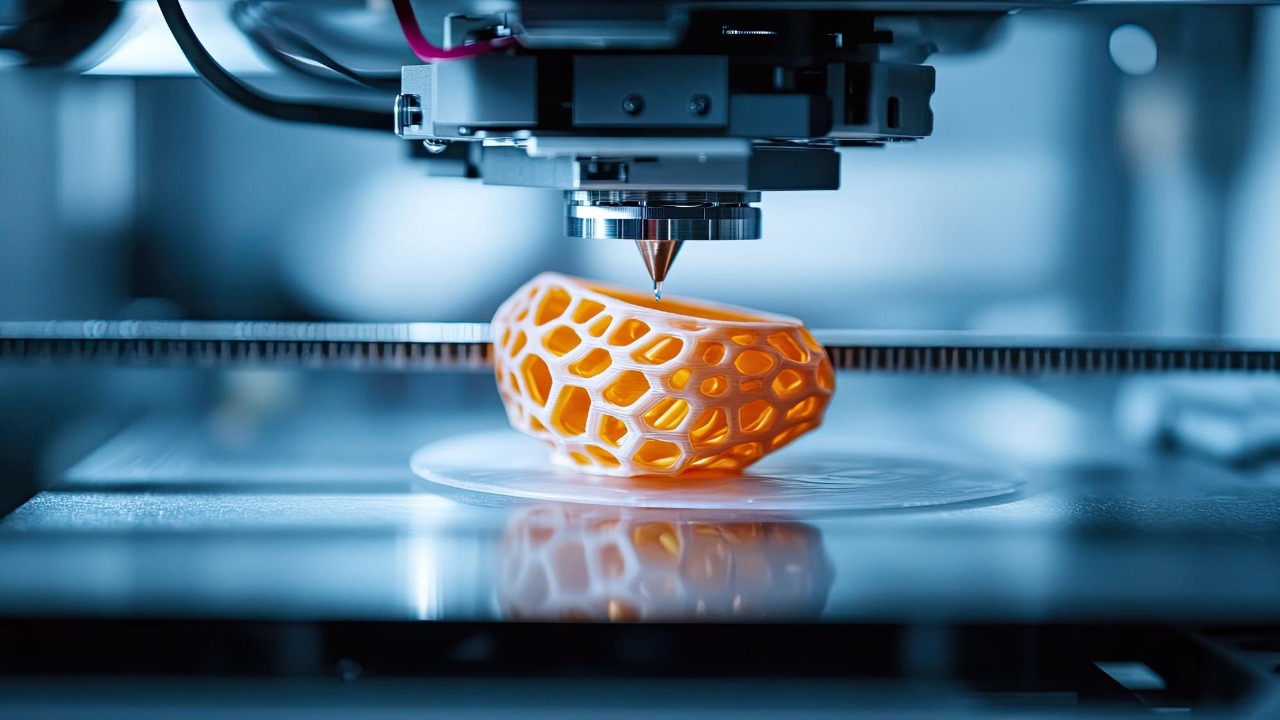
3D bioprinting is a revolutionary technology that uses biological materials to create three-dimensional structures that mimic natural tissues. This process begins with the design of a digital model, which is used as a blueprint for the construction of the organ. The next step involves the selection of appropriate bio-inks, which are essentially biological materials that can be used to create the required structures.
The role of technology in 3D bioprinting cannot be overstated. Sophisticated software and hardware systems are required to precisely control the deposition of bio-inks, ensuring that the resulting structures accurately mimic the intricacies of natural tissues. Furthermore, advances in material science have led to the development of bio-inks that can support cell growth and function, bringing us closer to the goal of creating functional, transplantable organs.
Progress in 3D-Printed Organs
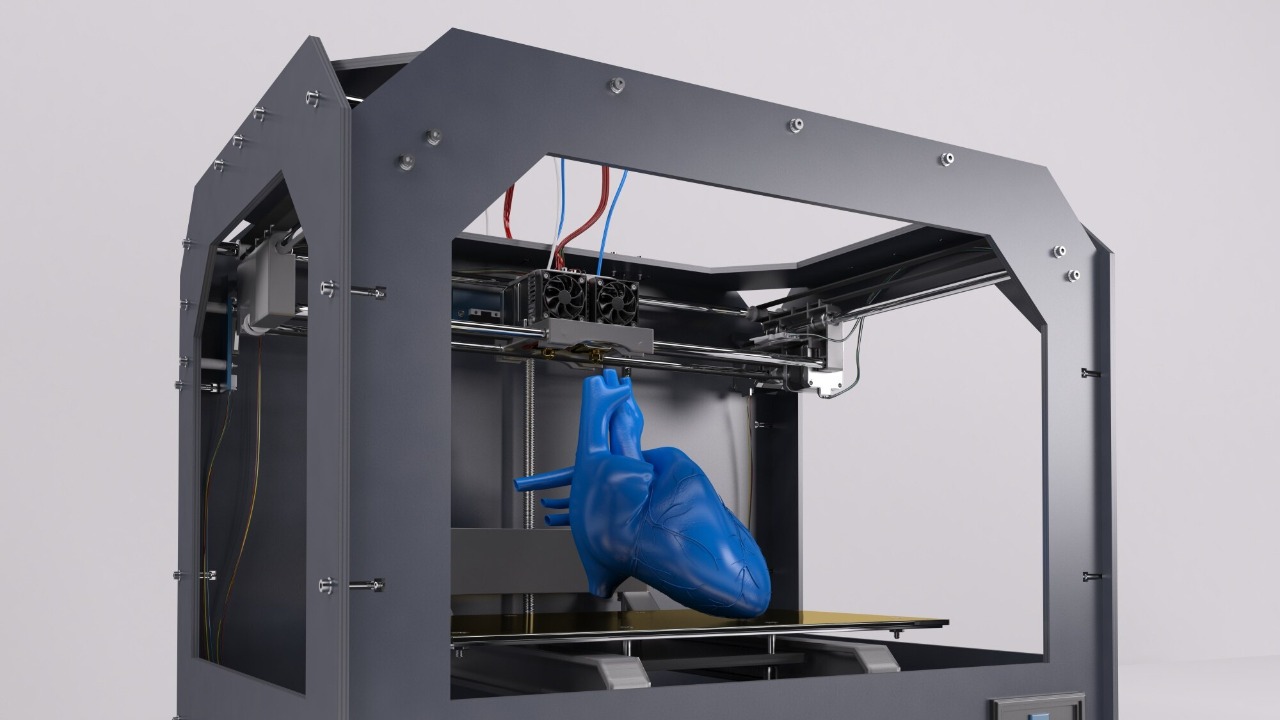
3D-printed organs have come a long way since the concept was first proposed. Early attempts at bioprinting were limited by the lack of suitable bio-inks and the inability to create complex structures. However, continuous advancements in technology and understanding of biological materials have paved the way for more successful outcomes.
A recent trial has shown promising results, with 3D-printed organs surviving for up to six months. This landmark achievement was the result of overcoming numerous challenges, such as ensuring vascularization of the printed organs and maintaining their structural integrity over time. Nevertheless, these trials have provided invaluable insights that will aid in the further development of this technology.
Implications for Transplant Medicine

The potential of 3D-printed organs in addressing the global organ shortage is enormous. With an ever-increasing demand for organ transplants and a limited supply of donor organs, 3D bioprinting could provide a much-needed solution. By creating patient-specific organs using the patient’s own cells, this technology could eliminate the issues of organ rejection and the need for lifelong immunosuppression.
However, the use of 3D-printed organs also raises several ethical considerations. Questions about access to this potentially life-saving technology, the cost of the procedures, and the implications of creating human organs in a laboratory setting are just a few of the issues that need to be addressed. Furthermore, the process of transplantation with 3D-printed organs, while theoretically similar to conventional transplantation, will likely require additional considerations due to the unique nature of these organs.
Future of 3D-Printed Organs

Research and development in 3D bioprinting is ongoing, with scientists around the world working to improve the technology and its applications. Future advancements could include the ability to print more complex organs, the development of new bio-inks, and improvements in the printing process itself. Several studies are also exploring the potential of using 3D bioprinting for drug testing and disease modeling, which could further expand the scope of this technology.
Long-term predictions for 3D bioprinting in the medical field are overwhelmingly positive. With continued progress, it is not inconceivable to imagine a future where organ transplants are not limited by the availability of donor organs. However, significant challenges remain, and the journey to this future will undoubtedly require further advances in technology, regulation, and ethical considerations.
Case Study: Biomimetic Bladder Model
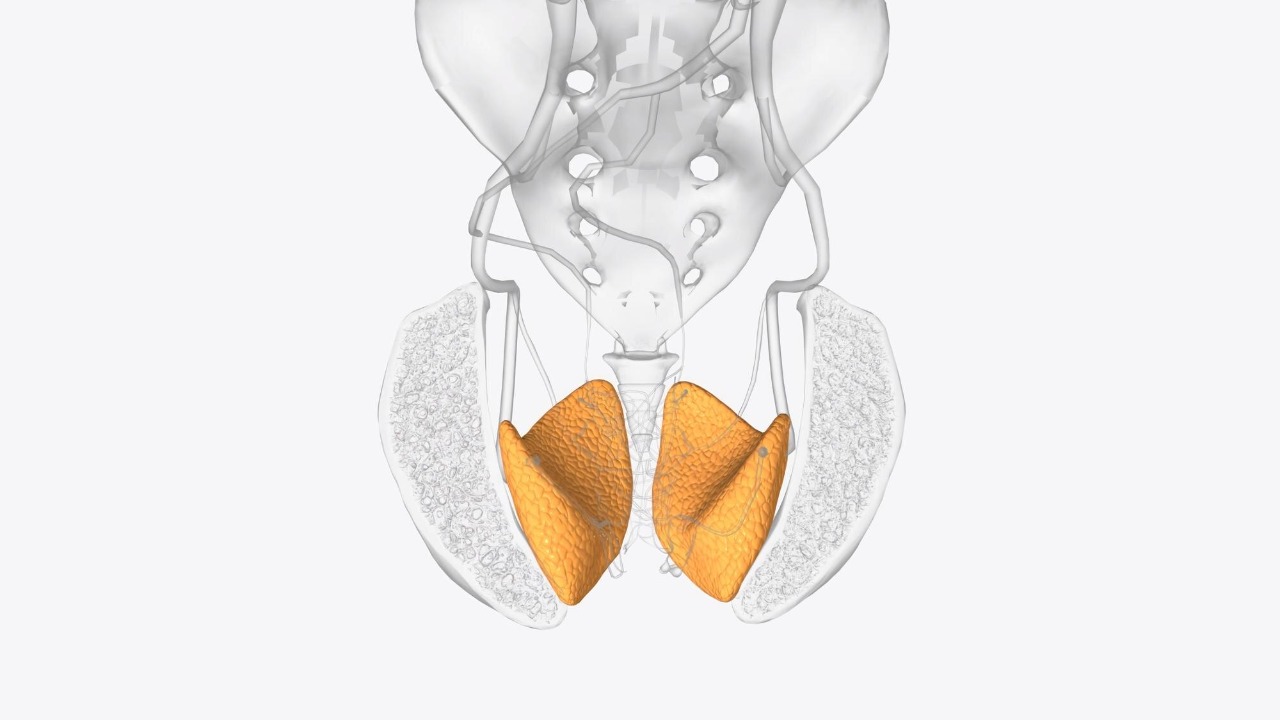
The biomimetic bladder model is a perfect example of the potential of 3D bioprinting. This model was created using a combination of 3D bioprinting and tissue engineering techniques, resulting in a structure that closely mimics the natural bladder. The development of this model represents a significant step forward in the field of regenerative medicine and serves as a proof of concept for the potential applications of 3D bioprinting.
Trials conducted with the biomimetic bladder model have shown promising results, with the model maintaining its structure and function for extended periods. These trials have provided valuable insights into the challenges and potential solutions in the field of 3D bioprinting. Looking forward, the successful development and testing of this model suggest a future where 3D-printed bladders could become a viable option for patients in need of bladder replacement.
