As marine biodiversity diminishes at an alarming rate, the scientific community is harnessing the power of cutting-edge technology to breathe new life into our oceans. Among the most promising solutions is the use of 3D printing to create artificial coral reefs. These structures are not only providing a new home for marine life but are also successfully attracting rare species, playing a crucial role in the recovery of threatened ecosystems.
The Need for Coral Restoration
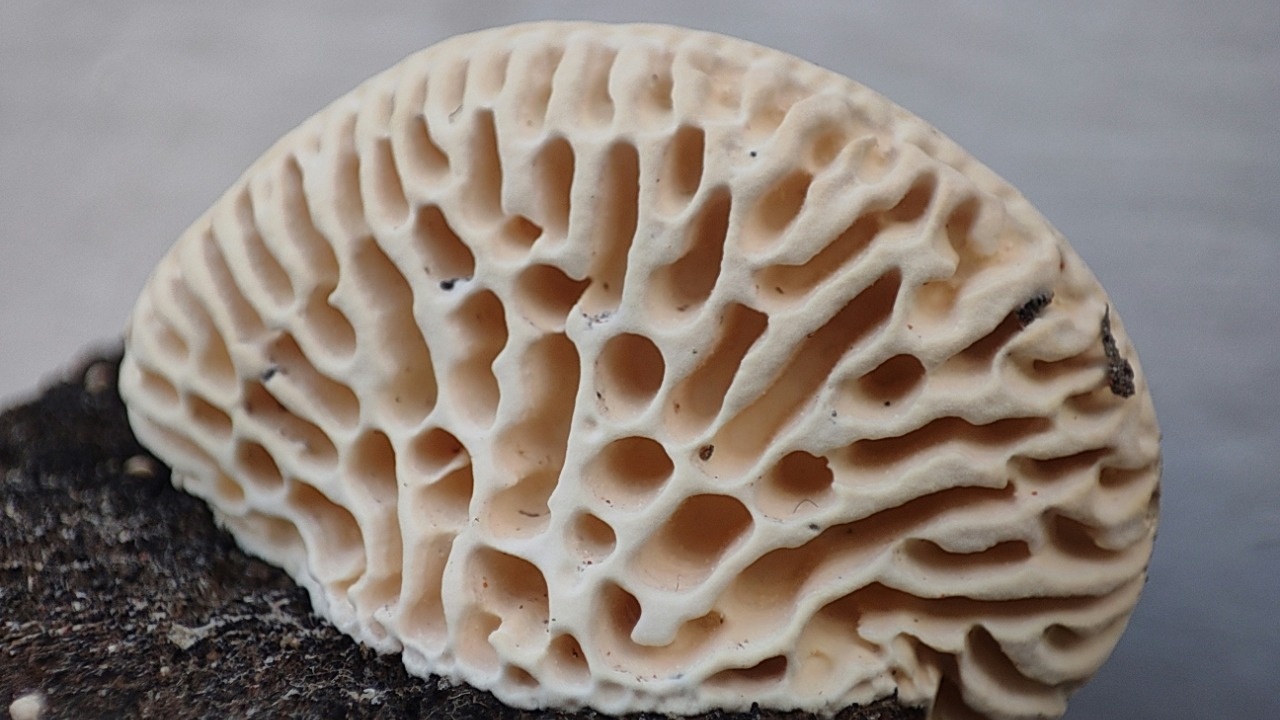
Coral reefs, the “rainforests of the sea,” are experiencing a severe decline due to climate change and human intervention. Rising ocean temperatures, ocean acidification, and destructive fishing practices have led to widespread coral bleaching and mortality. ScienceDaily reports that about 50% of the world’s coral reefs have already been lost, and a further 40% could be gone by 2050 if current trends continue.
These underwater ecosystems are not just beautiful to look at; they are vital to our planet’s health. They provide habitat to 25% of marine species, protect our coastlines from storm surges, and support the livelihoods of millions of people worldwide. With their disappearance, we lose a significant pillar of marine biodiversity. Hence, the need for innovative and effective solutions like 3D printed reefs to restore these critical ecosystems is more urgent than ever.
3D Printing Technology and Coral Reefs
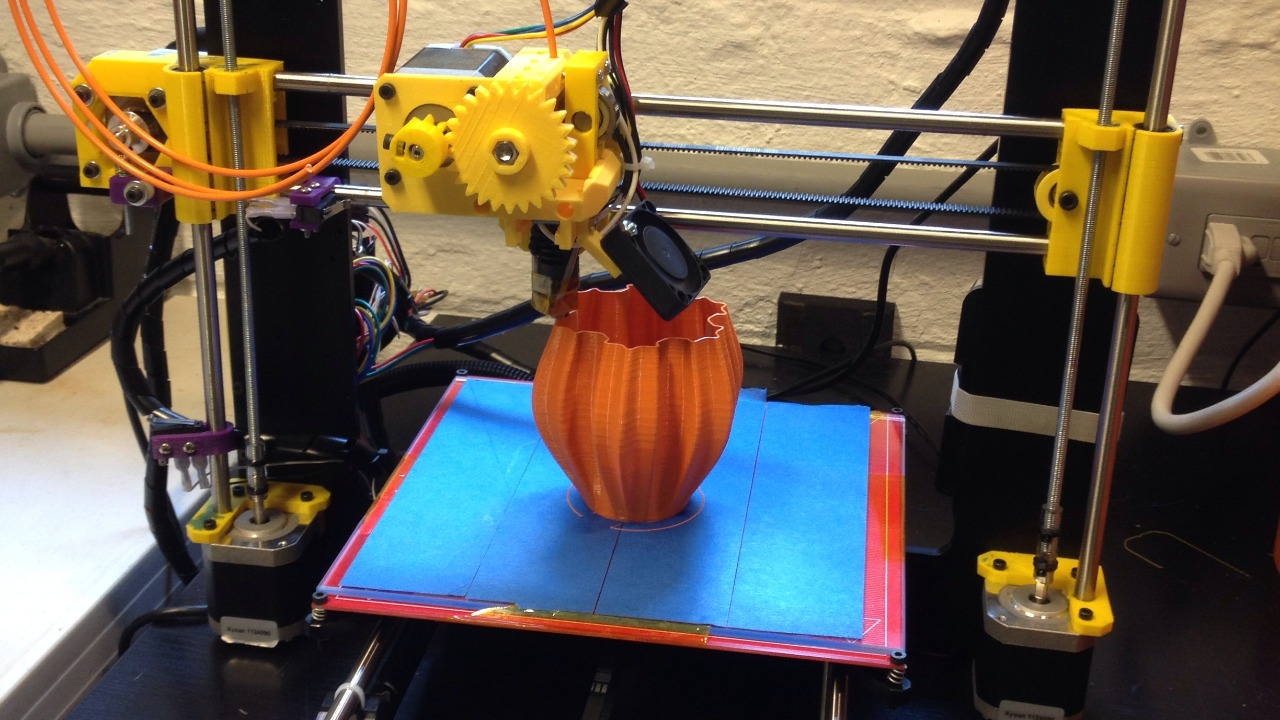
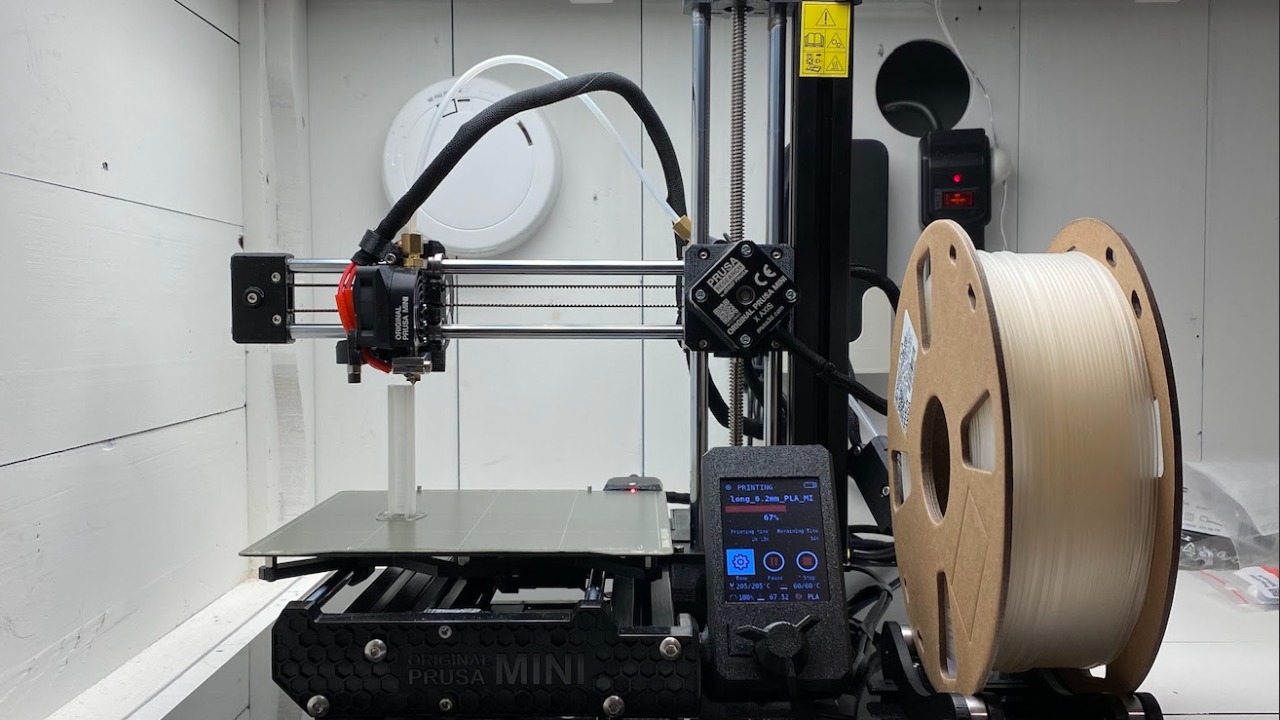
3D printing, also known as additive manufacturing, is revolutionizing coral restoration efforts. The technology works by layering material to create complex structures that mimic the natural habitats of corals. Compared to traditional artificial reefs, often made from concrete or metal, 3D printed reefs offer significant advantages. They can emulate the intricate structures of natural reefs and are made from eco-friendly materials that promote coral growth.
There have been several successful implementations of 3D printed coral reefs. For instance, in the Mediterranean Sea, scientists in Cyprus are using the technology to create artificial reefs, which are then dispersed by drones. This project has already resulted in an increase in marine biodiversity in the area.
Attracting Rare Species with 3D Printed Coral Reefs
One of the unique benefits of 3D printed coral reefs is their ability to attract rare marine species. The intricate structures of these artificial reefs closely mimic those of natural coral reefs. This realistic environment attracts a variety of marine life, including rare fish and invertebrates. Many of these species are critically important for maintaining healthy marine ecosystems but have been driven from their natural habitats due to reef degradation.
There have been several case studies where 3D printed reefs have successfully attracted rare species. According to a study published in QUT ePrints, a 3D printed reef installed off the coast of Bahrain attracted a rare species of angelfish just three weeks after installation. This is a promising sign that these innovative structures can play a crucial part in restoring marine biodiversity.
The Future of 3D Printed Coral Reefs
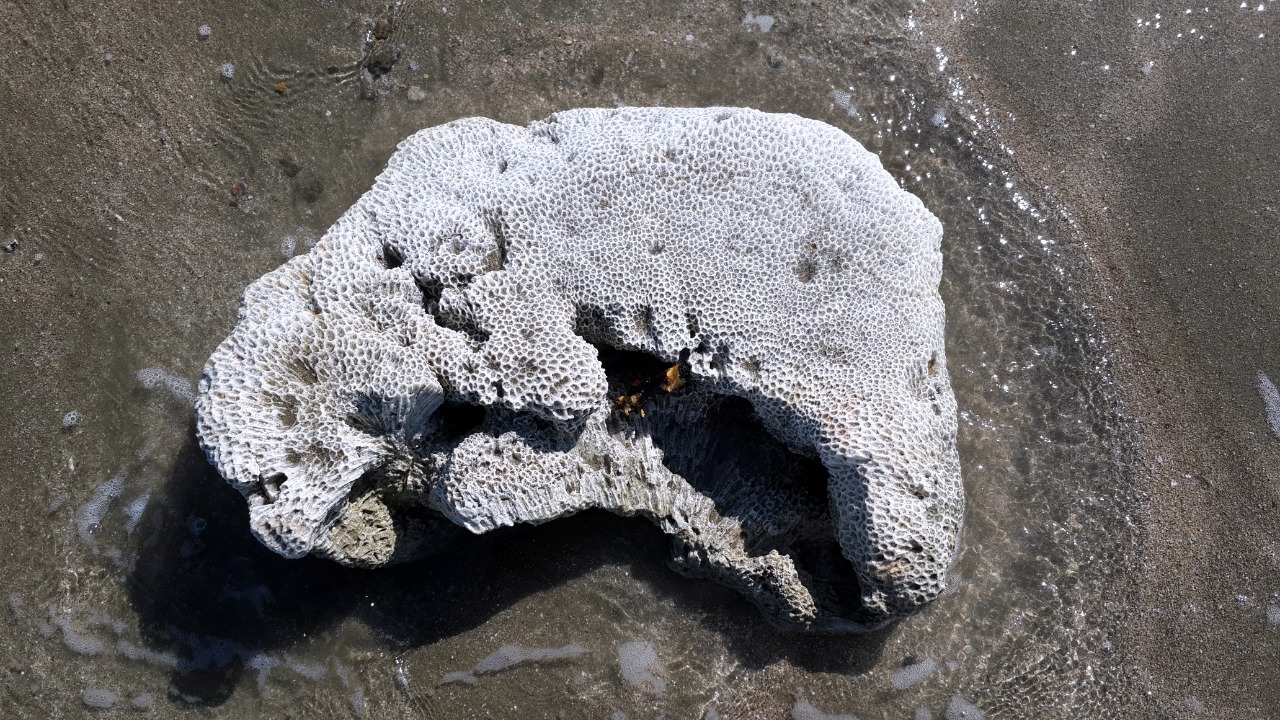
As 3D printing technology continues to evolve, so too do its applications in coral restoration. Future advancements could lead to more effective artificial reefs, with greater structural complexity and better material properties to promote coral growth. The long-term sustainability of these reefs and their impact on marine biodiversity is a promising area of research.\
However, there are challenges to overcome. The widespread implementation of 3D printed coral reefs is currently limited by factors such as high costs and regulatory hurdles. To address these challenges, scientists and policymakers must collaborate to identify cost-effective solutions and create a regulatory framework that supports these initiatives.
Global Efforts and Policies in Coral Restoration
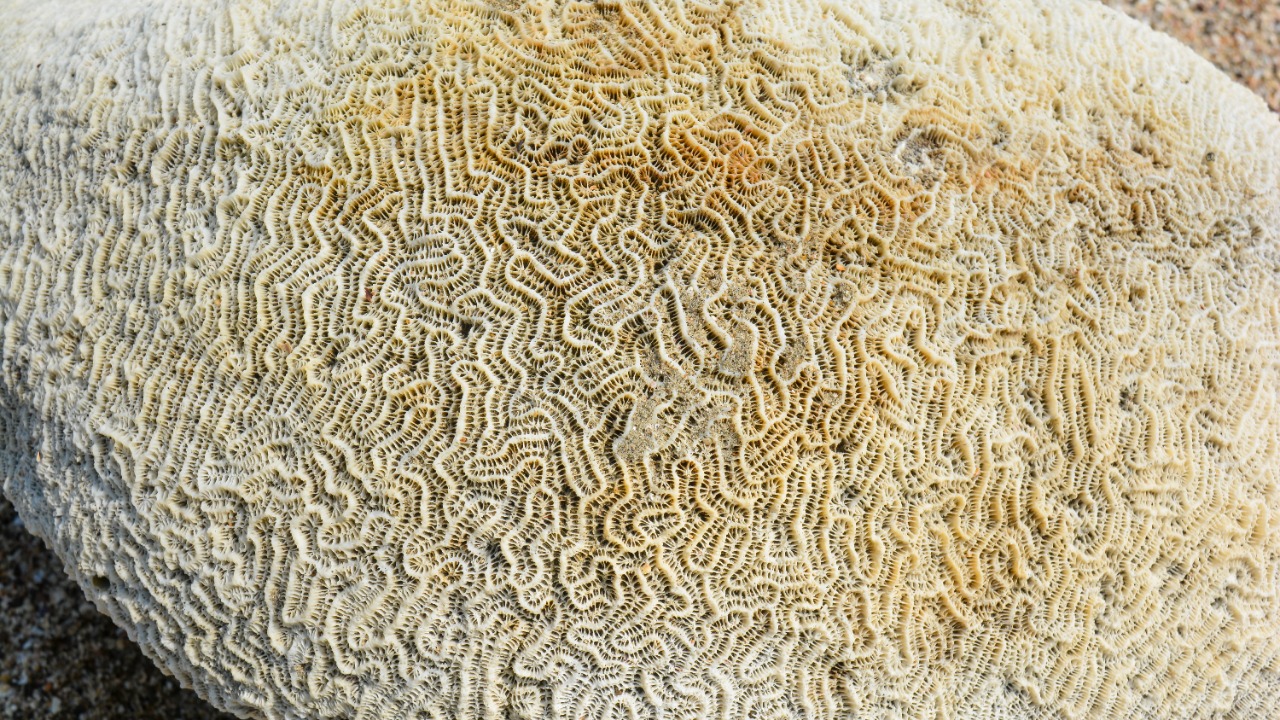
Various global initiatives and policies are supporting the restoration of coral reefs. Among them is the 50 Reefs initiative, a global plan to identify and protect the 50 most critical coral reefs around the world. The use of 3D printed coral reefs is becoming an increasingly important tool in these efforts.
However, to effectively combat the decline of coral reefs, global cooperation is crucial. National governments, international organizations, and local communities must work together to implement sustainable practices and innovative solutions. As highlighted by Manchester Institute of Innovation Research, the role of 3D printed reefs in these efforts is significant, but their full potential can only be realized through global collaboration.
