A 350-year-old head, which had been housed in a museum for a century, has recently been identified, unraveling mysteries about its origins and significance. This discovery sheds light on historical connections and the artifact’s journey through time. The identification of this ancient artifact not only enriches our understanding of the past but also highlights the evolving capabilities of modern technology in historical research.
Historical Background of the Artifact
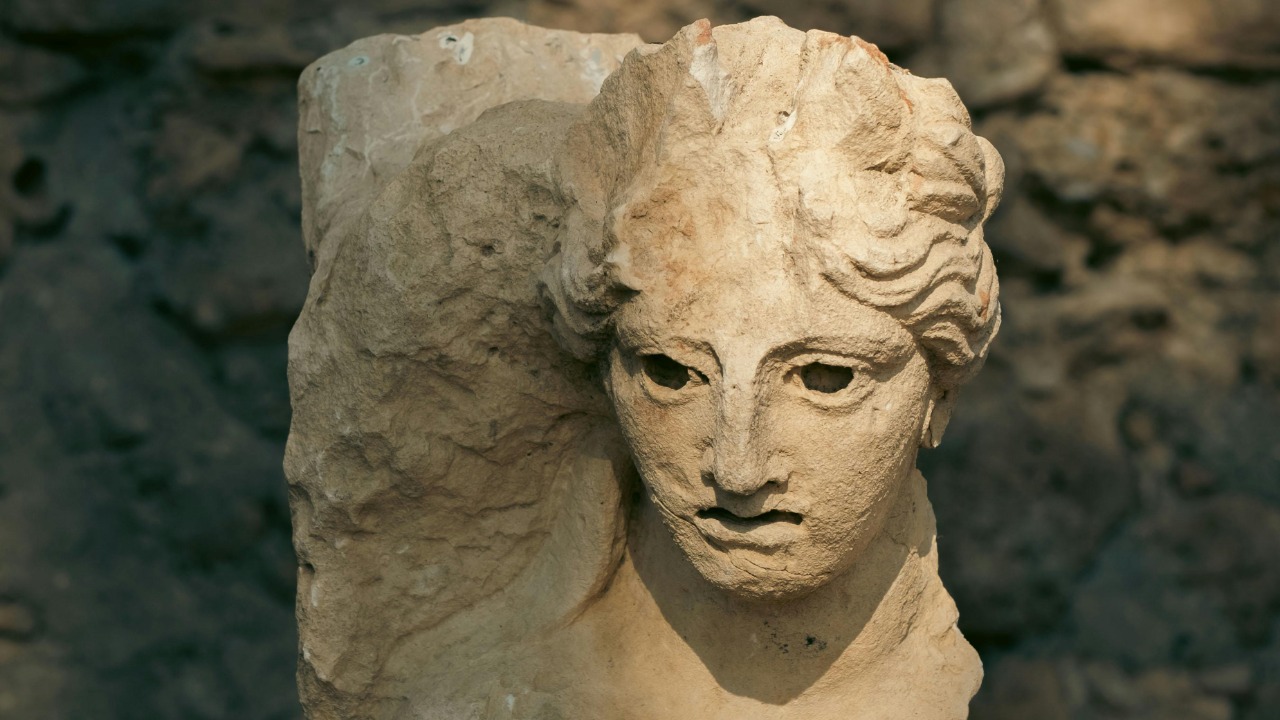
The head, estimated to be 350 years old, has been a part of the museum’s collection for the past 100 years. Its acquisition was initially shrouded in mystery, with little known about its origins or the journey it undertook before arriving at the museum. For a century, it remained an enigmatic piece, intriguing visitors and researchers alike with its silent presence. The museum, which has been its home for so long, has played a crucial role in preserving this artifact, allowing it to be studied and eventually identified.
Before its time at the museum, the head’s history was largely speculative. Researchers believed it originated from a significant historical period, but without concrete evidence, its true story remained elusive. The artifact’s age and craftsmanship suggested it was from a time of rich cultural and historical significance, sparking curiosity and debate among historians and archaeologists. The recent identification has finally provided clarity, offering a glimpse into the past and the cultural context from which it emerged.
The artifact’s journey before its arrival at the museum is a testament to the complex history of cultural exchange and acquisition. It is believed that the head was part of a collection that traveled through various hands, possibly as a result of trade or conquest. This period was marked by significant movement of artifacts across regions, often influenced by the political and economic dynamics of the time. The head’s craftsmanship suggests it may have been a ceremonial object, indicating its importance in the society from which it originated. Such artifacts often served as symbols of power or religious significance, reflecting the values and beliefs of their creators.
Moreover, the museum’s role in preserving the head for a century cannot be understated. During this time, the artifact was protected from environmental damage and potential loss, ensuring its survival for future generations to study. The museum’s efforts in maintaining the artifact’s condition have been crucial in allowing modern researchers to apply new technologies to uncover its secrets. This preservation highlights the vital role museums play not only in displaying history but also in safeguarding it for ongoing and future research.
The Discovery Process
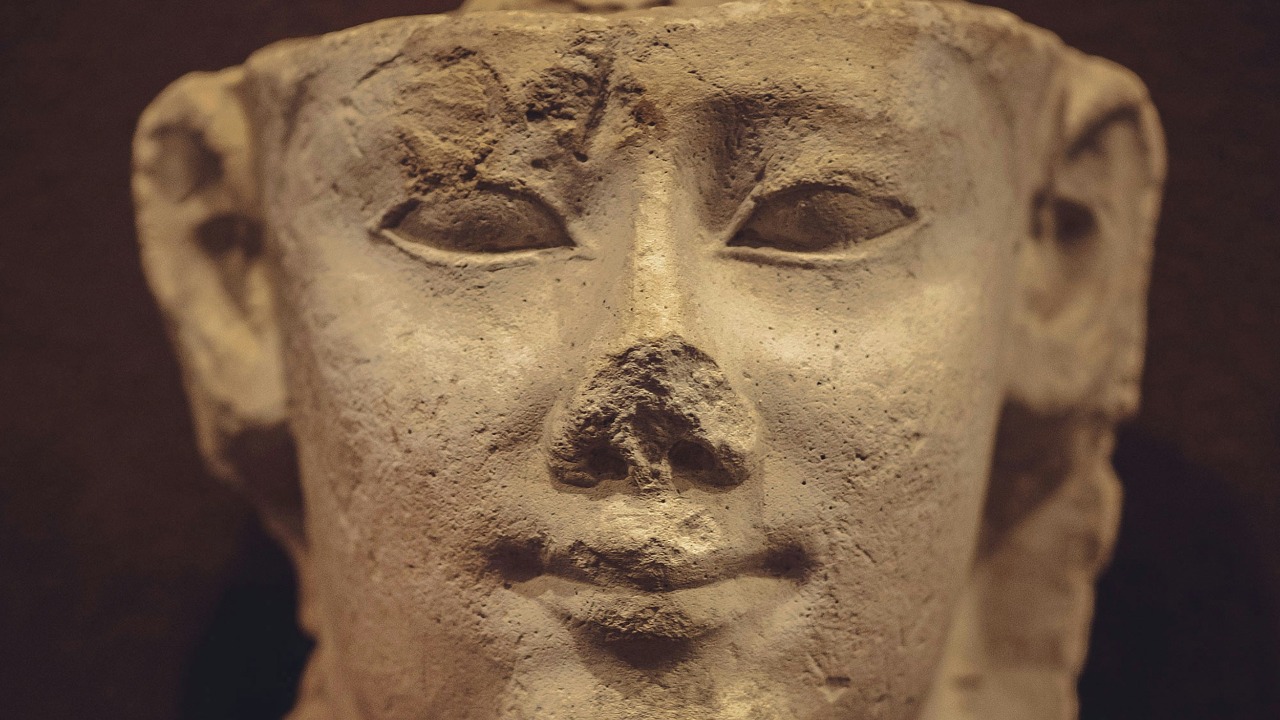
The process of identifying the head’s true identity involved cutting-edge technology and meticulous research. Advanced imaging techniques and forensic analysis played a pivotal role in uncovering details that had long been hidden. These methods allowed researchers to examine the artifact in unprecedented detail, revealing clues about its origin and the people who created it. The use of such technology underscores the importance of modern scientific approaches in unraveling historical mysteries.
Key individuals and teams were instrumental in this discovery, bringing together expertise from various fields. Their collaborative efforts were crucial in piecing together the puzzle of the head’s identity. The dedication and skill of these researchers highlight the interdisciplinary nature of historical research today, where technology and traditional scholarship intersect to provide new insights into the past. This breakthrough not only showcases the capabilities of modern research methods but also emphasizes the importance of collaboration in achieving significant discoveries.
The discovery process was not only a triumph of technology but also of perseverance and curiosity. Researchers employed a combination of 3D scanning and chemical analysis to delve deeper into the artifact’s composition and origins. These techniques revealed traces of materials and pigments that were not visible to the naked eye, providing clues about the methods and materials used by the artisans who crafted the head. Such detailed analysis has opened new avenues for understanding the technological capabilities and artistic traditions of the period.
In addition to technological advancements, the discovery was facilitated by a global network of experts who contributed their knowledge and resources. This collaborative effort included historians, archaeologists, and scientists from various institutions, each bringing a unique perspective to the investigation. Their collective expertise was instrumental in interpreting the data and situating the artifact within its historical context. This interdisciplinary approach exemplifies the future of historical research, where diverse fields converge to unlock the mysteries of the past.
Significance of the True Identity

The newly discovered identity of the head holds substantial historical and cultural importance. It provides a deeper understanding of the period and region from which it originated, offering insights into the social, political, and cultural dynamics of the time. This discovery enriches the narrative of history, adding depth and context to our knowledge of the past. It also highlights the interconnectedness of different cultures and the ways in which artifacts can serve as bridges to understanding historical relationships.
Understanding the head’s true identity alters previous assumptions and enhances our comprehension of the era it represents. It challenges existing narratives and encourages a reevaluation of historical interpretations. This newfound knowledge not only contributes to academic discourse but also engages the public, fostering a greater appreciation for history and the stories it tells. The head’s identification serves as a reminder of the ever-evolving nature of historical research and the continuous quest for knowledge.
Implications for Museums and Historical Research
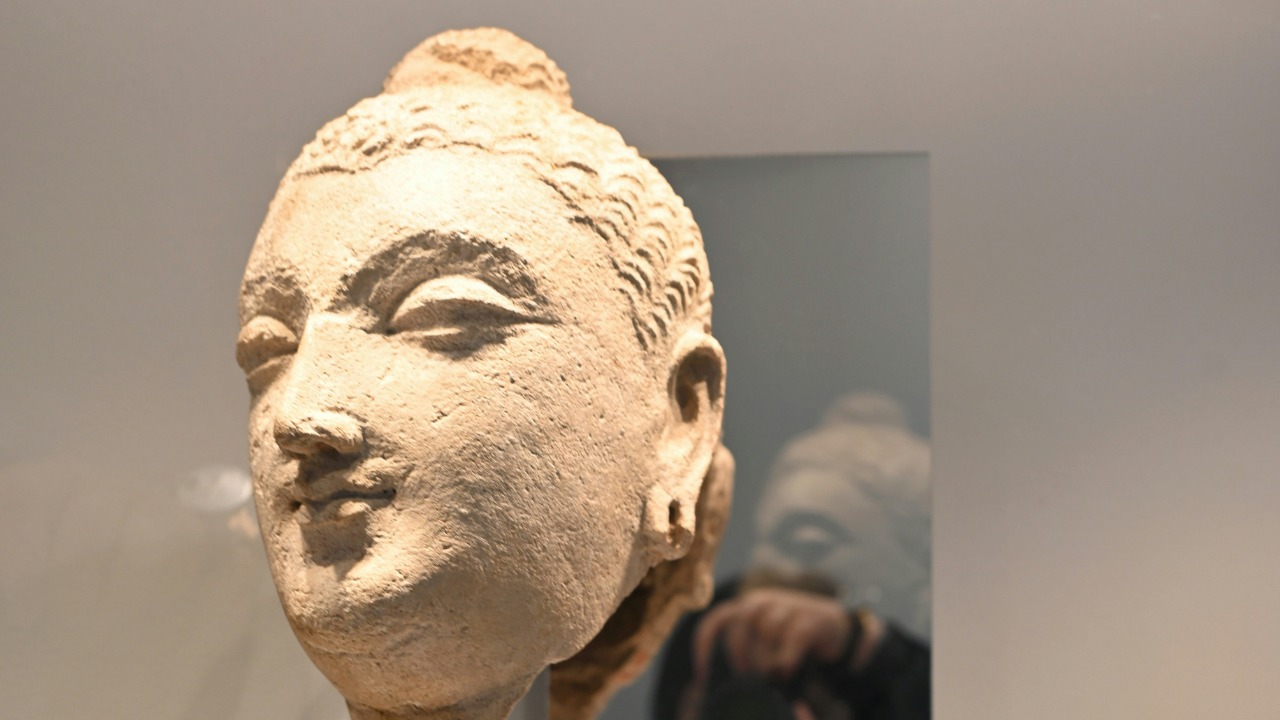
This discovery has significant implications for museums and the field of historical research. It underscores the importance of ongoing research and the potential for new findings to emerge from existing collections. Museums may need to reconsider their approaches to artifact curation, incorporating advanced technologies and interdisciplinary collaboration to uncover hidden stories within their collections. This case exemplifies the potential for museums to serve as active sites of research and discovery, rather than mere repositories of artifacts.
The identification of the head also highlights the potential for similar discoveries in the future. As technology continues to advance, the possibilities for uncovering new information about historical artifacts are vast. This has the potential to transform the field of historical research, offering new methodologies and perspectives. The implications extend beyond individual artifacts, influencing how history is studied, taught, and understood. This discovery serves as a catalyst for further exploration and innovation in the field, encouraging researchers to continue pushing the boundaries of what is possible.
For more details on this fascinating discovery, you can read the full report on MSN.
