Archaeologists have uncovered a 2,700-year-old temple in Turkey, featuring a ‘sacred cave’ that may have been dedicated to the ‘mother goddess’ in ancient worship practices. This remarkable discovery sheds light on the enduring reverence for female deities in the region’s history, offering insights into ancient spiritual traditions.
Site Discovery and Location
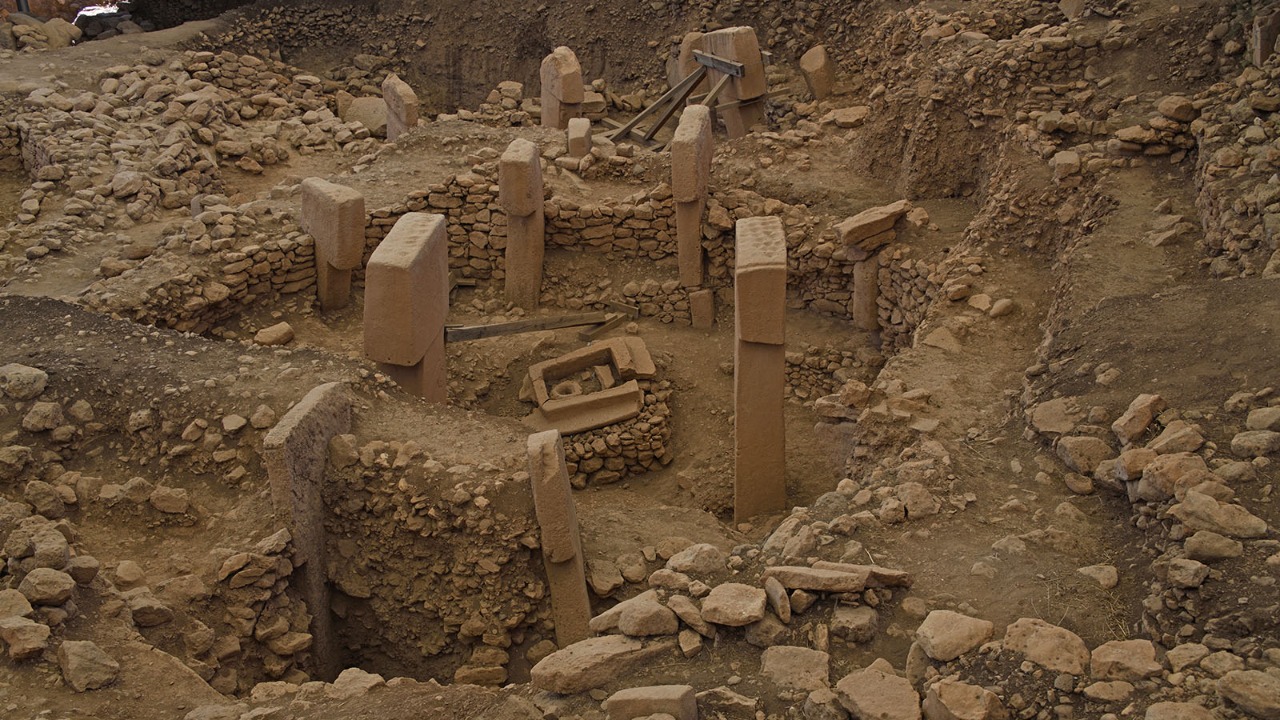
The recent archaeological confirmation of a 2,700-year-old temple in Turkey marks a significant milestone in understanding ancient religious practices. The temple’s discovery, as reported by Live Science, highlights its potential role as a site of goddess worship. Situated within a broader context of ancient settlement patterns, the temple’s location offers clues about the cultural and religious landscape of the time.
The temple’s age, precisely 2,700 years, situates it within a critical period of the region’s history. This era was marked by significant developments in religious and cultural practices, as noted by Indian Defence Review. The temple’s location in Turkey aligns with known patterns of ancient settlements, suggesting it was part of a larger network of religious sites dedicated to various deities.
The temple’s strategic location in Turkey is not only significant for its religious implications but also for its geographical context. Situated near ancient trade routes, the temple likely served as a spiritual hub for travelers and local inhabitants alike. This positioning suggests that the temple was part of a broader network of religious and economic activity, facilitating cultural exchanges and the spread of religious ideas. The proximity to other archaeological sites further indicates that this region was a vibrant center of ancient civilization, where diverse cultural influences converged.
Moreover, the temple’s discovery adds to the growing body of evidence that ancient Anatolia was a melting pot of religious traditions. The region’s history of hosting various empires and cultures, including the Hittites, Phrygians, and Lydians, is reflected in the temple’s architectural style and religious significance. This diversity is crucial for understanding how different cultural and religious practices coexisted and influenced each other, contributing to the rich tapestry of ancient Anatolian history.
The Sacred Cave Feature
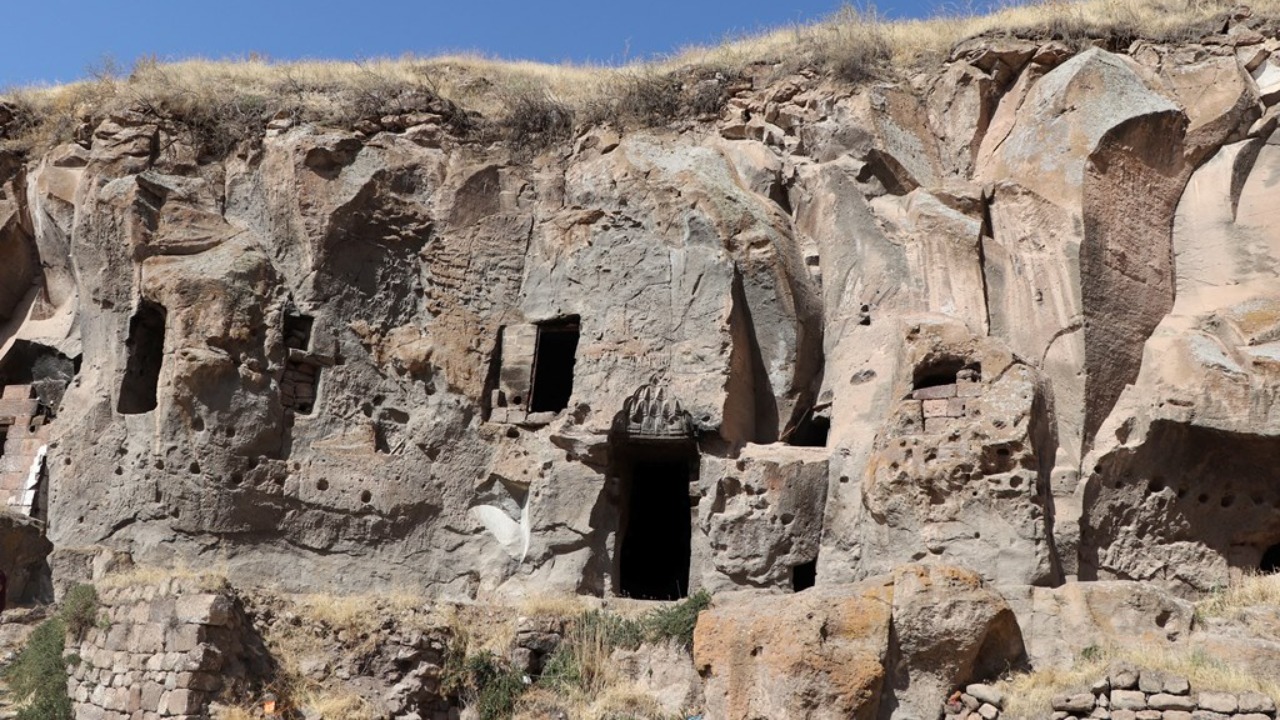
A key architectural element of the temple is the ‘sacred cave,’ which may have been used for ritual purposes. According to Live Science, this cave is integral to the temple’s structure, indicating its importance in the spiritual practices of the time. The cave’s design and placement within the temple suggest it was a focal point for worship and possibly served as a conduit for communication with the divine.
The integration of the cave into the temple’s overall architecture underscores its significance in ancient spiritual practices. As highlighted by Indian Defence Review, the cave’s presence within the temple complex points to a sophisticated understanding of sacred spaces and their role in religious ceremonies. This feature likely played a central role in the rituals conducted at the site, emphasizing the importance of the cave in the worship of deities.
The sacred cave’s role in the temple’s design is emblematic of the ancient belief systems that revered natural formations as divine or spiritually significant. Caves, often seen as womb-like structures, were considered sacred spaces that connected the earthly realm with the divine. This symbolic interpretation aligns with the temple’s potential dedication to the ‘mother goddess,’ reinforcing the idea of the cave as a place of birth, creation, and spiritual rebirth. Such spaces were likely used for initiation rites, fertility rituals, and other ceremonies aimed at invoking the goddess’s favor.
Furthermore, the architectural integration of the cave into the temple complex suggests a sophisticated understanding of acoustics and sensory experience. The cave’s natural acoustics could have amplified chants and prayers, enhancing the spiritual atmosphere during rituals. This feature indicates that the temple’s builders were not only skilled architects but also deeply attuned to the sensory dimensions of worship, creating an immersive environment that heightened the spiritual experience for participants.
Connection to Mother Goddess Worship
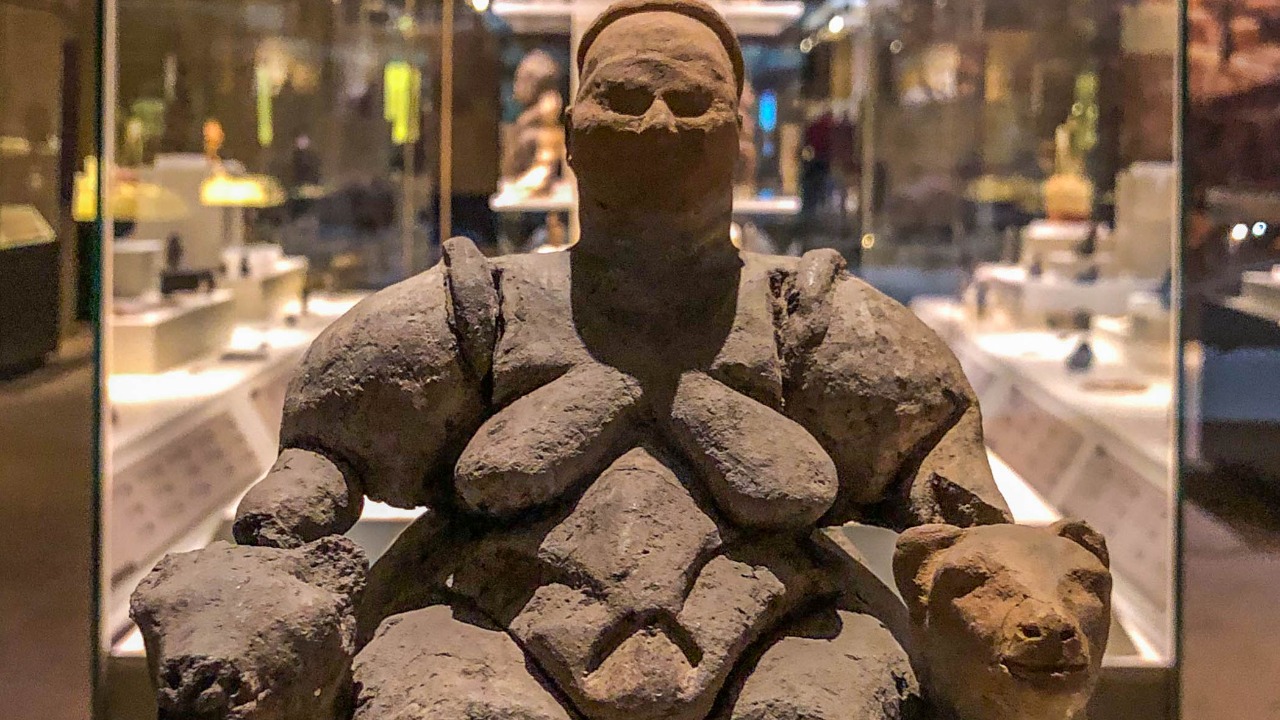
Evidence suggests that the temple may have been dedicated to the ‘mother goddess,’ a prominent figure in ancient religious traditions. The temple’s design and location in Turkey, as reported by Live Science, support this theory, highlighting the site’s potential role as a center for goddess worship. The temple’s architecture and artifacts provide clues about the rituals and beliefs associated with the ‘mother goddess.’
Described as a gateway to goddess worship, the temple reflects 2,700-year-old traditions of female deity veneration. According to Indian Defence Review, the site’s significance lies in its connection to these ancient practices, offering a glimpse into the spiritual life of the time. Specific artifacts or inscriptions found at the site may further point to the temple’s dedication to the ‘mother goddess,’ providing tangible evidence of its religious significance.
The mother goddess, often associated with fertility, earth, and creation, was a central figure in many ancient Anatolian religions. Her worship reflects a broader cultural emphasis on the cycles of nature and the nurturing aspects of the divine feminine. The temple’s artifacts, such as figurines and inscriptions, likely depict symbols associated with the mother goddess, providing further evidence of her veneration. These items offer a glimpse into the rituals and offerings made to honor her, shedding light on the spiritual priorities of the time.
In addition to its religious significance, the temple’s dedication to the mother goddess highlights the social and cultural roles of women in ancient societies. The prominence of female deities in religious practices suggests that women may have held influential positions within these spiritual communities. This aspect of the temple’s history invites further exploration into the gender dynamics of ancient Anatolian societies and the ways in which religious beliefs shaped social structures and cultural norms.
Historical and Cultural Implications
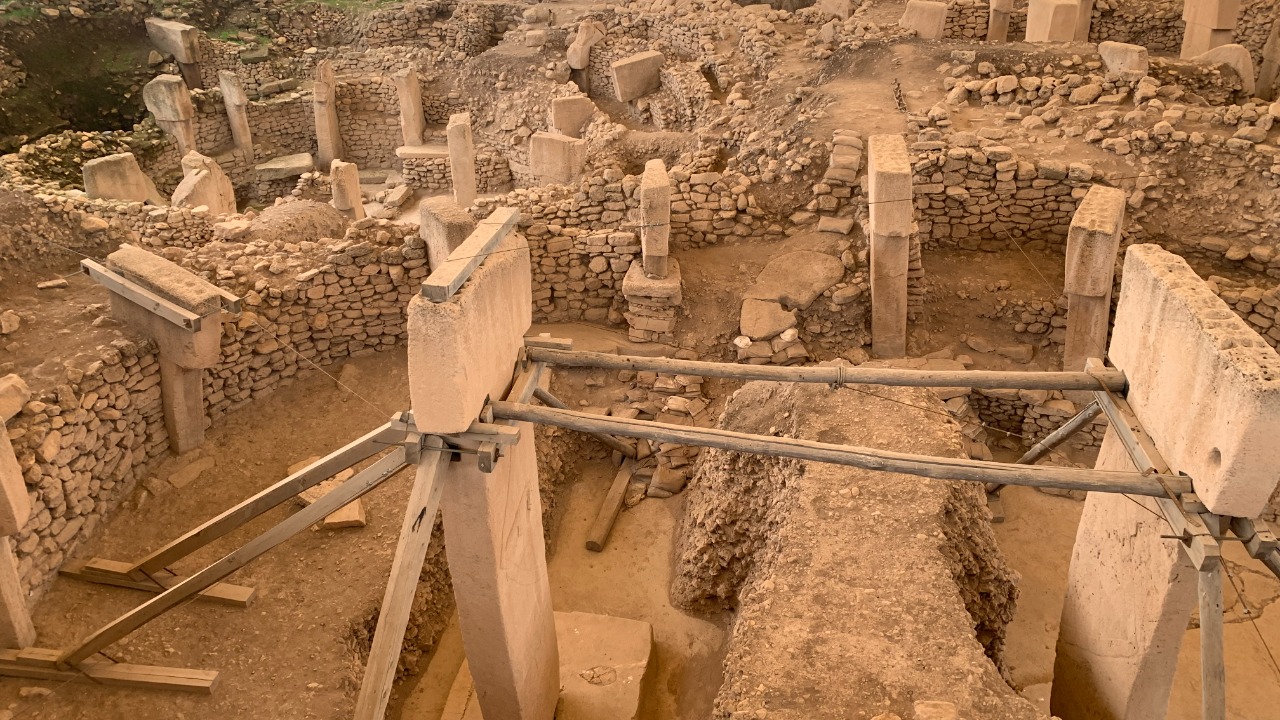
The discovery of the 2,700-year-old temple has broader implications for understanding ancient Turkish religious sites. As noted by Indian Defence Review, the temple’s unearthing contributes to a deeper comprehension of the region’s spiritual landscape and its evolution over time. The site’s architectural features and potential connections to goddess worship offer valuable insights into the religious practices and beliefs of ancient civilizations.
The ‘sacred cave’ and its ties to the ‘mother goddess’ highlight the evolution of regional goddess worship over 2,700 years. According to Live Science, this discovery underscores the enduring influence of female deities in the spiritual traditions of the area. The temple’s significance extends beyond its architectural and historical value, offering a window into the cultural and religious dynamics of ancient Turkey.
The temple’s discovery is a testament to the enduring legacy of ancient Anatolian civilizations and their contributions to the broader historical narrative of the region. It provides a tangible connection to the past, offering insights into the daily lives, beliefs, and artistic expressions of the people who once inhabited this land. The temple’s architecture, with its intricate carvings and symbolic motifs, reflects the aesthetic values and technical prowess of its builders, highlighting the sophistication of ancient Anatolian art and craftsmanship.
Moreover, the temple serves as a reminder of the complex interplay between religion and politics in ancient societies. Religious sites like this temple were often centers of power and influence, where religious leaders wielded significant authority. Understanding the temple’s role within this context can illuminate the ways in which religious and political spheres intersected, shaping the course of history in the region. This discovery, therefore, not only enriches our understanding of ancient religious practices but also provides a broader perspective on the cultural and political dynamics of the time.
