As the automotive industry evolves, more truck brands are opting to remove spare tires from their designs. This trend is driven by multiple factors, including cost-cutting and advancements in technology, but it raises concerns among consumers accustomed to traditional roadside solutions.
The Shift in Truck Design
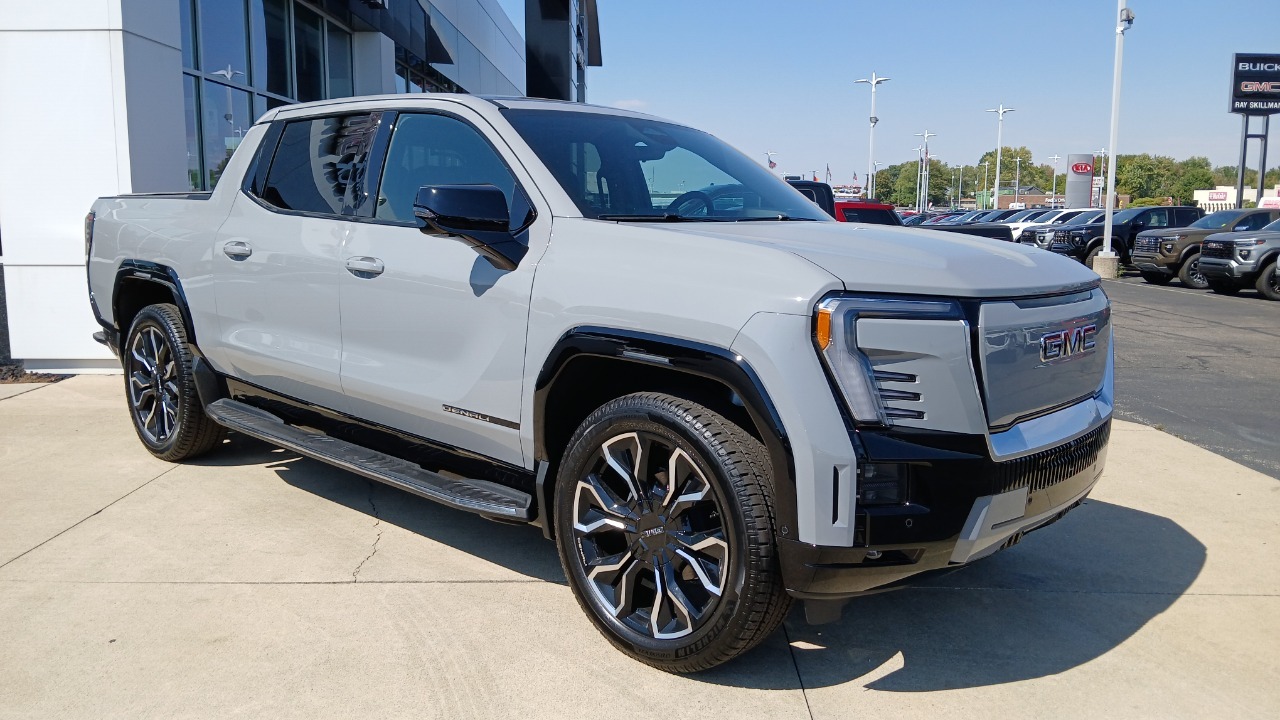
The automotive industry is witnessing a significant shift as truck manufacturers increasingly choose to eliminate spare tires from their new models. This decision is part of a broader strategy to rethink vehicle design, focusing on optimizing space utilization and managing weight more effectively. Without the bulky spare tire, designers have more freedom to allocate space for other components, potentially improving fuel efficiency and providing more room for passengers or cargo.
This trend also aligns with the industry’s pivot towards electric vehicles. With the advent of electric trucks, manufacturers are prioritizing battery space and weight reduction, which are crucial for maximizing range and efficiency. As electric vehicles become more prevalent, the need to streamline design and minimize unnecessary components, such as spare tires, becomes even more pressing.
Consumer Reactions and Concerns

The decision to remove spare tires has not been universally welcomed by consumers. Many truck owners express dissatisfaction and a reluctance to purchase models lacking this traditional safety net. According to a discussion on Quora, there’s an ongoing debate about the practicality of these changes, with some consumers feeling uneasy about relying solely on modern alternatives.
Safety concerns are a significant factor in consumer hesitance. The absence of a spare tire can be particularly worrying for those who frequently drive in remote areas or harsh conditions. Truck enthusiasts and off-road communities, who often venture into rugged terrains, are especially vocal about the risks associated with not having a spare tire readily available. These groups argue that in challenging environments, having a spare tire is not just convenient but essential for safety and peace of mind.
Alternatives to Spare Tires
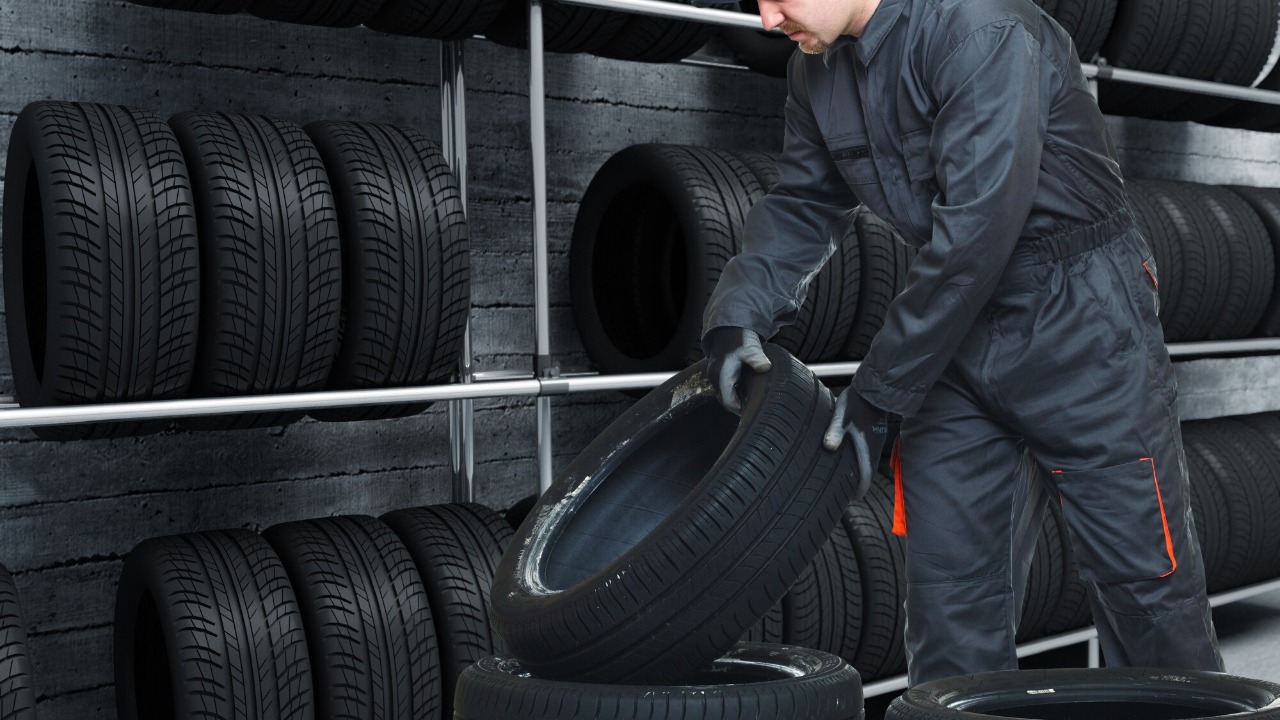
In response to these concerns, manufacturers are introducing alternatives such as run-flat tires and tire repair kits. Run-flat tires are designed to travel a limited distance after being punctured, allowing drivers to reach a service station without needing an immediate change. Tire repair kits, on the other hand, provide a temporary fix by sealing punctures and reinflating the tire.
While these alternatives offer some level of convenience, they come with limitations. Run-flat tires, for instance, can be more expensive and may offer a harsher ride compared to traditional tires. Tire repair kits are only effective for minor punctures and may not be suitable for larger damages. The discussions on Torque News indicate that consumers are weighing these factors against the traditional security of a spare tire, considering both the costs and convenience involved.
Impact on Off-Road and Utility Trucks
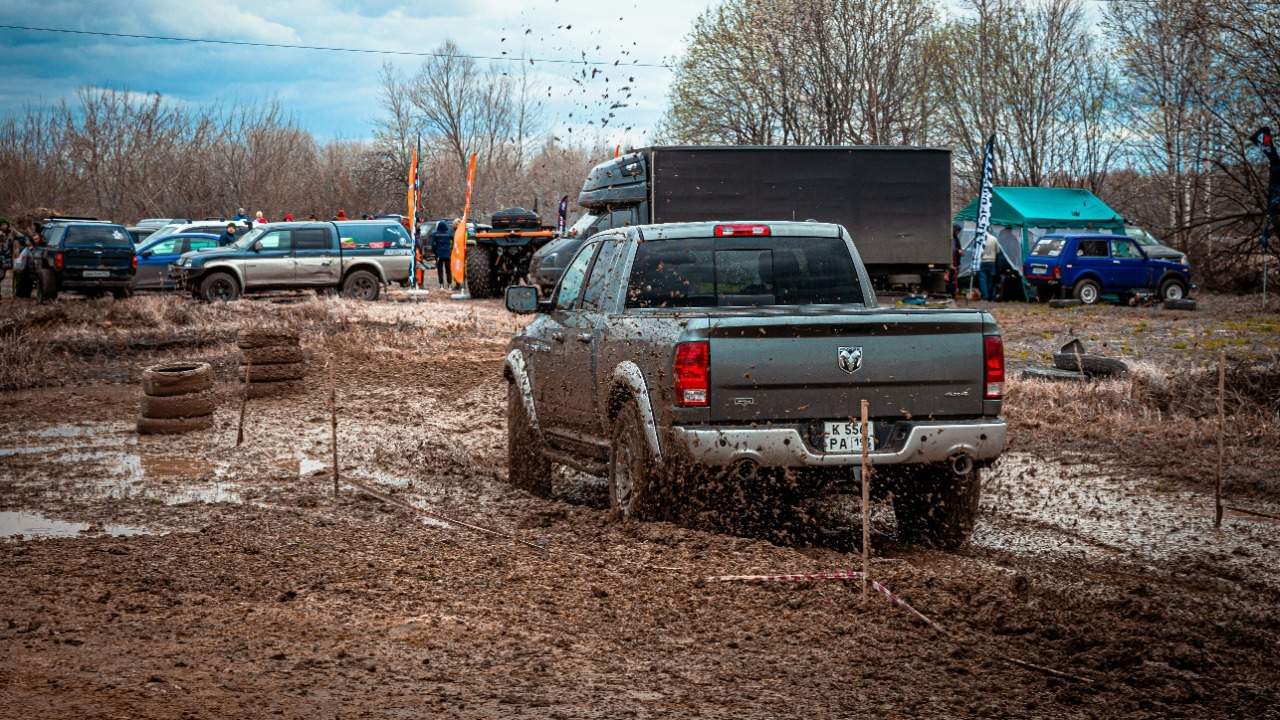
For off-road and utility trucks, the absence of a spare tire poses unique challenges. These vehicles are often used in rugged environments where tire damage is more likely. Without a spare, the risk of being stranded increases significantly, impacting both the performance and reliability of these trucks. Off-road enthusiasts are vocal about the necessity of having a spare tire during their adventures, a sentiment echoed in forums like Reddit’s SnowRunner community.
Professionals who rely on utility trucks for work also face challenges with the removal of spare tires. In industries where time is money, a flat tire without a quick replacement option can lead to costly delays. As manufacturers continue to innovate, these groups are adapting by carrying additional equipment or modifying their vehicles to accommodate spare tires despite the industry’s shift.
Future of Spare Tires in the Truck Industry
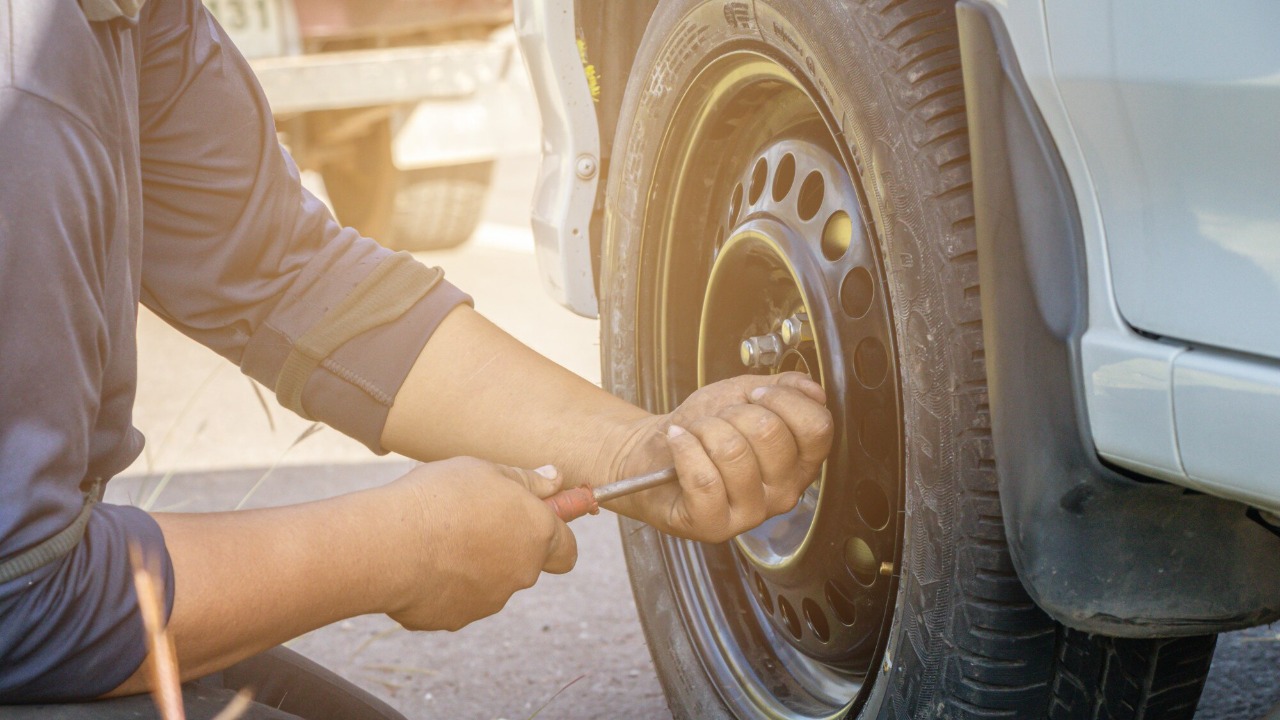
As the trend of ditching spare tires continues, the future of this component in the truck industry remains uncertain. It is possible that as technology advances, new innovations will emerge, offering solutions to tire issues that do not rely on traditional spares. However, for now, the debate continues, with consumer demand and market competition playing crucial roles in determining whether manufacturers might reconsider spare tire inclusion.
Innovations in tire technology and vehicle design could lead to new approaches that better address the needs of all consumers, from daily commuters to off-road adventurers. As the industry evolves, it will be interesting to see how manufacturers balance these demands with the push for more efficient and environmentally friendly vehicles. The recent unveiling of electric models like the Scout Motors Terra Truck highlights the ongoing transformation and the exciting possibilities that lie ahead.
