In 1986, a remarkable archaeological discovery was made along the northwestern shore of the Sea of Galilee: a 2,000-year-old fishing vessel, now commonly referred to as “The Jesus Boat.” This ancient artifact provides valuable insights into the boat-building techniques of the time and offers a tangible connection to the era of Jesus, making it a significant find for historians and religious scholars alike.
The Discovery of the Jesus Boat
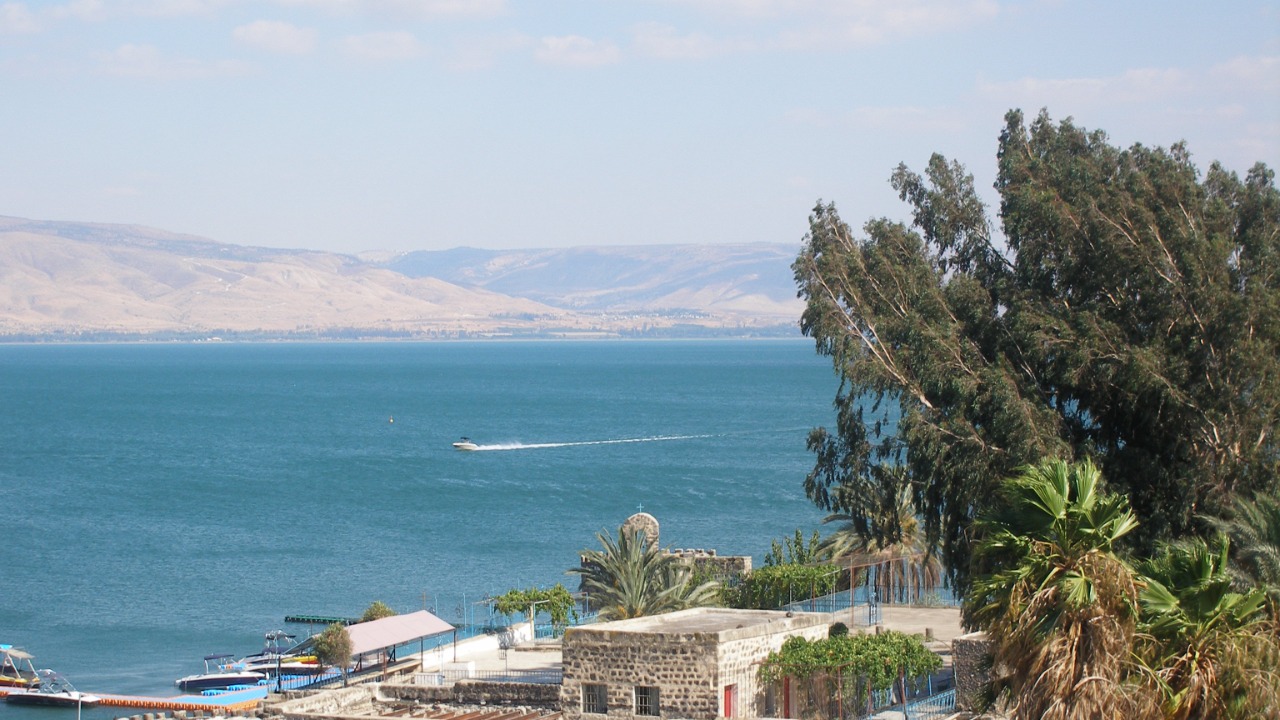
The discovery of the Jesus Boat was a serendipitous event, resulting from a severe drought in 1986 that significantly lowered the water levels of the Sea of Galilee. This environmental change exposed a previously hidden treasure, which was stumbled upon by two brothers, Moshe and Yuval Lufan, who were local fishermen. The brothers, both enthusiastic about archaeology, immediately recognized the historical significance of the remains they found embedded in the mud.
Following the discovery, a team of archaeologists embarked on a meticulous excavation process to preserve the fragile structure. The task was fraught with challenges, including the need to prevent the ancient wood from disintegrating upon exposure to air. The team utilized innovative methods, wrapping the boat in fiberglass and foam to stabilize it during transportation to a conservation facility. The archaeological community was abuzz with excitement, as the boat provided a direct link to an era steeped in biblical history.
Construction and Design of the Vessel
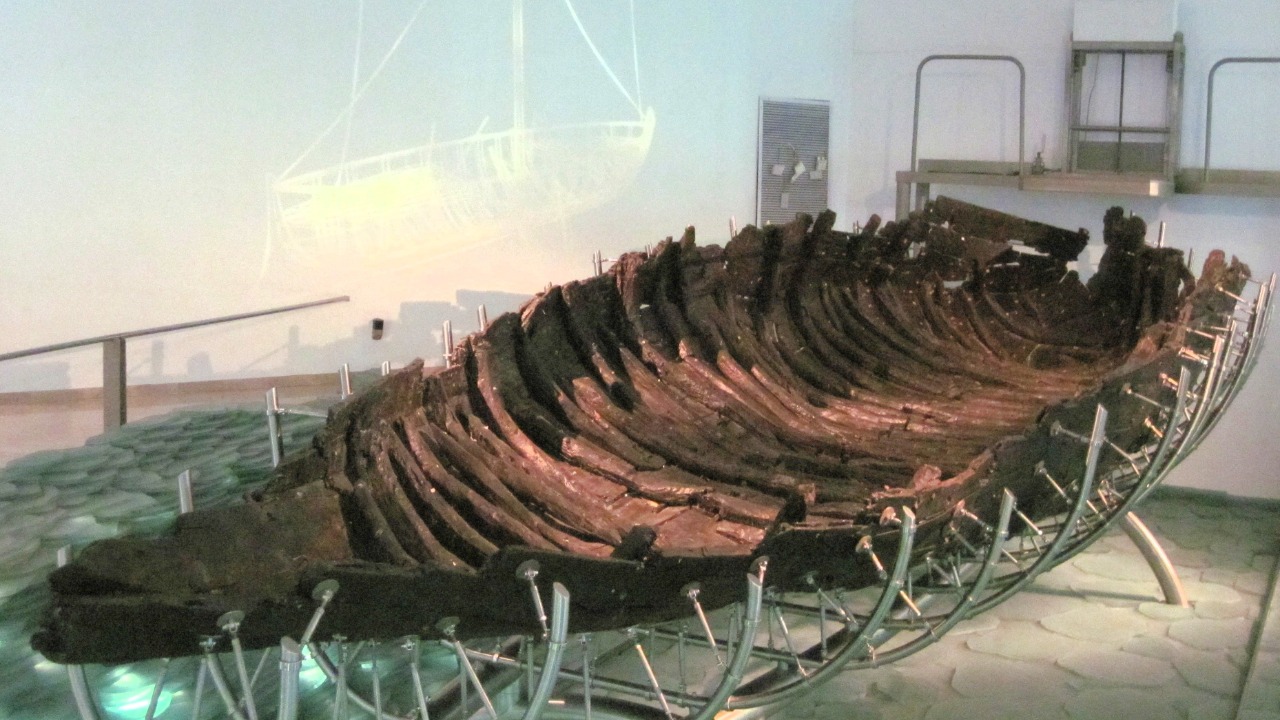
The Jesus Boat is a testament to the sophisticated boat-building techniques of its time. Constructed using traditional methods, it features mortise-and-tenon joints that were common in ancient shipbuilding. This technique involves fitting tenon ends of planks into mortise slots in adjacent planks, secured with pegs. The variety of wood types identified in the construction, including cedar and oak, suggests resourcefulness in using available materials.
Measuring approximately 8.2 meters in length and 2.3 meters in width, the boat’s dimensions and features are consistent with other vessels from the first century AD. Radiocarbon dating and pottery found with the boat have helped to precisely date it to this period, offering a glimpse into the life and times of those who might have used it. These insights contribute to our understanding of the maritime culture of the region during the time of Jesus.
Cultural and Religious Implications
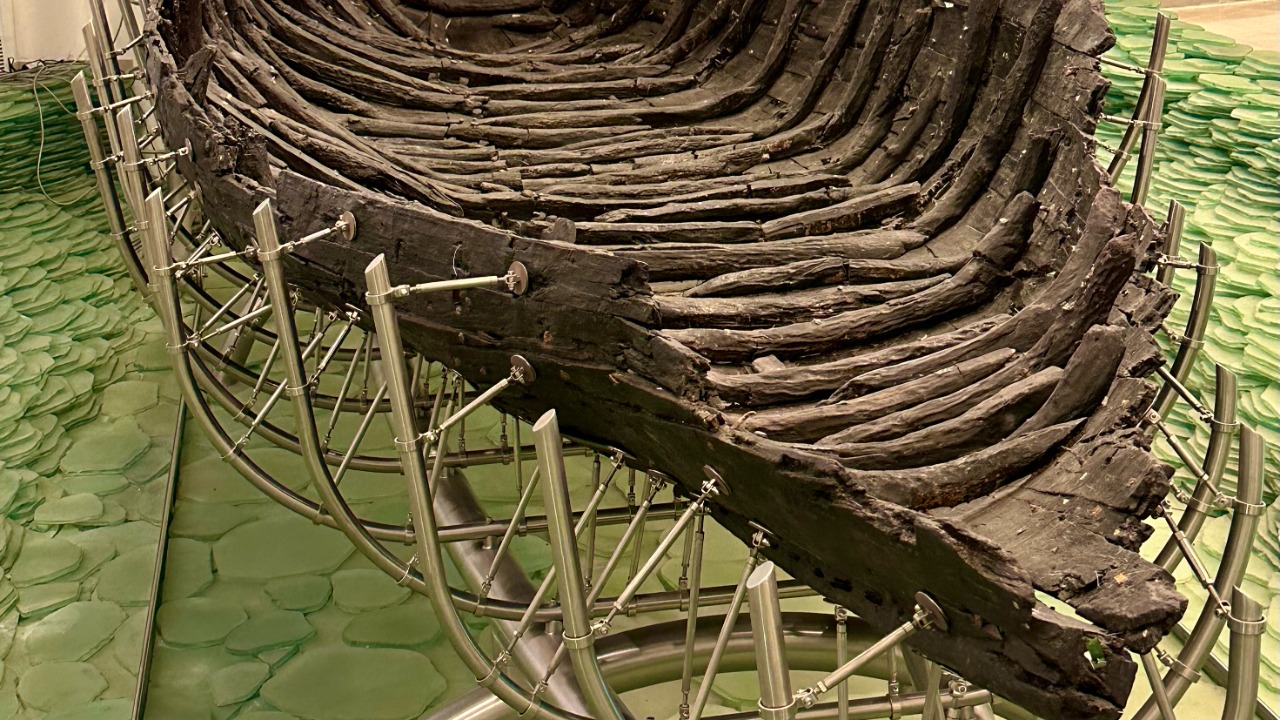
The Jesus Boat’s connection to Jesus’ era is both fascinating and profound, as it aligns with biblical accounts of Jesus and his disciples navigating the Sea of Galilee. While no direct links to Jesus or his followers can be confirmed, the boat remains a valuable artifact for religious scholars and historians, offering a tangible representation of the period’s maritime activities.
Since its discovery, the boat has become a focal point for Christian pilgrimage in the region. Visitors from around the world travel to the site, seeking both spiritual and historical enlightenment. The boat’s presence has fostered a deeper interfaith understanding, highlighting the shared cultural and religious heritage between Jewish and Christian communities in the area.
Modern-Day Preservation and Display
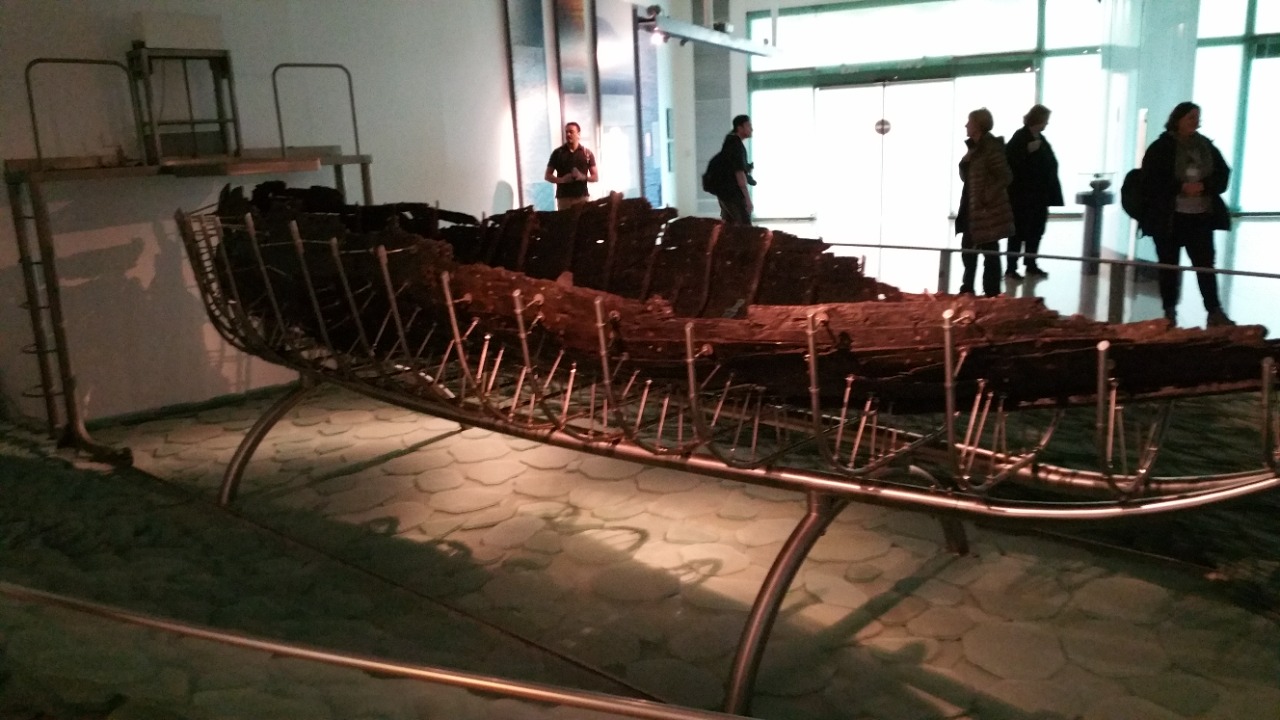
Preserving the Jesus Boat required extensive conservation efforts to ensure its long-term survival. Innovative techniques, such as polyethylene glycol treatment, were employed to stabilize the wood and prevent decay. Today, the boat is proudly displayed at the Yigal Allon Galilee Boat Museum, where it serves as an educational tool for visitors, offering insights into ancient maritime history and its cultural significance.
The museum’s exhibition of the boat includes multimedia presentations and detailed explanations of the excavation and preservation processes. Ongoing research continues to uncover more about the boat’s origins, its use, and the people who built and sailed it, ensuring that the legacy of the Jesus Boat endures.
The Legacy of the Jesus Boat
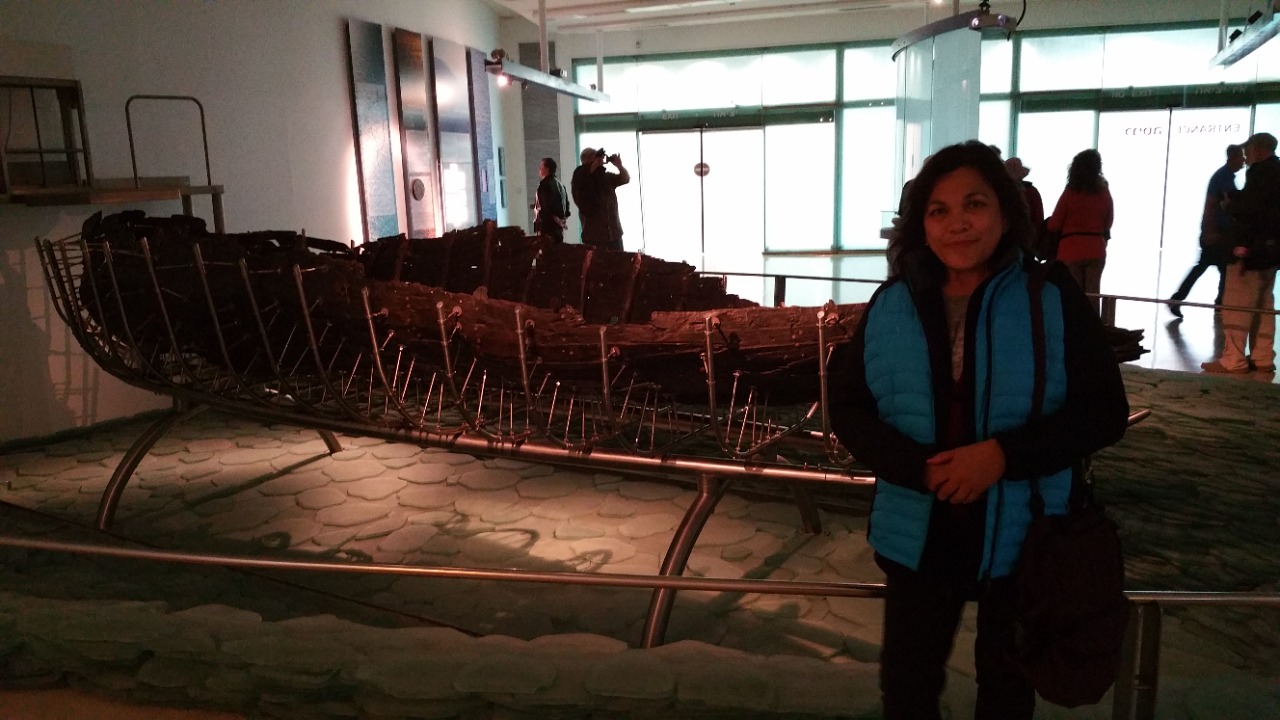
The Jesus Boat has become a symbol of hope and resilience, echoing the enduring human spirit and the continuous quest for knowledge. Its discovery has influenced archaeological practices, particularly in the preservation of ancient artifacts found in challenging environments. The methods developed for its preservation are now employed in similar archaeological endeavors worldwide.
Moreover, the story of the Jesus Boat inspires ongoing efforts to uncover other historical treasures hidden beneath the Sea of Galilee and beyond. As researchers continue to explore these waters, the legacy of the Jesus Boat serves as a beacon of inspiration, reminding us of the rich history lying just beneath the surface, waiting to be discovered.
