Scientists have uncovered a series of 2,000-foot tunnels beneath Brazil and Argentina, attributing their creation to ancient giant sloths that roamed the earth around 10,000 years ago. These colossal tunnels, some large enough for a person to walk through upright, are believed to have been dug by sloths as massive as elephants. This extraordinary discovery offers new insights into the behavior and capabilities of these extinct megafauna, shedding light on their impact on the prehistoric landscape.
The Discovery of the Tunnels
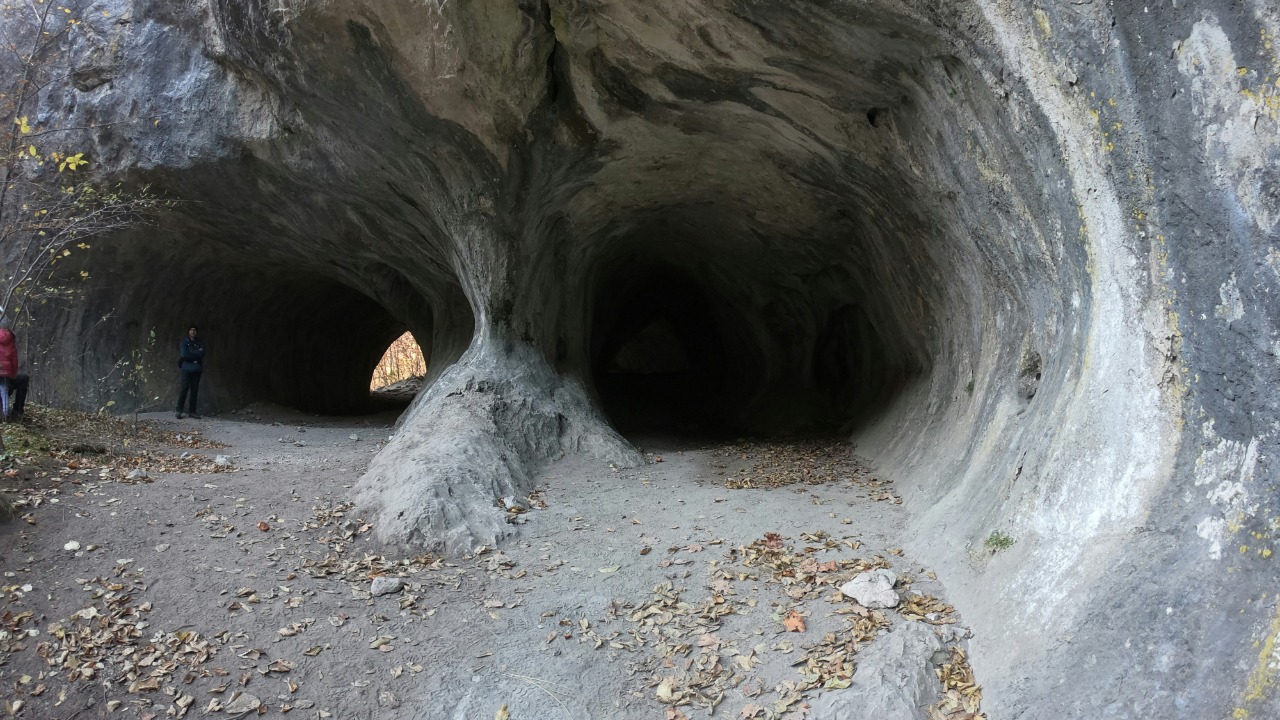
The remarkable tunnels were discovered beneath the landscapes of Brazil and Argentina, stretching an impressive 2,000 feet in length. This discovery has captivated scientists and the public alike, as the sheer size and extent of these tunnels suggest a significant feat of engineering by the creatures that created them. Initial reports of these paleoburrows date back to at least 2017, when their existence first piqued the curiosity of researchers due to their enormous size and mysterious origins (SSB Crack).
The tunnels’ discovery has prompted a reevaluation of the capabilities of ancient sloths, which were previously not thought to have engaged in such extensive digging activities. The tunnels’ dimensions and the effort required to create them suggest that these sloths were not only physically formidable but also had a significant impact on their environment. This finding has opened up new avenues of research into the lives of these ancient creatures and their interactions with the ecosystems they inhabited (Popular Mechanics).
In addition to their sheer size, the tunnels exhibit a variety of features that have intrigued researchers. Some sections of the tunnels contain branching pathways and chambers, suggesting that these structures may have served multiple purposes for the giant sloths. These features could indicate areas for nesting, protection from predators, or even social interaction among the sloths. The complexity of the tunnel networks implies a level of social organization and environmental adaptation that was previously underestimated in these ancient creatures. Researchers are particularly interested in understanding how these tunnels may have influenced the surrounding landscape, potentially affecting water drainage patterns and soil stability, which could have had lasting impacts on the local ecosystems (Popular Mechanics).
Characteristics of the Tunnels
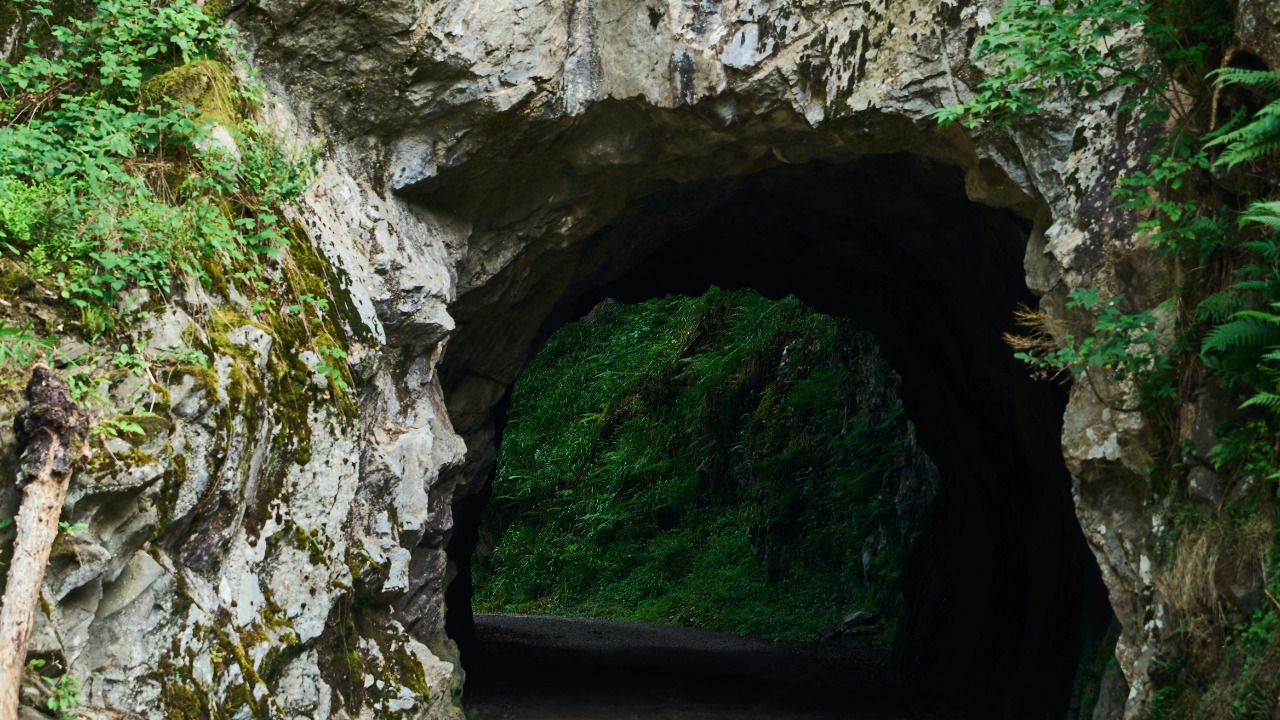
The tunnels are characterized by their massive size, with some sections large enough to allow a person to walk through upright. This indicates the enormous size of the creatures that dug them, as only a creature of considerable size and strength could have created such expansive structures. The evidence suggests that these tunnels were crafted by sloths as large as elephants, highlighting their impressive structural capabilities and the potential complexity of their social behaviors (Interesting Engineering).
The structural integrity of these tunnels, despite their age, points to a sophisticated understanding of excavation and construction by these ancient sloths. The tunnels’ walls often display claw marks, providing direct evidence of the sloths’ involvement in their creation. This discovery not only challenges previous assumptions about the physical abilities of these creatures but also suggests a level of environmental interaction that was previously unrecognized (Interesting Engineering).
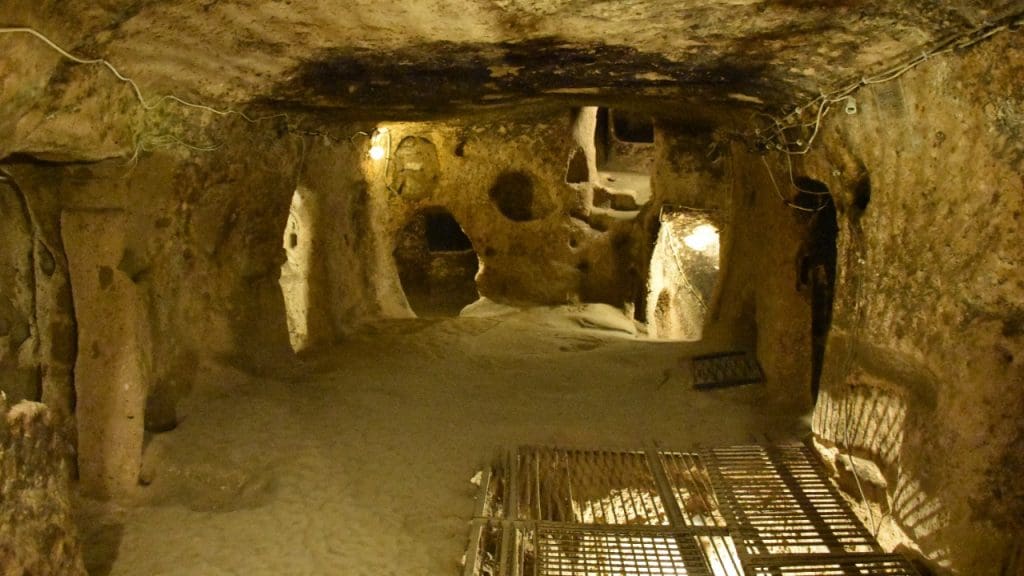
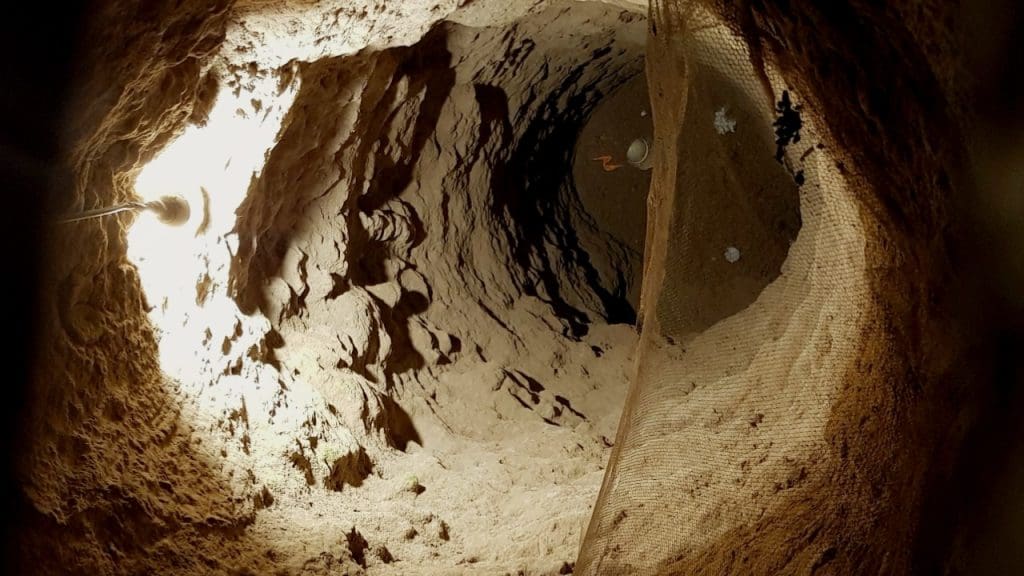
Further examination of the tunnels reveals that they are not uniform in shape or size, with some sections featuring smooth, rounded walls while others are more jagged and irregular. This variation suggests that different sloths may have used distinct digging techniques or that the tunnels were expanded over time by successive generations of sloths. The presence of claw marks on the walls provides direct evidence of the sloths’ physical interaction with their environment, offering clues about their strength and dexterity. These findings challenge previous assumptions about the cognitive and physical capabilities of these ancient animals, suggesting that they possessed a sophisticated understanding of their environment and the ability to manipulate it to suit their needs (Interesting Engineering).
The Role of Giant Sloths
Scientists propose that these tunnels were dug by giant ground sloths, a species that roamed the earth approximately 10,000 years ago. These sloths, known for their massive size, are believed to have played a significant role in shaping their environment through their digging activities. The creation of such extensive tunnel networks suggests that these sloths were not only physically capable but also had a profound impact on the ecosystems they inhabited (My Modern Met).
The sloths’ digging activities likely influenced the landscape by altering soil composition and creating habitats for other species. This behavior indicates that giant sloths were integral to their ecosystems, contributing to biodiversity and environmental dynamics. Understanding the role of these sloths in their ecosystems provides valuable insights into the ecological processes of the past and the ways in which large herbivores can shape their environments (MSN).
The giant ground sloths, known scientifically as Megatherium, were among the largest land mammals of their time, with some species weighing up to four tons. Their massive size and strength enabled them to dig extensive tunnel networks, which likely served as shelters from harsh weather conditions and predators. By altering the landscape through their digging activities, these sloths may have created microhabitats that supported a diverse range of plant and animal life. This behavior underscores the role of giant sloths as ecosystem engineers, organisms that significantly modify their environment, thereby influencing the distribution and abundance of other species. Understanding these dynamics provides valuable insights into the ecological roles of large herbivores and their contributions to biodiversity (My Modern Met).
Implications of the Findings
The discovery of these tunnels offers valuable insights into the behavior of extinct megafauna and their interactions with the environment. By studying these structures, scientists can gain a better understanding of the ecological roles played by giant sloths and other large herbivores in prehistoric times. This knowledge can inform current conservation efforts by highlighting the importance of large animals in maintaining ecological balance and promoting biodiversity (SSB Crack).
Furthermore, the study of these tunnels may offer broader implications for the study of prehistoric life and its environmental impact. By examining the ways in which ancient sloths interacted with their environment, researchers can draw parallels to modern ecological challenges and the role of large animals in ecosystem dynamics. This research underscores the importance of preserving biodiversity and understanding the complex relationships between species and their habitats (MSN).
The discovery of these tunnels not only enhances our understanding of prehistoric ecosystems but also raises questions about the resilience and adaptability of ancient species in the face of environmental changes. By studying the tunnels and the sloths that created them, scientists can explore how these animals responded to climatic shifts and habitat alterations during the Pleistocene epoch. This research may offer valuable lessons for contemporary conservation efforts, particularly in understanding how modern species might adapt to current and future environmental challenges. The parallels between past and present ecosystems highlight the importance of preserving biodiversity and maintaining ecological balance, as large herbivores continue to play crucial roles in shaping their environments (MSN).
