Buying a car is a significant investment, and it’s crucial to make an informed decision. While Ford has a rich history and a loyal fan base, there are several factors that potential buyers should consider carefully. From depreciation rates to maintenance costs, here’s a closer look at why you might want to think twice before purchasing a Ford.
1. High Depreciation Rates
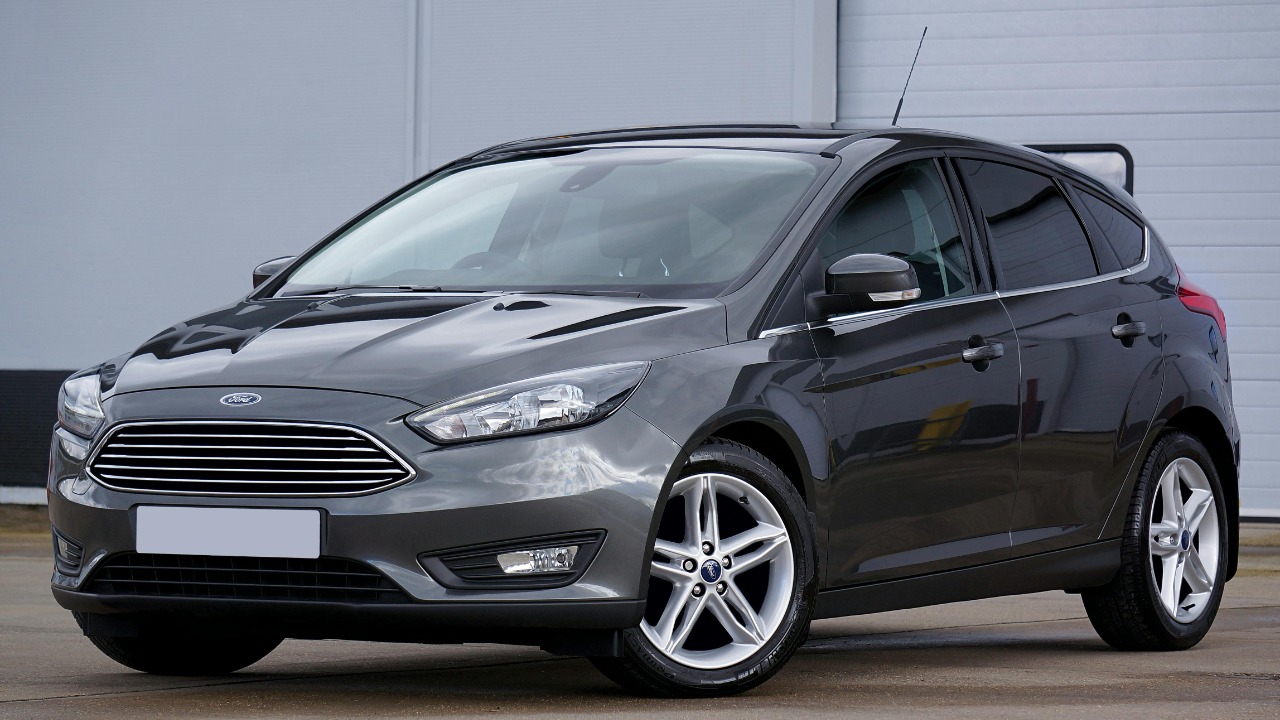
Fords are known for their rapid depreciation, which can be a major concern for any car buyer. The value of a Ford vehicle tends to decrease significantly within the first three years. This rapid depreciation can affect your return on investment when it’s time to sell or trade in your vehicle.
2. Reliability Concerns

While Ford vehicles are popular, they often face reliability issues that can lead to frequent repairs. This can be particularly troublesome for those who rely on their vehicles daily. Unreliable cars can lead to unexpected breakdowns and inconvenience.
3. Expensive Maintenance Costs
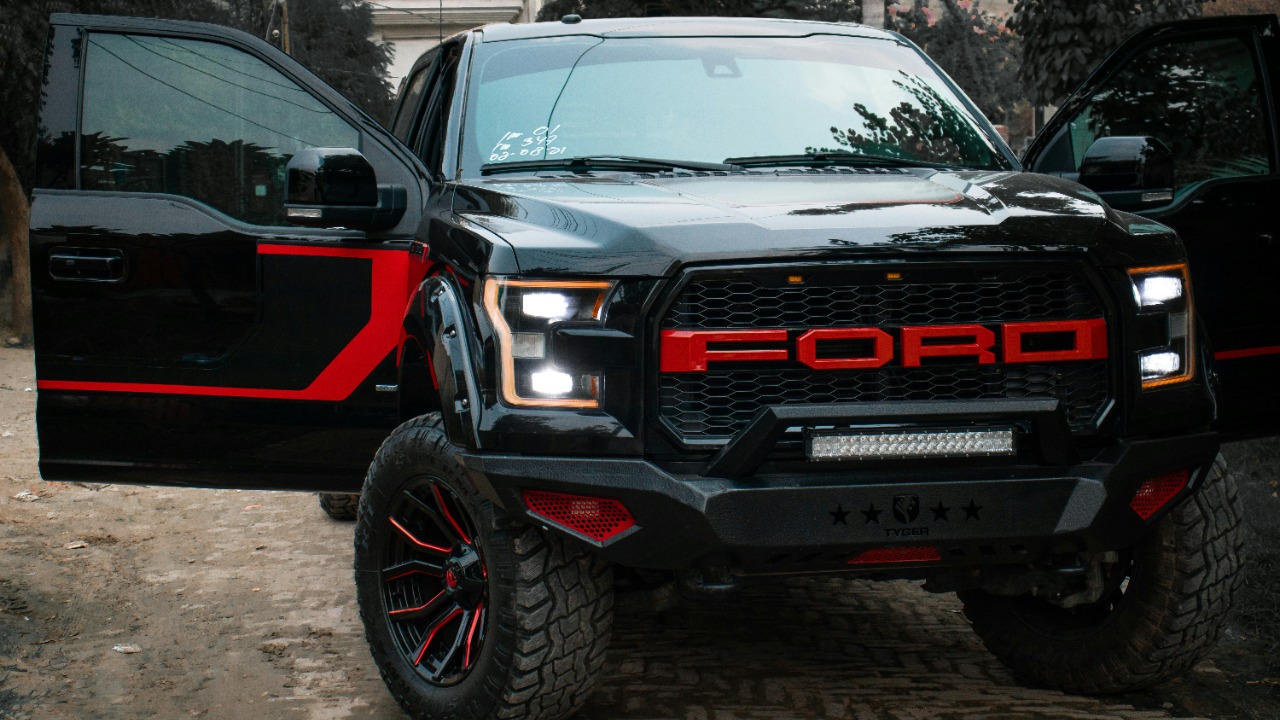
Maintaining a Ford can be more costly than other brands due to expensive parts and frequent servicing needs. Regular maintenance is crucial to keeping any vehicle running smoothly, but the associated costs can add up quickly with a Ford, impacting your overall budget.
4. Frequent Recalls
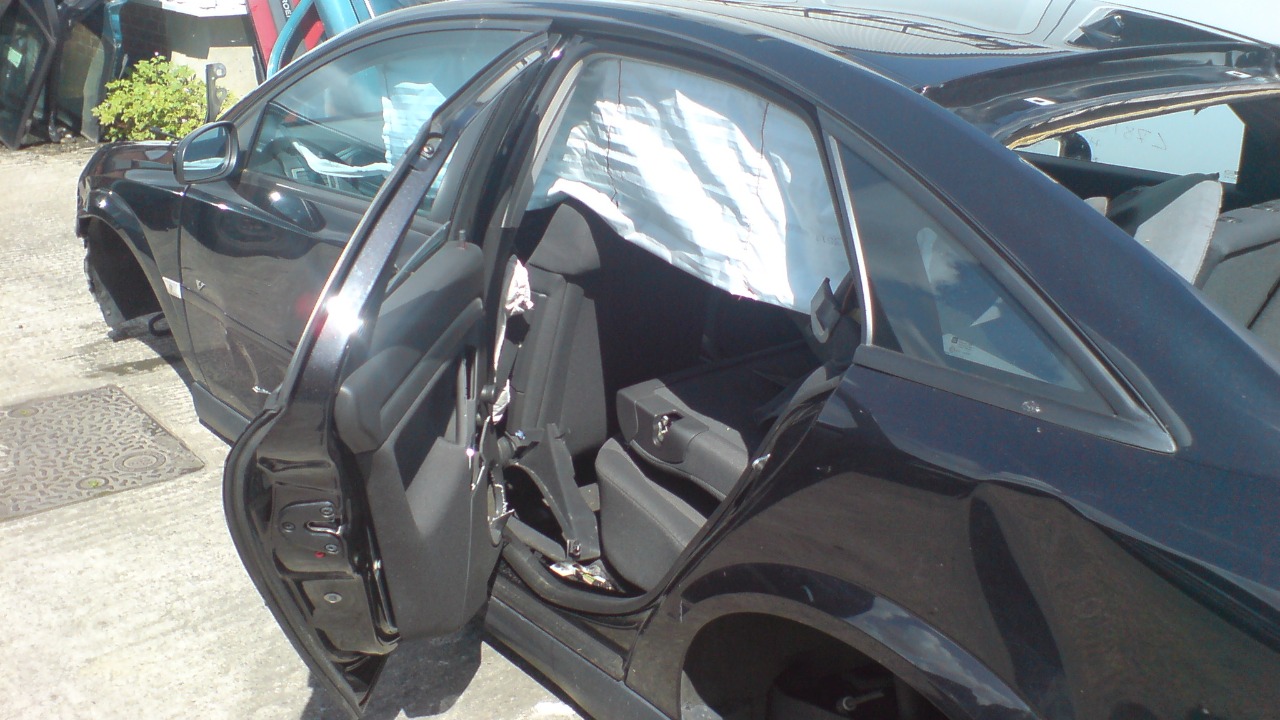
Ford has been subject to numerous recalls over the years, which can be a red flag for potential buyers. These recalls can lead to serious safety concerns and require time-consuming repairs, making them a significant consideration when purchasing a Ford vehicle.
5. Fuel Efficiency Issues

Many Ford models do not offer the best fuel efficiency, which can be a deterrent for eco-conscious buyers. Frequent trips to the gas station can not only be costly but also contribute to a larger carbon footprint, impacting both your wallet and the environment.
6. Limited Warranty Coverage
Ford’s warranty coverage may not be as comprehensive as competitors, leaving you exposed to potential repair costs. A limited warranty can be a significant drawback, as it may not cover all necessary repairs, leading to out-of-pocket expenses.
7. Poor Resale Value

The combination of high depreciation and reliability issues can result in a poor resale value for Ford vehicles. This means you might not get a good return on your investment, making it a point to consider if you’re planning to sell or trade in your vehicle in the future.
8. Questionable Build Quality

Some Ford models have been criticized for their build quality, which can affect the overall driving experience. Issues such as panel gaps or subpar materials can impact both the aesthetic and functional aspects of the vehicle.
9. Inconsistent Customer Service

Customer service experiences with Ford dealerships can vary greatly, which can be frustrating when you need support. Inconsistent service can lead to dissatisfaction and a lack of trust in the brand, especially when addressing vehicle issues.
10. High Insurance Premiums

Ford vehicles can sometimes lead to higher insurance premiums due to their repair costs and accident statistics. This can add a significant amount to the total cost of ownership, making it an important factor to consider
11. Outdated Technology Features

Ford vehicles often lag behind in terms of the latest technology and infotainment features. This can be a deal-breaker for tech-savvy buyers who prioritize cutting-edge features, making Ford a less attractive option in today’s tech-driven market.
12. Limited Model Options

While Ford offers a range of vehicles, the variety within each model line can be limited. This might not cater to specific preferences or needs, potentially pushing buyers to consider other brands with more diverse offerings.
13. Negative Environmental Impact

Ford has faced criticism for its environmental impact, particularly with less efficient models. Environmental concerns are increasingly important to consumers, and Ford’s lack of focus on eco-friendly technologies can be a disadvantage.
14. High Ownership Costs
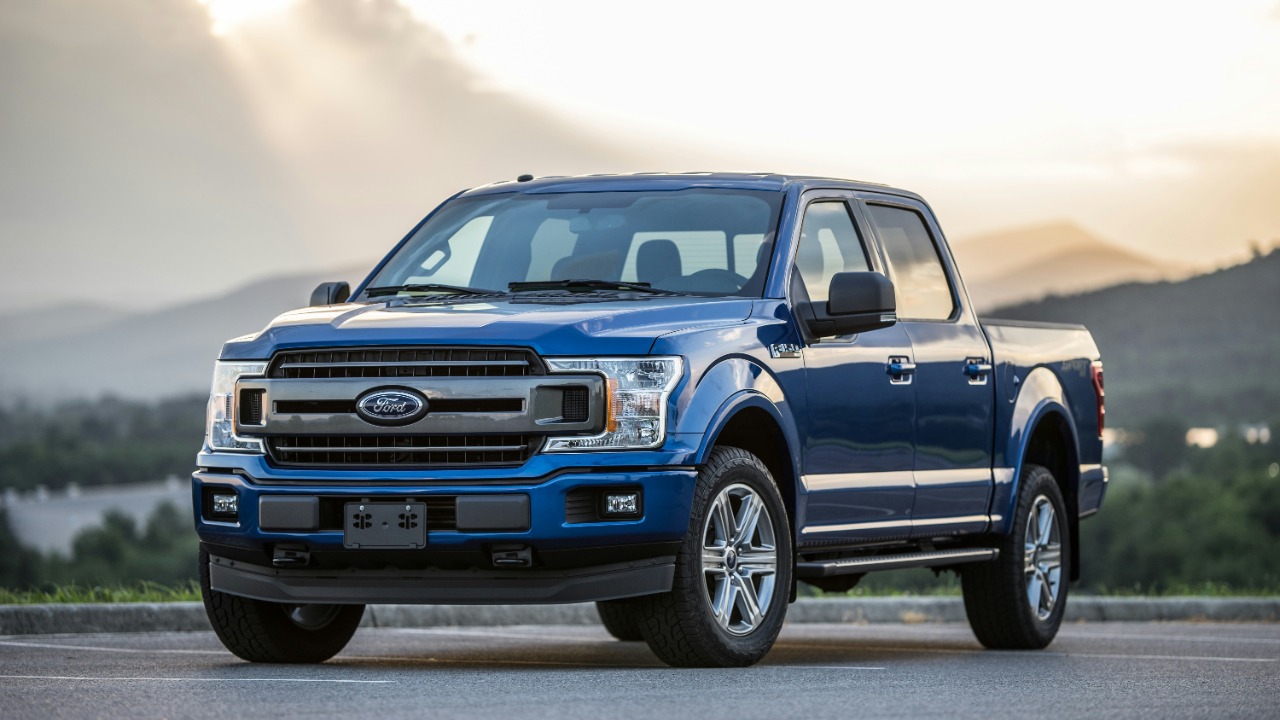
The overall cost of owning a Ford can be higher than anticipated due to factors like maintenance, insurance, and fuel. These additional expenses can strain your budget, making it essential to consider the long-term financial implications.
15. Subpar Interior Materials

Some Ford models have been criticized for using lower-quality interior materials, affecting comfort and aesthetics. Buyers looking for a more luxurious feel may find Ford’s offerings lacking, impacting their overall satisfaction with the vehicle.
16. Safety Rating Concerns

While Ford vehicles generally meet safety standards, some models have received mixed safety ratings. Safety is a top priority for most buyers, and concerns in this area can be a significant deterrent when considering a Ford.
17. Competitor Advancements

Other brands have made significant advancements in technology, efficiency, and design, which can make Ford seem less appealing. Staying competitive in the automotive market requires constant innovation, and some feel Ford may not be keeping pace.
18. Potential Transmission Problems

Transmission issues have been a recurring problem for certain Ford models, potentially leading to costly repairs. These mechanical problems can significantly affect the reliability and performance of the vehicle, making it a crucial consideration.
