Earth is a treasure trove of enigmatic sites that defy scientific explanation. These locations, steeped in mystery, intrigue explorers and researchers alike. From underwater anomalies to inexplicable natural formations, these are some of the most baffling places on our planet.
The Bermuda Triangle
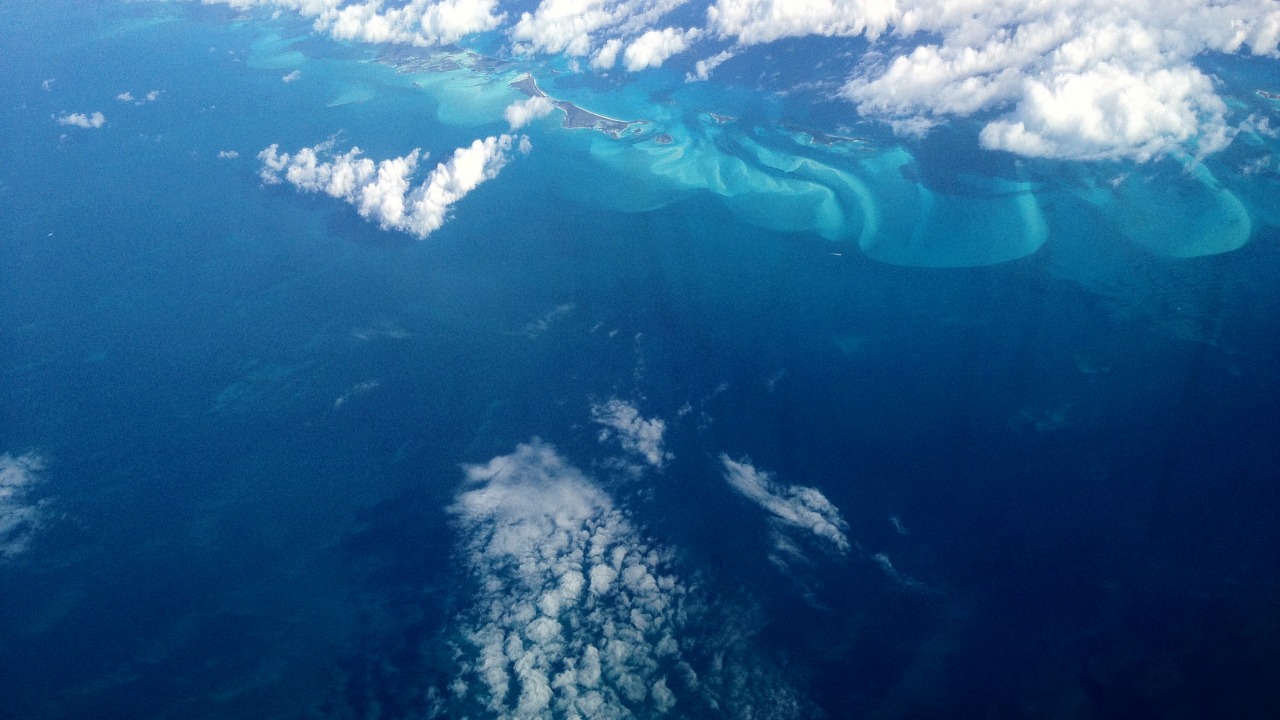
The Bermuda Triangle, an area of the Atlantic Ocean bounded by Miami, Bermuda, and Puerto Rico, has been a source of mystery for decades. Known for the unexplained disappearance of ships and aircraft, this region has sparked numerous theories ranging from magnetic field anomalies to alien abductions. Despite extensive research, no definitive scientific explanation has been provided, leaving it one of the world’s most enduring mysteries. Some researchers suggest a combination of human error and environmental factors, but the debate continues.
Many travelers and enthusiasts are drawn to the Bermuda Triangle for its mystique. The region’s tourism thrives on its enigmatic reputation, offering cruises and flights that promise a brush with the unknown. Yet, even with all the hype, the Bermuda Triangle remains an unsolved puzzle, challenging the limits of scientific understanding.
The Great Blue Hole, Belize
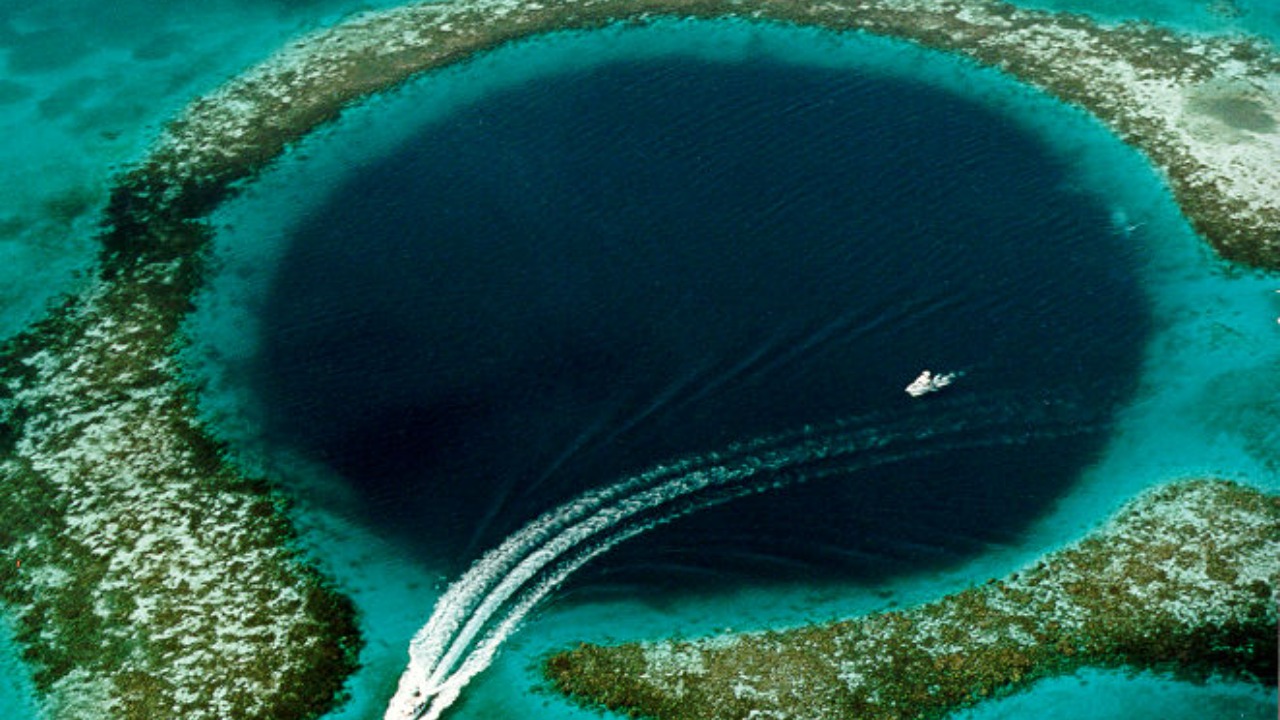
The Great Blue Hole in Belize is a giant marine sinkhole that captivates divers and scientists alike. Measuring over 300 meters across and 125 meters deep, it is a part of the Belize Barrier Reef Reserve System, a UNESCO World Heritage site. Its perfectly circular shape and deep blue color create a striking contrast with the surrounding turquoise waters, making it a visually stunning phenomenon.
Theories about its formation abound, yet no single explanation has been universally accepted. While some suggest it was formed as a limestone cave during the last ice age, questions remain about its remarkable preservation and the unique marine life it harbors. This underwater wonder continues to challenge our understanding of geological processes.
The Nazca Lines, Peru
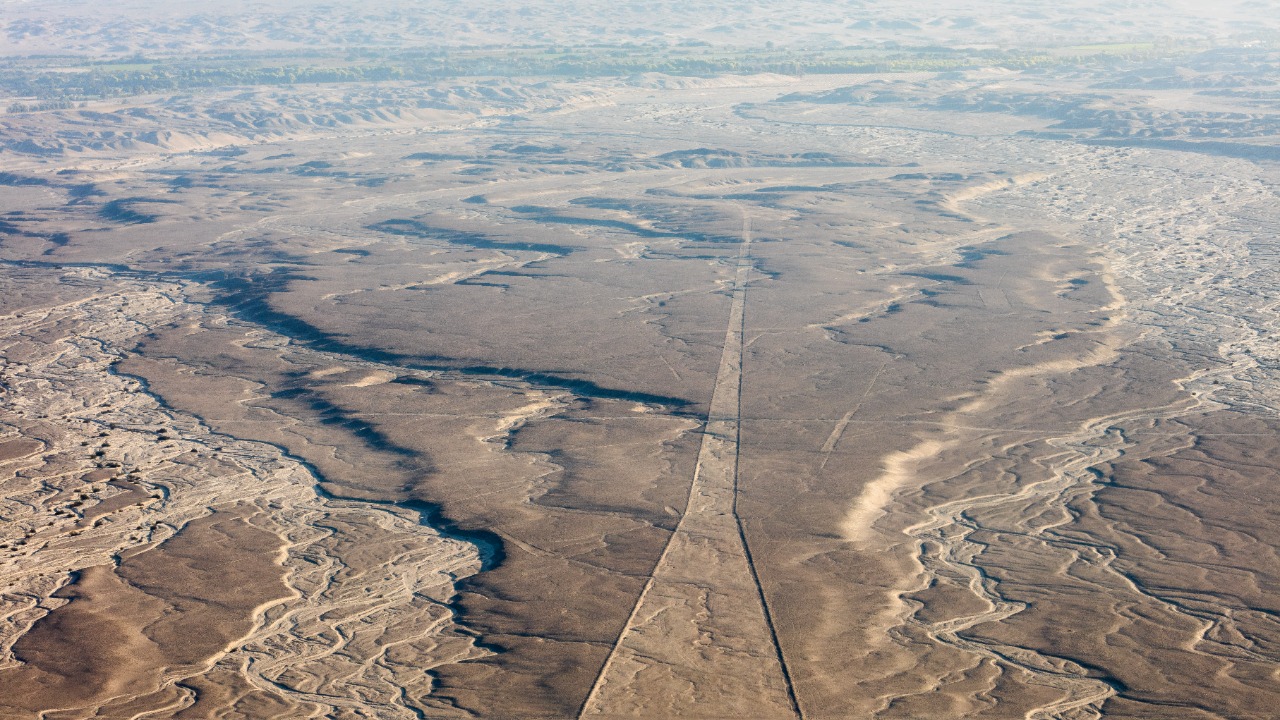
Etched into the arid plains of southern Peru, the Nazca Lines are a series of large geoglyphs depicting various animals and shapes. These ancient designs, some stretching over 1,200 feet, are best viewed from the air, sparking debates about their purpose and construction. Theories range from religious or astronomical significance to being part of an ancient irrigation system.
Despite numerous studies, the exact reason for their creation remains elusive. Some researchers suggest they were made for the gods, visible only from the sky, while others propose they are a giant astronomical calendar. These lines continue to captivate both archaeologists and tourists, inviting speculation and awe.
The Sailing Stones of Death Valley, USA
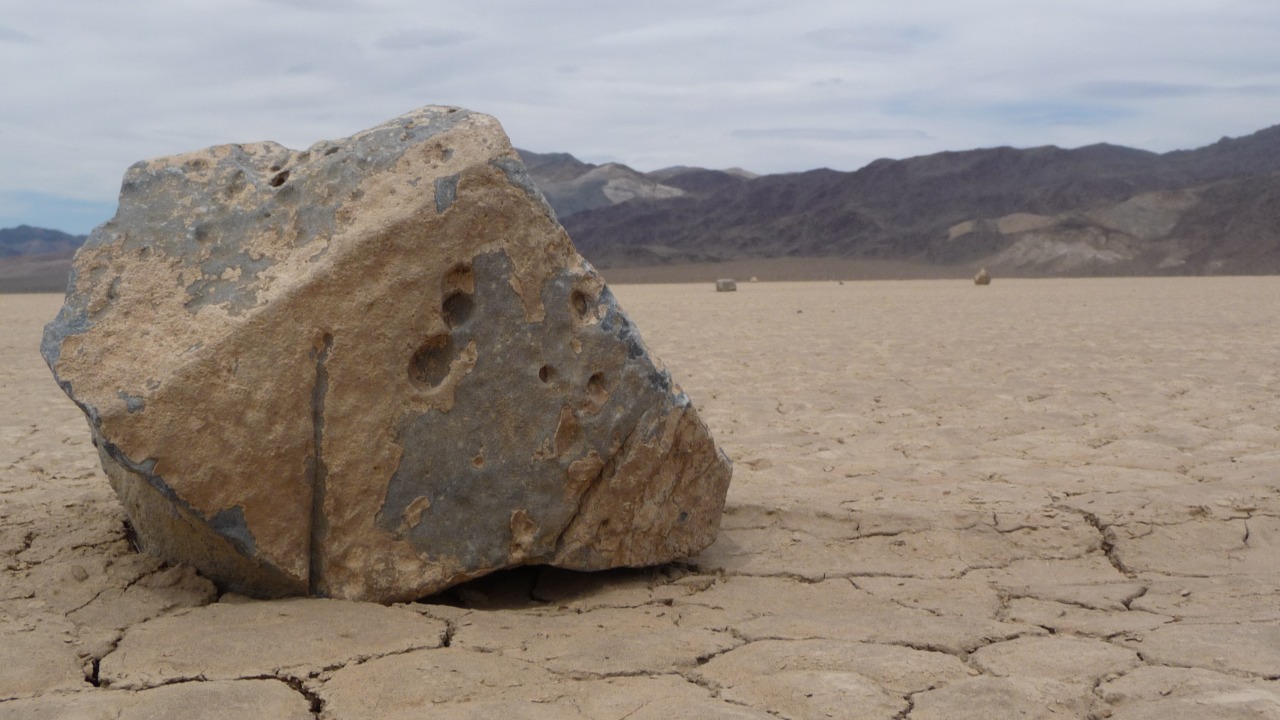
In California’s Death Valley, massive rocks appear to move across the desert floor on their own, leaving long trails behind them. Known as the sailing stones, this phenomenon has puzzled scientists for years. The rocks, some weighing hundreds of pounds, seem to glide across the Racetrack Playa without any human or animal intervention.
Recent research suggests a combination of ice formation and wind may cause the stones to move, but the exact mechanics remain debated. This rare and intriguing occurrence continues to draw visitors and researchers to the harsh desert landscape, eager to witness the stones’ mysterious journey.
The Boiling River, Peru
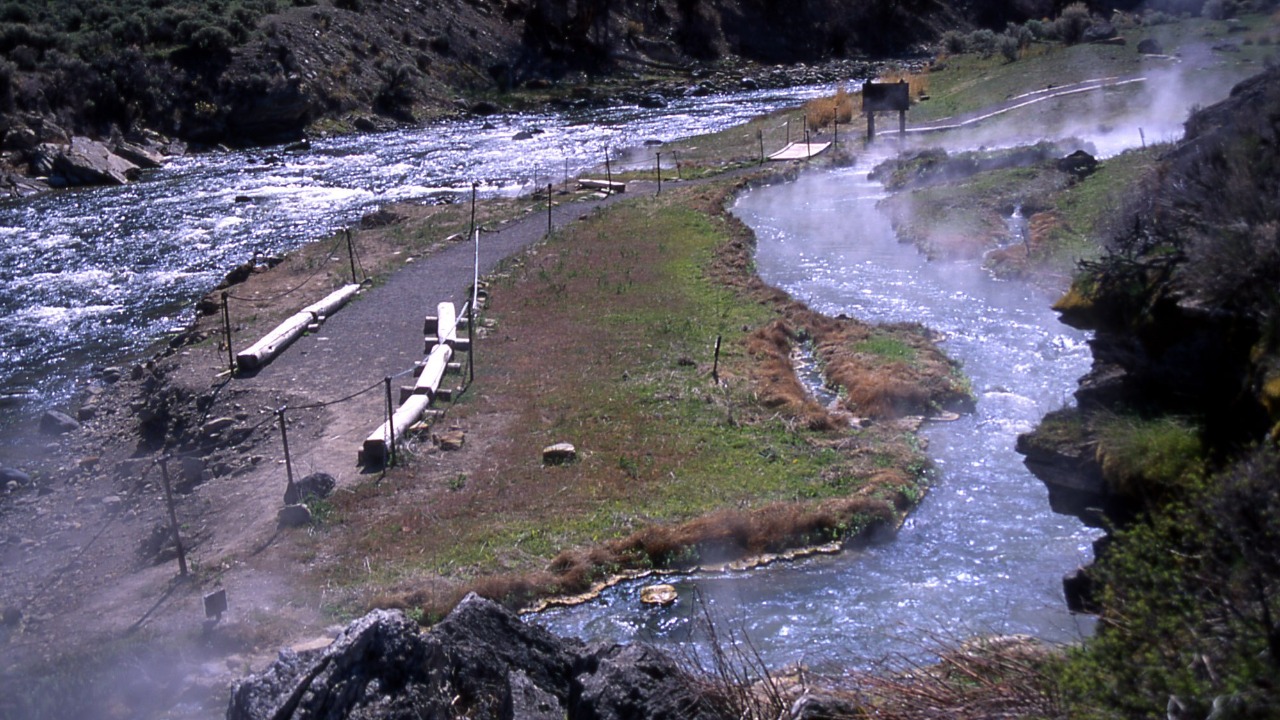
Nestled deep within the Amazon Rainforest, the Boiling River is a geothermal marvel where water temperatures can reach up to 93°C (200°F). Despite its distance from volcanic activity, the river’s heat is a geological mystery. Its steaming waters have spiritual significance for local indigenous communities, who consider it a sacred site.
Scientists have studied the river to understand its unique properties, hypothesizing that it may be heated by geothermal activity deep beneath the Earth’s surface. Yet, the exact source of the heat remains unidentified, adding to the river’s mystique and allure for both scientists and spiritual seekers.
The Devil’s Kettle, USA
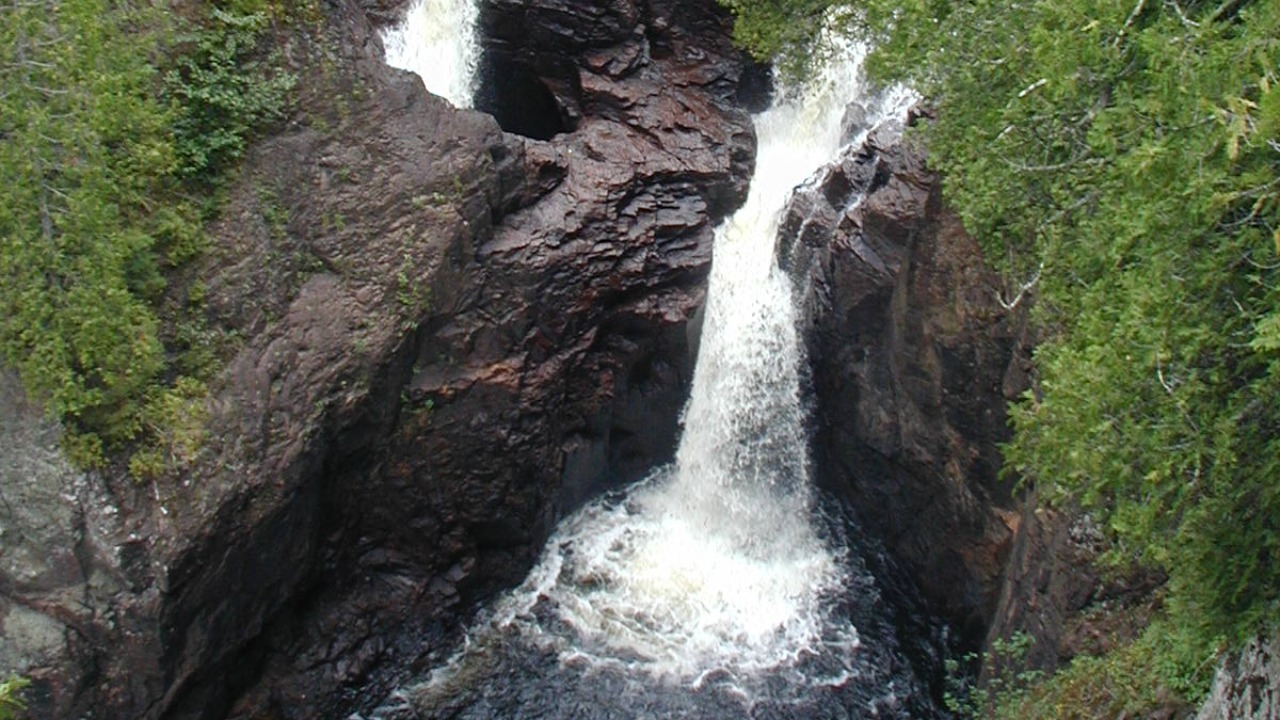
The Devil’s Kettle is a waterfall located in Minnesota’s Judge C. R. Magney State Park, known for its mysterious disappearing act. As the Brule River cascades over volcanic rock, it splits into two streams. One side continues downstream, while the other flows into a deep hole, seemingly vanishing without a trace.
Attempts to trace where the water goes have been inconclusive. Dye and ping-pong balls tossed into the hole have never reappeared, leaving scientists baffled. Despite numerous theories, including underground river systems or fissures, the Devil’s Kettle remains a captivating enigma in the natural world.
The Moeraki Boulders, New Zealand
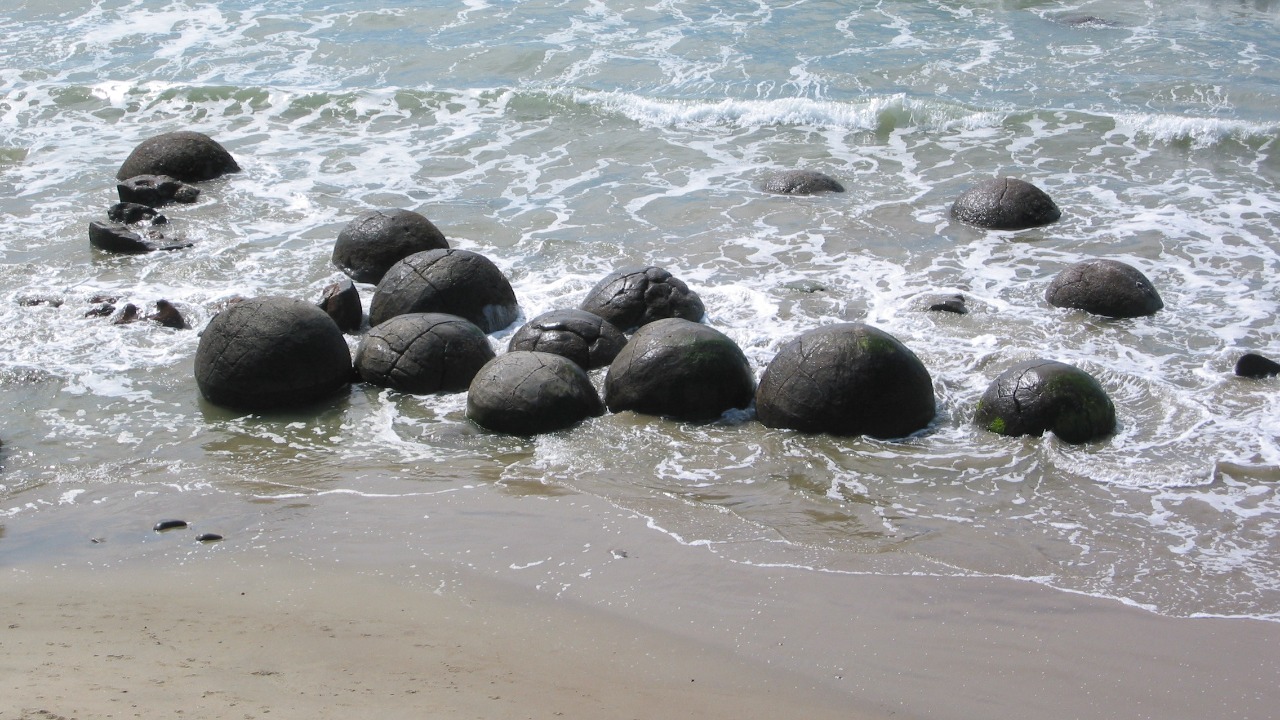
The Moeraki Boulders are a group of unusually large and spherical stones scattered along Koekohe Beach on New Zealand’s Otago coast. Composed of calcite and formed over millions of years, these boulders can reach up to two meters in diameter. Their nearly perfect roundness and size make them a geological curiosity.
While scientists attribute their formation to the process of concretion, questions about their precise origin and distribution remain. The boulders’ unique appearance has inspired Maori legends and continues to fascinate visitors and geologists alike, who are drawn to their enigmatic presence and the mysteries they hold.
The Crooked Forest, Poland

In western Poland, a grove of pine trees grows with an unusual twist. Known as the Crooked Forest, these trees have a distinctive J-shaped curve at the base, bending sharply northward before straightening out. The cause of this bizarre growth pattern is unknown, sparking numerous theories.
Some suggest human intervention, proposing that the trees were manipulated for timber or furniture-making. Others believe natural phenomena, like heavy snowfall or unique soil conditions, may be responsible. Despite extensive study, the true reason behind the forest’s unusual shape remains unsolved, continuing to intrigue botanists and tourists alike.
The Hessdalen Lights, Norway
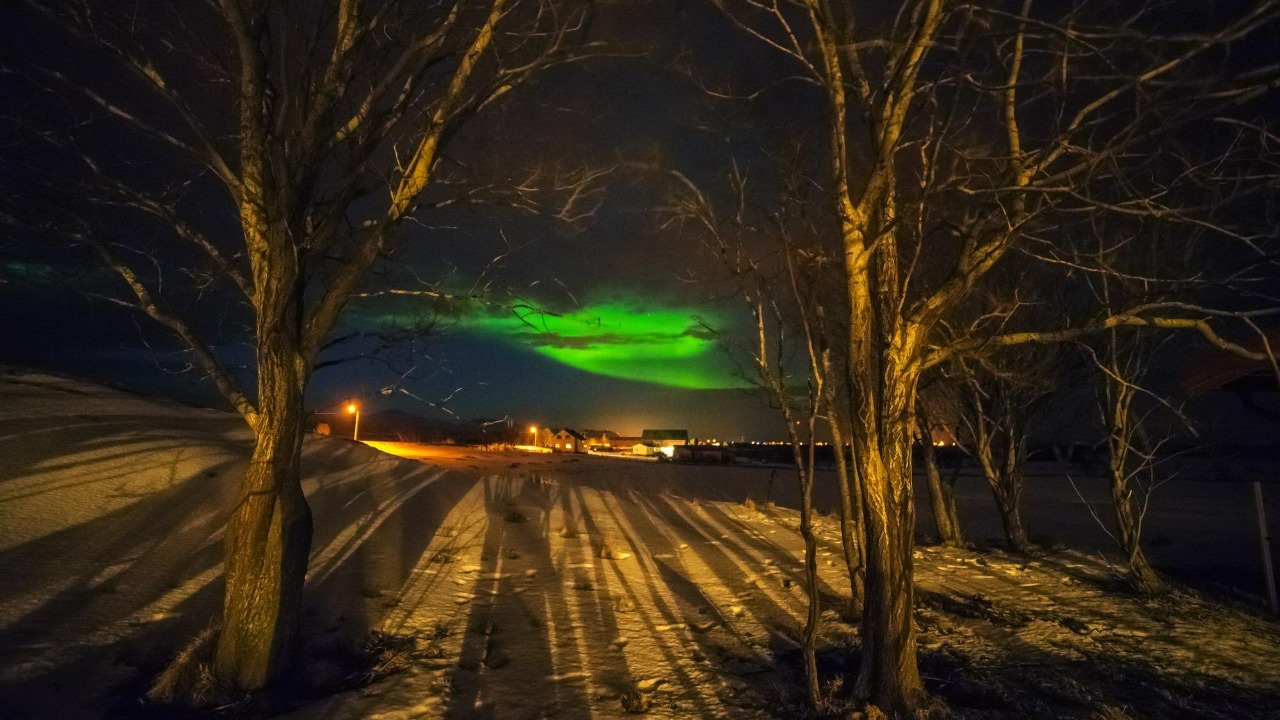
The Hessdalen Lights are unexplained aerial phenomena observed in Norway’s Hessdalen Valley. These lights, appearing as bright, colorful orbs, have been reported since the early 20th century. They hover, dart, and dance across the sky, often changing colors in a mesmerizing display.
Despite numerous scientific investigations, their origin remains unknown. Hypotheses range from atmospheric gases to electrical charges, but no conclusive explanation has been found. The lights have become a tourist attraction, drawing curious observers and researchers hoping to uncover the secrets of this luminous enigma.
The Yonaguni Monument, Japan
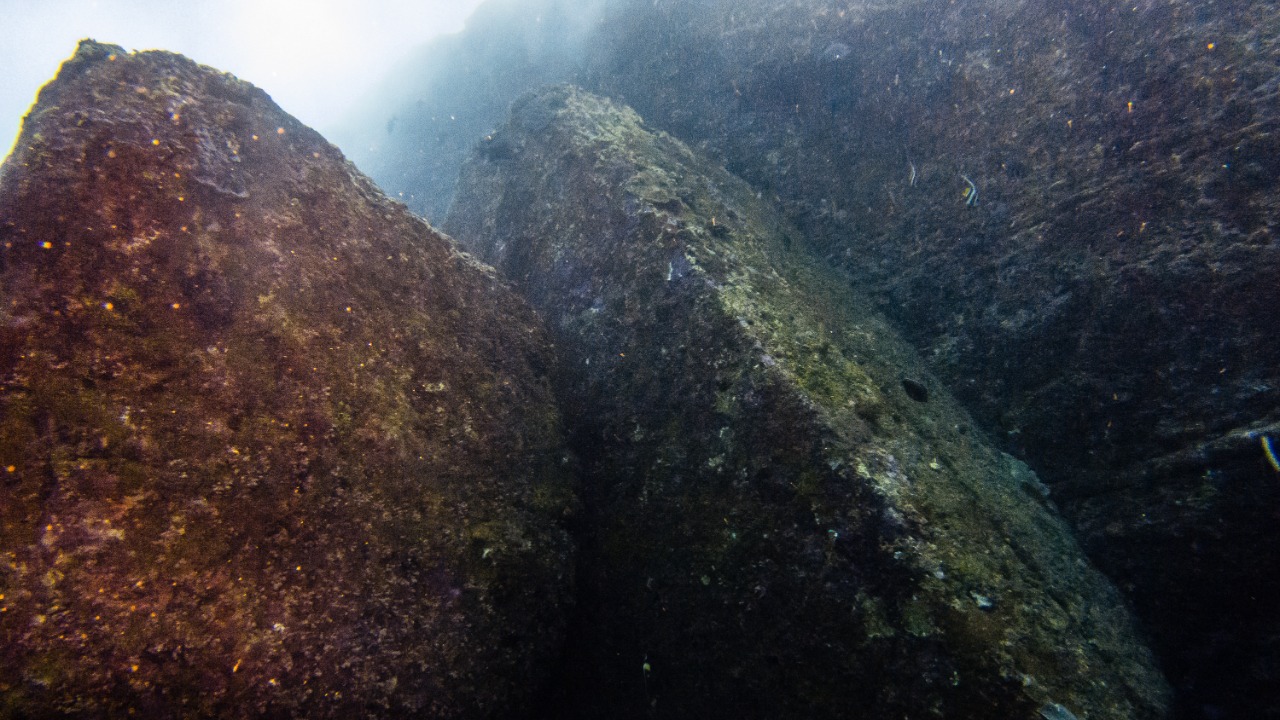
Off the coast of Japan’s Yonaguni Island lies a submerged structure that has sparked debate among archaeologists and geologists. Known as the Yonaguni Monument, this massive stone formation features step-like terraces and geometric shapes, leading some to speculate it is a man-made structure from a lost civilization.
Others argue it is a natural formation sculpted by ocean currents. Despite extensive dives and studies, the monument’s origins remain controversial, with no definitive evidence supporting either theory. This underwater enigma continues to intrigue divers and researchers, offering a glimpse into the mysteries hidden beneath the sea.
The Zone of Silence, Mexico
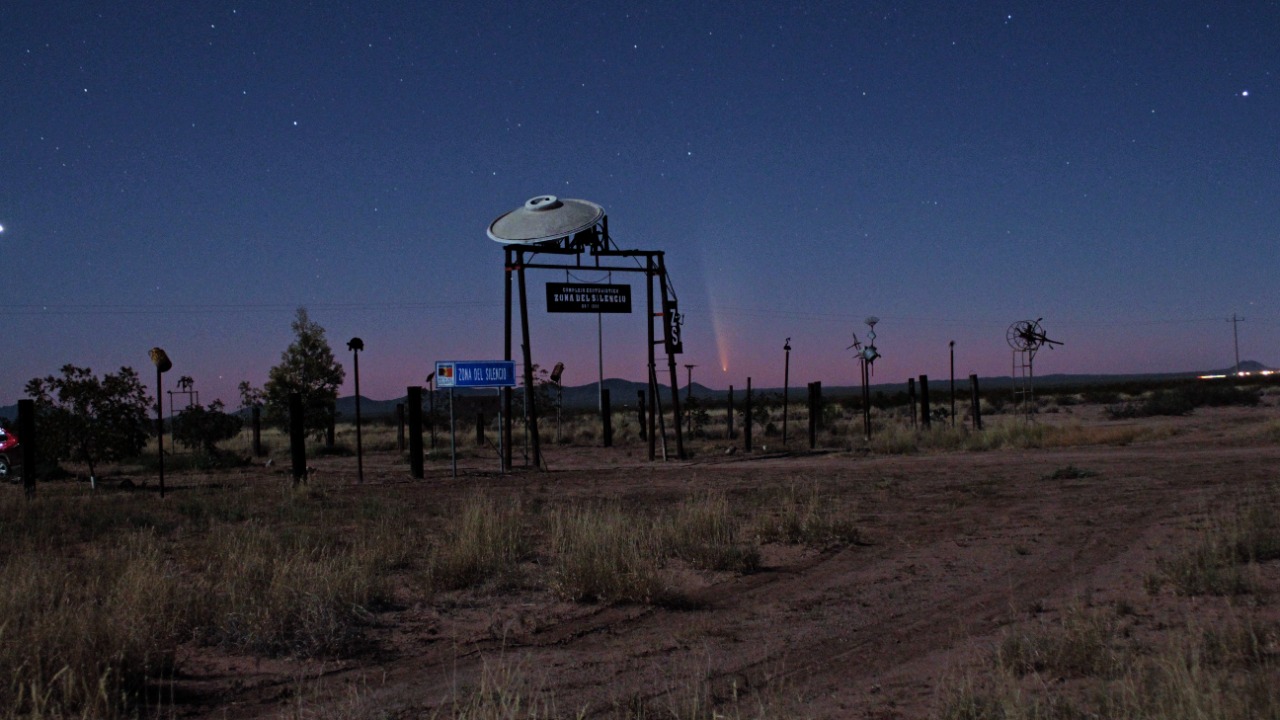
The Zone of Silence is a remote area in northern Mexico where radio signals mysteriously fail, and compasses spin uncontrollably. Often compared to the Bermuda Triangle, this region has fueled speculation about magnetic anomalies and extraterrestrial activity.
Scientists have proposed various explanations, including mineral deposits affecting magnetic fields, but no consensus has been reached. The area’s peculiar phenomena and isolation have made it a focal point for conspiracy theories and scientific curiosity, attracting those eager to unravel its secrets.
The Underwater City of Dwarka, India
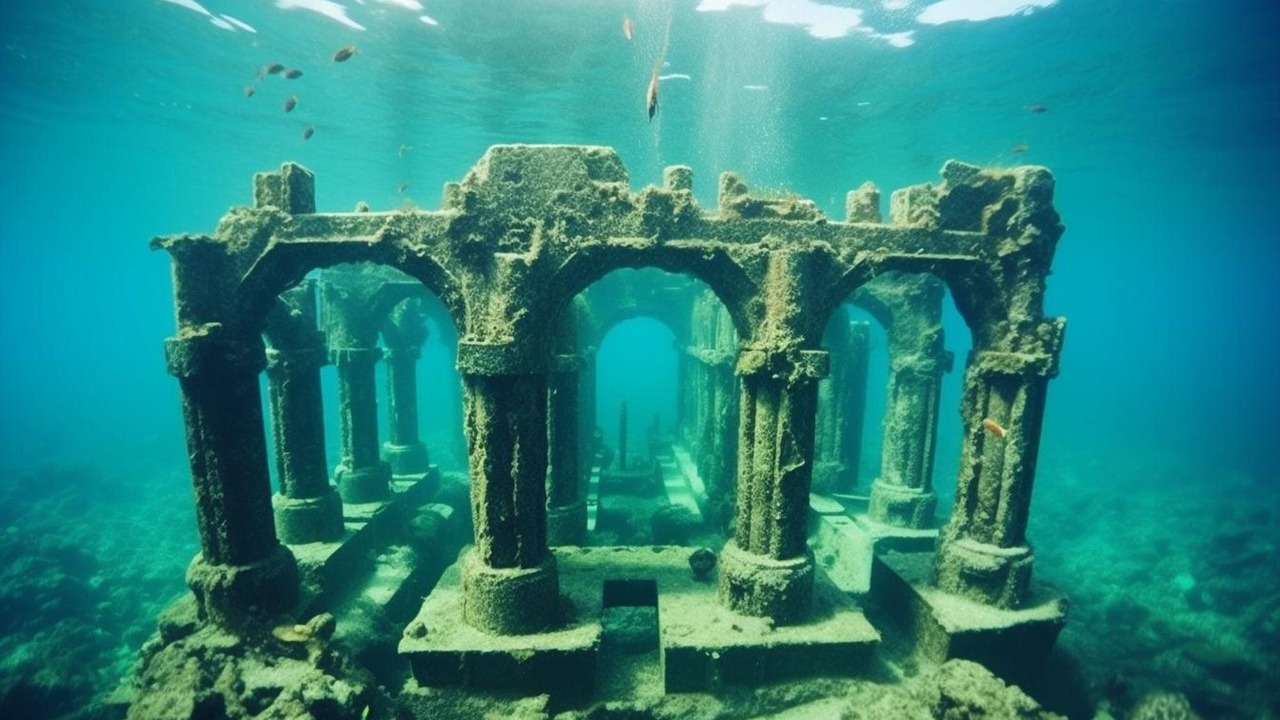
Off the coast of Gujarat, India, lies the submerged ruins of what is believed to be the ancient city of Dwarka. Mentioned in Hindu mythology as the kingdom of Lord Krishna, these ruins have sparked debates among archaeologists and historians.
Underwater explorations have revealed structures resembling temples and city walls, but their exact age and origin remain disputed. Some argue they are remnants of an ancient civilization, while others believe they are natural formations. The underwater city continues to captivate those seeking to connect myth with reality, offering a tantalizing glimpse into the past.
The Baltic Sea Anomaly, Baltic Sea
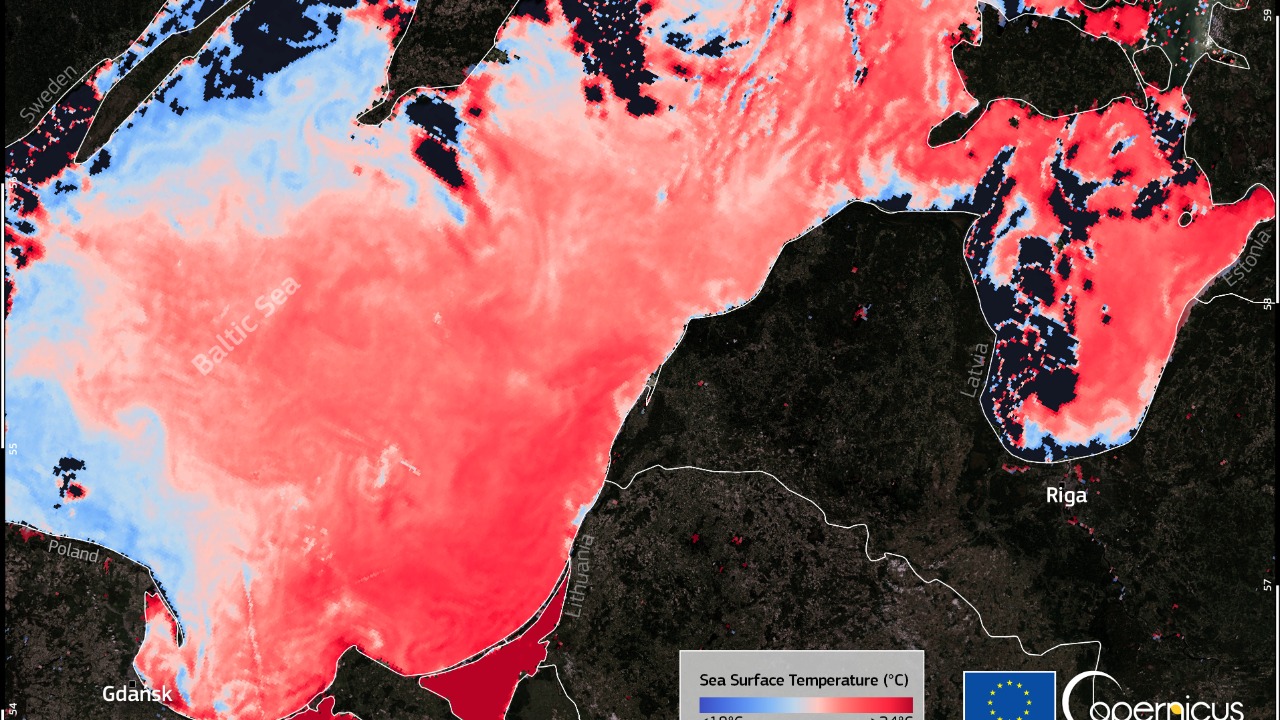
Discovered in 2011 by a Swedish diving team, the Baltic Sea Anomaly is a mysterious object located on the seafloor of the northern Baltic Sea. Resembling a large, disc-shaped structure, it has sparked comparisons to a UFO, fueling speculation about its origins.
While some suggest it is a natural rock formation, others believe it may be a sunken relic from an ancient civilization. Despite numerous dives and studies, no definitive conclusions have been drawn. The anomaly continues to intrigue explorers and scientists, challenging our understanding of the ocean’s depths.
For more on places that defy scientific explanation, you can explore this article, which delves into similar mysteries. Additionally, this photostory highlights other unsolved scientific mysteries around the world. Lastly, if you’re intrigued by the unexplained, this Medium post offers a fascinating look at locations that challenge our understanding of the planet.
