From the pyramids of Egypt to the lost city of Atlantis, ancient civilizations have long captivated the imagination. Despite some being considered overrated, their allure persists, and their mysteries continue to fascinate. Here are 13 ancient civilizations that people are still obsessed with today.
The Obsession with Ancient Egypt
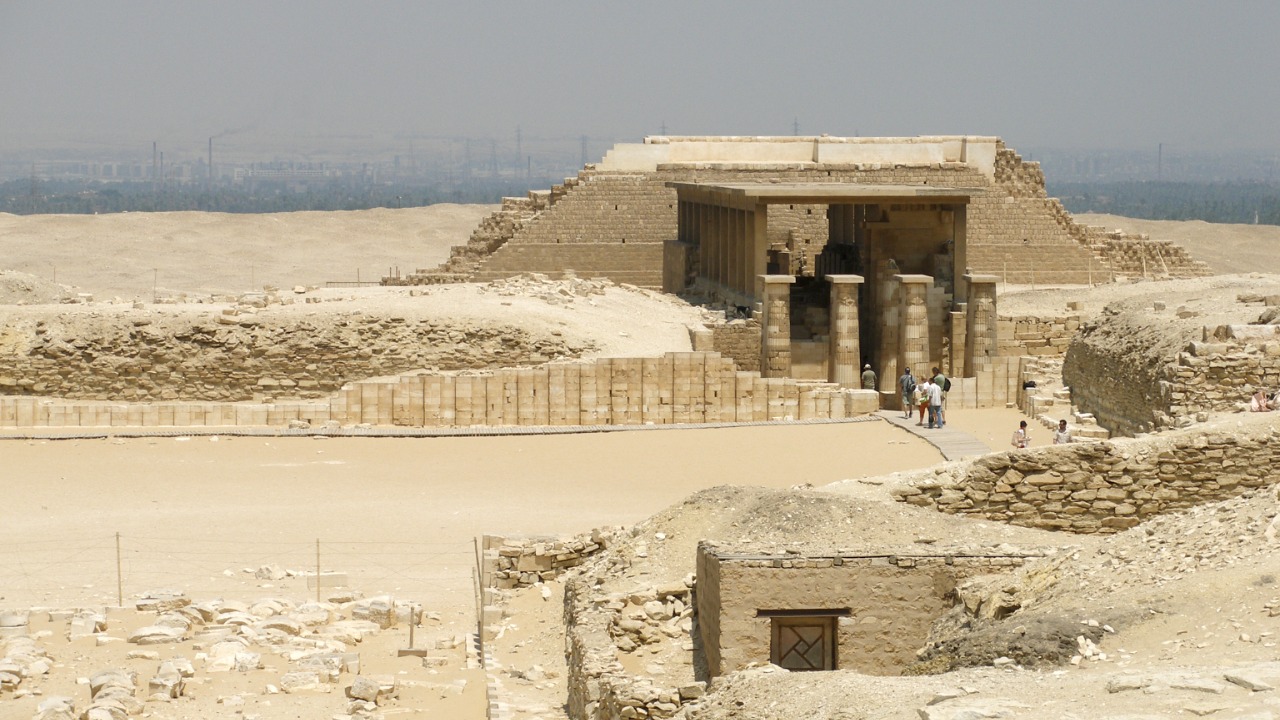
There’s no denying the allure of Ancient Egypt. From the Great Pyramids to the Sphinx, its architectural marvels and rich history have fascinated people for centuries. However, as A Conscious Rethink points out, this obsession can be overrated. Despite this, the fascination persists, underscoring the enduring appeal of this ancient civilization.
Despite the criticism, the fascination with Ancient Egypt extends beyond its monumental architecture. The civilization’s complex religious beliefs, intricate social structure, and pioneering medical practices continue to intrigue researchers and enthusiasts alike. The Egyptians’ understanding of the afterlife, embodied in their elaborate burial practices and the Book of the Dead, provides a unique insight into their worldview. Furthermore, their hieroglyphic script, though initially a mystery, has revealed a wealth of information about their society and culture, thanks to the discovery of the Rosetta Stone.
The Mysterious Disappearance of Mayan Civilization
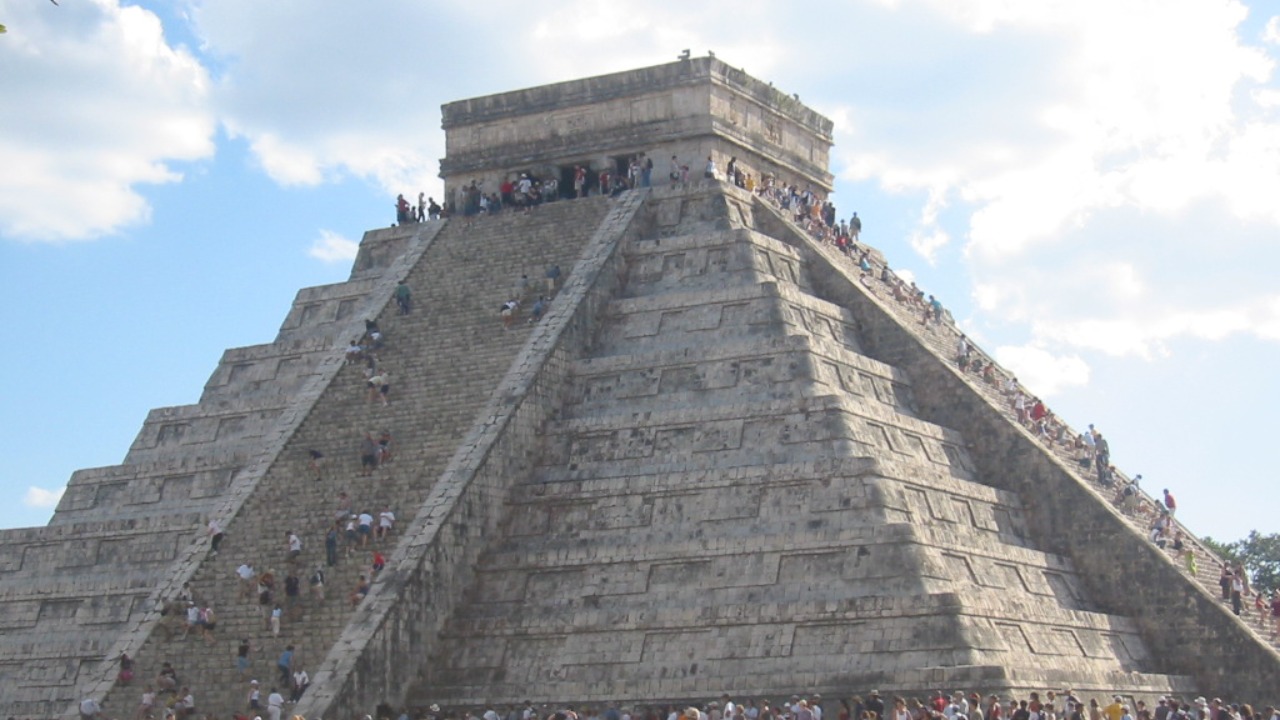
The Mayan civilization, known for its advanced writing system and astronomical knowledge, mysteriously disappeared much like famous people who vanished without a trace. This unexplained disappearance, as highlighted by Buzzfeed, adds to the intrigue and fascination surrounding this ancient civilization.
The Mayans’ sudden disappearance around the 10th century AD remains one of history’s most perplexing mysteries. Despite their advanced knowledge in various fields, they left behind abandoned cities and a civilization in decline. Various theories have been proposed to explain this, including overpopulation, environmental degradation, warfare, and even a peasant revolt. However, none of these theories fully explain why a civilization so advanced could vanish so suddenly, leaving behind only their magnificent ruins and a wealth of unanswered questions.
Ancient Rome, A Civilisation Still Influencing Modern Society
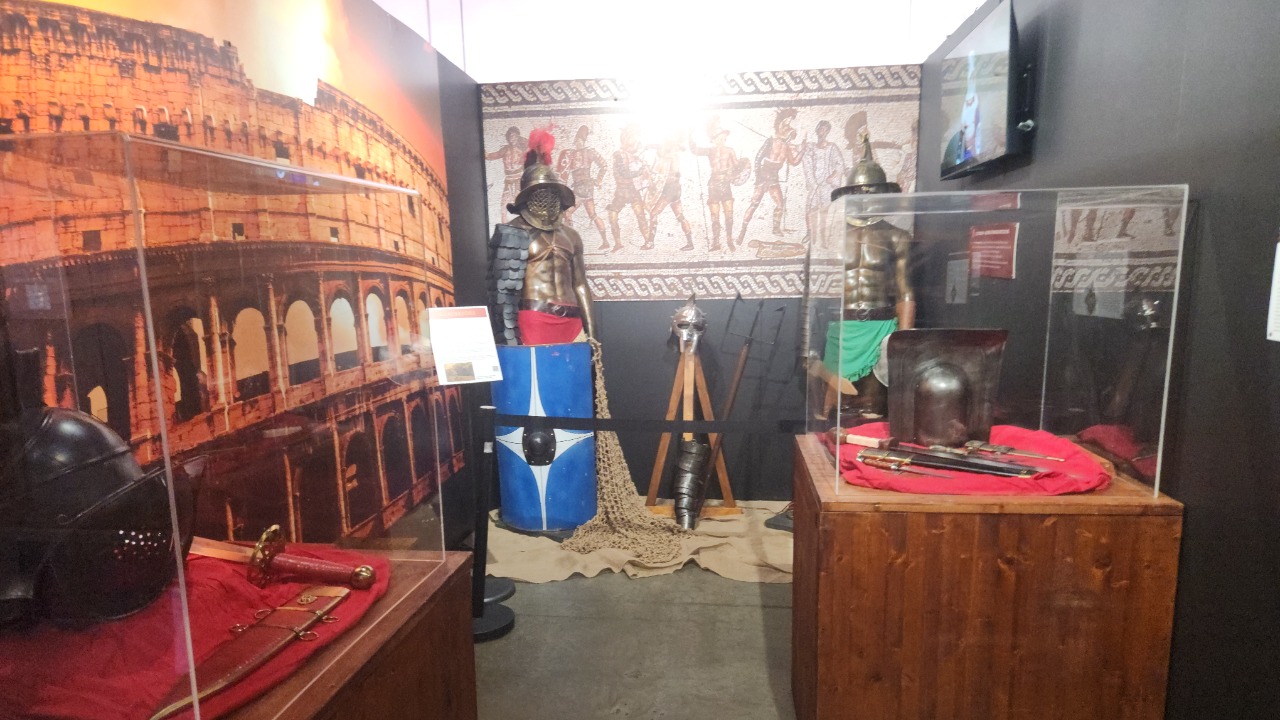
Despite being considered overrated by some, Ancient Rome’s influence on modern society is undeniable. From legal systems to architecture, its legacy is evident in various aspects of contemporary life. This enduring influence, as noted by A Conscious Rethink, keeps the fascination with Ancient Rome alive.
Ancient Rome’s influence extends beyond its legal and architectural contributions. The Latin language, the basis for the Romance languages and a significant contributor to English vocabulary, originated in Rome. The Roman calendar, the precursor to the Gregorian calendar we use today, is another testament to their enduring influence. Additionally, Rome’s political structure, particularly the concept of a representative government, has significantly influenced modern political systems. The civilization’s military strategies and tactics are still studied in military academies around the world.
The Lost City of Atlantis: Fact or Fiction
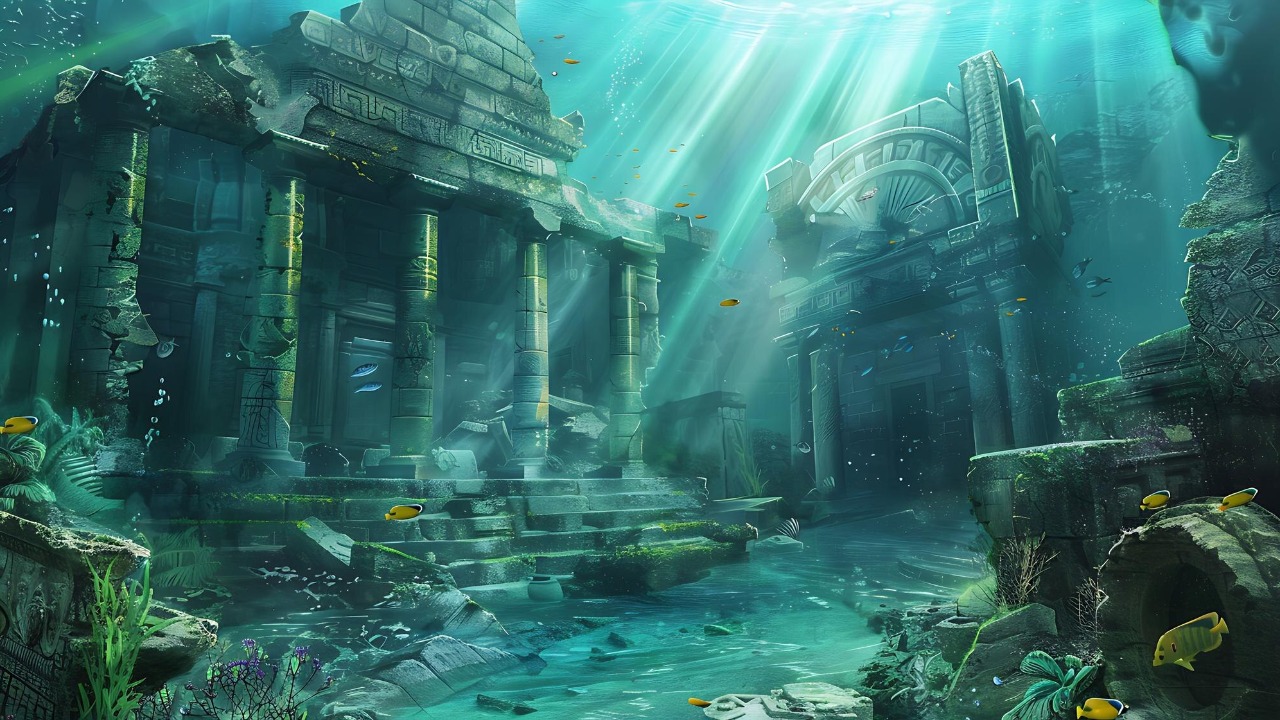
The lost city of Atlantis, a civilization said to have disappeared overnight, has long been a subject of fascination and speculation. Its unexplained disappearance, likened to famous people who vanished without a trace by Buzzfeed, continues to fuel the obsession with this mythical city.
Atlantis, as described by the ancient Greek philosopher Plato, was a powerful and advanced civilization that supposedly existed around 9,000 years before his own time. According to Plato, Atlantis was located beyond the “Pillars of Hercules” (the modern Strait of Gibraltar) and was larger than Asia and Libya combined. The city was said to be made of concentric islands separated by wide moats and linked by a canal that penetrated to the city center. Despite extensive searches and numerous theories, no evidence of Atlantis has been found, leading many to believe it was a myth created by Plato to illustrate his philosophical theories.
The Enduring Fascination with Ancient Greece

Ancient Greece, the birthplace of democracy and philosophy, continues to captivate despite being considered overrated by some. Its enduring influence on various fields such as politics, philosophy, and art, as noted by A Conscious Rethink, keeps the fascination with this civilization alive.
Ancient Greece’s contributions to the arts, particularly drama and sculpture, continue to influence contemporary aesthetics. The Greeks’ exploration of the human condition through tragedies and comedies laid the foundation for modern theater. Their realistic sculptures, which sought to capture the human form in all its beauty, set a standard that artists have strived to emulate for centuries. Additionally, the Olympic Games, a tradition revived in the 19th century, originated in Ancient Greece, further testifying to the civilization’s enduring influence.
The Unsolved Mystery of the Indus Valley Civilization

The Indus Valley civilization, known for its advanced urban planning and mysterious script, disappeared without a trace. This unexplained disappearance, likened to famous people who vanished by Buzzfeed, adds to the intrigue surrounding this ancient civilization.
The Indus Valley civilization, also known as the Harappan civilization, was one of the world’s earliest urban civilizations. At its peak, it boasted sophisticated cities with advanced sanitation systems, standardized weights and measures, and a script that remains undeciphered to this day. Despite its advancements, the civilization declined around 1900 BC for reasons that remain unclear. Various theories, including climate change and invasion by Indo-Aryans, have been proposed, but none provide a definitive answer, adding to the enigma of this ancient civilization.
Ancient China: A Civilization with Lasting Influence

Despite being considered overrated by some, Ancient China’s influence on modern society is undeniable. From paper and gunpowder to the compass, its inventions have shaped the world. This lasting impact, as noted by A Conscious Rethink, keeps the fascination with Ancient China alive.
Ancient China’s influence extends beyond its notable inventions. Its philosophies, particularly Confucianism and Taoism, have shaped Chinese society and other parts of East Asia for centuries. The Great Wall, a testament to the civilization’s architectural prowess and military strategy, continues to be a symbol of China. The Chinese system of public examinations for selecting officials, which lasted for over a millennium, is seen as the precursor to modern civil service systems. Additionally, Chinese literature, including works like the ‘Analects of Confucius’ and ‘Tao Te Ching’, continue to be widely read and studied.
The Unexplained Disappearance of the Anasazi Civilization

The Anasazi civilization, known for its cliff dwellings and pottery, mysteriously disappeared. This unexplained disappearance, likened to famous people who vanished without a trace by Buzzfeed, adds to the intrigue surrounding this ancient civilization.
The Anasazi, or Ancestral Puebloans, were an ancient Native American culture that thrived in the Four Corners region of the United States. They are known for their cliff dwellings, such as those found in Mesa Verde National Park, which demonstrate their architectural and engineering skills. However, by the 13th century, these settlements were abandoned. The reasons for this are still debated, with theories ranging from drought and resource depletion to social upheaval and migration to other regions. The descendants of the Anasazi, the modern Pueblo peoples, continue their cultural traditions today, providing a living link to this ancient civilization.
Ancient Persia, An Influential Civilization
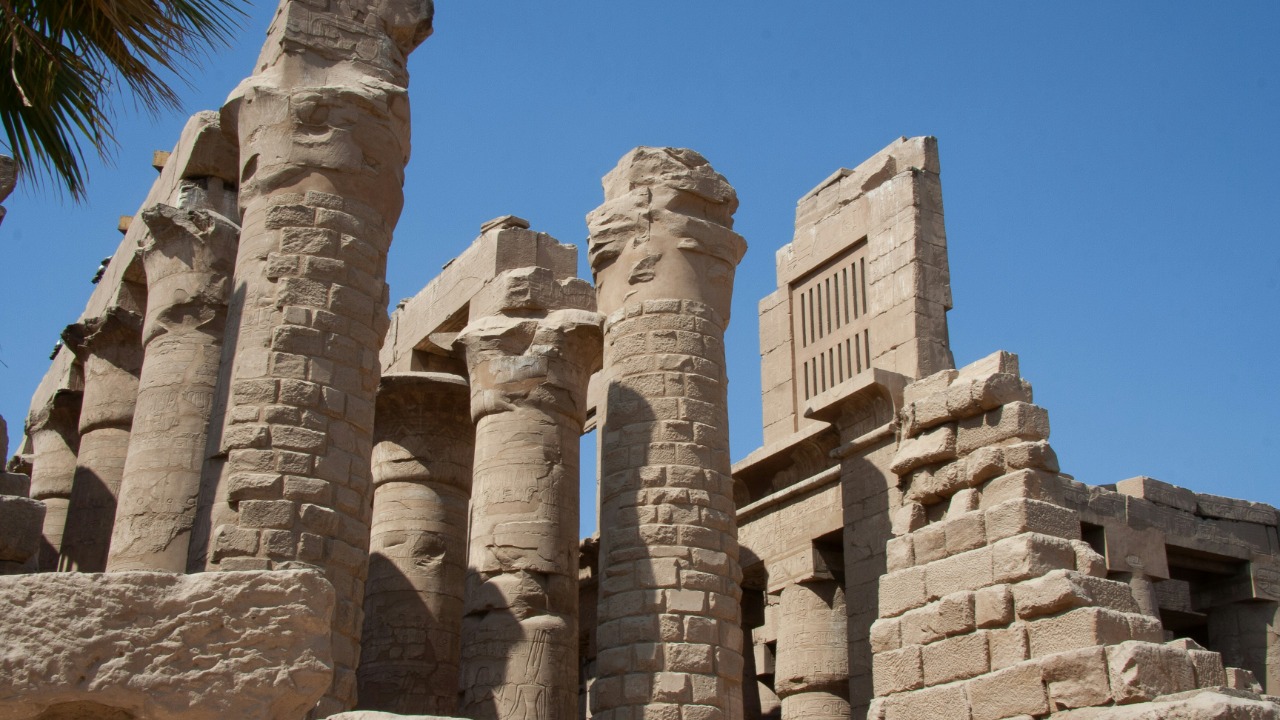
Ancient Persia’s influence on modern society is undeniable. From its administrative system to its cultural contributions, its legacy is evident in various aspects of contemporary life. This enduring influence, as noted by A Conscious Rethink, keeps the fascination with Ancient Persia alive.
Ancient Persia, known today as Iran, was one of the world’s greatest empires in the ancient world. The Persian Empire was known for its tolerance of diverse cultures and religions, a policy that helped maintain peace and stability. The Royal Road, an ancient highway stretching from Susa in Persia to Sardis in Anatolia, facilitated communication and trade across the empire. The Persians also developed an efficient administrative system, dividing their vast empire into provinces, each governed by a satrap, or governor. This system influenced subsequent empires, including the Romans and the British.
The Mysterious End of the Olmec Civilization
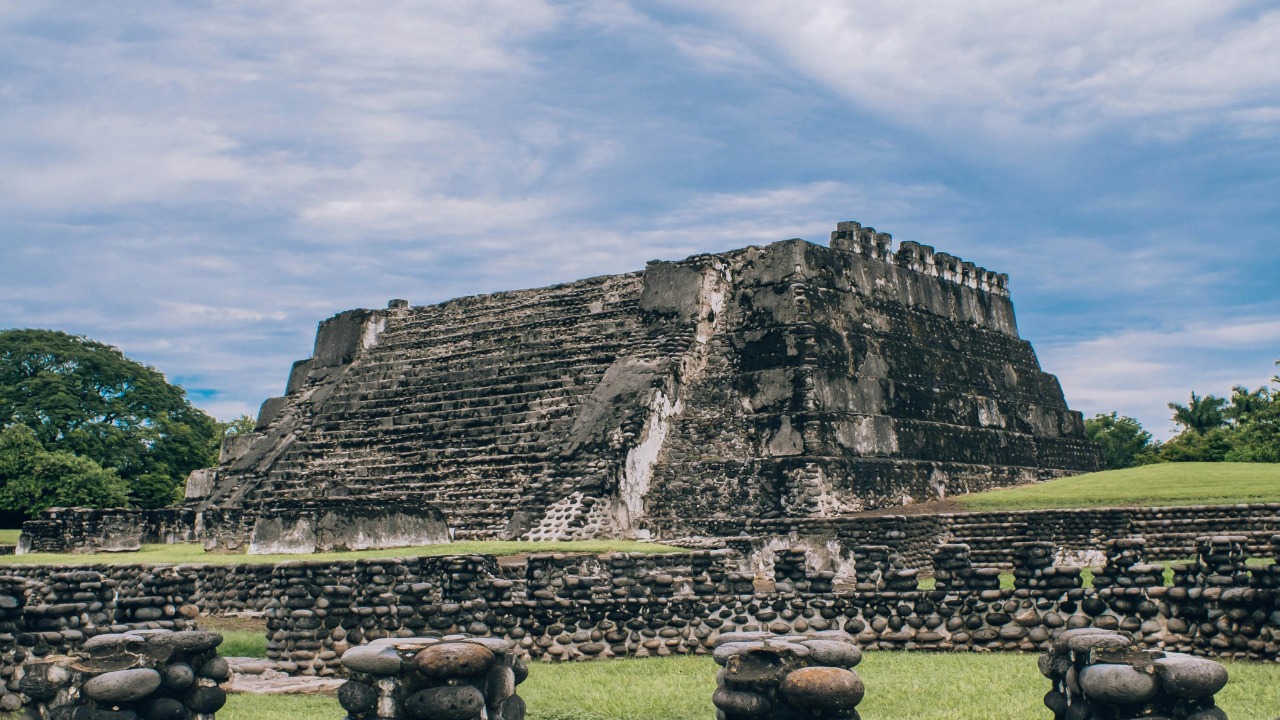
The Olmec civilization, known for its colossal head sculptures and complex calendar system, mysteriously disappeared. This unexplained disappearance, likened to famous people who vanished without a trace by Buzzfeed, adds to the intrigue surrounding this ancient civilization.
The Olmec civilization, which thrived in the tropical lowlands of south-central Mexico, is often considered the mother culture of Mesoamerica. The Olmecs are best known for their colossal head sculptures, which display unique features and demonstrate a high level of craftsmanship. Despite their cultural and artistic contributions, the Olmec civilization declined around 400 BC. The reasons for this decline are still debated, with theories ranging from environmental changes to social unrest. The Olmecs’ influence can be seen in subsequent Mesoamerican civilizations, including the Mayans and Aztecs.
Ancient Mesopotamia, The Cradle of Civilization, Still Fascinates People
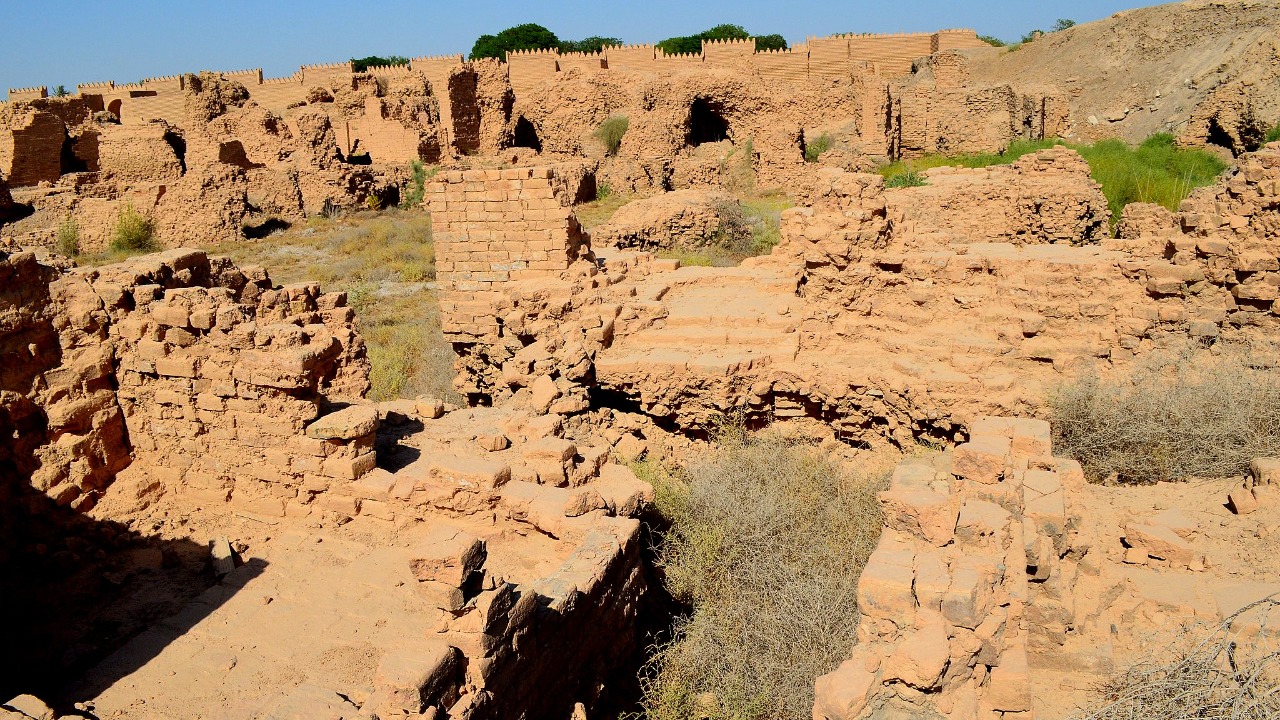
Ancient Mesopotamia’s influence on modern society is undeniable. Known as the cradle of civilization, its contributions to writing, law, and agriculture continue to fascinate. This enduring appeal, as noted by A Conscious Rethink, keeps the fascination with Ancient Mesopotamia alive.
Ancient Mesopotamia, located in the eastern Mediterranean and home to the Sumerians, Akkadians, Babylonians, and Assyrians, is often referred to as the cradle of civilization. It is where writing was first developed in the form of cuneiform, enabling the recording of history. Mesopotamia is also where the first known law code, the Code of Hammurabi, was created. The civilization’s advancements in agriculture, including the invention of the plow and the development of irrigation systems, revolutionized farming. Despite these contributions, Mesopotamia fell to the Persian Empire in the 6th century BC, marking the end of thousands of years of innovation and influence.
The Unexplained Disappearance of the Minoan Civilization
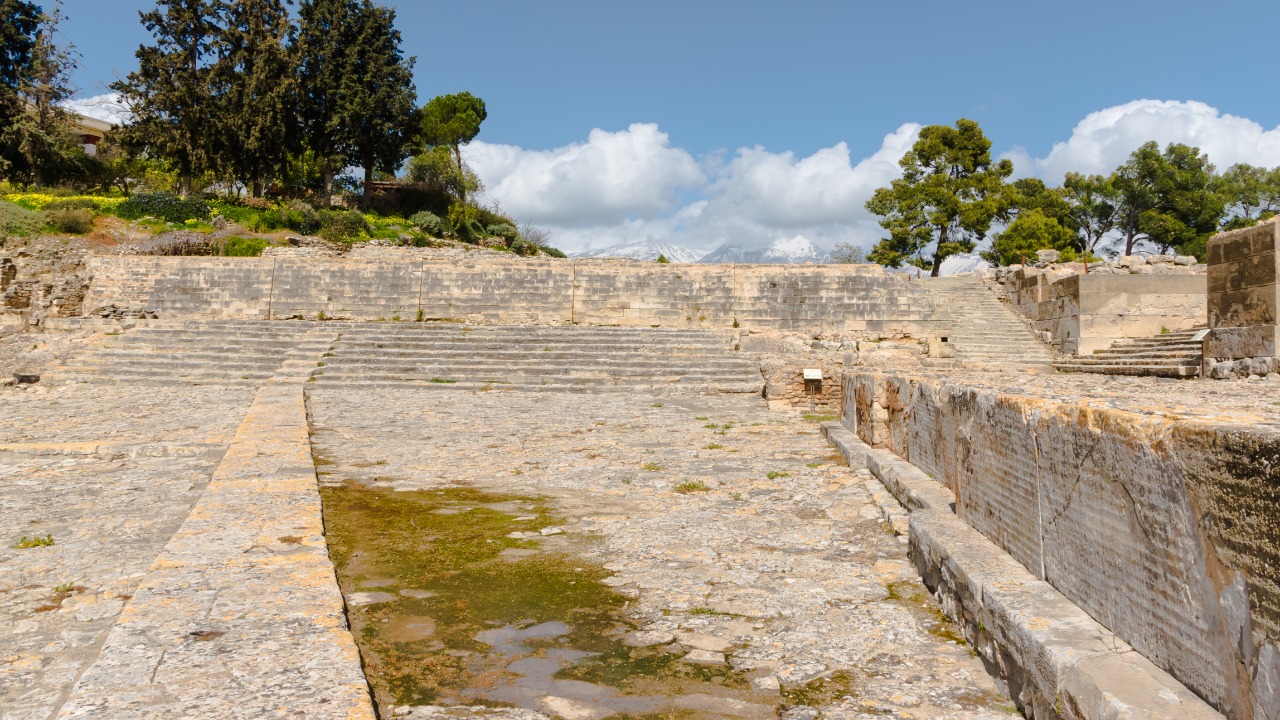
The Minoan civilization, known for its palatial architecture and vibrant frescoes, mysteriously disappeared. This unexplained disappearance, likened to famous people who vanished without a trace by Buzzfeed, adds to the intrigue surrounding this ancient civilization.
The Minoan civilization, centered on the island of Crete, is known for its vibrant frescoes, complex palatial structures, and advanced maritime capabilities. The Minoans were a major power in the Mediterranean, with their influence evident in the art and architecture of the region. However, around 1450 BC, their civilization declined rapidly. Theories for this decline include a massive volcanic eruption on the nearby island of Thera (Santorini), invasions, and internal social unrest. Despite their disappearance, the Minoans left a lasting legacy, particularly in the realm of Aegean art and architecture.
Ancient Carthage: Another Influential Civilization
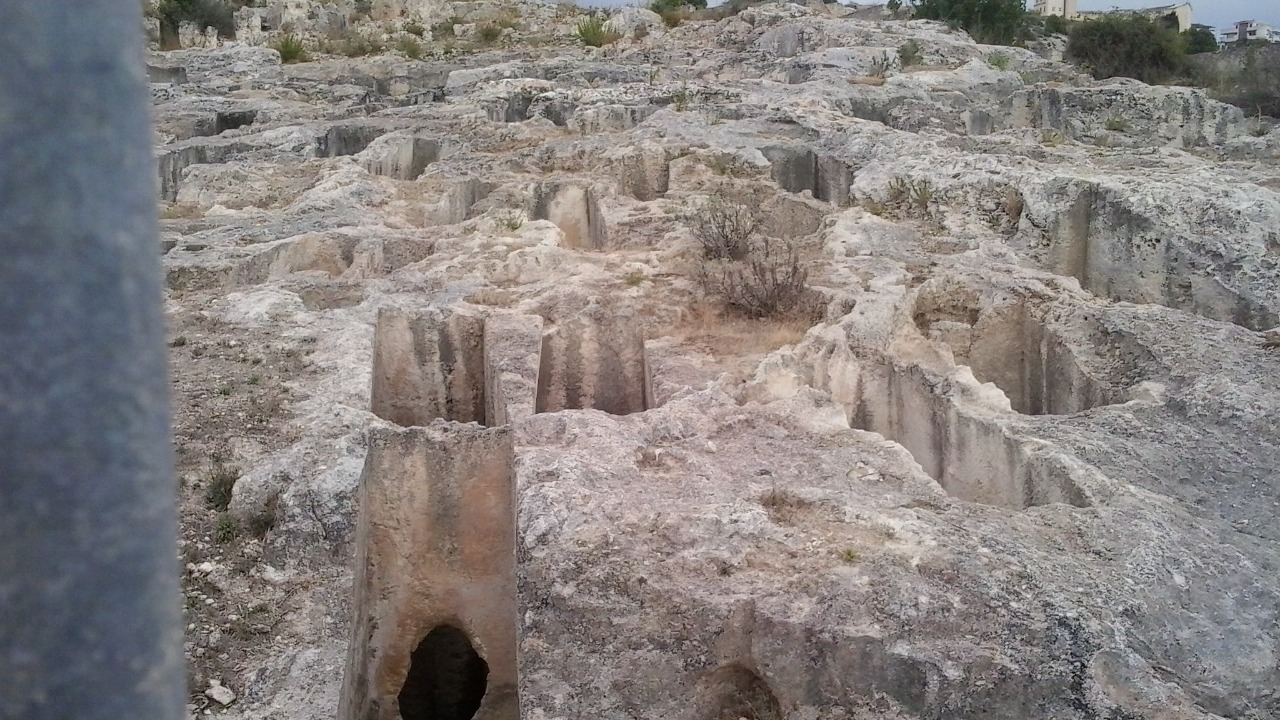
Ancient Carthage’s influence on modern society is undeniable. From its maritime prowess to its agricultural innovations, its legacy is evident in various aspects of contemporary life. This enduring influence, as noted by A Conscious Rethink, keeps the fascination with Ancient Carthage alive.
Ancient Carthage, located in modern-day Tunisia, was a major power in the Mediterranean. Known for its maritime prowess, Carthage was a hub for trade and commerce. Its agricultural system, particularly the cultivation of grains, olives, and grapes, was highly efficient and became a model for later civilizations. Despite its strengths, Carthage was eventually destroyed by Rome in the Third Punic War. However, its influence lived on, with many of its cultural and technological achievements absorbed by the conquering Romans.
