Scientists have uncovered a 12,000-year-old monument that may represent humanity’s oldest calendar, a groundbreaking discovery in the field of archaeology. This ancient structure could redefine our understanding of early human civilization and its capabilities in timekeeping. The implications of this find are vast, potentially altering the narrative of prehistoric human societies and their technological advancements.
The Discovery of the Monument

The recently discovered monument, believed to be 12,000 years old, is located in a region rich with archaeological significance. This site, which may serve as humanity’s oldest known calendar, was unearthed by a dedicated team of archaeologists who were astounded by its potential implications. The monument’s intricate design suggests it was used as a sophisticated timekeeping device, possibly to track celestial events or seasonal changes. This discovery, detailed in Popular Mechanics, highlights the advanced understanding of astronomy and mathematics possessed by prehistoric societies.
The archaeological team responsible for this find expressed excitement and intrigue upon realizing the monument’s potential purpose. Their initial reactions were a mix of surprise and admiration for the ingenuity of ancient civilizations. The monument’s design, featuring alignments that correspond with astronomical phenomena, suggests it was used to mark time in a way that challenges previous assumptions about the capabilities of early humans. This revelation opens new avenues for research into the cognitive and cultural development of prehistoric societies.
In addition to its potential as a calendar, the monument’s location in a region known for its archaeological richness suggests it may have been part of a larger complex of structures. This area has yielded numerous artifacts that provide context for the monument’s use and significance. The intricate carvings and alignments found on the monument indicate a deep understanding of the natural world, which may have been crucial for agricultural societies dependent on seasonal cycles. Such precision in construction points to a society with specialized knowledge and skills, possibly involving a class of individuals dedicated to astronomical observations and calendar maintenance.
Furthermore, the discovery process itself was a testament to modern archaeological techniques. The team utilized advanced imaging technologies to uncover the monument without causing damage to the surrounding area. This non-invasive approach allowed for a detailed study of the site, revealing subtle features that might have been overlooked with traditional excavation methods. The integration of technology in archaeology not only preserves historical sites but also enhances our ability to interpret ancient human activities with greater accuracy.
The Significance of the Calendar
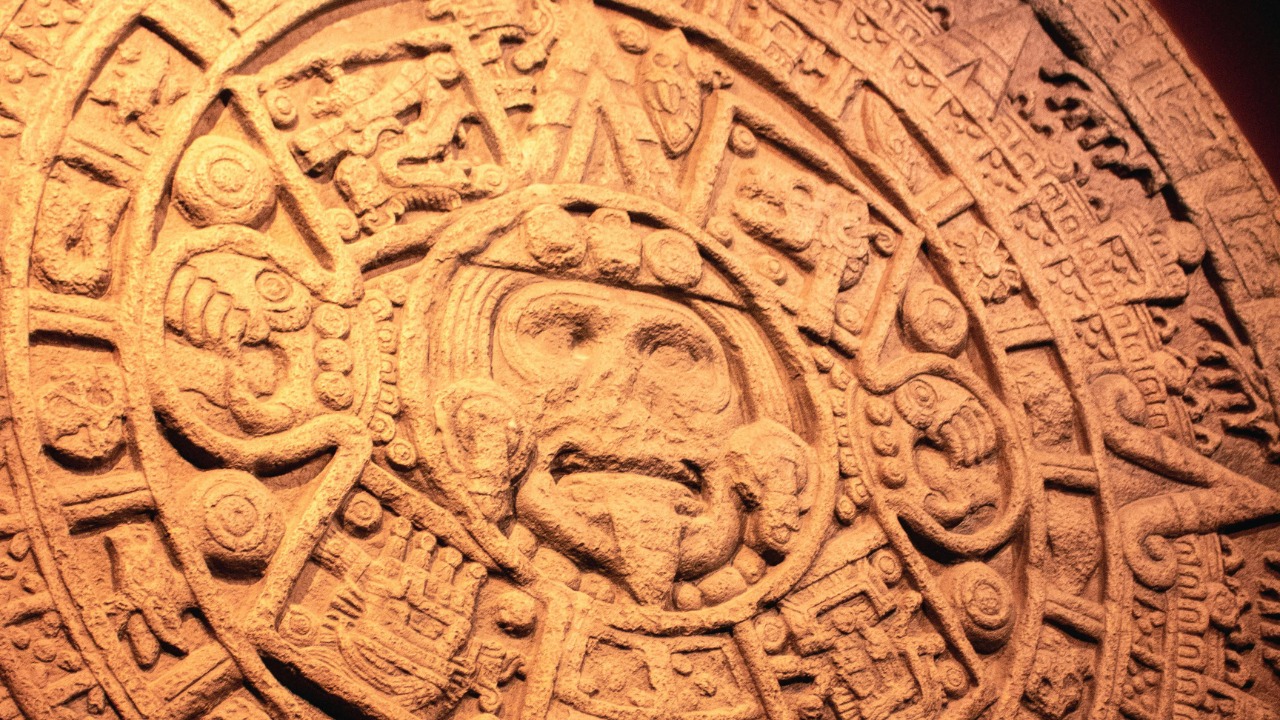
This discovery could significantly change our understanding of prehistoric human societies by providing evidence of advanced timekeeping methods long before the advent of written records. The monument’s potential function as a calendar indicates that early humans had a sophisticated grasp of time and its measurement, which may have played a crucial role in their daily lives and survival strategies. By comparing this ancient calendar with other known timekeeping devices, researchers can gain insights into the evolution of human understanding of time and astronomy.
Experts believe that this find could have profound implications for future archaeological research. As noted in Popular Mechanics, the monument’s existence suggests that prehistoric societies were more advanced than previously thought, prompting a reevaluation of their technological and cultural achievements. This discovery not only enriches our understanding of the past but also sets a new benchmark for future explorations into ancient human ingenuity.
Understanding the monument’s role as a calendar also sheds light on the social and cultural dynamics of the time. The ability to track time and predict seasonal changes would have been vital for agricultural planning, religious ceremonies, and social organization. This suggests that the society responsible for the monument had developed complex social structures and cultural practices centered around timekeeping. The calendar’s existence implies a shared knowledge system, possibly indicating the presence of educational practices to pass down astronomical and mathematical knowledge through generations.
Moreover, the monument’s discovery invites comparisons with other ancient timekeeping systems, such as the Mayan calendar or Stonehenge. By examining these parallels, researchers can explore the diffusion of astronomical knowledge across different cultures and time periods. This comparative analysis can reveal how isolated societies independently developed similar solutions to the challenges posed by their environments, highlighting the universal human quest to understand and measure the passage of time.
Broader Implications for Archaeology
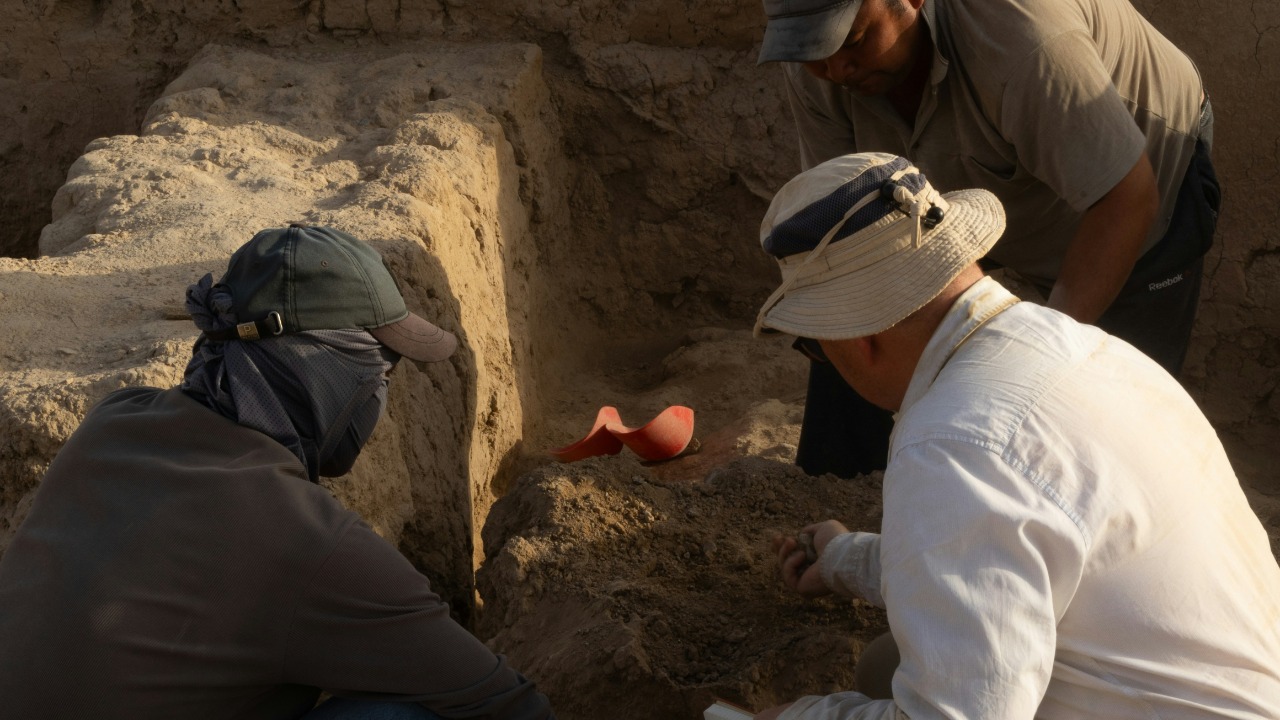
The discovery of the 12,000-year-old monument is part of a broader trend in archaeology, where recent significant finds are reshaping our understanding of historical advancements. For instance, archaeologists recently uncovered a 500-year-old compass that may have belonged to Copernicus, as reported by Yahoo News. Such discoveries highlight the continuous evolution of scientific and technological knowledge throughout history.
Additionally, the recent identification of the world’s oldest known mummies, which predate Egyptian mummies by thousands of years, further illustrates the depth of human history and its complexities. According to Yahoo News, these mummies provide crucial insights into ancient burial practices and cultural beliefs. Together, these findings contribute to a greater understanding of historical advancements in science and technology, offering a more nuanced view of human progress over millennia.
The implications of such discoveries extend beyond mere historical curiosity; they challenge existing narratives about the development of human civilization. The uncovering of advanced artifacts like the 12,000-year-old monument and the 500-year-old compass attributed to Copernicus suggests a continuity of scientific inquiry and technological innovation throughout human history. These findings encourage a reevaluation of the linear progression model of technological advancement, proposing instead that significant leaps in understanding may have occurred in various regions independently and at different times.
Additionally, these archaeological breakthroughs emphasize the importance of interdisciplinary collaboration. By integrating insights from fields such as astronomy, anthropology, and history, researchers can construct a more comprehensive picture of past human achievements. This holistic approach not only enriches our understanding of ancient societies but also informs contemporary discussions about the development of science and technology, offering lessons that remain relevant in today’s rapidly advancing world.
Future Research Directions
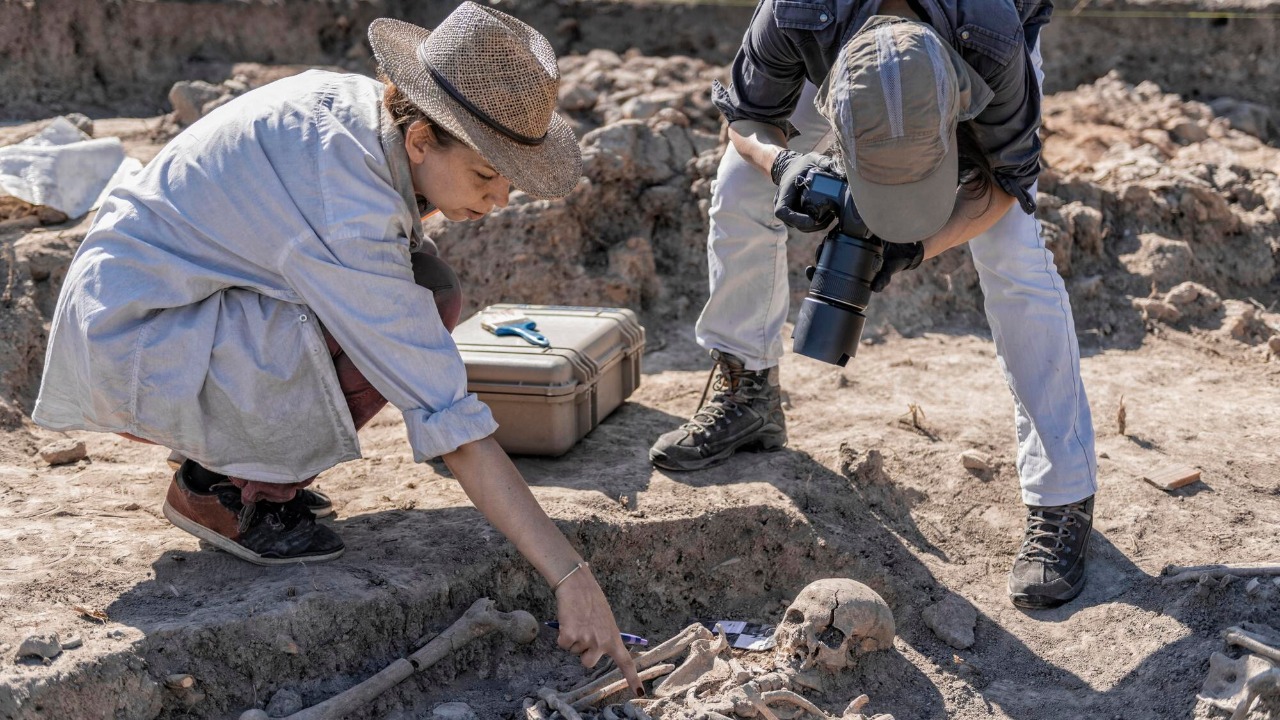
The archaeological team studying the 12,000-year-old monument is poised to embark on further research to uncover more about its origins and purpose. Future investigations will likely focus on detailed analyses of the monument’s construction and its alignment with celestial events. As technology continues to advance, tools such as ground-penetrating radar and 3D modeling will play a crucial role in uncovering and understanding ancient sites and artifacts, as highlighted in Popular Mechanics.
These discoveries are expected to influence funding and interest in archaeology, as they underscore the potential for groundbreaking finds that can reshape our understanding of human history. As researchers continue to explore these ancient sites, the insights gained will not only enrich our knowledge of the past but also inspire future generations of archaeologists to pursue new questions and challenges in the field.
