Dark matter, this elusive and invisible substance that comprises 85% of the universe, has been the center of many theories and hypotheses over the years. While we have yet to definitively prove what dark matter is, numerous scientific theories offer intriguing possibilities. Here are 12 of the wildest theories about dark matter.
1. The “Fifth Force” Theory: A New Fundamental Force of the Universe
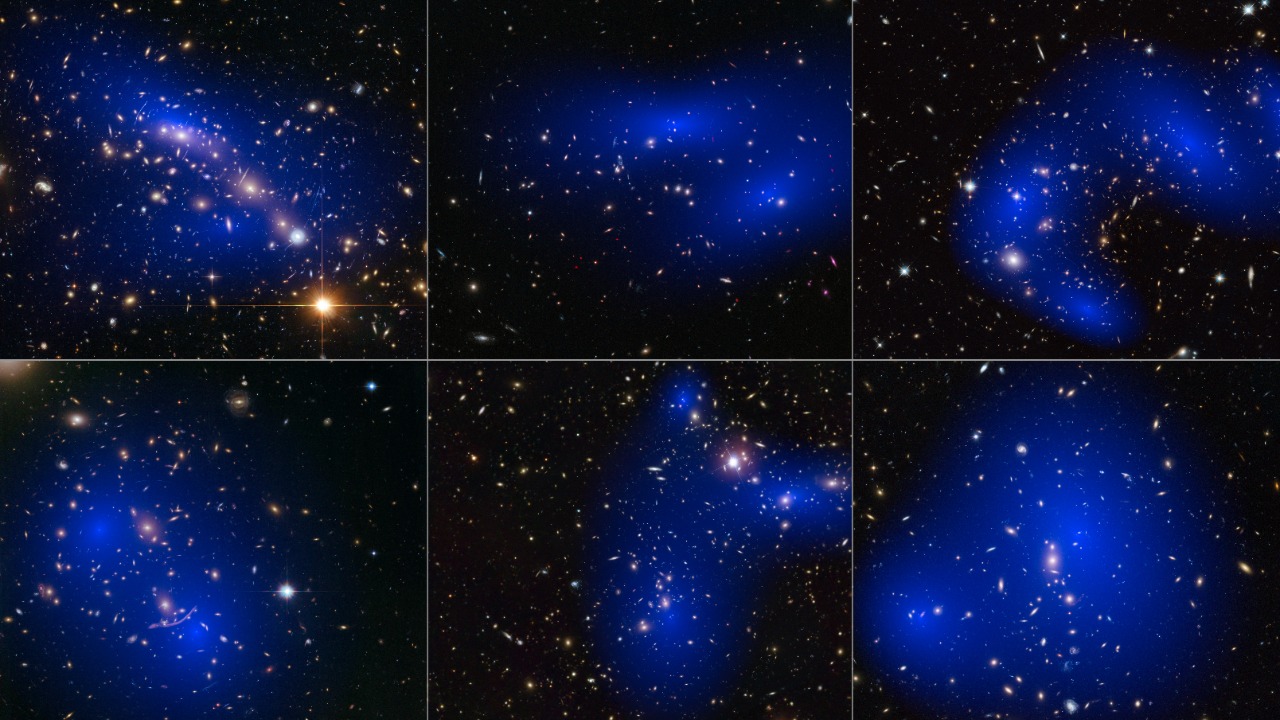
One of the most captivating theories about dark matter is the “Fifth Force” theory. This theory proposes that dark matter is a new type of particle that interacts through a yet-undiscovered fifth fundamental force, aside from the established four: gravity, electromagnetism, and the strong and weak nuclear forces. Essentially, this force could be what’s causing galaxies to rotate faster than our current understanding of physics would allow.
2. The “Mirror Universe” Hypothesis: Our Dark Matter Twin
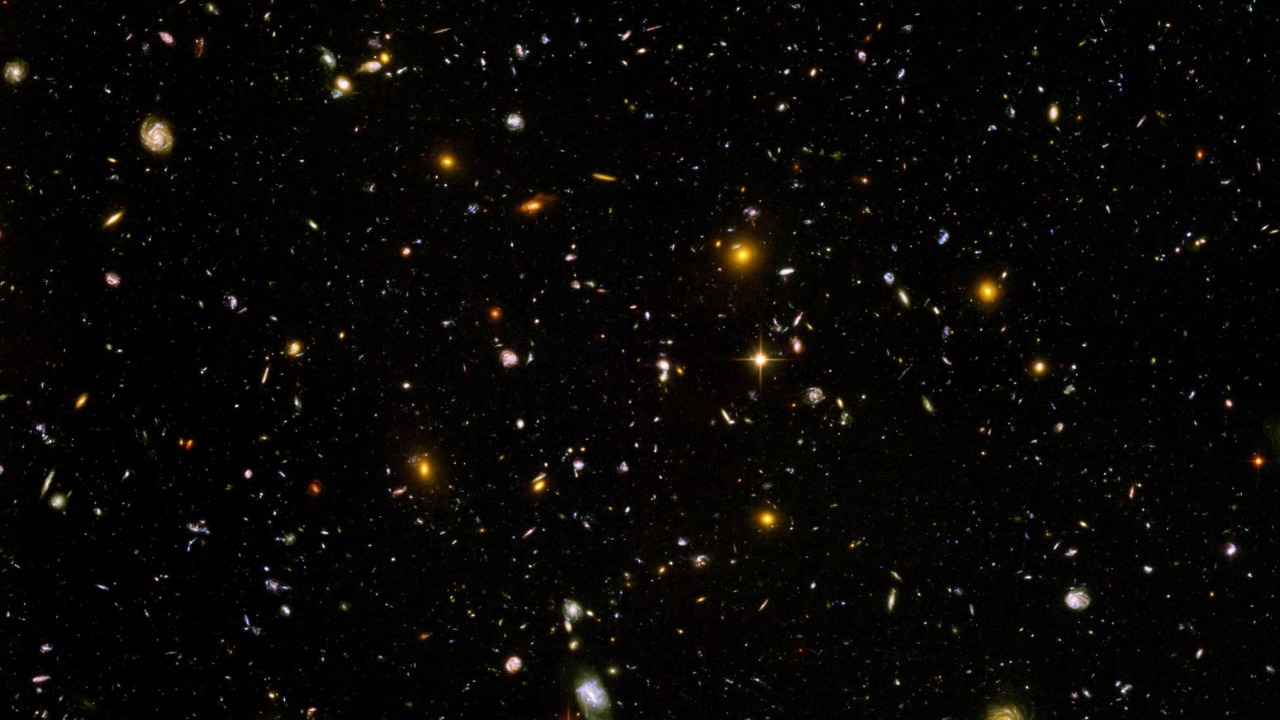
Imagine an entire parallel universe, a mirror image of our own, made of dark matter. This “Mirror Universe” hypothesis suggests that dark matter might be composed of particles that are mirror images of the particles in our own universe. It’s an outlandish idea, but one that has been seriously considered by some physicists.
3. The “Dark Fluid” Theory: A Unifying Force in the Cosmos
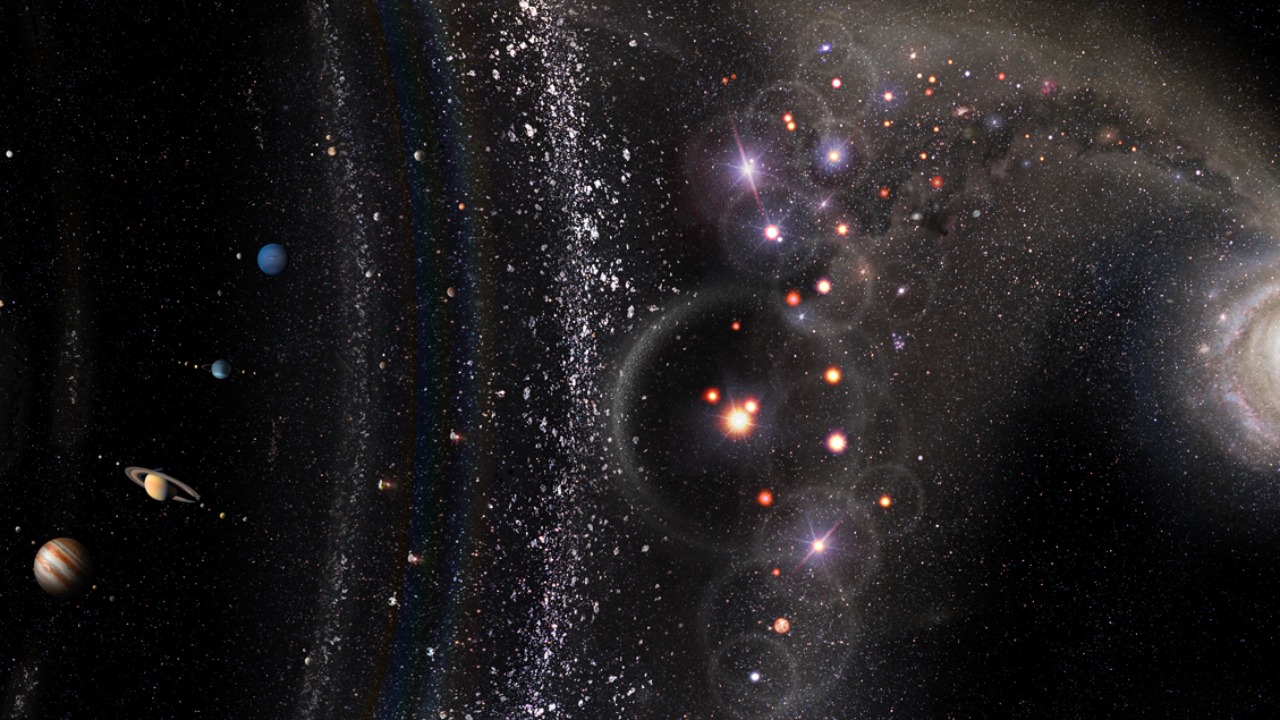
The “Dark Fluid” theory suggests that dark matter and dark energy—the mysterious force causing the universe’s expansion to accelerate—are two sides of the same coin. In this view, dark matter is not just particles, but a “fluid” that flows through the universe, affecting the motion of galaxies and the overall expansion of the cosmos.
4. The “Modified Newtonian Dynamics (MOND)” Theory: Challenging Gravity

This theory challenges our understanding of gravity itself. MOND theory proposes that the observed effects attributed to dark matter are actually due to a change in the laws of gravity at extremely low accelerations, such as those prevalent on the outskirts of galaxies. It’s a controversial idea, but one that has gained some traction in scientific circles.
5. The “Primordial Black Holes” Hypothesis: Dark Matter Hideouts
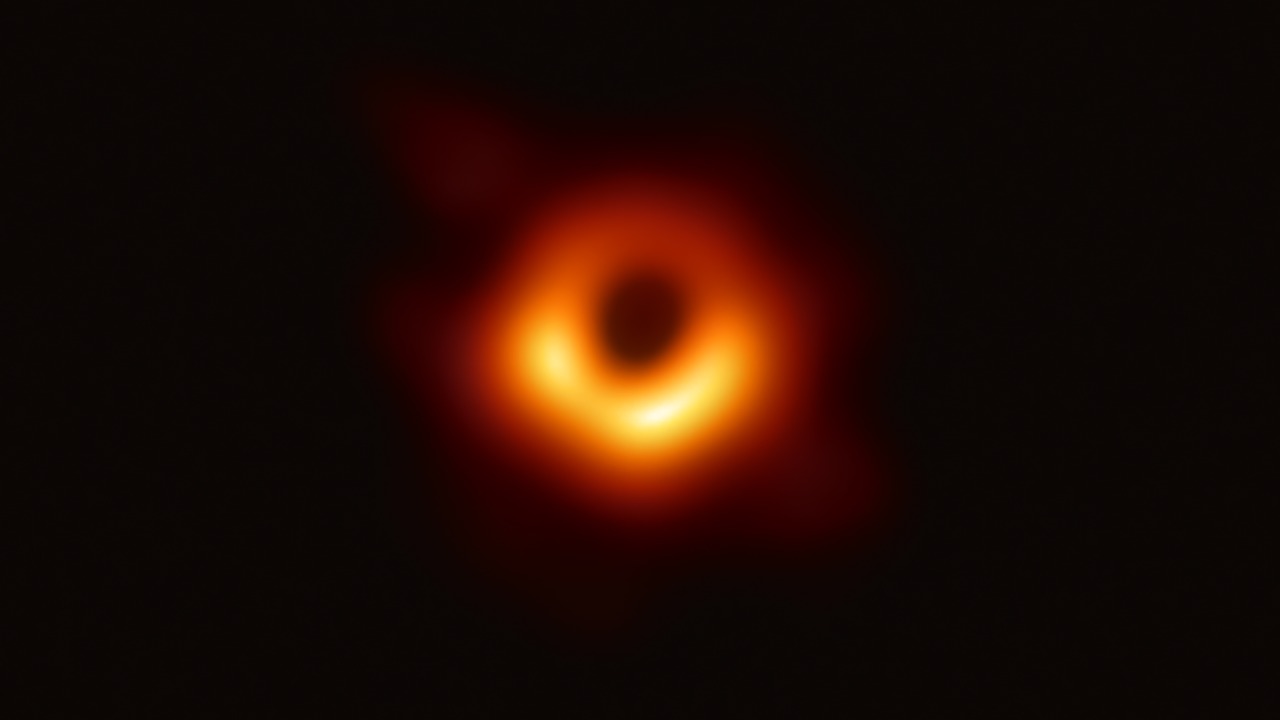
According to this hypothesis, dark matter could be made up of primordial black holes—black holes formed in the very early universe. These black holes could be of various sizes, and their collective gravitational pull could account for the effects attributed to dark matter. While this idea may sound far-fetched, it’s actually a plausible theory that scientists are actively researching.
6. The “Sterile Neutrinos” Theory: The Invisible Particles
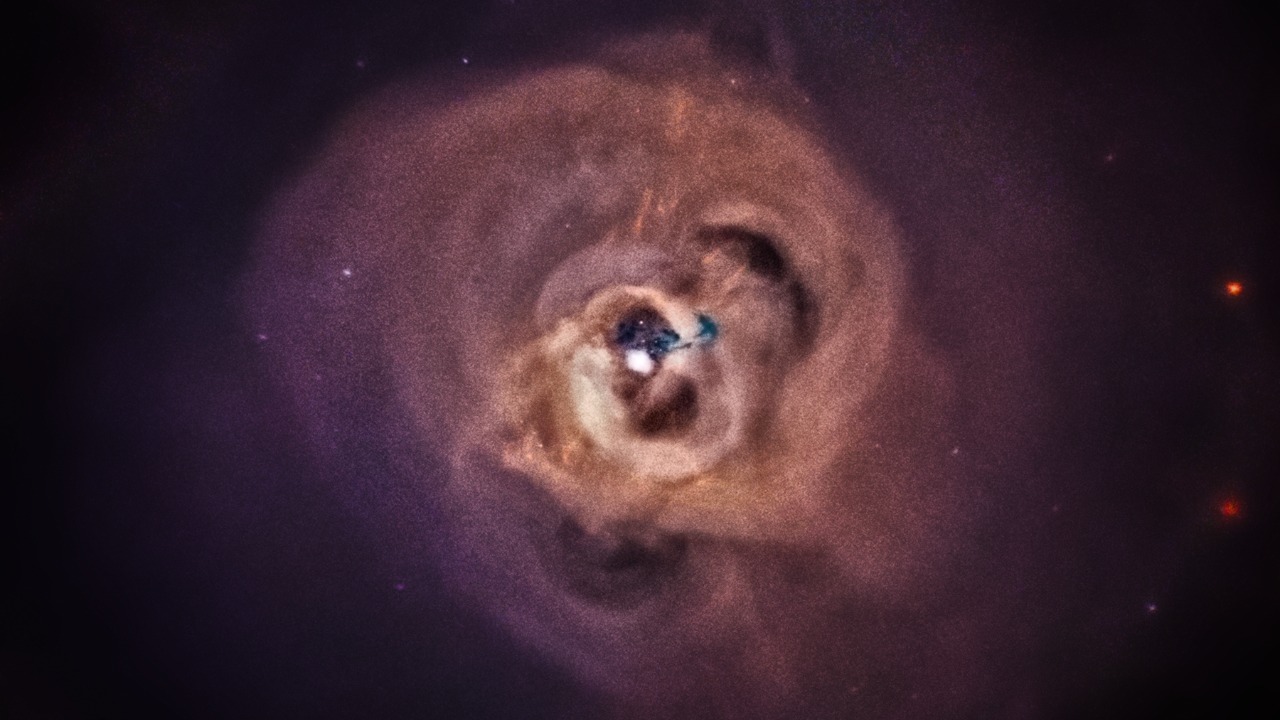
Neutrinos are ghostly particles that rarely interact with normal matter. The “Sterile Neutrinos” theory suggests that there might be a fourth type of neutrino, one that interacts even less with normal matter—and that these elusive particles could be what dark matter is made of. While this theory is still speculative, it’s an intriguing idea that’s being explored by physicists.
7. The “Self-Interacting Dark Matter” Hypothesis: The Clumpy Universe
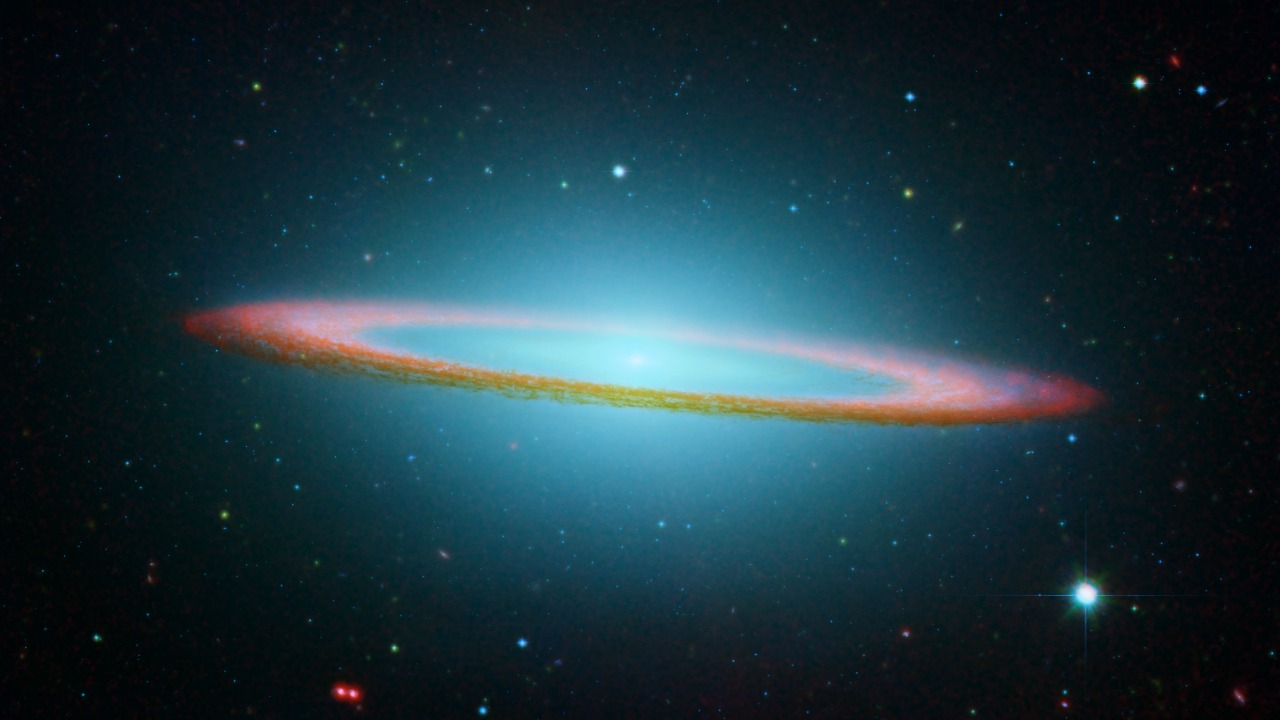
This hypothesis suggests that dark matter particles can interact with each other, forming “clumps” of dark matter in the universe. These clumps could provide the gravitational “glue” that holds galaxies together. While this idea contradicts the prevailing view that dark matter particles don’t interact with each other, it’s a compelling theory that’s being actively studied.
8. The “Quantum Entanglement” Theory: Dark Matter’s Quantum Connection
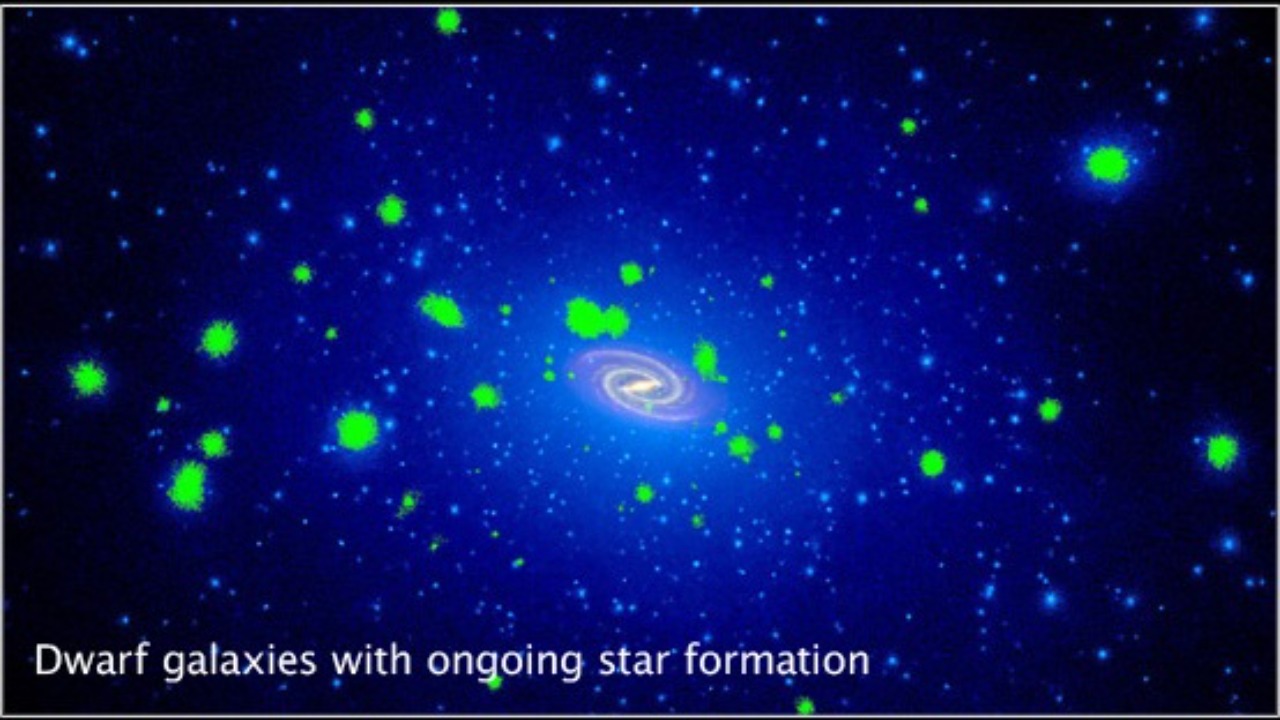
Quantum entanglement is a strange phenomenon where particles become linked, and the state of one particle instantly affects the state of the other, no matter the distance. Some physicists have proposed that dark matter particles could be entangled, and that this quantum connection could account for the mysterious effects attributed to dark matter.
9. The “Decaying Dark Matter” Hypothesis: The Universe’s Slow Fade

This hypothesis suggests that dark matter particles could be slowly decaying over billions of years, releasing a faint radiation signal in the process. If true, this could explain why dark matter hasn’t been directly detected yet—it’s simply fading away. This theory is speculative, but it offers a tantalizing explanation for the elusive nature of dark matter.
10. The “Cosmic Superstrings” Theory: Dark Matter as Cosmic Threads
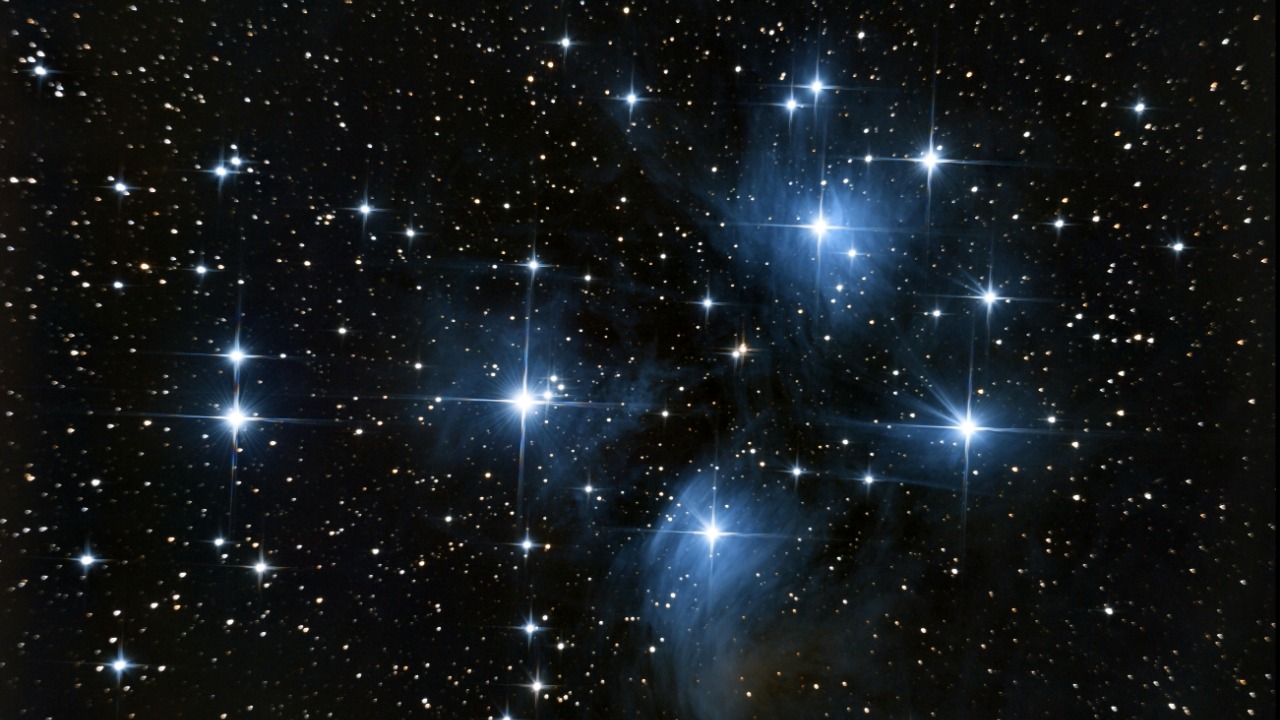
Superstrings are hypothetical one-dimensional objects that vibrate at different frequencies. Some physicists have proposed that dark matter could be made up of these superstrings, forming a cosmic “web” that holds the universe together. While this theory is highly speculative, it’s a fascinating idea that’s being explored in the field of string theory.
11. The “Negative Mass” Hypothesis: The Universe’s Balancing Act
Imagine a universe where some particles have negative mass. While it sounds absurd, the “Negative Mass” hypothesis suggests that dark matter could be made up of particles with negative mass. If true, this could explain the observed gravitational effects attributed to dark matter. While this theory defies our current understanding of physics, it’s a provocative idea that’s being seriously considered.
12. The “Axion” Theory: A Lighter Perspective on Dark Matter
Last but not least, the “Axion” theory proposes that dark matter is made up of axions—hypothetical particles that are incredibly light and rarely interact with normal matter. If axions do exist, they could be abundant enough to account for all the dark matter in the universe. While this theory is still speculative, it’s one of the most promising theories about dark matter.
