
Insurance premiums depend on far more than the sticker price, and the cheapest vehicles to cover tend to be common, safe and inexpensive to fix. Several rating firms published 2026 rankings, each using a different coverage level and methodology, so figures are not directly comparable. Here are twelve vehicles that show up near the bottom of those lists.
1. Honda CR-V: The Rate Leader
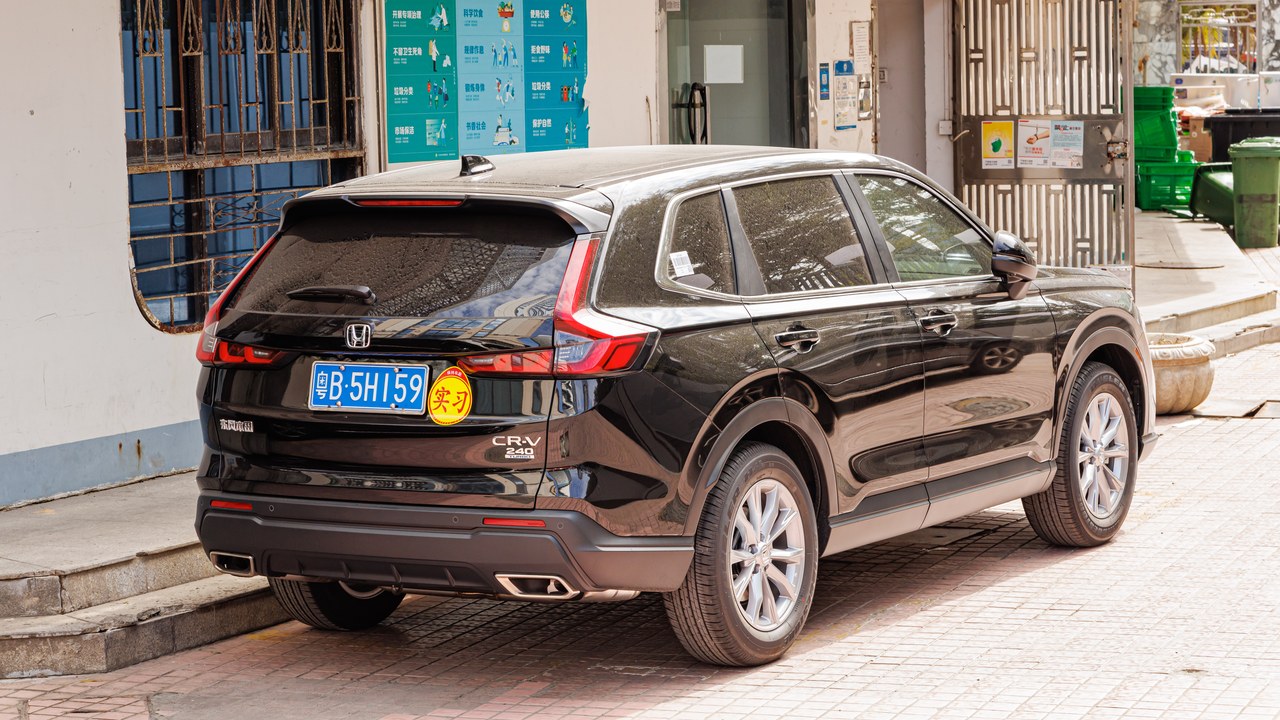
Honda’s compact crossover tops the 2026 field, averaging $1,932 a year for full coverage according to Insurance.com’s cheapest-to-insure list. Strong reliability, plentiful parts and moderate repair bills help keep claims costs, and therefore premiums, low.
Averages hide individual quotes, which swing with driver age, ZIP code and record. Owners-to-be should price several carriers anyway, since the spread between insurers can exceed the spread between models, and bundling or safe-driver discounts can shift the result further.
2. Buick Envista: The Tied Newcomer
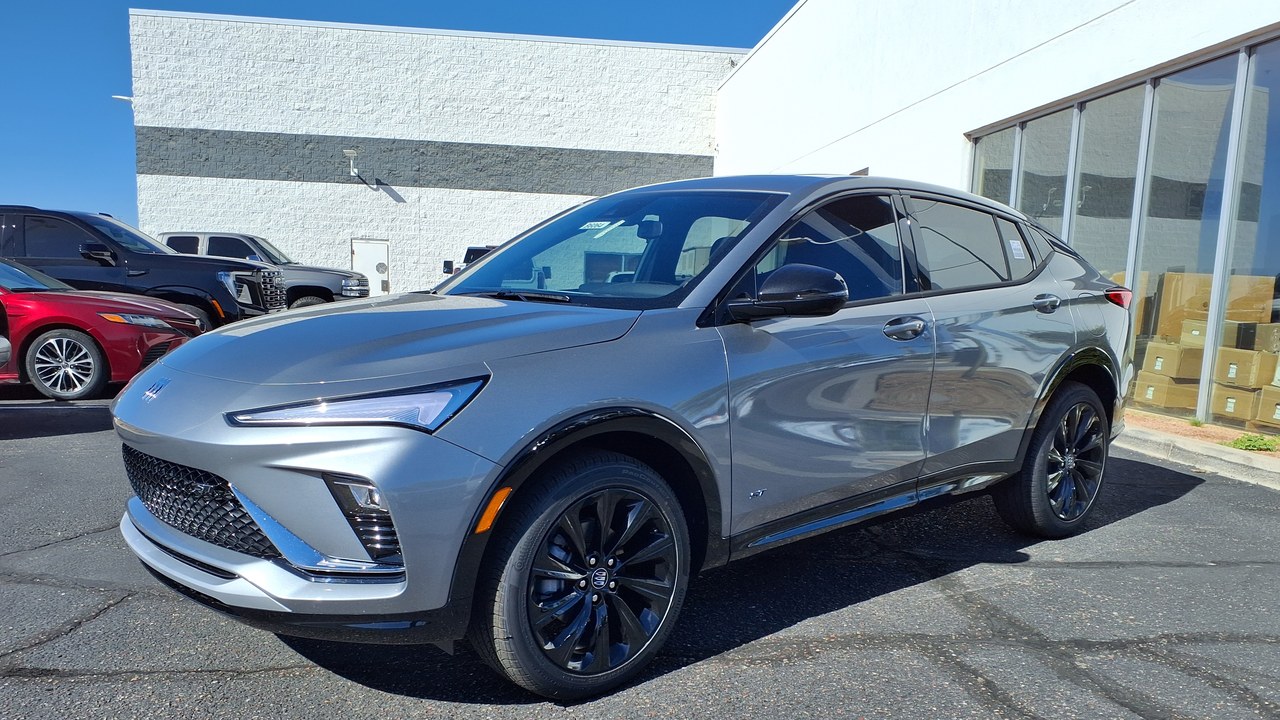
Buick’s small crossover also lands at $1,932 a year, or $161 a month, for full coverage, sharing the top spot in Autoblog’s 2026 ranking for 2026. Its low sticker price limits what an insurer pays to repair or replace it after a claim, which helps explain the matching rate.
A tie at the top suggests the segment, not just one nameplate, is cheap to cover. Shoppers who value a lower monthly bill can weigh the Envista against pricier rivals whose premiums run noticeably higher, though only a personal quote settles the real number.
3. Honda HR-V: Cheap Cover, Small Footprint

Full coverage runs $1,936 a year for Honda’s subcompact crossover, only $4 above its larger sibling, per Insurance.com’s average rates. Shared engineering and a reputation for durability appear to carry over into the premium.
Buyers stepping down from a bigger vehicle can expect savings on both the purchase price and the insurance bill, which compounds over years of ownership. The figure is an average, so individual drivers should still compare several quotes.
4. Volkswagen Taos: German Badge, Modest Premium
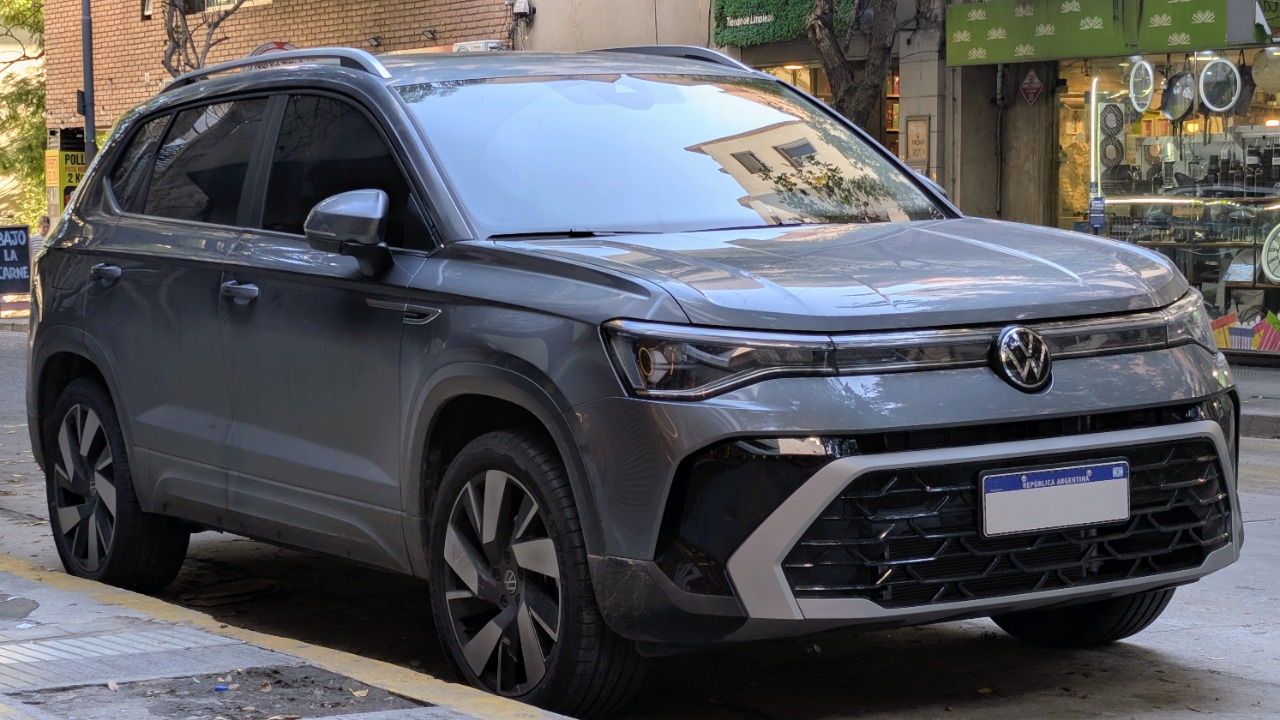
Volkswagen’s compact crossover costs about $1,956 a year, or $163 a month, for full coverage, a figure reported by Clark.com’s cheapest-cars roundup. That places a German-brand model among the lowest-cost vehicles to insure in the 2026 data.
The result suggests badge origin matters less than repair cost and claim history for this model. Prospective owners should still confirm local quotes, because premiums vary widely by state, by carrier and by driving record.
5. Subaru Outback: The Wagon Among SUVs
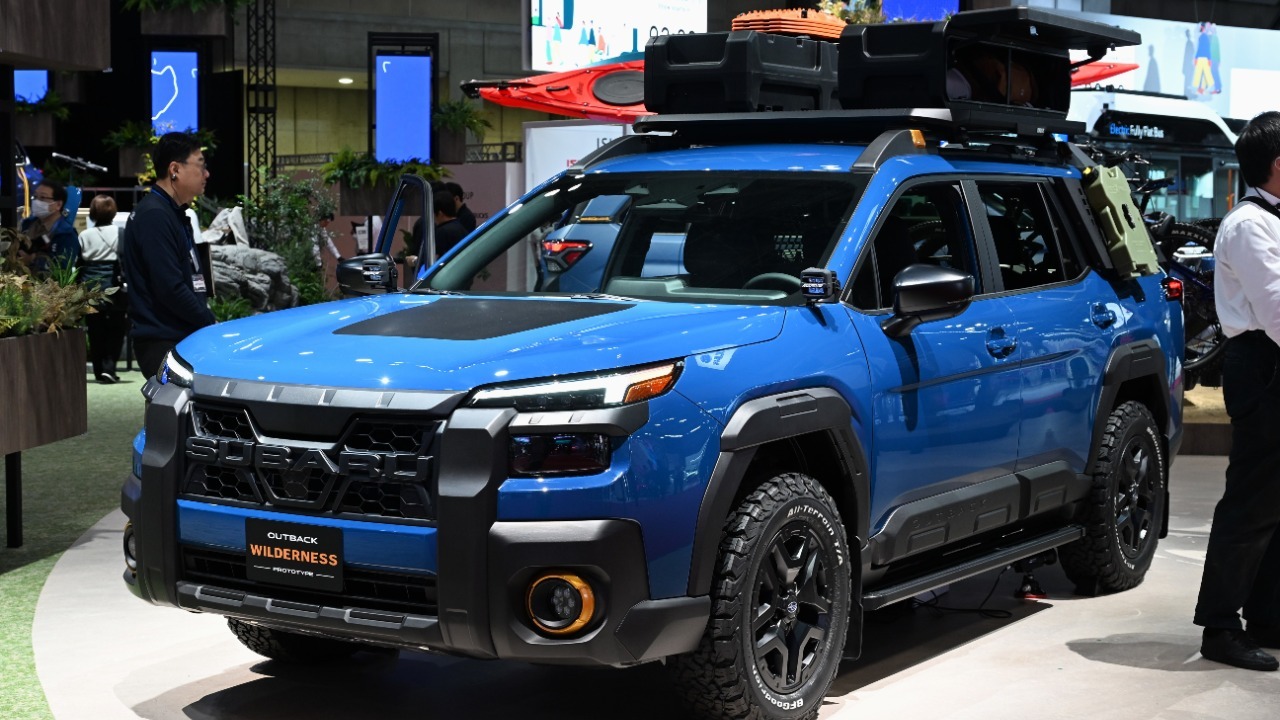
Subaru’s Outback runs $1,956 to $1,968 a year, or $163 to $164 a month, for full coverage, based on figures compiled by Clark.com. Standard all-wheel drive, a feature that often adds cost elsewhere, does not appear to push its premium higher here.
The narrow range reflects how rates shift slightly by trim and by data set. Families wanting wagon practicality plus snow capability can treat the Outback as a rare case where capability does not obviously inflate insurance, though local quotes still decide the final bill.
6. Volkswagen Tiguan: Tiguan Takes the Midfield
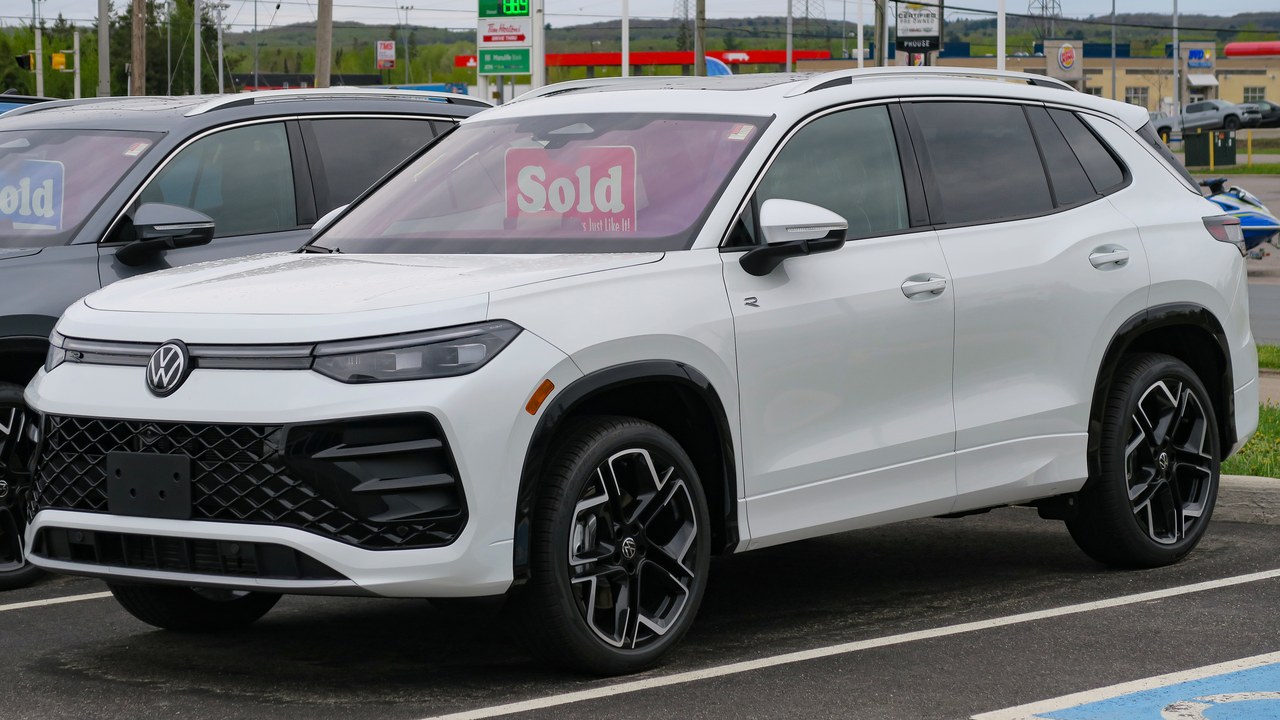
Volkswagen’s larger compact SUV carries an average of $1,979 a year for full coverage, according to Insurance.com’s 2026 list. It sits about $23 above the Taos, a modest step for the extra room, and well under the $2,000 line.
Moving up in size within one brand adds only a little to the annual bill, according to these averages. Buyers should still run quotes at their own address, since a few hundred dollars can separate carriers for the same driver.
7. Hyundai Venue: Entry-Level Pricing
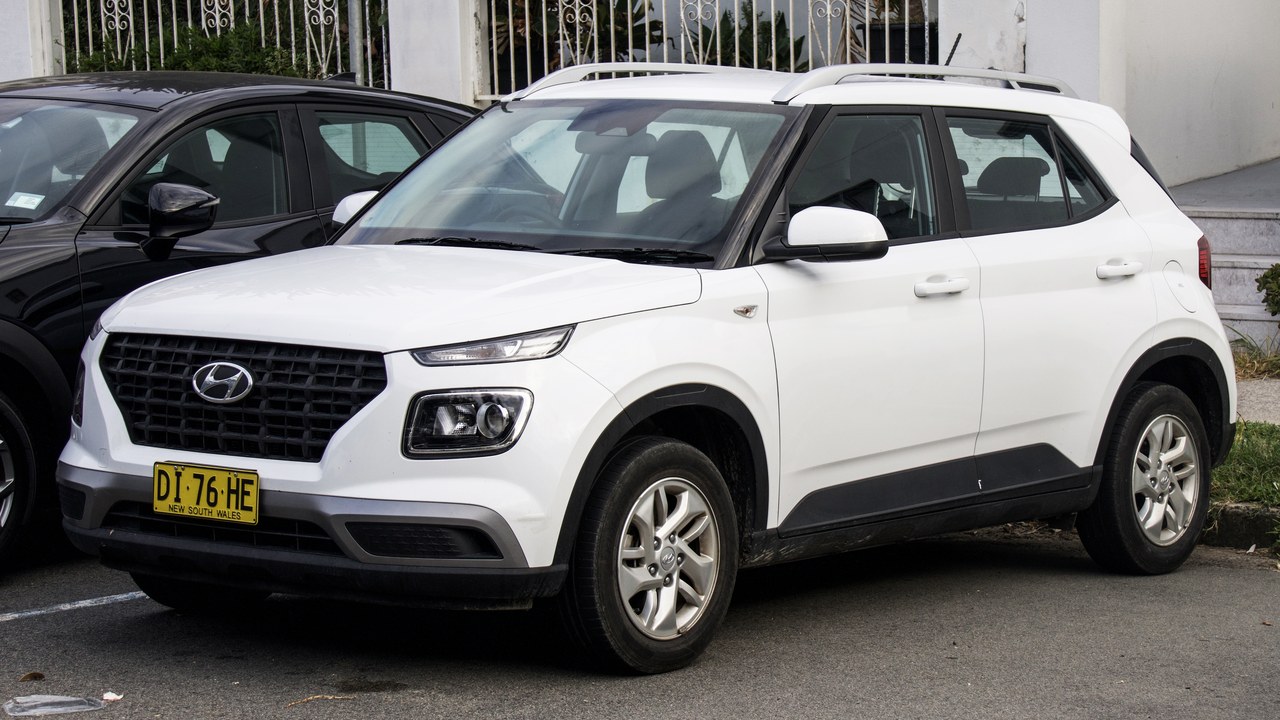
Hyundai’s small crossover averages $1,999 a year for full coverage, just under the $2,000 mark, as Insurance.com’s rankings reports. Its low purchase price keeps the value at risk small, which insurers reflect in the premium.
Landing there with a vehicle at the budget end shows that cheap to buy and cheap to insure often travel together. Shoppers should note that coverage limits and deductible choices can move the number substantially in either direction.
8. Chevrolet Trax: Budget Chevy Crossover
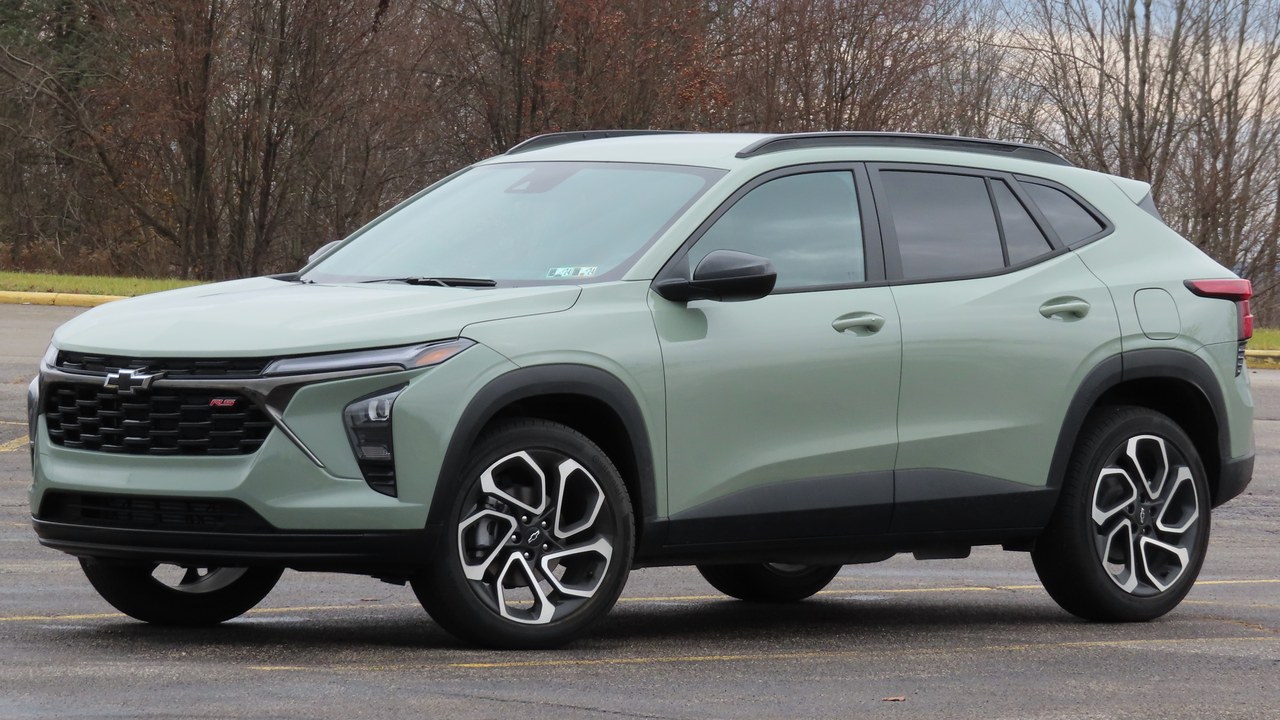
Chevrolet’s low-priced small crossover costs about $2,040 a year, or $170 a month, for full coverage, per Clark.com’s data. Its affordable parts and simple construction keep claims inexpensive.
It is the highest of the first eight full-coverage figures, yet still modest next to many vehicles. Buyers choosing it for the low sticker price can expect a similarly gentle insurance bill, though real quotes depend on the driver, the ZIP code and the chosen deductible.
9. Mazda CX-5: The State-Minimum Winner
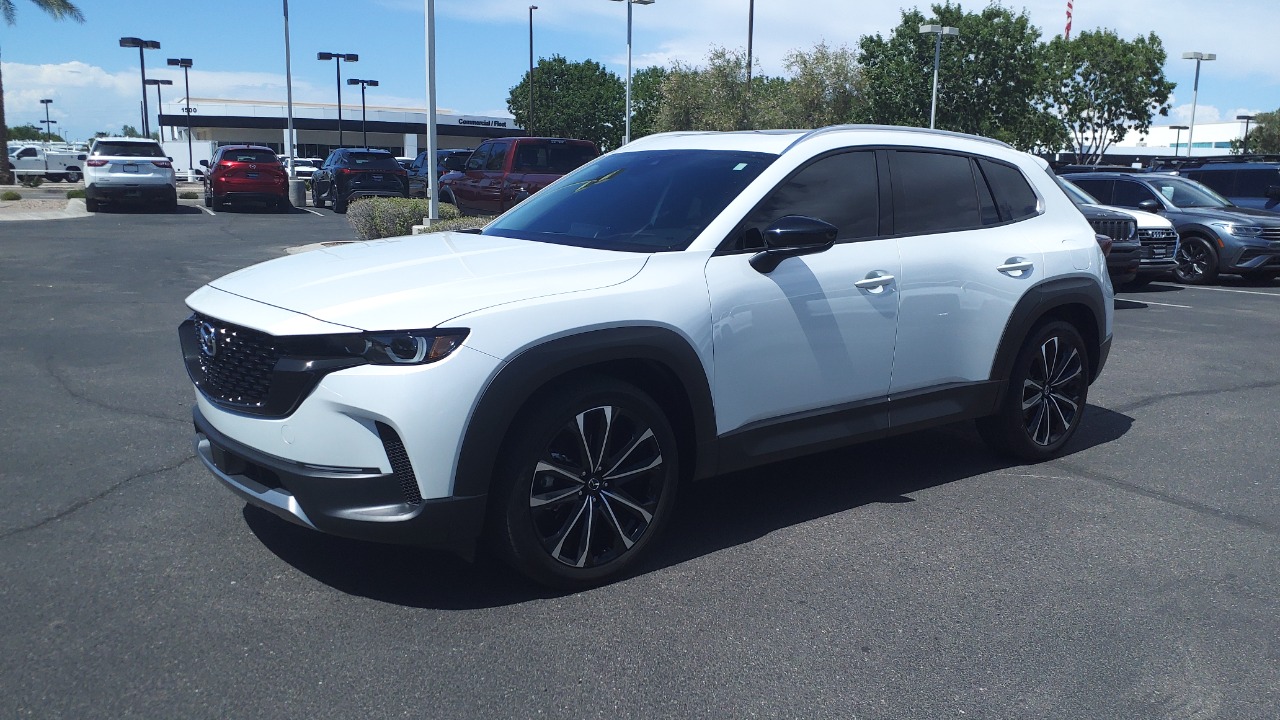
Mazda’s compact crossover posts $364 a year for state-minimum coverage with Nationwide, the lowest rate in MoneyGeek’s 2026 ranking. The figure covers only the legal minimum, which is a far smaller product than full coverage.
Minimum policies leave owners exposed to out-of-pocket costs after a serious crash, so the number flatters the budget more than the protection. Comparing it with the full-coverage averages elsewhere on the list would be misleading, as the products differ.
10. Subaru Forester: Close Behind on Minimums
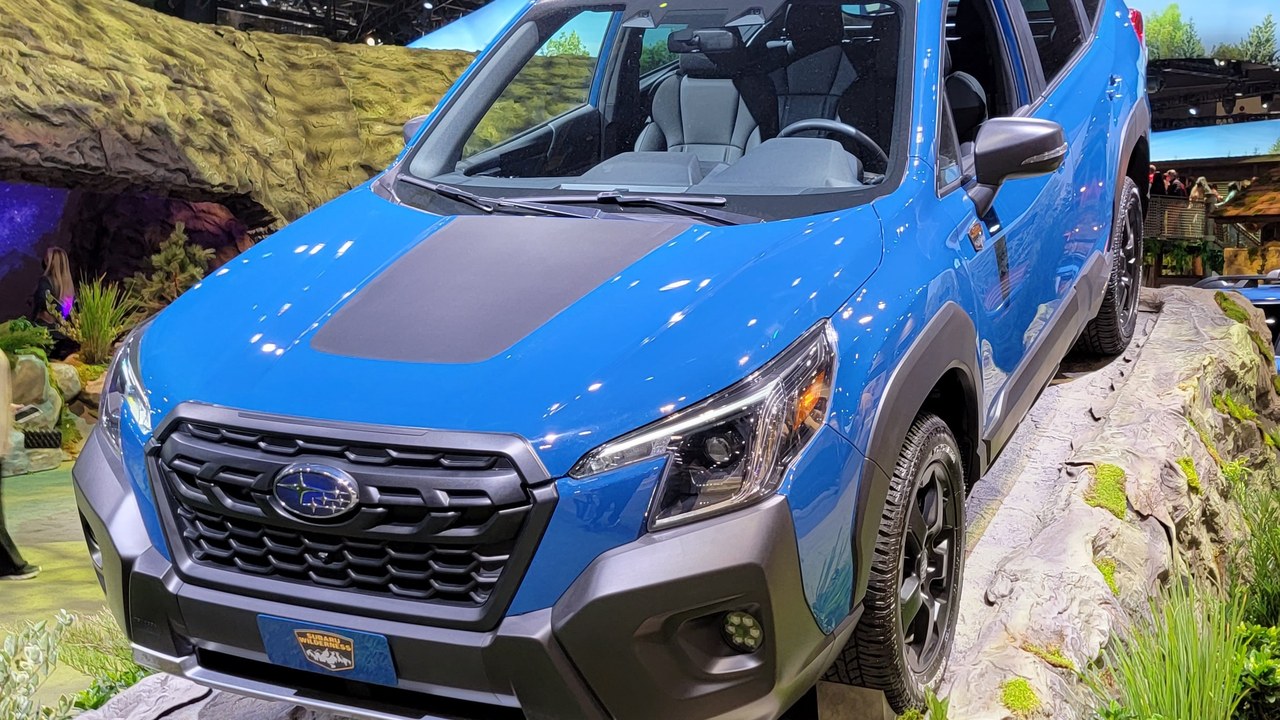
Subaru’s compact crossover costs $367 a year for state-minimum coverage with Nationwide, just $3 behind the leader in MoneyGeek’s analysis. The same source puts full coverage on a new one near $1,035 a year.
That second figure is notably lower than the full-coverage averages cited by other raters, a reminder that methodology, driver profile and carrier choice all differ. Readers should compare numbers only within the same source and coverage level.
11. MINI Cooper: A Used Bargain
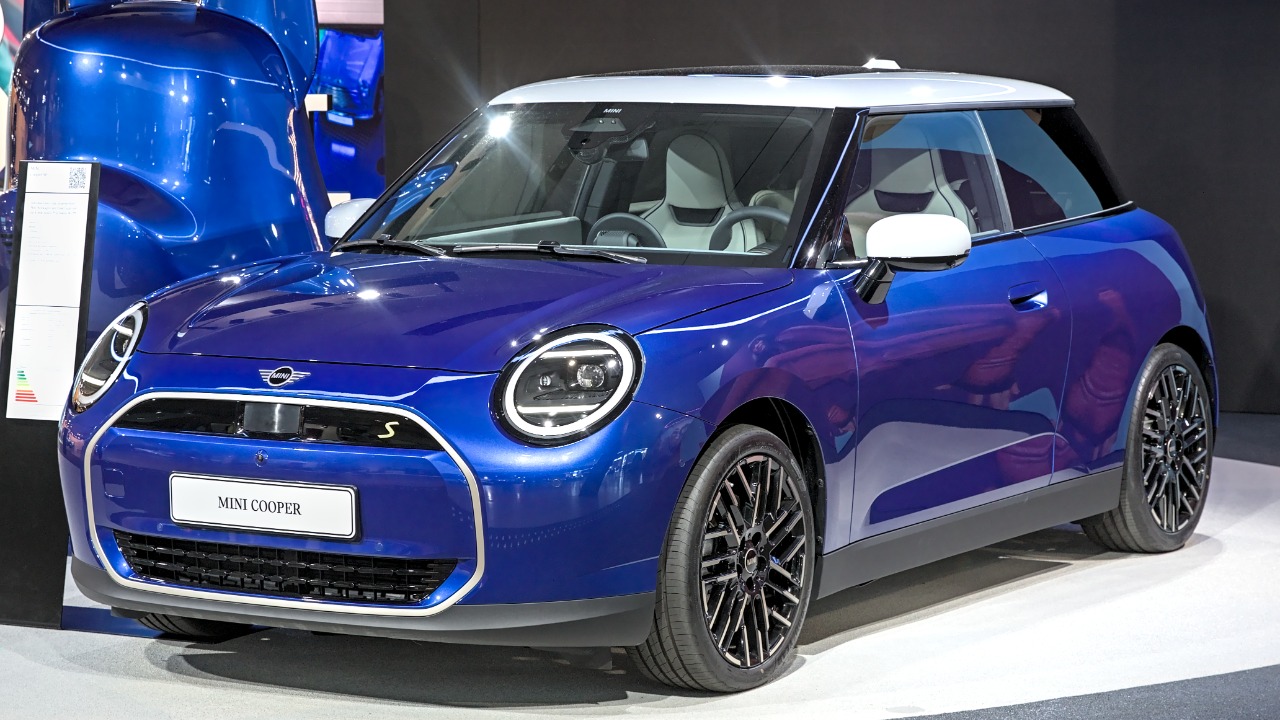
A 10-year-old MINI Cooper costs about $888 a year for full coverage, according to MoneyGeek’s used-car figures. Age matters: older cars carry lower values, so insurers pay out less after a total loss.
The number applies to a used model, not a new one, so a recent Cooper would likely cost more to cover. Buyers hunting for a small, characterful hatch can see how depreciation helps both the price tag and the premium.
12. Chevrolet Corvette: The Surprise Sports Car
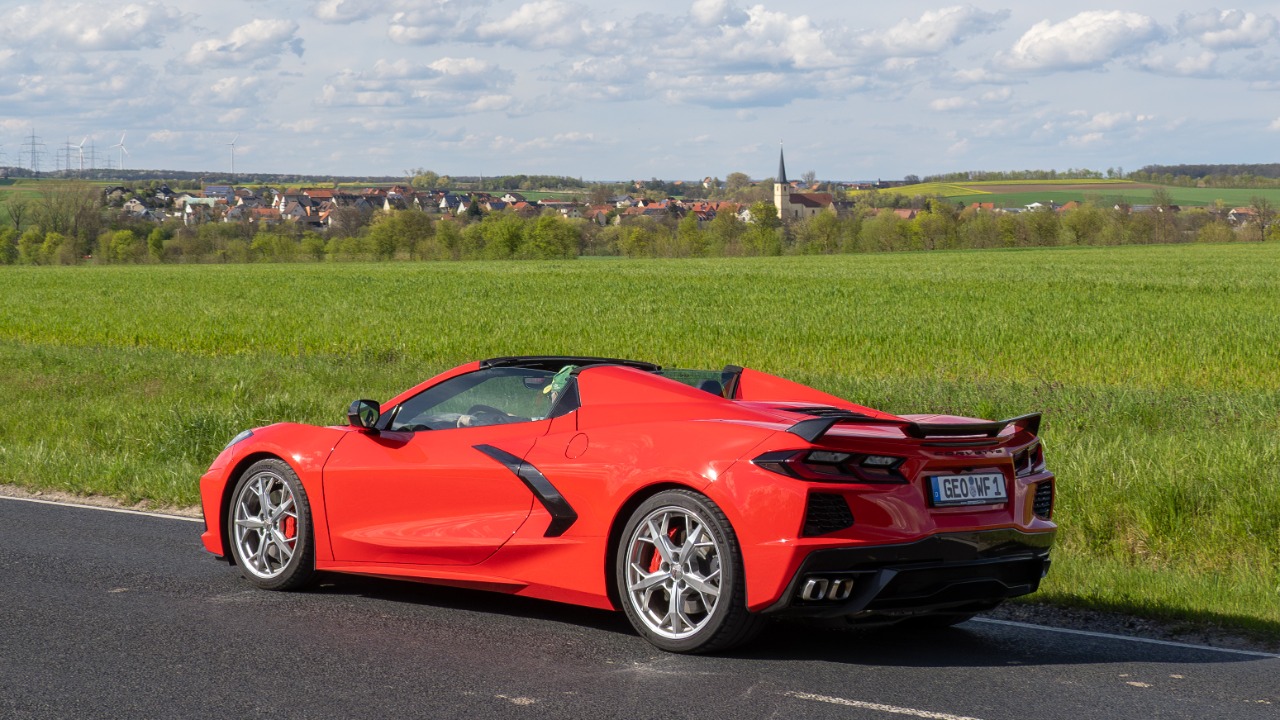
Chevrolet’s Corvette averages $1,221 a year for full coverage, the lowest rate in MoneyGeek’s sports-car category among sports cars. That is a low figure for a car with this much performance, though the source’s category comparison is the relevant yardstick.
The figure is cheap for the category but still above several family crossovers elsewhere on the list. Drivers lured by the badge should expect higher bills than the compacts here, and should quote the exact model year.
More from Morning Overview
- NOAA now gives this winter a 75% chance of the strongest El Nino since 1950
- Doctors warn a silent liver disease now affects one in three American adults
- The FBI told the rest of ShinyHunters to surrender after a 24-year-old was arrested
- Two passengers died at an Ohio toll plaza, and the NTSB now wants the cash lanes shut
