
Sports cars keep disappearing from showrooms, squeezed out by tightening emissions rules, shrinking coupe demand, and the industry’s shift toward electrification. Some were low-volume halo cars, while others were mainstream nameplates that defined their brand for decades. Collectors and enthusiasts are now watching the used market for these twelve sports cars that automakers pulled from production over the past decade.
1. Dodge Viper: The V10 Icon’s Final Lap
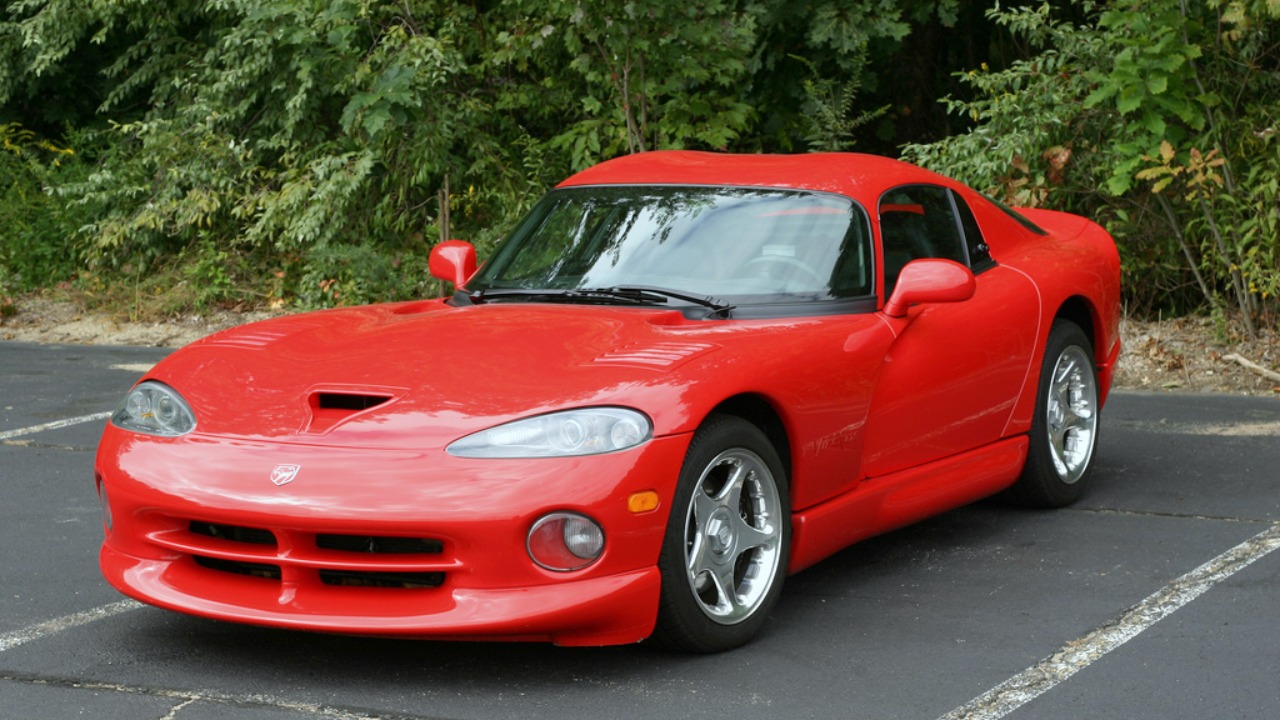
Dodge ended production of its hand-built two-seat sports car in 2017, closing out a run that stretched back to 1991. Every Viper left the factory with a naturally aspirated V10 engine, a raw formula that made it one of the last analog supercars sold in America. Rising safety rules, including side-airbag mandates the aging platform could not meet, pushed Dodge to retire the nameplate rather than redesign it.
Total production stayed under 32,000 cars across five generations, so low-mileage examples now draw strong collector interest, and later track-focused ACR models fetch premium prices at auction. The Viper’s exit left Dodge without a true flagship sports car.
2. Chevrolet Camaro: A Muscle Coupe Powers Down
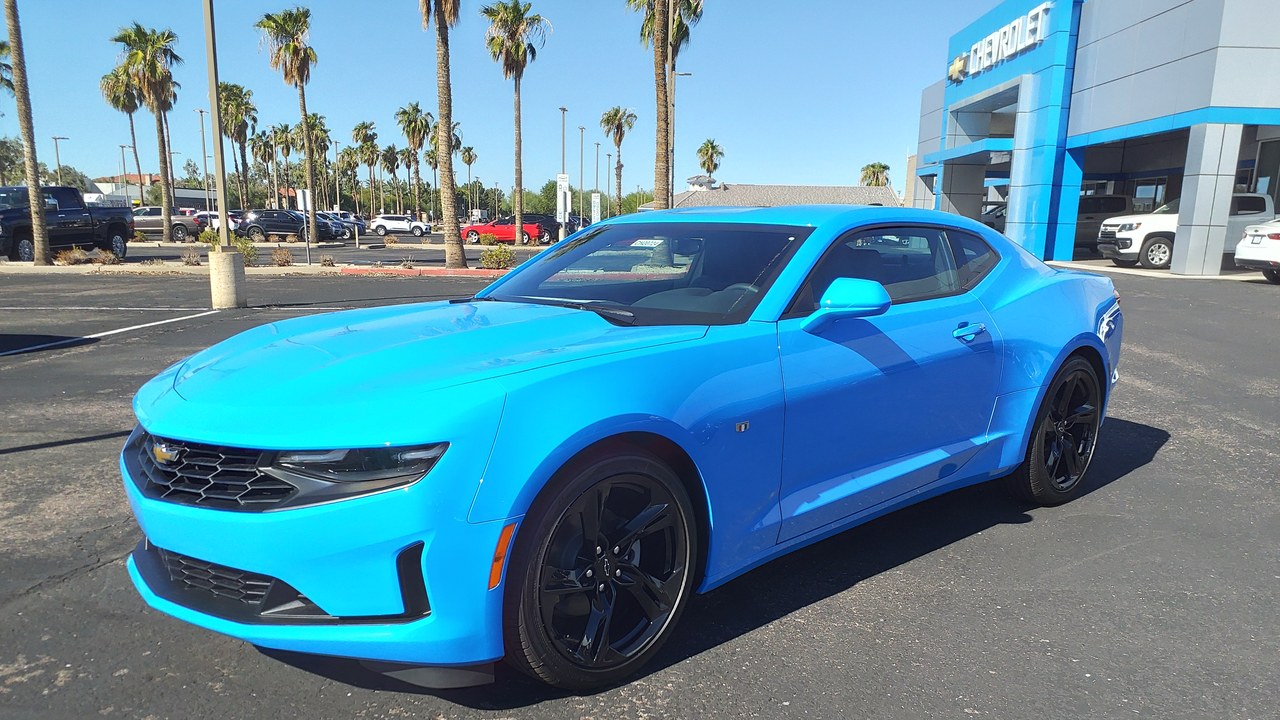
General Motors built the last Camaro in January 2024 at its Lansing Grand River plant, ending a run that stretched back to the 1960s muscle car era. The sixth-generation coupe and convertible offered a V6, a turbocharged four-cylinder, and a supercharged V8 in the top ZL1 trim. GM confirmed there would be no direct successor, framing it as a pause rather than a permanent exit.
The shutdown ended decades of continuous Camaro production, and GM has said an electric successor is under development. Meanwhile, well-kept ZL1 and SS models from the final years are already climbing in resale value among enthusiasts.
3. Ford GT: The Modern Halo Supercar Ends
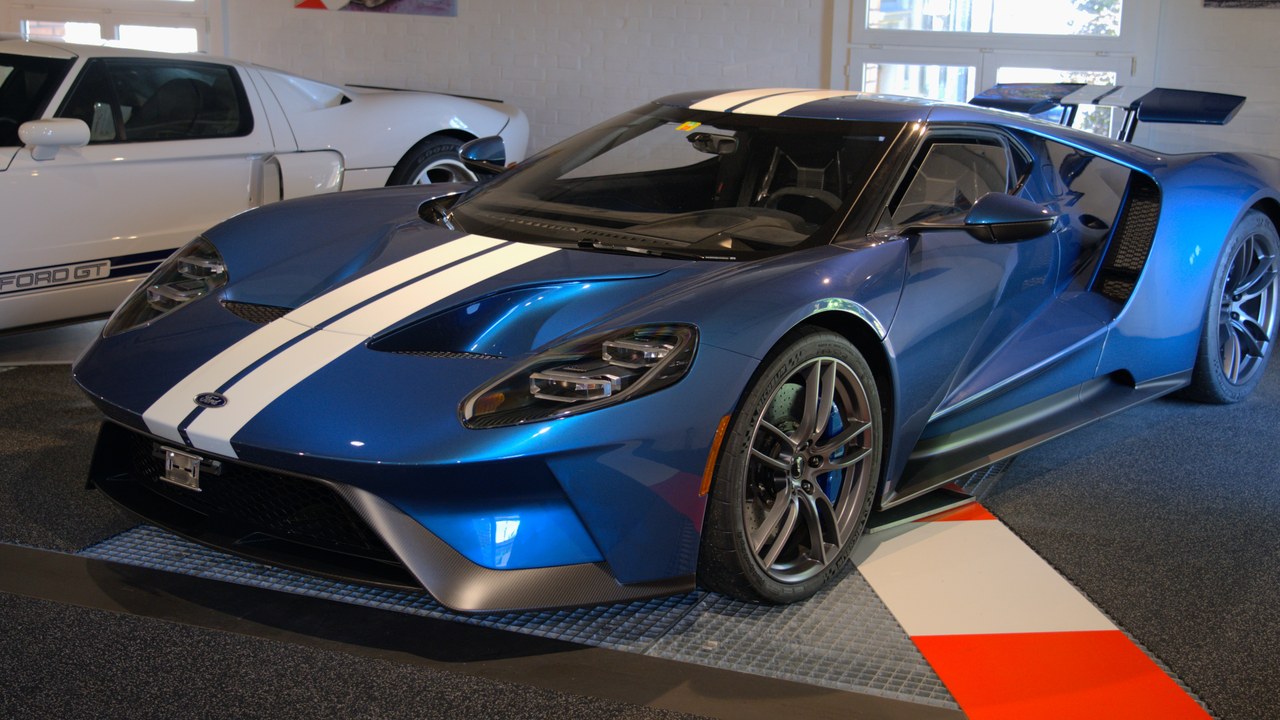
Ford closed out its second-generation GT program in 2022, capping roughly six years of hand-assembled production at Multimatic’s Canadian facility. The carbon-fiber supercar paired a twin-turbocharged V6 with a seven-speed dual-clutch gearbox, a deliberate break from the naturally aspirated V8s used by most rivals. Ford sold the car almost entirely by application, vetting buyers rather than taking open orders, which kept output under a few hundred units.
Ford closed the run with a heritage-liveried final edition honoring its Le Mans-winning history, and the last examples went to buyers who already owned earlier GT generations. Because production was so limited, values for low-mileage cars have held firm since the line ended.
4. Alfa Romeo 4C: The Carbon-Tub Featherweight Departs
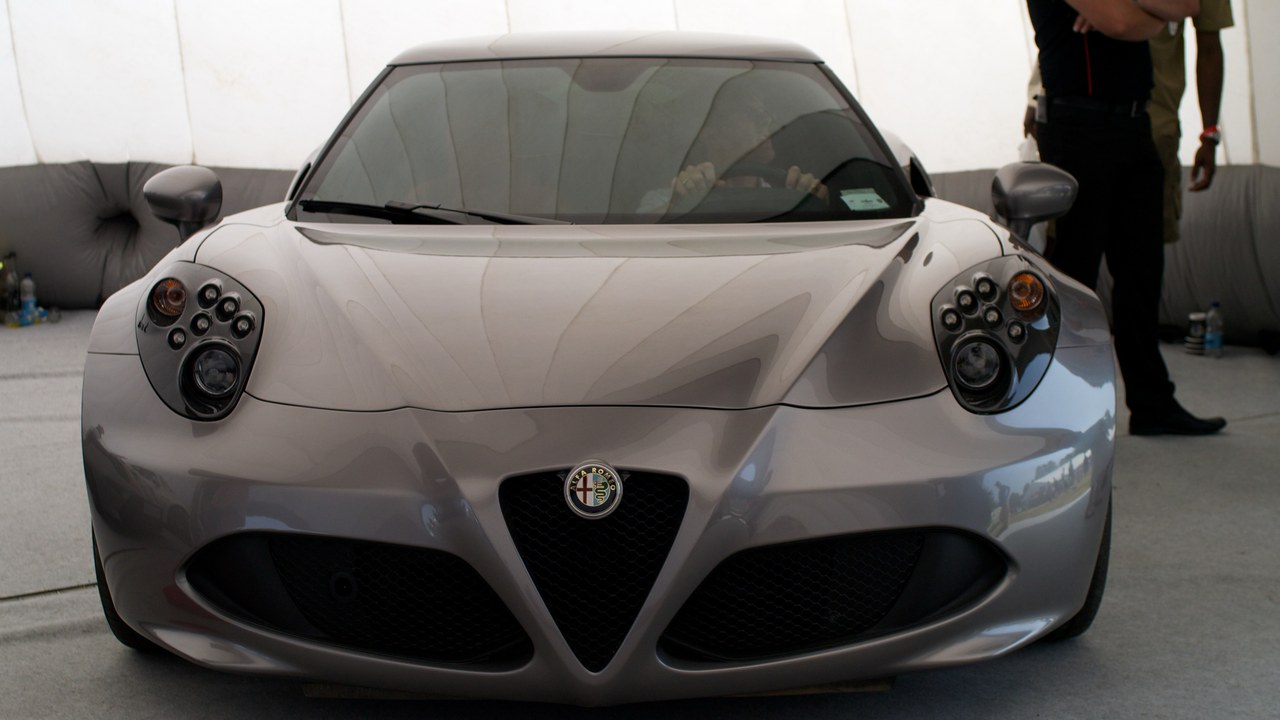
Alfa Romeo wound down its lightweight two-seater around 2020, ending a model built around a carbon-fiber passenger tub borrowed from motorsport engineering. The small turbocharged four-cylinder produced modest horsepower on paper, but a curb weight under 2,500 pounds gave it sharper reflexes than cars with far more power. Alfa never offered power-assisted steering, a choice that made the 4C feel closer to a race car than a daily commuter.
Because Alfa built the 4C in small numbers and never offered a successor, low-mileage examples have become sought after by drivers who want an analog, unassisted feel. The short production run also made it something of a cult favorite among enthusiasts.
5. Audi TT: Retiring the Bauhaus-Inspired Coupe
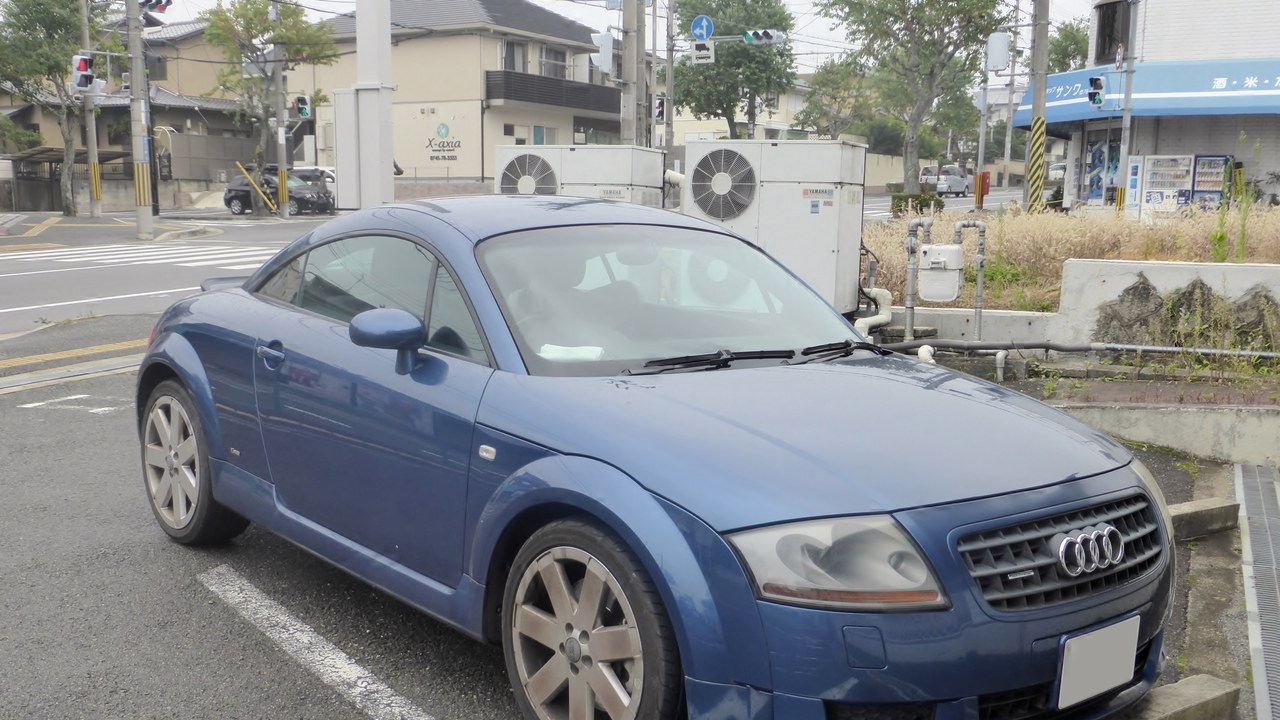
Audi built the final TT in 2023, closing out a nameplate that had run for roughly a quarter-century across three generations since its 1998 debut. The compact coupe and roadster were known for a rounded, Bauhaus-inspired design that looked distinct from anything else Audi sold. Audi said future two-door sports cars would likely arrive as electric models rather than a direct TT replacement.
The TT’s exit left Audi without an affordable sports coupe in its US lineup for the first time in 25 years. Enthusiasts still prize the original 1998 model for its design influence, and later TT RS versions are gaining interest.
6. Honda S2000: The High-Revving Roadster Exits
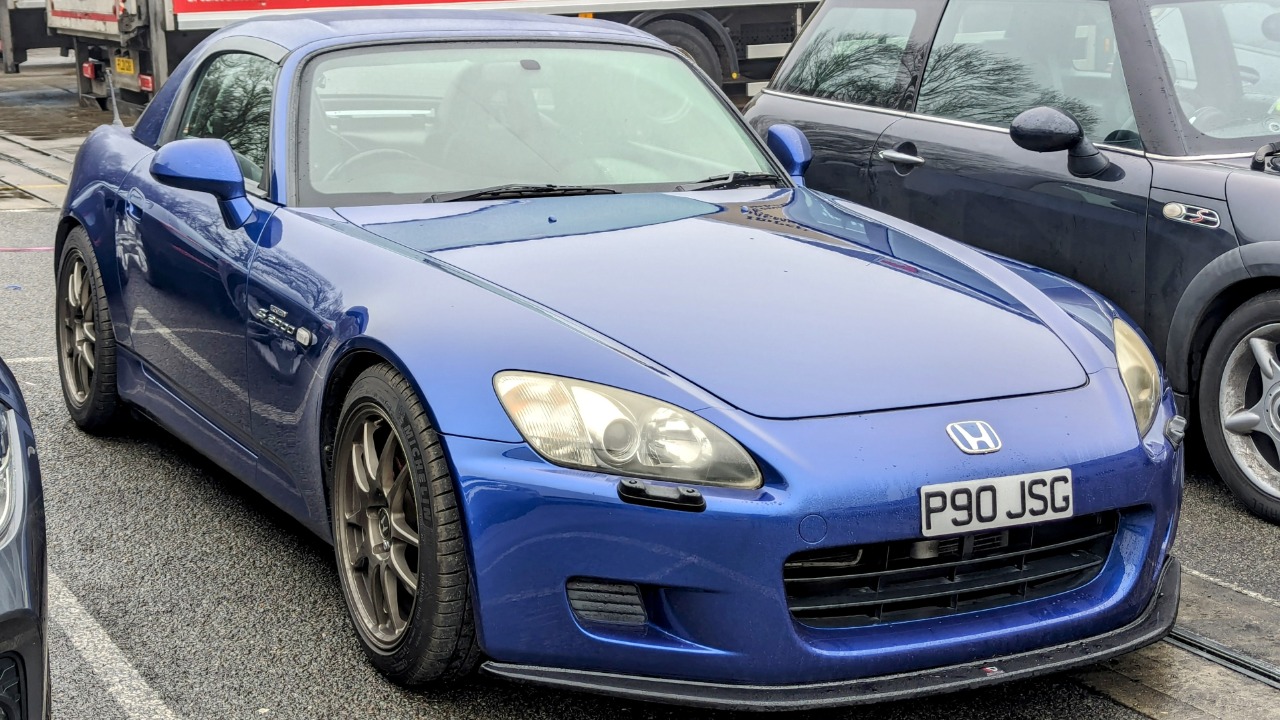
Honda ended production of its rear-wheel-drive roadster in 2009 after a decade-long run that began in 1999 to mark the company’s 50th anniversary. The S2000 paired a small four-cylinder engine with a high 9,000-rpm redline that demanded revving the engine hard to reach its peak output. Honda never replaced the car directly, leaving a gap in its lineup for a pure, driver-focused sports car.
Because Honda built the S2000 for just one generation, well-maintained examples have become hard to find and increasingly expensive, with some low-mileage cars now selling above their original sticker price. Its reputation as a precise, engaging roadster has only grown since production ended.
7. Nissan 370Z: A Long-Serving Sports Coupe Retires
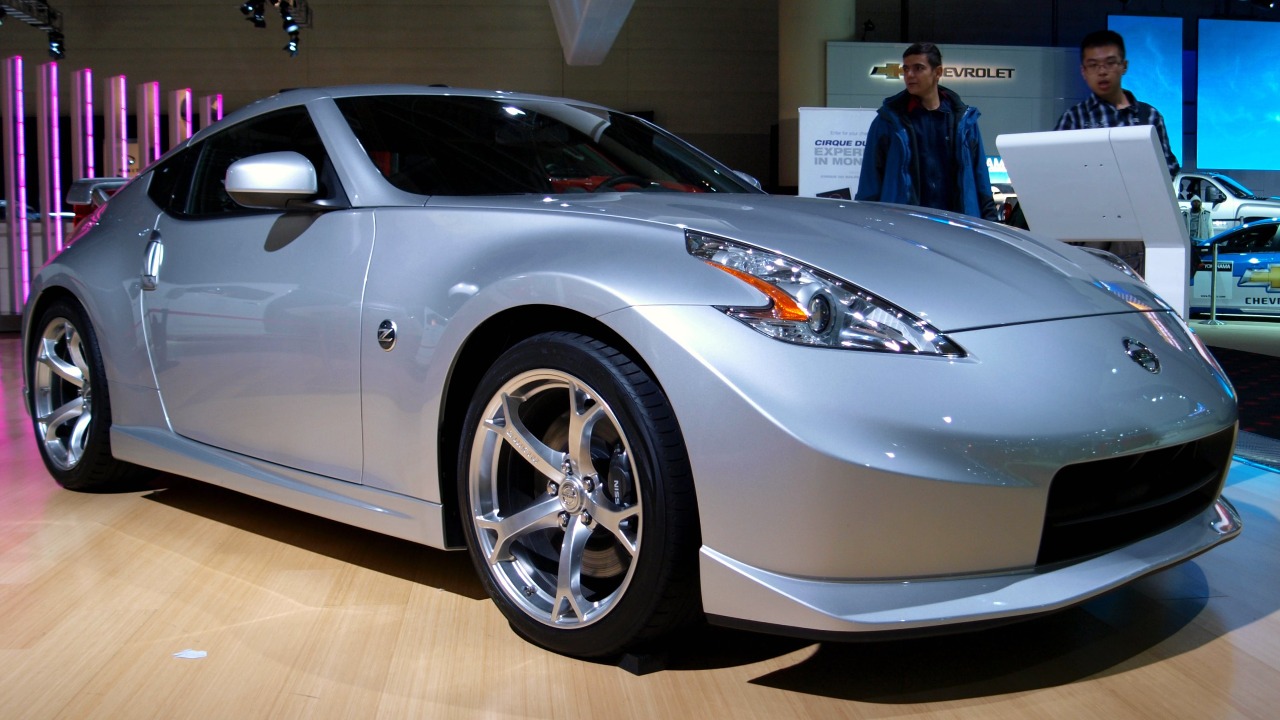
Nissan kept the 370Z in production from 2009 until 2020 with modest updates, one of the longest single-generation runs among modern sports cars. The naturally aspirated V6 and available six-speed manual gave it an old-school character even as rivals moved toward turbocharged, dual-clutch setups. Nissan replaced it in 2022 with the redesigned Z, a car that returned to a more overtly retro-inspired look.
Because the 370Z stayed mechanically similar for over a decade, parts and service knowledge remain widely available, making it a practical used sports car choice. Its long run also means later Nismo models with sharper suspension tuning are now viewed as the most desirable versions to own.
8. Jaguar F-Type: The Last Gas-Powered Sports Coupe
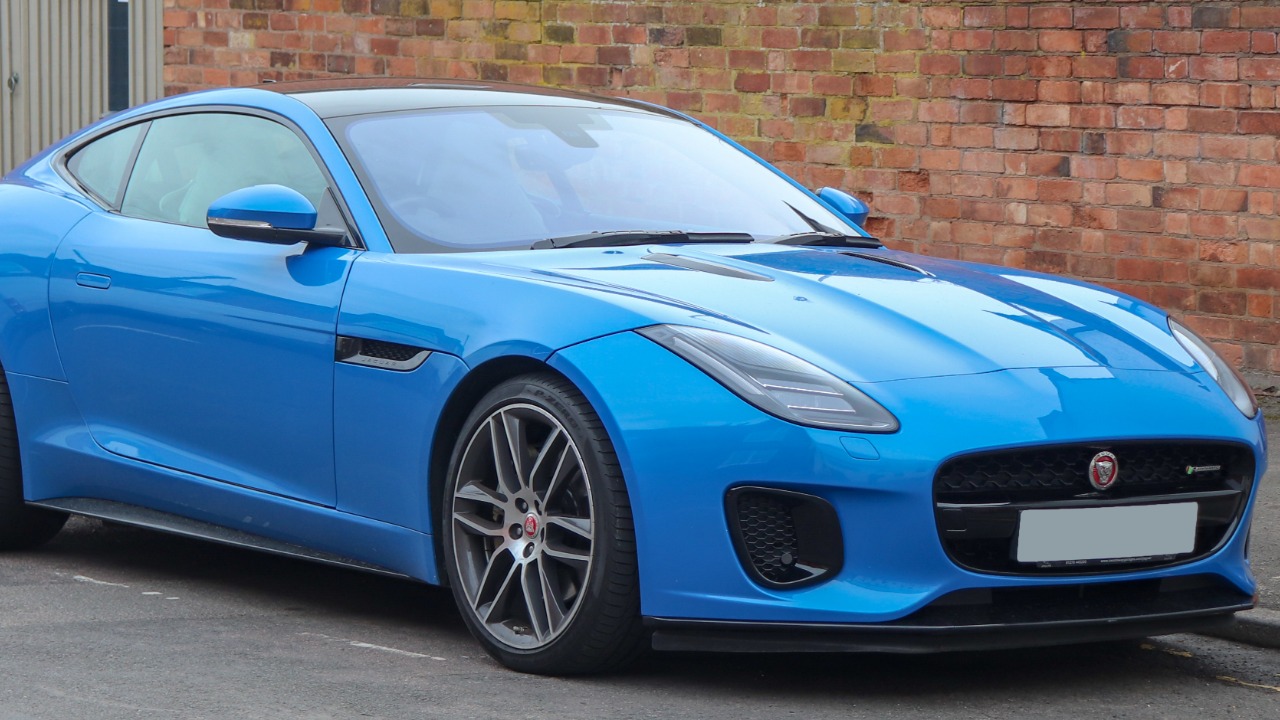
Jaguar built the final F-Type in 2024, ending its only dedicated two-door sports car as the brand prepares to relaunch as an all-electric marque. Since its 2013 debut, the F-Type had offered both four-cylinder and supercharged V8 engines, with the R and later 75th Anniversary editions serving as send-offs for the V8. Jaguar confirmed no direct gas-powered successor is planned.
The F-Type’s end leaves Jaguar without a sports car during its transition to electric models, a gap the brand has said could last several years. Collectors have already begun favoring the supercharged V8 versions as the most sought-after F-Types.
9. Lexus RC F: The V8 Coupe Fades Away
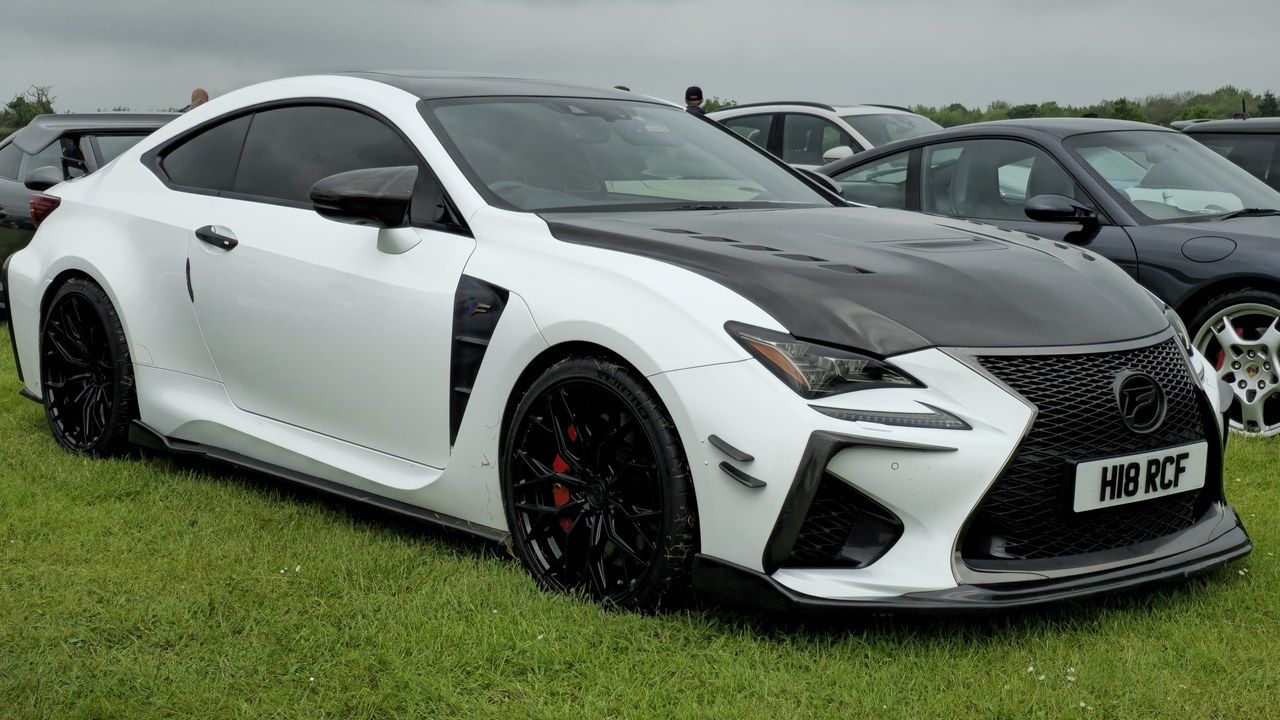
Lexus phased out the RC F after the 2024 model year, ending the brand’s only V8-powered coupe as the lineup shifted toward hybrids and electrified performance models. Its naturally aspirated V8 displaced 5.0 liters, a rarity in a class that had largely moved to smaller turbocharged engines. Lexus did not announce a direct replacement, leaving the RC lineup without its performance flagship.
Because the RC F never sold in huge numbers, low-mileage examples with the naturally aspirated V8 are expected to hold value as sports coupes with big, unassisted engines become rarer. Enthusiasts often single out the car’s engine note as one of its most memorable traits.
10. Dodge Challenger (Hemi): The Final Gas-Powered Muscle Car
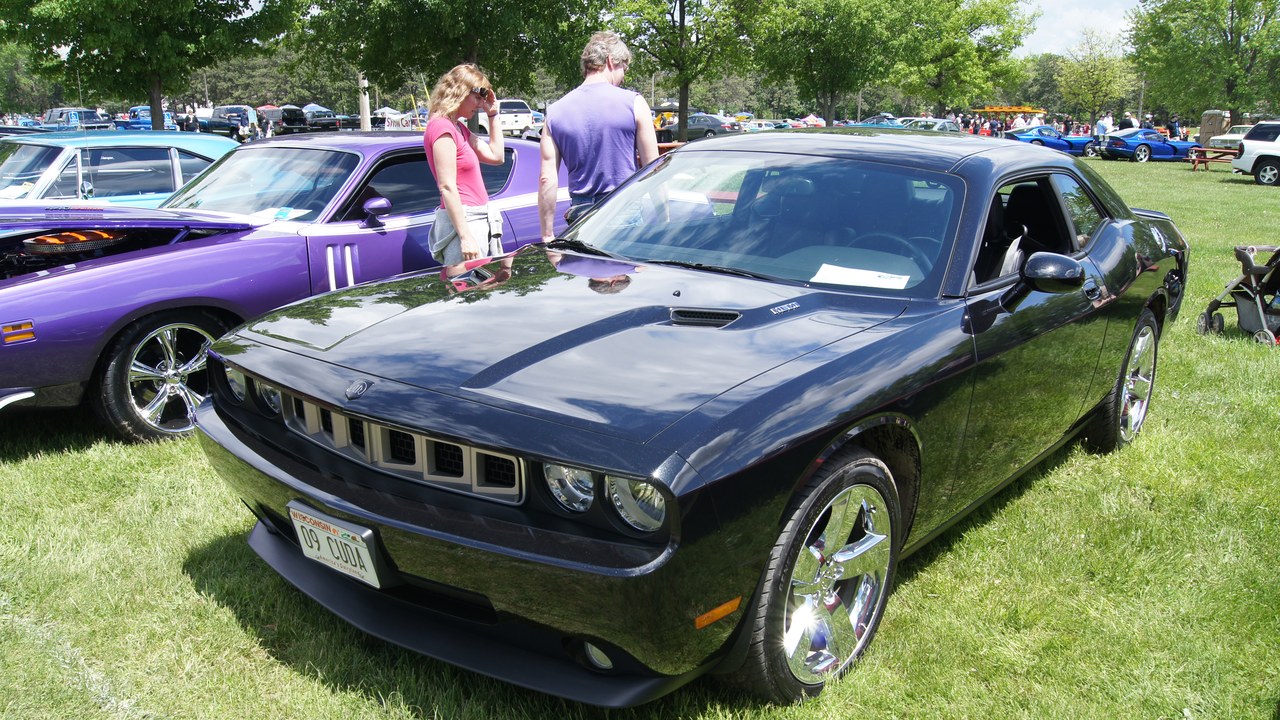
Dodge built the last gas-powered Challenger in December 2023, ending the third-generation muscle car after 15 years largely unchanged on the outside. The lineup topped out with supercharged Hemi V8 engines producing over 800 horsepower, among the most powerful factory muscle cars ever sold in the US. Dodge marked the send-off with a series of numbered Last Call special editions.
Dodge replaced the Challenger with the electric Charger Daytona, a shift that ended more than a decade of big-displacement V8 muscle cars from the brand. The limited-run Last Call models have already become sought-after collector cars soon after leaving showrooms.
11. Mercedes-AMG GT R: A Hardcore Coupe Cycles Out
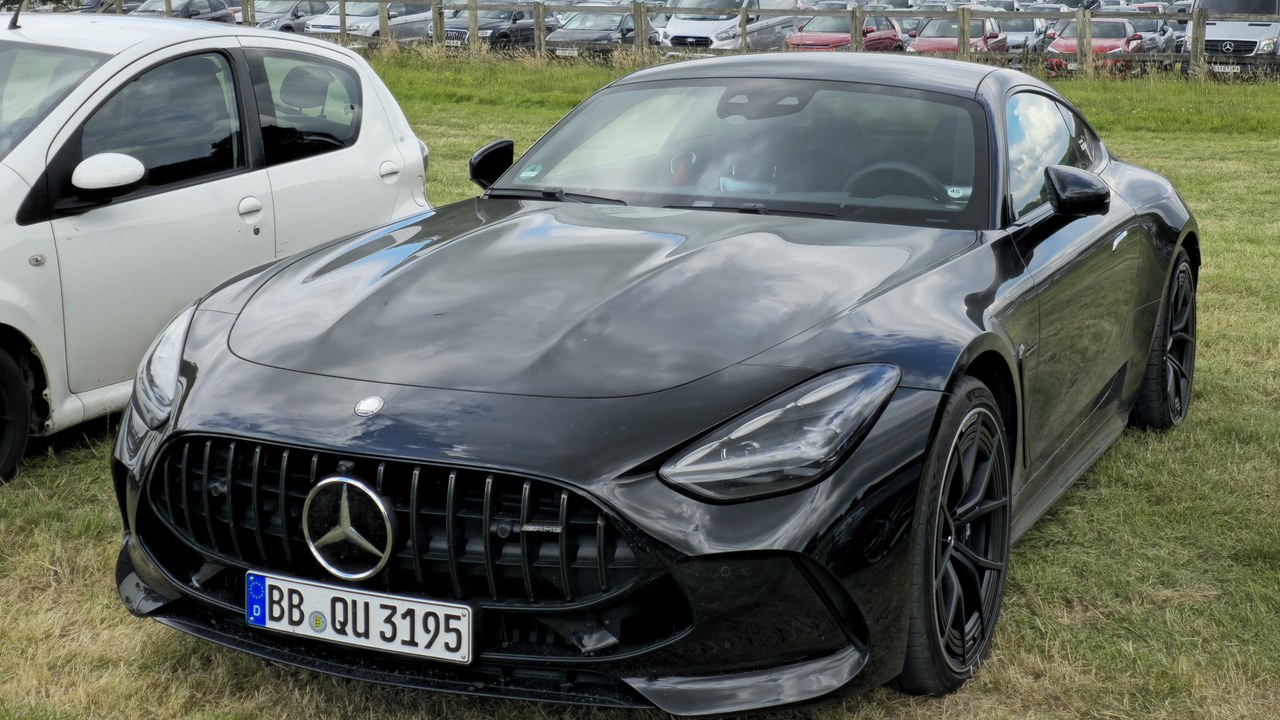
Mercedes-AMG ended the first-generation GT lineup, including the track-focused GT R variant, as the model shifted to a second generation built on a shared platform with the SL roadster. The GT R used a handbuilt twin-turbocharged V8 and Nurburgring-tuned suspension to become one of the fastest series-production cars ever lapped around that circuit. Its run lasted from 2017 to 2021 before AMG folded the nameplate into the redesigned range.
Because the GT R was built for a short window, low-mileage examples with the Green Hell Magno paint scheme have become especially collectible. The nameplate’s Nurburgring record run cemented its reputation as one of the sharpest handling AMG models ever built.
12. Toyota 86 (first generation): A Balanced Coupe Bows Out
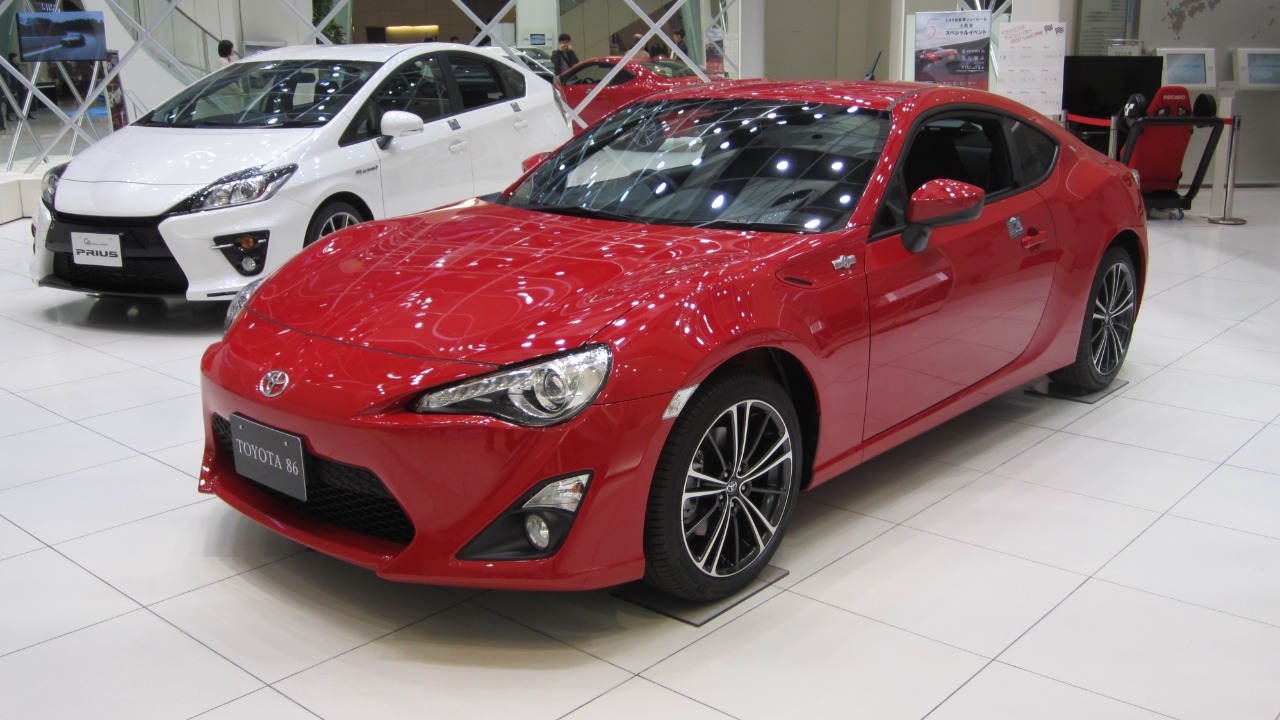
Toyota ended the first-generation 86 in 2020, closing out a car it had co-developed with Subaru and sold in badge-engineered form as the Scion FR-S and Subaru BRZ. The rear-wheel-drive coupe used a modest flat-four engine, prioritizing light weight and balanced handling over outright horsepower, a formula that won it a loyal following among driving enthusiasts. Toyota replaced it in 2022 with the more powerful second-generation GR86.
Because the first-generation 86 favored balance over raw power, it developed a reputation as an accessible entry point into rear-wheel-drive sports cars for newer drivers. Modified and lightly used examples remain popular in the used market among drivers seeking an affordable, engaging coupe.
More from Morning Overview
- A handful of SUVs keep hitting 300,000 miles, and they share one engine trait
- Supplements now rank as the fifth-leading cause of death from liver disease.
- A study names the one SUV most likely to reach 250,000 miles
- More than 60,000 people flee the Spokane area as complex fires overrun 600 structures
