
Winter is on its way, and some American cities will see far more snow than others. Syracuse, New York leads this group with 127.8 inches in an average year, while the cities that follow collect anywhere from just over fifty inches to more than a hundred. Here are twelve of America’s snowiest cities.
Save more, waste less: The Cool Down’s newsletter sends smart, simple changes that help you and the planet in your everyday life.
We may earn a commission if you sign up.
1. Syracuse, New York: Snow Capital of the List
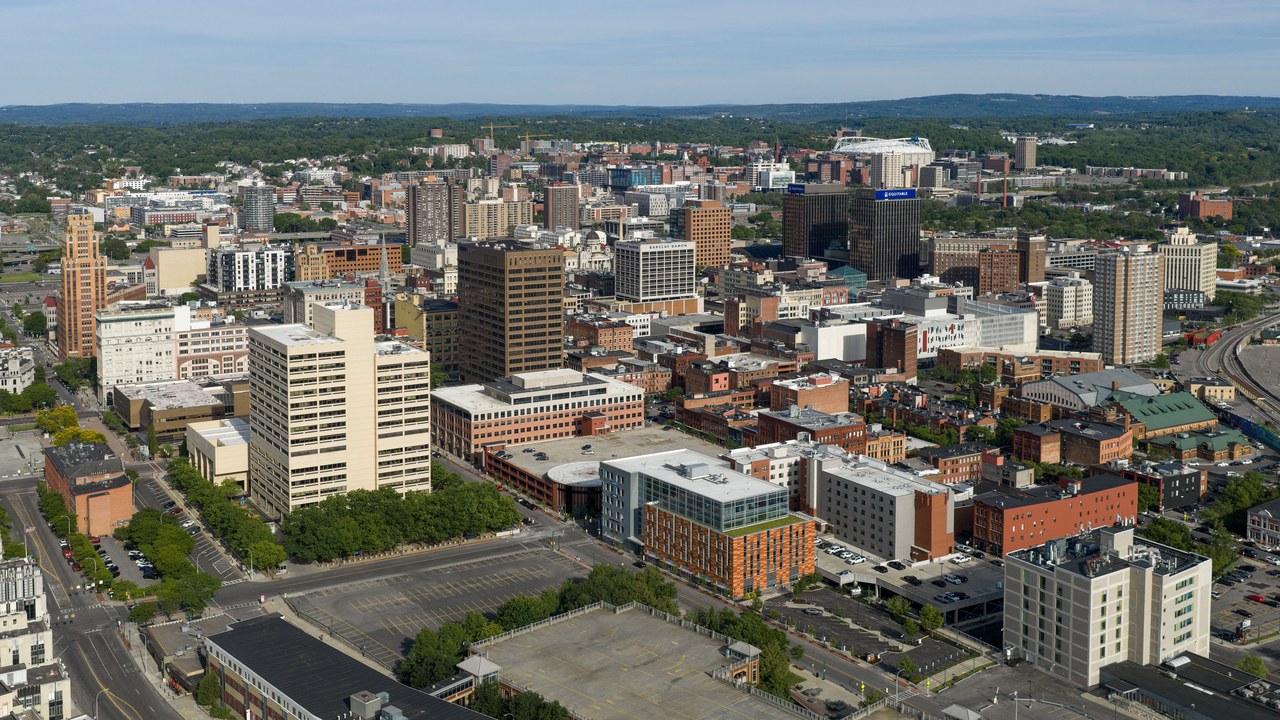
Syracuse tops the field with an average of 127.8 inches of snow a year, according to Fox Weather’s snowfall list. The figure rests on NOAA’s 1991-2020 climate normals, the most recent 30-year averages available for U.S. cities.
That total clears the next city on the list, Erie, by more than 23 inches. Because it is a long-term average, individual winters can land well above or below it, so one mild season does not change Syracuse’s standing as the snowiest city here.
2. Erie, Pennsylvania: Lakeside Heavyweight
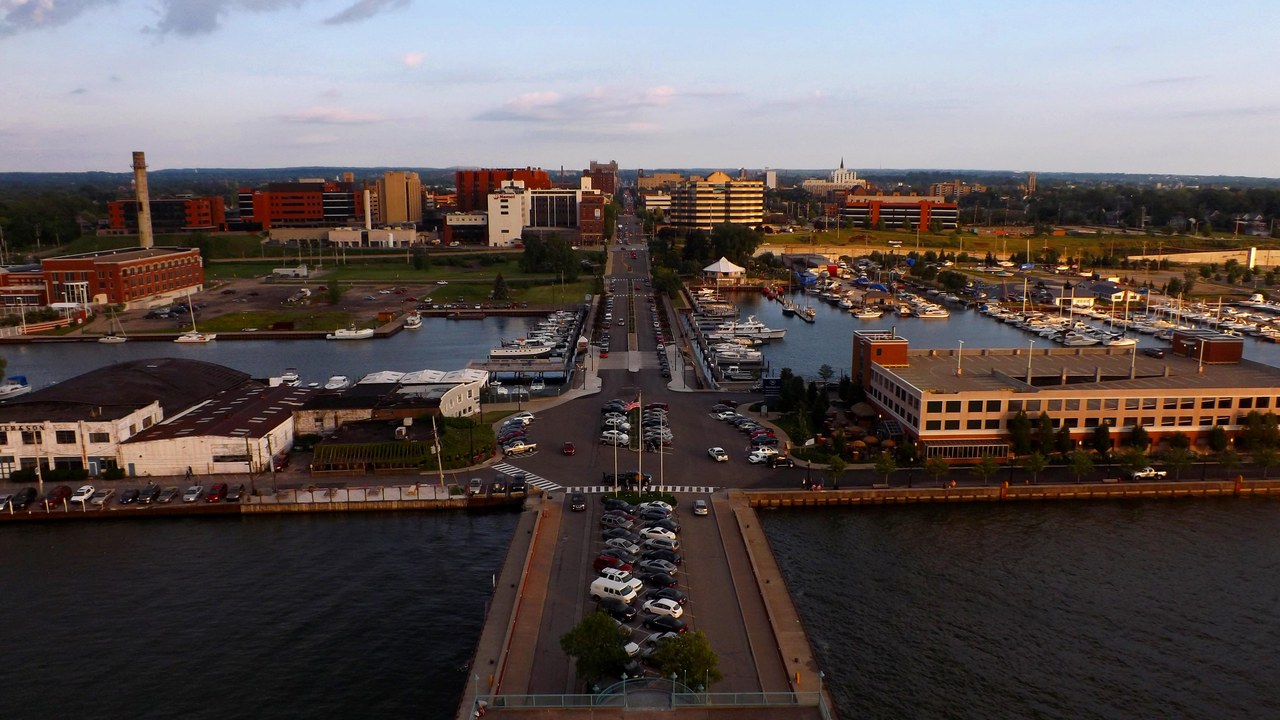
Erie, Pennsylvania averages 104.3 inches of snow a year, a total Fox Weather highlights among the nation’s snowiest cities. That puts the city second on this list, behind only Syracuse and about 23 inches short of its leading total.
The number is a multi-decade average rather than a forecast of any coming winter. Erie’s placement also reflects which cities a given list includes, since size cutoffs and data periods differ from one ranking to the next.
3. Rochester, New York: Triple-Digit Totals

Rochester’s snowfall normal is 102.0 inches a year, based on the 1991-2020 figures published on the National Weather Service Buffalo normals page. That makes it the third city on this list to pass the 100-inch mark.
Rochester sits just 2.3 inches behind Erie, a gap small enough that a single storm could erase it. Normals smooth out those swings into one dependable benchmark, which is why forecasters rely on 30-year averages instead of any single season.
4. Buffalo, New York: Buffalo’s Famous Reputation
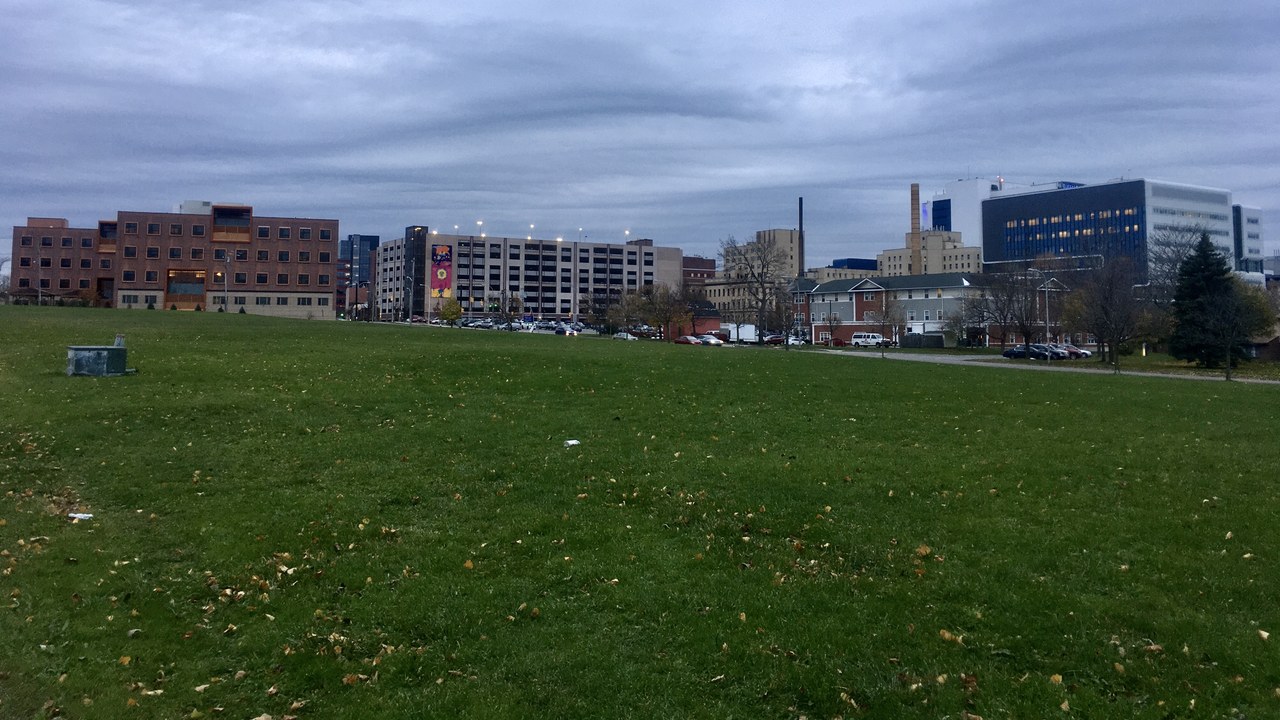
Buffalo’s 1991-2020 normal comes to 95.4 inches of snow annually, according to the NWS Buffalo climate normals. That is high enough to rank fourth here, and it comes from the same agency data used for neighboring Rochester.
The city’s name is practically shorthand for heavy winter weather, yet its average trails both Syracuse and Rochester. Reputation often follows a few headline storms rather than the long-run totals, which tell a more even story.
5. Boulder, Colorado: Front Range Powder
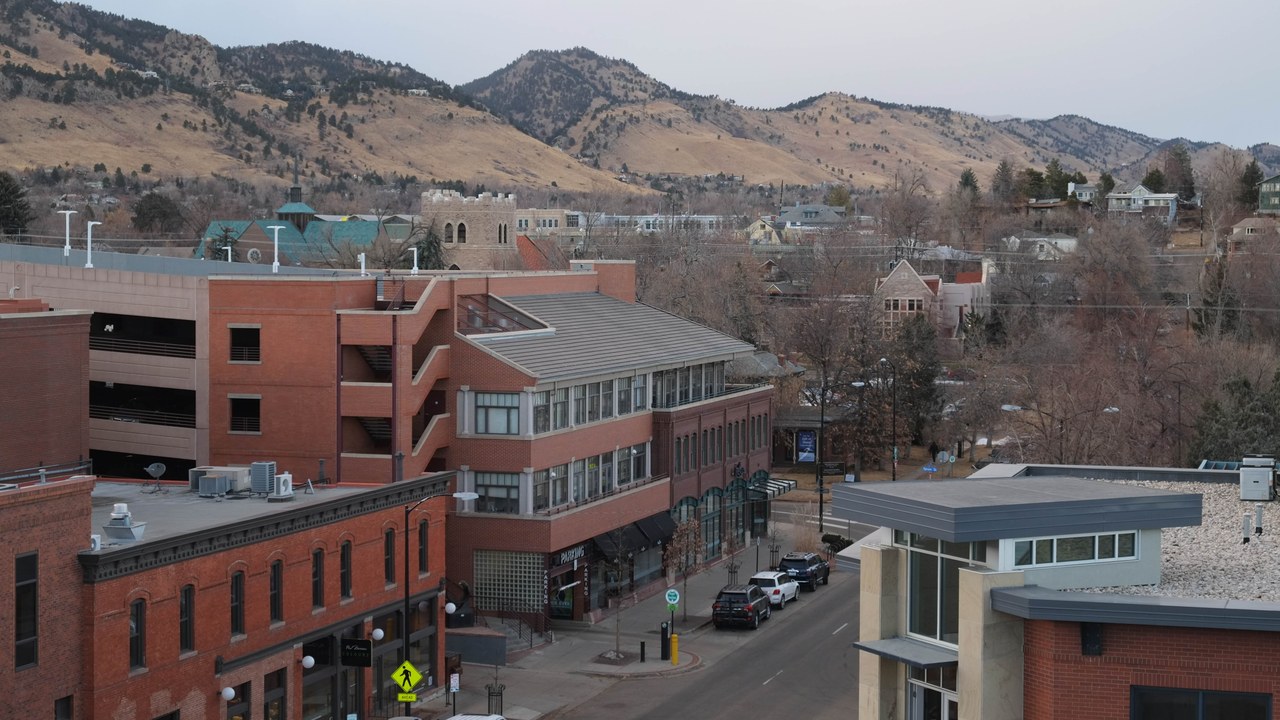
Boulder, Colorado averages 92.8 inches of snow a year, based on the figures in Fox Weather’s ranking of snowy cities. That is only 2.6 inches below Buffalo’s normal, and it is the first Western city to appear on this list.
Boulder may not be what most readers picture as a major city, and the list covers places of different sizes. Even so, the average shows that heavy snow is not limited to the Great Lakes and the Northeast.
6. Duluth, Minnesota: North Shore Winters
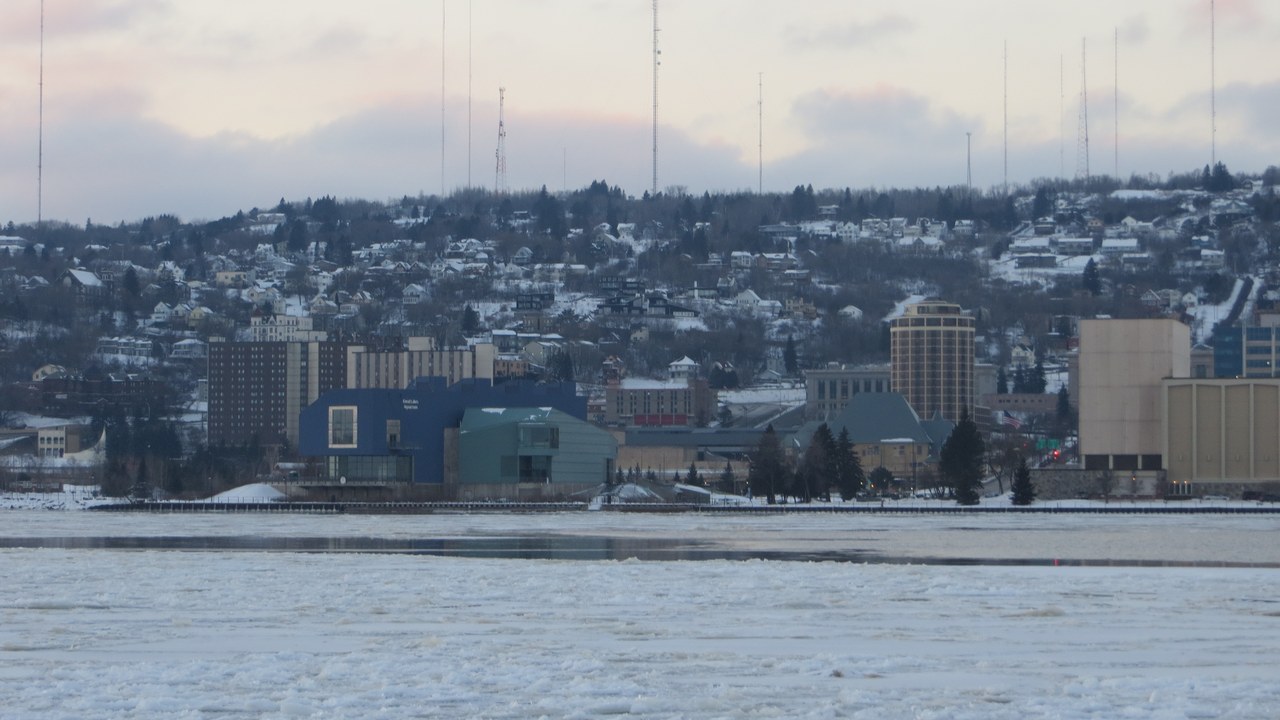
Duluth, Minnesota records 90.2 inches of seasonal snow, which Redfin’s analysis of snowiest cities places sixth. The ranking draws on NCEI data and covers larger U.S. cities, so it differs in method from the lists behind the cities above it.
The figure is a seasonal average, so it measures a full winter rather than any single month. Duluth lands just 0.1 inch ahead of Flagstaff, making the order between those two razor thin on the numbers available.
7. Flagstaff, Arizona: Desert State, Deep Snow
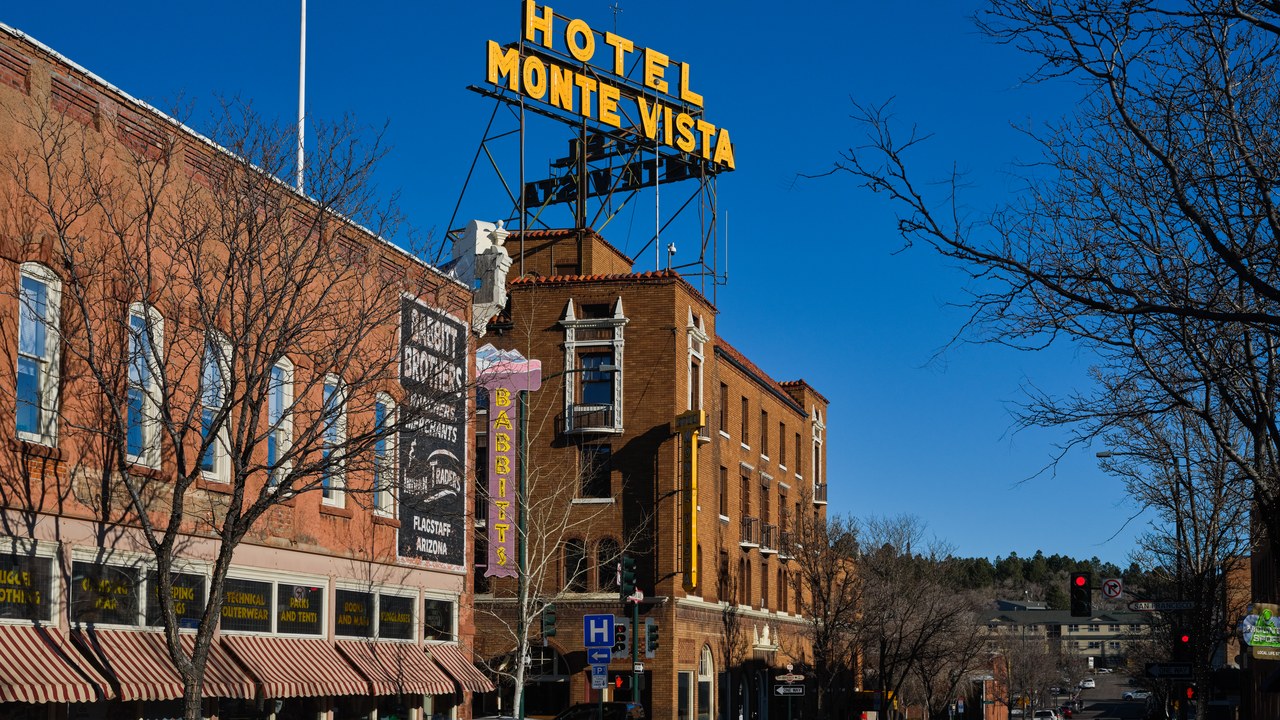
Flagstaff, Arizona averages 90.1 inches of snow a year, per Fox Weather’s city snowfall figures. Arizona is better known for desert heat, which makes a total approaching 90 inches a surprise to many readers.
The result shows that elevation and geography can matter as much as latitude. Flagstaff finishes essentially level with Duluth, separated by only a tenth of an inch in the sources used here. Both cities also sit close to Buffalo’s 95.4 inches, which keeps the upper half of the list tightly bunched.
8. Anchorage, Alaska: Alaska on the Board
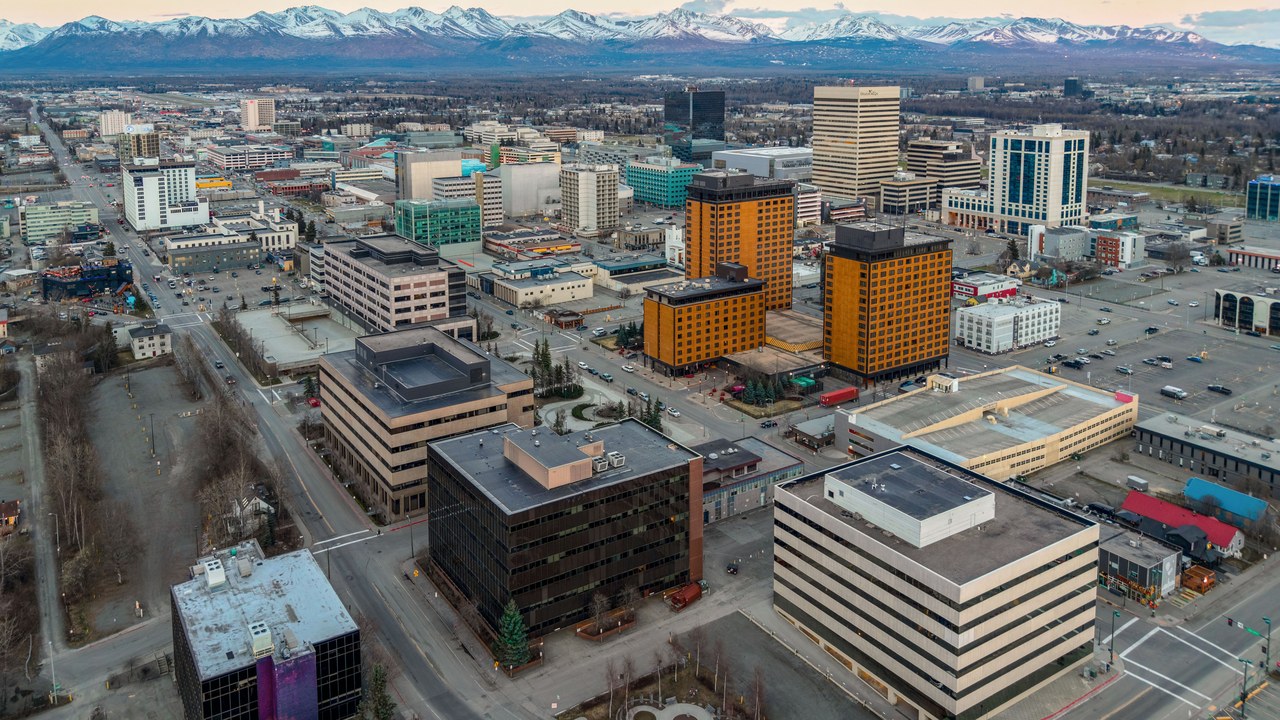
Anchorage averages 77.9 inches of seasonal snow, according to Redfin’s snowiest cities report. That is the figure that earns the Alaska city a spot among the eight snowiest cities on this list.
The number drops noticeably from the 90-inch cities above it, by roughly 12 inches. Seasonal averages like this one summarize an entire winter, so the day-to-day experience of snow in Anchorage can vary widely from one month and one winter to the next.
9. Grand Rapids, Michigan: Michigan’s Snowy Hub
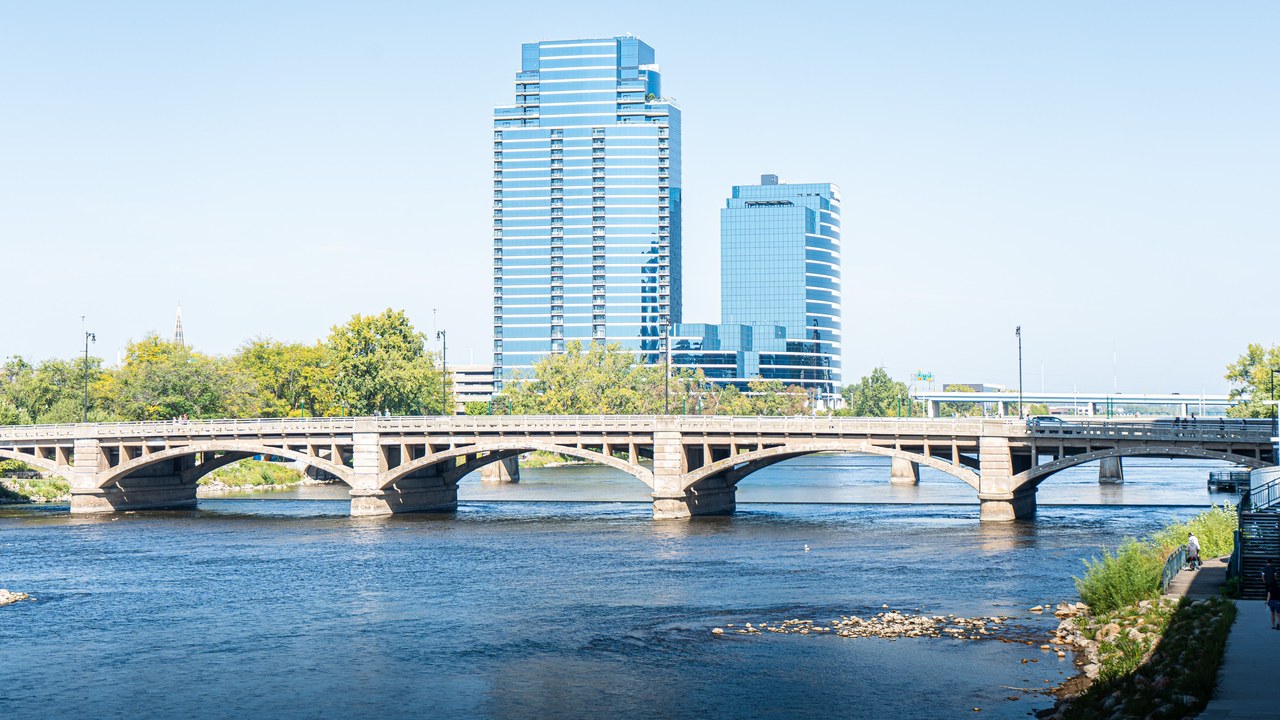
Grand Rapids, Michigan averages 77.6 inches of seasonal snow, as Redfin’s ranking of snowy cities reports. It sits a mere 0.3 inch behind Anchorage, so the two are effectively tied on the numbers.
That near tie shows how closely packed the middle of the list is. A couple of heavy storms in any given winter could easily reshuffle the order of these neighboring cities, even though the averages themselves would barely move.
10. Worcester, Massachusetts: Massachusetts Heavy Hitter
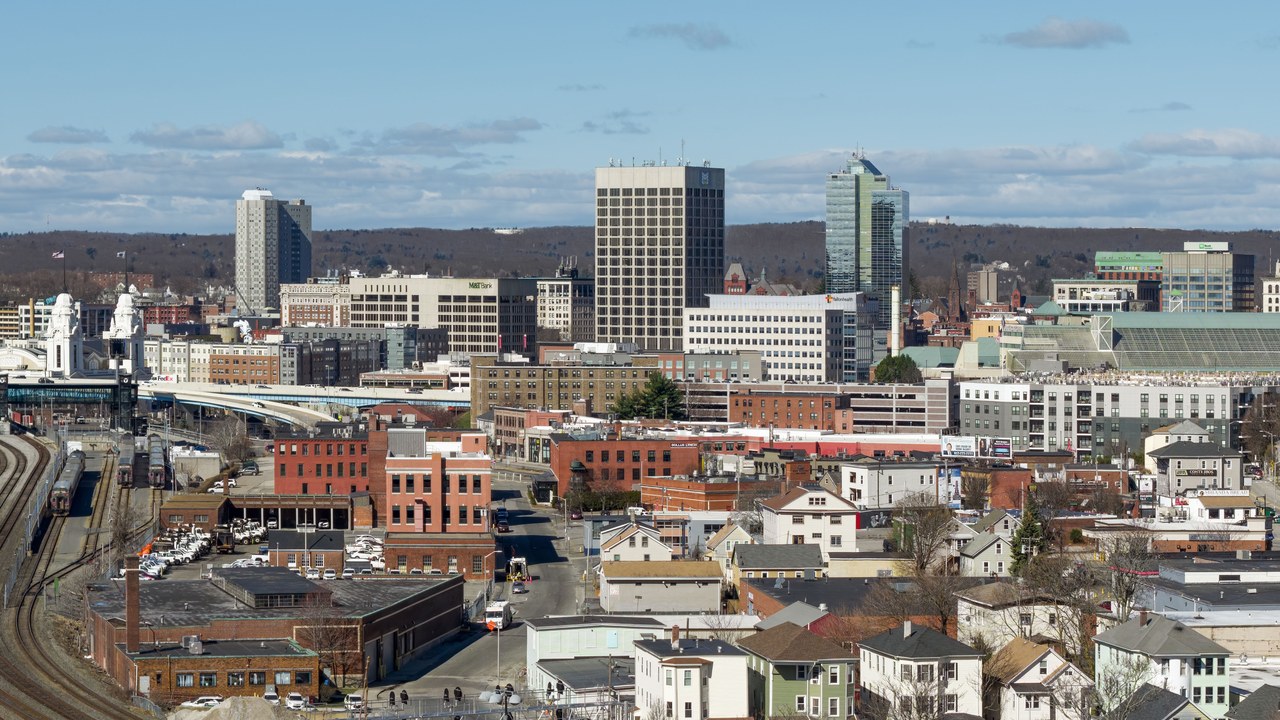
Worcester, Massachusetts averages 72.9 inches of seasonal snow, which Redfin’s snowfall comparison counts among the heaviest in the country for cities of 75,000 or more residents. It is the only New England city on this list.
Worcester’s total sits about five inches under Grand Rapids and nearly 55 inches below Syracuse. Even so, the seasonal average is a substantial amount of snow, and it earns the city a place in the top ten here.
11. Cleveland, Ohio: Lake Erie’s Big Metro

Cleveland, Ohio averages 63.8 inches of snow a year over the 1991-2020 period, per CurrentResults’ annual snowfall table. The page cites NCEI data for its figures, and the number is the second-lowest on this list.
This entry comes from a different source than most of the ones above it, so its exact place relative to the other cities should not be read too literally. The number still confirms Cleveland as a distinctly snowy metro.
12. Salt Lake City, Utah: Snowy Despite the Sunshine
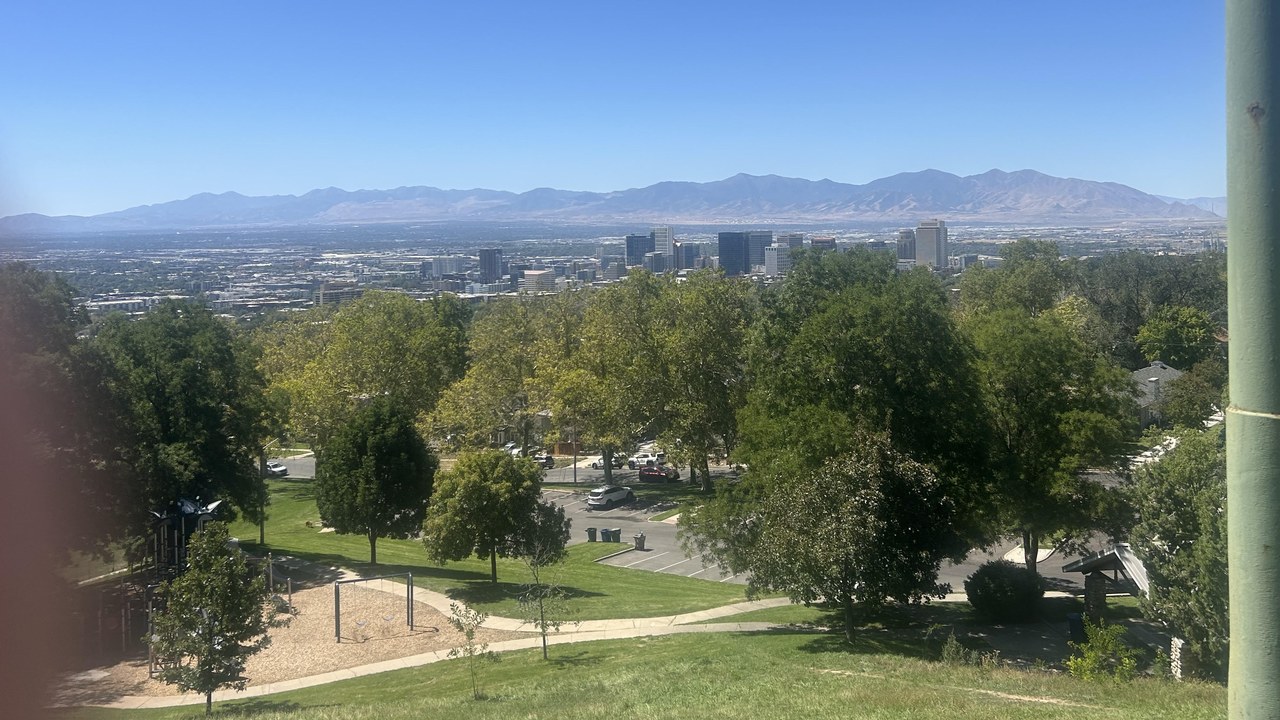
Salt Lake City averages 51.9 inches of snow a year for 1991-2020, according to CurrentResults’ snowfall by city. That is the smallest total of the twelve cities, and it closes out this list.
At roughly 76 inches below Syracuse, the gap is large, but the figure is still a meaningful winter load. Because other lists include places with similar totals, no exact national rank should be assumed for this entry, only that it belongs in the conversation.
Save more, waste less: Subscribe to The Cool Down →
We may earn a commission if you sign up.
More from Morning Overview
- Lake Powell sank to a record 3,517 feet, nearing the level that stops Glen Canyon Dam’s turbines
- Seven of Earth’s nine planetary boundaries are breached, and all seven are worsening
- The NSA says three phone features should be off whenever you aren’t using them
- Hurricane Hunter radar shows four warning signs that a tropical cyclone is about to strengthen, a University of Miami study found
