
Mid-engine layouts once belonged almost exclusively to million-dollar exotics, but the arrangement has spread across a much wider price range in recent years. Automakers from Chevrolet to Aston Martin now place the engine behind the driver for the handling balance it delivers, whether the power comes from a naturally aspirated V8 or a hybrid V12. Here are twelve mid-engine cars still available new from a dealership today.
1. Chevrolet Corvette Stingray (C8): America’s Bargain Supercar
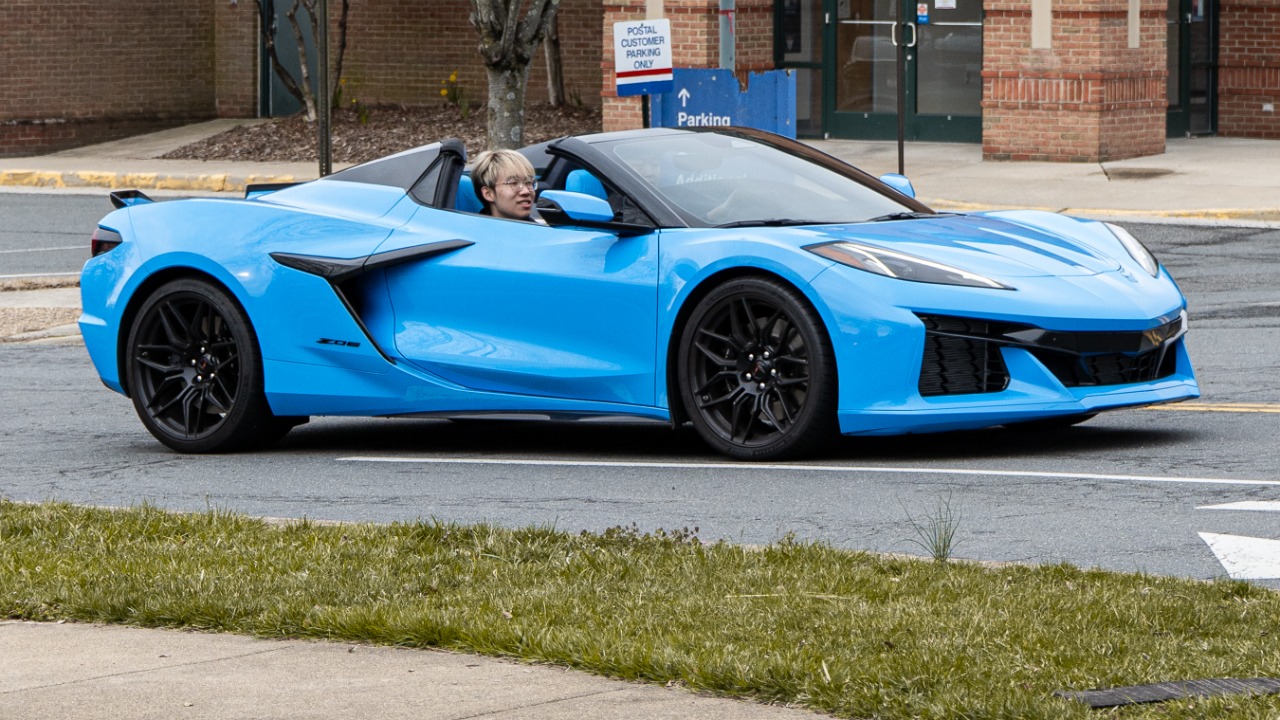
The base mid-engine Corvette puts a 6.2-liter naturally aspirated V8 directly behind the cockpit, a layout General Motors had resisted for generations before finally adopting it for the C8. Pricing starts under $70,000, cheaper than nearly every other car on this list.
That combination of everyday usability, a dual-clutch automatic, and genuine mid-engine handling balance has made it the volume leader of the group, outselling every rival nameplate here combined.
2. Chevrolet Corvette Z06: The Flat-Plane Screamer
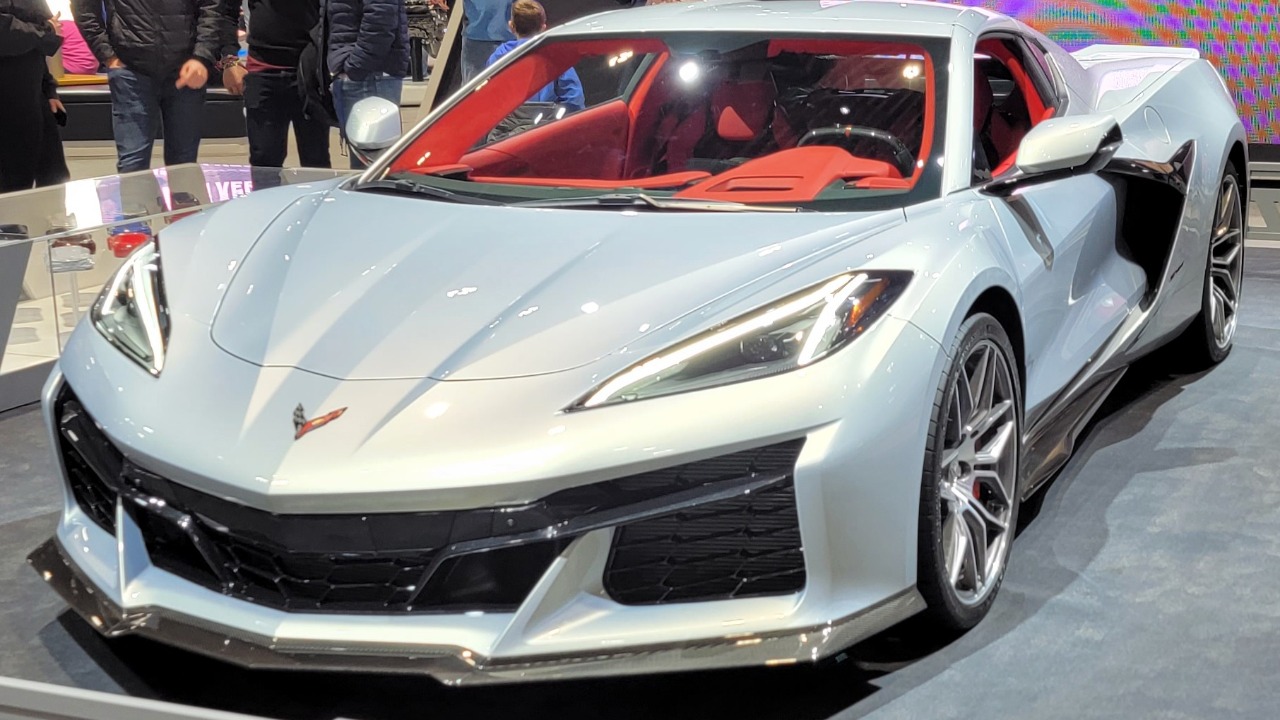
The C8 Z06 variant swaps the Stingray’s pushrod engine for a bespoke 5.5-liter flat-plane-crank LT6 V8 mounted amidships, producing 670 horsepower and spinning to an 8,600 rpm redline unmatched by any naturally aspirated production V8 from Detroit.
Wider fenders, larger brakes, and a track-tuned suspension separate it visually and mechanically from the standard car, positioning it as Chevrolet’s answer to European mid-engine rivals costing triple the price, while still serving as reliable daily transportation.
3. Ferrari 296 GTB: The Hybrid V6 Surprise
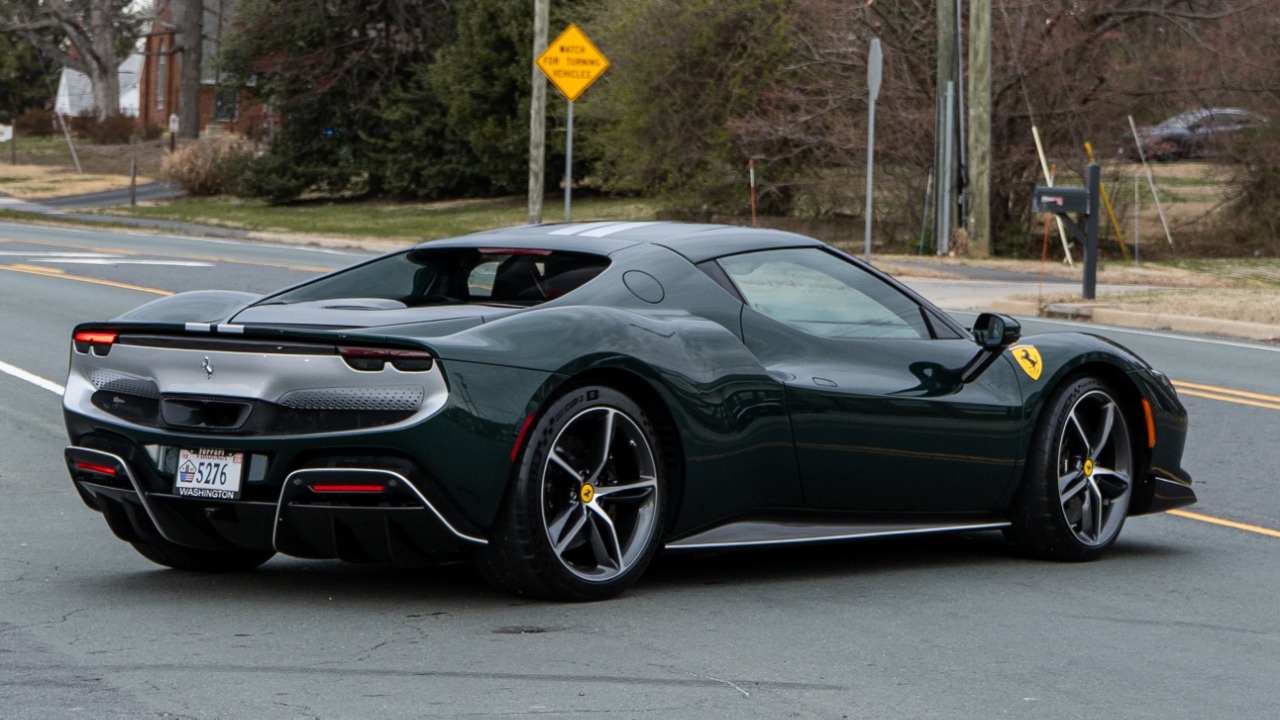
Ferrari dropped two cylinders from its V8 tradition for the 296 GTB, pairing a twin-turbo V6 with an electric motor for a combined output that launches the rear-mid-engine coupe to 60 mph in roughly 2.9 seconds.
The shorter engine allowed Maranello’s engineers to move the block further back and lower, tightening the car’s center of gravity beyond what the larger V8 models can achieve, a factor that shows up directly on a stopwatch at any track day.
4. Ferrari SF90 Stradale: Nearly A Thousand Horses
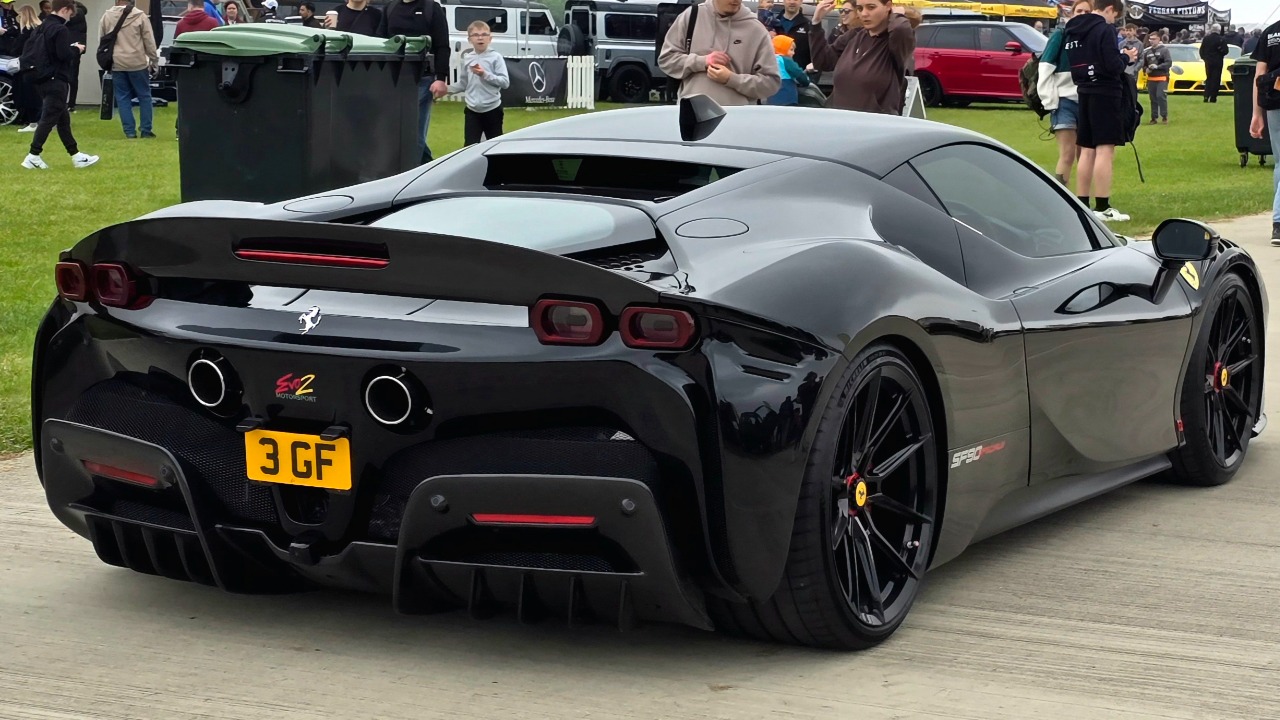
Three electric motors join a twin-turbo V8 in the SF90 Stradale, Ferrari’s mid-engine plug-in hybrid flagship, for a combined output that approaches 1,000 horsepower and all-wheel drive traction pulled from the front axle motors alone.
The battery pack allows a short pure-electric range for quiet neighborhood driving, a first for a Ferrari road car, before the V8 wakes up for full performance, a split personality no naturally aspirated Ferrari before it could offer.
5. Lamborghini Revuelto: V12 Meets Electric Power
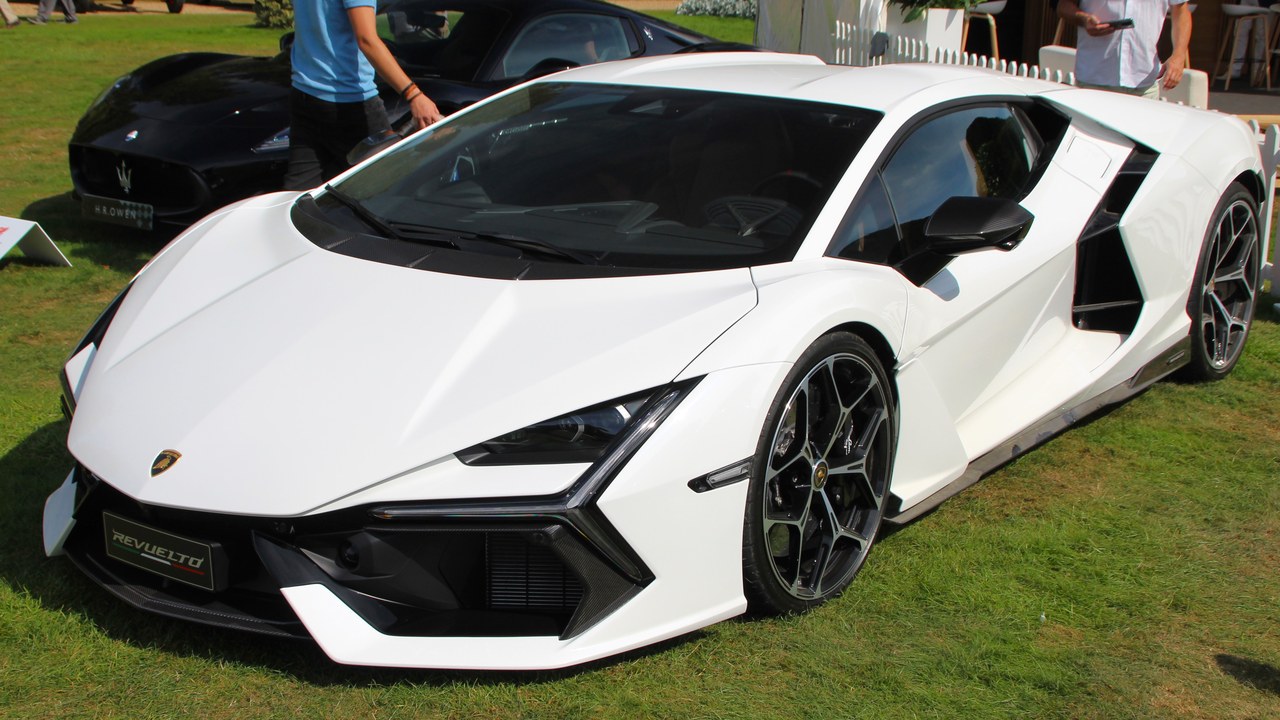
A naturally aspirated 6.5-liter V12 works alongside three electric motors in the Lamborghini Revuelto, Lamborghini’s flagship successor to the Aventador, combining for roughly 1,001 horsepower through a mid-mounted hybrid powertrain.
Lamborghini kept the naturally aspirated engine even as rivals turned to turbocharging, betting that the sound and response of a screaming V12 still matters to buyers at this price point, even as the rest of the segment shifts almost entirely toward turbocharged V8s.
6. Lamborghini Temerario: Huracan’s Hybrid Heir
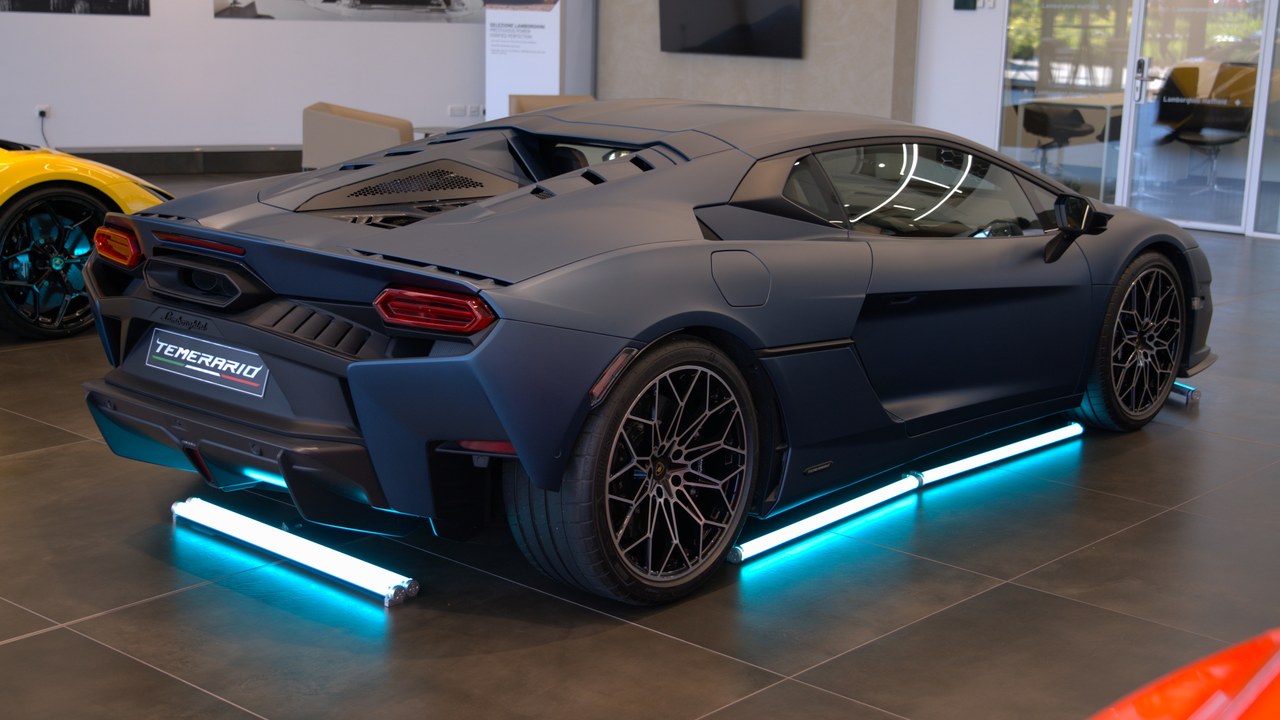
Replacing the naturally aspirated Huracan, the Lamborghini Temerario centers a twin-turbo V8 hybrid amidships, marking Lamborghini’s shift away from the high-revving atmospheric engines that defined the brand for decades.
Three electric motors supplement the combustion engine, adding low-end torque and all-wheel drive capability that the outgoing Huracan’s purely mechanical drivetrain never offered, positioning the newcomer as a faster, more capable, and notably heavier machine than the car it succeeds, reflecting a broader industry trend toward electrified powertrains even among purist-focused marques.
7. McLaren Artura: The Series-Hybrid Entry Point
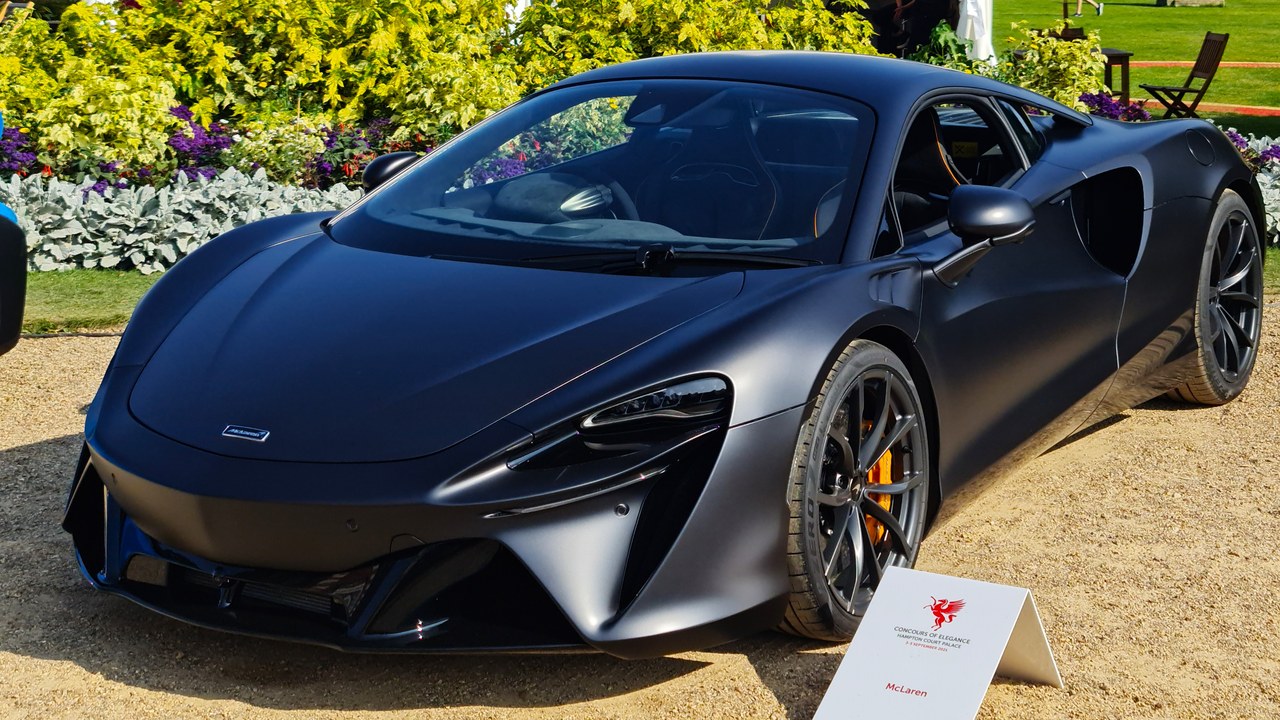
McLaren’s series-production hybrid, the McLaren Artura, pairs a twin-turbo V6 with a single electric motor mounted directly to the engine, together producing roughly 690 horsepower from a compact mid-mounted package.
It serves as the entry point to McLaren’s current lineup, built on a new carbon-fiber architecture that replaced the aging tub underpinning the brand’s earlier V8 models, giving McLaren a modern hybrid foundation to build future variants upon, from track-focused trims to eventual open-top spider versions.
8. McLaren 750S: 720S Successor, Sharpened
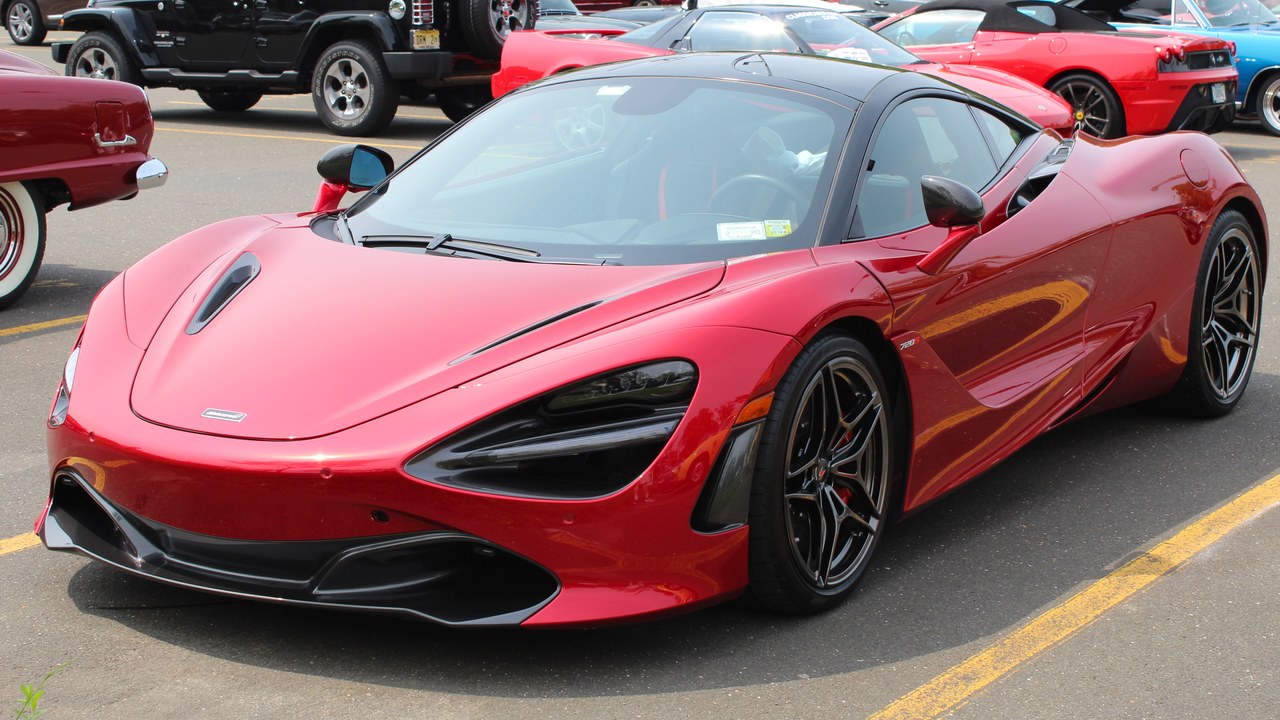
The McLaren 750S carries a mid-mounted 4.0-liter twin-turbo V8 producing 740 horsepower inside a carbon-fiber tub that keeps the car’s dry weight lower than most rivals in this group.
It borrows chassis tuning and aerodynamic elements from the limited-run 765LT, effectively bringing that track-focused hardware to a broader production run for regular customers, a rare case of race-derived engineering trickling down rather than being reserved for a handful of collectors worldwide.
9. Maserati MC20: Modena’s V6 Return
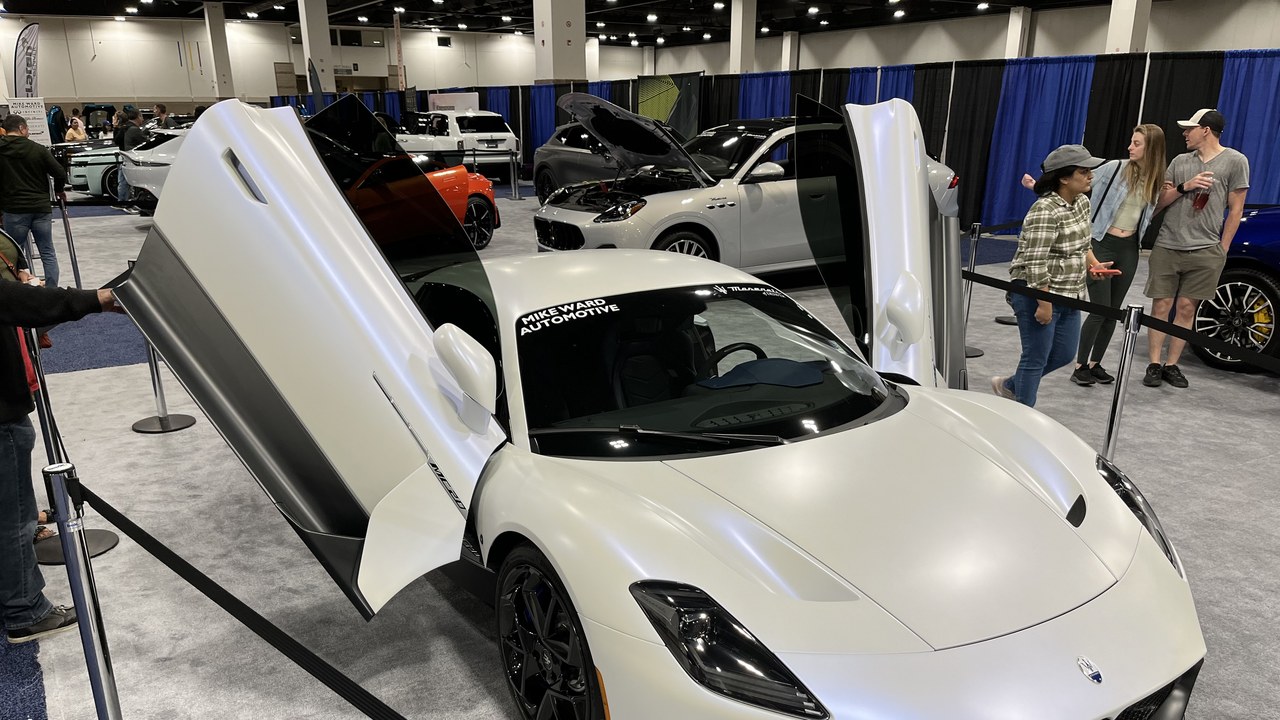
A bespoke 3.0-liter twin-turbo V6 mounted midship powers the Maserati MC20, producing 621 horsepower and a 60 mph time of about 2.9 seconds from Maserati’s first clean-sheet supercar in years.
Butterfly doors and a low, uninterrupted greenhouse distinguish its silhouette, while the engine’s unusual pre-chamber combustion system borrows ignition technology developed originally for Formula One racing, a rare instance of motorsport ignition science reaching a road-going production car available right now.
10. Lotus Emira: The Last Combustion Lotus
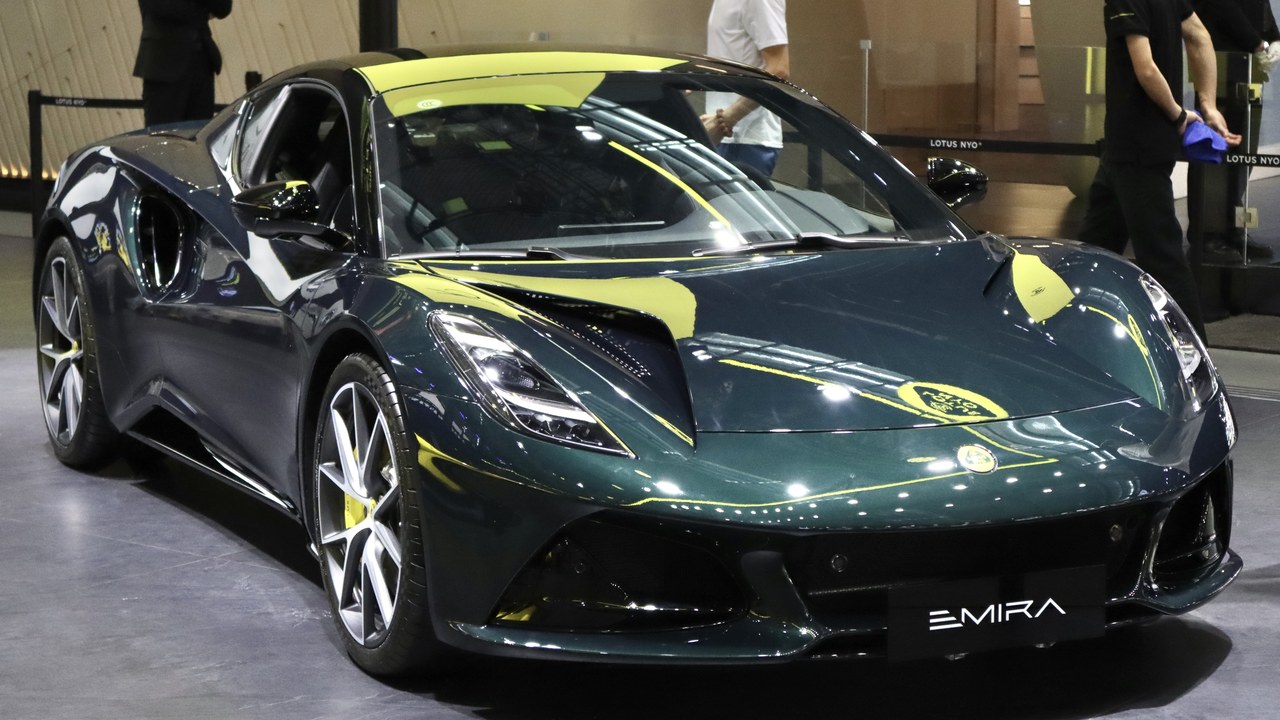
Lotus built the Lotus Emira as its final gasoline-powered sports car before an all-electric future, keeping the engine mounted amidships and offering a rare manual gearbox alongside either a four-cylinder or supercharged V6.
Its lightweight aluminum chassis continues a design philosophy Colin Chapman established decades ago, prioritizing low mass and direct steering feedback over outright horsepower figures, a formula the brand plans to carry forward even as its powertrains change entirely.
11. Aston Martin Valhalla: Aston’s First Mid-Engine Series Car
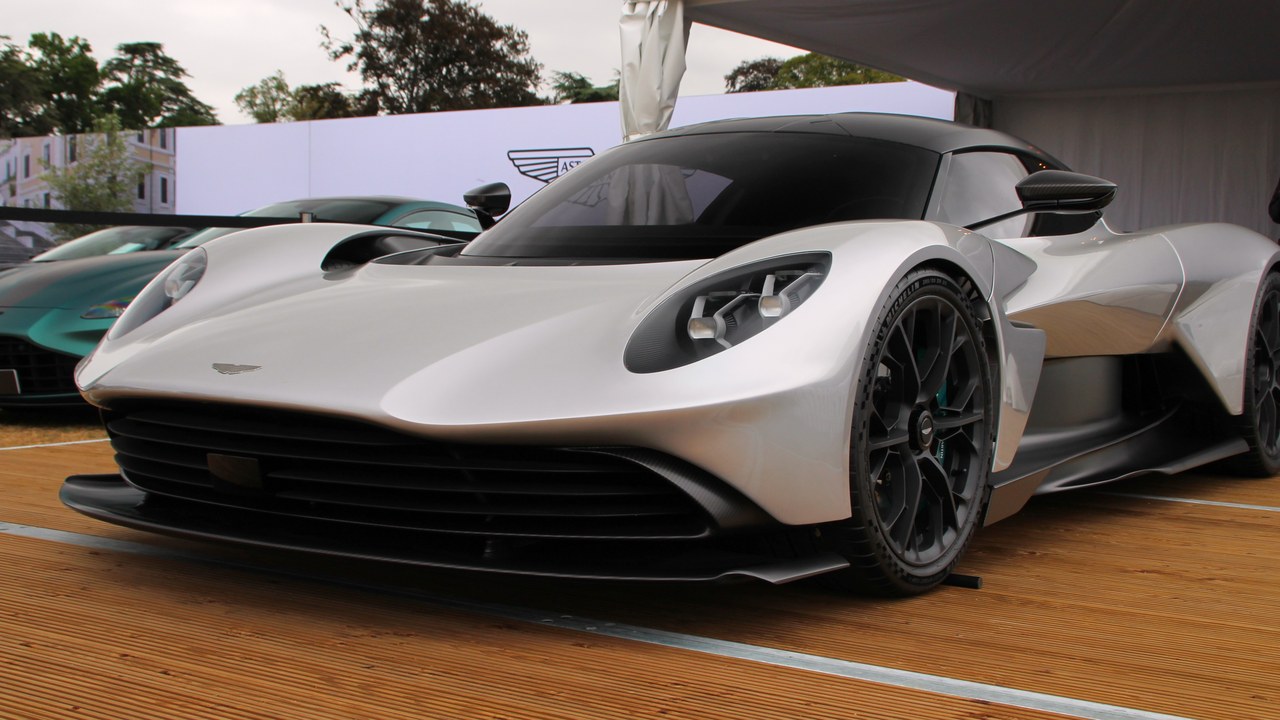
Aston Martin built its Aston Martin Valhalla around a twin-turbo V8 plug-in hybrid making over 1,000 horsepower, the marque’s first series-production mid-engine model after decades of front-engine grand tourers.
Formula One aerodynamic principles shaped the underbody and active suspension, technology transferred directly from the brand’s motorsport program into a car customers can actually drive on public roads, not just closed circuits reserved for factory test drivers and racing professionals alone, unlike most hypercars of similar performance.
12. Porsche 718 Cayman: The Purist’s Farewell Lap
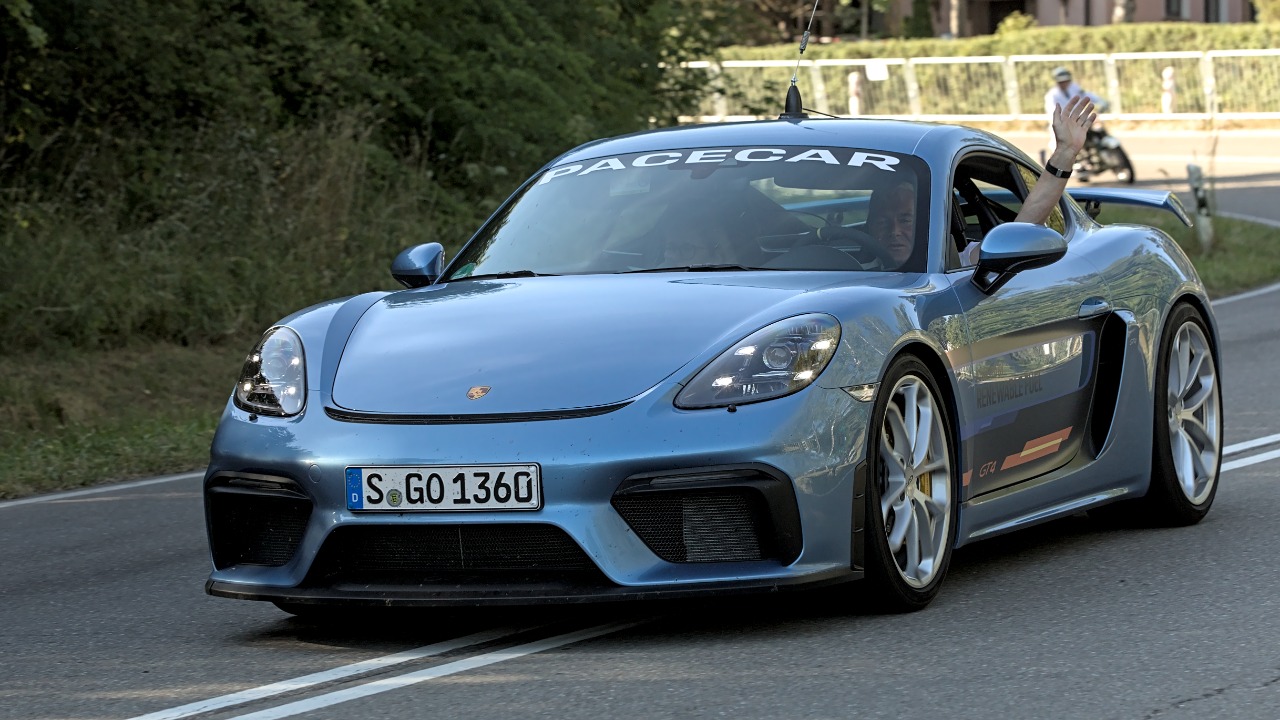
Porsche keeps the 718 Cayman mounted true mid-engine, offering a flat-four or flat-six layout during what are expected to be the final combustion model years before an electric successor arrives.
Its low center of gravity and near-perfect weight distribution have long made it a favorite among driving purists, even against pricier siblings wearing the 911 badge, a reputation the model has held since its earliest Boxster-based ancestor decades back now.
More from Morning Overview
- The NSA is again telling phone owners to switch off one location setting
- Four U.S. startups fired up their first small nuclear reactors, aiming to power AI data centers on-site
- 11 engines built to run well past 200,000 miles
- A handful of car transmissions are so tough that mechanics say they almost never die
