
Kia entered the American market in 1993 with a pair of modest models and sold just 12,163 vehicles across its entire lineup the following year. Since then, a succession of sedans, SUVs, minivans and electric models has changed how American buyers view the brand. Here are twelve Kias that drove that rebuilding, from the Sephia to the EV9.
Stay ahead on AI: Join 600,000+ professionals who read The Deep View, the daily newsletter that keeps you up to date with artificial intelligence.
We may earn a commission if you sign up.
1. Kia Sephia: Kia’s U.S. Beginning
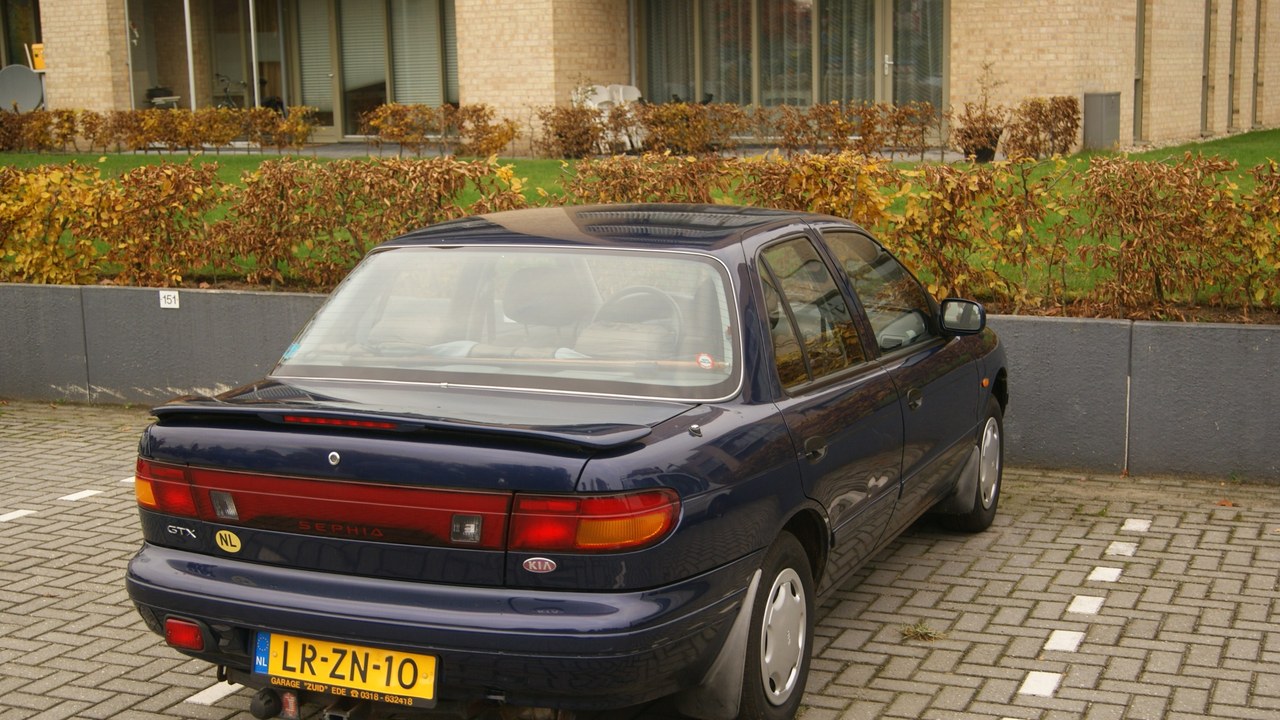
Kia’s U.S. debut car arrived in 1993, and the Sephia carried the brand through its smallest years. A Kia Worldwide heritage account notes that in 1994 the company sold just 12,163 units in the United States across its whole lineup.
That figure covers every Kia sold that year rather than the Sephia alone. It sets the low starting line against which every later model in this gallery is measured, which makes the climb that followed all the more striking.
2. Kia Sportage: The Other Launch Model

The Sportage 4×4 was the other half of Kia’s 1993 American launch, a small SUV sold alongside the Sephia. Wikipedia’s Kia America entry names the Sephia and the Sportage 4×4 as the first two models introduced to the U.S. market that year.
Pairing a sedan with a compact four-wheel-drive utility gave the newcomer two different ways into showrooms from day one. The Sportage nameplate has outlasted that debut by decades, a quiet sign that the SUV bet was a sound one.
3. Kia Sedona: Kia’s First Minivan Here
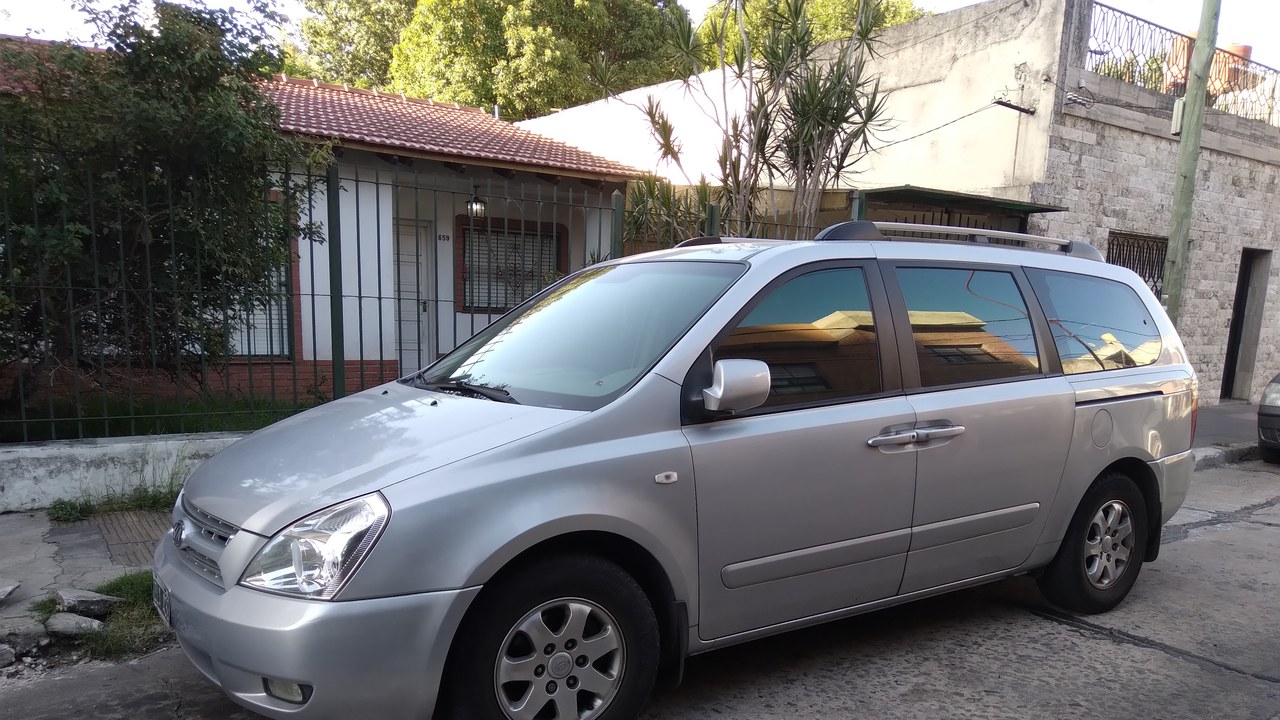
The Sedona nameplate was introduced in the United States in 2001, according to the Kia Sedona article. Early U.S. versions used a 3.5 L Hyundai V6 making 195 hp.
A family minivan broadened Kia beyond small cars and compact SUVs at a moment when the brand was still proving itself to American buyers. Its engine came from Hyundai, a reminder of how closely the two companies worked as Kia grew its U.S. presence.
4. Kia Rio: The Cheapest New Car
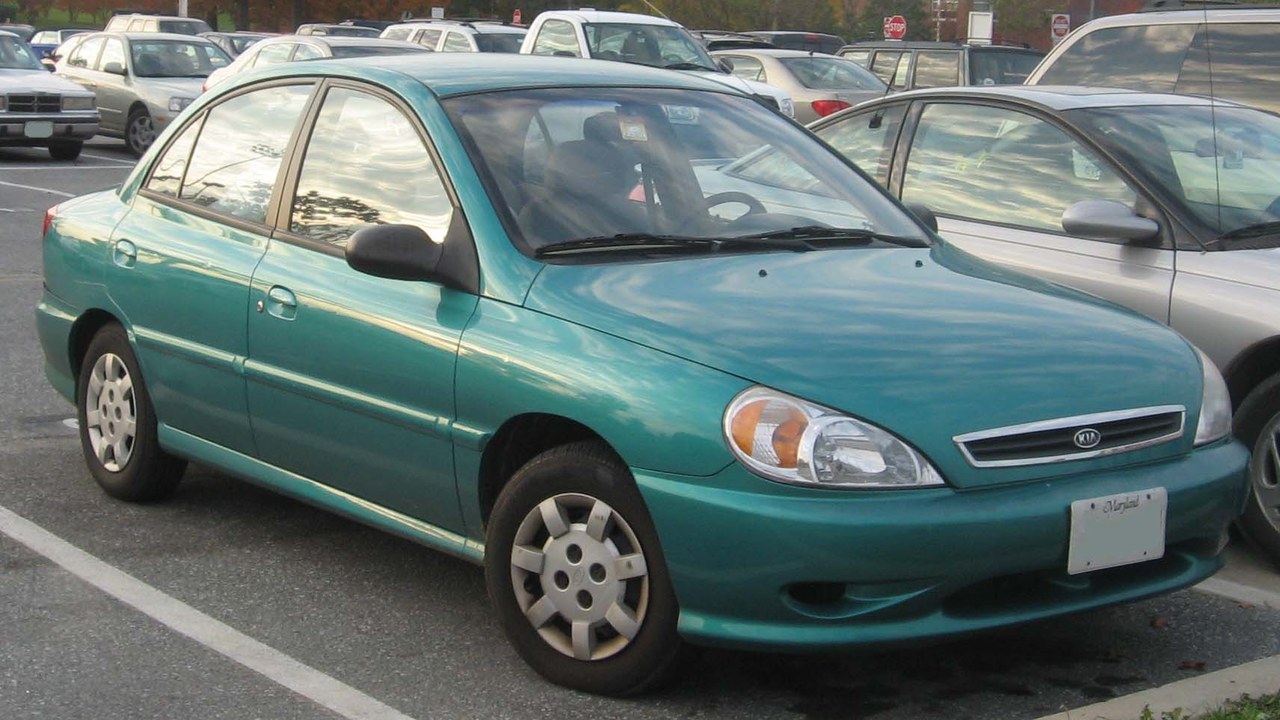
The Rio reached American showrooms for model year 2001, and Wikipedia says it was the least-expensive mass-produced car sold in the United States when released. The Kia Rio entry lists 51,541 sales in 2001.
Selling more than fifty thousand cars in a single year was a big step from the brand’s 1994 total of 12,163. Rock-bottom pricing was the hook, though it also fixed a bargain image that the company later worked hard to move beyond.
5. Kia Sorento: The Georgia Pioneer
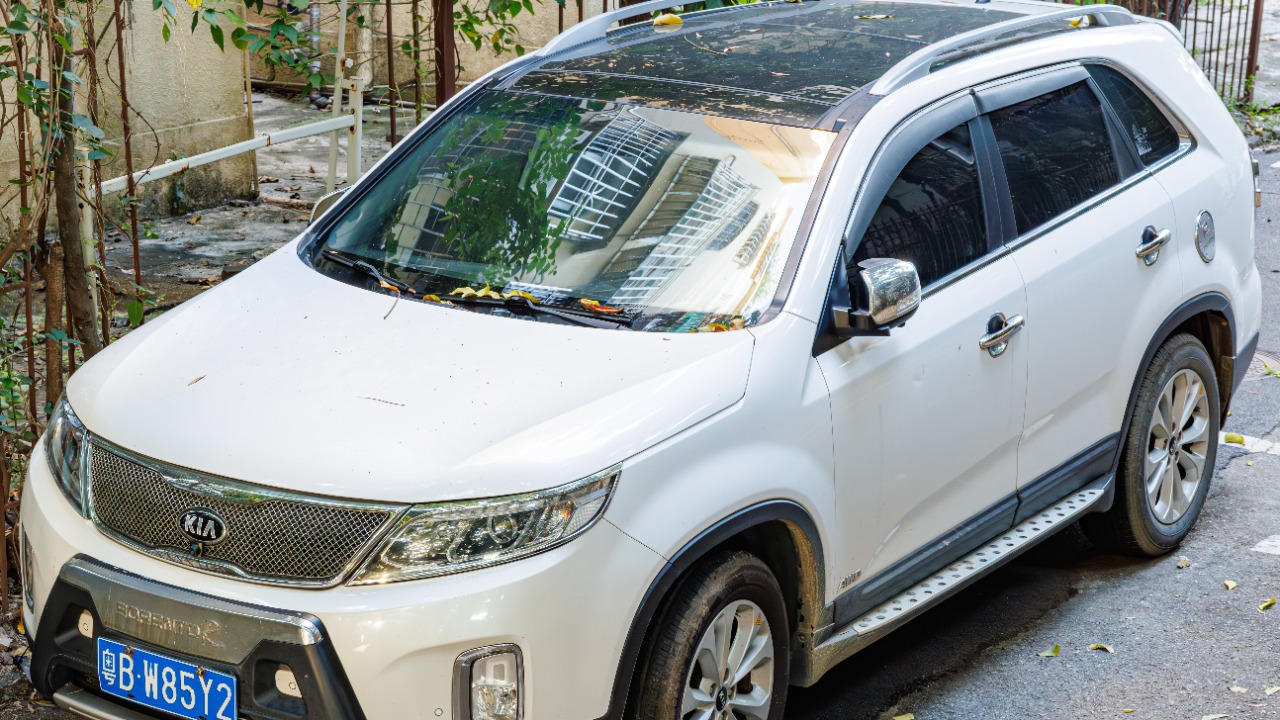
The Sorento was the first model built at Kia’s Georgia plant, where production began in November 2009. A Kia Worldwide heritage page adds that Consumer Reports named it Best Family SUV of 2011.
Building a vehicle on American soil tied the brand more closely to the market it had entered with a single-year total of 12,163 in 1994. The family-SUV recognition also gave Kia a respected outside endorsement at a time when quality perception mattered.
6. Kia Soul: The Hamster Hit
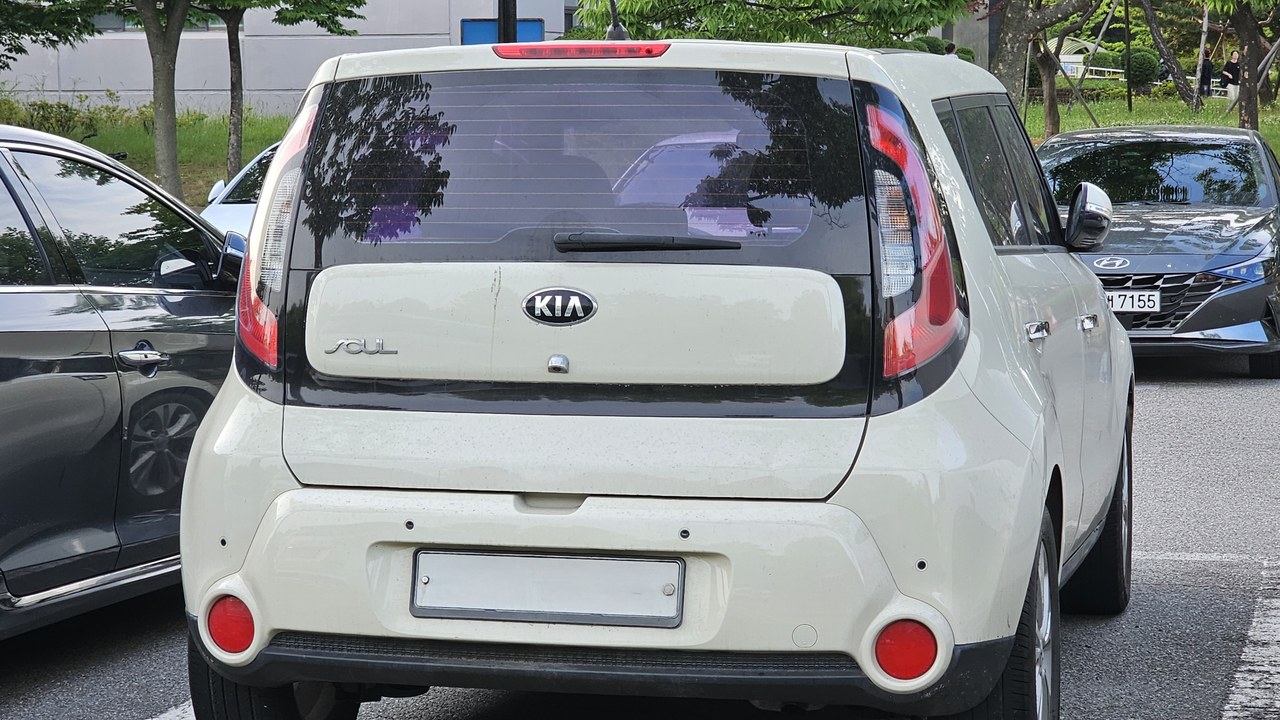
The boxy Soul’s U.S. sales table starts at 31,621 in 2009 and passes 100,000 a year from 2011 to 2018, helped by the hamster ads. The Kia Soul article also records that Kia announced the model’s discontinuation on Oct. 6, 2025.
Few Kias captured attention the way this offbeat shape did, and its sales run showed that design and marketing could matter as much as price. The planned discontinuation closes a long chapter for one of the brand’s most distinctive American successes.
7. Kia Optima: The Mid-Size Contender
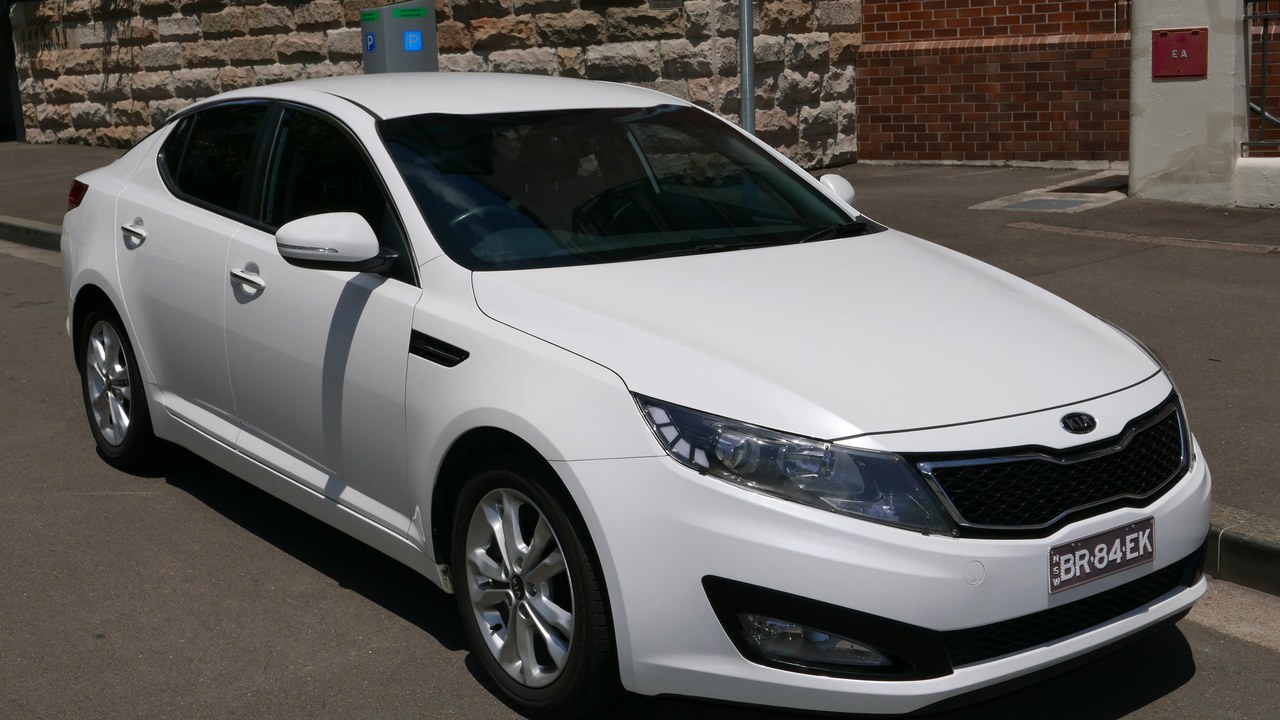
The mid-size Optima joined Kia’s Georgia plant in 2011, and it is now sold as the K5. Wikipedia’s Kia America history describes it as a mid-size sedan built alongside the Sorento.
Moving into the heart of the sedan market put Kia directly against long-established mid-size rivals on their home turf. The later rename to K5 shows how the company kept reshaping its lineup while the underlying family-sedan idea stayed the same.
8. Kia Stinger: Rear-Drive Fastback
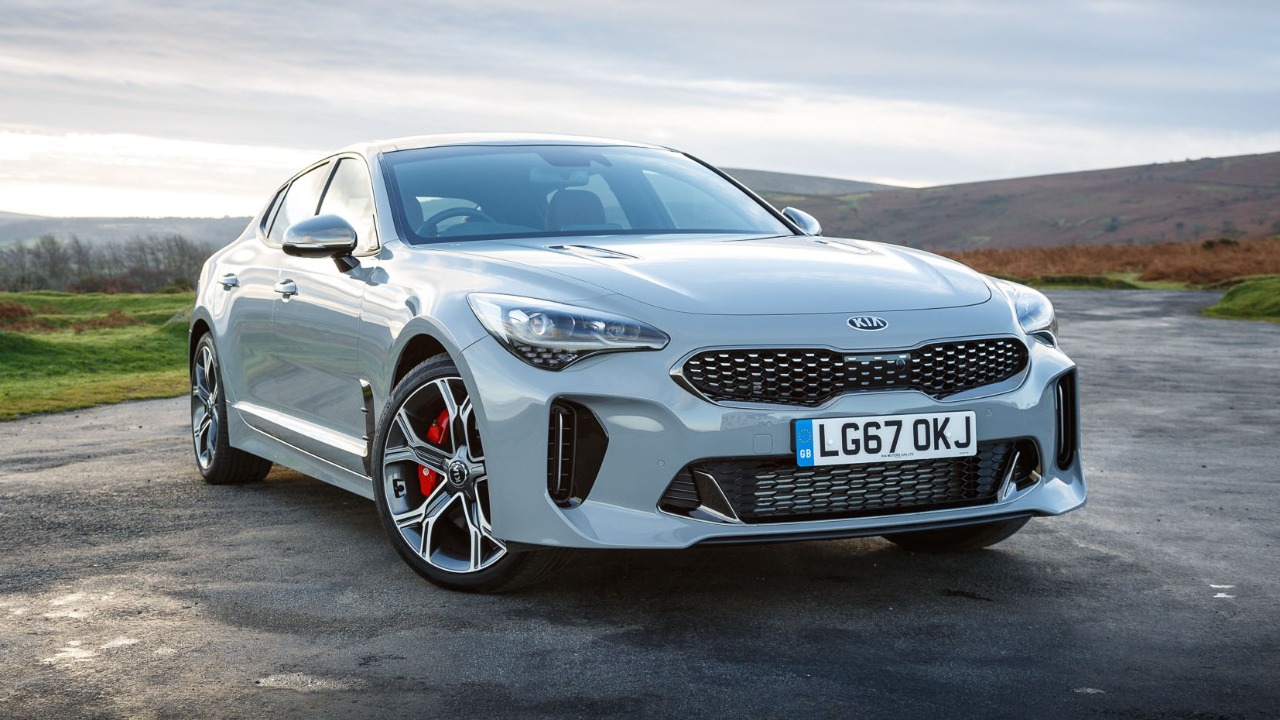
The Stinger was a rear-drive fastback shown at the 2017 Detroit show. The Kia Stinger article reports U.S. sales totaling 70,845 for 2017 through 2024, peaking at 16,806 in 2018, and says Kia ended production in April 2023.
A performance sedan was an unlikely badge for a brand once known for budget transportation, and the 2018 peak shows real early interest. Sales faded afterward, yet the Stinger remains a symbol of how far Kia’s ambitions had stretched.
9. Kia Telluride: The Award Winner
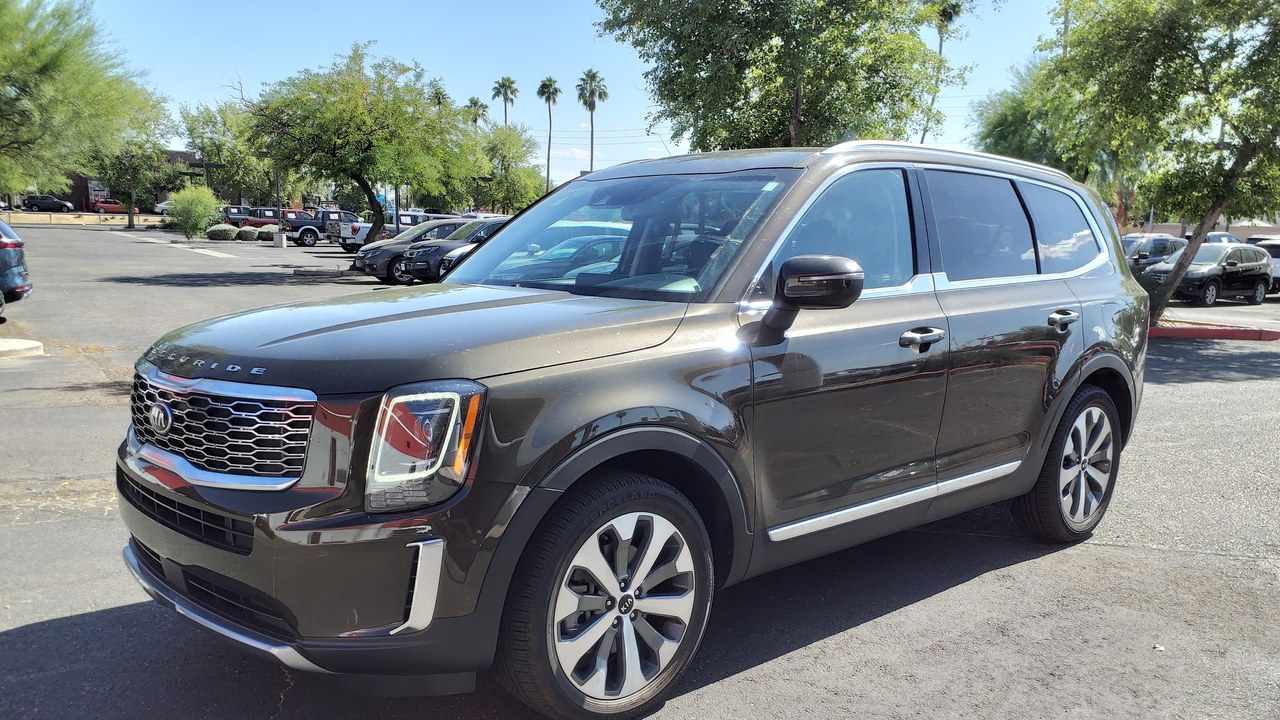
The Telluride has been built in Georgia since January 2019. Kia Worldwide’s heritage story notes it was named North American Car of the Year in January 2020, and the model also took World Car of the Year.
Winning both major honors in one season validated the push into larger, more upscale family vehicles. For a brand that sold just 12,163 cars in 1994, a three-row SUV collecting top global awards marked a remarkable change in standing.
10. Kia EV6: The First Dedicated EV
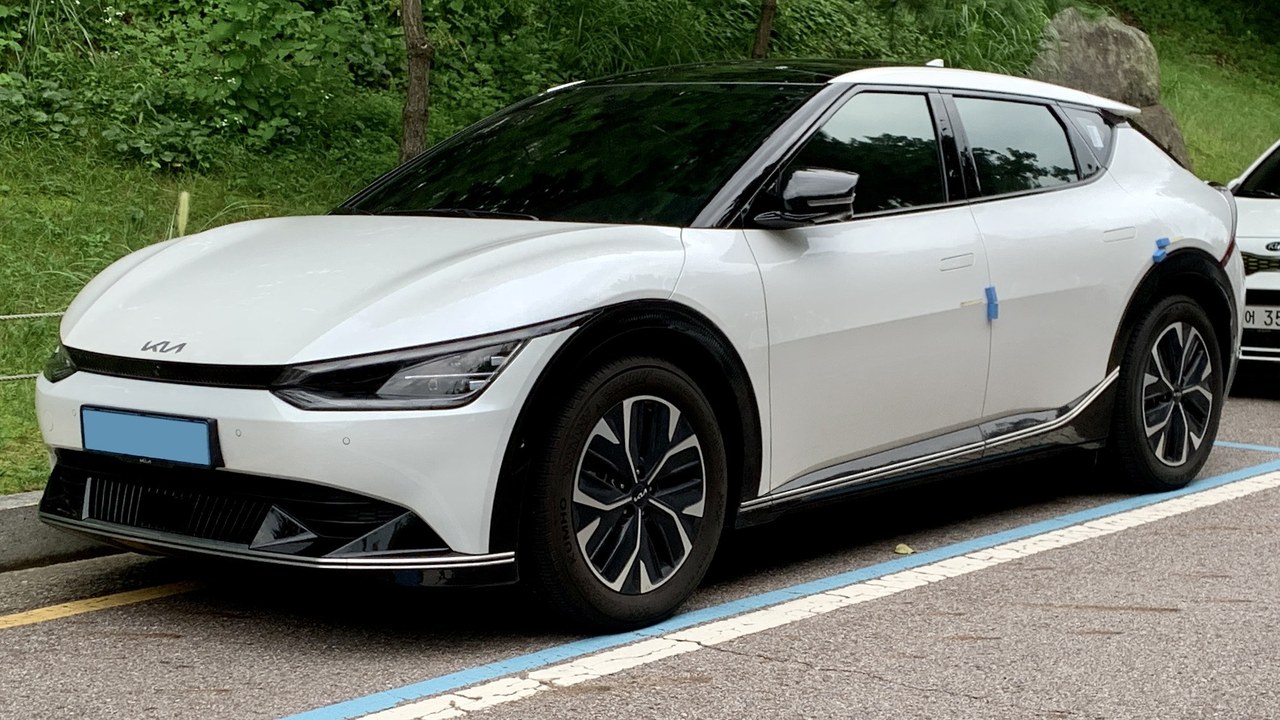
The EV6 is Kia’s first dedicated EV in the U.S., released in North America in January 2022. According to the Kia EV6 article, it was named 2023 North American Utility Vehicle of the Year, and the GT version makes 577 hp.
Moving from conventional engines to a purpose-built electric platform showed the company aiming at the future rather than copying rivals. The performance figure from the GT also challenges any lingering idea that Kia builds only modest, budget-minded cars.
11. Kia EV9: Electric Three-Row
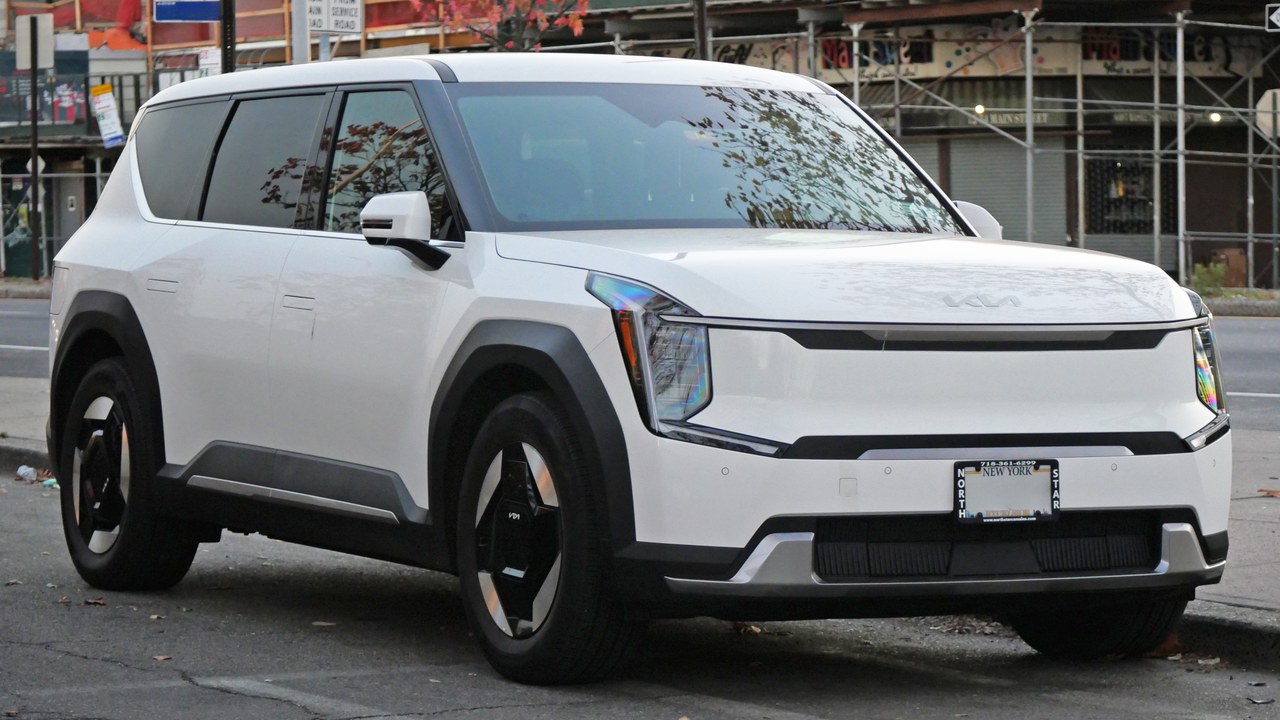
The EV9 is a three-row electric SUV that was named 2024 North American Utility Vehicle of the Year. A Kia Worldwide heritage page lists it among the milestones in the brand’s transformation.
Pairing family-sized space with a battery drivetrain put Kia at the front of a segment few rivals had entered. The award indicates how far the brand has traveled from its entry-level beginnings to leading on new technology, with a family-hauling electric SUV as proof.
12. Kia Carnival: The Sedona’s Successor
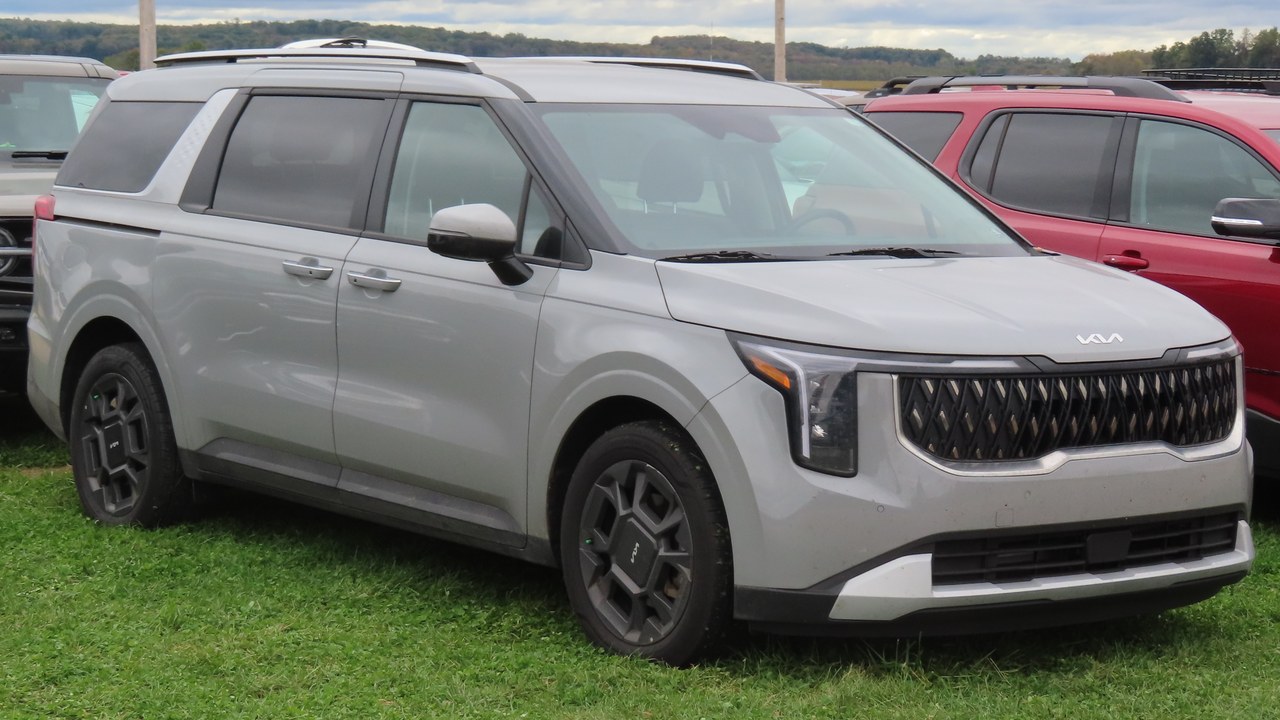
The Carnival replaced the Sedona in the U.S. in 2021, with the LX priced from $32,100. Kia Motors America’s pricing announcement lists a 290-hp V6 and seating for seven or eight passengers.
Swapping the name came with a more stylish approach to the people-mover, which gave buyers a minivan alternative to a three-row SUV. It rounds out the lineup as the latest chapter in the family-vehicle story that began with the Sedona in 2001.
Stay ahead on AI: Subscribe to The Deep View →
We may earn a commission if you sign up.
More from Morning Overview
