
Auction results have quietly reordered which used cars are worth chasing, and the winners are no longer only prewar exotica. Japanese sports coupes, 1960s American muscle and boxy military-derived off-roaders now trade for sums their original buyers would have found absurd. Here are twelve collector cars whose values keep climbing at auction.
1. Toyota Supra: From Slow Seller To Auction Star
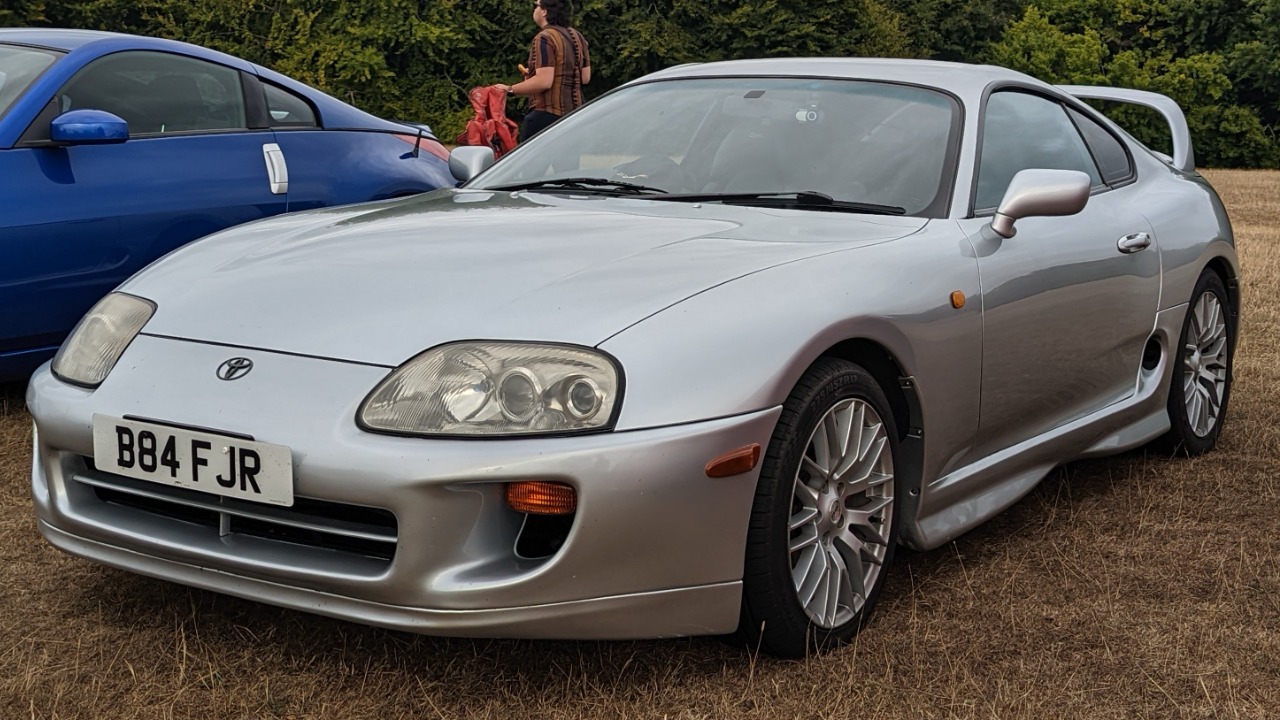
Few cars have been revalued as sharply as the fourth-generation Supra, a heavy grand tourer that sold slowly when new and now commands serious money whenever a clean turbocharged example crosses the block. An inline-six engineered with enormous structural headroom is the reason Toyota’s fourth-generation coupe spent two decades as the default platform for high-output tuning before it became an auction property.
Condition and originality now separate the results wildly. Heavily modified cars, once the norm, trade well below unmolested manual examples, and bidders increasingly pay for documentation and untouched drivetrains rather than for claimed horsepower figures.
2. Acura NSX: Everyday Supercar, Now Priced Like One

Honda built the NSX to prove a mid-engined supercar could be reliable, air-conditioned and usable every day, and that reasonableness held prices down for two decades. Values have since inverted as buyers hunting an unassisted, naturally aspirated driving experience push the first-generation NSX upward, with early manual coupes consistently leading the market.
The catch is maintenance. Aluminium bodywork, model-specific parts and interval-based belt service turn a cheap example into an expensive one, so cars carrying continuous specialist history outrun cosmetically tidy ones with gaps in the file.
3. Nissan Skyline: Legal At Last, Expensive Immediately
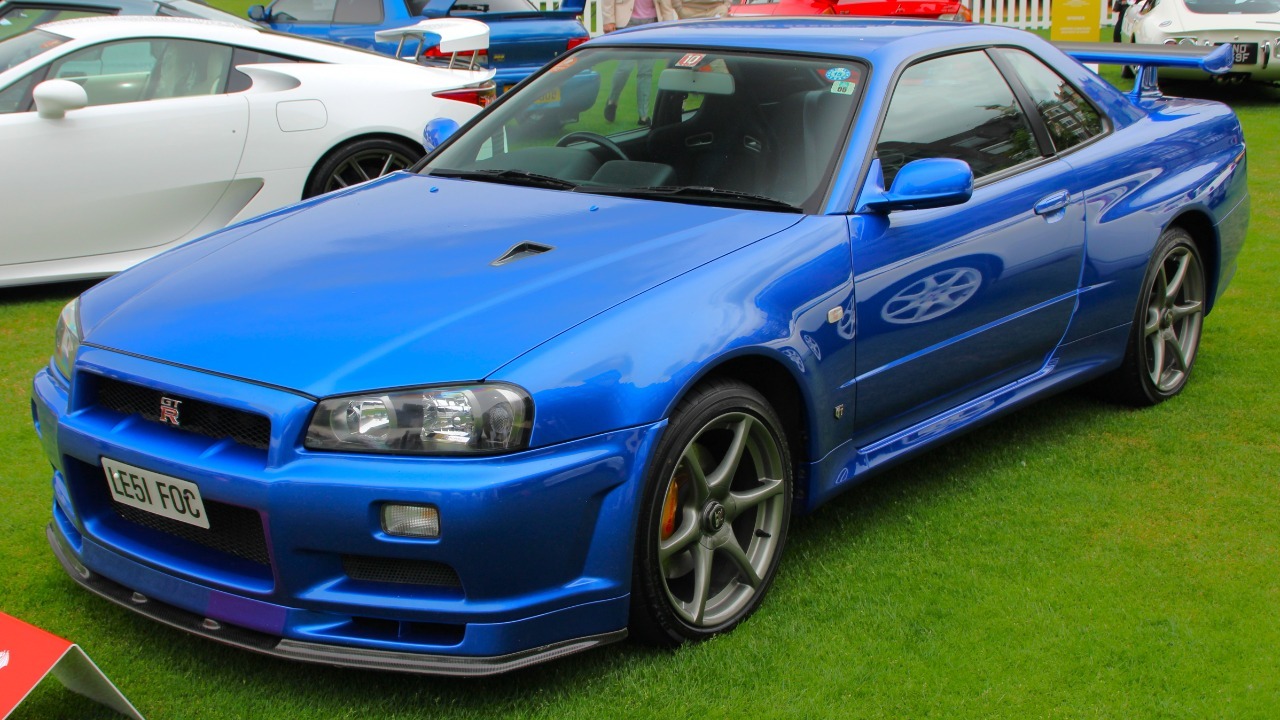
Nothing has done more for Skyline values than the calendar. United States rules admit a vehicle once it turns twenty-five, releasing another tranche of GT-R production each year into the largest collector market on earth, where Japanese-market GT-Rs now routinely fetch six figures at public sale.
Paperwork deserves as much scrutiny as the car itself. Import compliance, odometer conversion and a verifiable chassis number decide whether a freshly landed example is a tradeable asset or an immovable problem sitting on a driveway.
4. Ford Bronco: The Short-Wheelbase Original
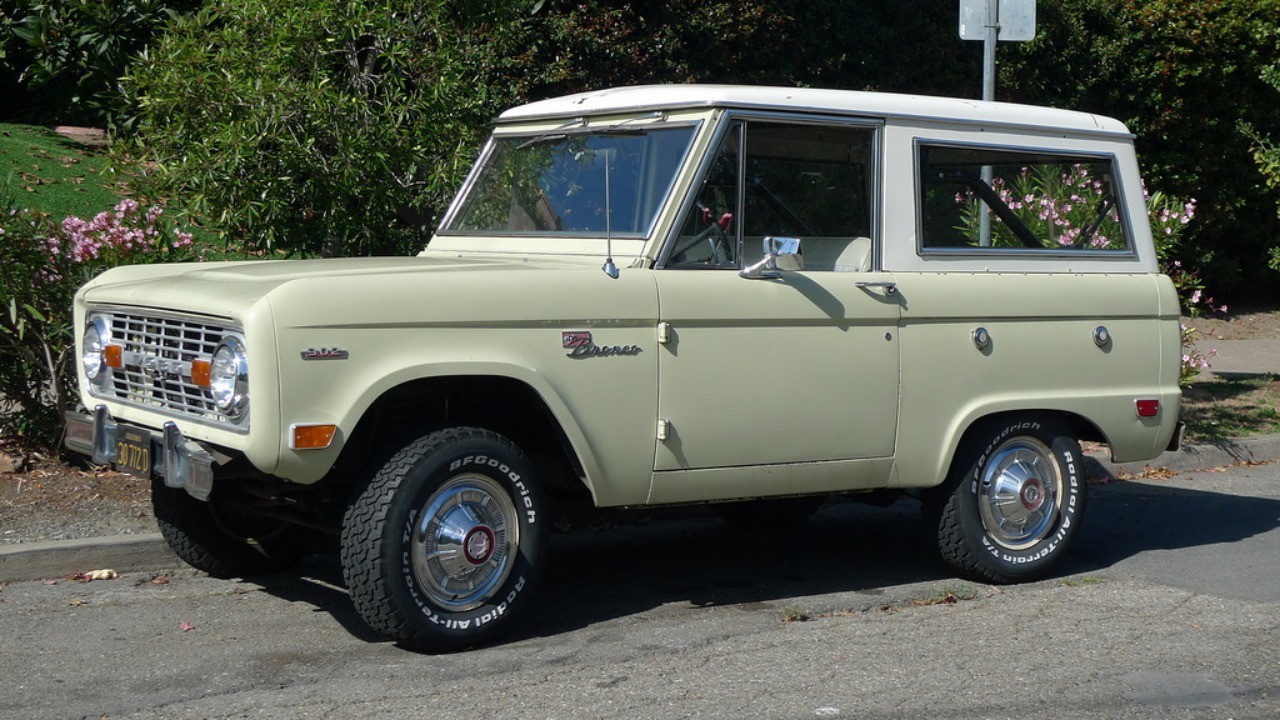
Spartan, short and built for work, the original Bronco spent decades being used up on farms, trails and job sites rather than preserved. That attrition explains the surge, because unrusted survivors are genuinely scarce and restored examples of the first-generation Bronco now clear prices nobody anticipated when they were merely old trucks.
Restoration quality is the whole game. Frame and floor corrosion hides beneath fresh paint, and a body-off rebuild costs considerably more than the gap between a rough truck and a finished one, which rewards patient inspection.
5. Chevrolet Corvette: Sting Ray Stays Untouchable

Among American cars the second-generation Corvette remains the reference point. A short production run, hidden headlamps and the split-window coupe made it iconic before collecting existed as an organised hobby, and demand for the C2 Sting Ray has never meaningfully cooled through decades of shifting taste.
Originality drives the spread. Numbers-matching drivetrains and documented factory options separate the strongest results from the many restomods now built on the same body, which chase a different and far less predictable buyer.
6. BMW M3: The Benchmark That Kept Appreciating
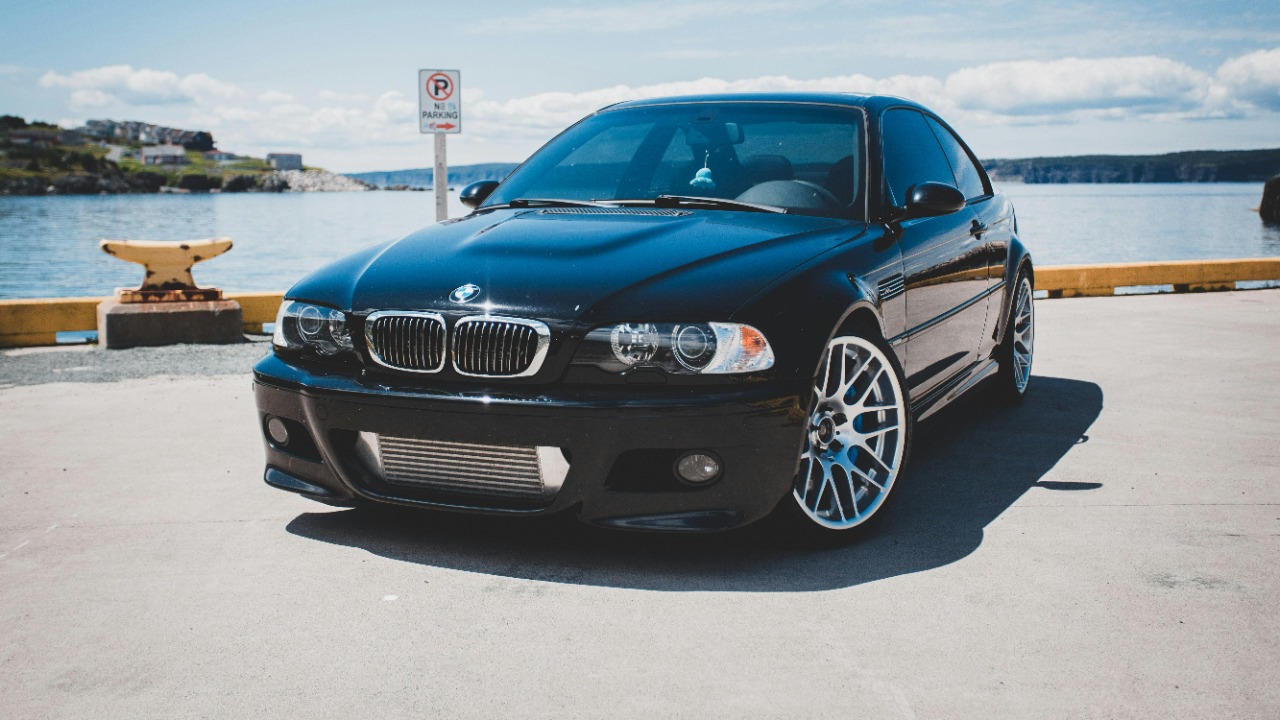
Across four decades the M3 has stayed the benchmark compact performance car, and the boxy homologation original keeps setting records whenever a documented example surfaces. Every generation that followed inherited the halo, so the M3 lineage now carries a collector premium that no rival sports saloon has managed to build.
Values fall sharply with mileage and modification. Track-day conversions, engine swaps and quietly repaired accident damage are common enough that provenance rather than specification decides where any individual car lands.
7. Porsche 911: The Blue-Chip Constant
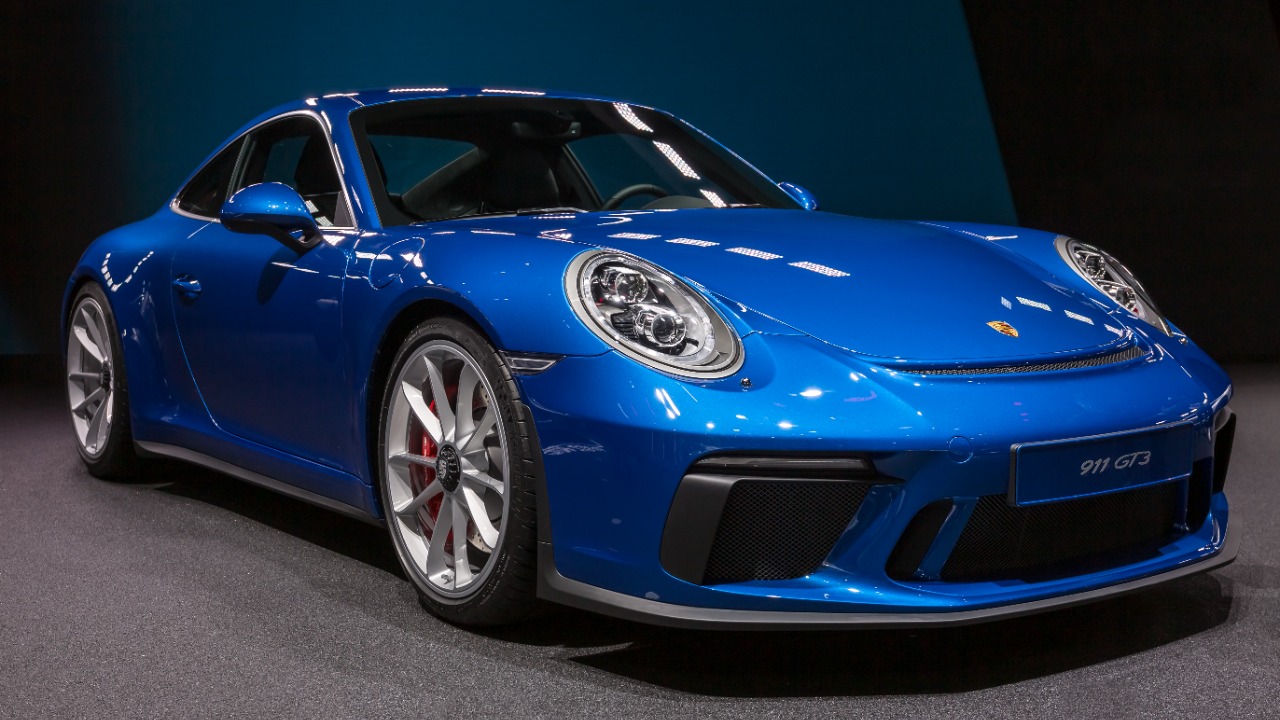
No model anchors the collector market like the 911, and the air-cooled cars built before the late 1990s form the blue-chip end of it, traded almost as a currency among specialists. Unbroken production is why Porsche’s rear-engined coupe has a continuous pricing record that rival marques simply cannot show.
Water-cooled successors complicate the picture. Limited-run and track-focused variants have begun appreciating on their own terms, while ordinary high-mileage examples remain plentiful and comparatively cheap, which keeps the badge accessible at one end.
8. Land Rover Defender: Farm Tool Turned Trophy
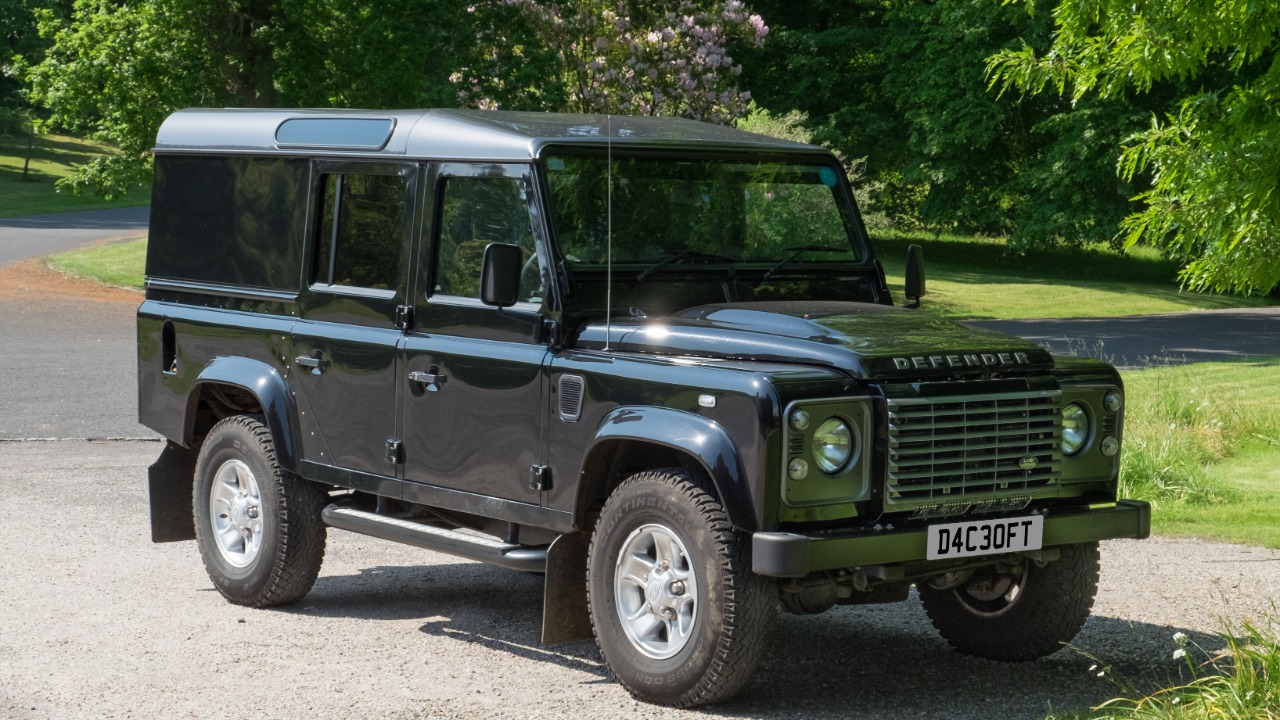
Aluminium panels over a separate steel chassis meant the Defender was designed to be repaired indefinitely rather than replaced, which is precisely why so many survive. Specialist shops now rebuild them to a standard the factory never attempted, and vintage Defender models have climbed fast as that industry matured.
The chassis is where the money hides. Rot at the rear crossmember and outriggers is routine, and replacing a rotten frame is a structural undertaking that a shiny respray and a new interior do nothing to address.
9. Toyota Land Cruiser: The FJ40 Finally Gets Its Due
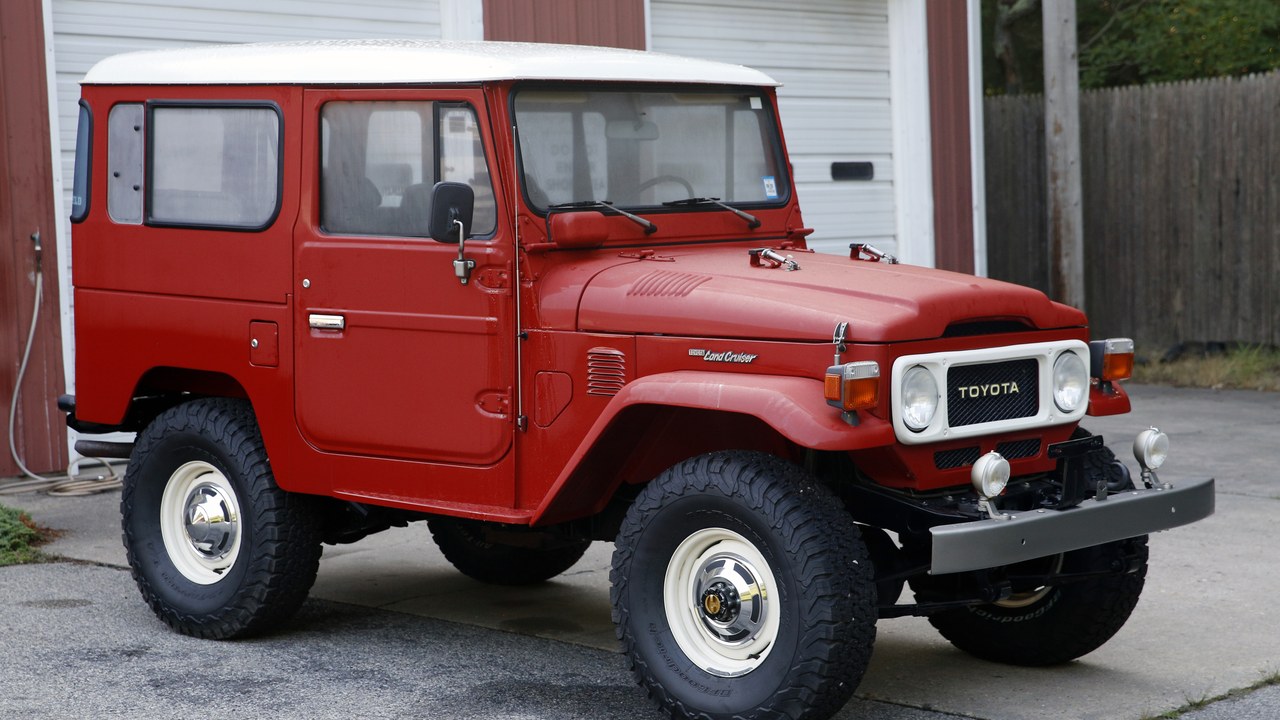
For years the boxy Land Cruiser was worth less than the sum of its parts, valued only by people who needed something that would start in the cold and keep climbing. Collectors caught up late, and clean examples of the FJ-series Land Cruiser now sell alongside far more glamorous machinery.
Rust and repaints define this market. Many trucks lived hard working lives abroad before import, so tub condition and honest documentation matter considerably more than a freshly rebuilt engine or a retrimmed cabin.
10. Datsun 240Z: The Coupe That Undercut Europe

Datsun’s Z arrived as an affordable answer to European sports cars, with an overhead-cam six, independent rear suspension and styling that flattered far pricier machinery. Early cars were driven hard and rusted quickly, leaving thin survivor numbers, and the original 240Z has appreciated steadily rather than spiking and correcting.
Structure decides value here. Floors, frame rails and battery-tray corrosion are close to universal, and a car that photographs beautifully can still need almost everything beneath it cut out and replaced.
11. Ford Mustang: Body Style Decides The Price

Enormous production volume normally caps values, and Ford built first-generation Mustangs by the million, yet this market has separated cleanly by body style instead. Coupes and convertibles stay attainable while fastbacks hold firm demand, and the strongest results for the first-generation Mustang almost always wear that sloping roofline.
Reproduction parts availability cuts both ways. Almost any component can be rebuilt cheaply, which keeps ordinary cars affordable and leaves verified original drivetrains and factory documentation as the only genuine scarcity remaining.
12. Dodge Charger: The B-Body Keeps Climbing

Chrysler’s B-body Charger ran through several distinct shapes across the muscle era and its aftermath, and the performance versions are the ones climbing. Big-block drivetrains, wide proportions and a long screen and stock-car history sustain demand, so the B-body Charger sits near the top of the American market whenever a well-documented car surfaces.
Verification matters more here than almost anywhere. Badges and paint codes are easily faked, so bidders now lean on build-sheet and fender-tag evidence before committing to anything advertised as a genuine factory performance model.
More from Morning Overview
