
The IIHS doesn’t just crash-test cars — it also measures how far and how evenly a vehicle’s headlights actually light a dark road, scoring low beams, high beams, and glare together. Few vehicles clear the bar, since even bright bulbs lose points for glare or weak curve coverage. The following list rounds up these twelve cars that consistently earn the institute’s better headlight ratings.
1. Toyota Camry: Camry Lighting Score
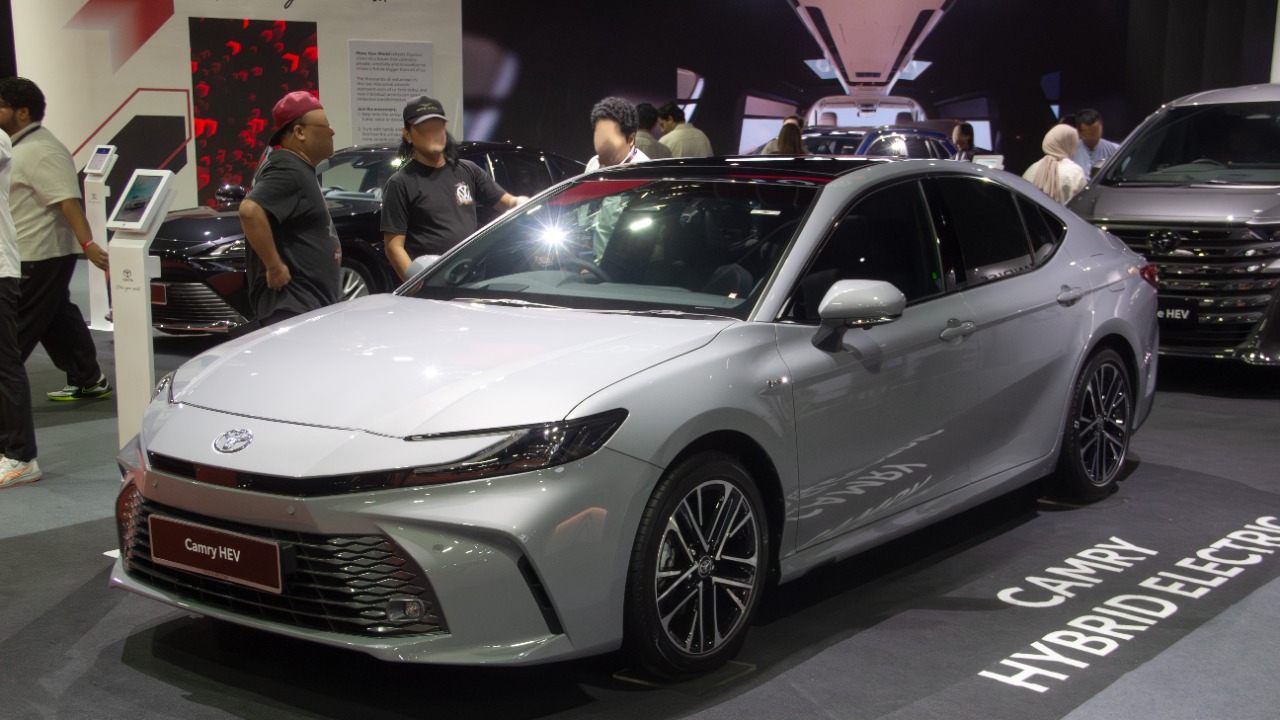
The Camry’s LED headlights on upper trims deliver high marks in IIHS testing, with strong seeing distance on both low and high beam settings, plus curve-adaptive beams that swivel into a turn on some configurations rather than simply pointing straight down the road ahead.
Base trims still rely on halogen units that score noticeably lower, since a halogen bulb can’t match an LED’s reach or beam control, so shoppers chasing the sedan’s top-rated nighttime visibility need to confirm the exact trim and lighting package before assuming every Camry on a dealer’s lot actually earns that rating.
2. Honda Accord: Accord Lighting Score
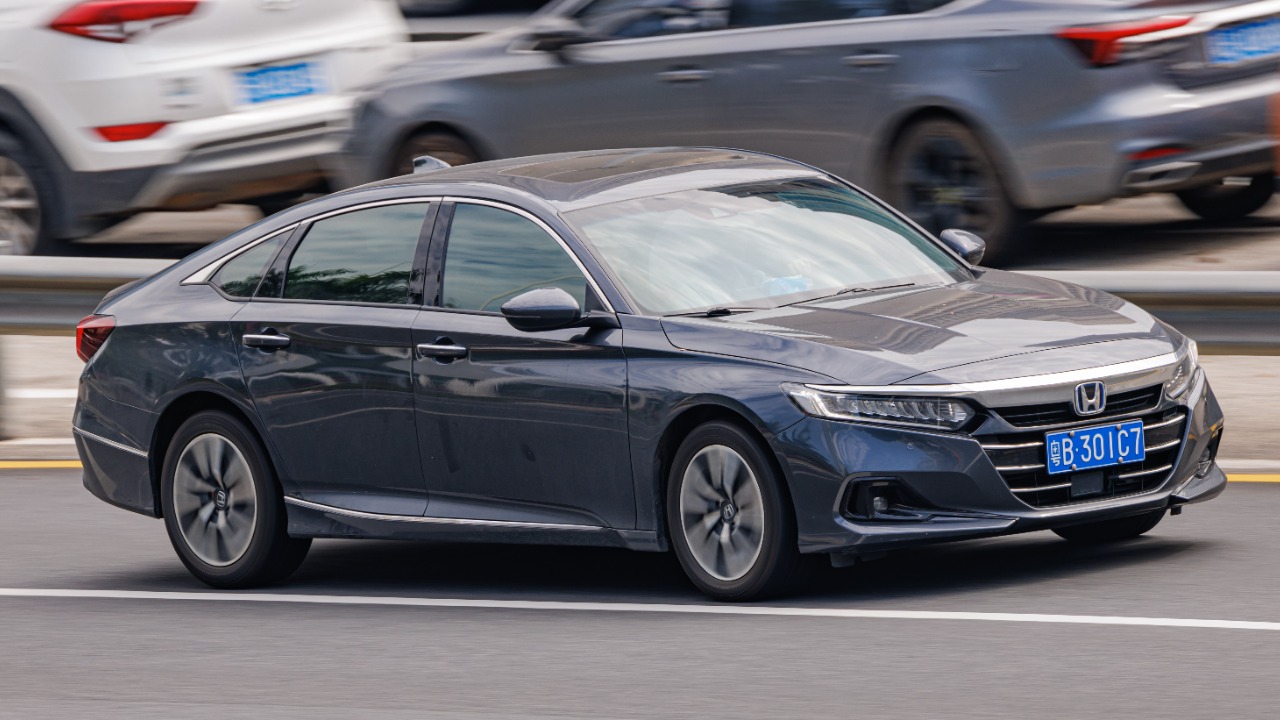
Accord models fitted with LED projector headlights consistently land in the institute’s higher-rated group, thanks to well-controlled glare toward oncoming traffic and solid down-road illumination on both the low- and high-beam settings that testers measure.
Lower trims equipped with older reflector-style lights fall to a mid-pack score instead, a reminder that the specific headlight hardware installed, not just the nameplate or model year, ultimately decides how well a given Accord actually performs once the sun goes down.
3. Mazda 3: Mazda 3 Adaptive Beams
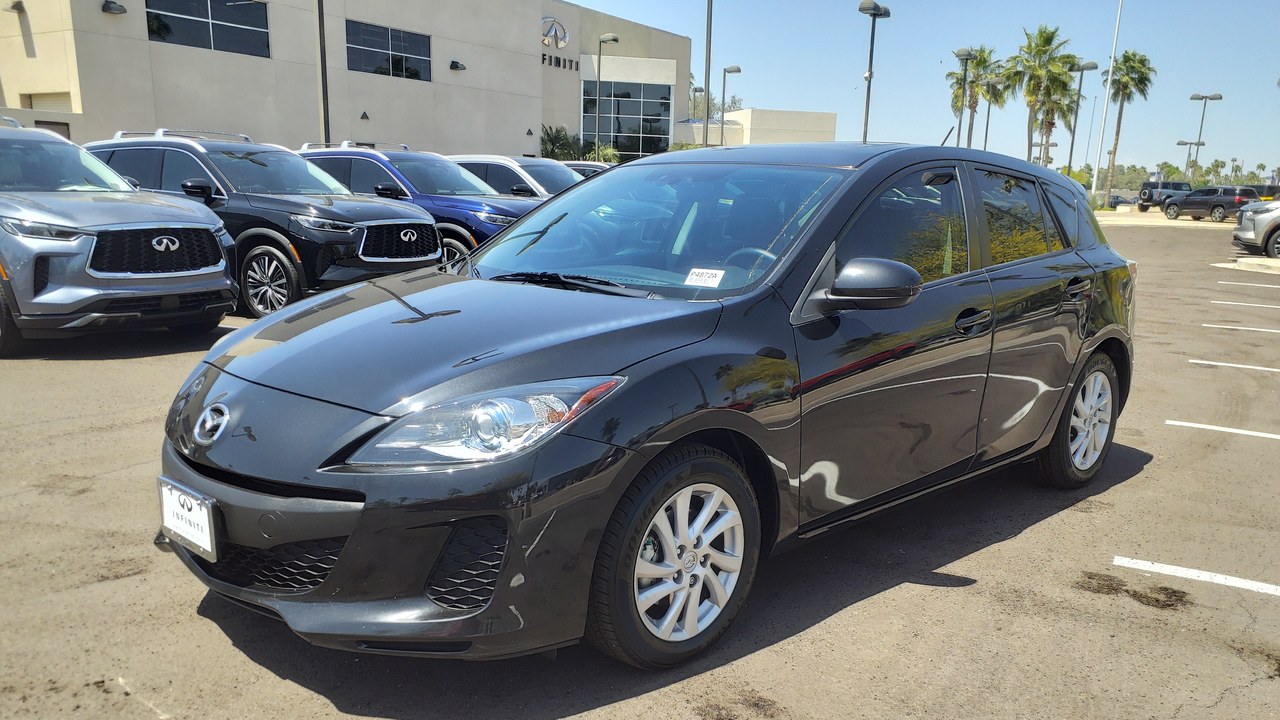
Mazda’s adaptive front-lighting system on the 3 swivels the beam through turns as the steering wheel moves, and that curve-following response helps both the hatchback and sedan post above-average curve visibility scores in the institute’s evaluations.
The gains show up mainly on higher trims equipped with the adaptive package, since base halogen versions don’t carry the same steering-linked hardware, so the compact’s reputation for sharp headlights doesn’t automatically extend to every configuration sold.
4. Subaru Outback: Outback Steering Beams
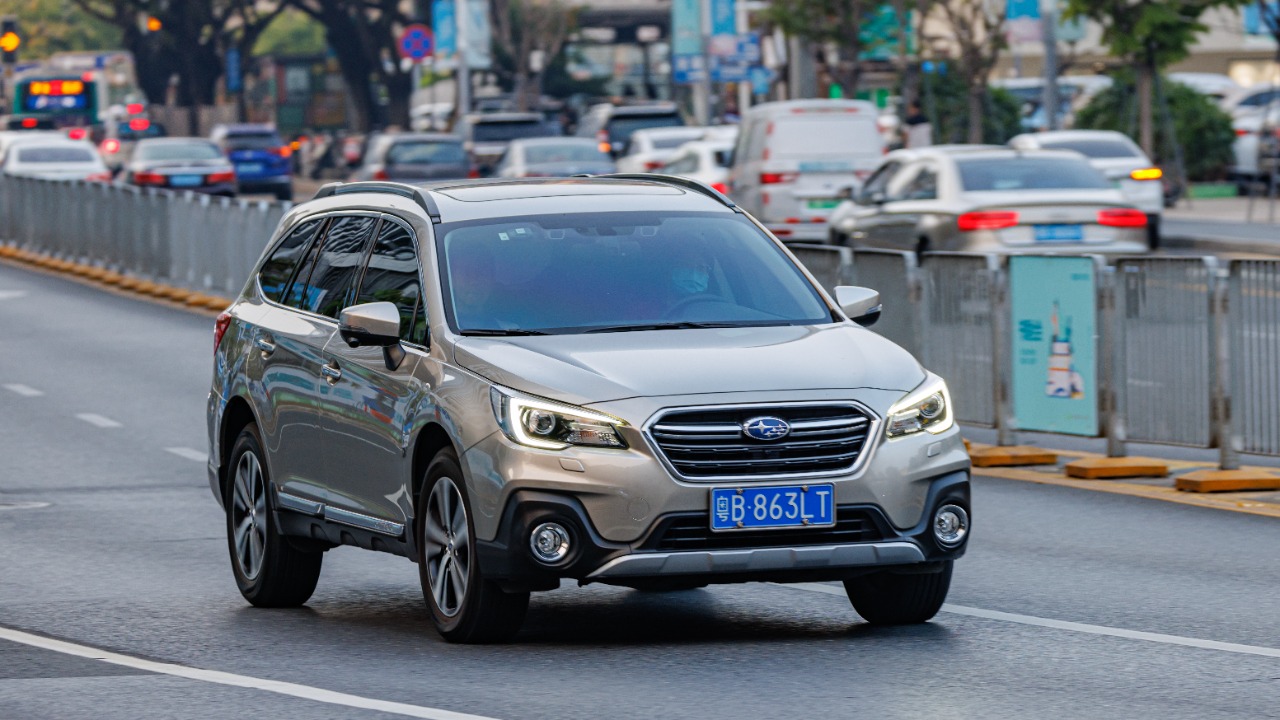
The Outback’s steering-responsive LED headlights track the front wheels’ angle, letting the beam pivot into a bend before the driver has even fully turned, a feature the institute credits with strong ratings for meaningfully improving nighttime curve visibility over fixed beams.
Ride height and standard all-wheel drive already make the Outback a common pick for rural, unlit roads, so the added headlight performance lines up closely with how many owners actually use the wagon after dark, on gravel or backcountry routes.
5. Hyundai Sonata: Sonata LED Score
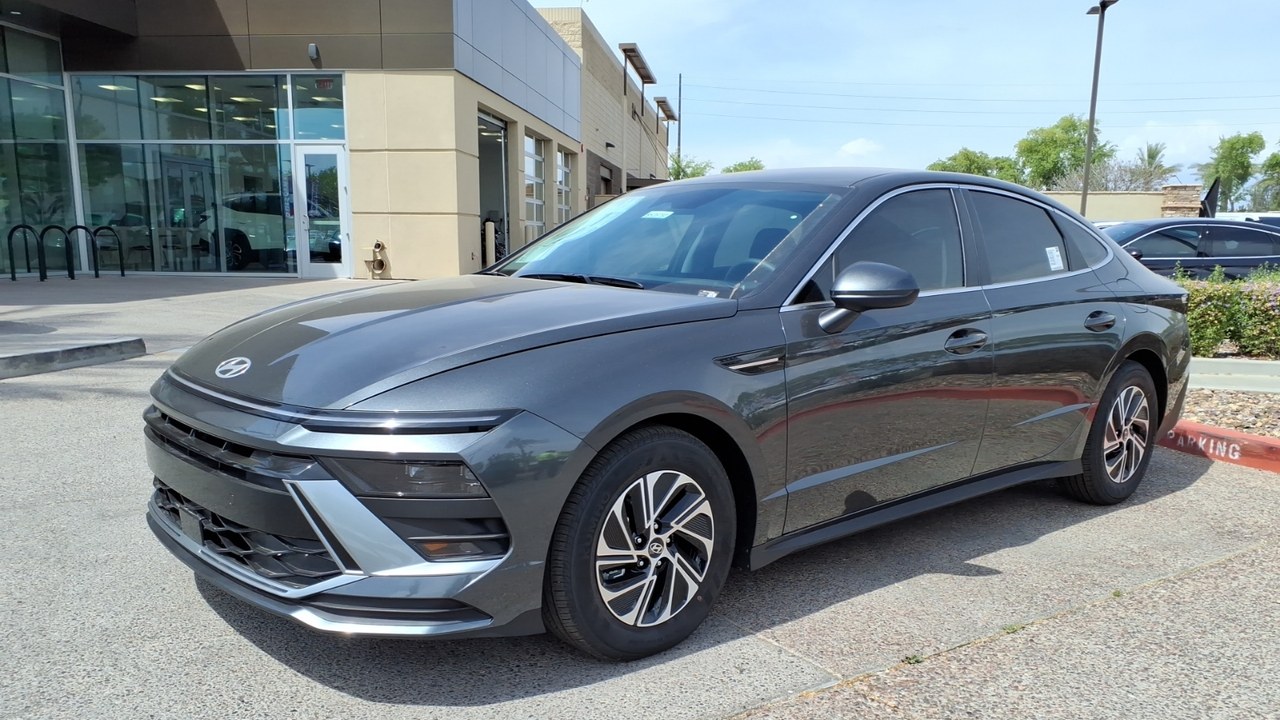
Full-LED headlights on the Sonata’s better-equipped trims post good visibility scores in the IIHS’s low- and high-beam measurements, with light spread evenly enough across the width of the lane to avoid the dark gaps that plague weaker setups.
As with most sedans on this list, the rating applies to specific trim levels only, and entry versions built with different, cheaper lighting hardware are tested and scored on their own, sometimes with noticeably weaker results.
6. Kia Telluride: Telluride Headlight Marks
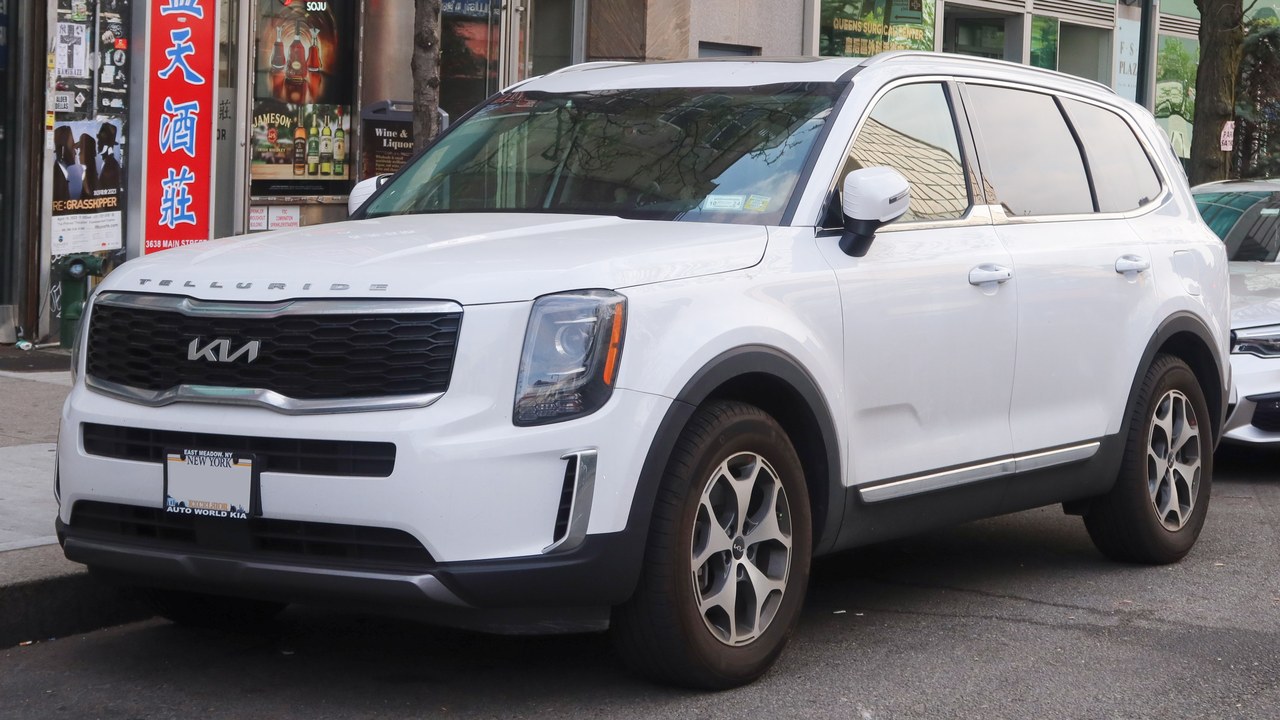
Kia’s three-row Telluride, already a repeat award winner for its overall design, carries headlights that earn well-rated marks from the IIHS for both down-road reach and controlled glare toward drivers coming the other way.
For a vehicle this size and this tall, keeping glare in check for oncoming traffic while still throwing light far enough down a dark highway is a harder engineering balance than it might first appear, which makes the score notable.
7. Honda CR-V: CR V Beam Aim
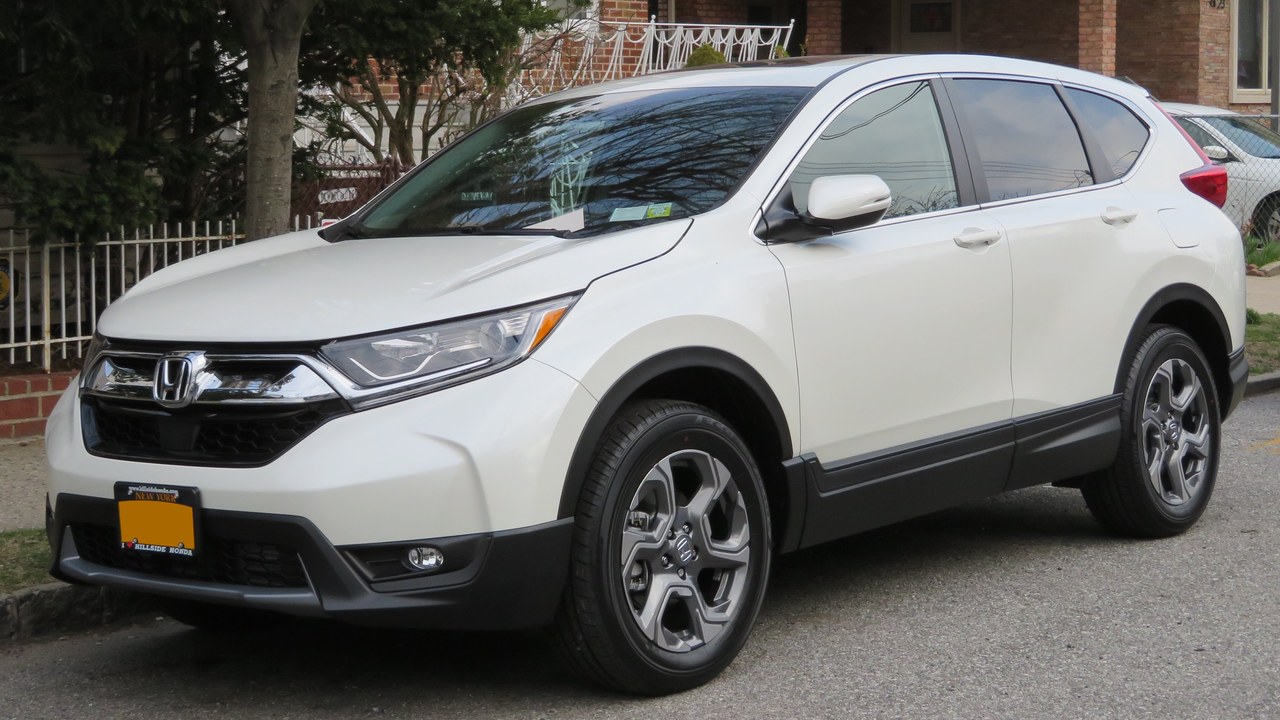
The CR-V’s LED headlights aim brightly and accurately enough to land top ratings in testing, giving one of the country’s best-selling compact SUVs some of the strongest nighttime visibility currently measured in its class.
Honda’s engineers reportedly focused heavily on beam-aim precision during development, since a slightly misaimed headlight, even a bright one, can undercut a bulb’s real-world usefulness far more than most drivers realize when shopping, especially on unlit rural roads at highway speed.
8. Toyota RAV4: RAV4 Trim Dependent Score
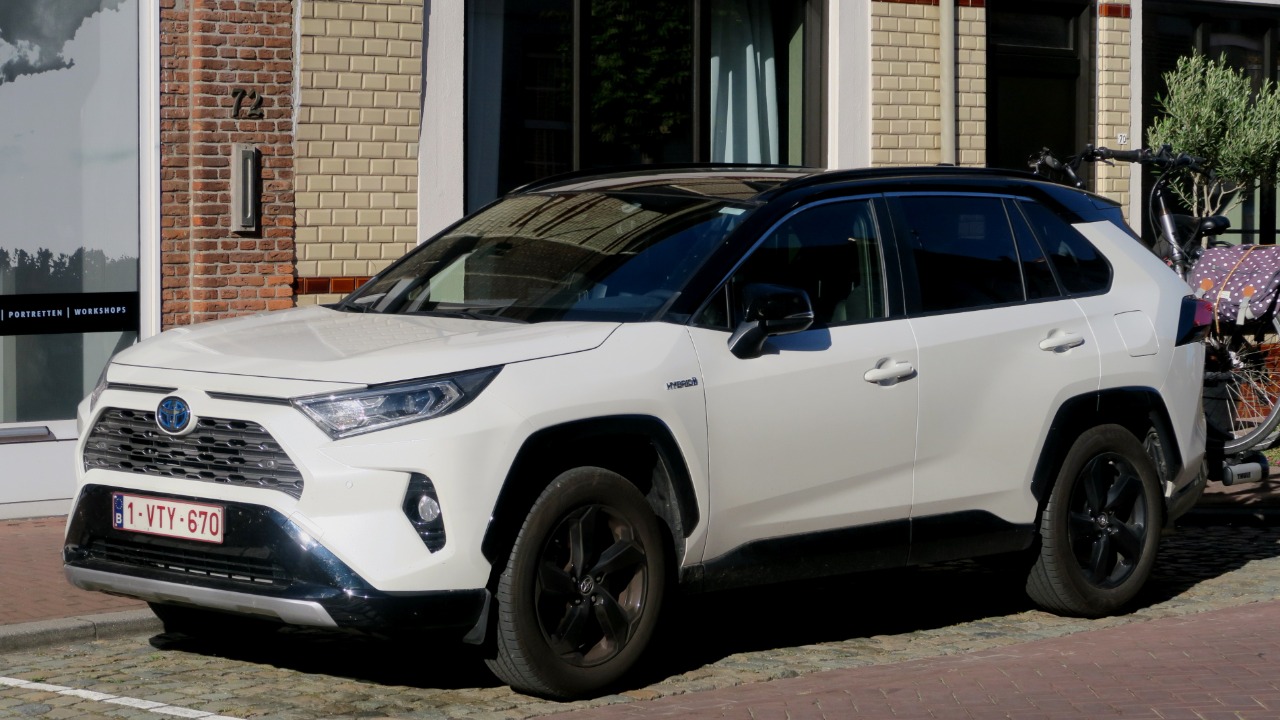
Higher RAV4 trims equipped with LED headlights carry good-rated scores from the IIHS, giving America’s best-selling SUV a genuine nighttime-safety edge that rides alongside its long-running sales popularity.
Lower trims fitted with halogen lighting don’t share that same rating, so the added safety margin is really tied to which specific RAV4 trim a buyer chooses, not to the RAV4 nameplate as a whole, a distinction easy to miss on a crowded lot.
9. Nissan Altima: Altima LED Upgrade
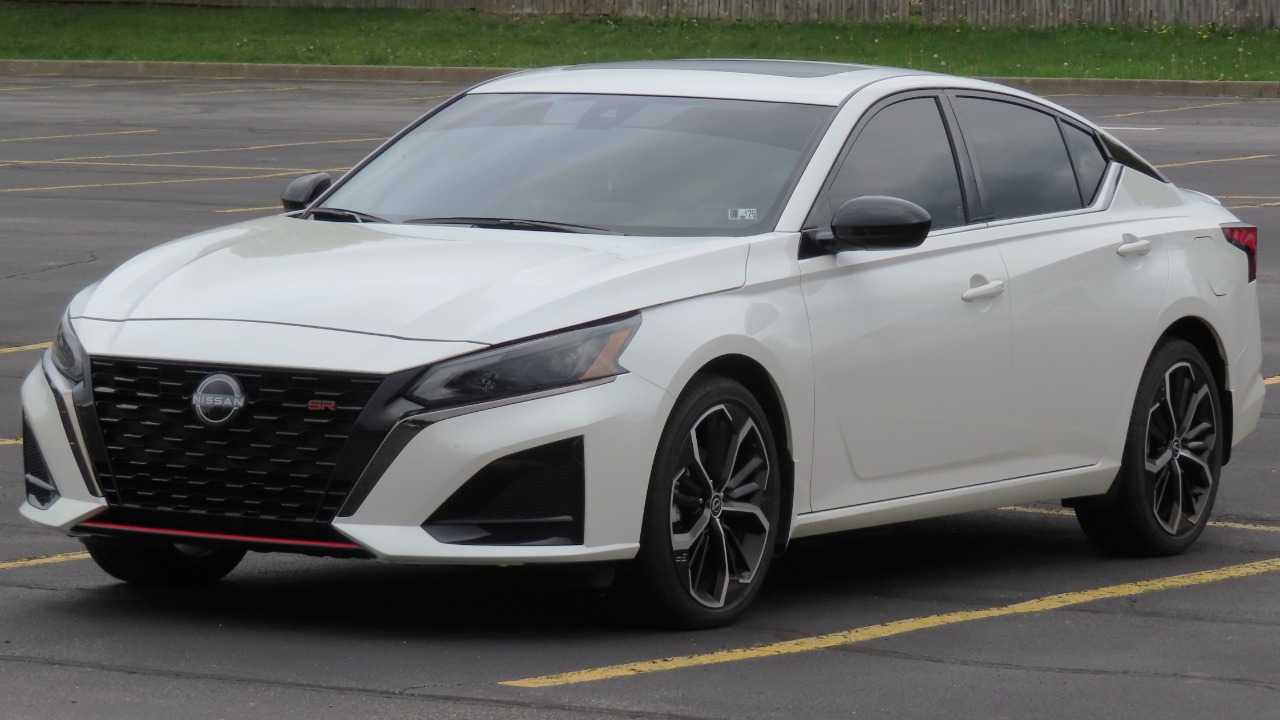
LED projector headlights on the Altima’s upper trims throw light far enough down the road to score well for reach in IIHS evaluations, a notable jump over the dimmer reflector setups used on older generations of the sedan.
The redesign brought a meaningful lighting upgrade that owners trading in an older Altima, one stuck with weaker halogen units, would likely notice within the first few minutes of driving it home at night.
10. Volkswagen Jetta: Jetta Beam Distribution
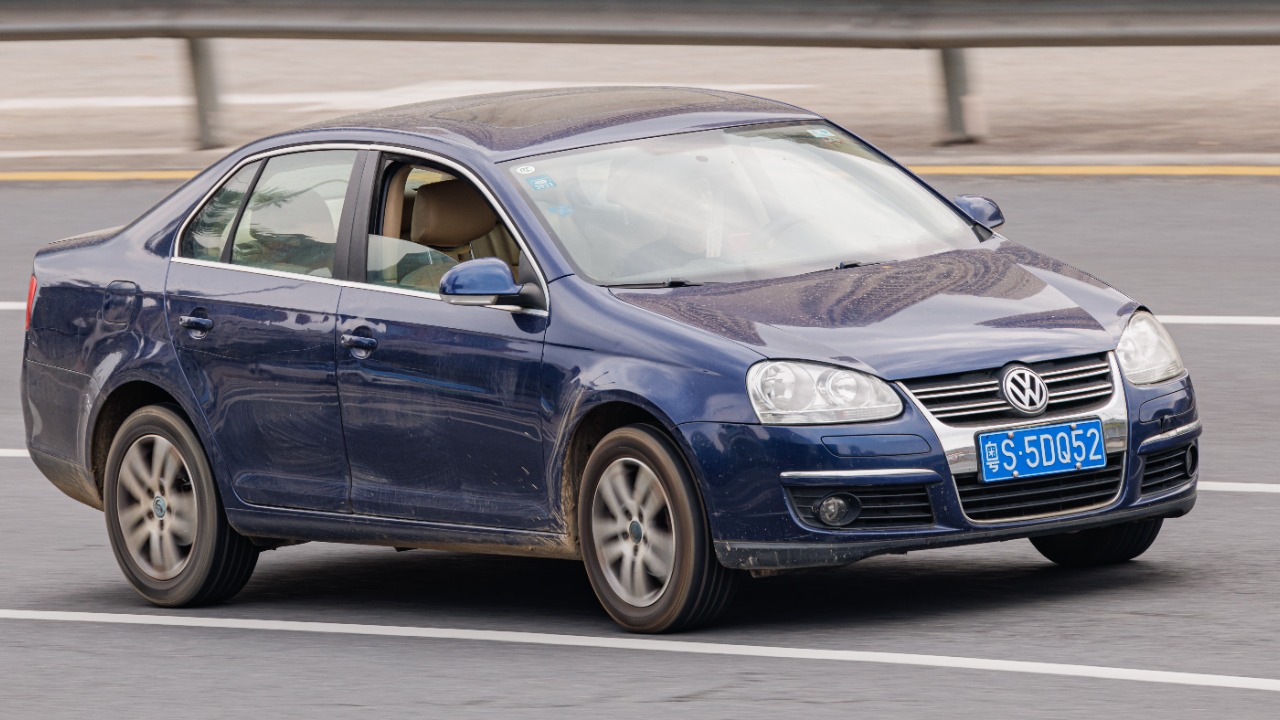
The Jetta’s crisp LED lighting earns solid marks from the IIHS, with beams distributed evenly enough to avoid the harsh hot spots and dark gaps that tend to drag down lower-scoring compact sedans in the same test.
Volkswagen has leaned on LED technology across much of its current lineup, and the Jetta’s results suggest that investment is translating into a measurable, testable improvement in real-world visibility rather than just a styling upgrade.
11. Subaru Forester: Forester Adaptive Beams
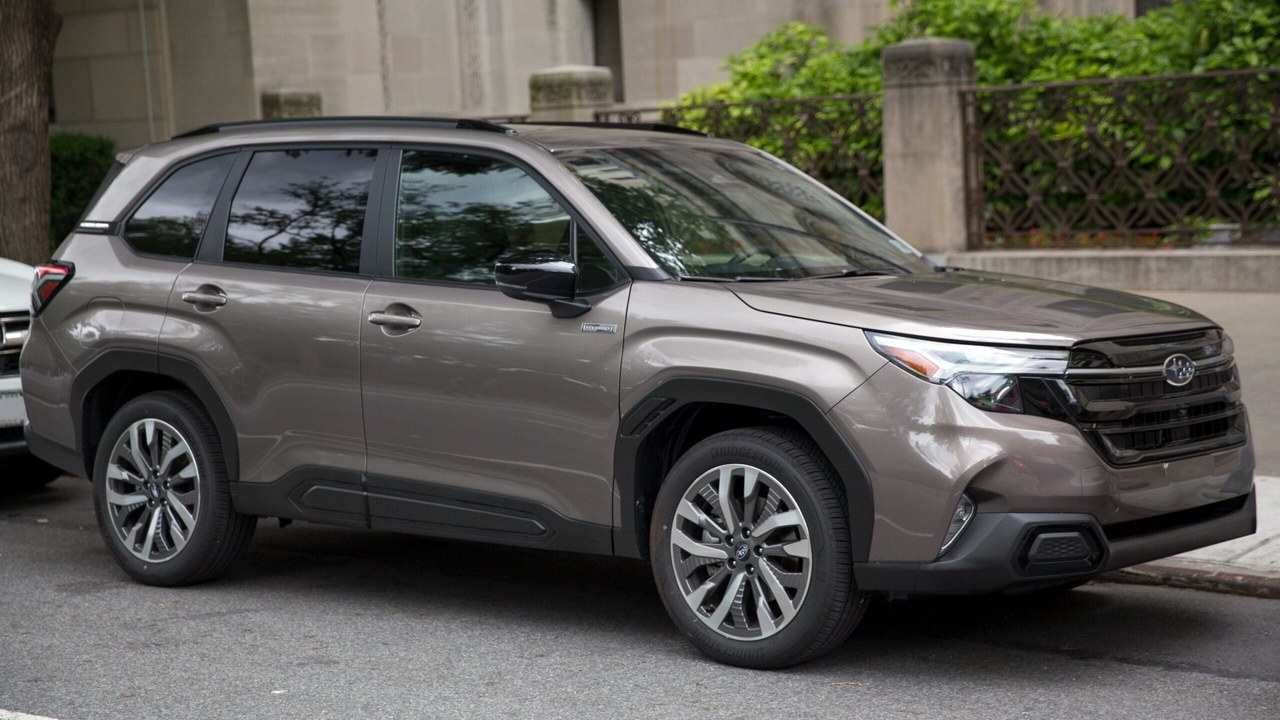
Like its Outback sibling, the Forester’s adaptive headlights swivel in step with the steering wheel, and the institute credits that curve-following beam with meaningfully improving visibility through bends encountered at night.
The Forester’s boxy shape and tall ride height already give drivers a commanding view of the road ahead, and the adaptive lighting simply extends that inherent visibility advantage into darkness and onto winding, unfamiliar roads after the sun goes down.
12. Mazda CX-5: CX 5 Adaptive Beams
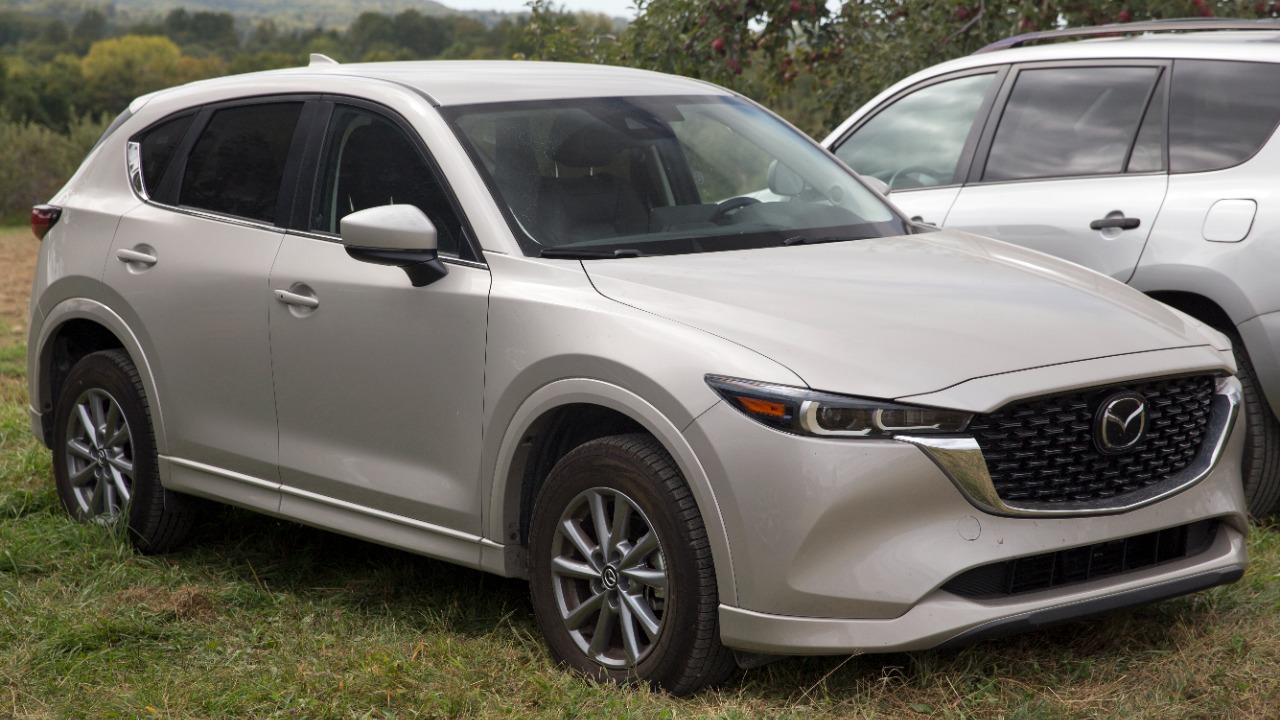
Mazda’s CX-5 carries the same adaptive front-lighting logic found on the Mazda 3, and its sharp, well-aimed beams rate among the best within the crowded compact SUV segment, according to the institute’s own measurements.
The system’s ability to bend light through a curve, rather than simply pointing it straight ahead regardless of the road’s shape, is the specific detail separating a good headlight score from only an average one on a winding two-lane road.
More from Morning Overview
- The NSA is again telling phone owners to switch off one location setting
- A handful of car transmissions are so tough mechanics say they almost never fail
- A handful of SUVs keep hitting 300,000 miles, and they share one engine trait
- Supplements now rank as the fifth-leading cause of death from liver disease.
