
The North American Car, Truck and Utility Vehicle of the Year awards are decided by an independent jury of automotive journalists from the United States and Canada. Voting rewards significance in engineering, design, safety and value rather than showroom sales. Here are twelve vehicles that have carried home one of the jury’s annual trophies.
1. Honda Accord: The Sedan That Beat A Shrinking Field
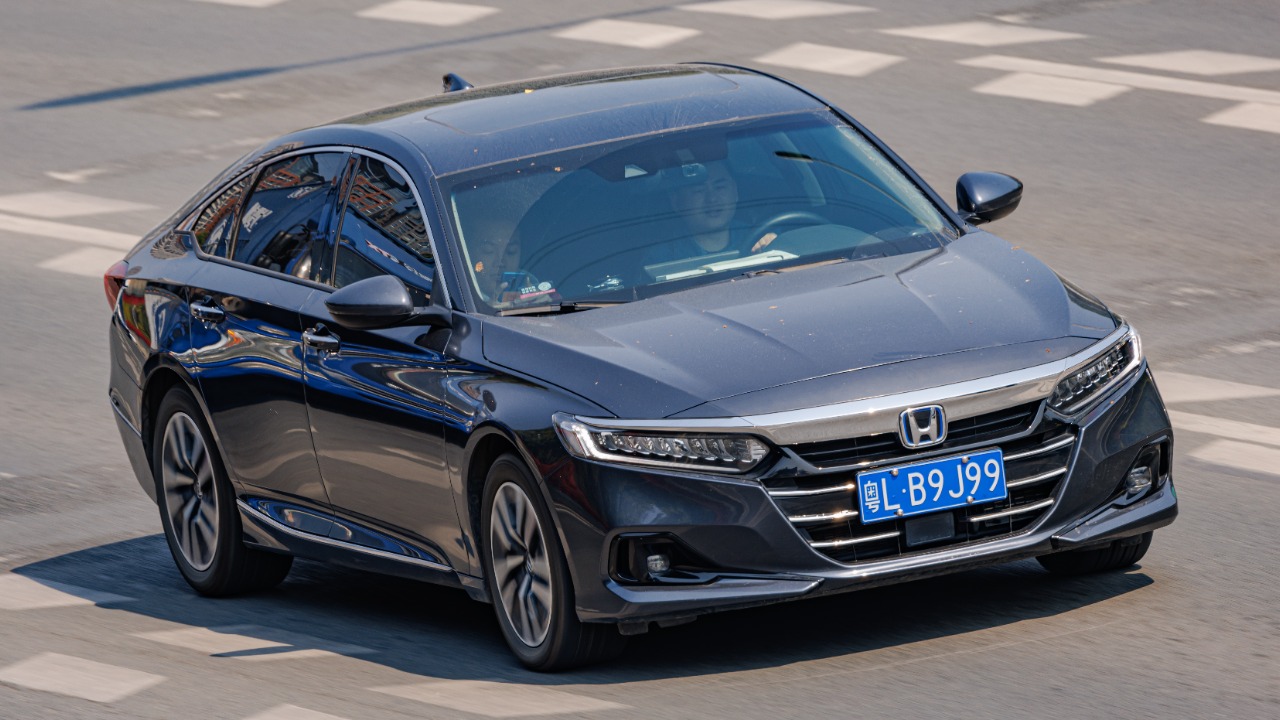
The tenth-generation Honda Accord sedan took the 2018 North American Car of the Year award after Honda dropped the V6 in favor of two turbocharged four-cylinder engines and a lower, wider body. Jurors rewarded a mainstream family car that improved handling and interior packaging without raising its price much.
The win mattered because the midsize sedan segment was already shrinking as buyers moved to crossovers. Honda kept investing anyway, and the Accord has remained one of the last high-volume sedans on sale in North America.
2. Chevrolet Bolt: Long Range At A Mainstream Price
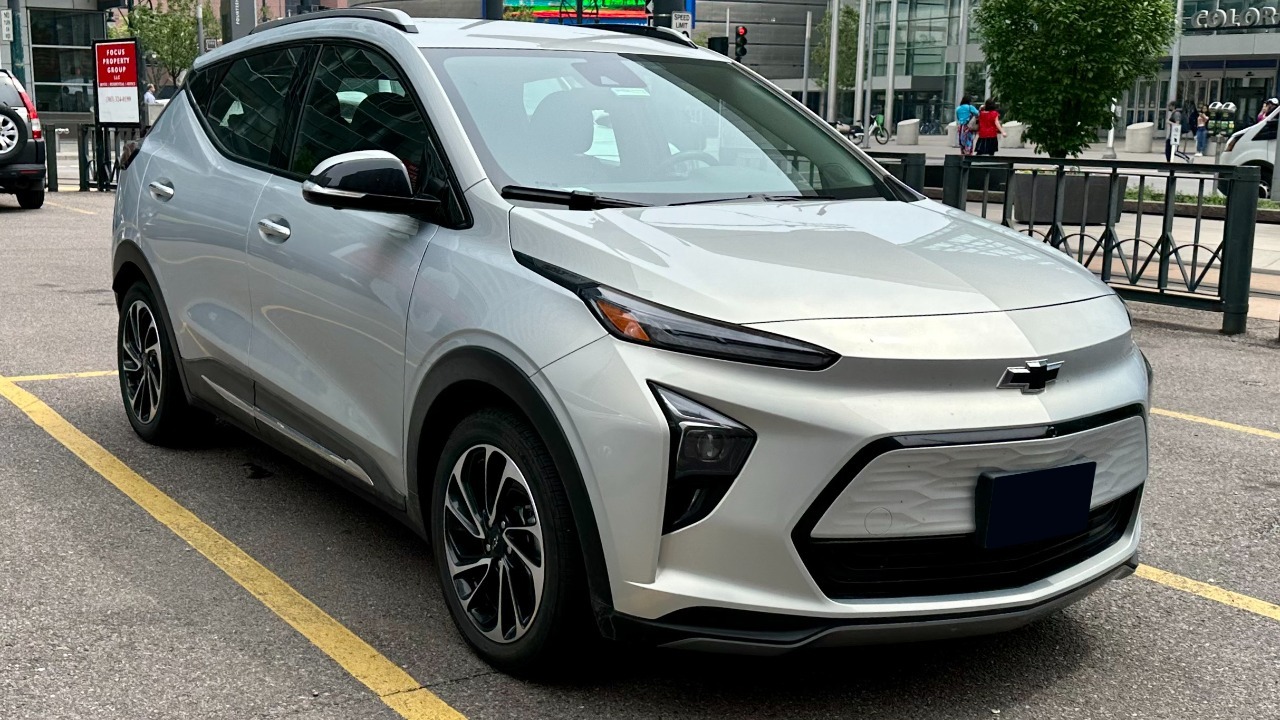
General Motors paired an EPA-rated 238 miles of range with a sticker under $40,000 before incentives, and the Chevrolet Bolt EV collected the 2017 North American Car of the Year award. Its tall, narrow body sat above a flat floor-mounted battery, which freed up far more cabin space than the small footprint suggested.
Chevrolet later retired the model and then revived the nameplate, using the same basic recipe to argue that range anxiety was a solved problem at mainstream prices. Rivals took several more years to match that combination of range and cost.
3. Kia Telluride: The Utility Trophy That Started A Waiting List
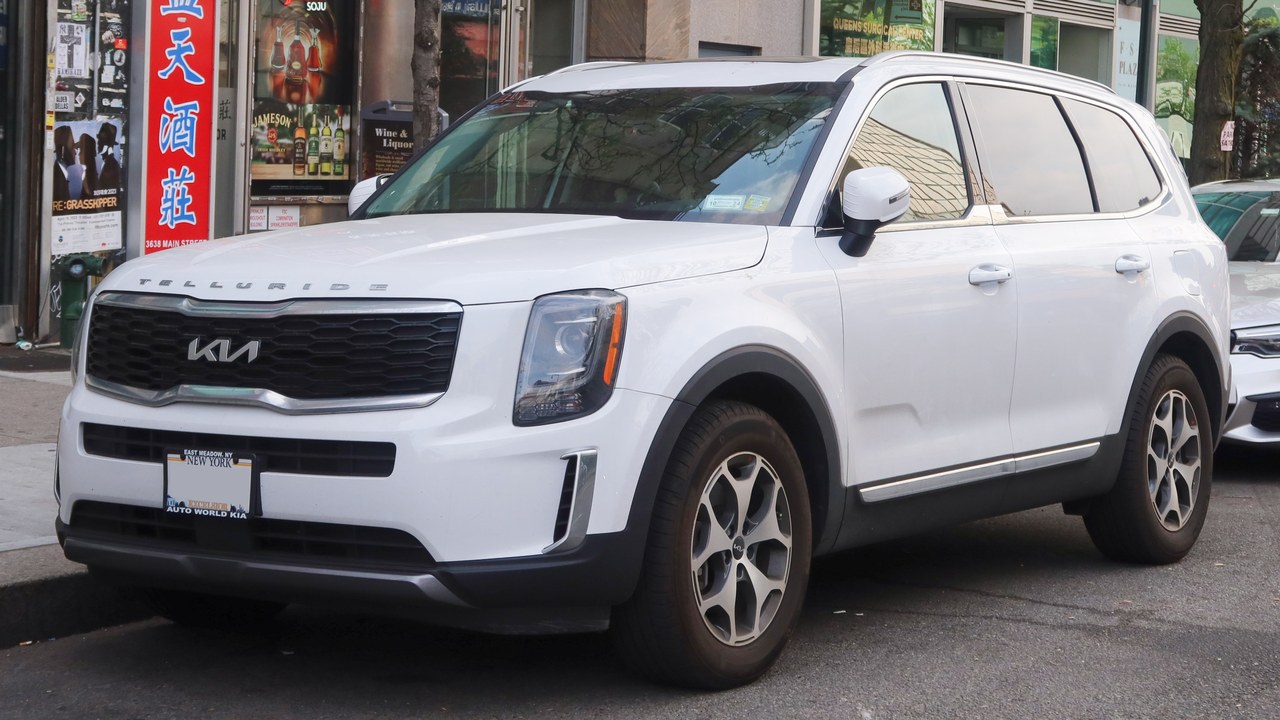
Kia’s three-row crossover won Utility of the Year for 2020, the jury’s separate award for sport utility vehicles, on the strength of a boxy upright design and a cabin that fits adults in all three rows. The Kia Telluride SUV undercut established luxury badges while borrowing their materials and quietness.
Demand outran supply almost immediately, and dealers were widely reported charging above sticker for a Kia, something the brand had never sustained. The Telluride reset what buyers expected a mainstream Korean SUV to feel like.
4. Chrysler Pacifica: The Minivan The Jury Took Seriously
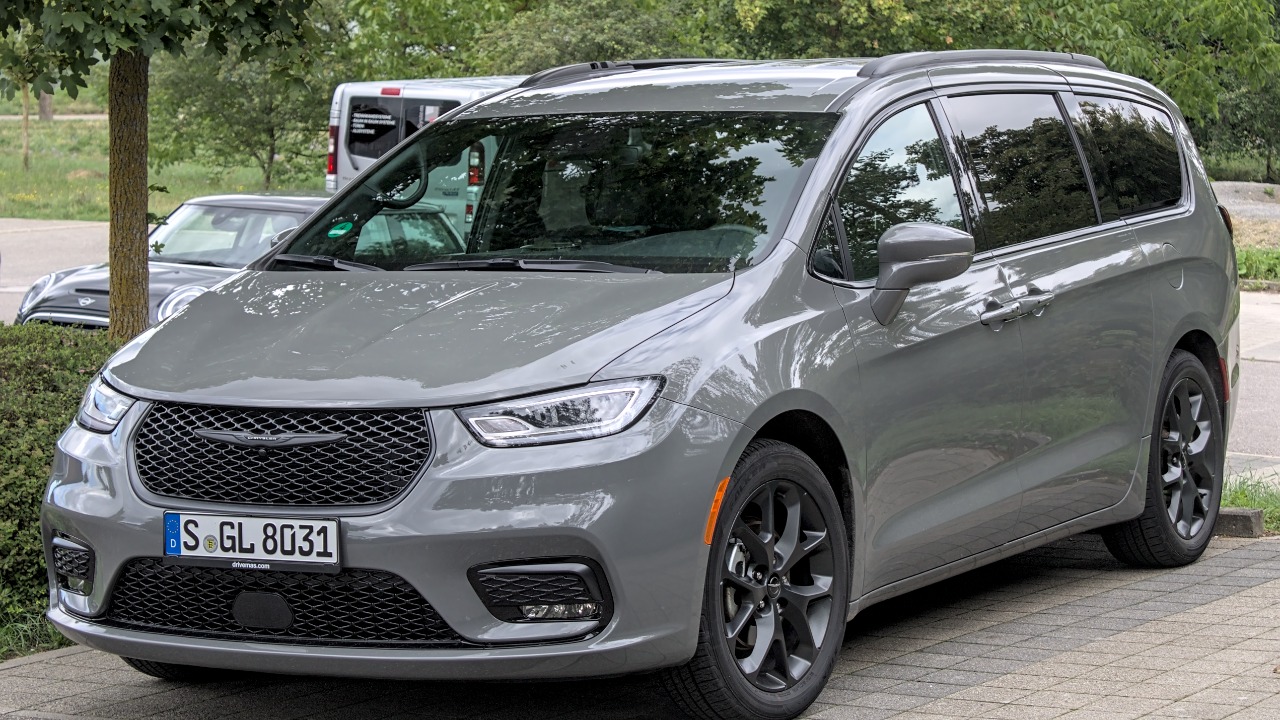
Minivans rarely collect trophies, but the Chrysler Pacifica minivan won Utility of the Year for 2017, the first season the awards split into three categories. Chrysler replaced the aging Town and Country with a stiffer body, second-row seats that folded flat into the floor, and later a plug-in hybrid variant rated for electric-only commuting.
That hybrid version gave the segment something no rival offered at the time, and it made the Pacifica a common choice for ride-hailing and autonomous-testing fleets. Sliding doors still carry a stigma, but the packaging argument never really lost.
5. Honda Civic: The Compact With Repeat Trophies
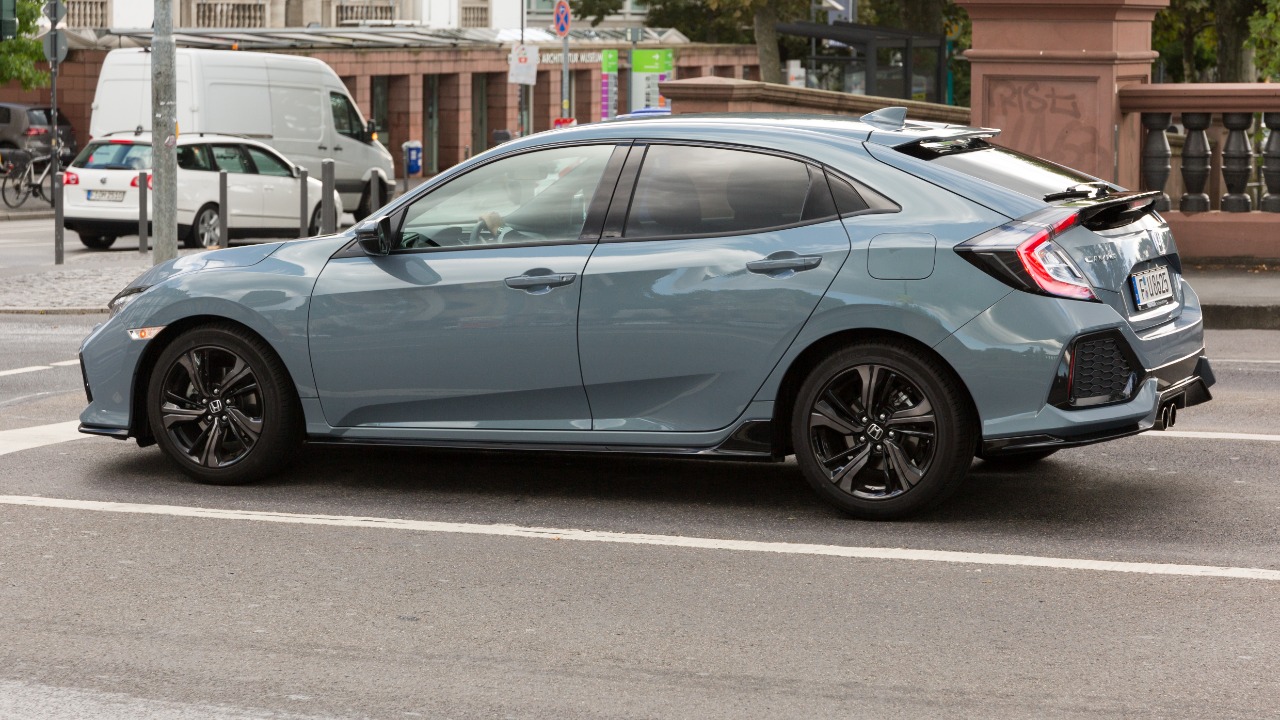
Few nameplates have taken the car award more than once, but the Honda Civic compact has done it repeatedly, including the tenth generation crowned for 2016 and the eleventh generation crowned for 2022. Each win followed a redesign that pushed the wheelbase out, dropped the seating position and sharpened the chassis.
The pattern shows what the jury rewards: incremental engineering on a car most buyers can afford, not novelty. Honda also kept a hatchback body and a manual transmission available long after most competitors abandoned both.
6. Hyundai Elantra: Two Wins, Nine Years Apart

Hyundai’s compact has claimed the car award twice, first for 2012 and again for 2021, a span in which the brand moved from value alternative to design leader. The 2021 Hyundai Elantra sedan arrived on a new platform with a sharply creased body, a wider track and a hybrid option rated above 50 mpg combined.
Both winning generations sold on running cost rather than performance, which is precisely the segment the jury tends to reward. The second win also arrived as competitors were abandoning small sedans entirely.
7. Acura Integra: A Revived Badge Wins Again
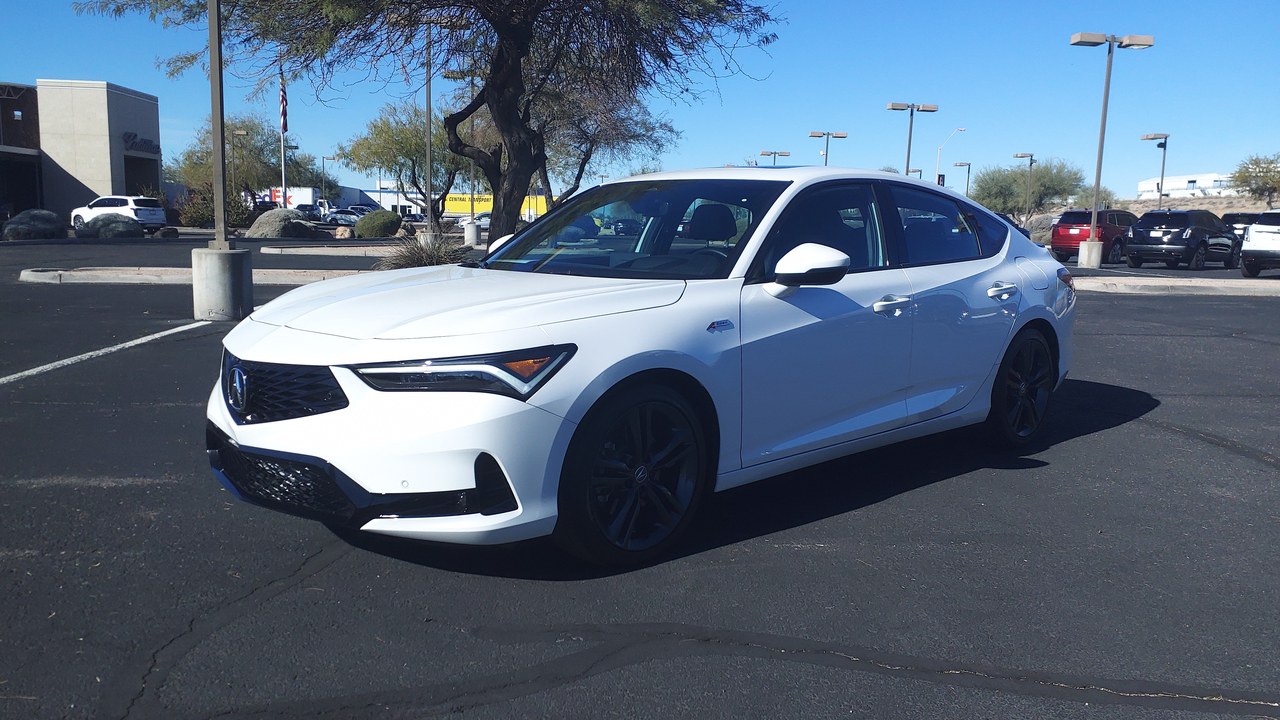
Acura resurrected a badge it had retired two decades earlier, and the reborn Acura Integra hatchback took North American Car of the Year for 2023. The liftback body, available six-speed manual and turbocharged four-cylinder answered enthusiasts who had spent years complaining that the brand had gone soft.
Purists argued the car was a Honda Civic Si in a tailored suit, which was largely accurate and largely beside the point. The jury rewarded a usable, affordable sport compact in a market that had almost stopped building them.
8. Toyota Prius: The Hybrid That Won Twice
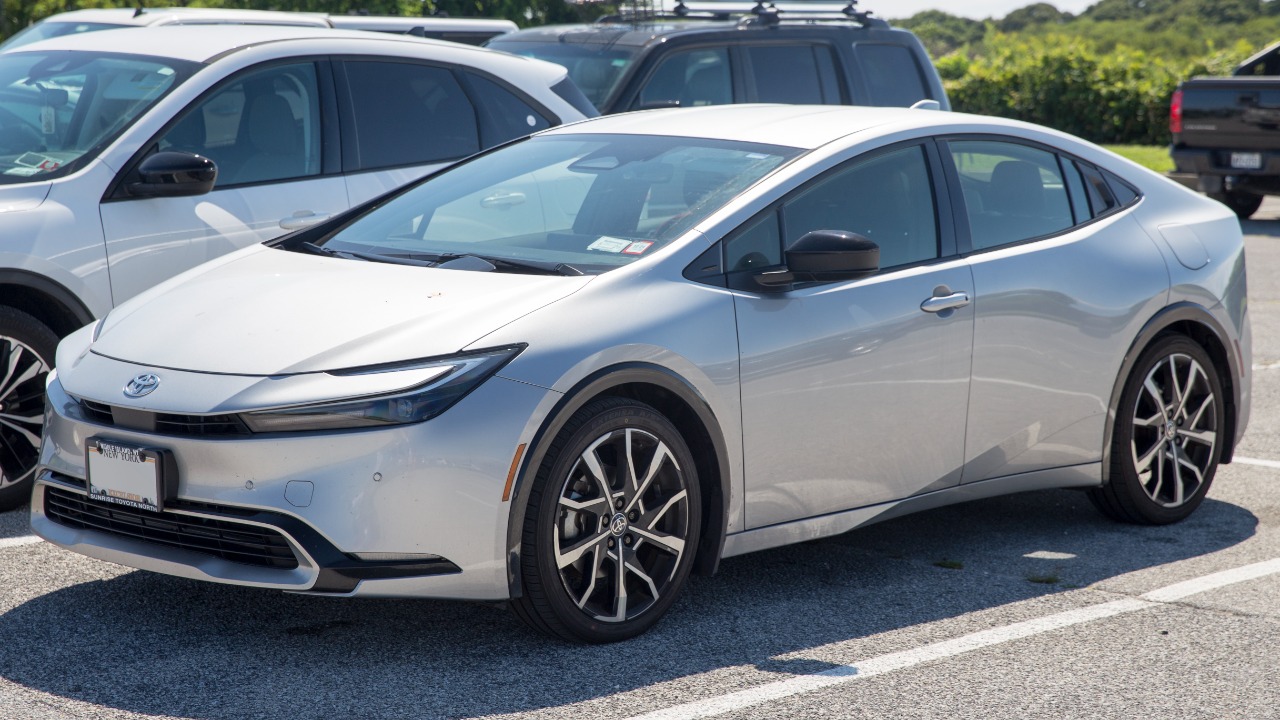
Two very different generations of the Toyota Prius hybrid have won the car award, one for 2004 and one for 2024. The earlier car made hybrid drive mainstream with a hatchback shape built around efficiency, while the later one kept the fuel economy but wrapped it in a low, wedge-shaped body with far more power.
The twenty-year gap between the two wins is unusual, and it tracks a shift in how hybrids are sold. Efficiency alone no longer moves the segment, so Toyota had to make the car quick and good-looking as well.
9. Volvo XC60: Safety Engineering In A Midsize Package
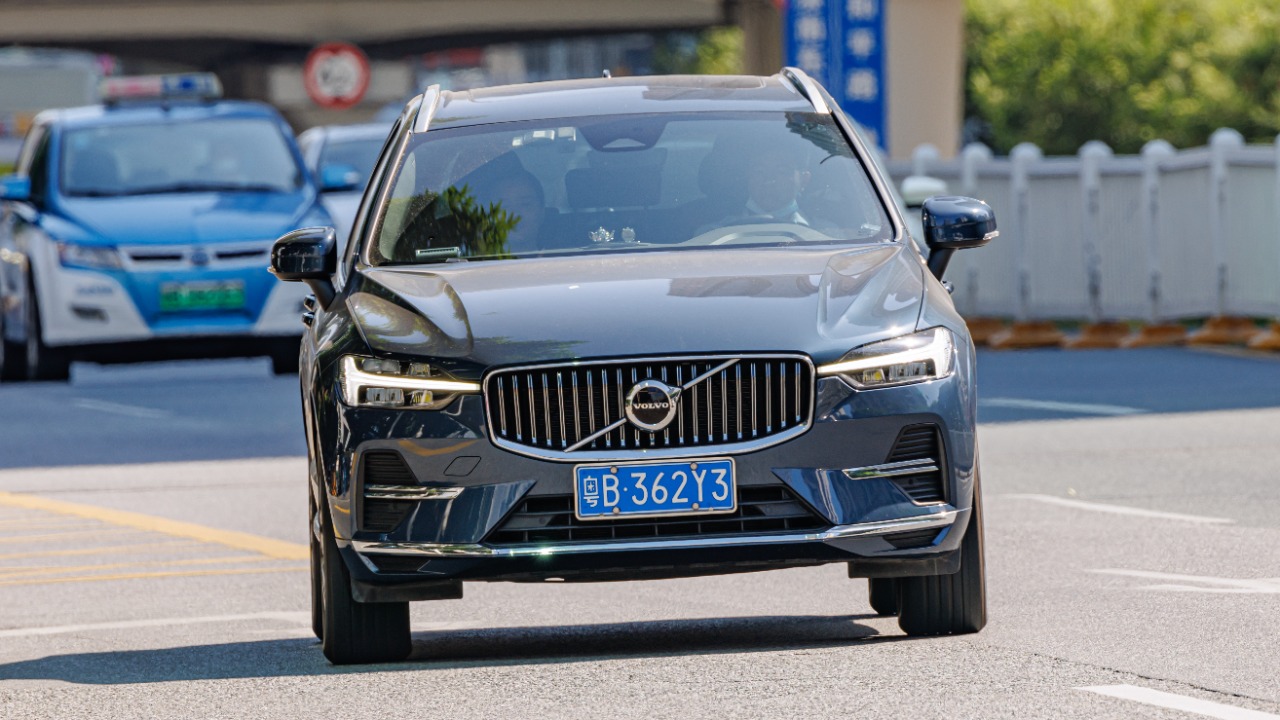
Utility of the Year for 2018 went to a midsize Volvo built on the scalable platform that also underpinned the larger XC90. The Volvo XC60 crossover shipped with collision-avoidance technology as standard equipment at a point when many rivals still charged extra for less capable systems.
Interior design did as much work as the hardware, with a portrait touchscreen and open-pore wood replacing the button clusters common elsewhere. The XC60 became Volvo’s best-selling model globally and set the template the brand still follows.
10. Ford Mustang Mach-E: The Badge Gamble That Paid Off
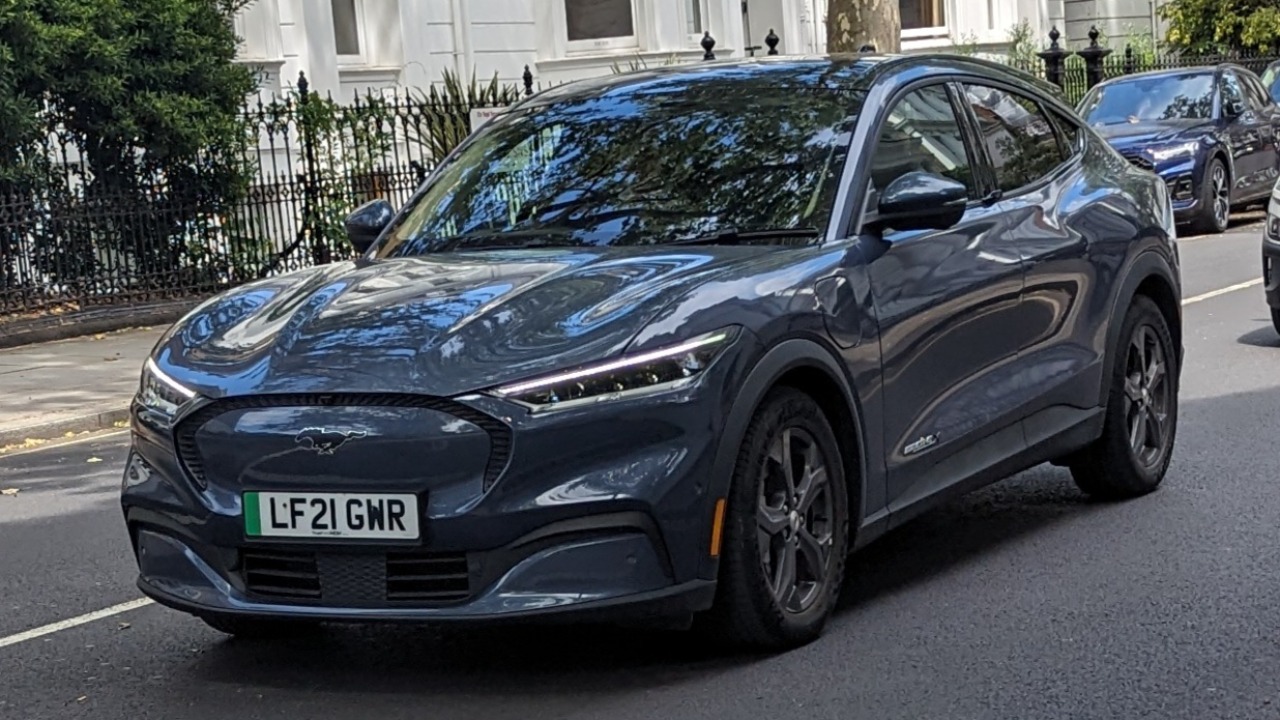
Putting the Mustang name on a four-door electric crossover drew immediate complaints from Ford loyalists, and then the Mustang Mach-E crossover won Utility of the Year for 2021. Its appeal rested on a usable range spread across battery sizes, a genuinely quick GT version and a cabin unrelated to anything else in Ford’s lineup.
The gamble worked commercially as well, making the Mach-E one of the better-selling electric vehicles in the United States in its early years. Ford has since leaned on it to argue that heritage badges can carry electric products.
11. Genesis GV70: Luxury Built From Scratch
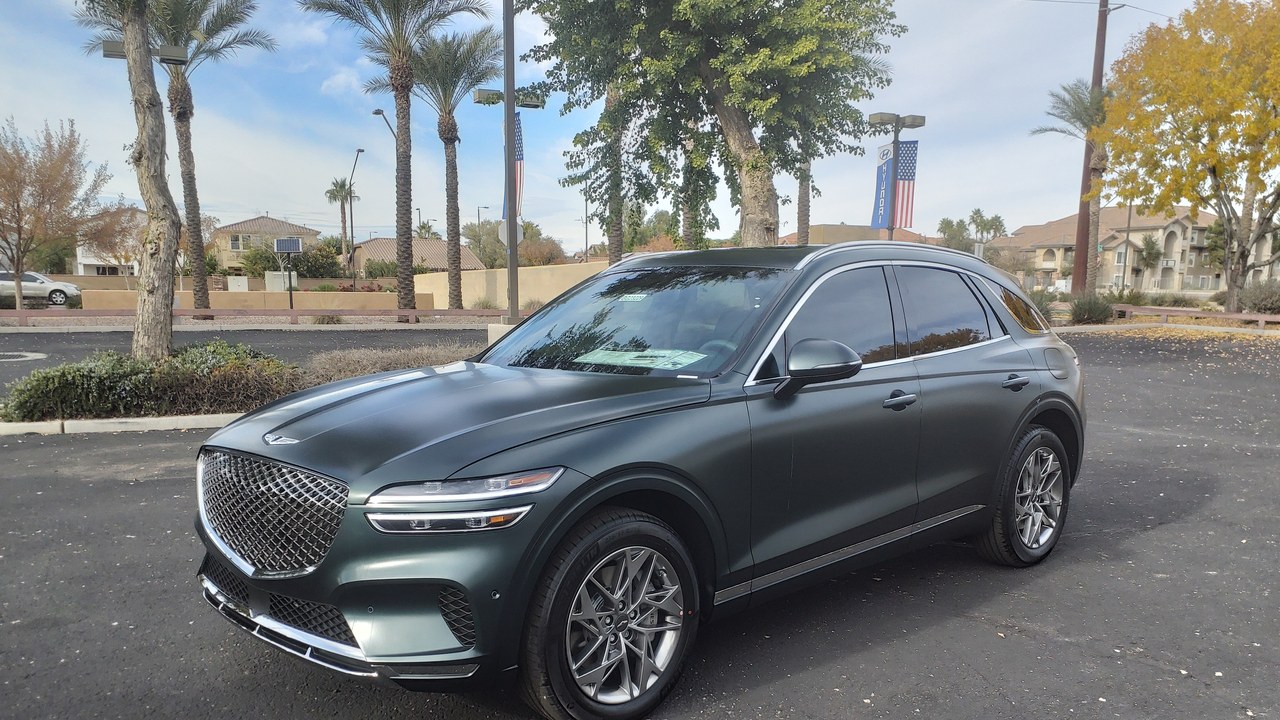
A brand that did not exist a decade earlier collected Utility of the Year for 2022 with a compact luxury crossover. The Genesis GV70 crossover shared its rear-drive-based architecture with the G70 sedan and offered a twin-turbocharged V6 alongside a four-cylinder, plus warranty coverage that undercut the German incumbents.
Design was the argument as much as mechanicals, from the split-lamp face to a cabin finished in materials usually reserved for more expensive machinery. An electrified version followed, extending the same case to buyers shopping without a fuel pump.
12. Rivian R1T: The Startup That Beat Detroit To Market
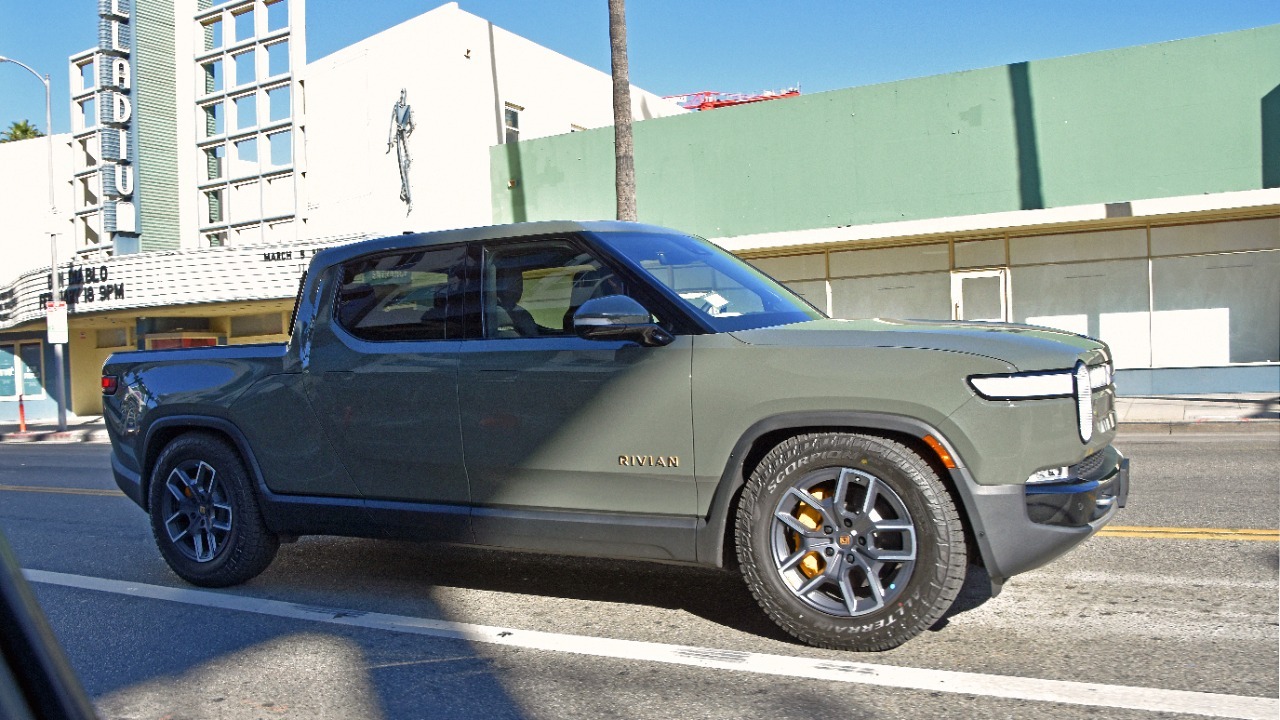
A company with no prior production history shipped an electric pickup before any established automaker managed it, and the Rivian R1T pickup was named Truck of the Year for 2022. Four independent motors, a gear tunnel running behind the cab and an air suspension with substantial travel separated it from converted-pickup rivals.
Ownership costs and service coverage remained the open questions, as they do for any manufacturer building its network from nothing. The truck’s reception nonetheless forced legacy builders to accelerate their own electric pickup programs.
More from Morning Overview
