Archaeologists have made a groundbreaking discovery of 115,000-year-old human footprints in the Arabian Peninsula, specifically at Alathar Lake. This finding challenges previous assumptions that early humans did not inhabit this region, offering new insights into ancient human migration patterns and settlement areas. The discovery at this unexpected location is reshaping our understanding of prehistoric human behavior and movement.
Discovery of Ancient Footprints
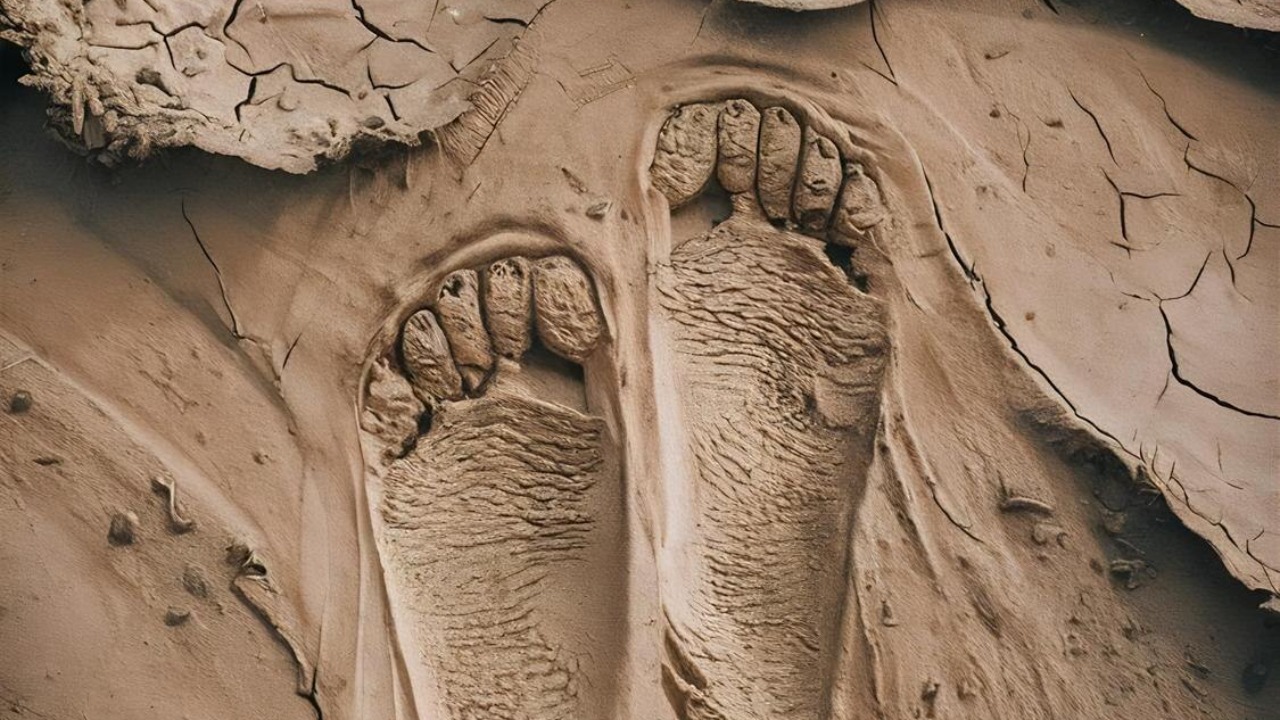
The discovery of ancient human footprints at Alathar Lake has captured the attention of archaeologists and historians alike. These footprints, dating back 115,000 years, were found in a region not previously associated with early human activity. The site, located in the Arabian Peninsula, was not considered a likely candidate for such a significant archaeological find. This unexpected revelation has opened up new discussions about the presence and movement of early humans in this area (Earth.com).
The footprints provide crucial evidence that early humans were present in the Arabian Peninsula much earlier than previously thought. This challenges the long-held belief that the region was uninhabited by humans during the Pleistocene epoch. The footprints offer a tangible connection to our ancestors, providing a glimpse into their lives and movements. The significance of this discovery cannot be overstated, as it adds a new dimension to our understanding of human history and migration (Yahoo News).
In addition to the footprints, the site at Alathar Lake has yielded a variety of other archaeological materials, including animal bones and stone tools. These artifacts provide further context for the environment and lifestyle of the early humans who left the footprints. The presence of these tools suggests that the area may have been a temporary settlement or a stopover point for migrating groups. This aligns with the idea that early humans were highly adaptable, capable of exploiting diverse environments for survival. The discovery also raises questions about the interactions between humans and other species in the region, as the footprints were found alongside those of elephants, camels, and other large animals, indicating a rich and varied ecosystem (Earth.com).
Significance of the Location
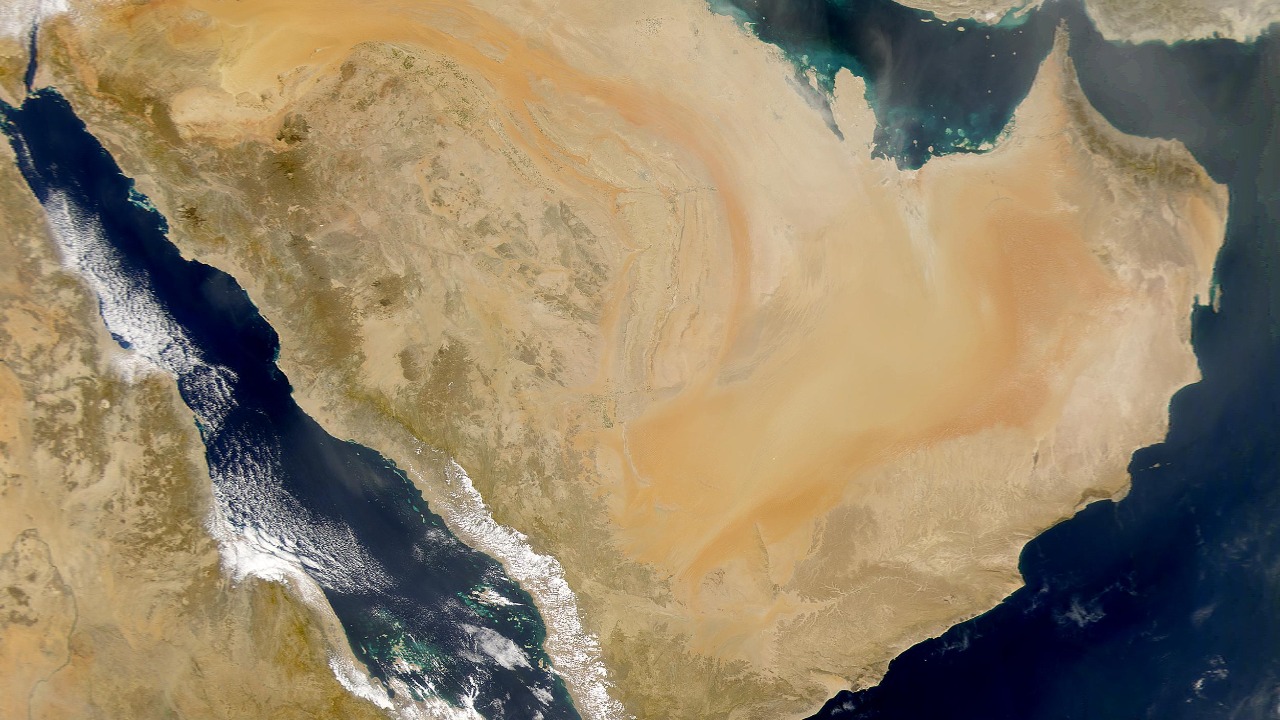
The Arabian Peninsula has long been considered a barren landscape in terms of early human habitation. The discovery of these footprints at Alathar Lake is particularly noteworthy because it challenges existing theories about where early humans lived and traveled. Previously, the region was not thought to be a part of early human migration routes, making this find a pivotal moment in archaeological research (MSN).
This discovery has significant implications for our understanding of human migration during the Pleistocene epoch. It suggests that early humans may have used the Arabian Peninsula as a corridor for migration, which was previously unconsidered. This new evidence prompts a reevaluation of the migration routes and settlement patterns of early humans, offering a fresh perspective on how our ancestors spread across the globe (Earth.com).
The environmental conditions of the Arabian Peninsula during the Pleistocene epoch were markedly different from today. At that time, the region was characterized by a wetter climate, with more abundant water sources and vegetation, making it a viable habitat for early humans. This climatic context is crucial for understanding why early humans might have chosen to traverse or inhabit this area. The discovery at Alathar Lake suggests that the region could have served as a refuge during periods of climatic instability, offering resources that were scarce elsewhere. This challenges the perception of the Arabian Peninsula as a harsh, uninhabitable desert, instead highlighting its potential as a significant corridor for human migration (MSN).
Implications for Human Migration Studies

The implications of this discovery extend beyond the immediate archaeological community, affecting the broader field of human migration studies. The presence of these ancient footprints in the Arabian Peninsula suggests that early humans may have migrated through this region, altering our understanding of prehistoric human behavior. This finding opens up new avenues for research into previously unknown migration routes, providing a more comprehensive picture of human history (Yahoo News).
Researchers are now considering the possibility that the Arabian Peninsula served as a critical migration corridor for early humans. This challenges the traditional view that human migration out of Africa primarily followed a northern route through the Levant. The discovery of these footprints suggests that alternative routes may have been used, highlighting the complexity and adaptability of early human populations (MSN).
The discovery of the footprints at Alathar Lake is prompting scientists to re-evaluate the timeline of human migration out of Africa. Traditionally, it was believed that early humans left Africa around 60,000 years ago, primarily through the Levant corridor. However, the evidence from Alathar Lake suggests that migrations may have occurred much earlier and through different routes than previously thought. This has significant implications for our understanding of human evolution, as it indicates that early humans were capable of adapting to a variety of environments and climates. The potential for multiple migration waves and routes underscores the complexity of human dispersal and the need for a more nuanced understanding of our ancestors’ movements across the globe (Yahoo News).
Future Research Directions
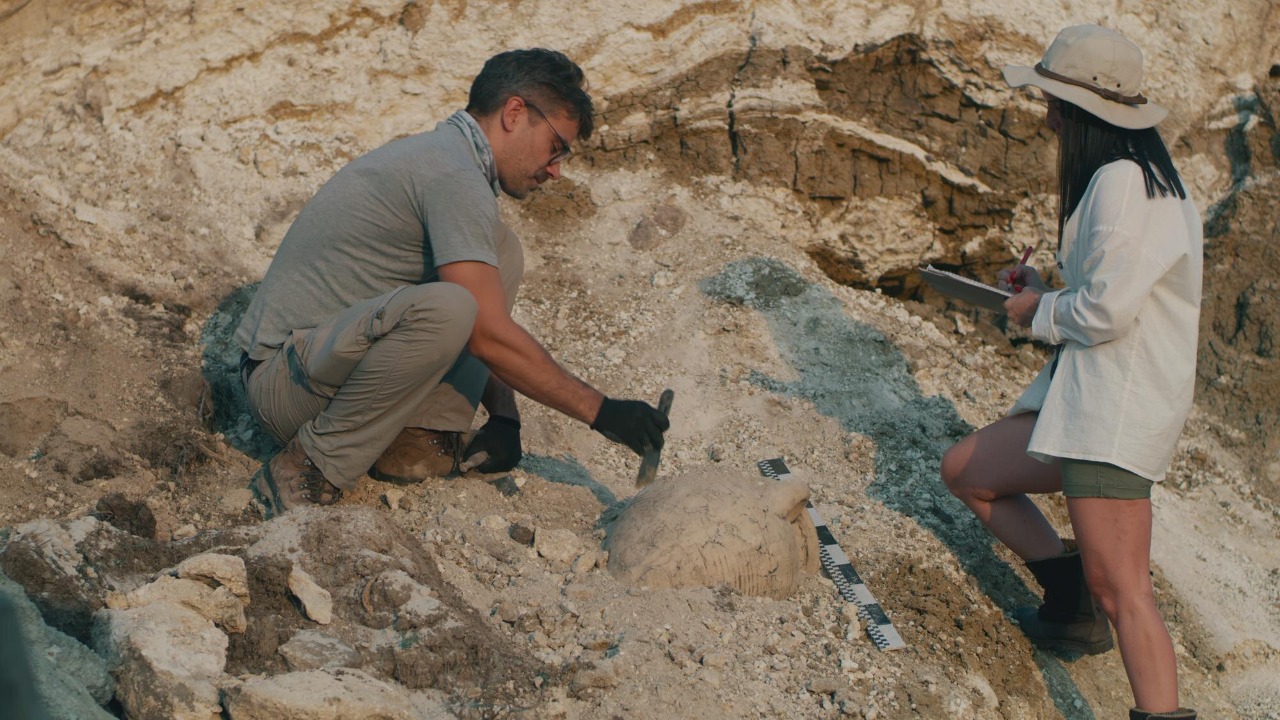
The discovery at Alathar Lake has set the stage for further archaeological exploration in the Arabian Peninsula. Researchers are now eager to investigate other potential sites in the region that might hold additional clues about ancient human activity. This could lead to more discoveries that further illuminate the migration patterns and behaviors of early humans (Earth.com).
As archaeologists continue to explore the Arabian Peninsula, the timeline and routes of human migration out of Africa may need to be re-evaluated. This discovery prompts a reconsideration of how early humans spread across the globe, potentially rewriting parts of our history. The footprints at Alathar Lake are not just a testament to the presence of early humans in an unexpected location; they are a catalyst for new research and understanding of our shared past (Yahoo News).
