
Toyota has been selling hybrids in America since the first Prius arrived in 2000, and the lineup has grown far beyond that small sedan. The list moves from that original car through minivans, SUVs and sedans to a twin-turbo Tundra that makes 437 hp. Here are eleven Toyota hybrids, in roughly the order they reached American buyers.
The tech news worth your time: 400,000+ professionals from Google, Apple and OpenAI read Techpresso, a daily email with the most interesting tech news and insights.
We may earn a commission if you sign up.
1. Toyota Prius (NHW11): First Stateside Prius
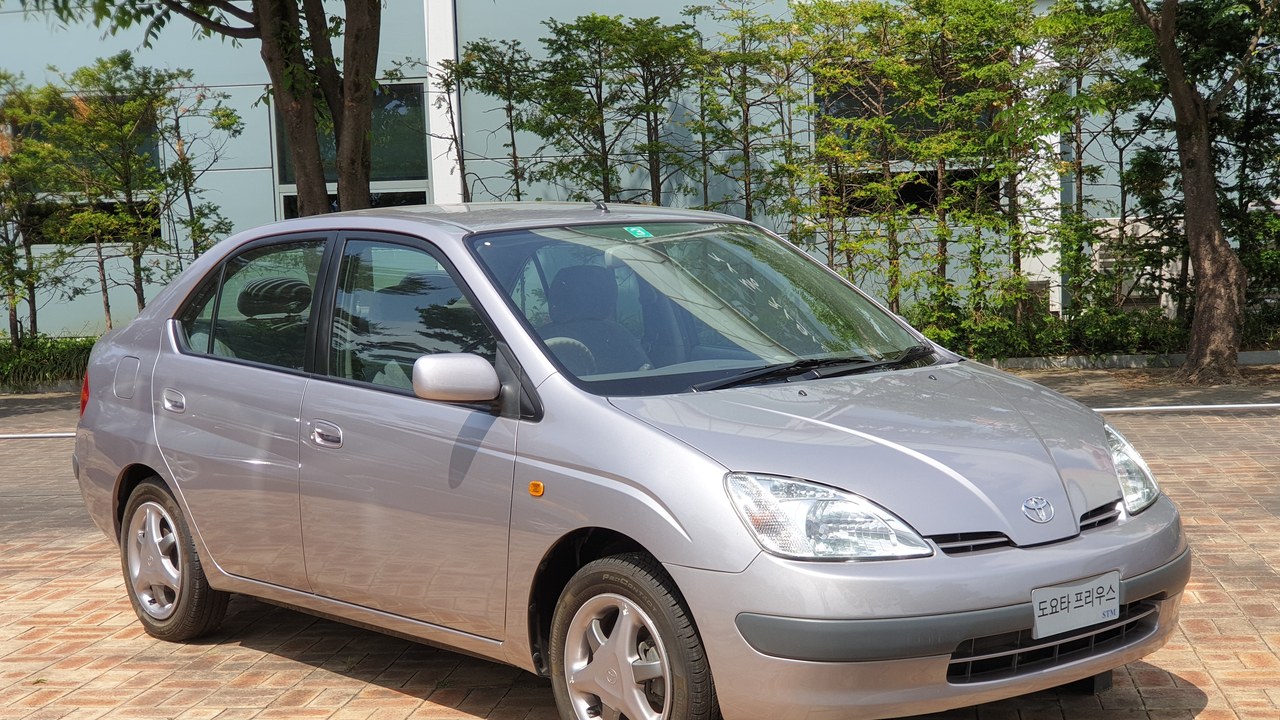
The NHW11 was the first Prius sold outside Japan, and its published U.S. retail price at the 2000 launch was $19,995. Toyota said it broke even on each one sold.
That price put a hybrid within reach of ordinary shoppers rather than treating it as a science project. Breaking even instead of profiting shows how much the automaker was willing to invest in getting the idea in front of American buyers, and every hybrid on this list traces back to that bet.
2. Toyota Prius (XW30): The Million-Seller
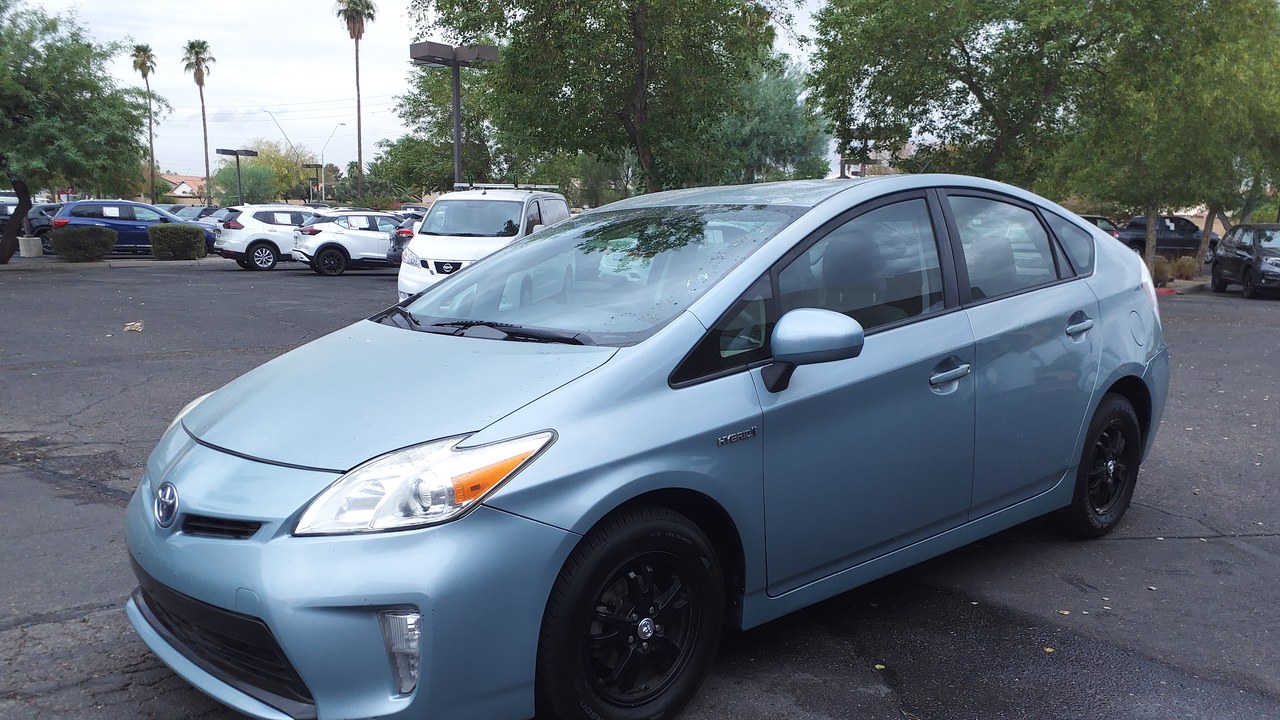
Toyota announced the one-millionth U.S. Prius sale in April 2011, and the third-generation car was riding high at the time. It topped the EPA’s Most Fuel Efficient list for 2011.
A million sales in the United States turned the Prius from a curiosity into a mainstream nameplate. The third generation carried that milestone, and its efficiency ranking gave Toyota a simple talking point that rivals struggled to match during the early 2010s.
3. Toyota Prius v: Wagon Wing
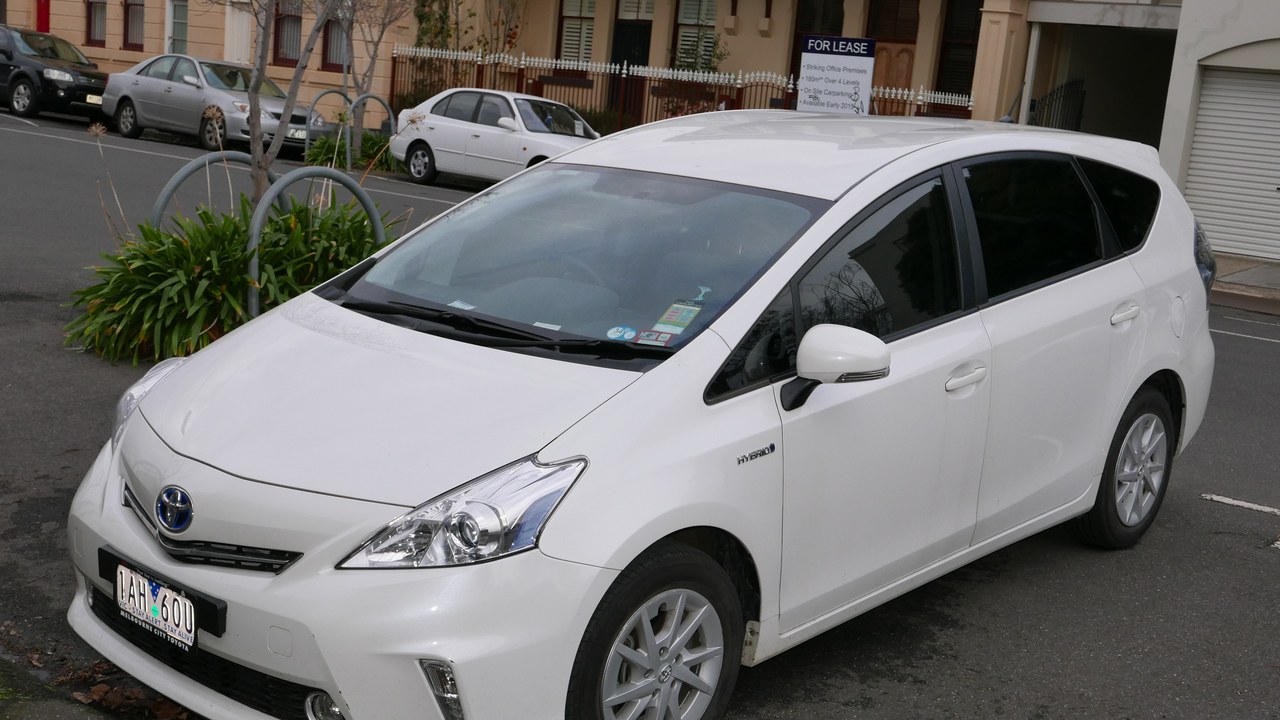
Toyota revealed the wagon-style Prius at the January 2011 Detroit show, billing it with over 50 percent more interior cargo space than the standard car. U.S. sales ran from 2011 to 2017.
The v stretched the Prius idea toward families who needed room for gear and passengers. Its run of roughly six model years shows Toyota testing how far the hybrid badge could travel beyond the familiar liftback shape before the lineup was simplified again.
4. Toyota Prius c: Compact Companion
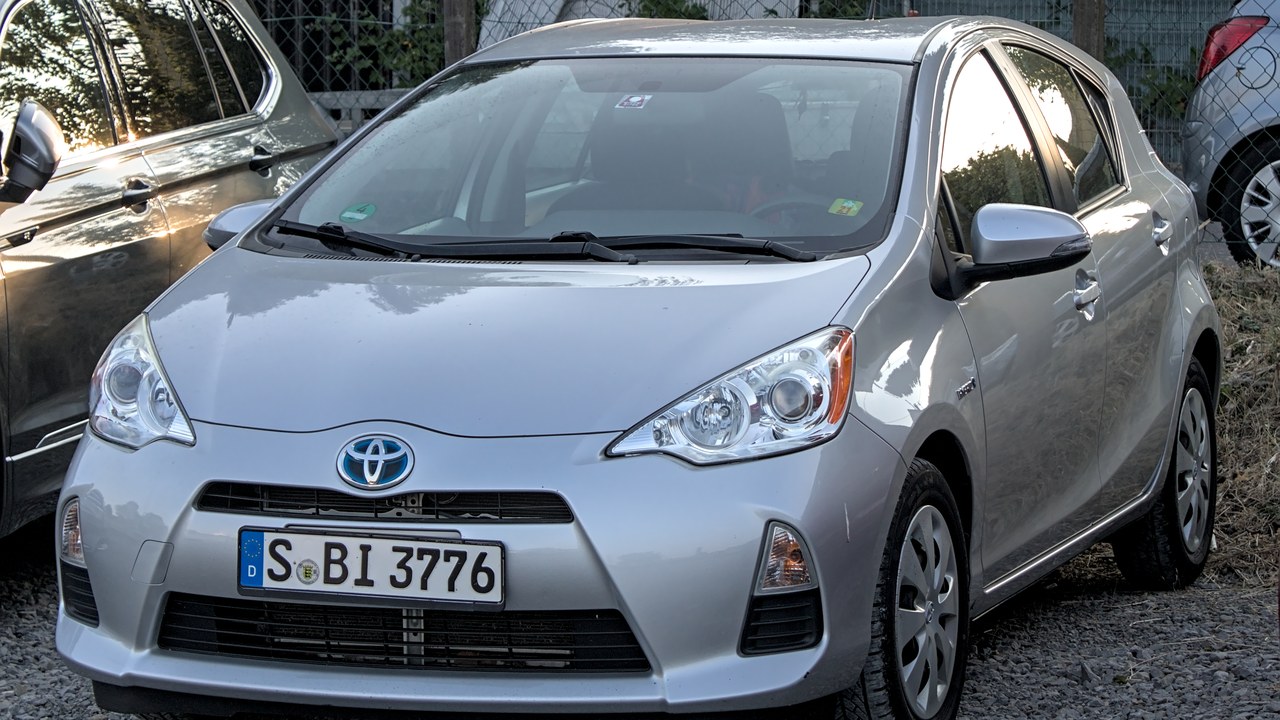
In the same announcement, Toyota said a compact Prius c hybrid was planned for early 2012. The small car was meant to widen the Prius family past the liftback.
The source describes only the plan, not the sales record, so the car appears here as part of Toyota’s early-2010s push to build a whole Prius sub-brand. A cheaper, smaller entry point suggested the company saw hybrids as a range rather than a single hero model.
5. Toyota Highlander Hybrid: Seven-Seat Pioneer
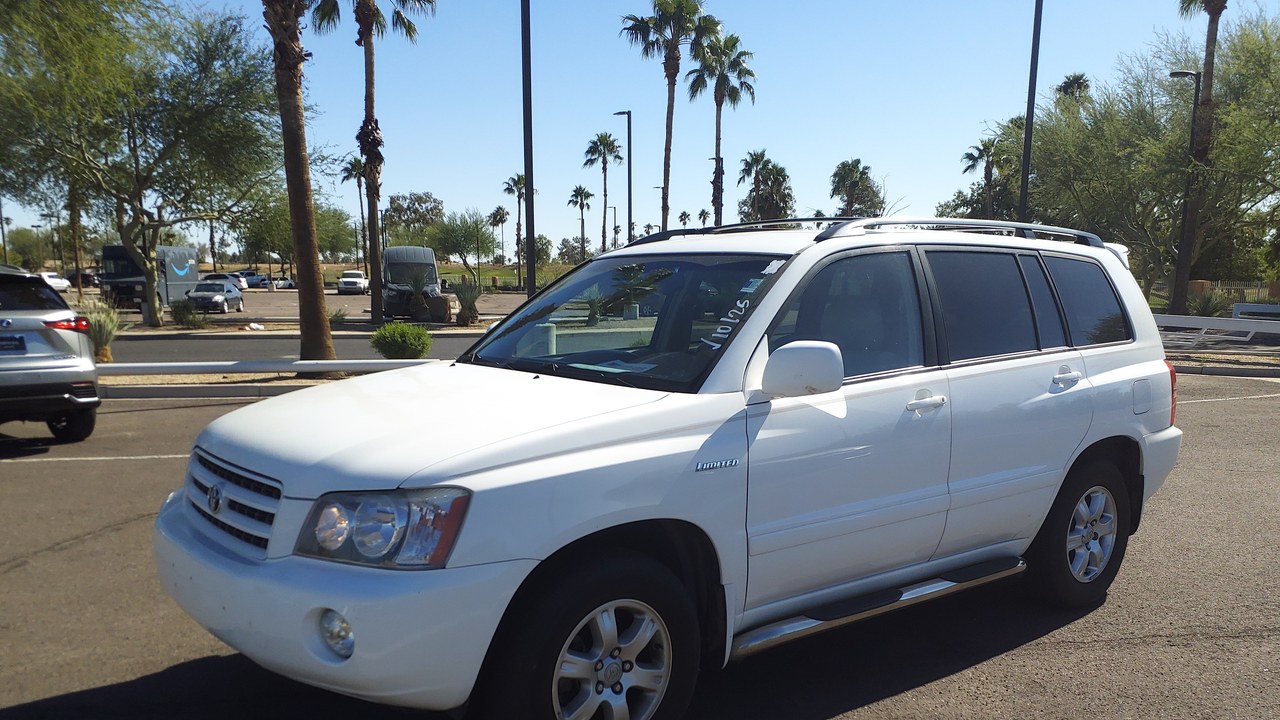
The Highlander Hybrid was offered to the public in July 2005 as a 2006 model. It was the first seven-seat hybrid vehicle from Toyota.
Moving the technology into a three-row SUV mattered because family haulers use more fuel than small sedans. The Highlander showed Toyota applying the hybrid system to a vehicle with real passenger and cargo demands, an approach that later spread across its crossover and minivan lines. The timing, mid-2005 for the 2006 model year, places it well ahead of most of the other vehicles in this gallery.
6. Toyota RAV4 Hybrid: Hybrid Best Seller
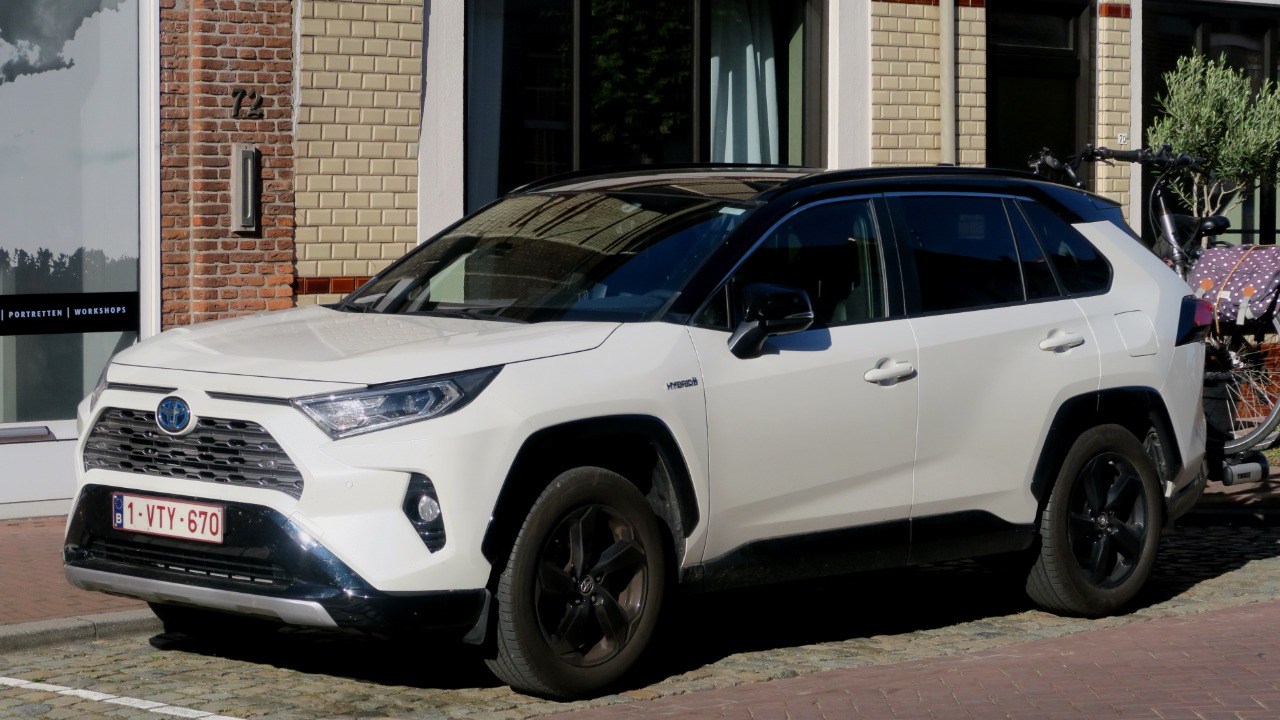
U.S. sales of the XA40 RAV4 Hybrid began in January 2013, and the XA50 version followed in March 2019 with 219 hp combined.
The jump to the XA50 generation put the hybrid alongside the regular gas models rather than treating it as a niche option. Its 219 hp combined output is the headline number from that generation, and it helps explain why the compact crossover sits among the best-known hybrids in this lineup.
7. Toyota Avalon Hybrid: Big Sedan, Small Thirst
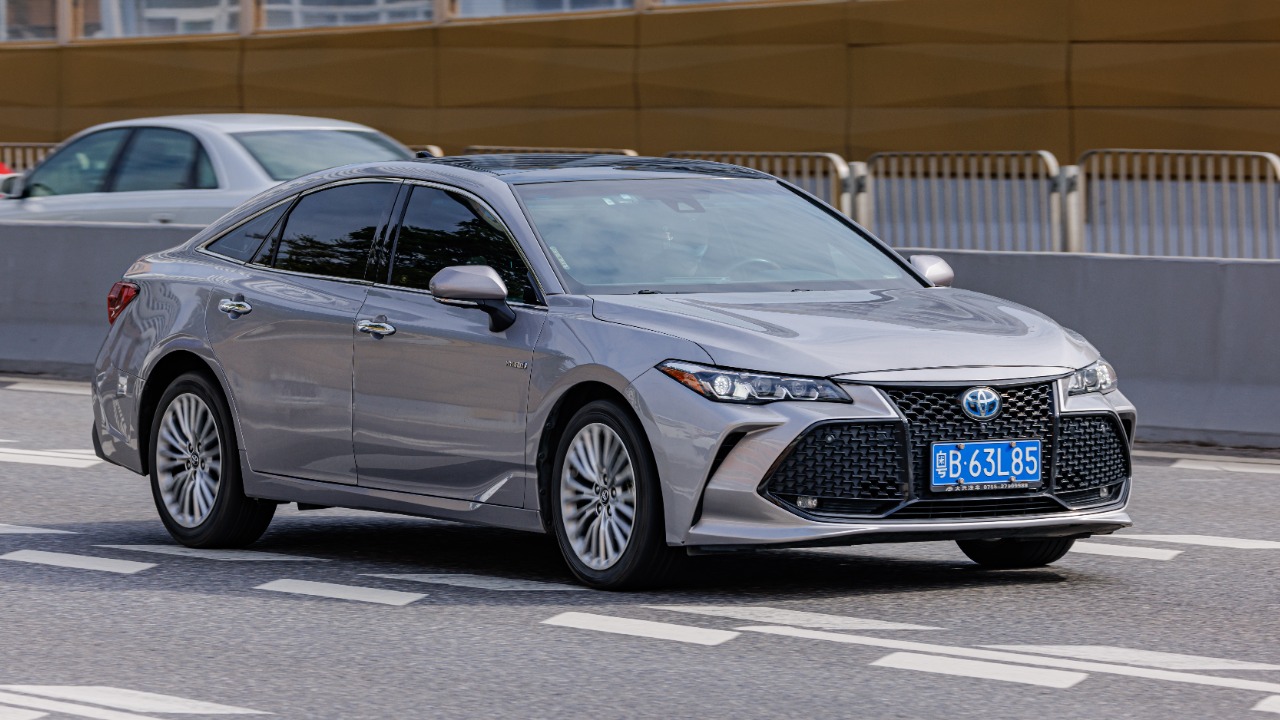
The Avalon hybrid went on sale in the U.S. in December 2012, with 200 hp total and 40 mpg combined.
Pairing full-size comfort with that fuel economy gave sedan buyers a reason to look at hybrids. The Avalon itself was discontinued in the U.S. in 2022, which makes the hybrid version a snapshot of a segment Toyota has since moved away from. For a company known for small hybrids, a large sedan with those figures was a notable addition to the family, and it stayed in the lineup for roughly a decade.
8. Toyota Sienna Hybrid: All-Hybrid Van
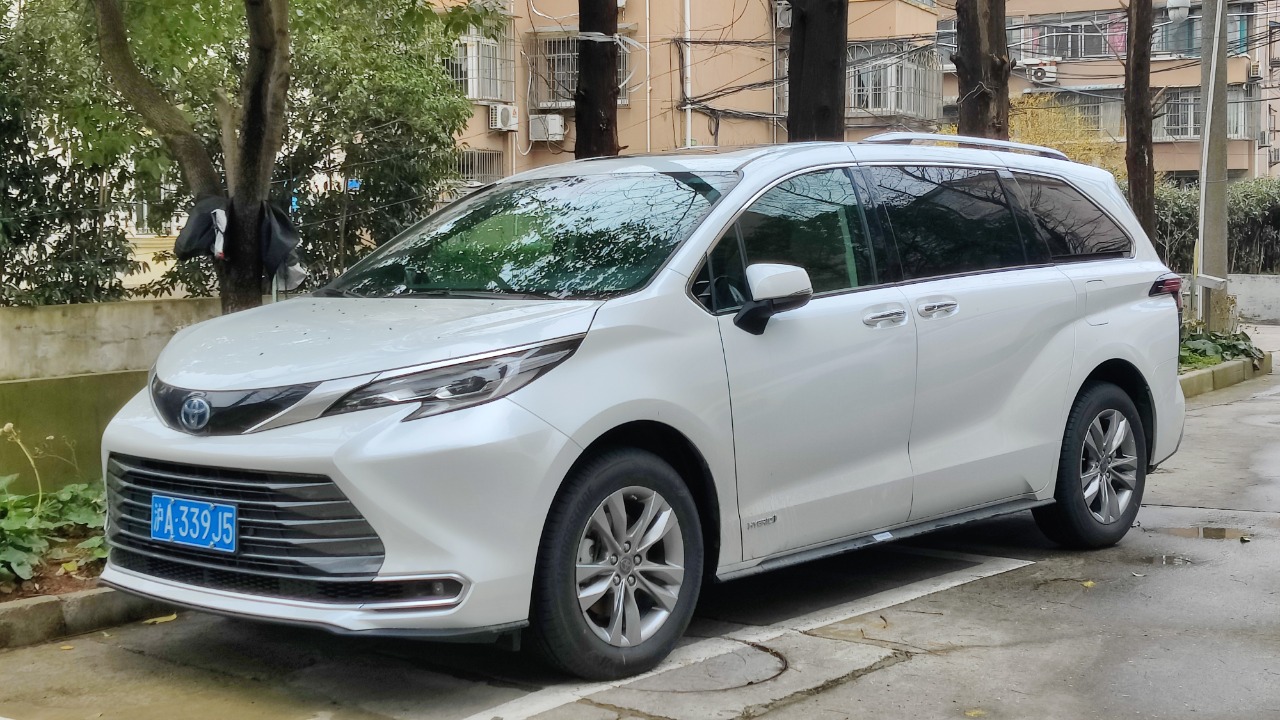
On sale since late 2020, the fourth-generation Sienna made every trim a hybrid, with all trims coming standard with a hybrid powertrain.
Making the electrified setup universal removed the choice between a gas and hybrid van entirely. Buyers responded, with U.S. sales reaching 107,990 in 2021, a strong showing for a minivan in a market that has largely shifted toward crossovers. Every van sold carrying the hybrid system also means the figure reflects the technology alone, with no gas-only Sienna splitting the numbers that year.
9. Toyota Tundra i-Force Max: Twin-Turbo Hybrid
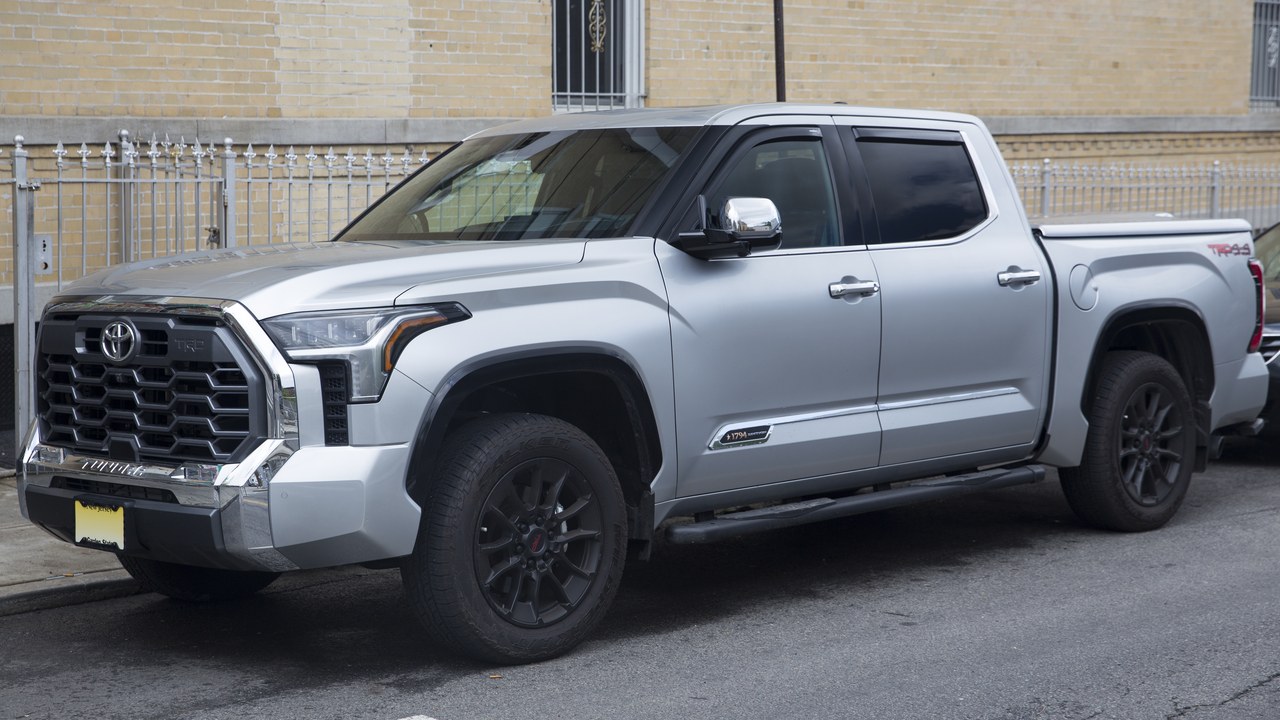
The hybridized twin-turbo V6 in the third-generation Tundra delivers a total of 437 hp and 583 lb-ft of torque.
That combined output is the peak figure on this list and the reason the headline names the pickup. The i-Force Max pairs a turbocharged engine with electric assistance, showing how far Toyota’s hybrid approach has moved from the fuel-sipping Prius that started the story. For anyone comparing hybrids across this gallery, the Tundra marks the high end of output, well above the Prius numbers that opened the list.
10. Toyota Tacoma i-Force Max: Midsize Muscle
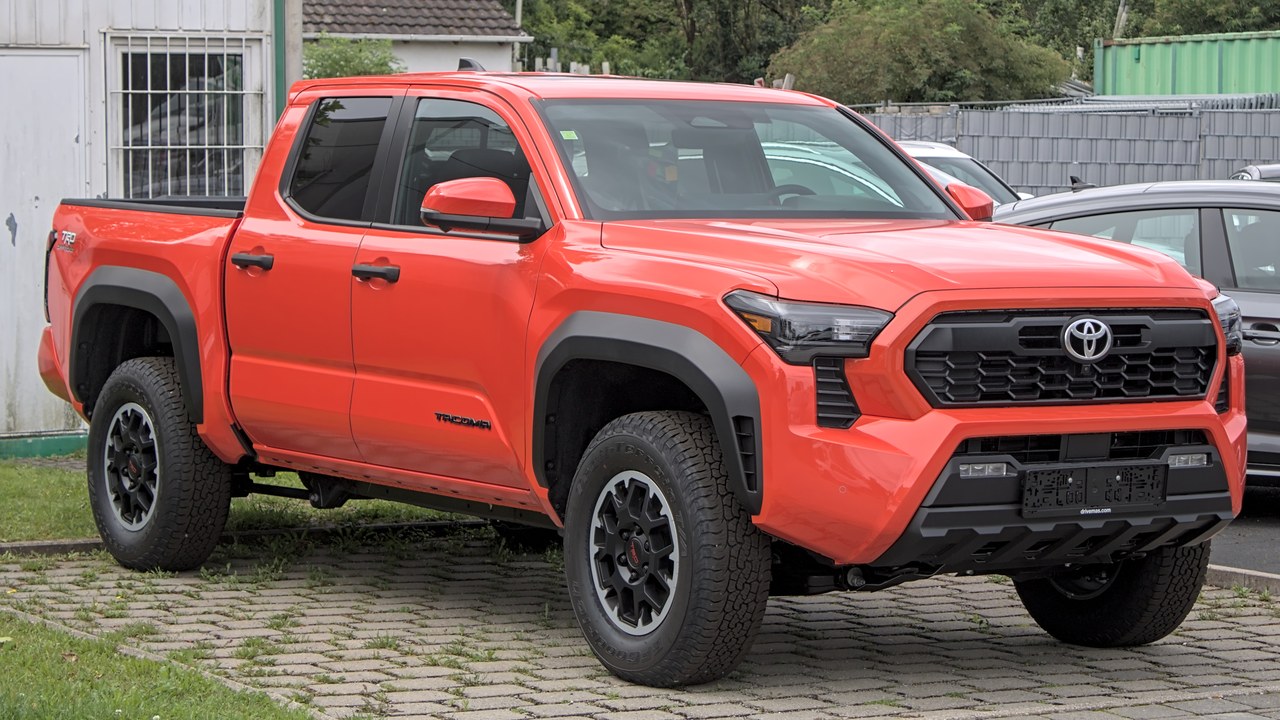
The Tacoma’s i-FORCE MAX hybrid has a total system output of up to 326 hp and 465 lb-ft of torque.
Toyota’s newsroom also notes the truck won Truck of Texas in both 2025 and 2026. A midsize pickup with that much torque sits well below the Tundra on power but shows the hybrid system scaling down to a smaller, more affordable truck. That pairing of horsepower and torque figures gives the Tacoma a clear place in the hybrid lineup, as the smaller sibling of the Tundra that tops the gallery.
11. Toyota Prius Plug-in Hybrid: Plug-In Plan
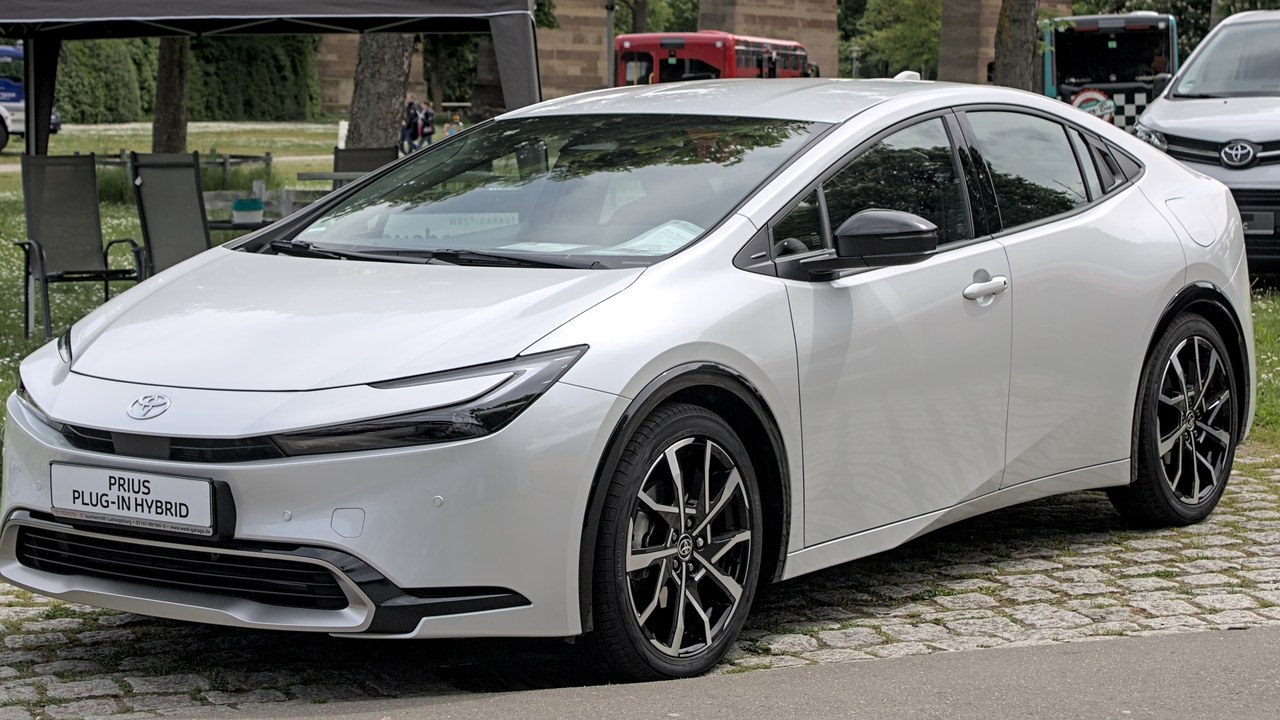
Toyota’s 2011 announcement said a Prius Plug-in Hybrid was planned for early 2012. The Prius Prime followed in the U.S. in November 2016.
The plug-in idea circled back to the nameplate years later in the Prime form, which carries the same charge-at-home concept forward. Seeing both dates together shows how Toyota kept refining the Prius concept across several years and model generations. Together the two dates show the plug-in version arriving in stages, first as a plan announced in the company’s press materials and later as a production model.
The tech news worth your time: Subscribe to Techpresso →
We may earn a commission if you sign up.
More from Morning Overview
- Common allergy, bladder and sleep pills tied to sharply higher dementia odds
- NOAA now gives this winter a 75% chance of the strongest El Nino since 1950
- Doctors warn a silent liver disease now affects one in three American adults
- The FBI told the rest of ShinyHunters to surrender after a 24-year-old was arrested
