
Isuzu spent nearly three decades selling cars, trucks and SUVs to American shoppers before it stopped on January 31, 2009. Along the way it built quirky coupes, borrowed Honda and General Motors designs, and even launched one genuine technical first. Here are eleven Isuzus that America lost, from the P’up to the Ascender.
Tech news in one quick read: Get the most interesting stories in startups, tech and programming, each with a short TLDR, in one daily email from TLDR.
We may earn a commission if you sign up.
1. Isuzu P’up: Where It Started
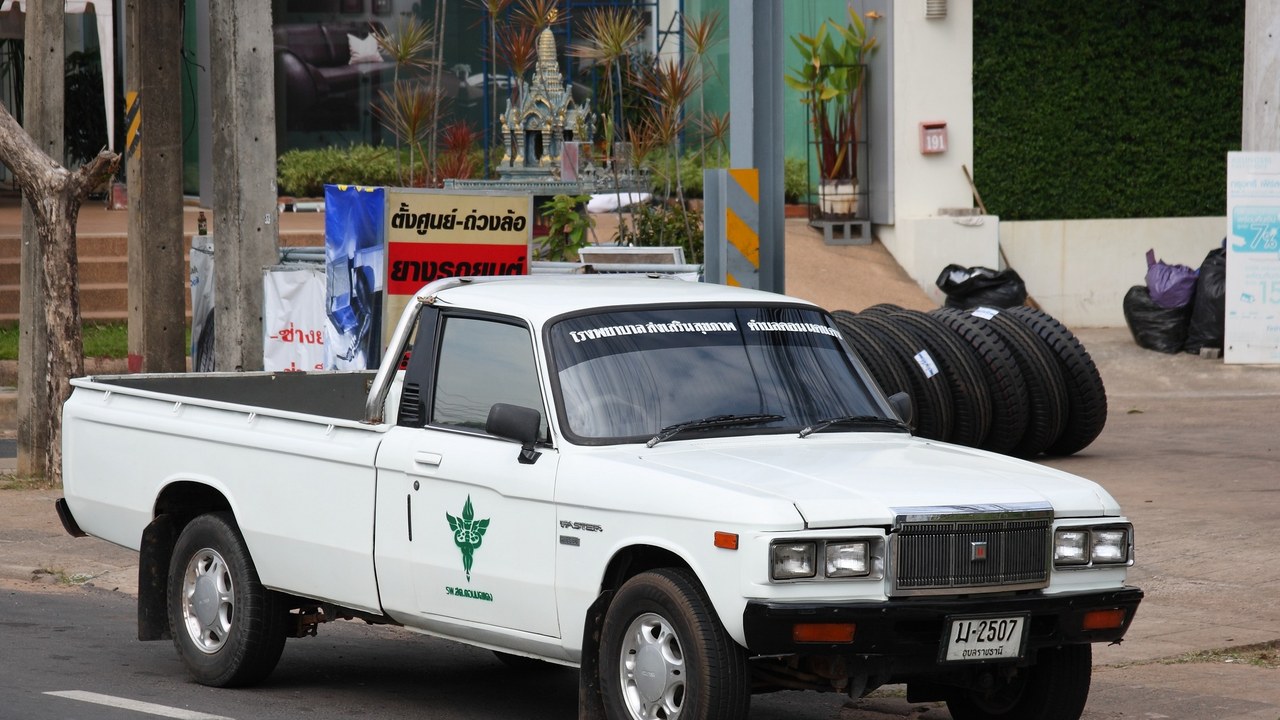
Isuzu’s first vehicle sold under its own name in America arrived in 1981 as the P’up, a small truck that was essentially the rebadged successor to the Chevrolet LUV. Consumer Guide’s forgotten car brands roundup counts it as the starting point for the badge on American roads.
The LUV connection shows how closely Isuzu’s earliest American presence was tied to a Chevrolet product. The small pickup began a run of vehicles that leaned on a larger partner’s designs.
2. Isuzu I-Mark: Buick Opel Stand-In
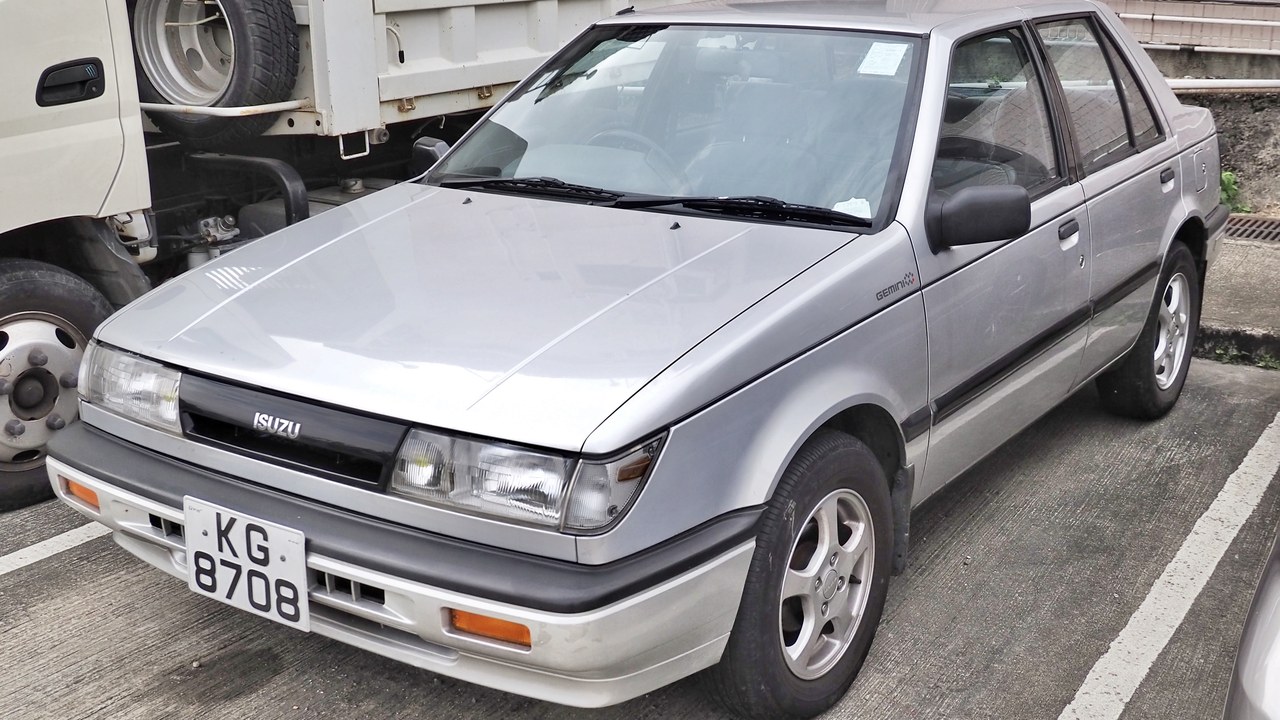
The I-Mark took over for the Buick Opel for 1981, and the front-drive 1985 model became the one most buyers remember. Import quotas limited it, and Wikipedia’s Isuzu Gemini entry notes that only 29,500 cars were available in that first model year.
Trade rules shaped what Americans could buy in those years, and the cap limited how many of the new front-drive cars could reach showrooms at all. The I-Mark name stands as one of the early Isuzu car nameplates the brand later left behind.
3. Isuzu Impulse: Sporty Coupe
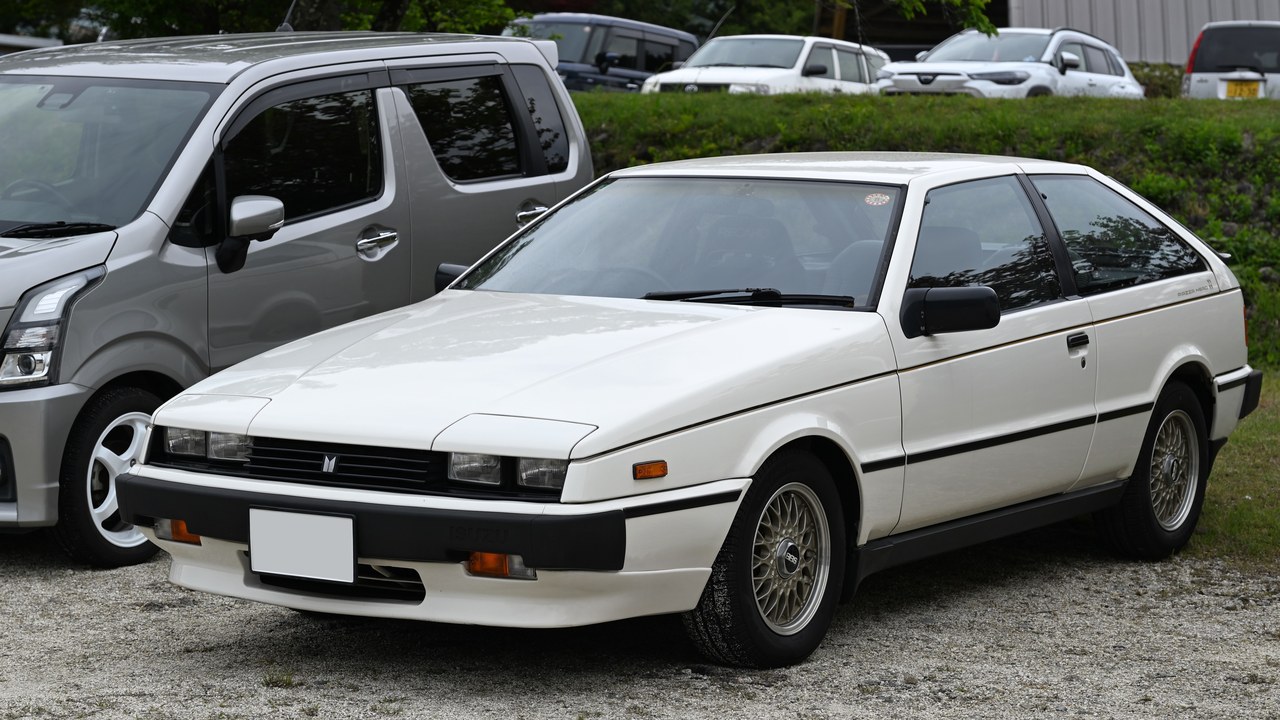
Sold from 1981, the Impulse was Isuzu’s sporty coupe for American buyers. Consumer Guide’s brand retrospective says it stopped in 1993.
Its exit mattered more than its sales alone suggest, because the Impulse and the Stylus both ended that year and took Isuzu’s car line in America with them. After 1993 the brand was a truck and SUV seller in the United States. Its 1981 debut put it in showrooms alongside the P’up from the very start of Isuzu’s American run, and it outlasted that first decade by roughly a dozen years.
4. Isuzu Trooper: Truck-Based Trendsetter
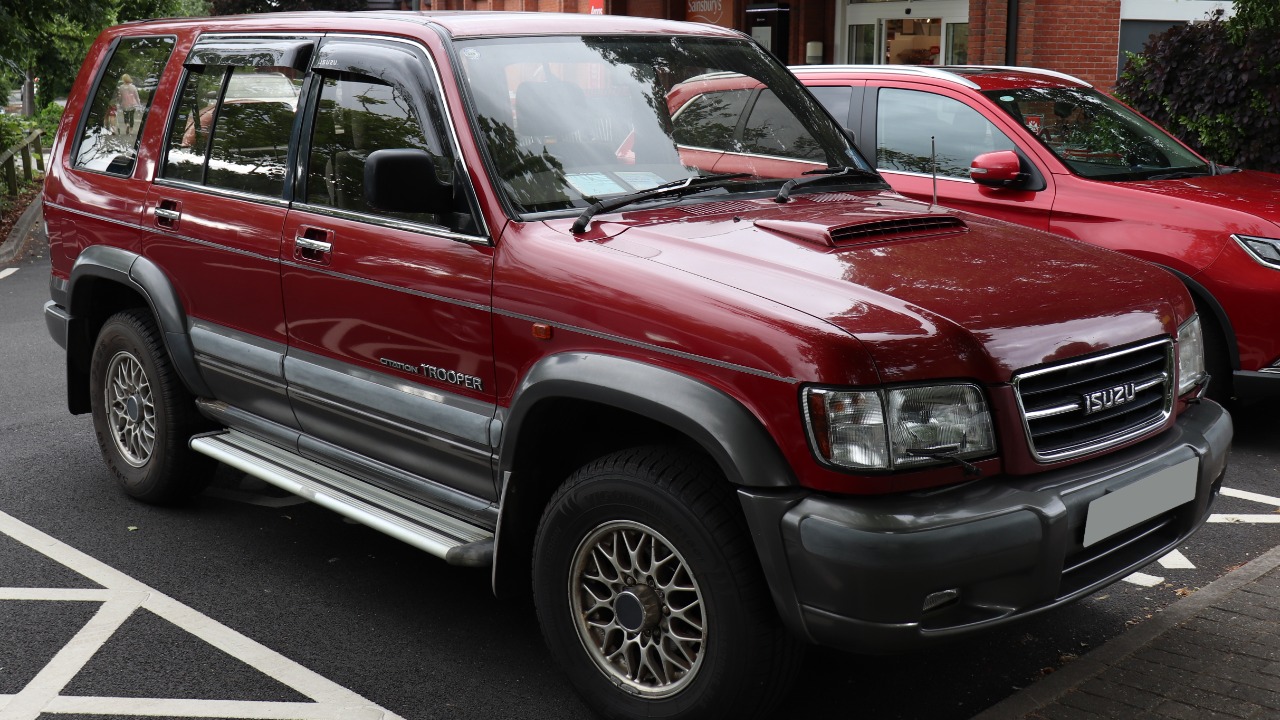
The Trooper helped spark interest in truck-based SUVs in the late 1980s, according to ABC News and Bloomberg. U.S. sales for the brand peaked at 103,629 in 1999.
That peak came a decade before the brand’s exit, which makes the later slide all the sharper. A model that arrived early to the SUV boom ended up watching larger rivals take the market it helped open. The 1999 total is the benchmark against which every later Isuzu sales figure, including the 7,098 vehicles of 2007, gets measured in the brand’s American story.
5. Isuzu Rodeo: Honda Passport Twin
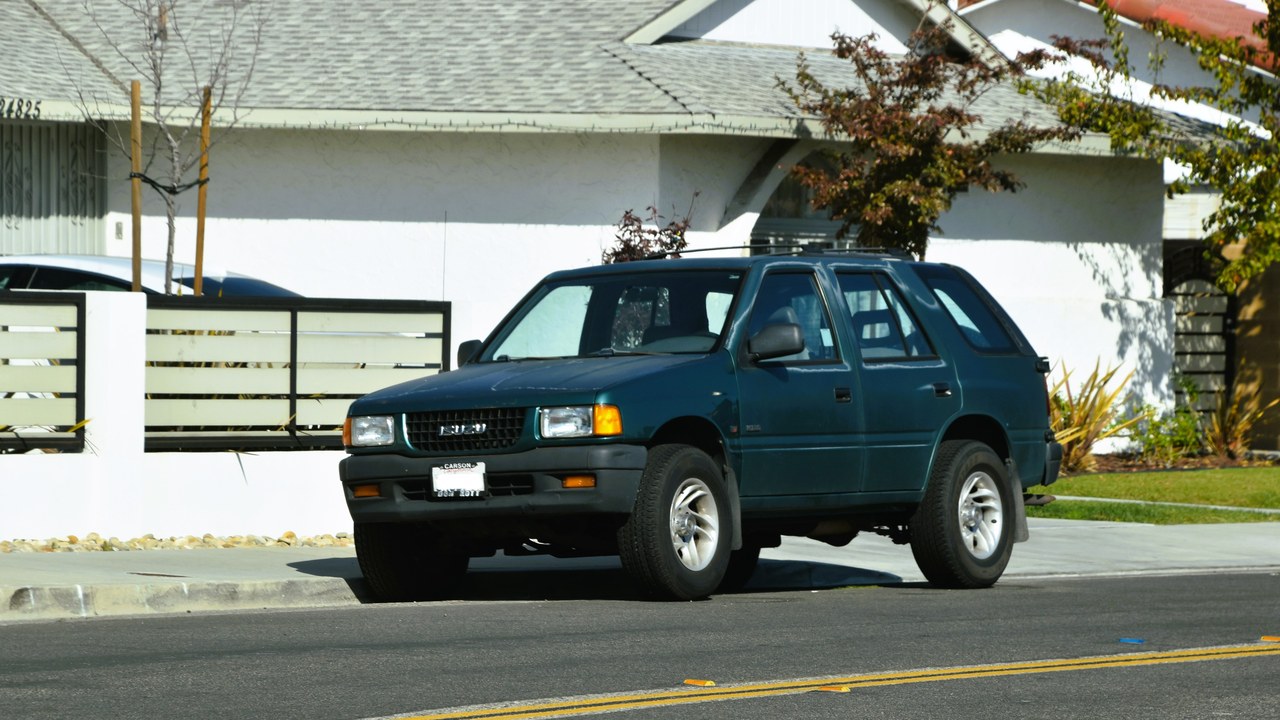
The Rodeo arrived as a midsize SUV for the 1991 model year and was also sold as the Honda Passport until 2002. Wikipedia’s Isuzu Rodeo article says production of both SUVs concluded in 2004.
Selling the same vehicle under two badges was a notable bit of cross-brand sharing for the era. After the Passport arrangement ended in 2002, the Rodeo carried on alone for only a couple of years. The 1991 launch also put Isuzu into the midsize SUV segment just as that body style was gaining ground, with a partner brand carrying the same design to more buyers.
6. Isuzu Amigo: Three-Door Sibling
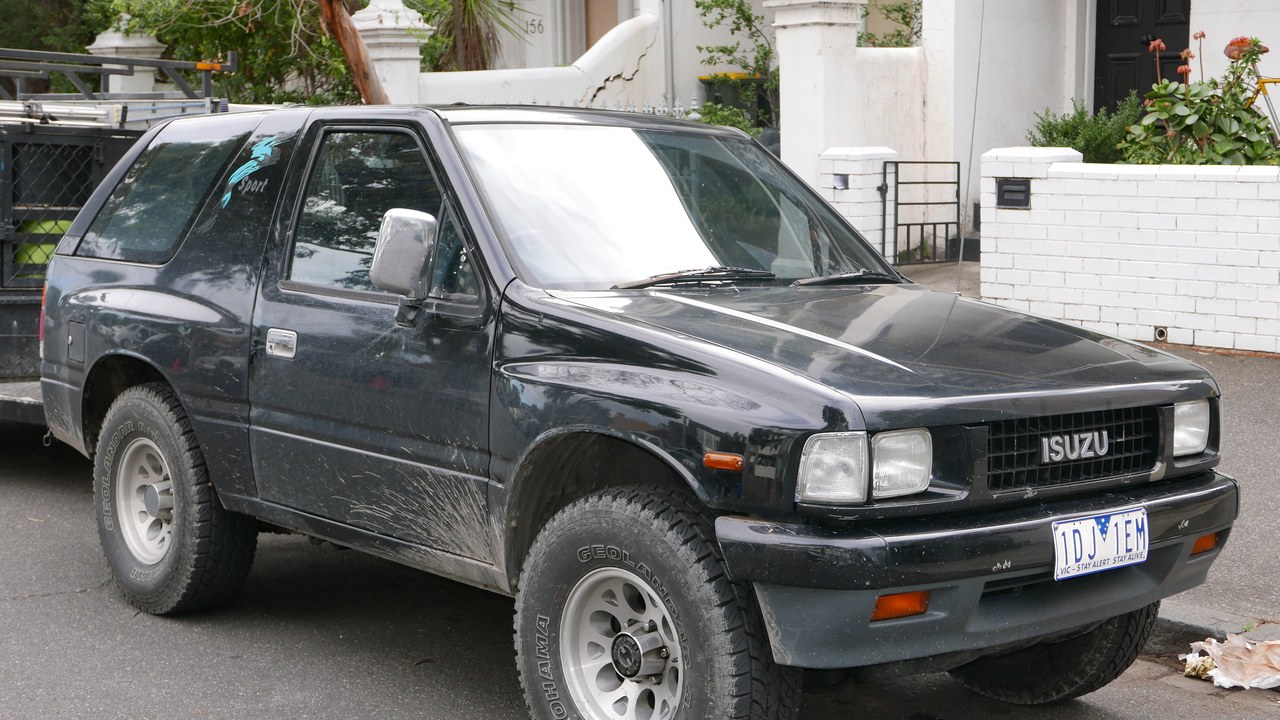
The Amigo was the three-door version of the Rodeo in the United States. According to the Rodeo article on Wikipedia, it was renamed the Rodeo Sport in 2000 for the 2001 model year.
That change folded a distinct name back into the Rodeo family. The three-door body ended along with the rest of the Rodeo line in 2004, making it one of the quieter losses on this list. The name change from Amigo to Rodeo Sport arrived with the 2001 model year, so the original badge had a relatively short run before it was retired.
7. Isuzu Oasis: Odyssey In Disguise
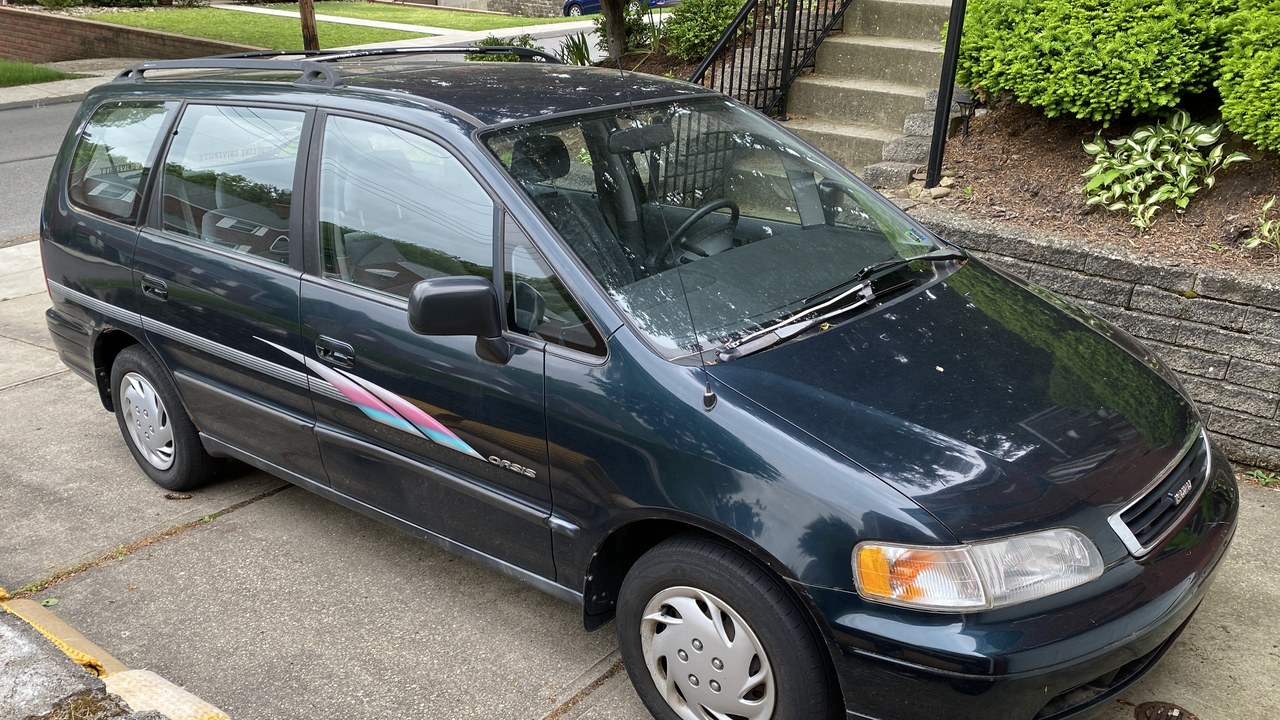
The Oasis was a rebadged Honda Odyssey minivan that grew out of the 1993 partnership between Isuzu and Honda. Consumer Guide’s forgotten brands list calls it an especially rare sight today.
Because it was a Honda underneath, the Oasis is a reminder of how much Isuzu relied on partnerships in the 1990s. Spotting one now is more of a curiosity than a routine encounter. The 1993 Honda partnership is what brought the minivan to Isuzu dealers, which explains why a Japanese-market Honda design wore an Isuzu name on American roads.
8. Isuzu Hombre: S-10 Clone
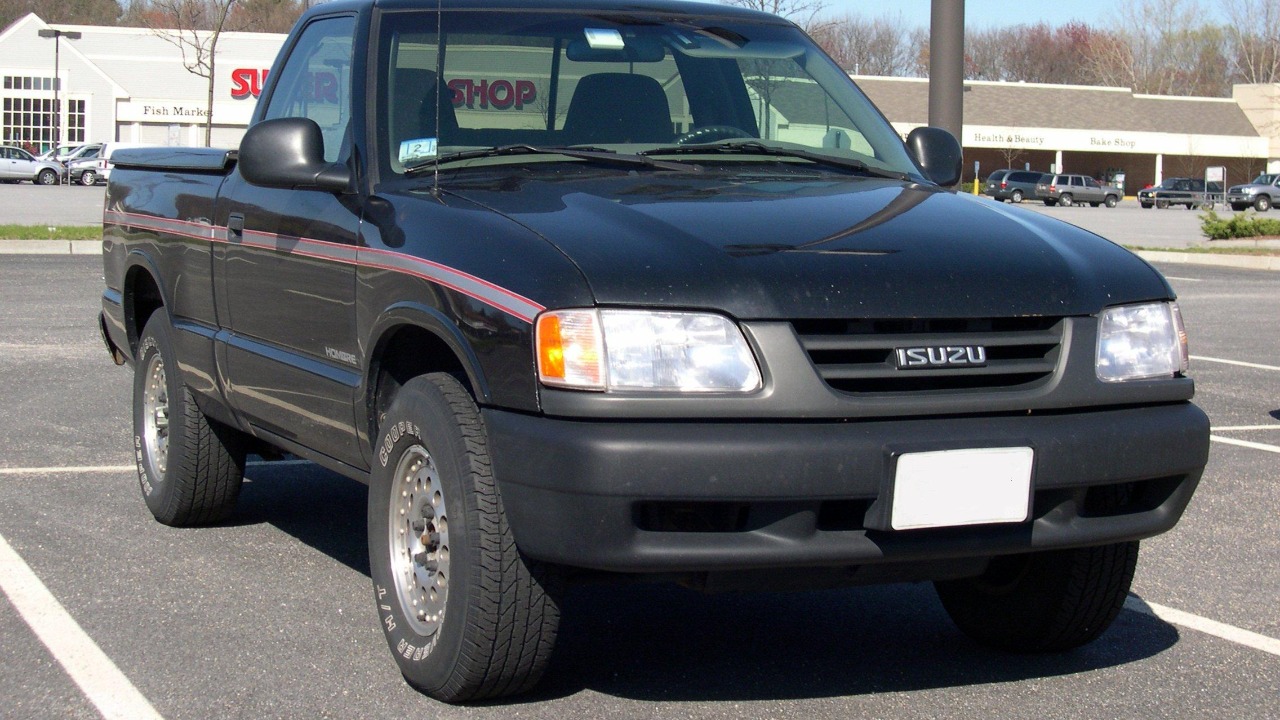
The Hombre was a Chevrolet S-10 clone sold by Isuzu from 1996 through 2000. The Isuzu Hombre page on Wikipedia says slow sales resulted in production ending in 2000.
Selling a clone of a Chevrolet pickup under its own badge was another example of Isuzu working from a General Motors design. The arrangement lasted only a handful of model years before the Hombre disappeared. The 1996 start date means the Hombre had roughly five model years on sale, a brief run even by the standards of the other trucks Isuzu sold here.
9. Isuzu VehiCROSS: Two-Door Oddball
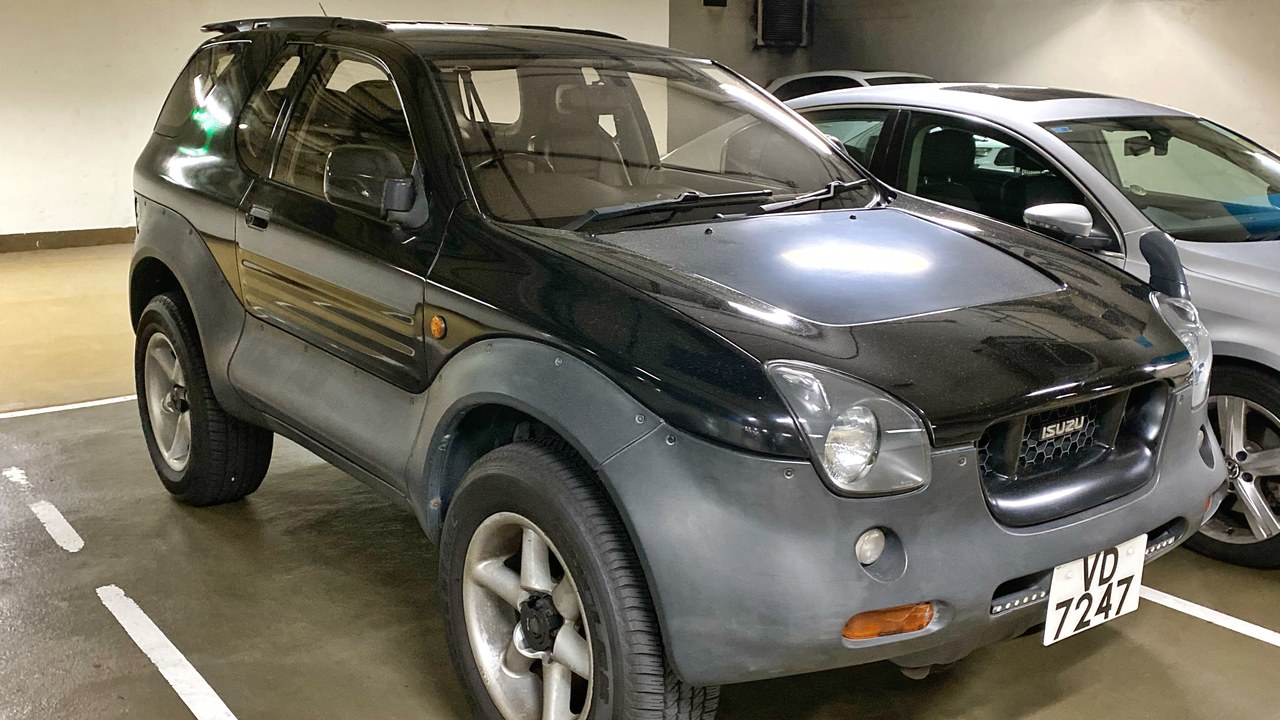
The VehiCROSS was a two-door SUV with a 215-hp 3.5-liter V6 and a constant four-wheel-drive system that was exclusive to the United States. The Isuzu VehiCROSS entry lists 4,153 of the 5,958 built as U.S. cars, sold from 1999 to 2001.
Those numbers make it a low-volume model by any measure. With only a few thousand sold in the United States, it was never going to carry the brand, but it showed Isuzu willing to try something unusual.
10. Isuzu Axiom: Direct-Injection First
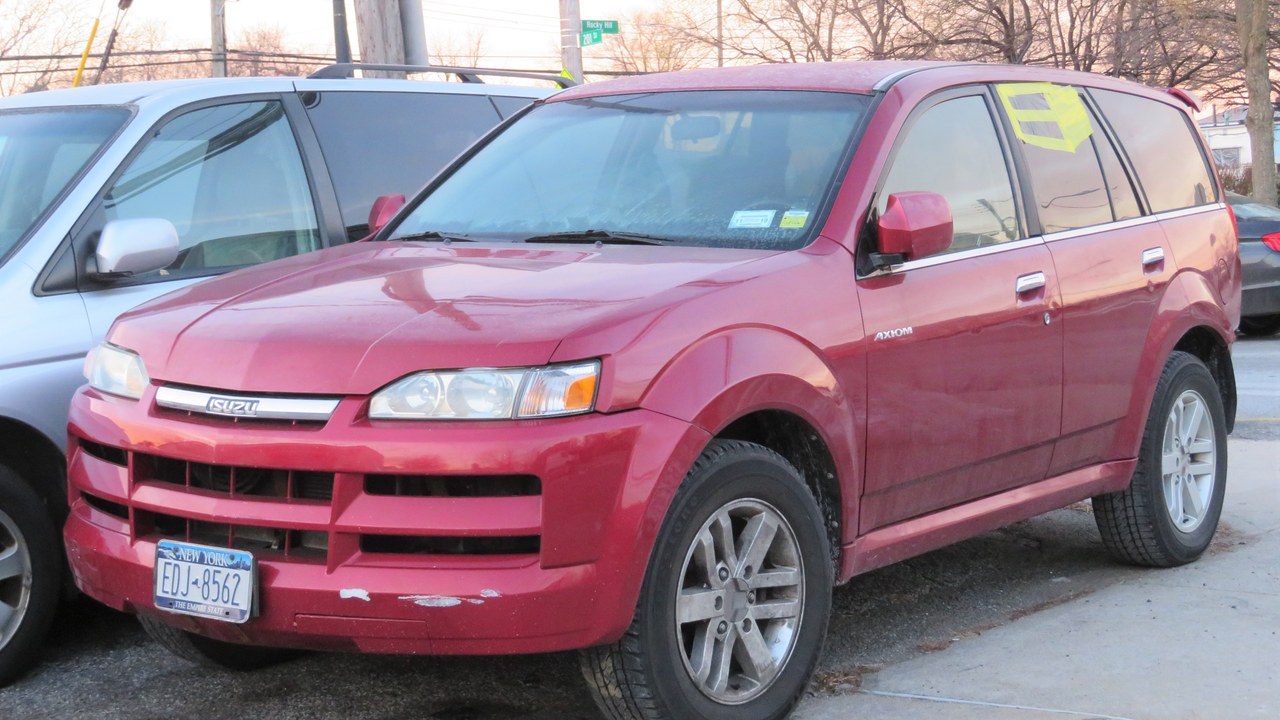
Isuzu’s home-grown Axiom SUV was sold from 2001 to 2004 and featured the first gasoline direct-injection engine retailed in the U.S., as Consumer Guide’s Isuzu overview points out.
That technical first still did not keep the Axiom around, and it was gone after only a few years. It stands as one of the few Isuzu models that was both home-grown and technically ahead of its time. The Axiom’s 2001 arrival and 2004 departure give it one of the shortest production runs among the Isuzu models covered here, just a few model years.
11. Isuzu Ascender: Last In Line
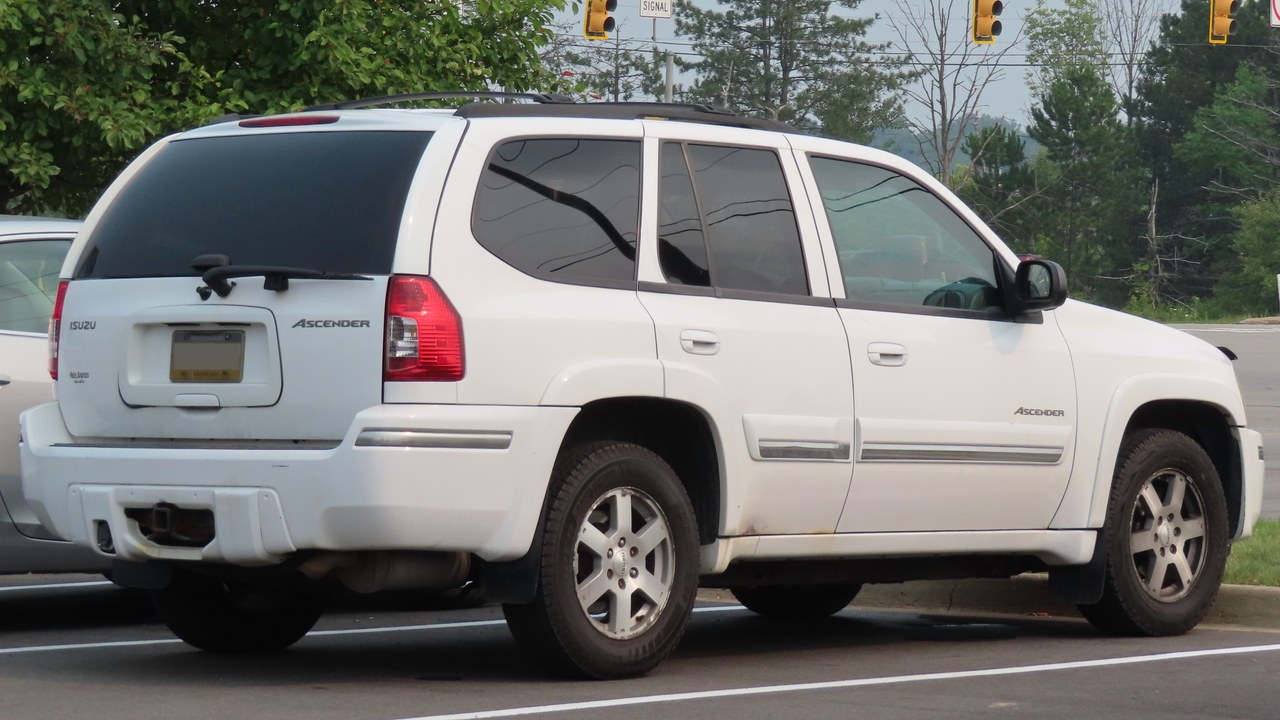
The Ascender was a GMC Envoy-based SUV and one of the last two Isuzu passenger models in America. GM ended it, and ABC News reported that Isuzu sold just 7,098 vehicles in the U.S. in 2007 before leaving the consumer market on Jan. 31, 2009.
A badge-engineered Envoy was a thin foundation for a brand whose U.S. sales had peaked at 103,629 in 1999. Its end closed the final chapter of Isuzu’s passenger-vehicle story in the country.
Tech news in one quick read: Subscribe to TLDR →
We may earn a commission if you sign up.
More from Morning Overview
- NOAA now gives this winter a 75% chance of the strongest El Nino since 1950
- Doctors warn a silent liver disease now affects one in three American adults
- The FBI told the rest of ShinyHunters to surrender after a 24-year-old was arrested
- Two passengers died at an Ohio toll plaza, and the NTSB now wants the cash lanes shut
