
Head-up displays used to be a rare luxury feature, projecting speed and navigation onto the windshield so a driver never had to look down. That technology has spread across the market, showing up on family sedans, three-row SUVs and electric crossovers alongside the luxury models that popularized it. Here are eleven cars that put a head-up display right in the driver’s line of sight.
1. Toyota Camry: Speed And Navigation, Projected
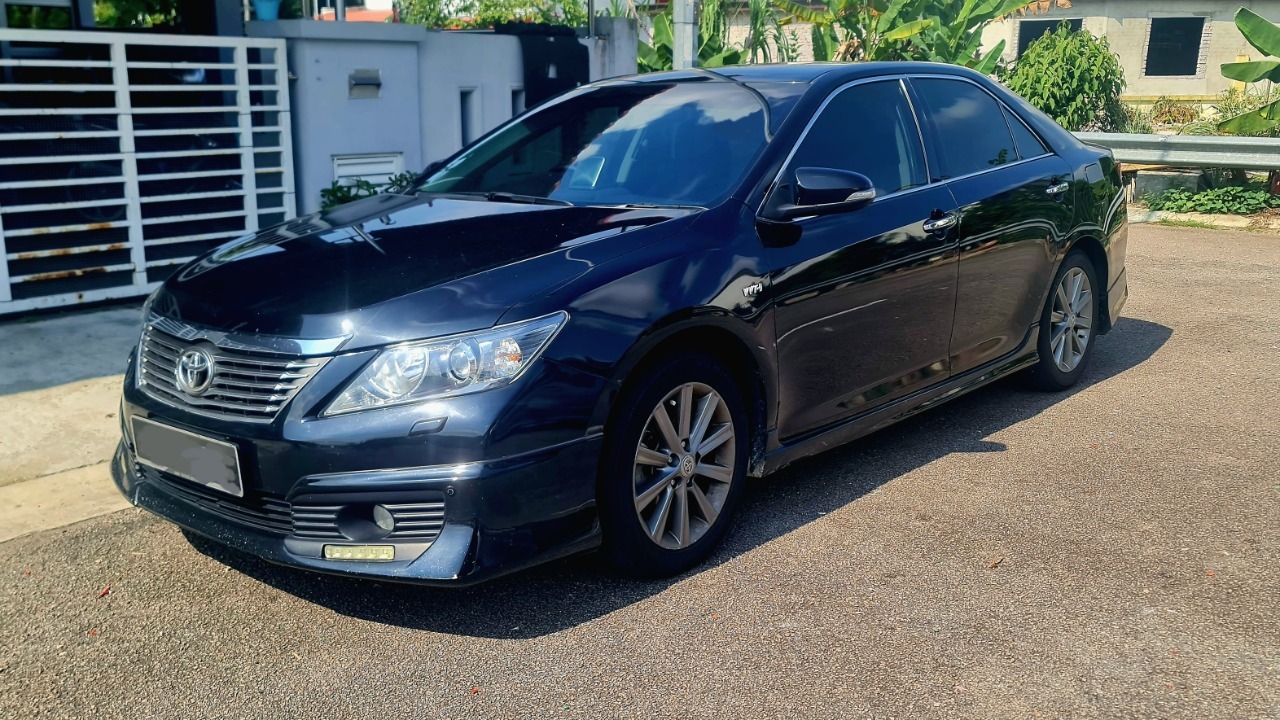
The Toyota Camry offers a windshield head-up display on its higher trims, putting speed, engine data and turn-by-turn navigation directly ahead of the driver’s line of sight rather than tucked into a lower dashboard cluster.
Because the projection sits above the dashboard, a driver never has to glance down to check velocity or the next turn, which keeps eyes closer to the road ahead and shaves off the many small moments spent looking away from traffic during a long highway commute.
2. Toyota Prius: Color Graphics On The Windshield
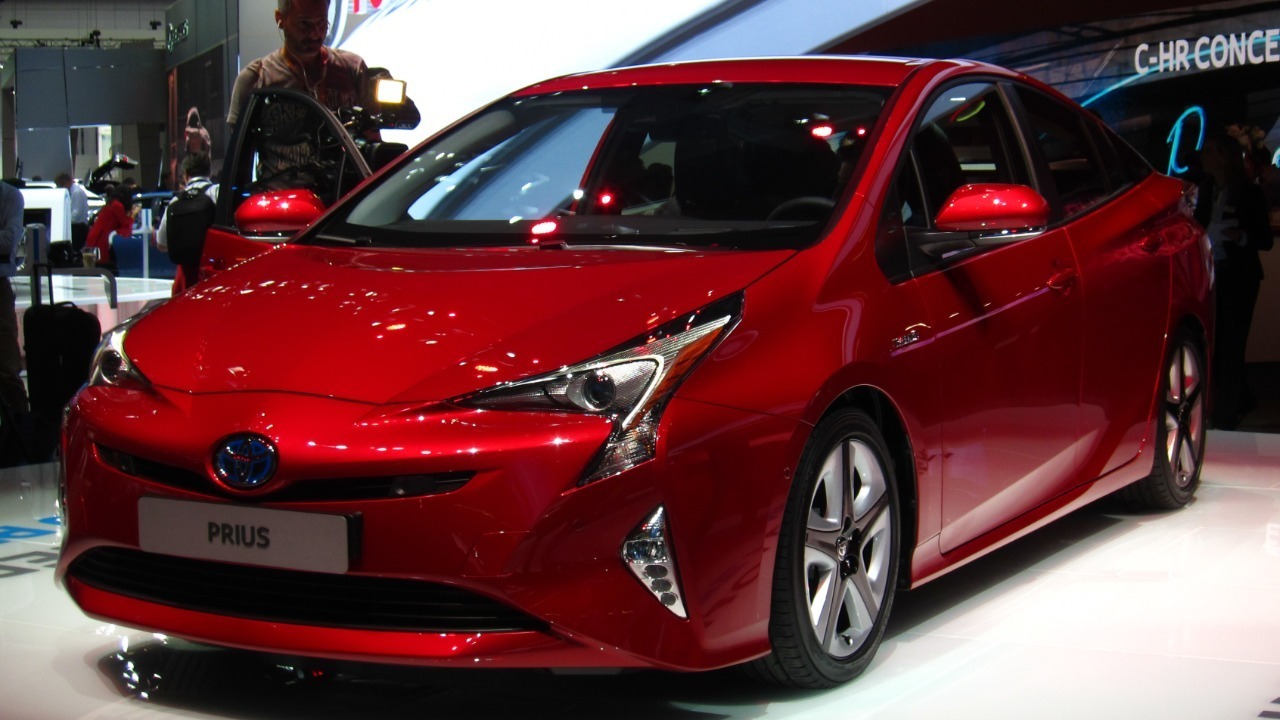
The redesigned Prius and its plug-in Prius Prime sibling project a full-color head-up display onto the windshield, a feature Toyota expanded in the model’s latest generation, detailed on the car’s Wikipedia entry covering its current design cycle.
The bright, easily read graphics fit a hybrid built around efficiency, letting a driver track battery status, fuel economy and speed without breaking focus from traffic, all while the car’s sharp new styling draws attention on its own.
3. Mazda CX-5: Not Just A Luxury Feature
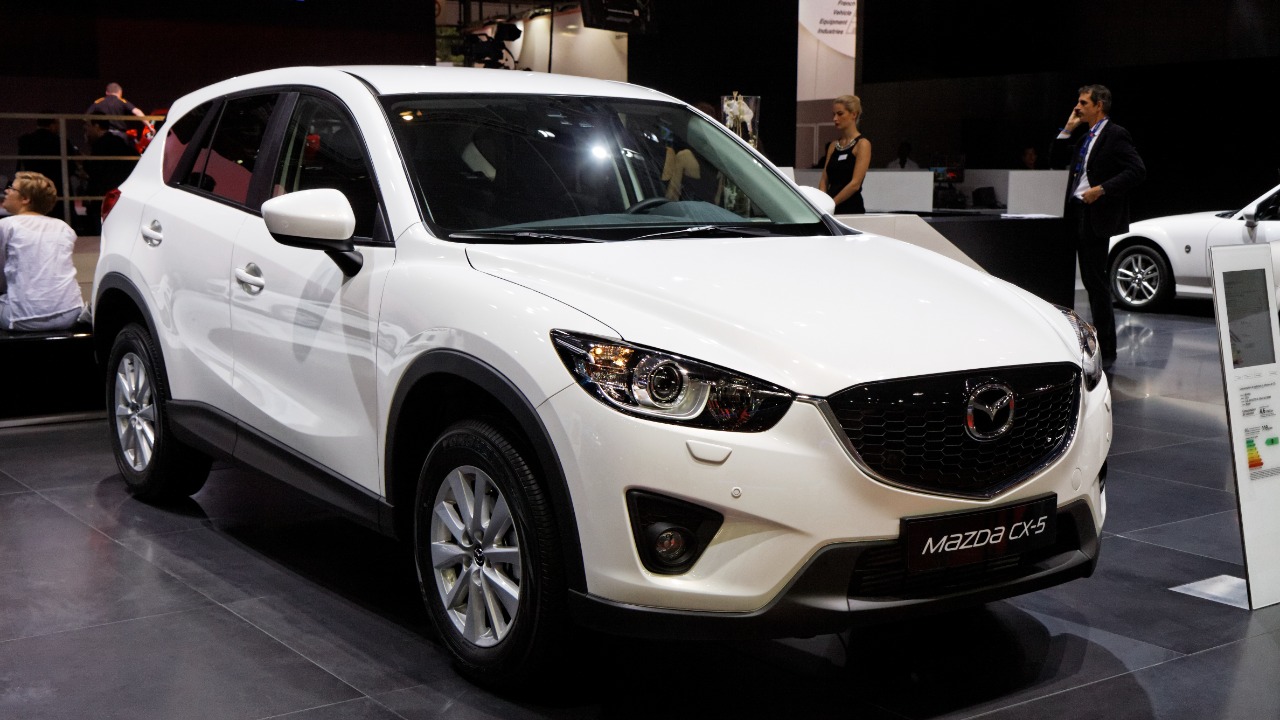
A genuine windshield-projected head-up display comes standard on the CX-5’s Preferred trim, according to a roundup of which cars offer the tech, rather than being reserved for the SUV’s priciest, most fully loaded configuration.
That pricing places a feature once limited to luxury brands within reach of a mainstream compact SUV buyer shopping on a tighter budget, a shift that has quietly reset expectations across the segment in recent years.
4. Mazda CX-90: Crisp Display On The Flagship
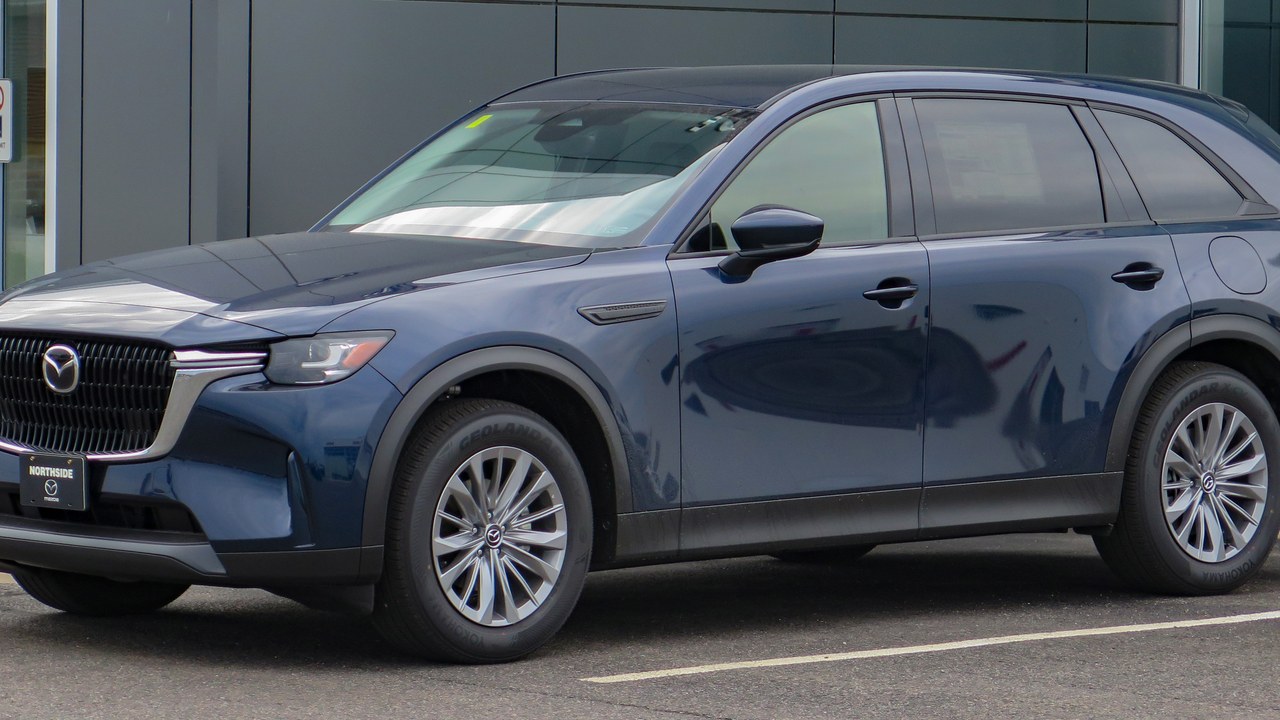
Mazda’s three-row flagship SUV projects a sharp head-up display onto the windshield glass, a detail included among the CX-90’s upgraded cabin technology on its reference page describing the model’s equipment list.
Families hauling passengers and cargo across three rows get the same glance-free speed and navigation cues found on smaller Mazda models, scaled up to a larger body without losing the sharpness of the projected image, a consistency that Mazda has carried across its lineup as the technology matured.
5. Honda Accord: Glance-Free Driving On Top Trims
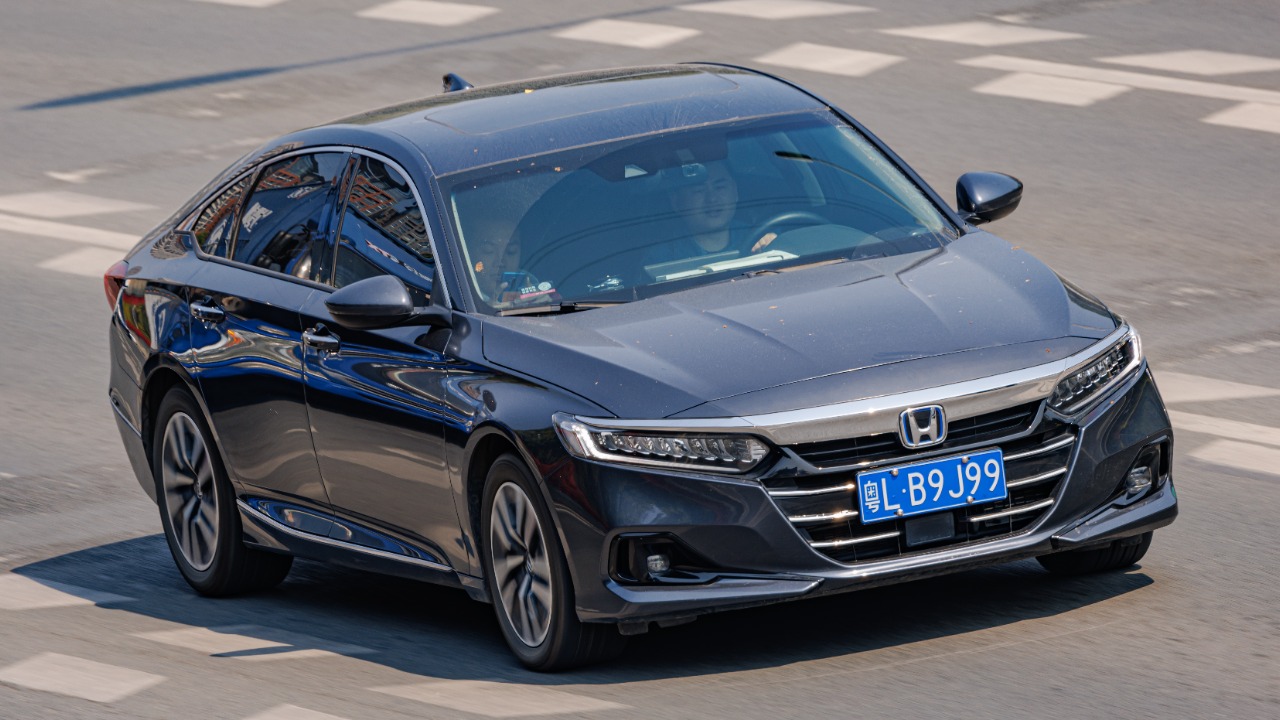
Honda equips the Accord’s top trims with a head-up display, letting speed, cruise-control settings and directions appear in the driver’s forward view, as noted on the sedan’s Wikipedia page.
The setup mirrors features long found in pricier sedans, giving a mainstream family car one more reason to compete against luxury rivals on cabin technology rather than price or badge alone, especially for a shopper cross-shopping the Accord against European sedans with similar projected displays.
6. Honda Pilot: New For The Elite Trims
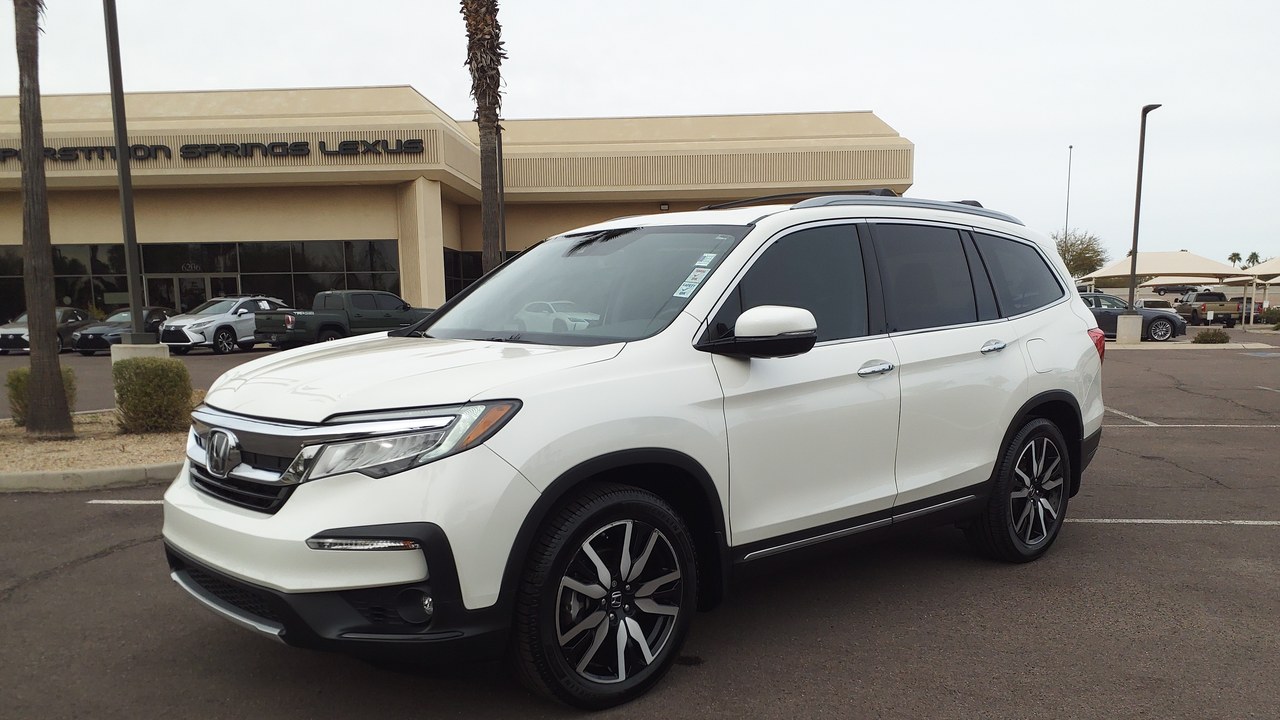
The current Pilot adds a head-up display on its Elite and Black Edition trims, a change documented on the SUV’s model history page alongside other recent cabin updates.
Placing the feature only on the top two trims keeps it a genuine upgrade rather than a checkbox spread across the entire three-row lineup, which still leaves plenty of reason to step up from a base model if a shopper wants the newest cabin technology Honda offers.
7. BMW iX3: A Display Across The Whole Windshield
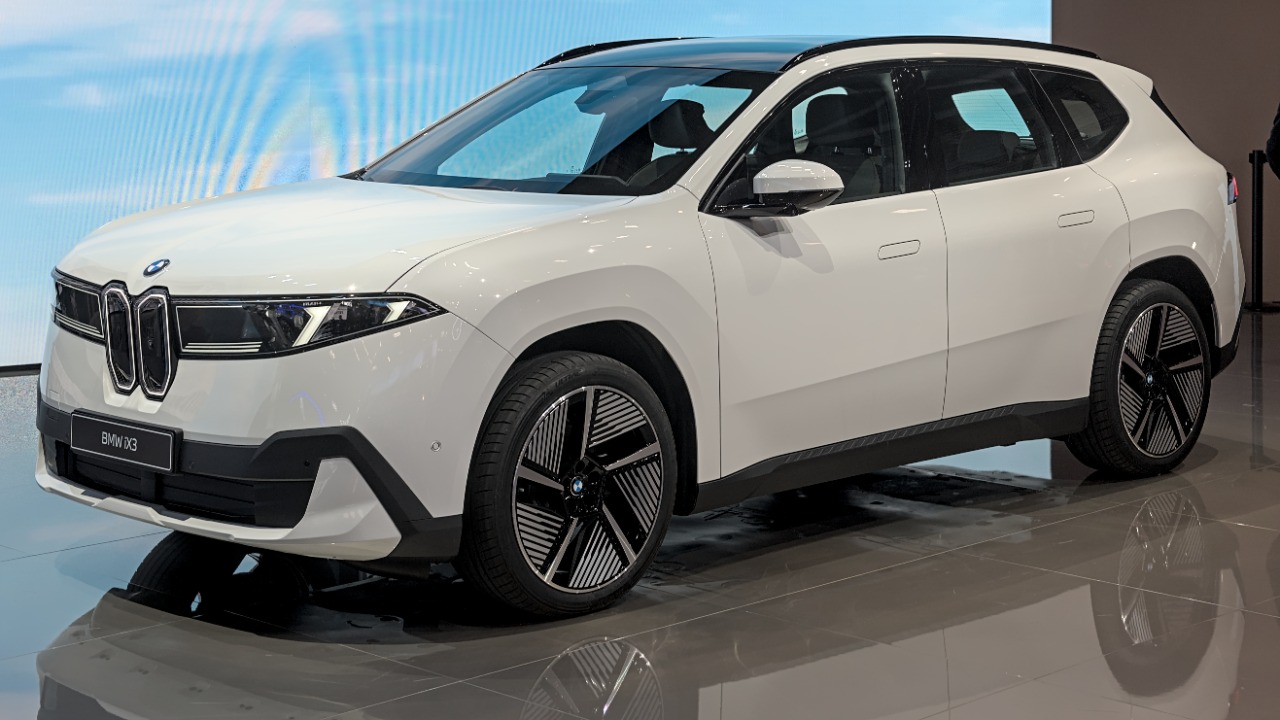
BMW’s Panoramic Vision system projects a display across the entire lower windshield, debuting on the Neue Klasse iX3 as described on its Wikipedia entry covering the electric SUV’s redesigned interior.
The wide format moves well beyond a narrow strip of speed data, turning much of the glass into a genuine instrument panel that keeps a driver’s attention pointed forward at all times, a design choice BMW is positioning as a signature of its next generation of electric vehicles.
8. Cadillac Lyriq: Arrows Tied To Super Cruise
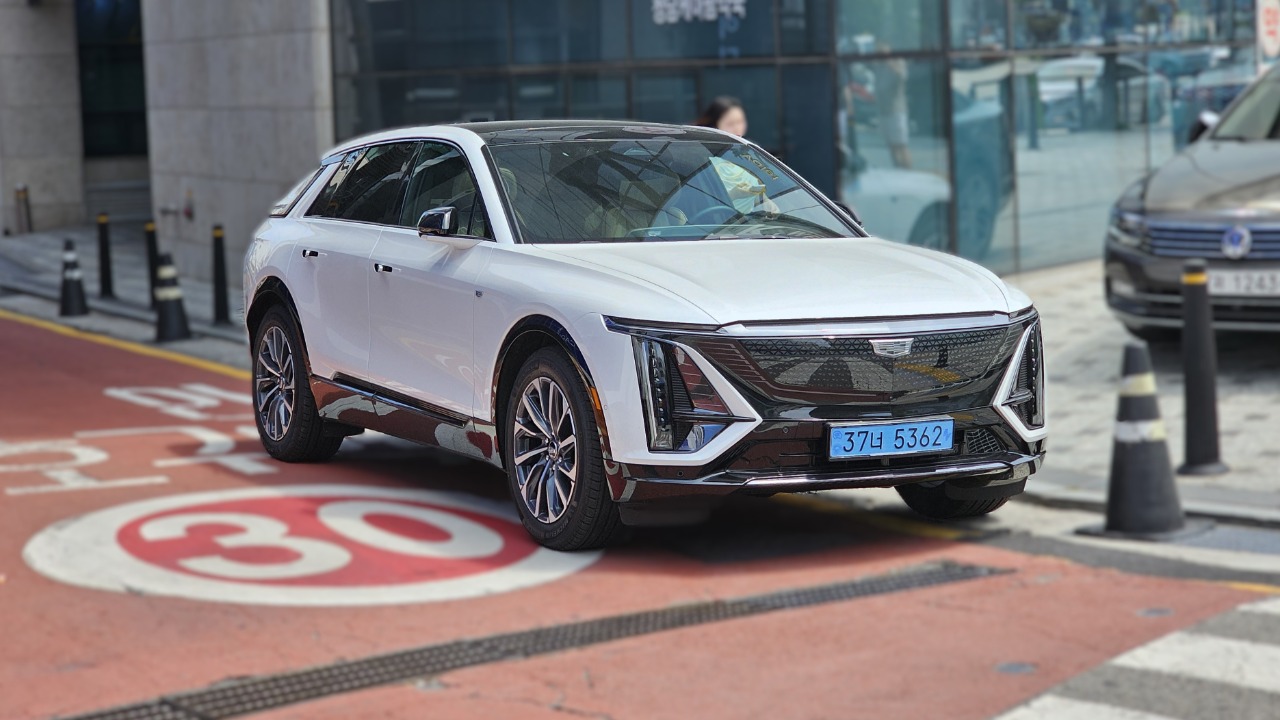
An augmented-reality head-up display in the Lyriq overlays directional arrows onto the road ahead and ties into General Motors’ Super Cruise hands-free system, per the SUV’s Wikipedia page.
Linking the projection to hands-free driving gives an owner a clearer sense of when the system is steering versus when a hand belongs back on the wheel, reducing the guesswork that comes with semi-autonomous features and adding a visual layer of reassurance during long highway stretches.
9. Chevrolet Equinox EV: Six-Figure Tech Goes Mainstream
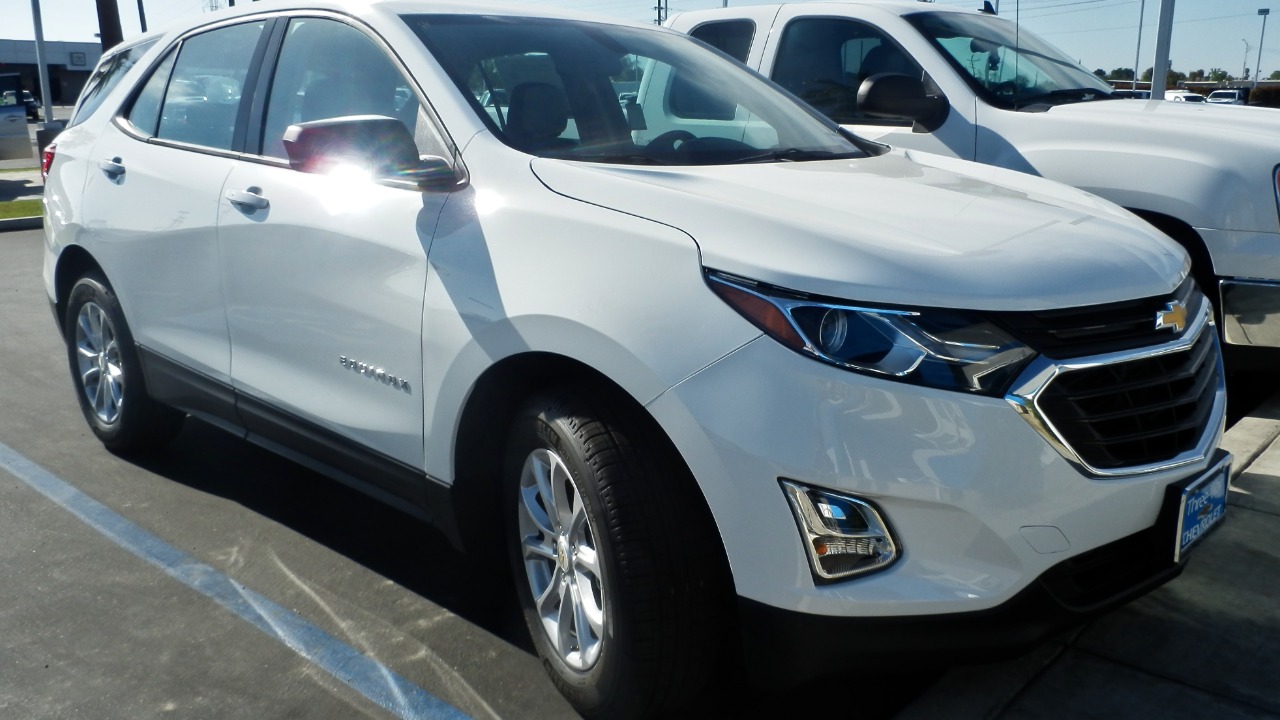
Head-up display technology that once appeared only in six-figure cars now shows up in the mainstream Equinox EV, according to the model’s Wikipedia page covering its electric powertrain and trim lineup.
That trickle-down puts a feature once reserved for flagship luxury sedans into a compact electric SUV priced for a much broader buyer, part of a wider shift toward loading affordable EVs with premium cabin tech that used to be exclusive to far more expensive nameplates.
10. Hyundai Palisade: A Larger Display In A Redesigned Cabin
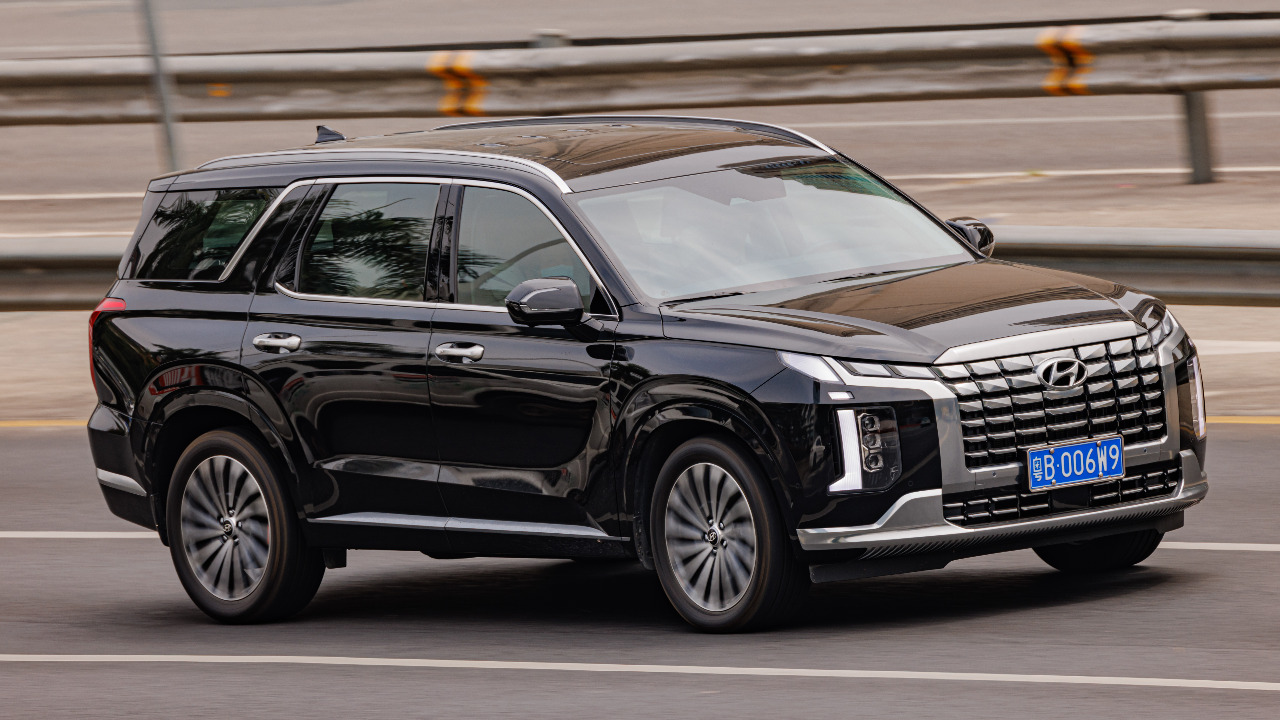
The redesigned three-row Palisade includes a large head-up display among its upgraded cabin technology, as outlined on the SUV’s Wikipedia entry covering the current generation’s interior overhaul.
A bigger projection area suits a family SUV where a driver is often juggling navigation, passengers and cargo all at once, making a quick glance at the windshield more useful than a look down at the dash, particularly on longer road trips with a full third row.
11. Genesis G80: Wide Augmented-Reality Projection
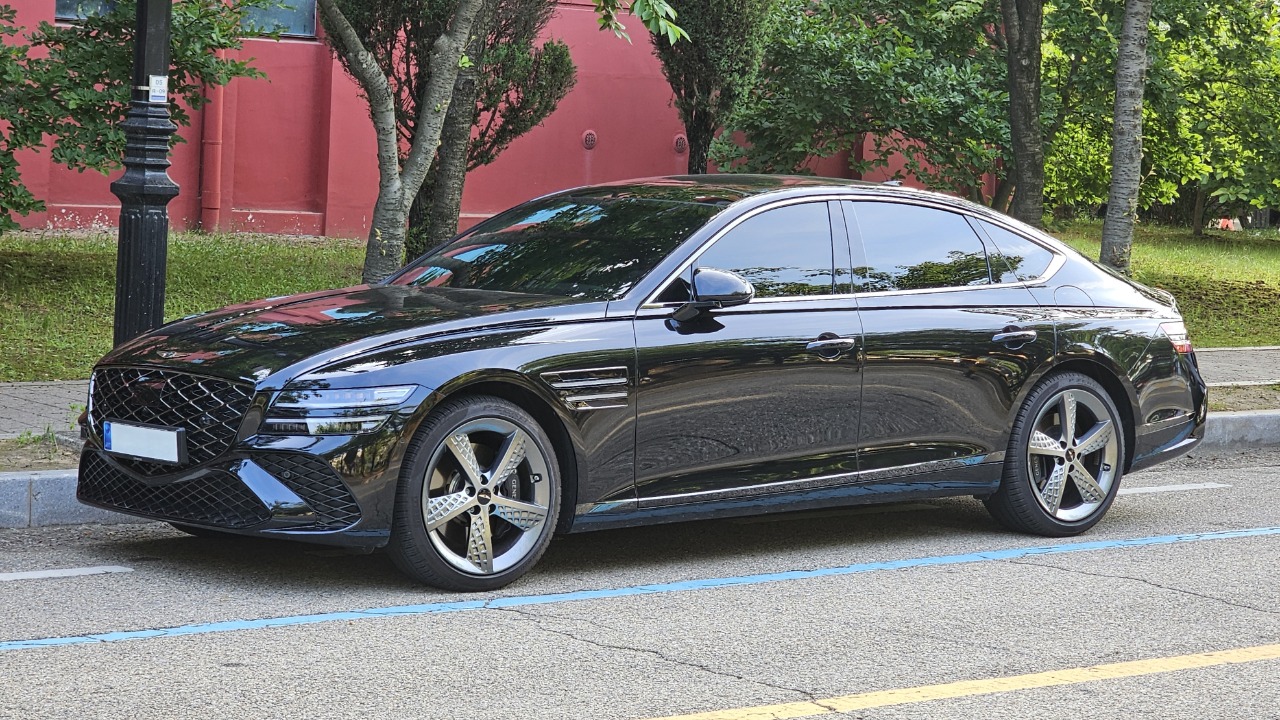
The Genesis G80 projects a wide, augmented-reality-style head-up display onto the windshield, a luxury sedan feature detailed on the car’s Wikipedia page covering its flagship interior equipment.
The system closes out the list on the luxury end, showing how far the same basic technology now stretches across price points, brands and vehicle types over the course of a single model year, from compact hybrids all the way up to full-size luxury sedans like this one.
More from Morning Overview
