
Owning a classic car can be a nostalgic journey, but not without its quirks. Across the globe, there are some unusual laws that govern these automotive treasures. From peculiar registration rules to odd restrictions on modifications, these laws add an extra layer of intrigue to the classic car experience.
Unusual License Plate Regulations

Some regions have unique rules when it comes to license plates for classic cars. In certain U.S. states, owners can use vintage plates from the year their car was manufactured, as long as they are in good condition. This rule allows enthusiasts to add an authentic touch to their vehicles, but it can also create confusion for law enforcement if the plates don’t follow current formats. In some countries, old-fashioned black and white plates are still permissible for classic cars, offering a nostalgic nod to the past.
Restrictions on Car Horn Usage

Believe it or not, some places have specific laws governing horn usage in classic cars. For instance, in New York City, honking a horn is illegal except in emergencies. This law extends to classic cars, meaning that the vintage horn that came with your vehicle can’t be used for fun or frivolity. In other locales, the type of horn must meet particular sound level regulations, ensuring that even classic cars don’t disturb the peace.
Odd Rules for Car Colors
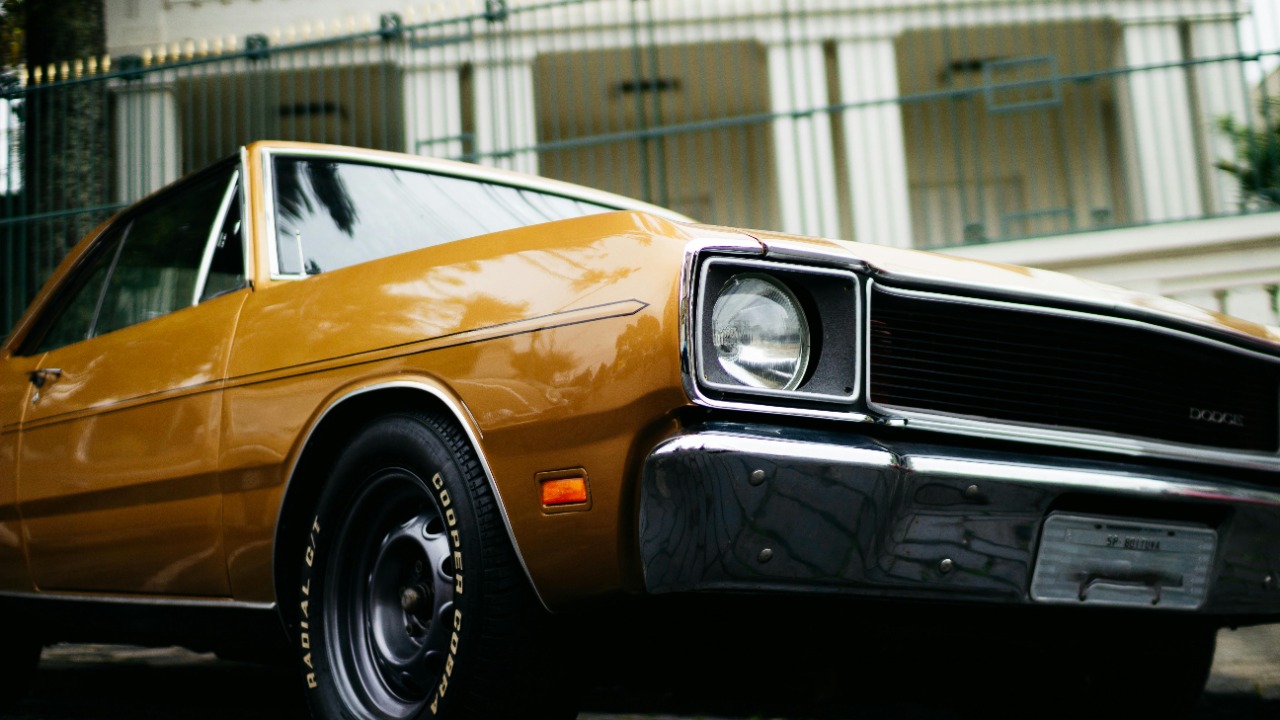
While it may sound strange, some regions have laws about the colors of classic cars. In certain parts of Europe, specific colors are reserved for government or emergency vehicles, and classic car owners may need special permission to paint their cars in those hues. This can be a challenge for restorers aiming for historical accuracy, especially if their car originally sported one of these restricted colors. In some cases, even the application of certain types of paint can be regulated, affecting the restoration process.
Peculiar Emission Standards
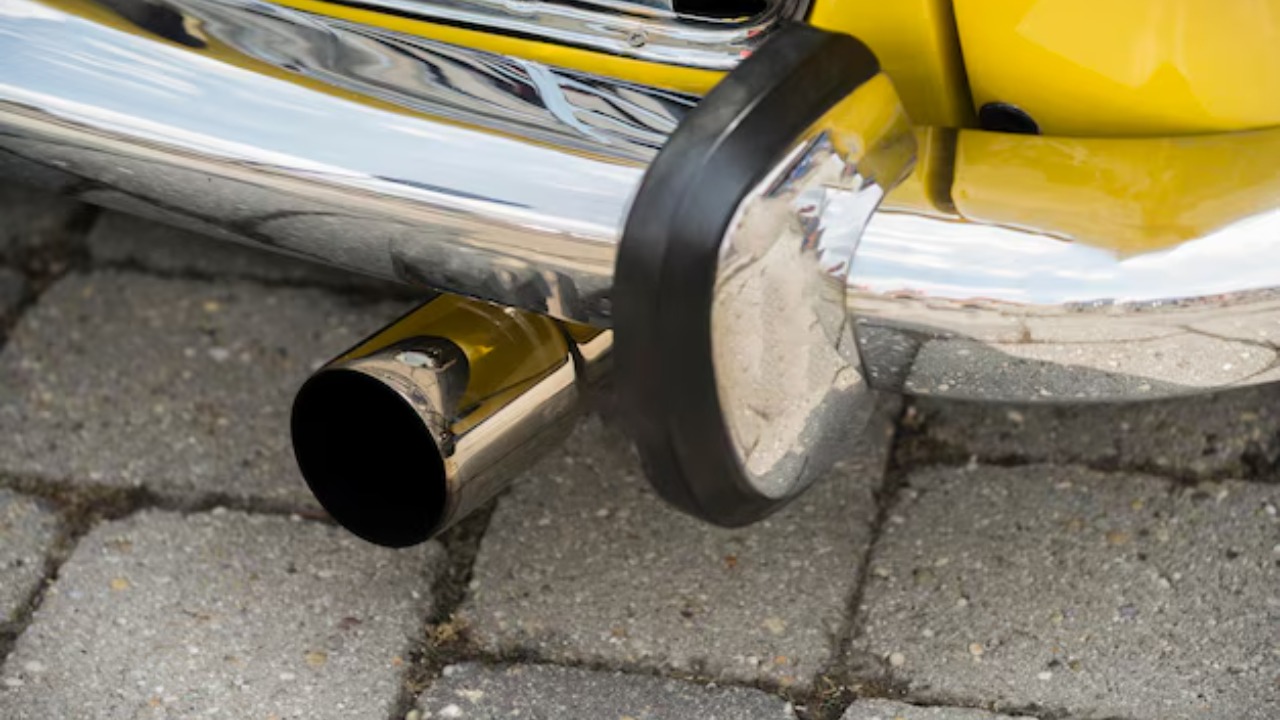
Emission standards present another challenge for classic car enthusiasts. In California, for example, older vehicles must meet specific smog check requirements to be road legal. Although classic cars often receive some leniency due to their age, they are not entirely exempt from all regulations. This can pose a problem for those whose vehicles are not equipped with modern emission control technology, requiring modifications that might compromise historical integrity. Other regions have implemented ‘clean air’ zones, barring older vehicles from entering without special permits.
Bizarre Headlight Requirements
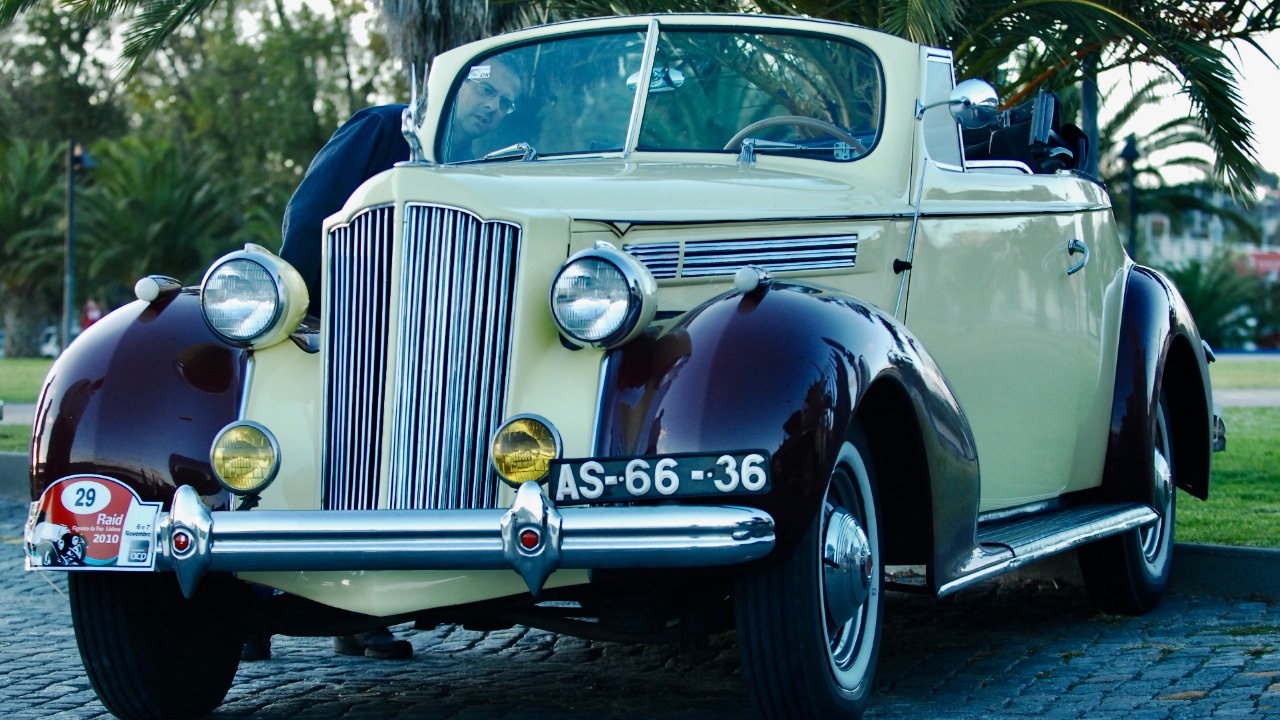
Headlights are another area where classic car laws can get bizarre. Certain states mandate that even vintage cars must have modern sealed-beam headlights, which were not standard when these cars were built. This requirement can complicate restoration efforts and detract from a vehicle’s original appearance. Additionally, in some European countries, headlights on classic cars must be upgraded to meet current visibility standards, potentially impacting the vehicle’s aesthetic and authenticity.
Strange Laws on Car Modifications
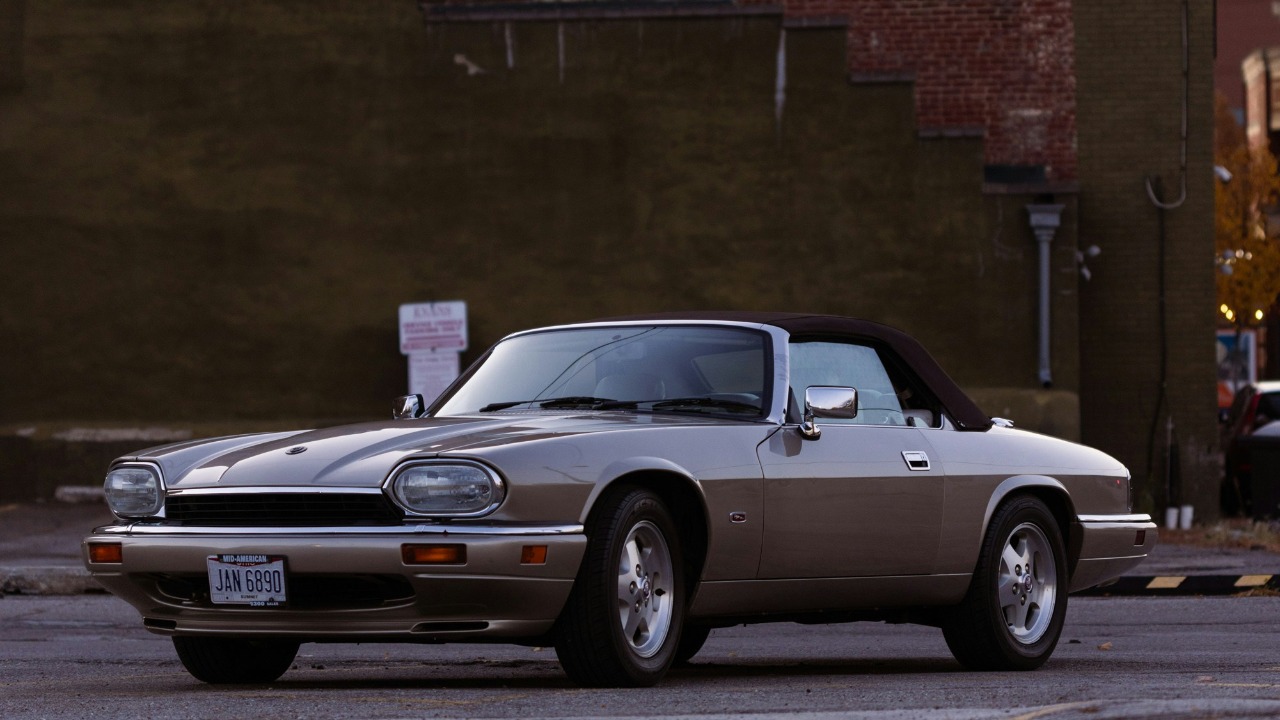
Modifying classic cars can be a legal minefield. Many jurisdictions have strict rules about what can and can’t be altered on a vintage vehicle. In some places, any modification that affects the chassis or engine must be approved by a regulatory body. This can include everything from changing the exhaust system to installing modern safety features. Such regulations aim to maintain the historical value and safety of classic cars but can frustrate owners looking to customize their vehicles.
Eccentric Rules for Car Shows
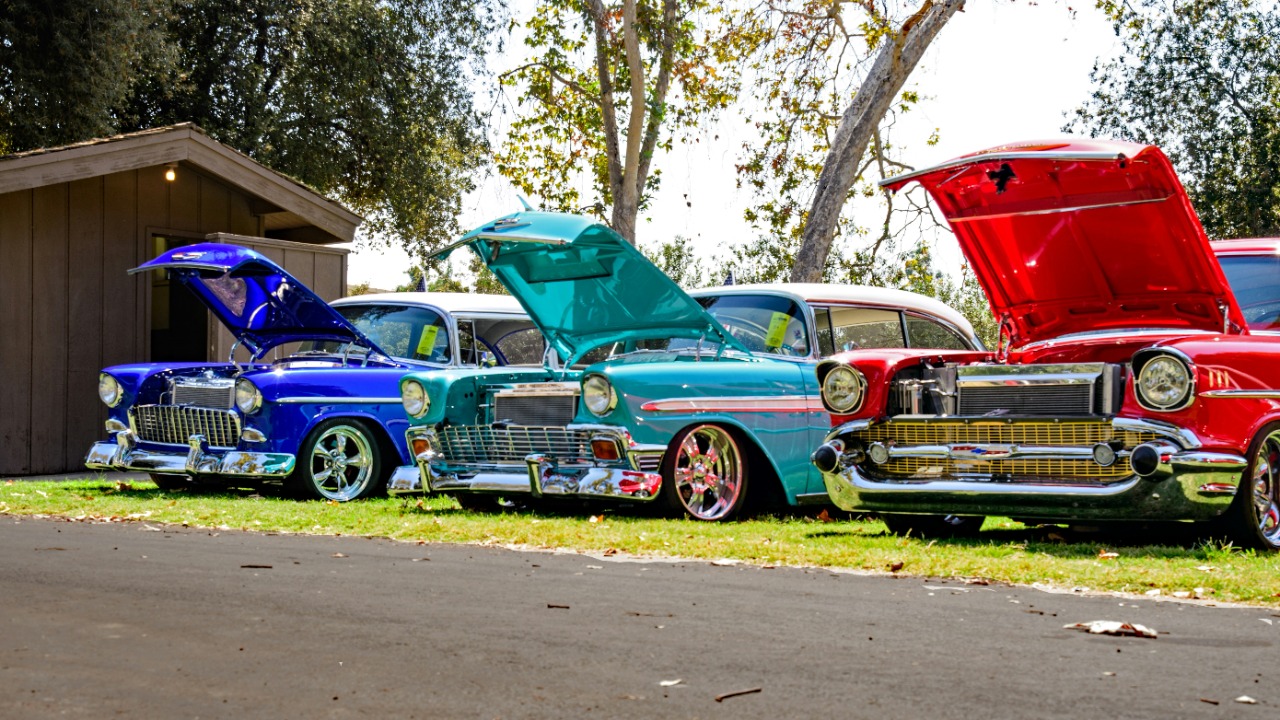
Car shows are a staple for classic car enthusiasts, but even these events can be subject to strange regulations. Some municipalities require additional permits for displaying vehicles in public spaces, especially if the cars are started and driven as part of the exhibition. Noise ordinances can also come into play, limiting the revving of engines that often accompanies these showcases. These rules can sometimes dampen the spirit of car shows, requiring organizers and participants to navigate a maze of bureaucratic requirements.
Quirky Insurance Mandates

Insurance for classic cars is another area where odd laws exist. In certain states, classic car insurance policies must meet unique criteria, such as mileage limits or storage conditions, to qualify for reduced premiums. Some policies require that the car be driven only for exhibitions or parades, restricting general use. This can be a hurdle for owners who wish to enjoy their vintage vehicles more frequently. Navigating these insurance mandates can be as complex as the restoration process itself.
Uncommon Importation Restrictions
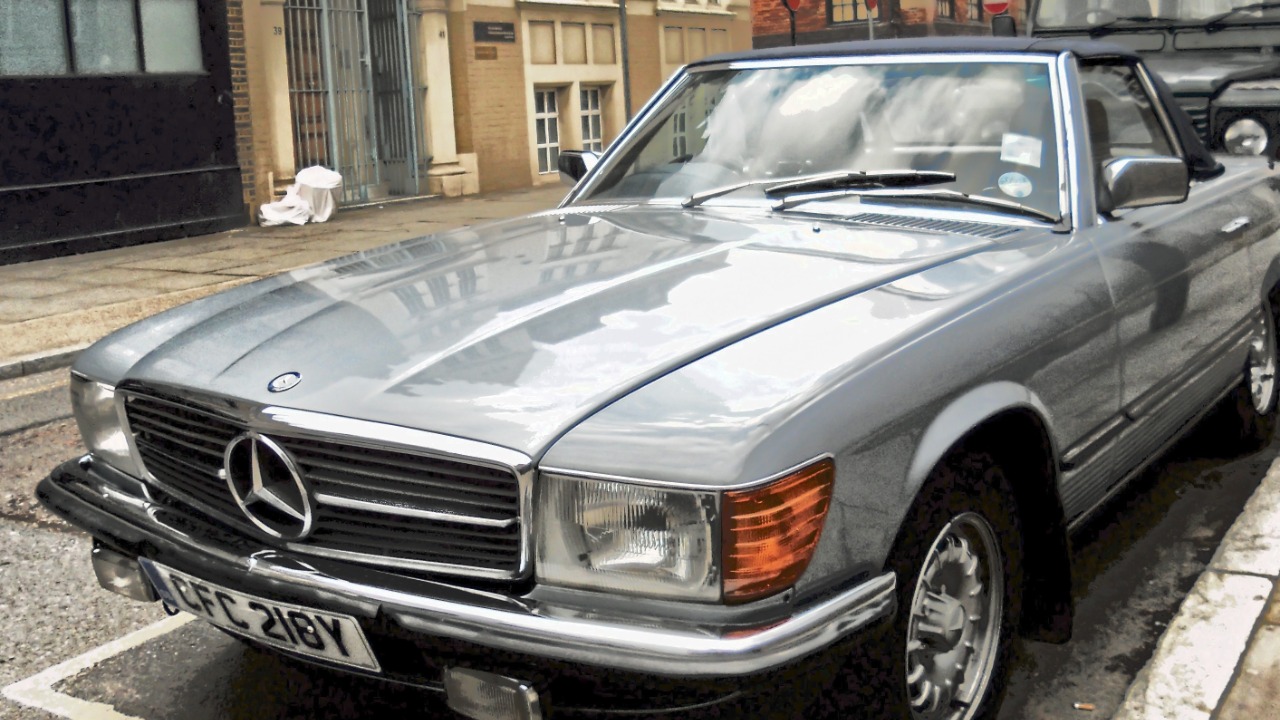
Importing a classic car can be a complicated process due to various restrictions. Some countries have age restrictions on imported vehicles, allowing only those over a certain age to bypass newer safety and emission standards. Additionally, specific documentation proving the car’s originality and historical significance may be required. These laws aim to preserve automotive history but can make acquiring a classic car from abroad a daunting task for enthusiasts.
Rare Registration Timeframes
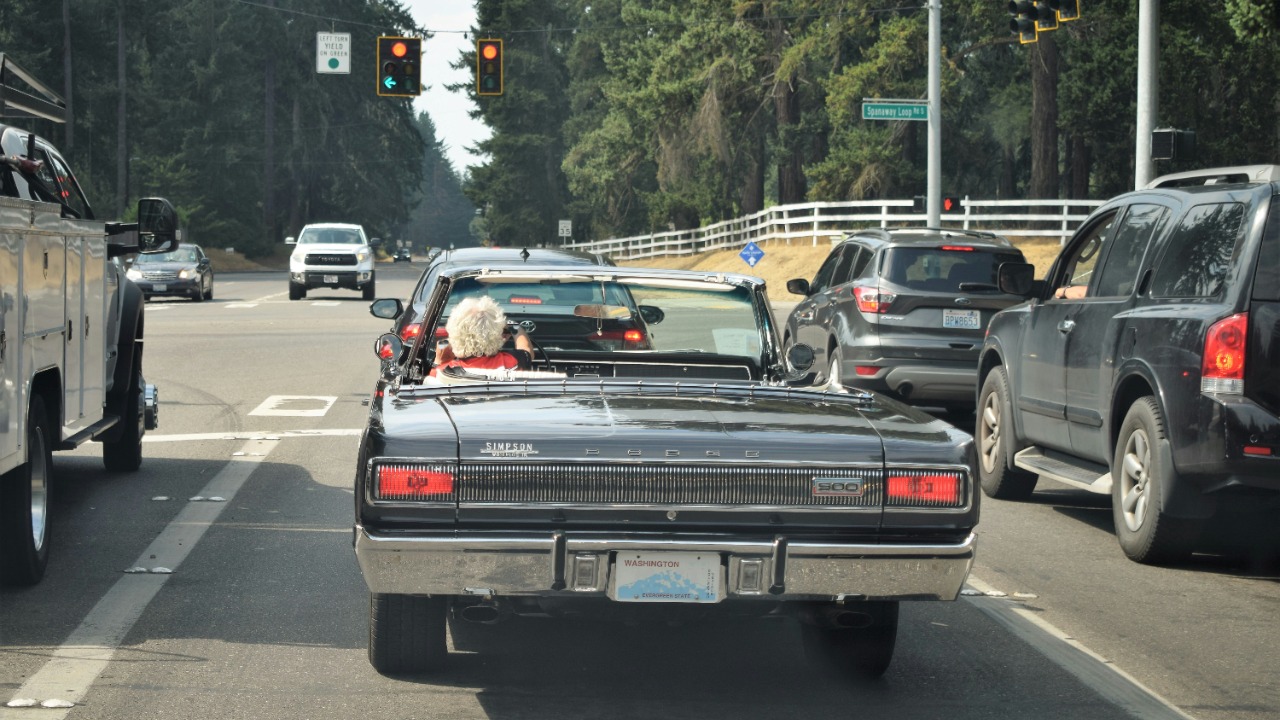
Registering a classic car can be an unusual experience in some regions due to unique registration timeframes. For instance, certain states offer limited-time or seasonal registration options for classic vehicles. This means the car can only be legally driven during specific months of the year. While this can save money on registration fees, it also limits when owners can enjoy their vehicles. These rare timeframes can add another layer of complexity to classic car ownership.
