In the world of military aviation, stealth is a prized capability. Aircraft that can evade radar detection hold a strategic advantage, allowing them to operate unseen in hostile environments. Various technologies and design strategies come together to make modern jets less visible to radar systems.
Stealth Shape Design
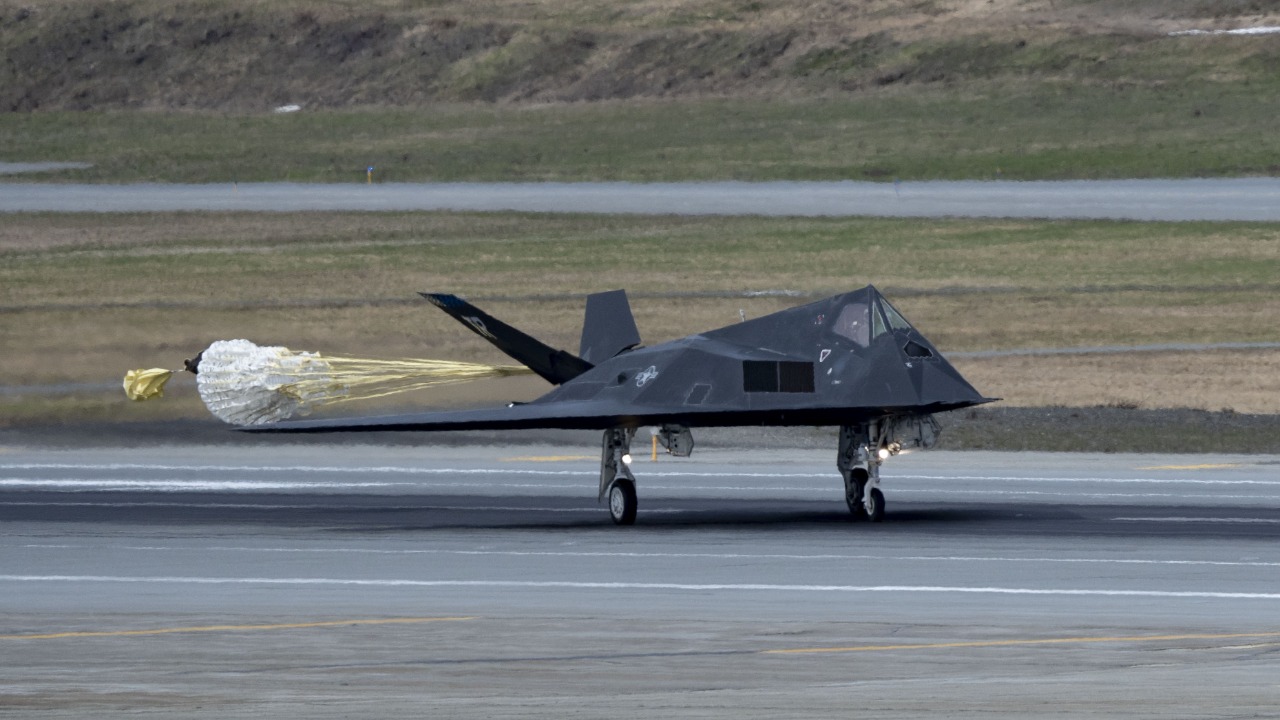
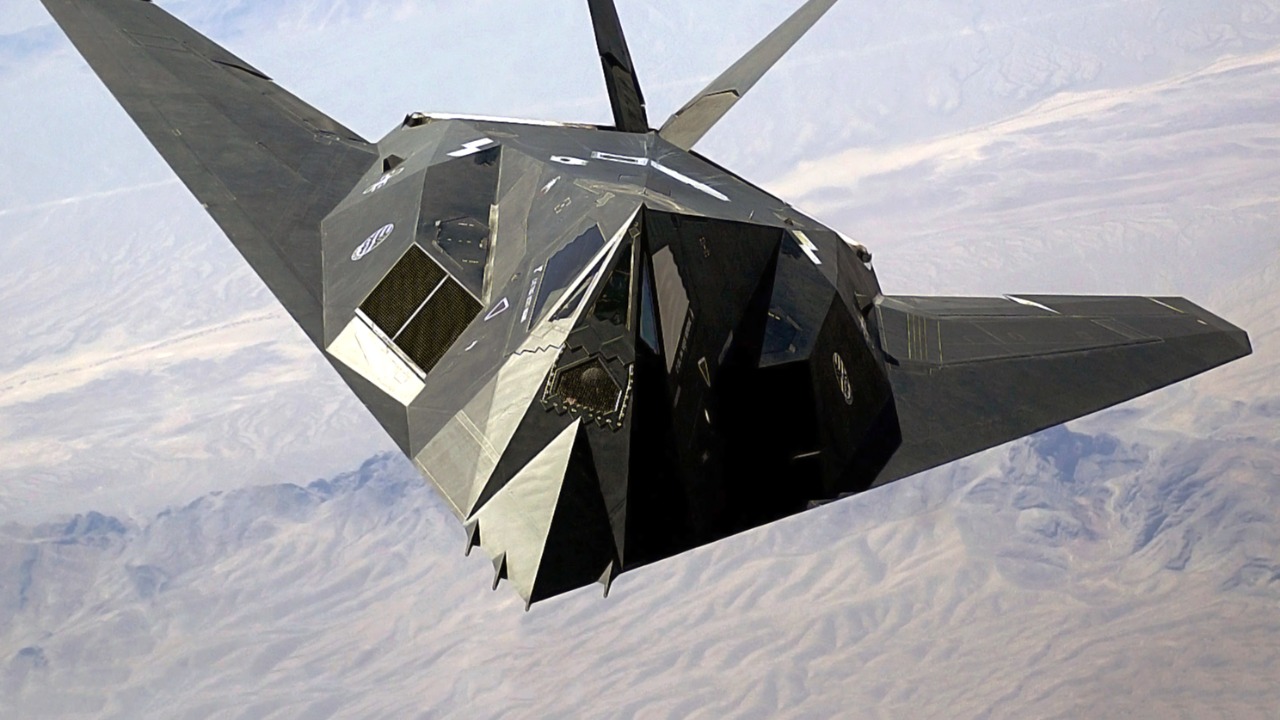
Stealth aircraft often feature unique, angular shapes designed to deflect radar waves away from the source. Instead of reflecting radar signals directly back, these shapes scatter the waves in different directions. This makes it challenging for radar systems to detect and track the aircraft. The F-117 Nighthawk is a prime example, with its faceted surfaces that reduce radar cross-section.
The design process involves extensive computer modeling and testing to ensure optimal stealth characteristics. Engineers must balance aerodynamic efficiency with the need to minimize radar visibility. This often results in unconventional aircraft designs that prioritize stealth over speed or maneuverability.
Radar-Absorbent Materials
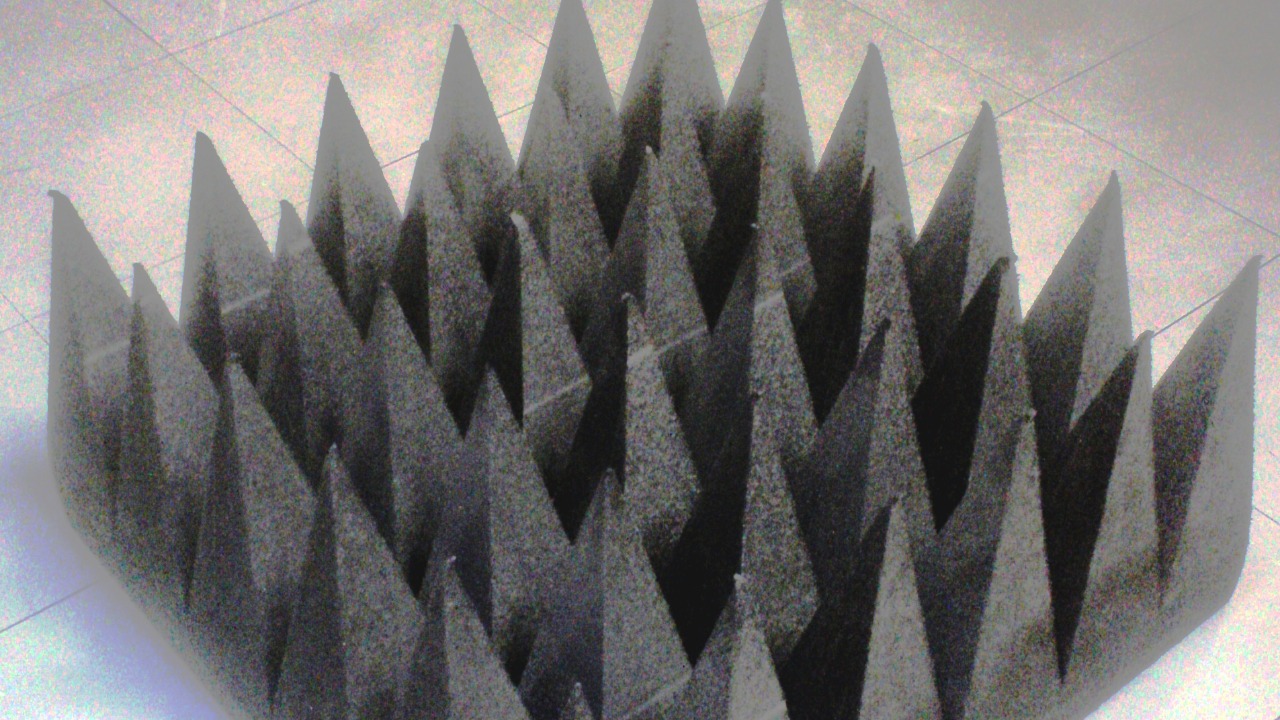
Radar-Absorbent Materials (RAM) play a crucial role in reducing a jet’s radar signature. These materials are engineered to absorb radar waves rather than reflecting them. By converting radar energy into heat, RAM minimizes the amount of signal that returns to the radar receiver.
RAM can be applied as coatings or embedded in the aircraft’s structure. These materials are often composed of complex composites and polymers that absorb specific radar frequencies. The ongoing development of advanced RAM continues to push the boundaries of stealth technology.
Infrared Suppression Techniques
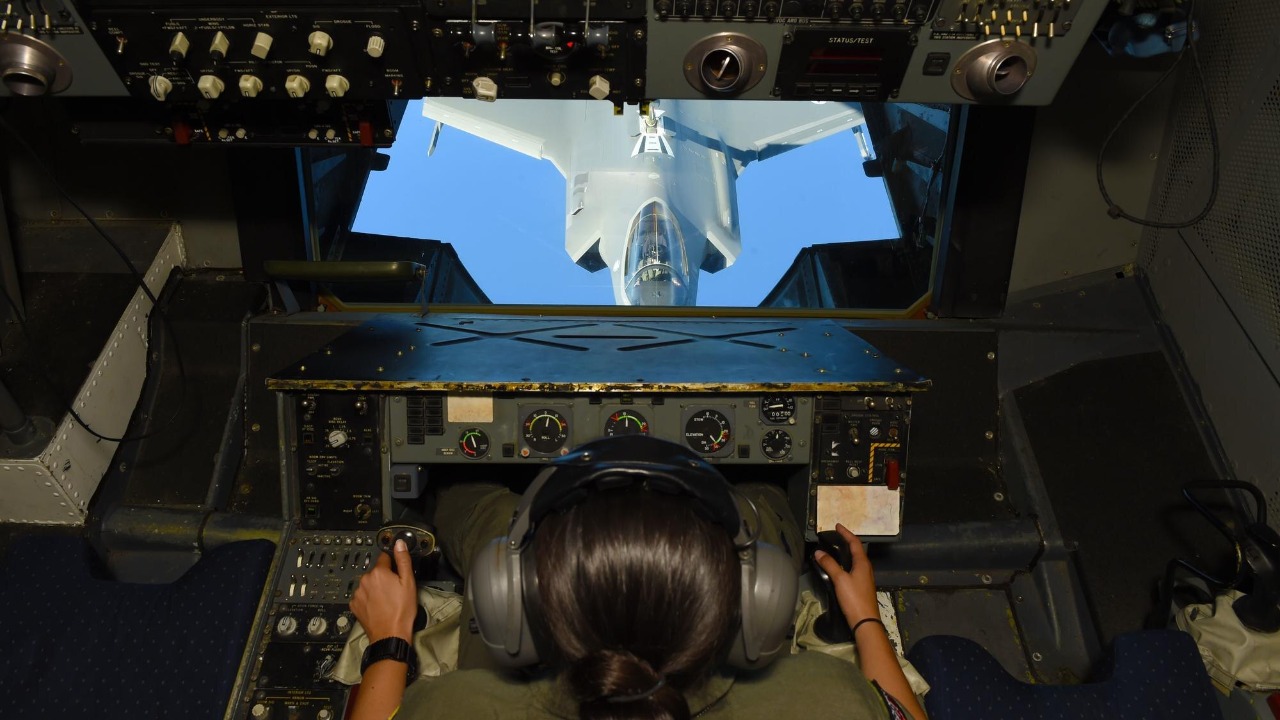
Reducing infrared (IR) emissions is another critical aspect of stealth technology. Jets employ IR suppression techniques to minimize their heat signature, making it harder for heat-seeking missiles to lock on. This involves cooling exhaust gases and using special materials to dissipate heat.
Modern engines are designed with features that direct heat away from vulnerable areas. Technologies such as advanced nozzles and heat exchangers help manage thermal emissions, contributing significantly to an aircraft’s overall stealth profile.
Low Observable Paint
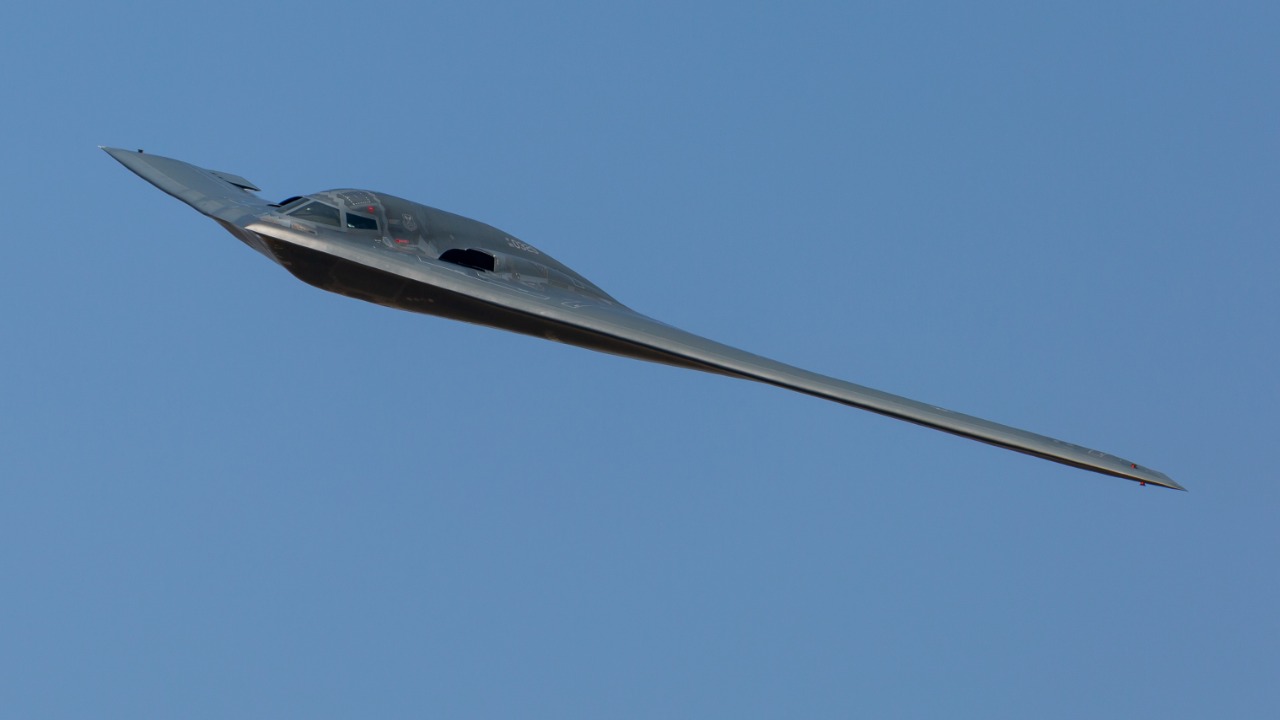
Specialized low observable paints contribute to a jet’s stealth capabilities by absorbing radar waves. These paints often contain microscopic particles that enhance radar absorption. The color and texture of the paint are carefully chosen to minimize visual detection as well.
Applying this paint is a meticulous process, requiring precision to ensure uniform coverage. Over time, wear and environmental factors can degrade the paint, necessitating regular maintenance to preserve the aircraft’s stealth features.
Electronic Countermeasures
Electronic countermeasures (ECM) are essential for confusing and deceiving enemy radar systems. These systems can emit signals to jam radar frequencies or create false targets. By disrupting radar locks, ECM enhances a jet’s ability to evade detection and tracking.
Advanced ECM systems are integrated into the aircraft’s avionics, allowing them to respond dynamically to threats. Pilots can deploy these countermeasures in combat situations to protect themselves and their aircraft from radar-guided weapons.
Reduced Heat Emission
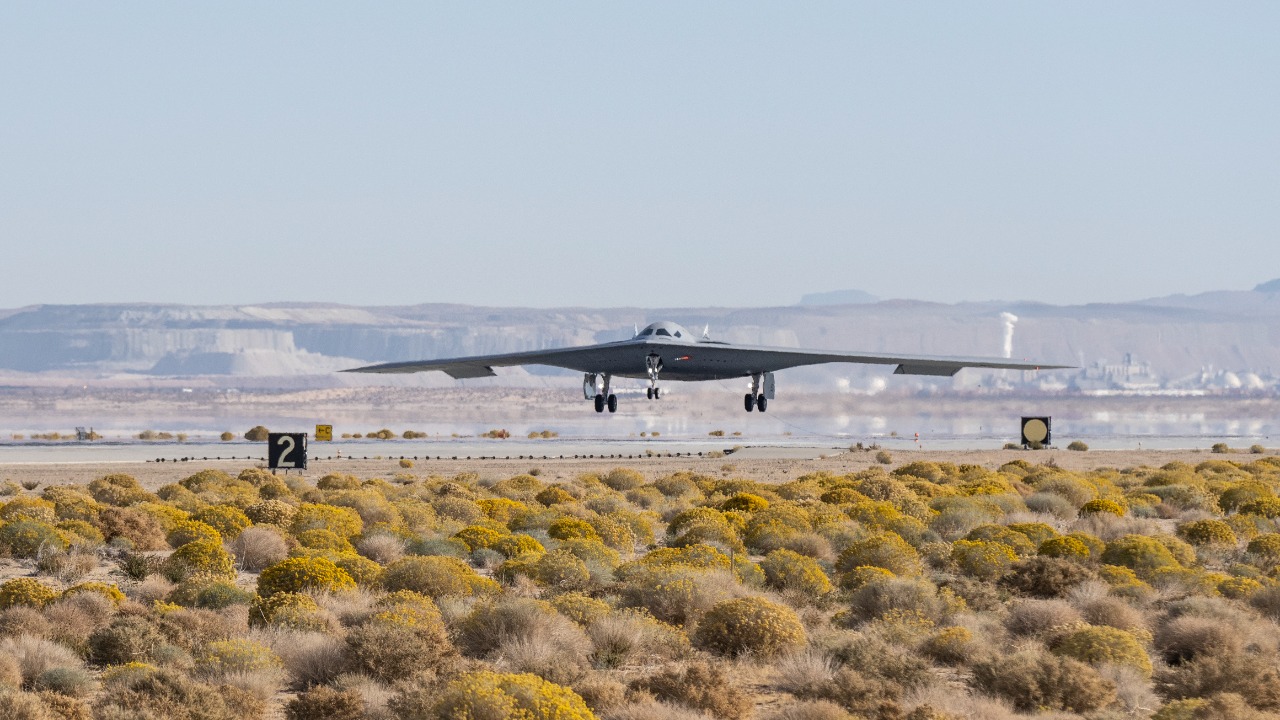
Alongside infrared suppression, reducing overall heat emissions is critical for stealth. Aircraft engines and electronics generate significant heat, which must be managed to avoid detection by thermal imaging systems.
This involves isolating heat-generating components and using heat sinks and other technologies to dissipate excess heat efficiently. These measures ensure that the aircraft remains undetectable to thermal sensors, providing a tactical advantage in stealth operations.
Active Cancellation Systems
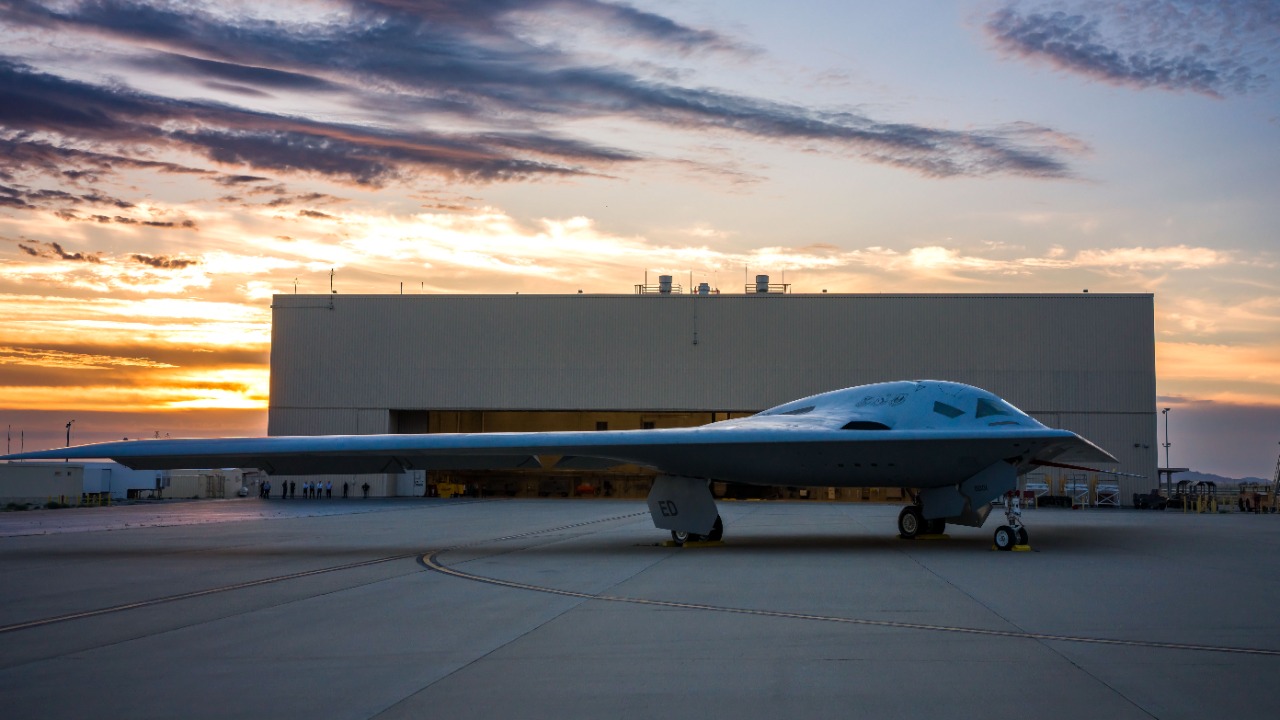
Active cancellation systems are a sophisticated method of reducing radar visibility. By emitting signals that are out of phase with incoming radar waves, these systems can effectively cancel out the radar’s reflections, rendering the aircraft invisible to detection.
This technology requires precise synchronization with radar waves, making it highly complex. While still in development for practical use, active cancellation represents a promising frontier in stealth technology, potentially revolutionizing how jets evade radar.
Flying at Low Altitudes
Flying at low altitudes is a tactical maneuver used to avoid radar detection. By using the terrain to mask their presence, aircraft can evade radar systems that operate on line-of-sight principles. This makes it difficult for radar to detect and track the aircraft over long distances.
Low-altitude flight requires skilled piloting and precise navigation to avoid obstacles and maintain stealth. This technique is often used in conjunction with other stealth measures, enhancing the jet’s ability to operate undetected.
Radar Jamming
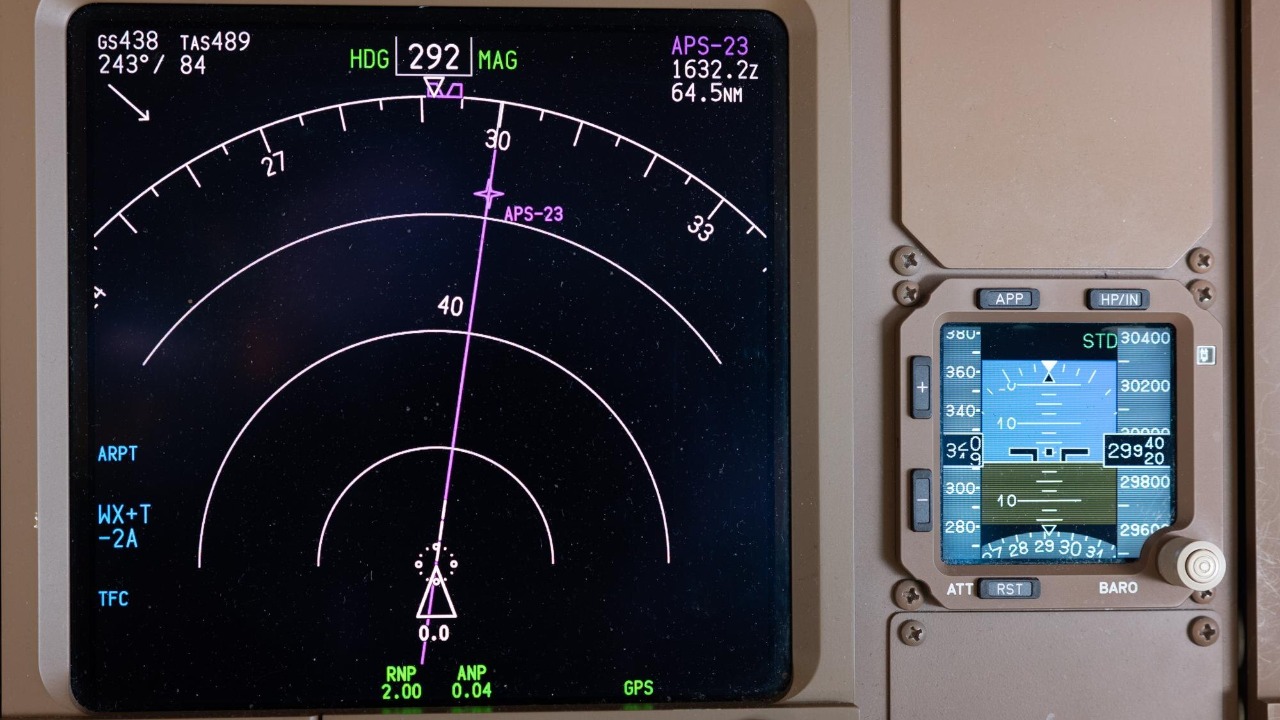
Radar jamming involves the use of electronic signals to interfere with enemy radar systems. By overwhelming radar with noise or false signals, jamming can prevent accurate detection and targeting of the aircraft.
This technique is part of a broader electronic warfare strategy, providing a crucial layer of defense against radar-guided threats. Radar jamming systems are continually evolving to counter new radar technologies, ensuring their effectiveness in modern combat scenarios.
Engine Intake Design
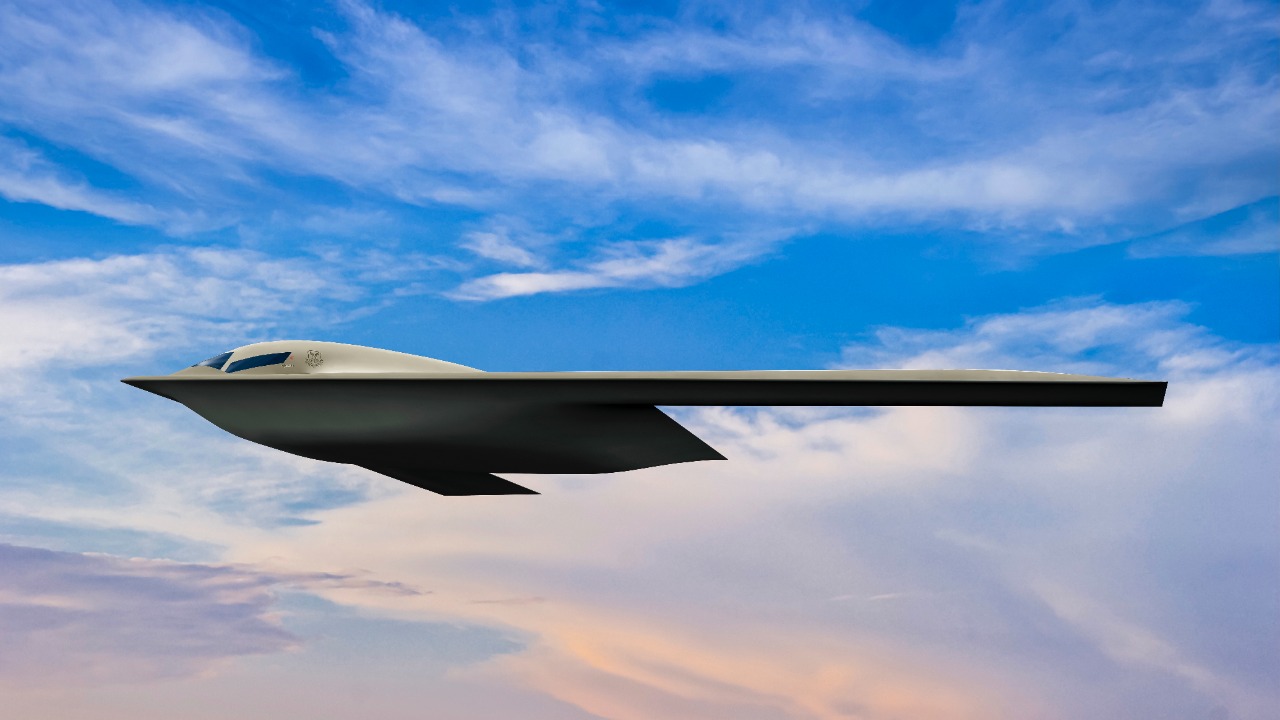
The design of engine intakes is integral to radar stealth. Intakes can reflect radar waves, increasing the aircraft’s visibility. To mitigate this, engineers design intakes with shapes and materials that reduce radar reflection.
Some designs incorporate S-shaped intakes that shield the engine’s fan blades from radar, effectively reducing the aircraft’s radar cross-section. This attention to detail in engine intake design is a key component of a jet’s overall stealth capabilities, allowing it to operate undetected in hostile environments.
