Earth’s core remains one of the most enigmatic parts of our planet, playing a crucial role in maintaining our magnetic field and overall planetary stability. Recent research suggests various ways in which the core might be changing, potentially impacting everything from our environment to technological systems.
Below are ten intriguing possibilities regarding the changes unfolding deep within Earth.
Fluctuations in Core Temperature

Recent studies indicate that the temperature of the Earth’s core might be experiencing fluctuations. These temperature changes can affect convection currents, which are vital in generating Earth’s magnetic field.
While the core remains incredibly hot, even minor variations in temperature could have significant consequences for the planet’s geodynamics. Understanding these temperature shifts is essential for insights into the Earth’s interior processes.
Variations in Core Density
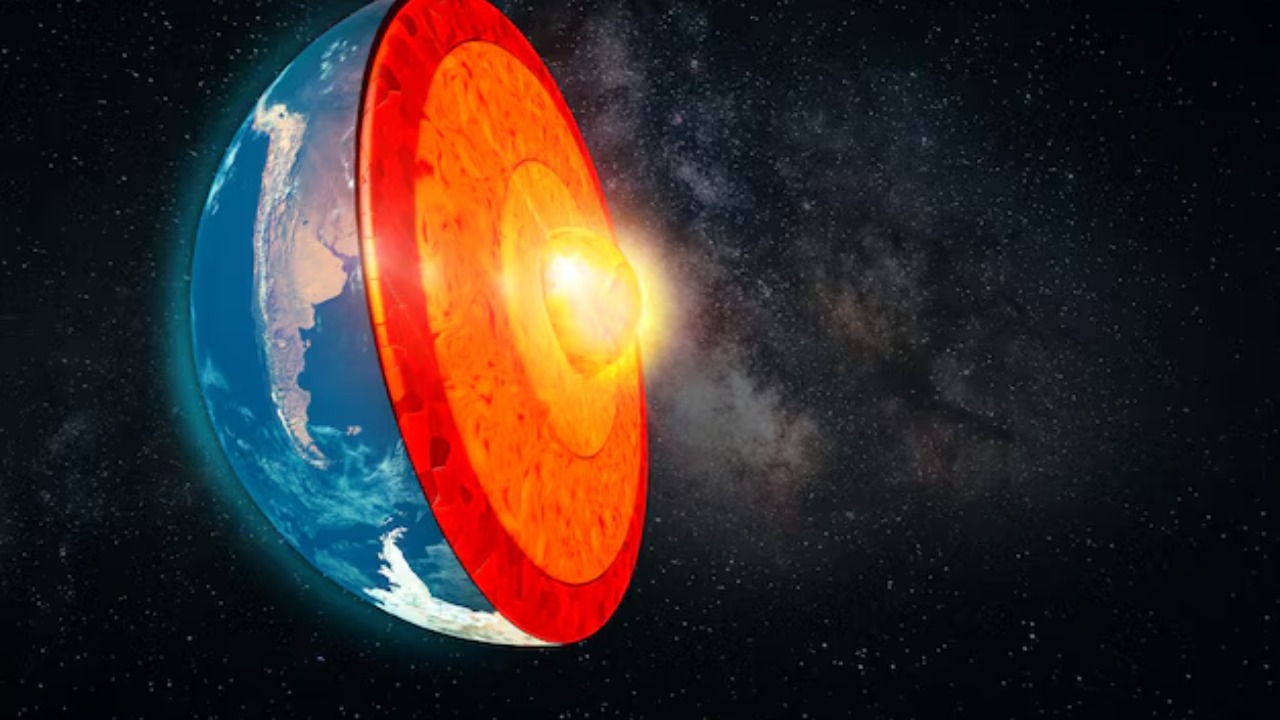
Density variations within the core could lead to shifts in the Earth’s gravitational field, influencing ocean currents and atmospheric patterns. This alteration might result from changes in composition or pressure inside the core. As scientists delve deeper into this mystery, they are discovering new data that could refine our understanding of the core’s dynamic nature and its impact on the surface world.
Changes in Magnetic Field Strength
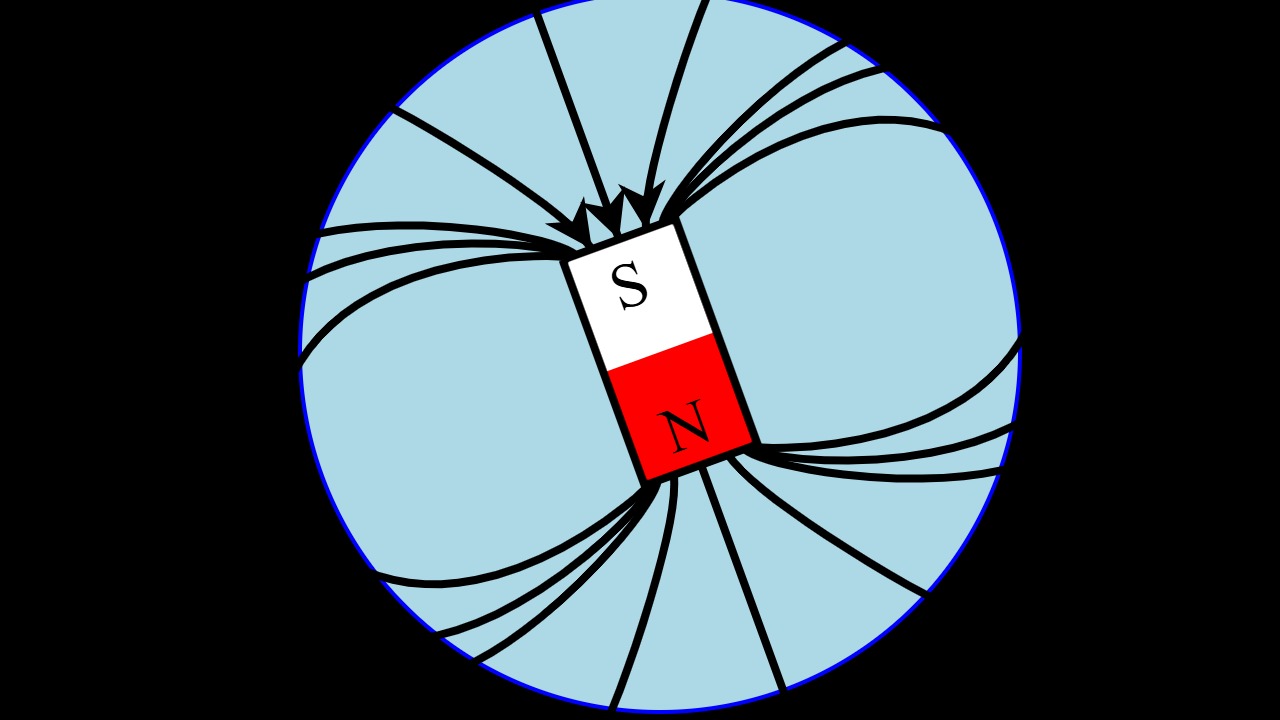
The Earth’s magnetic field is primarily generated by movements within the core. Recent observations suggest that the magnetic field strength is not constant and may be weakening or shifting. Such changes could have profound effects on satellite operations, animal navigation, and even human health, making it a crucial area of study for geophysicists.
Alterations in Core Rotation Speed
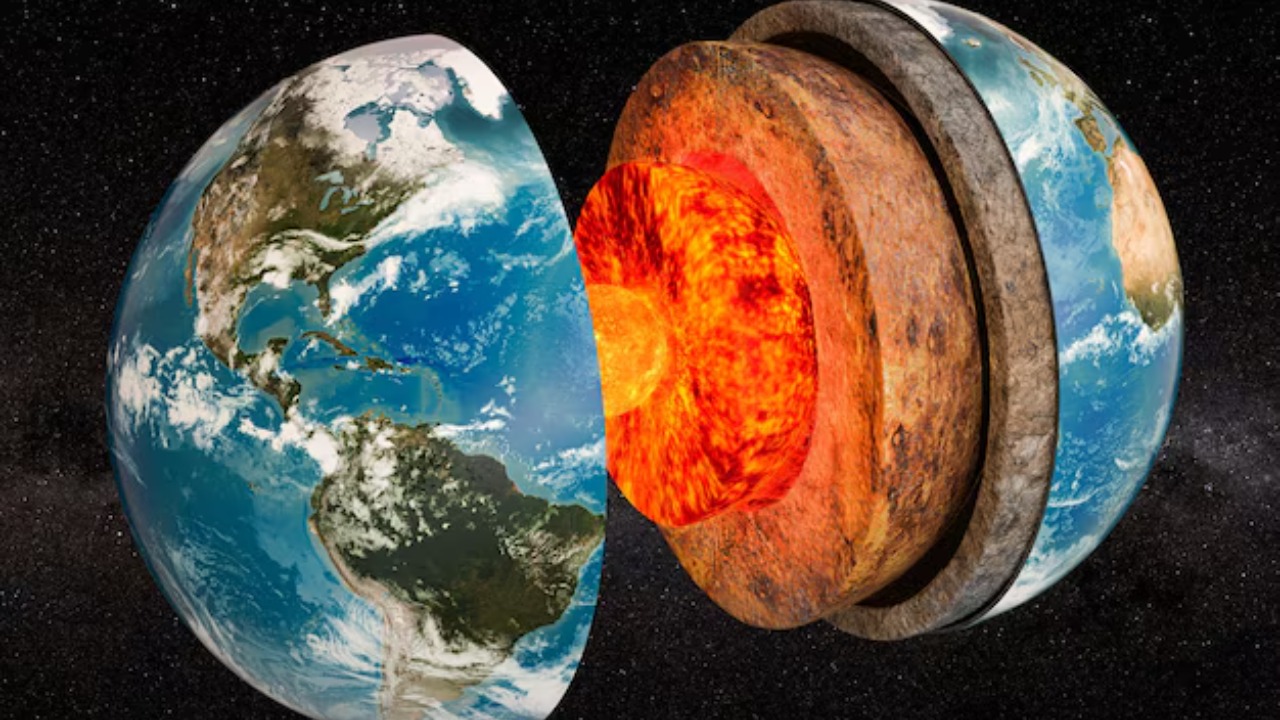
Research indicates that the Earth’s core might be changing its rotation speed, possibly in a cyclical manner. Variations in rotation speed can affect the geodynamo process, which is responsible for generating the magnetic field. These findings could provide a better understanding of how the core’s dynamics are linked to surface phenomena.
Shifts in Core-Mantle Boundary

The boundary between the Earth’s core and mantle is a zone of intense scientific interest. Changes in this boundary could influence mantle convection and, consequently, tectonic activity. Understanding shifts in the core-mantle boundary is vital for predicting geological events and understanding the Earth’s thermal history.
Variations in Core Composition
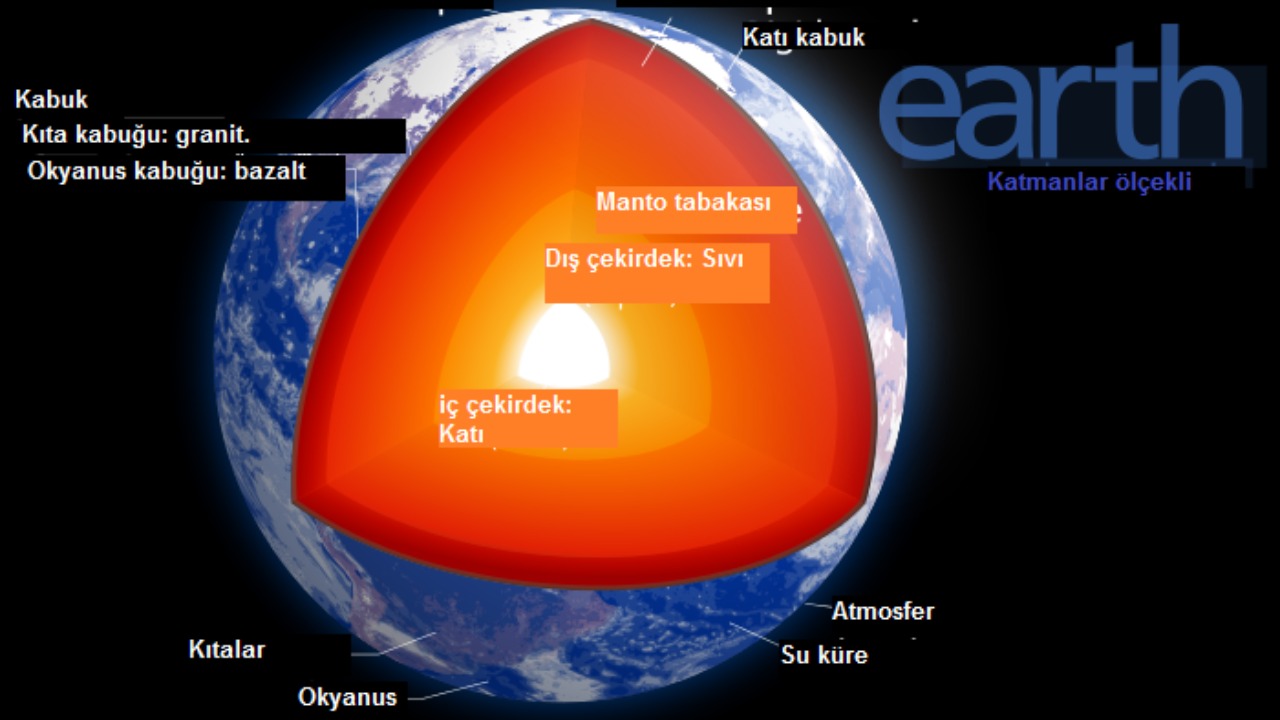
The composition of the Earth’s core is primarily iron and nickel, but recent studies suggest there might be variations. These could arise from interactions with the mantle or changes in pressure and temperature. Such composition variations are significant as they could influence the core’s density, temperature, and magnetic properties.
Occurrence of Core-Mantle Interactions

Interactions between the core and mantle could lead to material exchange or thermal energy transfers, affecting mantle convection and tectonic activity. These interactions are complex and difficult to observe, but advancements in seismic technology are providing new insights into this dynamic relationship.
Development of Anomalous Core Structures
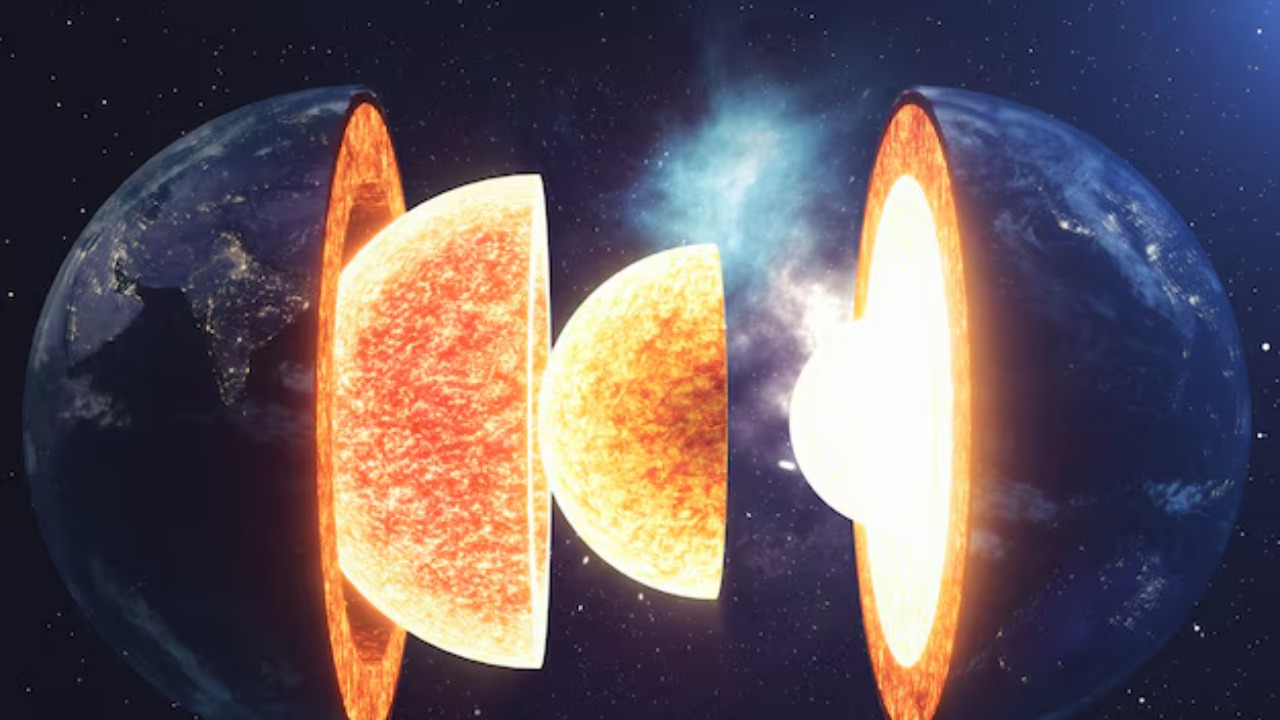
Anomalies within the Earth’s core, such as unexpected density or temperature zones, might indicate unknown processes or features. These structures could alter how the core functions, affecting the magnetic field and other geophysical phenomena. Detecting and understanding these anomalies could unlock new facets of Earth’s inner workings.
Influence of Tectonic Activity on Core
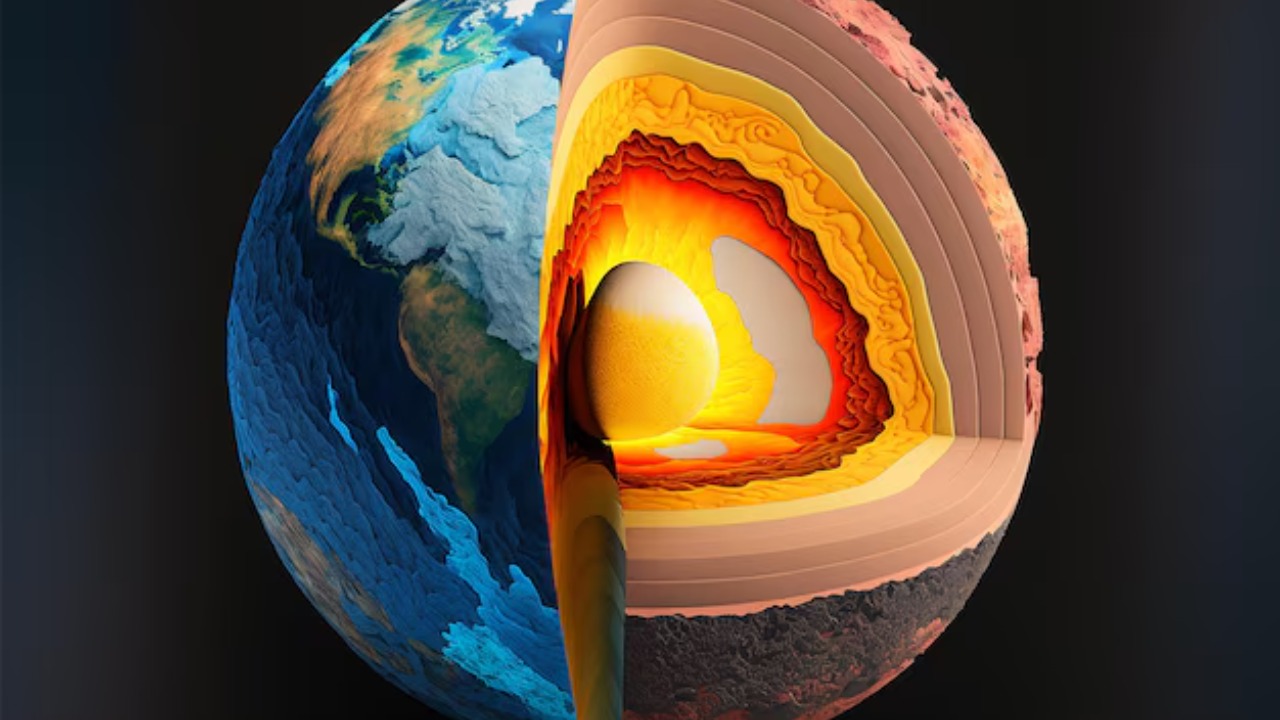
While the core influences tectonic activity, the reverse might also be true. Movements and changes in the Earth’s crust and mantle could impact the core’s behavior, potentially altering its rotation, temperature, or composition. Understanding this bidirectional influence is crucial for a holistic view of Earth’s geodynamics.
Impact of External Cosmic Forces on Core

External forces such as gravitational interactions with celestial bodies or cosmic radiation could potentially influence the Earth’s core. While these effects are likely subtle, they could contribute to long-term changes in the core’s properties or behavior, offering an intriguing avenue for further research.
