
Crash-test programs have pushed automakers to reinforce passenger compartments and make collision-avoidance technology standard rather than optional. The result is a group of mainstream sedans and family SUVs whose structures, restraints and driver aids are engineered around the same tough test protocols. Here are ten models whose safety records and standard equipment keep them near the front of that conversation.
1. Toyota Camry: The Midsize Safety Benchmark
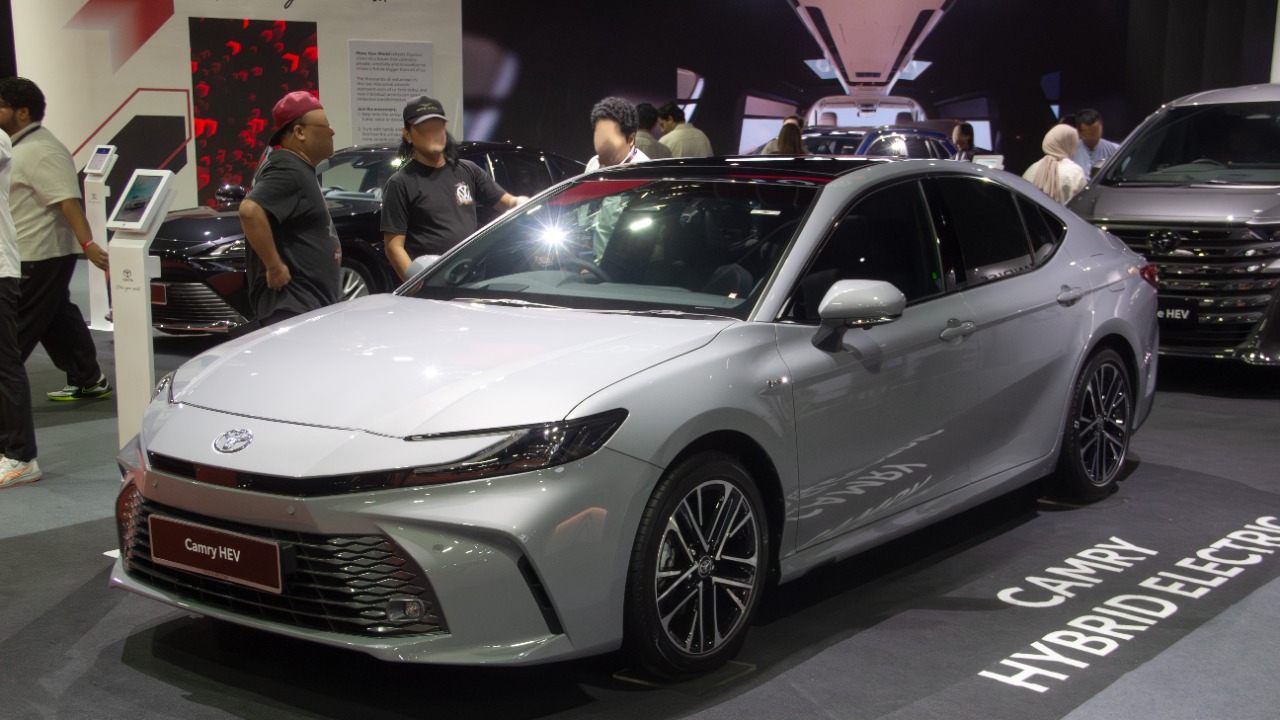
Toyota’s midsize sedan is engineered around a high-strength body shell that channels impact forces away from the cabin, and the company fits its driver-assistance package to every trim. Across recent generations the Toyota Camry lineup has carried automatic emergency braking, lane-departure steering assist and adaptive cruise control as standard equipment rather than an extra-cost option.
Crash-test programs now weigh what a car does before impact alongside how the structure holds up during one. Making those systems universal also protects the second owner, who inherits whatever was specified when the car was new.
2. Honda Accord: Collision Braking Without The Options List
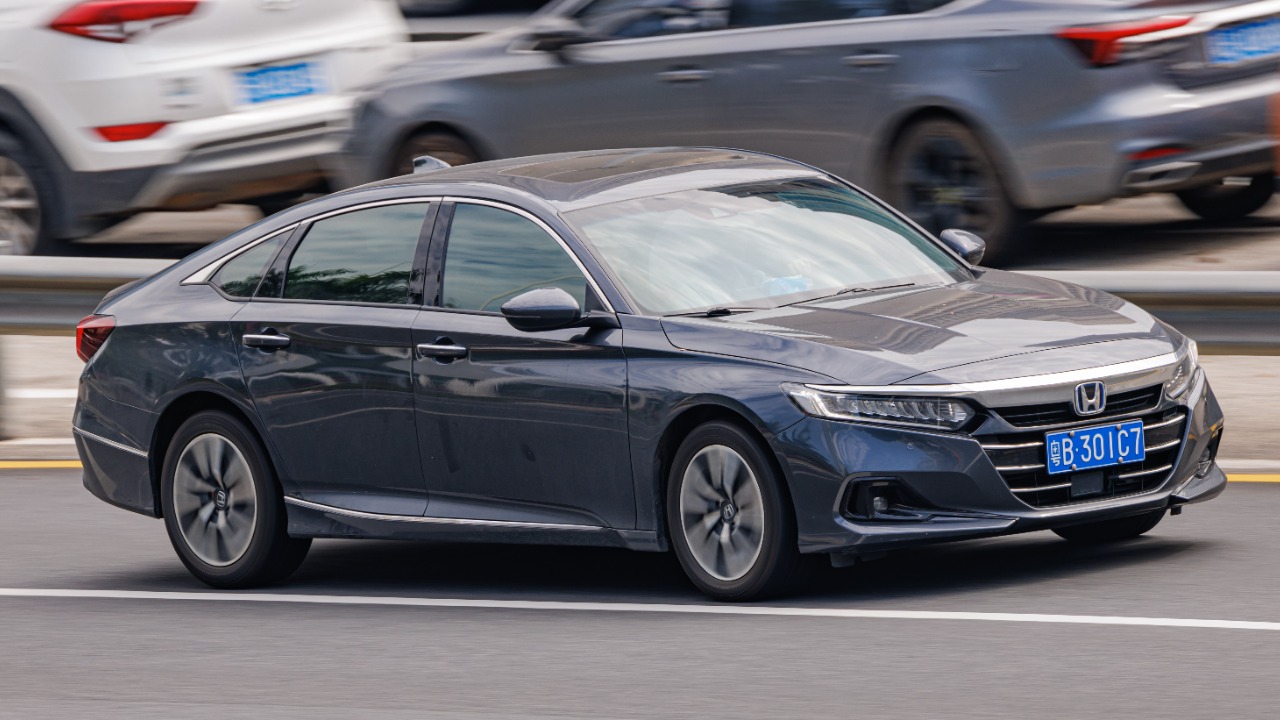
Honda builds the Accord on a body structure designed to spread frontal loads around the occupant cell rather than through it, then pairs that shell with a standard driver-assistance suite. Every trim of the current Accord sedan includes collision-mitigation braking, road-departure mitigation and adaptive cruise control, so the entry model carries the same core electronics as the hybrid flagship.
Consistency of that kind is unusual in the class, where competitors often reserve the sharpest sensors for upper trims. For a family shopping the used market a year or two later, it removes the need to decode a window sticker to learn which safety hardware is actually fitted.
3. Subaru Outback: All-Wheel Drive As Standard Equipment
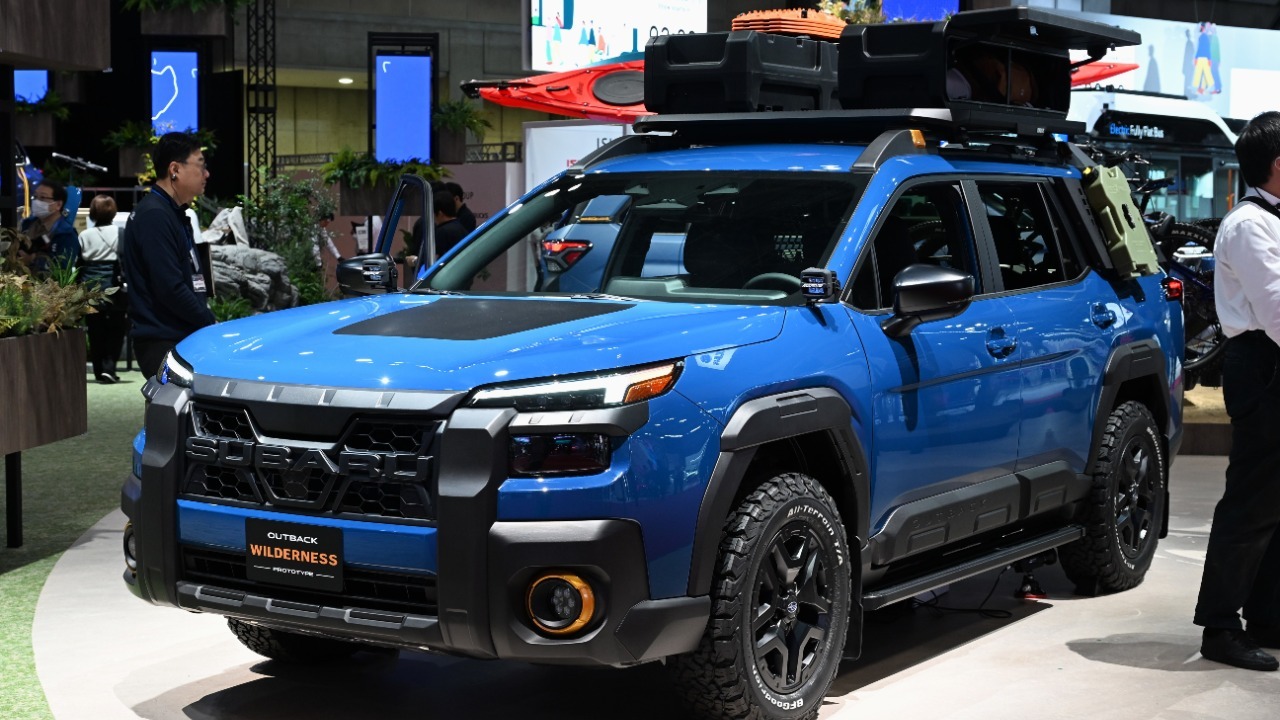
Every Outback leaves the factory with symmetrical all-wheel drive and Subaru’s stereo-camera driver-assistance system, a combination the brand has used to separate the wagon from rivals for decades. The Subaru Outback wagon uses that twin-camera setup to run pre-collision braking, lane-keep assist and adaptive cruise, while the raised body rides on a platform engineered to absorb and redirect crash energy.
Traction hardware is not a crash rating, but it addresses the part of a winter collision that happens before the airbags matter. The trade-off is mechanical: full-time all-wheel drive costs some fuel economy against front-drive rivals of the same size.
4. Mazda CX-50: Crash Avoidance Fitted Across The Range
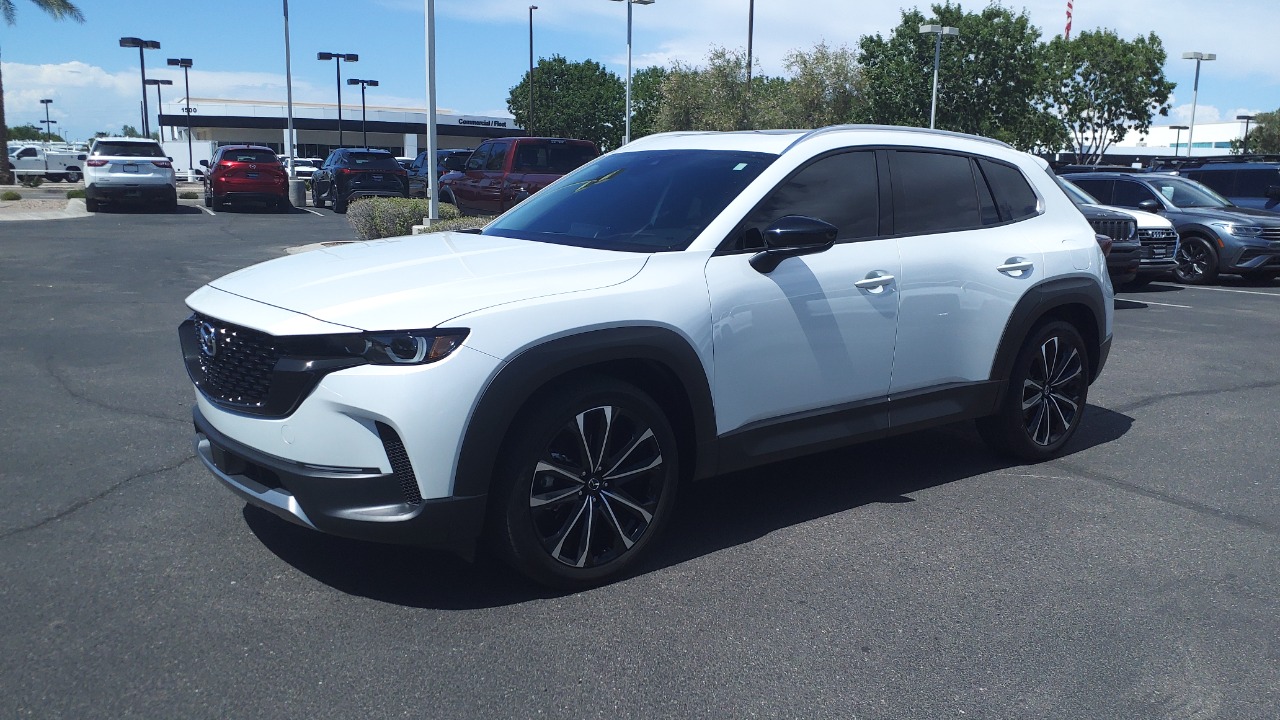
Mazda’s rugged compact crossover shares its underpinnings with the CX-30 and Mazda3 but adds a wider track and a taller ride height. Standard on the CX-50 crossover is the brand’s i-Activsense group of aids, which bundles braking support, lane-departure warning, blind-spot monitoring and radar cruise control into the base specification instead of a premium package.
Fitting sensors to every version is what turns a design into a consistent performer in crash-avoidance testing, where an unequipped trim can drag down an otherwise strong result. Stepping up a grade buys mostly comfort and drivetrain content, not extra protection.
5. Hyundai Tucson: A Compact SUV Built Around Its Sensors
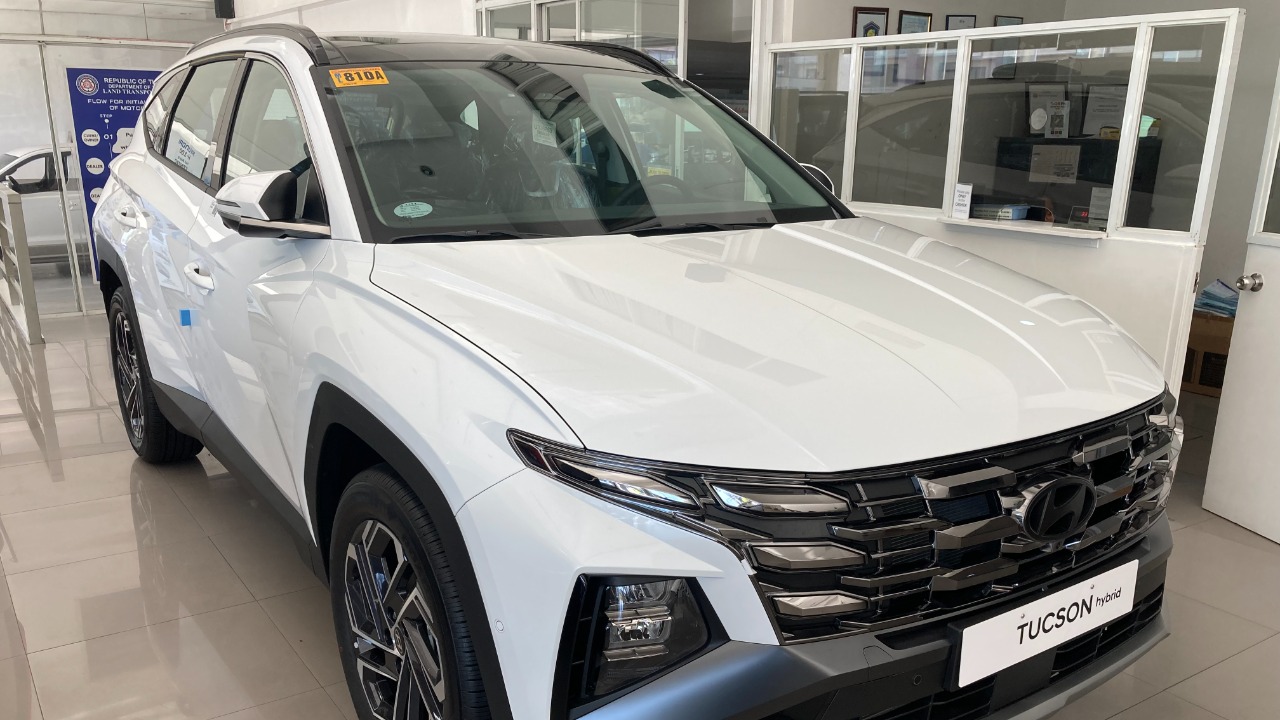
Hyundai treats its SmartSense package as base equipment, an arrangement that puts forward collision-avoidance assist, lane-following assist and driver-attention warning on the cheapest version sold. The current Tucson crossover was redesigned on a newer platform with a reinforced passenger cell and structural members shaped to manage the small-overlap frontal loads that crash programs emphasize.
The system’s willingness to intervene is calibrated to be noticeable, which some drivers find intrusive on narrow roads. Sensitivity can be adjusted rather than switched off permanently, and the behavior that irritates in traffic is what shortens reaction time when a car ahead stops without warning.
6. Honda CR-V: Structure First, Then The Software
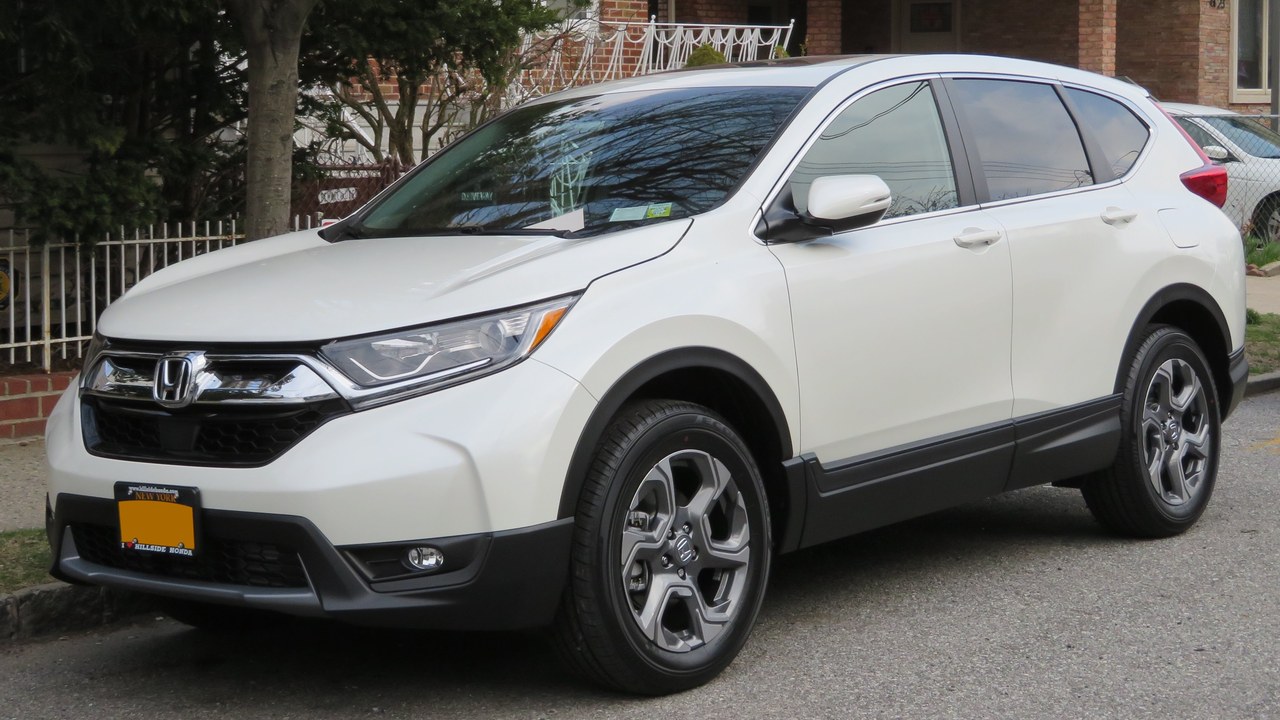
The CR-V is built around Honda’s advanced compatibility engineering body, a load-path design meant to spread frontal energy across a wider portion of the front end so a smaller vehicle striking it is not punished by a rigid rail. Every version of the CR-V compact SUV also arrives with the Sensing suite, adding braking intervention and lane-centering to that structural work.
Compact SUVs sell in enormous numbers, so incremental structural gains translate into a large real-world effect. The design reflects a point crash engineers make often: how a vehicle behaves toward the other car in a collision belongs to the safety picture, not to a separate question.
7. Genesis GV70: Luxury Content Without The Upsell
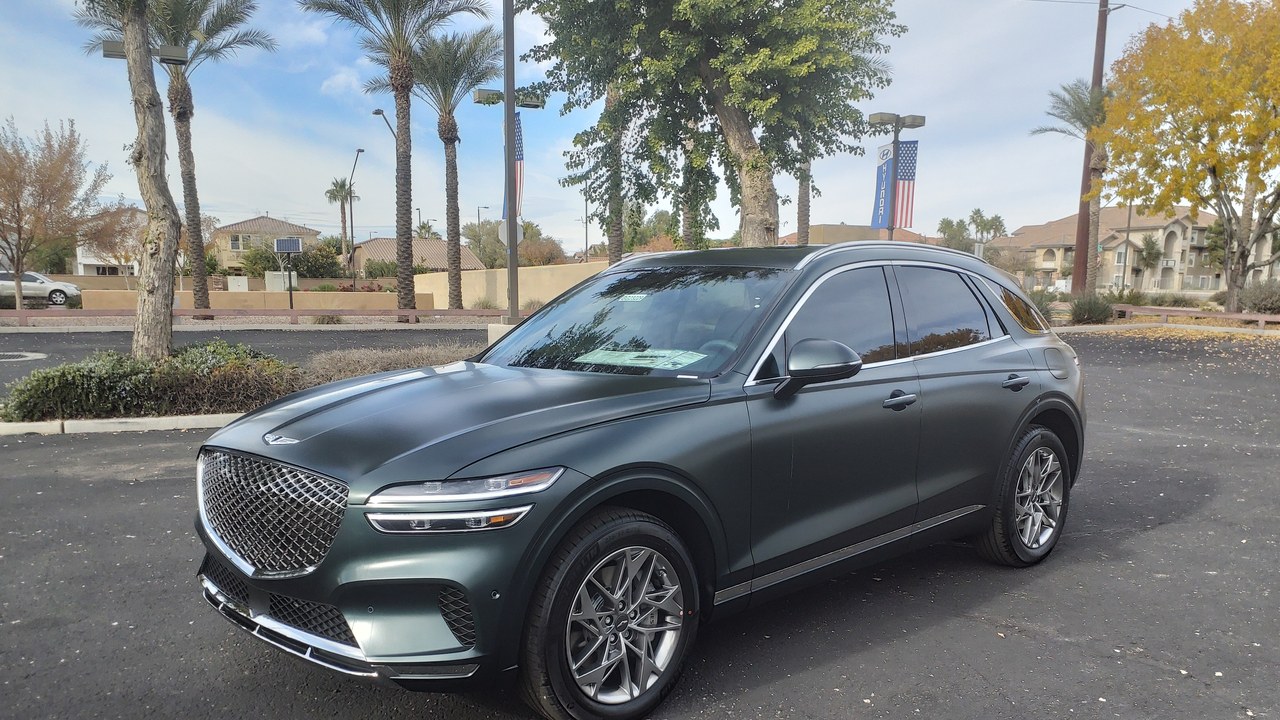
Genesis positions the GV70 against established German compact luxury SUVs and answers them partly with equipment levels, loading the base car with driver aids that rivals still charge for. The GV70 luxury crossover combines forward collision-avoidance assist, blind-spot monitoring and a body engineered largely from high-strength steel, with curtain airbags running the length of the cabin.
That approach reflects the brand’s wider strategy, since a young marque cannot lean on badge history and competes instead on content. It also narrows the usual luxury gap in which the best safety technology arrives only inside an expensive assistance package.
8. Volvo XC60: The Brand That Made Safety The Sales Pitch
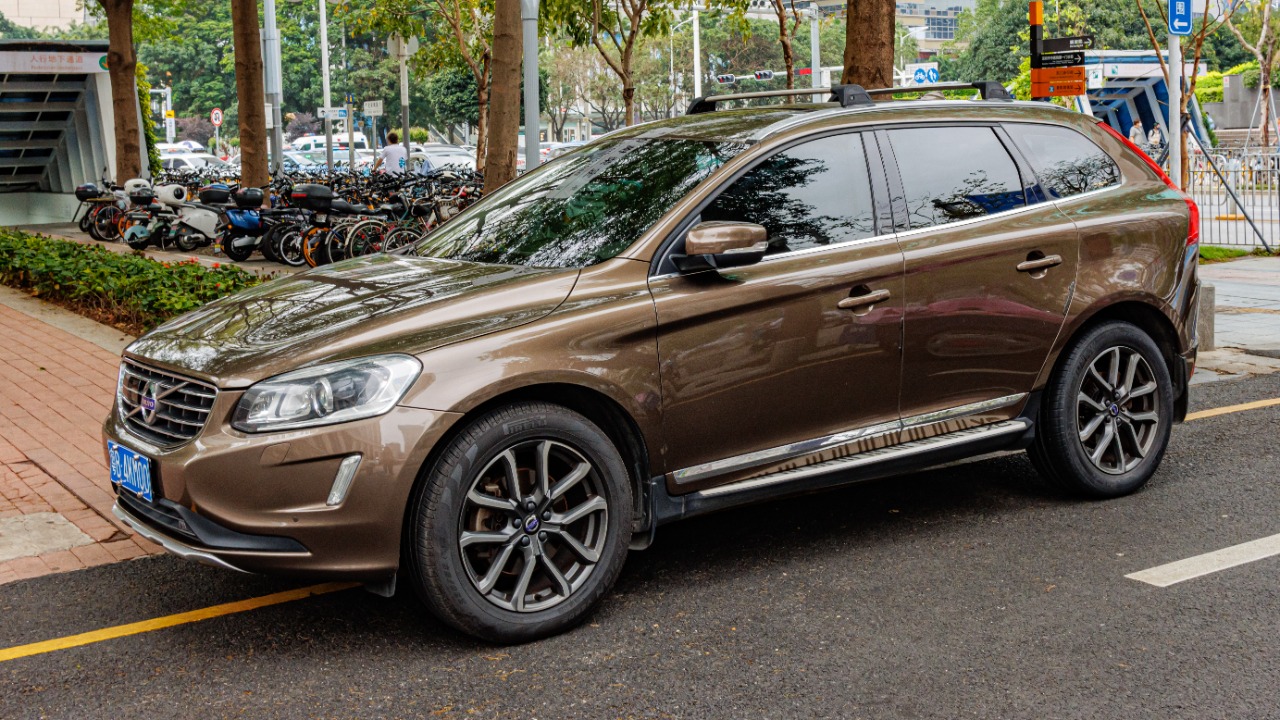
Volvo has built its identity on occupant protection since it gave away the patent for the three-point belt, and the XC60 is the volume expression of that engineering culture. Automatic braking is standard on the XC60 midsize SUV, alongside run-off-road protection that tightens the belts and uses energy-absorbing seat structures to limit spinal loads when a car leaves the pavement.
Single-vehicle departures account for a substantial share of serious rural crashes, a failure mode many competitors address only through electronic stability control. Treating the moment after the car leaves the road as its own engineering problem is what separates the approach from a checklist of sensors.
9. Toyota Highlander: Three Rows, One Equipment Level
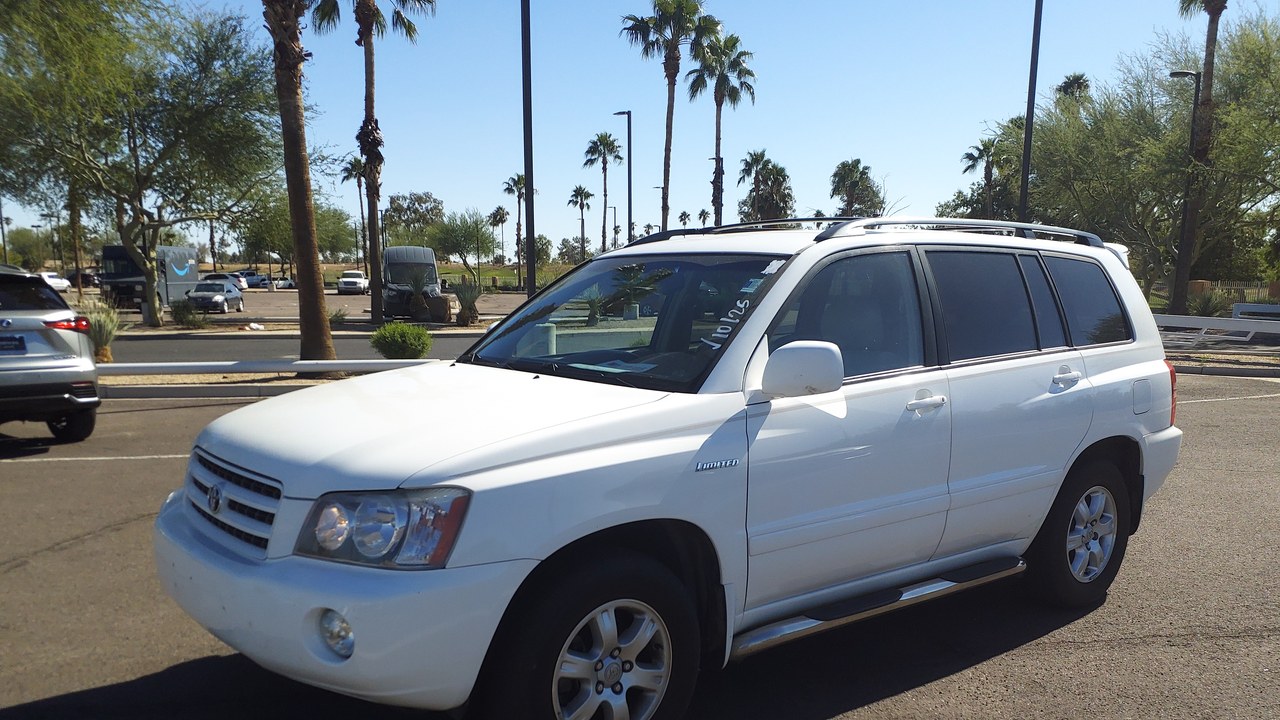
The Highlander inherits the same driver-assistance philosophy as the rest of the range, with pre-collision braking, lane-tracing assist and adaptive cruise fitted from the base trim upward. Toyota’s three-row family SUV rides on the company’s global architecture, a stiffer platform that lowers the center of gravity and gives crash engineers more predictable load paths than the body-on-frame utilities the class replaced.
Third-row occupants remain the hardest to protect in a rear impact because the crumple zone behind them is short. Shoppers who regularly carry seven people should weigh cargo depth behind the last row, a rough proxy for how much space sits between passengers and a following vehicle.
10. Subaru Ascent: The Family Hauler With Two Cameras
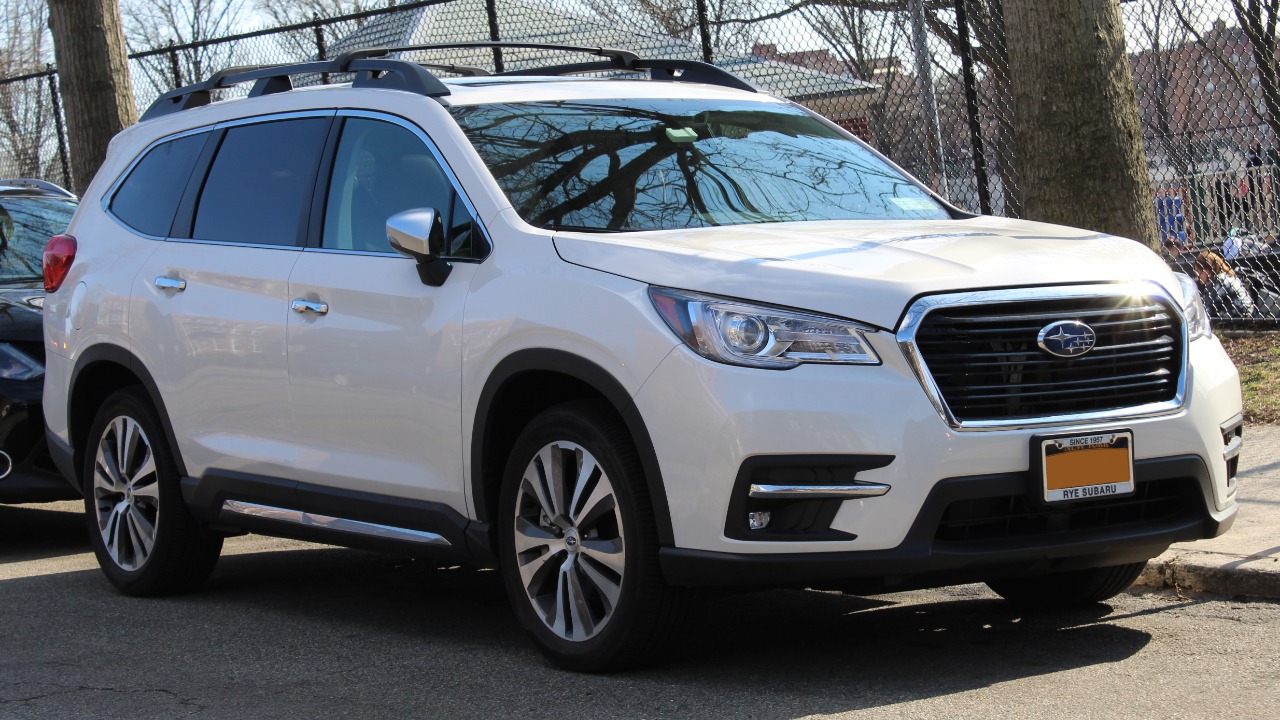
Subaru’s largest model stretches the Global Platform to three rows and keeps the stereo-camera driver-assistance system as base equipment on every version. The Ascent three-row SUV adds rear-seat reminder alerts and the stiffer body shell that came with the platform generation Subaru introduced to improve crash energy absorption.
Interior packaging drives much of the practical safety case here, because the second-row layout decides whether a child seat can be reached without climbing over one. Families weighing it against a minivan are trading a wide sliding door for all-wheel drive and higher ground clearance.
More from Morning Overview
