
Engine trouble rarely announces itself at the dealership. It surfaces years later, at highway speed or on a cold morning, long after the warranty paperwork has been filed away. Here are ten popular vehicles whose engines carry a documented reputation for expensive surprises, and what owners tend to discover only once the repair estimate arrives.
1. Ford F-150: The Triton V8 Spark Plug Problem

Two-valve 5.4-liter Triton V8s hold each spark plug in the aluminum head with only a few threads, and combustion pressure can strip them until the plug blows clean out. The later three-valve version swapped that fault for plugs that seize and snap during removal. Both engines powered the best-selling Ford F-150 for years.
Neither failure kills the truck outright, but both empty a wallet. A blown plug means re-threading or replacing a cylinder head; a broken one means extraction tools and hours of labor. Anyone shopping a high-mileage example should ask when the plugs last came out, because the answer tends to predict the bill.
2. Chevrolet Silverado: When Cylinder Deactivation Eats Itself
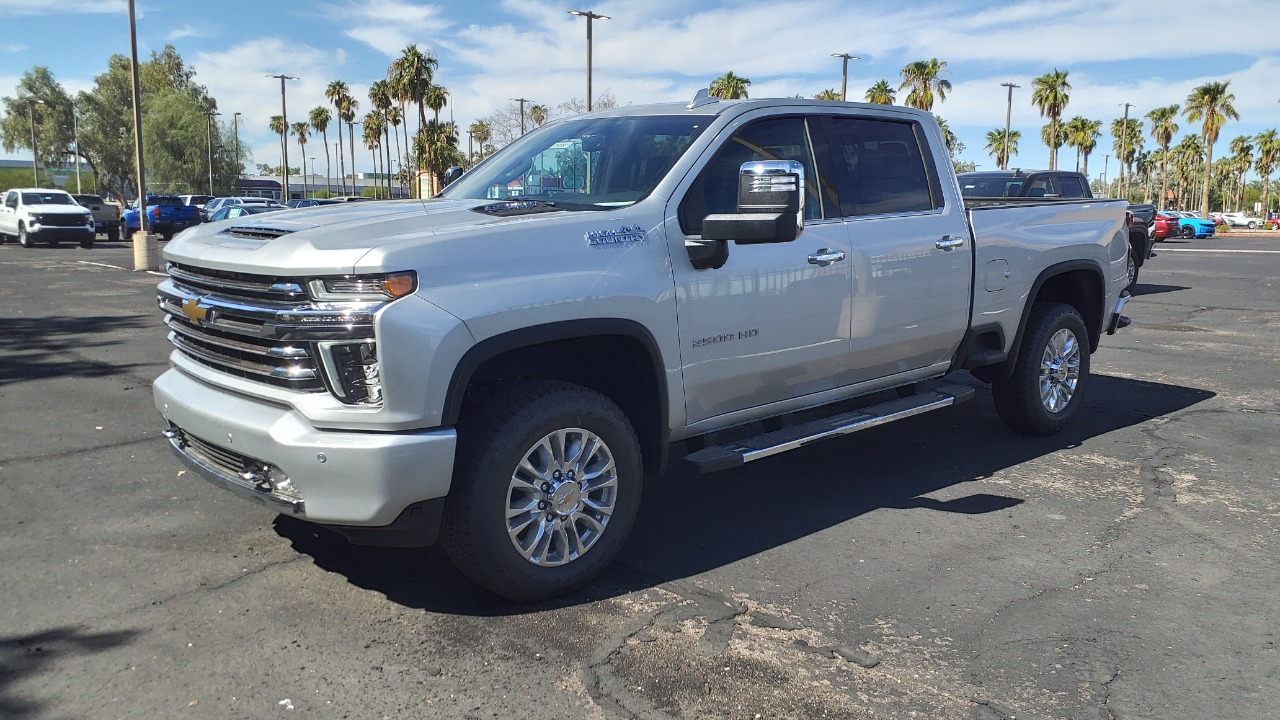
General Motors’ Active Fuel Management system shuts down half the cylinders under light load by collapsing special hydraulic lifters. Those lifters are the weak link: one that fails to reset can hammer its camshaft lobe flat, and the affected cylinder stops making power. Owners of the V8-powered Chevrolet Silverado often hear a tick first.
By the time a misfire code appears, the camshaft is usually damaged too, which turns a lifter job into a teardown of the top end. Disabling the system permanently requires new hardware and a tune. A truck with a documented lifter replacement in its file is often the safer used purchase rather than the riskier one.
3. Ram 1500: The Hemi Tick Nobody Wants To Hear
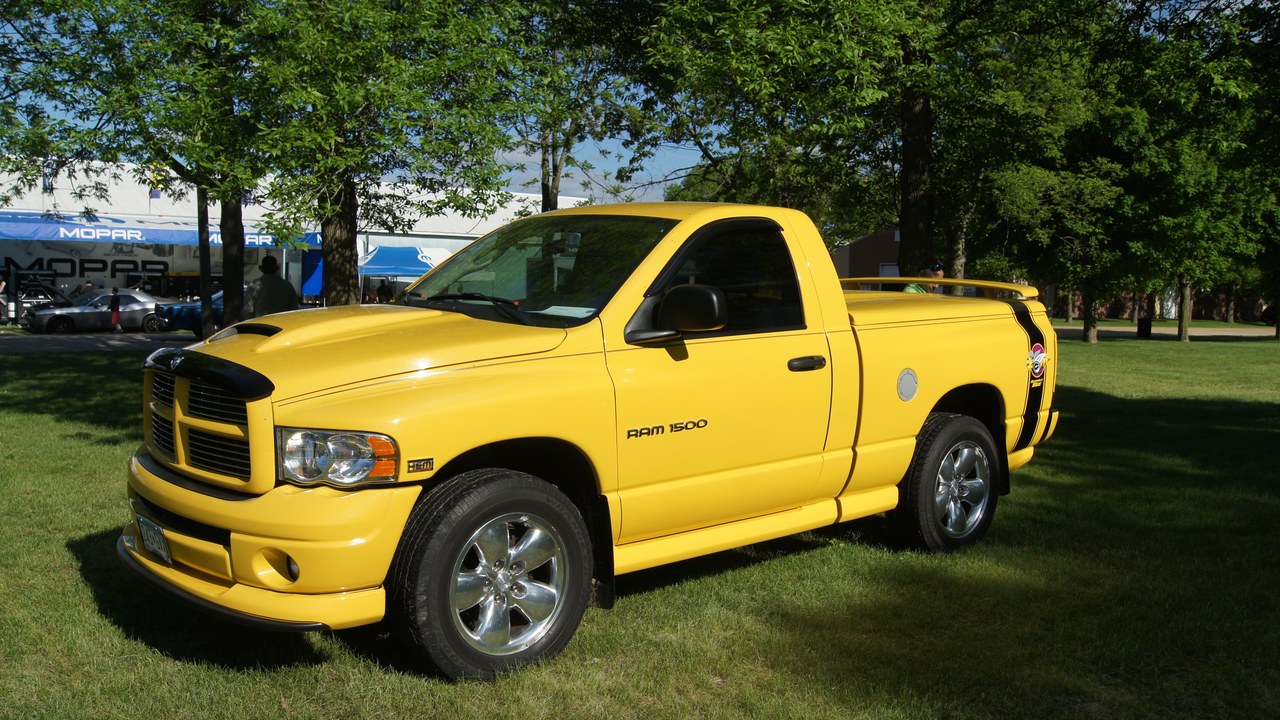
A metallic tapping from a Hemi V8 is common enough to have earned a nickname, and it can mean anything from a leaking exhaust manifold to a collapsing roller lifter tied to the cylinder deactivation system. The distinction matters, because one costs a gasket and the other costs an engine. Ram 1500 pickups have carried that V8 for two decades.
Diagnosis is the whole game. A cold-start tick that fades as the manifold expands usually points to a broken bolt or a warped flange, while a tick that grows with mileage and load points at valvetrain wear. Left alone, a failing lifter sends metal debris through the oil system and multiplies the eventual repair.
4. Toyota Tundra: A Recall For Debris Left Inside
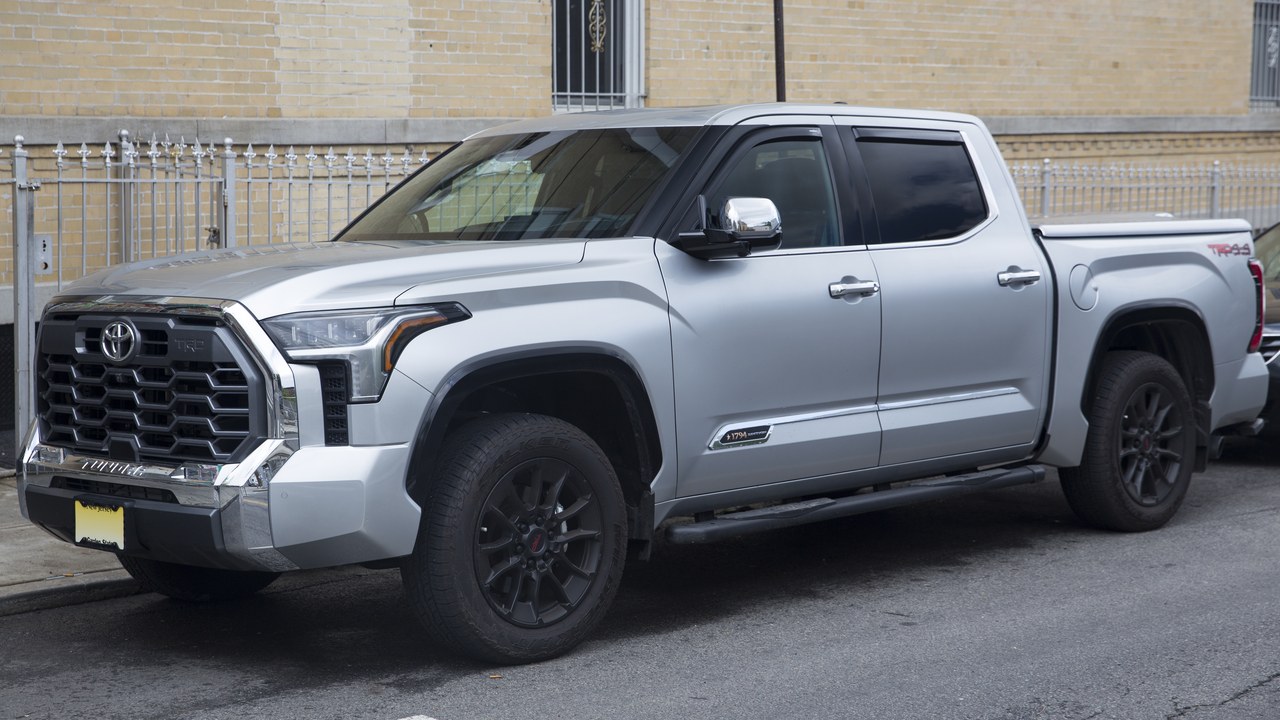
Toyota recalled twin-turbocharged V6 engines in its full-size truck line after concluding that machining debris left in the block during manufacturing could circulate and damage main bearings, in some cases causing a knock, a loss of power or a stall. The remedy for affected Toyota Tundra pickups was a complete engine replacement.
A recall is the better outcome here, because the manufacturer pays for the work. The exposure sits with owners who never received the notice, bought the truck secondhand or assumed a quiet engine meant an unaffected one. Running the vehicle identification number through the federal recall lookup costs nothing and settles the question in seconds.
5. Subaru Outback: Head Gaskets And The Boxer Layout

Subaru’s horizontally opposed engines lay their cylinder heads on their sides, so a weeping head gasket tends to drip onto hot exhaust rather than pool visibly under the car. Earlier four-cylinder versions became notorious for external seepage and internal leaks that quietly overheat the engine. The reputation still trails the Subaru Outback wagon.
Recent versions are far less prone to the failure, but the labor has not changed: the engine generally comes out for the job to be done properly. A faint sweet smell after a drive, unexplained coolant loss or a reservoir that never stays full are the early signals worth chasing before overheating warps something structural.
6. GMC Acadia: Timing Chains Stretch On A Schedule
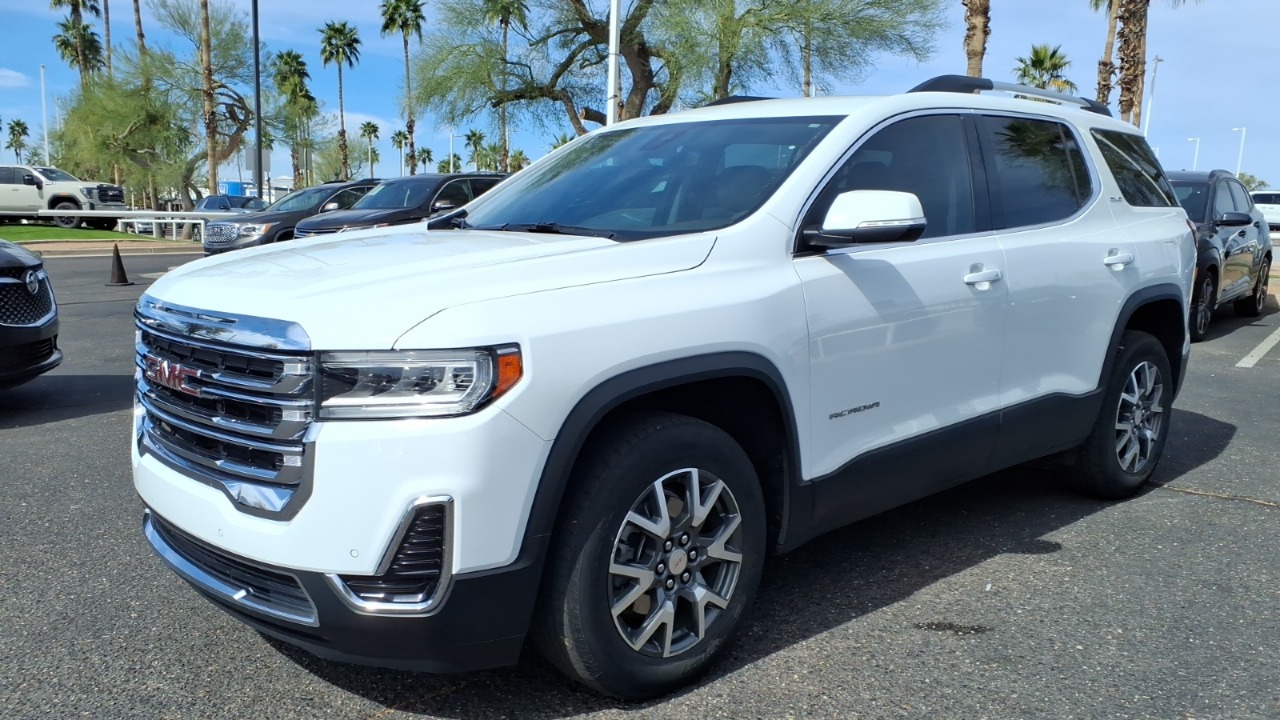
Timing chains are marketed as lifetime components, yet the chains and guides in several high-mileage GM crossover V6s wear enough to trigger camshaft correlation codes and rattle at startup. A stretched chain alters valve timing, dulls throttle response and eventually risks contact between pistons and valves. The three-row GMC Acadia sits among the vehicles where those complaints cluster.
Skipped oil changes accelerate the wear, since sludge starves the tensioners that keep slack out of the system. Replacement is an involved front-of-engine job priced closer to a transmission service than a tune-up. A rattle lasting a second or two on a cold morning is the cheapest warning this engine ever gives.
7. Honda Pilot: Cylinder Deactivation And The Oil Level

Honda’s Variable Cylinder Management idles three of six cylinders during light cruising, leaving those cylinders running cool while deposits build on rings and valve guides. The pattern many owners describe is steady oil consumption, fouled spark plugs and a vibration felt through the cabin. Reports of it follow the Honda Pilot crossover across several generations.
The failure is gradual rather than dramatic, which is exactly what makes it dangerous: an engine running two quarts low between services wears out early and silently. Aftermarket devices that keep all six cylinders working are widely used as a workaround. Checking the dipstick between oil changes remains the simplest defense available.
8. Ford Explorer: Coolant Where It Does Not Belong

Coolant that seeps past a head or intake gasket into a combustion chamber destroys an engine slowly, scrubbing cylinder walls, contaminating oil and eventually cracking a head. Federal complaint databases carry that exact pattern against certain V6 versions of the Ford Explorer sport utility, frequently surfacing only after the powertrain warranty expired.
The symptoms are easy to dismiss one at a time: a reservoir that needs topping up, a sweet smell at the tailpipe, a misfire on a single cylinder. Together they describe an engine drinking its own coolant. A block test or a borescope inspection can confirm it long before the estimate exceeds what the vehicle is worth.
9. Jeep Wrangler: Turbo Four Oil Coolers And Stalls
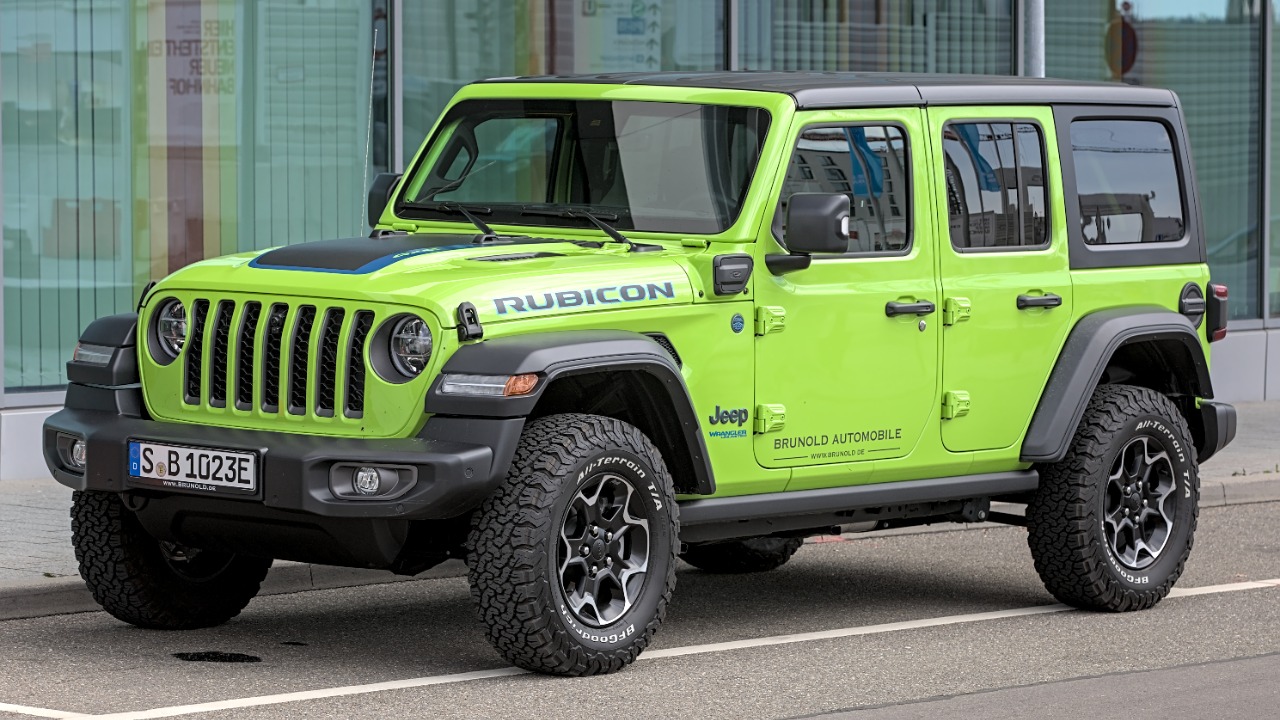
The two-liter turbocharged four offered in recent Jeeps routes engine oil through a cooler mounted close to the block, and a failure there can let coolant and oil mix or drop oil pressure with little warning. Separate owner reports describe unexpected stalling at low speed. Both problems have been logged against the four-door Jeep Wrangler.
Mixed fluids are an emergency rather than an inconvenience, because oil diluted with coolant stops protecting bearings within minutes of driving. A milky film under the oil cap, or a coolant level that falls with no puddle beneath the vehicle, deserves immediate attention. Extended service contracts repay careful reading on these engines.
10. Nissan Pathfinder: The Transmission That Sinks The Drivetrain
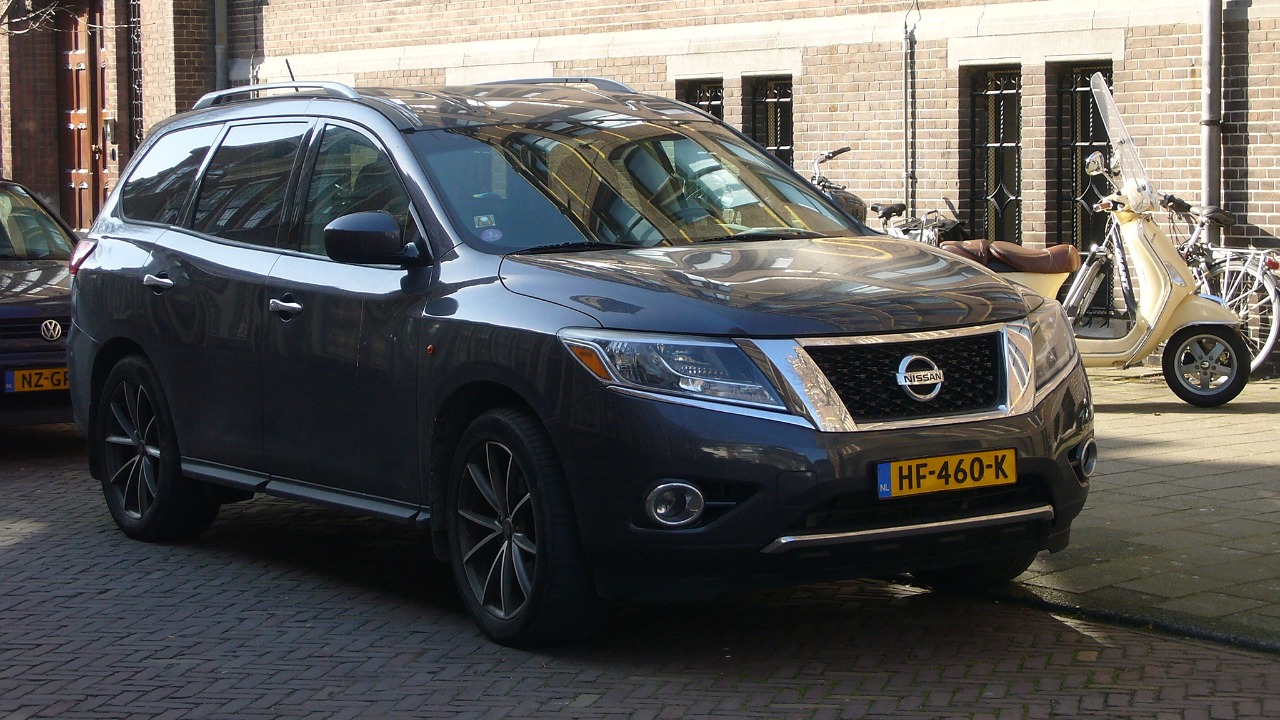
Nissan’s continuously variable transmissions, bolted to an otherwise durable V6, generated years of overheating, shuddering and outright failure reports, and the company extended coverage on some units in response. Because the two are sold as one drivetrain, the engine inherits a reputation the transmission earned. Used Nissan Pathfinder models sit near the center of that history.
Replacing a continuously variable transmission in a mid-size sport utility often costs more than the vehicle fetches at auction, which is how so many end up scrapped rather than repaired. Shuddering under light acceleration and a hesitation pulling away from a stop are the standard early symptoms. Frequent fluid changes help but cure nothing.
More from Morning Overview
- A handful of SUVs keep hitting 300,000 miles, and they share one engine trait
- Supplements now rank as the fifth-leading cause of death from liver disease.
- A study names the one SUV most likely to reach 250,000 miles
- More than 60,000 people flee the Spokane area as complex fires overrun 600 structures
