
Turbocharging has let automakers extract enormous power from surprisingly small engines, often producing more horsepower than displacement alone would predict. Some of the results come from three-cylinder economy-car platforms, others from hand-assembled V8s built one at a time by a single technician. The following list gathers these ten cars whose turbocharged engines punch far above their size.
1. Honda Civic Type R: Small Turbo, Big Output
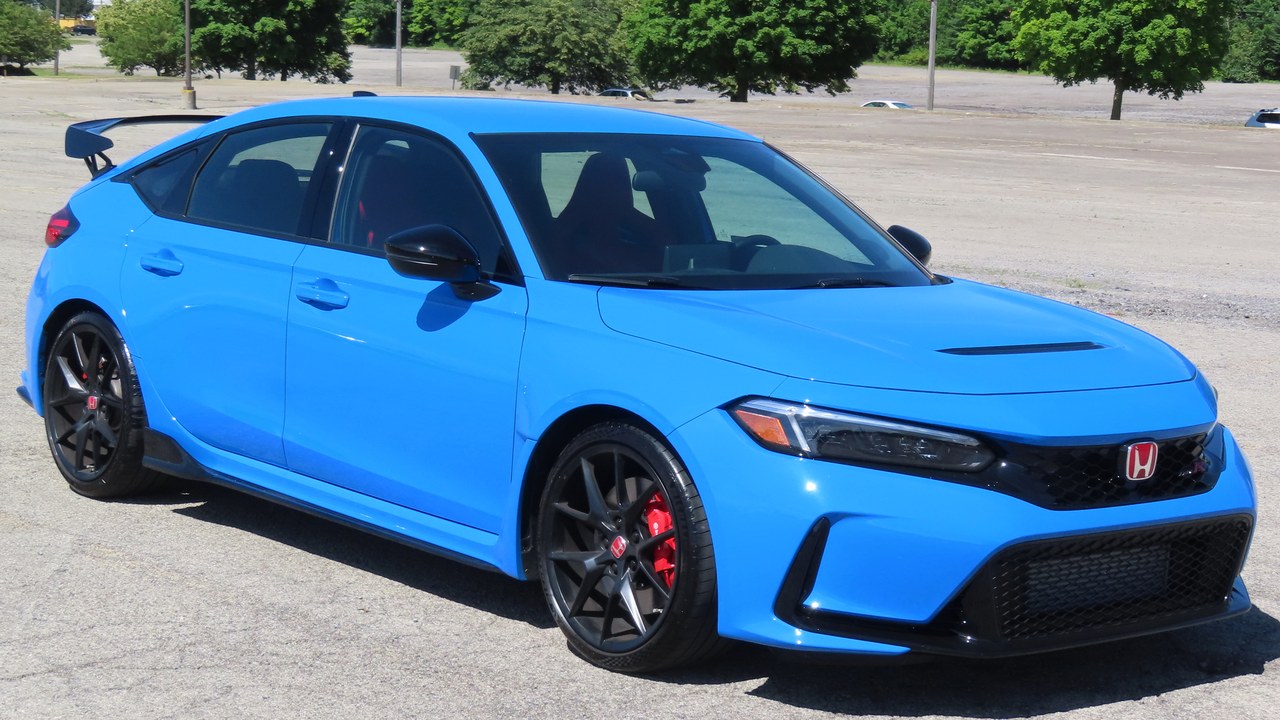
The current Civic Type R pairs a compact turbocharged four-cylinder with a low-inertia turbo, extracting past 300 horsepower from just two liters of displacement. That output density lets the turbocharged four-cylinder engine rival naturally aspirated units nearly twice its size.
The tradeoff is a stiff, track-oriented chassis that some buyers find too firm for daily commuting, and the hatchback’s aggressive aerodynamic add-ons draw attention some owners would rather avoid. Even so, the car remains one of the few front-wheel-drive hatchbacks capable of running with far pricier sports cars on a circuit.
2. Toyota GR Corolla: Three Cylinders, Serious Punch
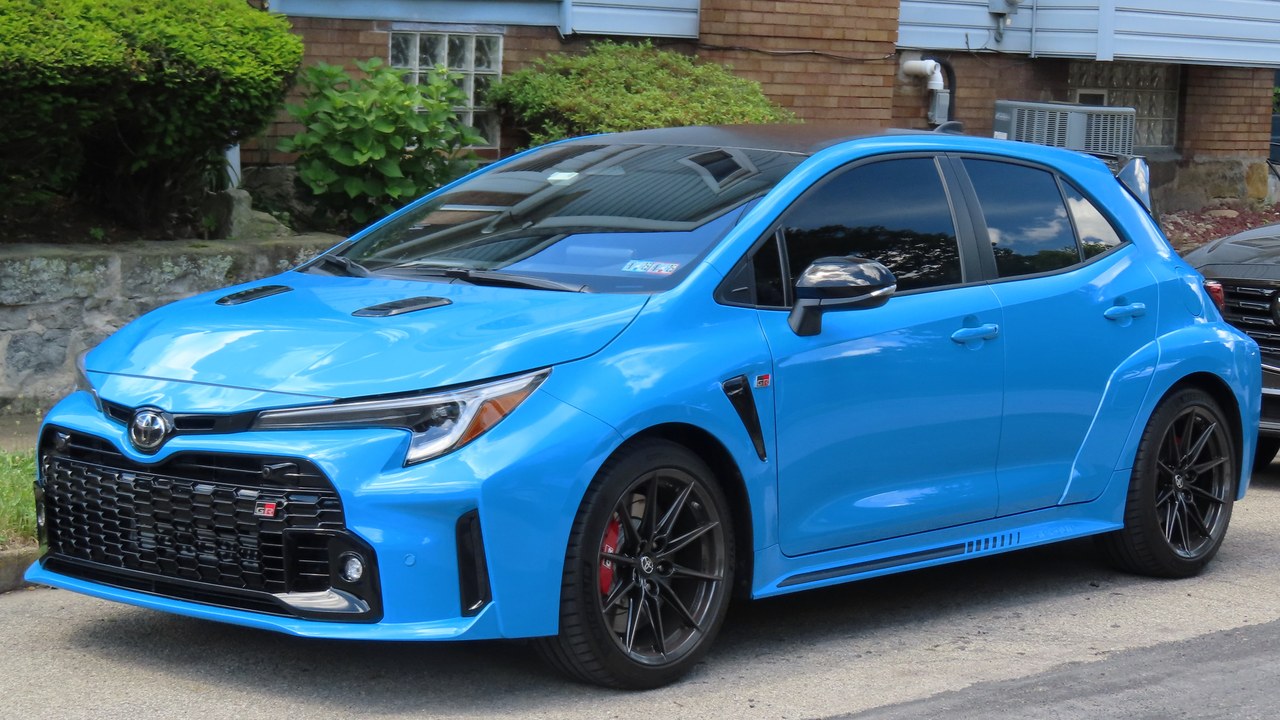
The GR Corolla’s turbocharged three-cylinder engine displaces only 1.6 liters yet produces close to 300 horsepower, a figure normally associated with far larger six-cylinder engines. Toyota built the three-cylinder turbo unit with forged internals and a twin-scroll turbo to survive that kind of pressure.
Three-cylinder engines are historically associated with economy cars, so the output surprises drivers unfamiliar with the platform. Toyota also pairs the engine with a standard all-wheel-drive system, which helps put that power down without the wheelspin a front-driver would suffer.
3. Porsche 911: Flat-Six Turbo Benchmark
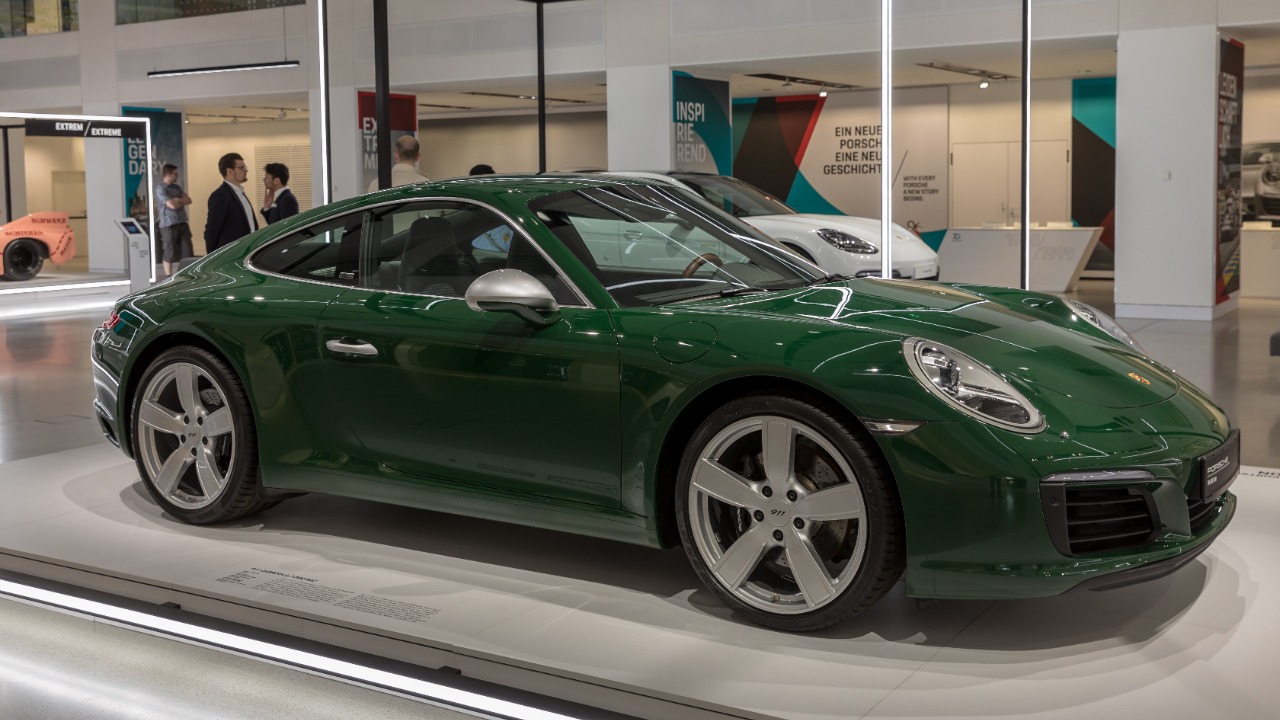
Porsche’s turbocharged flat-six, used across the 911 Turbo lineup, produces well over 500 horsepower from roughly 3.7 to 3.8 liters, an output figure that has climbed with every generation of twin-turbo development. The 911 Turbo’s flat-six keeps that power delivery remarkably linear compared with rival turbo engines.
The rear-mounted layout, unusual among performance cars, historically complicated handling, though decades of chassis refinement have turned it into an advantage for traction. Buyers pay a steep premium for that turbocharged flat-six over the naturally aspirated Carrera models.
4. Chevrolet Corvette: Four-Digit Horsepower
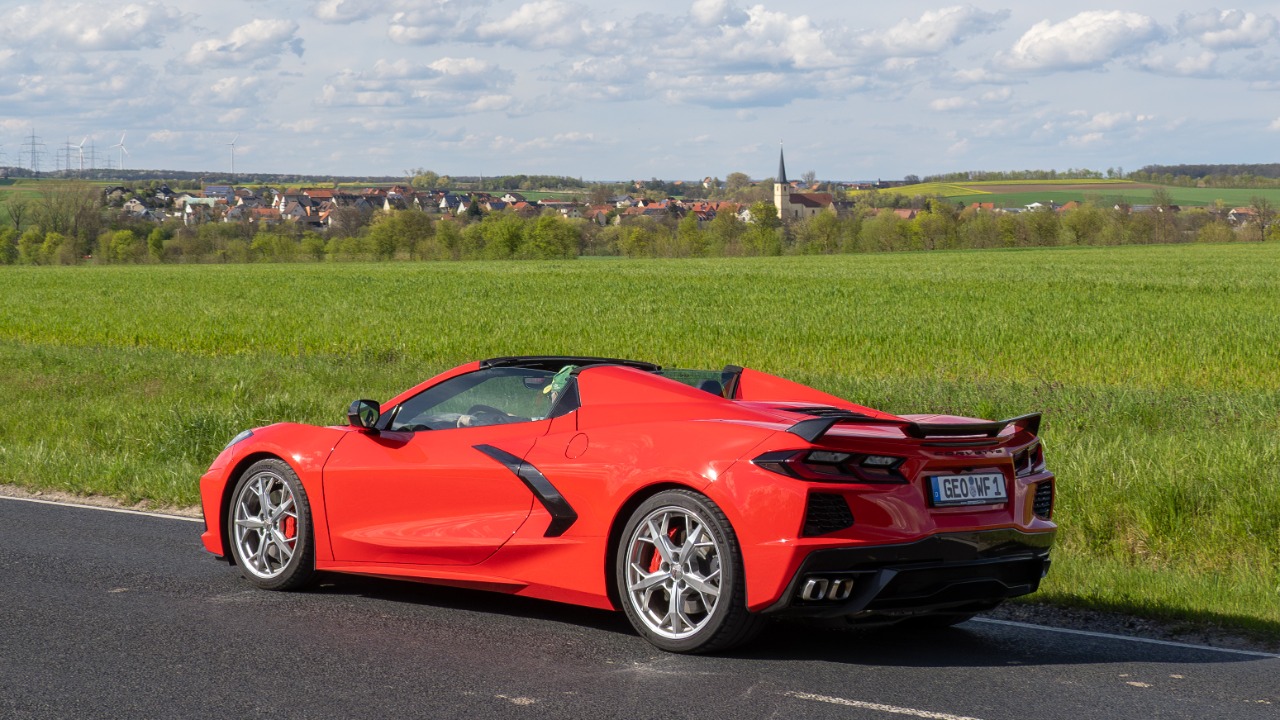
The latest Corvette ZR1 uses a twin-turbocharged, flat-plane-crank V8 that General Motors says is the most powerful engine it has ever built, crossing the 1,000-horsepower mark from 5.5 liters. That figure gives the Corvette ZR1’s V8 a specific output rivaling hypercars costing several times as much.
Reaching four figures of horsepower required a stronger block, larger turbos, and reinforced internals than the naturally aspirated Corvettes that came before it. That leap also pushed the price and complexity well past earlier Corvette generations built for a broader buyer.
5. Ferrari 488: Turbo Era Benchmark
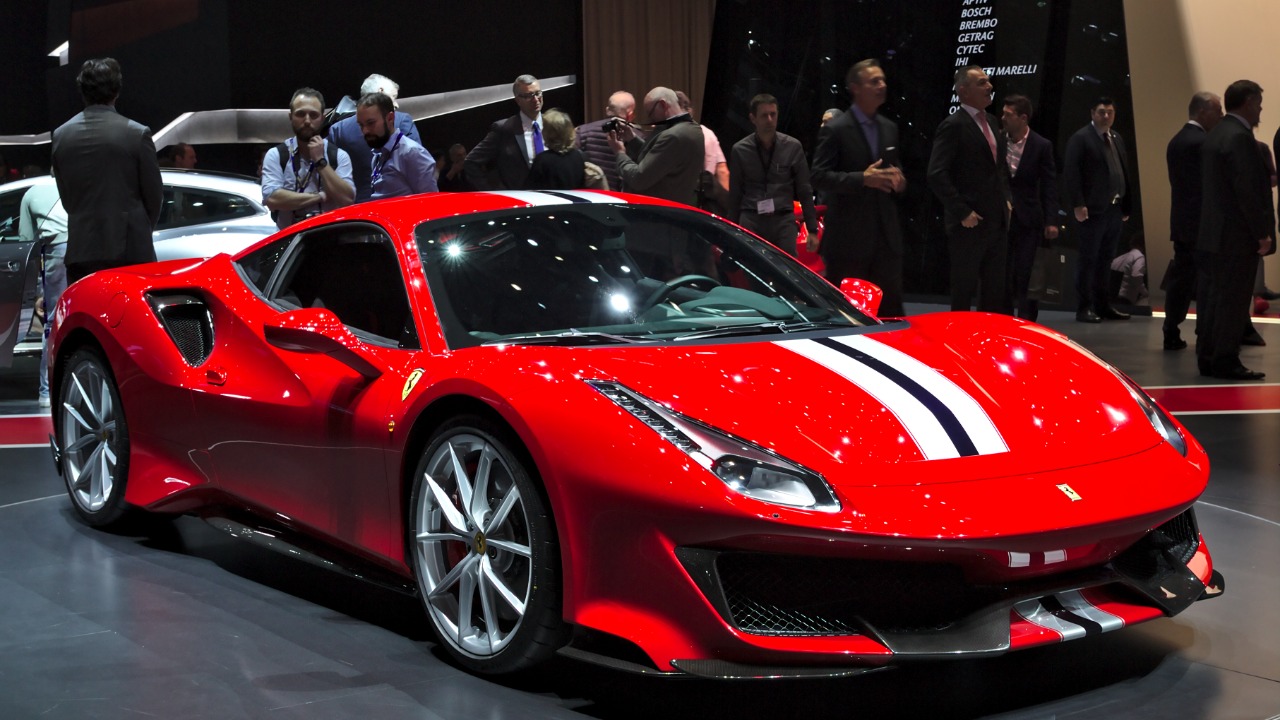
The Ferrari 488’s twin-turbocharged V8 displaces just 3.9 liters yet produces well over 660 horsepower in its most track-focused form, an output figure Ferrari has cited as a benchmark for the segment. Ferrari’s 3.9-liter twin-turbo V8 replaced the brand’s long-running naturally aspirated V8s.
That switch to turbocharging initially disappointed purists who preferred the high-revving sound of Ferrari’s older engines. Ferrari compensated with unusually quick throttle response for a turbo engine, engineered specifically to mimic the immediacy of a naturally aspirated unit.
6. McLaren 720S: Weight-First Turbo Math
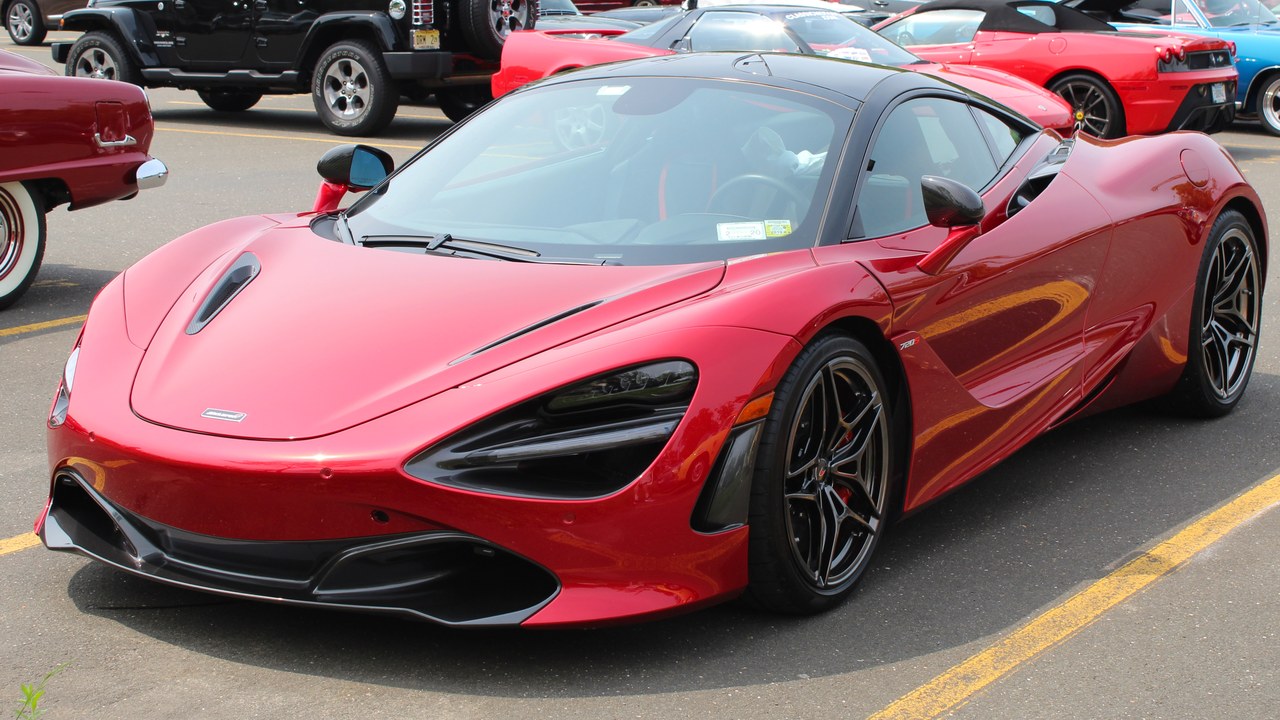
McLaren’s 720S packs a twin-turbocharged 4.0-liter V8 producing 710 horsepower, giving the compact engine an output figure that ranks among the highest of any production V8. The 720S’s V8 sits behind the driver in a carbon-fiber tub that keeps the car’s overall weight in check despite the added turbo hardware.
McLaren’s engineers prioritized low weight over outright displacement, betting that boost pressure could substitute for cylinders. The strategy paid off in lap times, though the engine depends heavily on its turbochargers staying in good repair over a long ownership period.
7. Nissan GT-R: Hand-Built Twin-Turbo V6
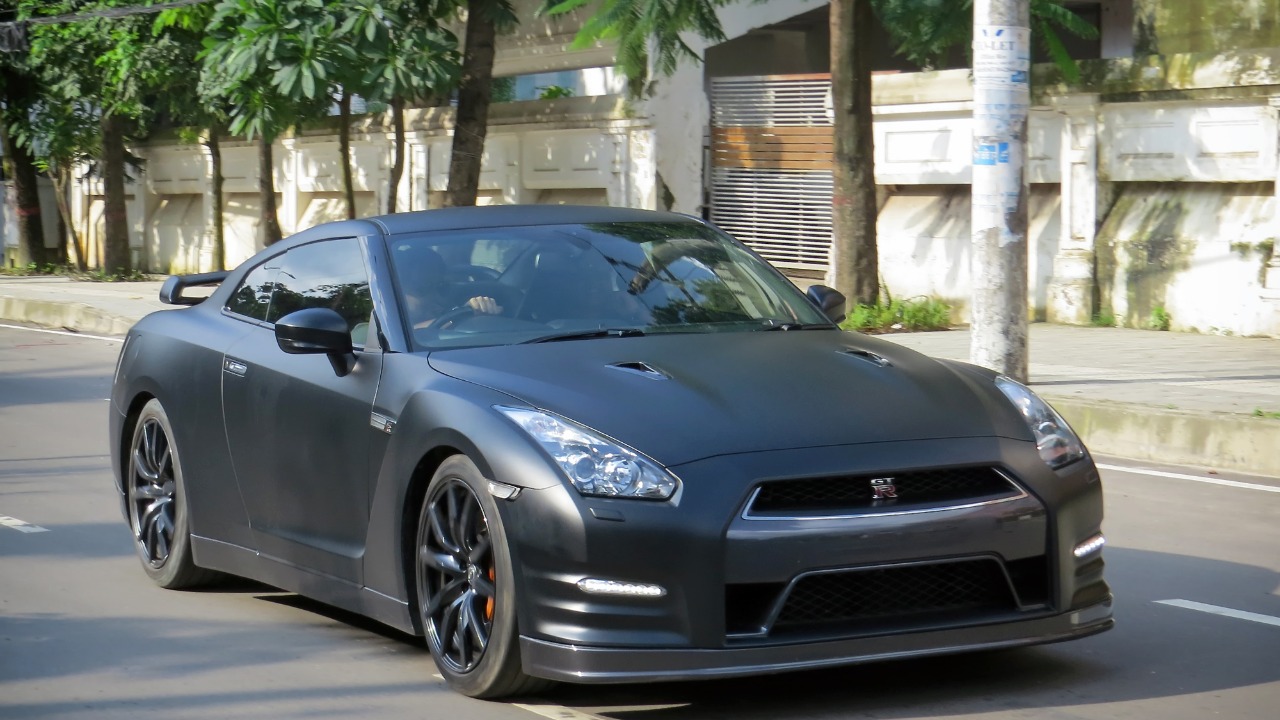
The Nissan GT-R’s twin-turbocharged V6 is hand-assembled by a small team of specialist technicians, and the Nismo version of the 3.8-liter engine reaches 600 horsepower. That figure from a hand-built twin-turbo V6 is unusual for an engine that has stayed in production for close to two decades.
Nissan’s willingness to keep refining the same basic engine, rather than replacing it, let the GT-R’s output climb steadily through updates. Critics note the platform has aged in areas like interior technology even as the drivetrain’s numbers kept improving.
8. BMW M3: Twin-Turbo Straight-Six
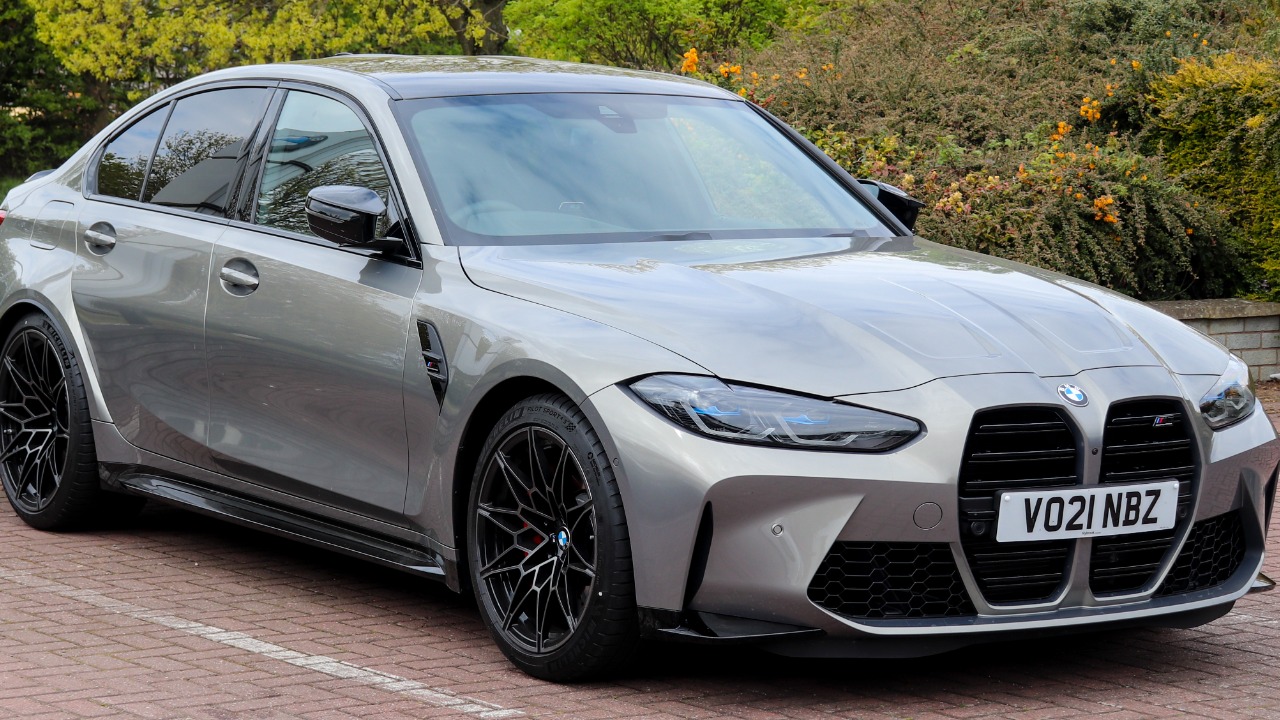
The current BMW M3 uses a twin-turbocharged 3.0-liter inline-six that exceeds 500 horsepower in its most powerful trims, a jump over the naturally aspirated inline-sixes BMW built for decades. That twin-turbo inline-six also underpins several other M-badged BMW models.
Some longtime M3 buyers still miss the higher-revving character of the brand’s older naturally aspirated engines, even as they acknowledge the turbo unit’s added torque. BMW has kept the six-cylinder layout rather than moving to a V8, distinguishing the M3 from rivals with larger engines.
9. Audi RS3: Odd Cylinder, Big Output
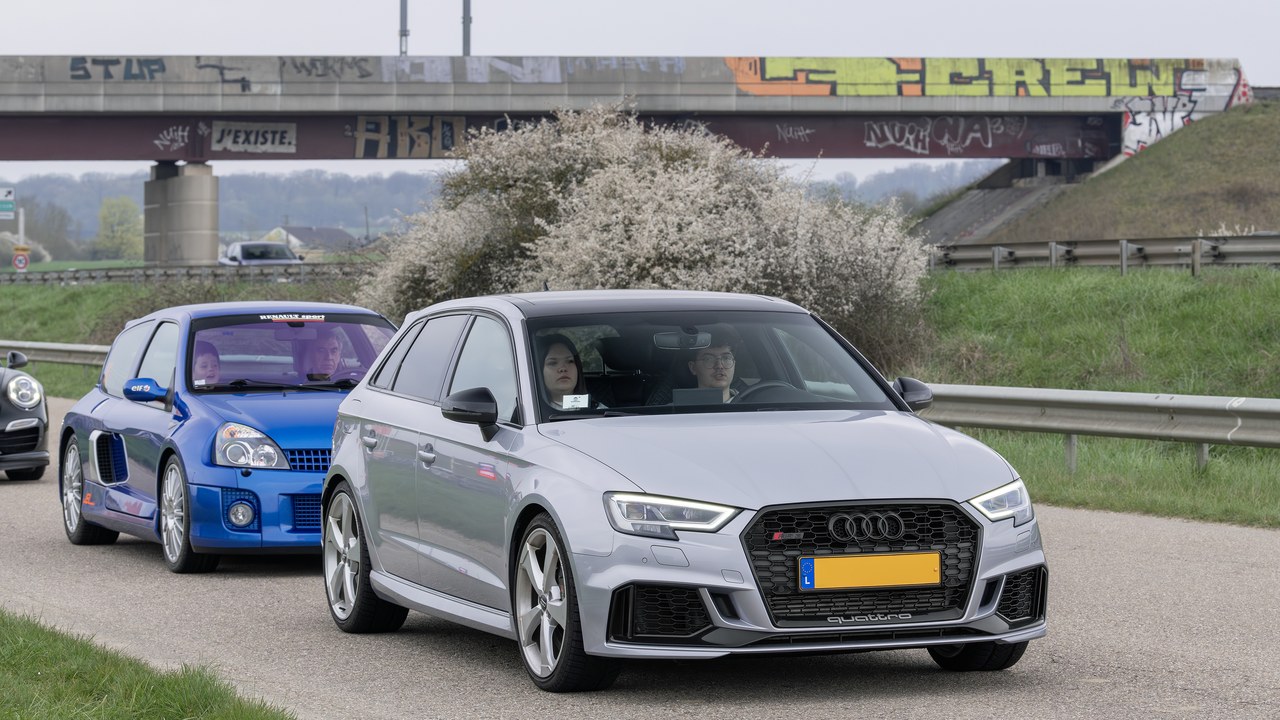
The Audi RS3’s turbocharged 2.5-liter five-cylinder produces around 400 horsepower, giving the unusual five-cylinder layout an output figure competitive with far more common four- and six-cylinder rivals. Audi’s five-cylinder turbo engine also produces a distinctive off-beat exhaust note tied to its odd cylinder count.
Five-cylinder engines are rare in modern production cars, making the RS3 something of an engineering holdout. Audi has repeatedly weighed retiring the layout for a more conventional four-cylinder, which keeps enthusiasts watching each redesign closely. Some owners even seek out the noisier pre-facelift exhaust note before Audi tightens emissions rules further.
10. Mercedes-AMG GT: One Man, One Engine
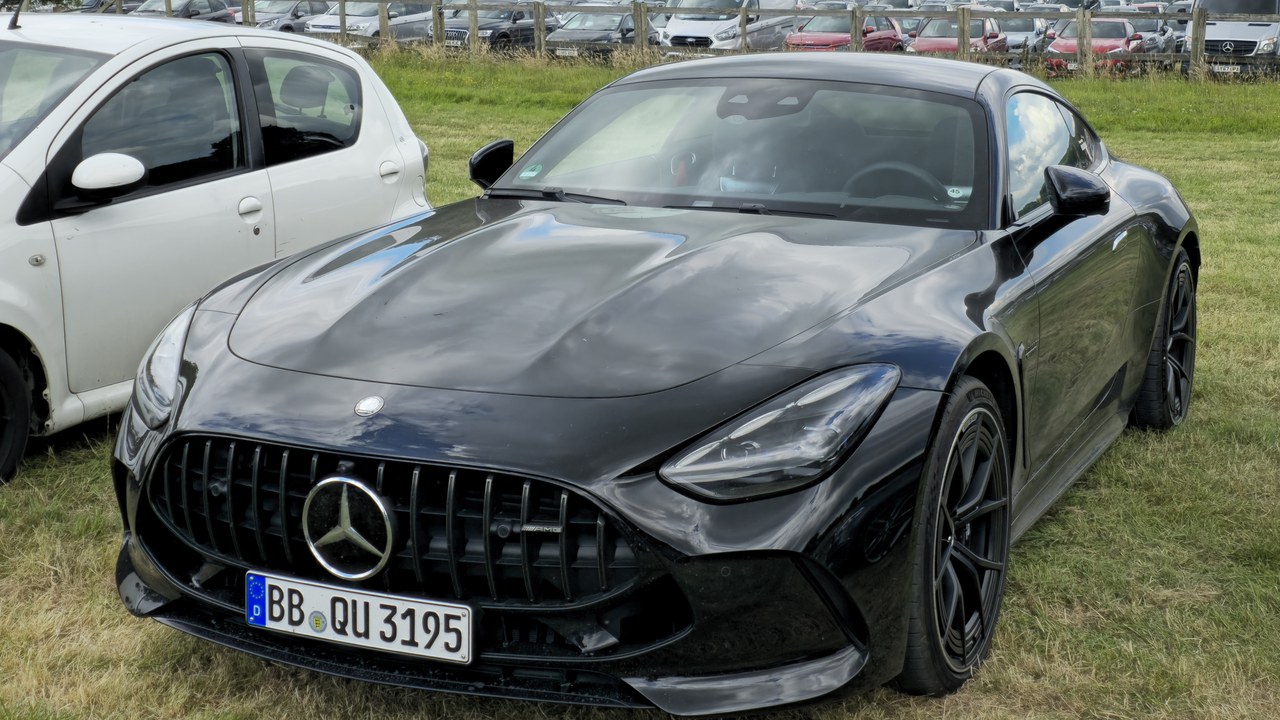
Mercedes-AMG’s GT relies on a twin-turbocharged 4.0-liter V8 that, like other AMG engines, is hand-assembled by a single technician under the brand’s “one man, one engine” program. Output varies by variant but climbs well past 500 horsepower, giving the hand-built V8 an output figure that stands out among luxury grand tourers.
That hand-assembly process is unusual in an industry built around robotic engine lines, and each completed engine carries the technician’s signature on a small plate. The extra labor adds cost, but AMG has kept the practice as a selling point for buyers who want that story behind their car.
More from Morning Overview
- More than 60,000 people flee the Spokane area as complex fires overrun 600 structures
- 11 engines built to run well past 200,000 miles
- Card skimmers hidden on gas pumps and ATMs are draining accounts, and here’s the tell
- The FBI says hackers are hijacking outdated home routers, and it named the models to check
