
Automobile manufacturers constantly strive to innovate and improve their vehicles. However, not every innovation is a hit. Here’s a look at 10 car features that automakers probably wish they’d never introduced.
The Infamous Ford Pinto Fuel Tanks

One of the most infamous car design blunders in history, the Ford Pinto’s fuel tank was prone to rupturing in rear-end collisions, leading to deadly fires. Despite the controversy, Ford continued with the design until public pressure and impending regulations forced a redesign. The Pinto fuel tank debacle is often used as a case study in business ethics.
The Complex and Unreliable Cadillac V8-6-4 Engine

This engine, introduced in the early 1980s, was meant to improve fuel economy by deactivating cylinders when not needed. However, the technology was not perfected, resulting in poor performance and reliability issues. The V8-6-4 engine only lasted a few years before Cadillac returned to traditional engines.
The Troublesome Audi 5000’s Unintended Acceleration
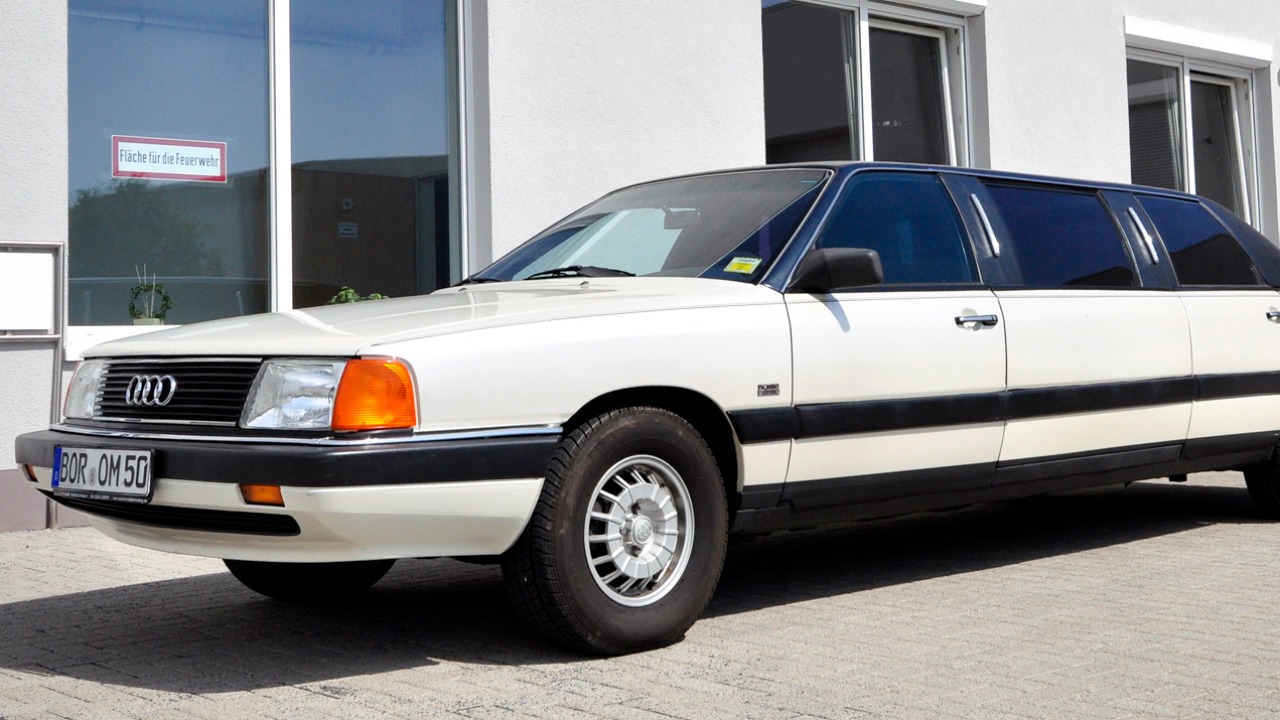
Introduced in the 1980s, the Audi 5000 became infamous for a series of incidents involving unintended acceleration. The problem was eventually traced back to driver error, but the damage was done. Sales plummeted and Audi’s reputation suffered a huge blow, from which it took years to recover.
The Unnecessary 1980s Digital Dashboards
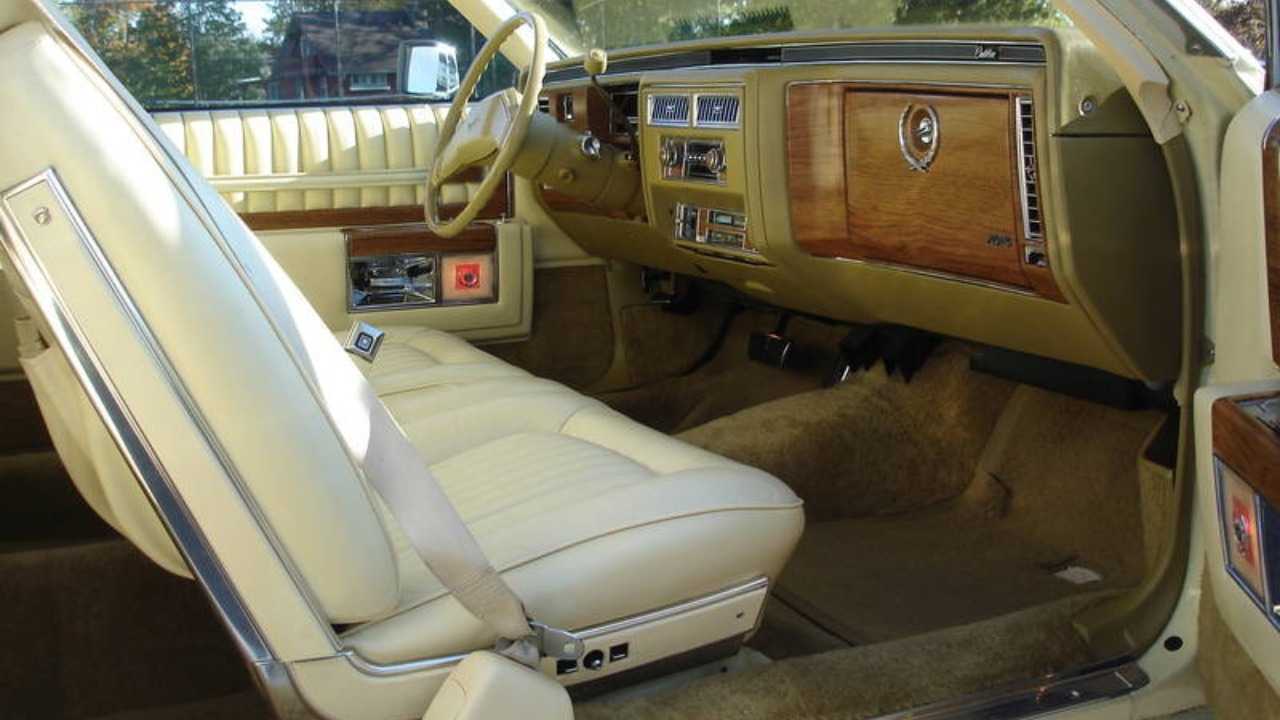
Digital dashboards in the 1980s seemed like a good idea at the time, offering a futuristic look. However, they quickly became a symbol of unnecessary complexity and unreliability. Drivers found them hard to read and they often failed, leaving drivers without crucial information about their vehicle’s performance.
The Inefficient 1950’s Chrysler’s Water-Powered Car
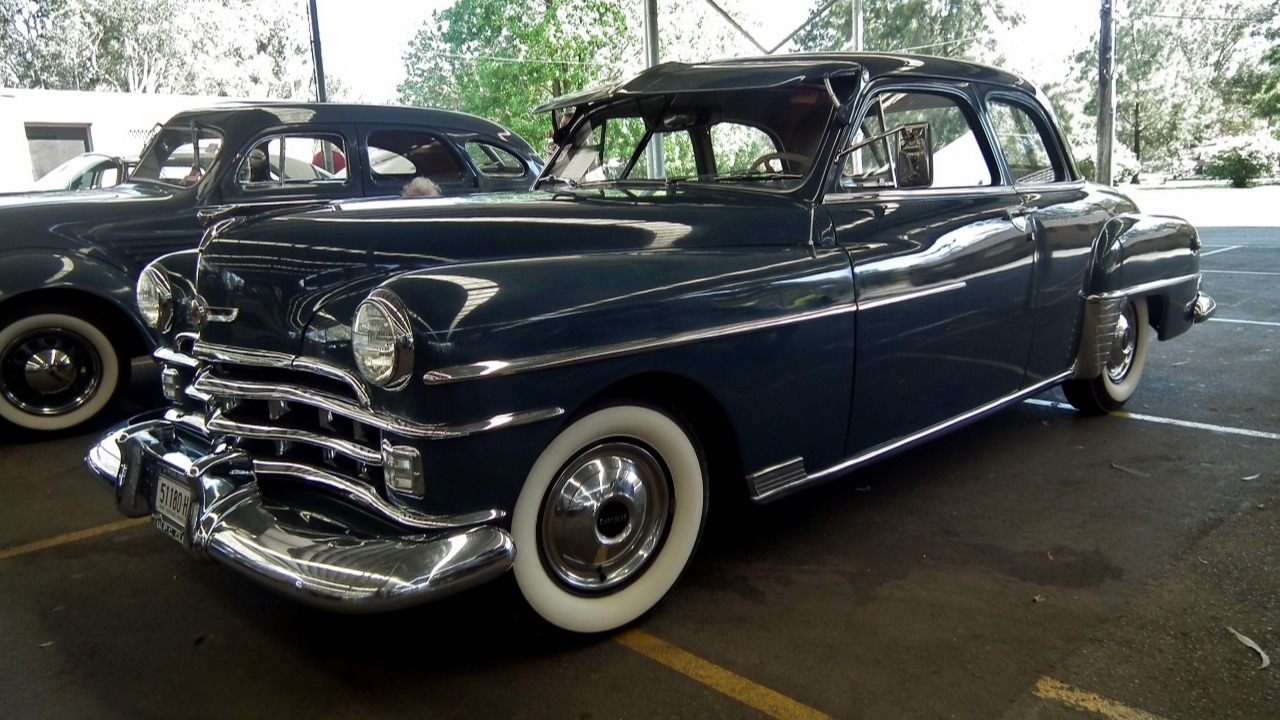
The 1950s saw Chrysler experimenting with a water-powered car. While the concept of running a car on water was appealing, the technology simply wasn’t there. The project was abandoned due to inefficiency and impracticality.
The Dangerous and Unpopular Chevrolet Corvair
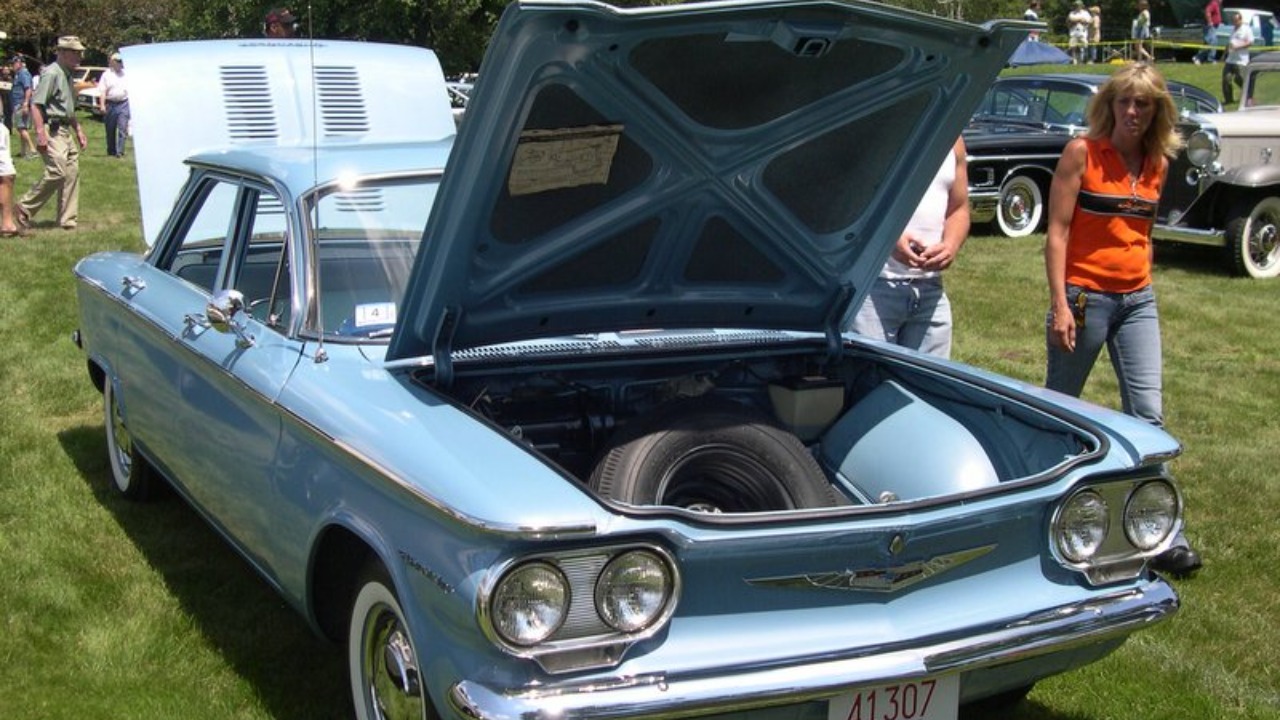
The Chevrolet Corvair, released in the 1960s, stood out for its rear-mounted engine. However, this design led to handling problems and a higher risk of rollovers. This, along with a scathing critique by consumer advocate Ralph Nader, led to plummeting sales and the Corvair’s eventual demise.
The Ineffective Early Versions of Infotainment Systems

Early versions of in-car infotainment systems promised to revolutionize the driving experience. However, they ended up being more of a distraction than a help. Poorly designed interfaces and software glitches led to driver frustration and safety concerns. Automakers have since improved these systems, but the early versions serve as a cautionary tale.
The Unsuccessful GM’s Quadrasteer System

GM’s Quadrasteer system, which allowed all four wheels to steer, was designed to improve maneuverability. However, the increased cost and complexity of the system failed to resonate with consumers. GM discontinued Quadrasteer due to poor sales, making it a costly mistake.
The Overly Complex BMW iDrive System

Introduced in the early 2000s, the BMW iDrive system was meant to consolidate all of a car’s controls into one interface. However, the system was overly complex and hard to use, leading to widespread criticism. BMW has since revised the iDrive system multiple times in response to customer feedback.
The Dated and Unpopular Pop-up Headlights

Pop-up headlights were a popular feature on many 1980s and ’90s sports cars. However, they were often unreliable and costly to fix when they broke. In addition, changes in safety regulations and improvements in lighting technology have rendered them obsolete. Today, pop-up headlights are an oddity, a reminder of a bygone era in car design.
While these features may have seemed like a good idea at the time, they ultimately proved to be missteps. They serve as a reminder that not every innovation is a success, and that sometimes the traditional way of doing things is the best way.
