Exploring the mysteries of the universe has always been a captivating endeavor. From the possibility of a multiverse to the concept of a simulated reality, the theories that attempt to explain the cosmos are as intriguing as they are varied. Here are ten fascinating theories that might just hold the key to understanding our universe.
The Multiverse Theory
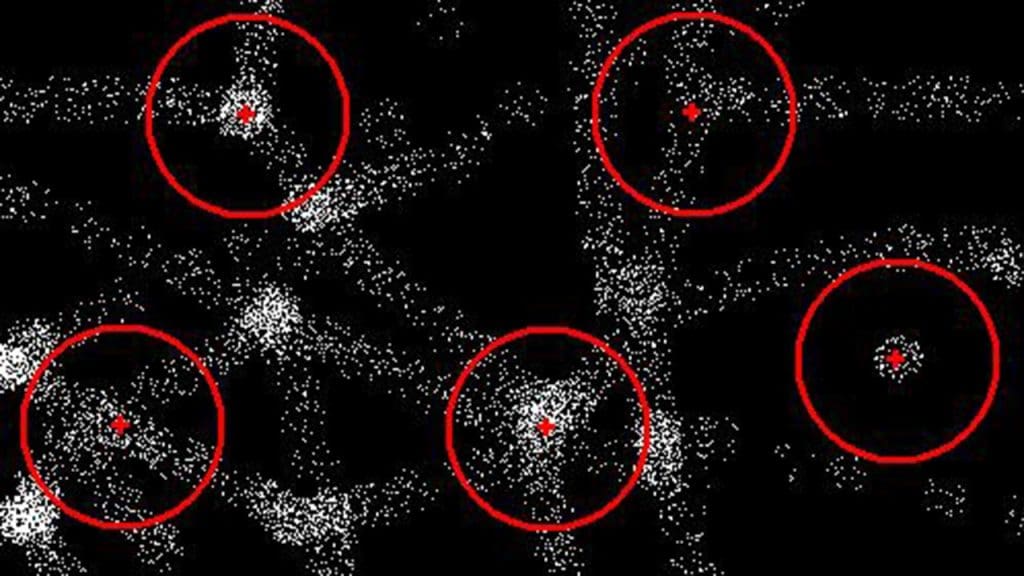
One of the most intriguing ideas in cosmology is the Multiverse Theory. It posits that our universe is just one of many—perhaps an infinite number—of universes that exist simultaneously. Each universe may have different physical laws, constants, and even dimensions. This theory challenges the notion that our universe is unique and suggests that there could be countless versions of reality, each with its own set of circumstances.
While the Multiverse Theory is still speculative, it provides a framework for understanding anomalies in quantum physics and cosmology. It also raises philosophical questions about the nature of reality and our place within it. If true, the multiverse could fundamentally change our understanding of existence.
The Holographic Principle
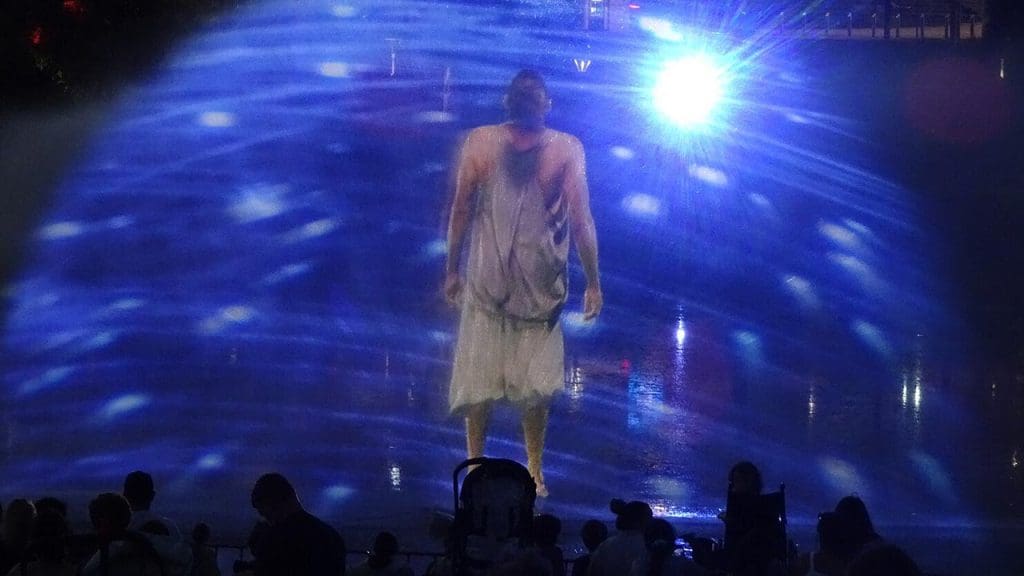
The Holographic Principle suggests that the entire universe can be seen as a two-dimensional information structure “painted” on the cosmological horizon. This implies that our three-dimensional world is a kind of projection of this information. The principle originated from black hole physics and has gained traction through various mathematical models.
While it may sound like science fiction, the Holographic Principle offers a unique perspective on the nature of space and time. It has potential implications for understanding quantum gravity and could bridge the gap between general relativity and quantum mechanics. This theory is a testament to the idea that reality might be more complex—and fascinating—than it appears.
The Big Bounce Theory
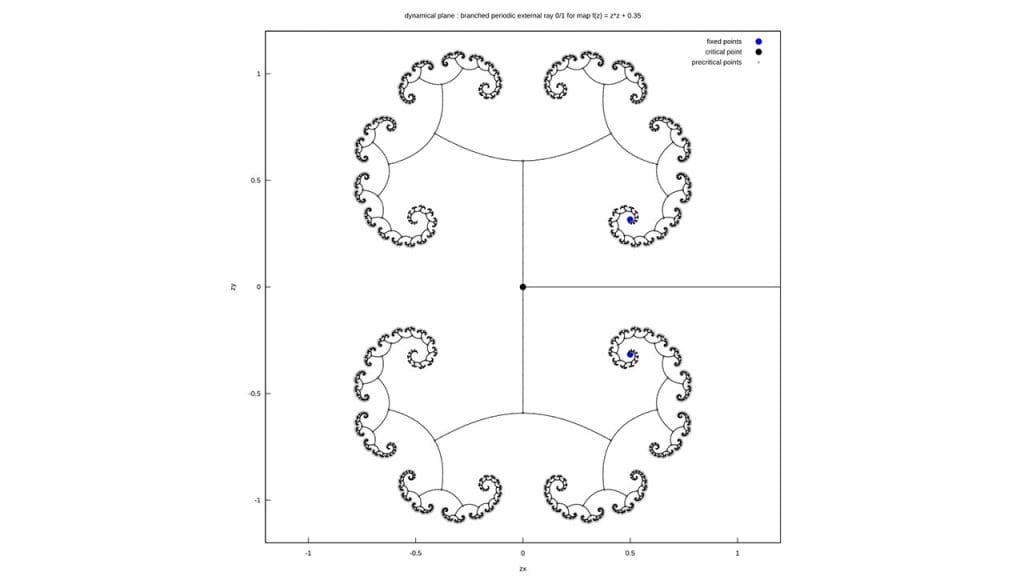
The Big Bounce Theory challenges the traditional Big Bang Theory by proposing that the universe undergoes a continuous cycle of expansion and contraction. According to this theory, the universe expands from a singularity, then eventually contracts back to a singularity, only to “bounce” back and expand again.
This cyclical model offers an alternative explanation for the origin of the universe and avoids the problem of an initial singularity. While still in the realm of theoretical physics, the Big Bounce Theory provides an interesting perspective on cosmic history and future, suggesting that the universe could be eternal in a recurring cycle.
The Simulation Hypothesis

The Simulation Hypothesis suggests that our reality might be an artificial simulation, akin to a sophisticated video game. Proponents argue that if technological advancement continues, future civilizations could create highly detailed simulations indistinguishable from reality.
While it might sound far-fetched, this hypothesis raises important questions about consciousness, existence, and technology’s role in shaping reality. If true, it would imply that our universe is a creation of advanced intelligence, fundamentally altering our understanding of reality and our place within it.
The Steady State Theory
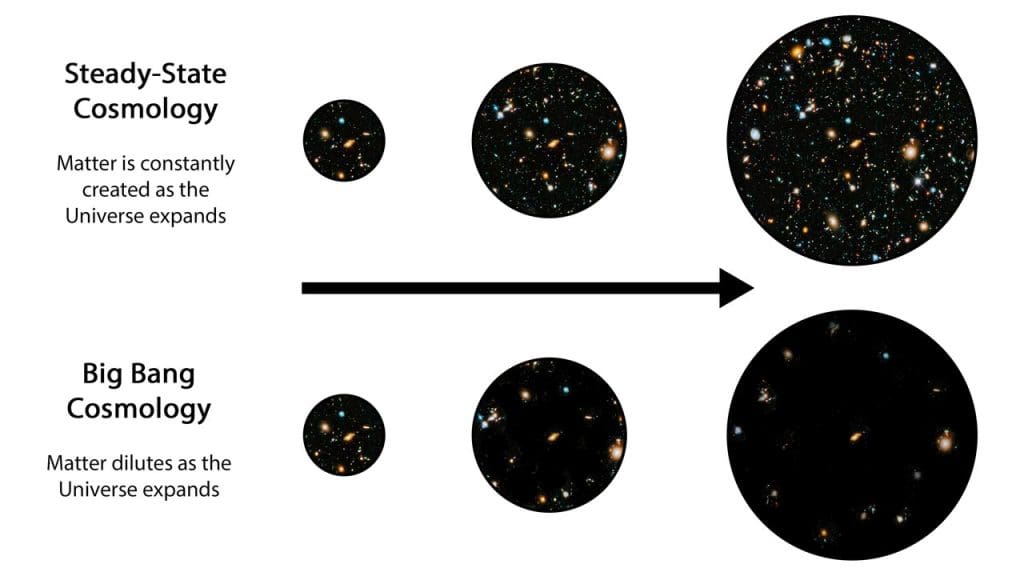
The Steady State Theory posits that the universe is eternal and unchanging, with new matter being continuously created to maintain a constant density as it expands. This theory was developed as an alternative to the Big Bang Theory and suggests that the universe has no beginning or end.
Although the Steady State Theory has lost favor due to observational evidence supporting the Big Bang, it remains an interesting concept. It emphasizes the idea of a universe in perpetual balance, challenging the notion of a singular cosmic origin event. Despite its decline in popularity, the theory offers a unique perspective on cosmic evolution.
The Cyclic Model

The Cyclic Model, like the Big Bounce Theory, proposes a universe that undergoes endless cycles of expansion and contraction. However, it incorporates elements from string theory and higher-dimensional models, suggesting that each cycle involves different physical laws and constants.
This model offers a compelling alternative to the linear progression of the Big Bang Theory, providing a framework for understanding cosmic history and future. By integrating modern physics, the Cyclic Model offers new insights into the nature of time and the universe’s ultimate fate.
The Ekpyrotic Universe
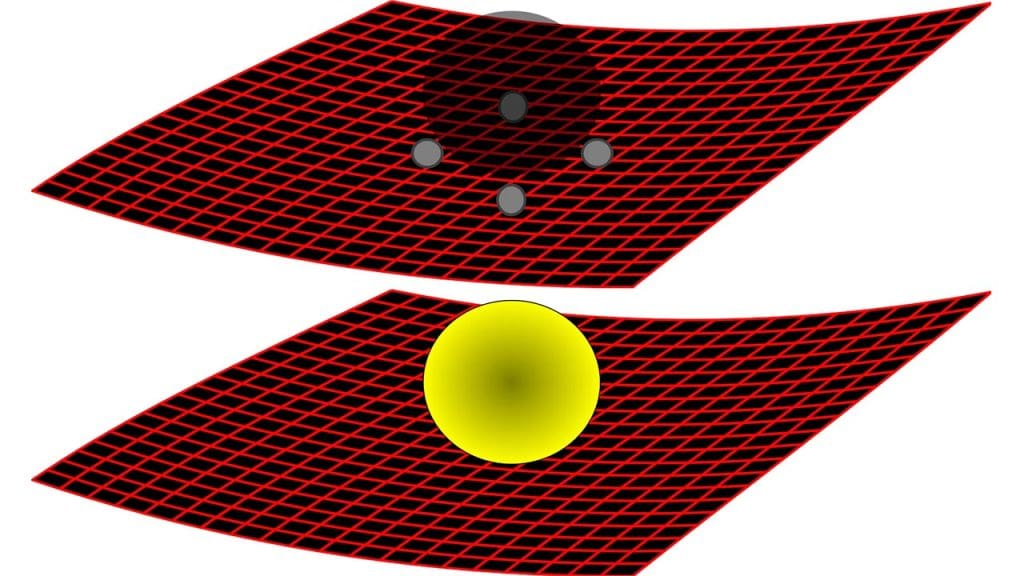
The Ekpyrotic Universe theory is a branch of the Cyclic Model, proposing that our universe was formed from the collision of two three-dimensional worlds, or “branes,” in a higher-dimensional space. This collision generates the energy and matter observed in our universe.
This theory provides an alternative to the Big Bang’s singularity, suggesting that cosmic events are the result of interactions in a multidimensional space. It offers a fresh perspective on the origins of the universe and the nature of cosmic forces, integrating concepts from string theory and higher-dimensional models.
The Anthropic Principle
The Anthropic Principle posits that the universe’s fundamental parameters are finely tuned to allow for the existence of life, particularly human life. It suggests that the universe’s physical laws are not random but are instead conducive to the emergence of observers like us.
This principle raises philosophical questions about the nature of existence and the role of consciousness in the universe. It challenges the notion of a purely mechanistic cosmos, suggesting that the universe may be designed with life in mind. The Anthropic Principle continues to inspire debate and exploration in cosmology and philosophy.
The Dark Flow Theory

The Dark Flow Theory suggests that a mysterious force is pulling galaxy clusters toward a specific region of the universe at high speeds. This phenomenon, known as “dark flow,” challenges our understanding of cosmic motion and the forces governing the universe.
While the exact cause of dark flow remains unknown, some scientists speculate that it may be the result of gravitational forces from outside our observable universe. If true, this theory could provide insights into the structure and dynamics of the cosmos, revealing hidden aspects of the universe’s architecture.
The Superstring Theory
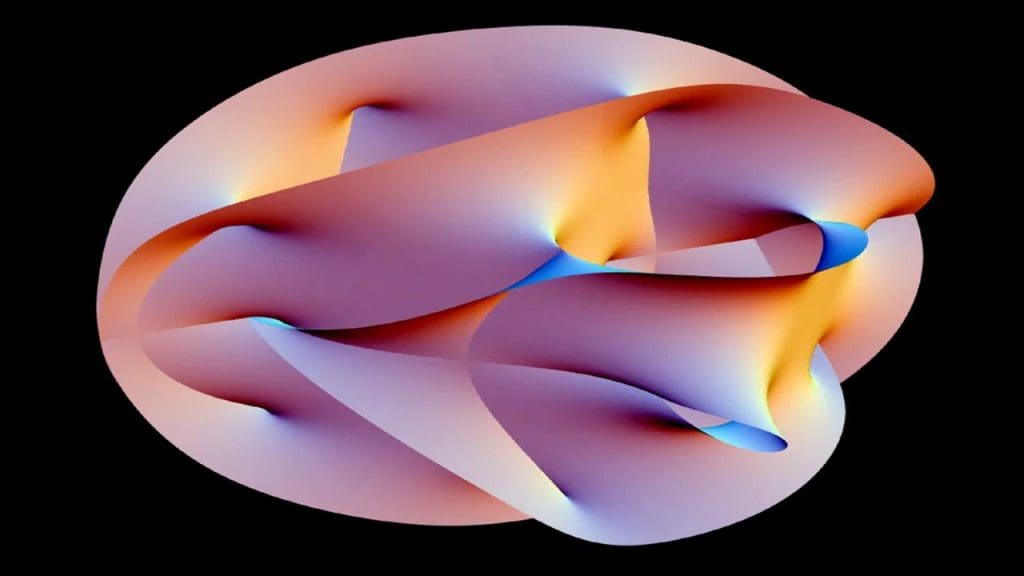
Superstring Theory is a theoretical framework that attempts to unify all fundamental forces and particles in the universe by modeling them as tiny, vibrating strings. This theory extends the concept of particles to include multiple dimensions, offering a potential “theory of everything.”
While still unproven, Superstring Theory has the potential to reconcile quantum mechanics and general relativity, two pillars of modern physics. It provides a mathematical framework for understanding the universe’s fundamental nature and has inspired groundbreaking research in theoretical physics.
