Hybrids have become a popular choice for those looking to reduce their carbon footprint, but they aren’t without their drawbacks. While they offer many benefits, some surprising challenges often go unnoticed. Here, I delve into ten reasons why hybrids may not always be the perfect solution for every driver.
Complexity of Hybrid Technology

Hybrid vehicles combine traditional internal combustion engines with electric motors, resulting in a complex system that can be challenging to manage. The intricacy of these systems means that more things can go wrong, leading to potential reliability issues. Drivers need to understand that the dual nature of these cars can sometimes lead to complications that purely electric or conventional vehicles might not face.
This complexity often requires specialized knowledge for maintenance and repairs, potentially limiting the number of available service providers. As a result, finding a qualified technician can be more challenging, leading to longer repair times and increased inconvenience for the owner.
High Maintenance Costs

While hybrids are often marketed as cost-effective over time, the maintenance costs can be surprisingly high. The dual systems mean more components that require care and attention, which can add up. Regular servicing of both the electric motor and the traditional engine can lead to higher-than-expected expenses.
Moreover, not all mechanics are equipped to handle the unique needs of hybrid vehicles. This often means visits to specialized technicians who may charge premium rates, further increasing the cost of ownership and potentially offsetting the savings gained from improved fuel efficiency.
Limited Electric Range

The electric range of many hybrid vehicles is limited, which means that they can only travel a short distance on electric power alone. This limitation can be frustrating for those hoping to rely more on electric power, especially during short city commutes. The need to switch to gasoline can negate some of the environmental benefits that hybrids are known for.
For drivers who frequently travel long distances, the limited electric range can be a significant downside. They may find themselves relying more on the gasoline engine than anticipated, which could lead to disappointment among consumers looking to minimize their carbon footprint.
Battery Degradation Over Time
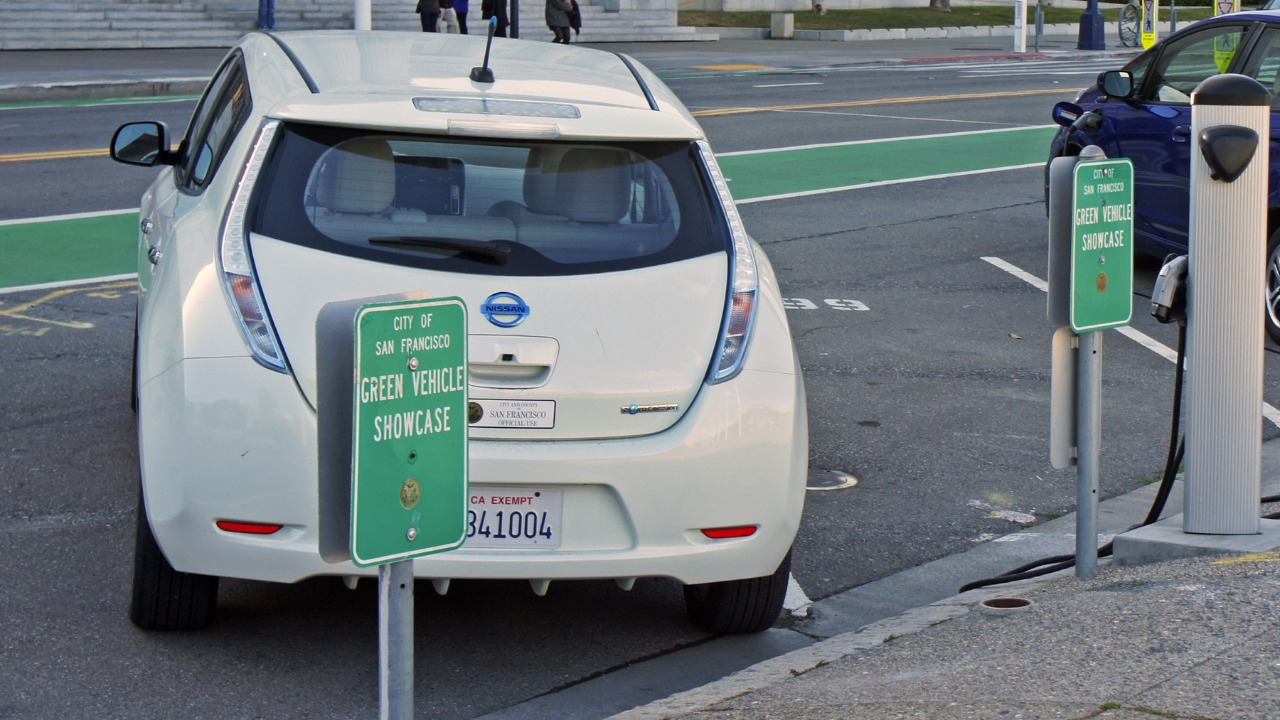
Hybrid batteries are essential components, but they degrade over time, much like the batteries in smartphones and laptops. This degradation can lead to a reduced capacity to hold a charge, which in turn affects the vehicle’s overall efficiency. As the battery ages, owners might experience a decrease in the electric range and an increase in fuel consumption.
Replacing a hybrid battery can be costly, raising concerns about the long-term financial implications of owning a hybrid vehicle. Drivers need to consider that battery replacement may be necessary, adding a significant expense to the lifespan of the vehicle.
Reduced Cargo Space
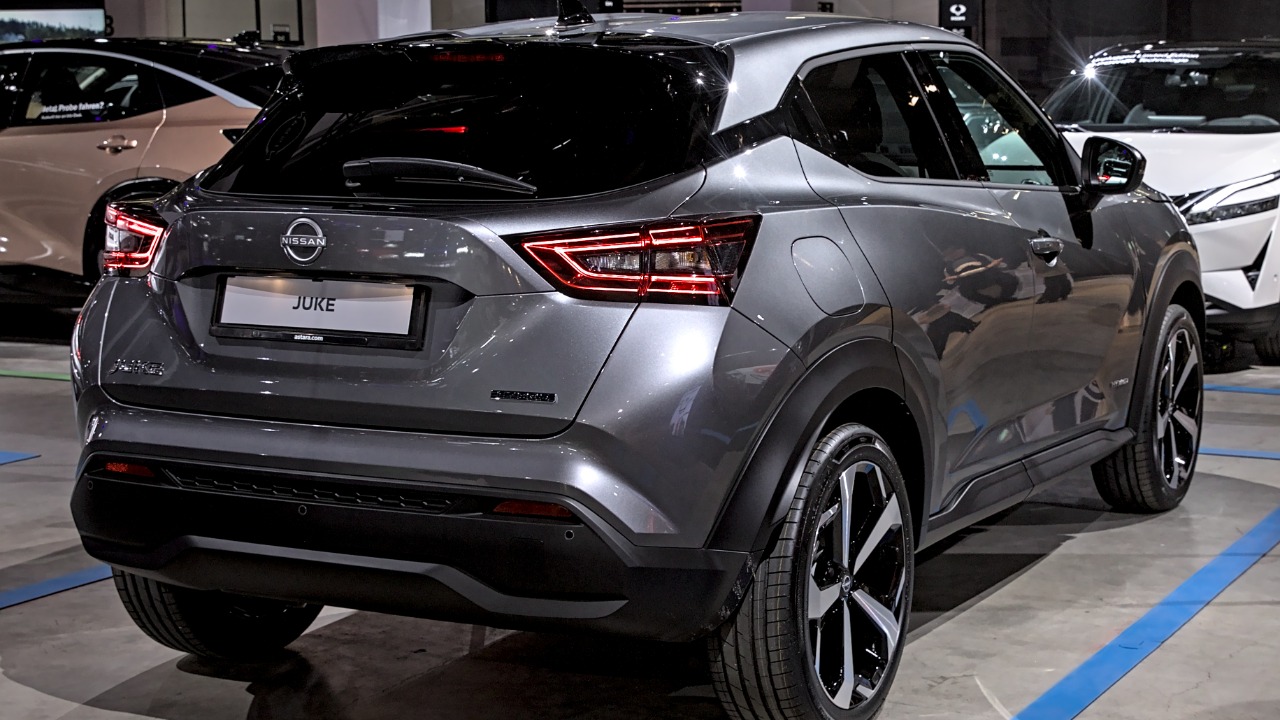
One of the trade-offs of hybrid technology is the reduced cargo space due to the battery pack’s size and placement. This reduction in storage can be a significant inconvenience for families or individuals who need extra space for luggage, groceries, or other items.
The design of hybrid vehicles often requires creative solutions to accommodate both the traditional engine and the electric motor, resulting in less room for storage. Potential buyers should evaluate their space needs carefully when considering a hybrid.
Higher Initial Purchase Price
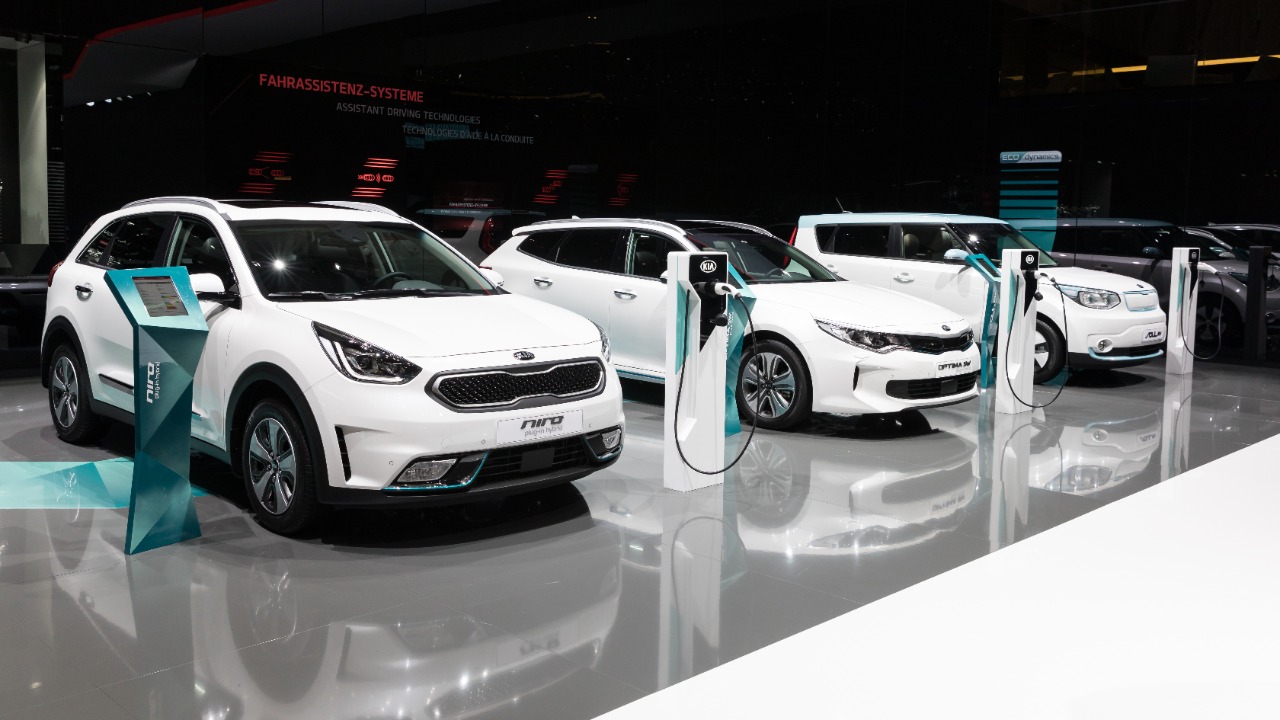
The initial purchase price of hybrids is typically higher than that of their non-hybrid counterparts. This can be a barrier for many potential buyers who are looking for an affordable vehicle option. The higher cost is often attributed to the advanced technology and materials used in manufacturing hybrids.
While tax incentives and fuel savings can help offset the higher purchase price, these benefits do not always cover the entire cost difference. Consumers need to weigh the long-term savings against the immediate financial outlay to determine if a hybrid is the right choice for them.
Limited Charging Infrastructure
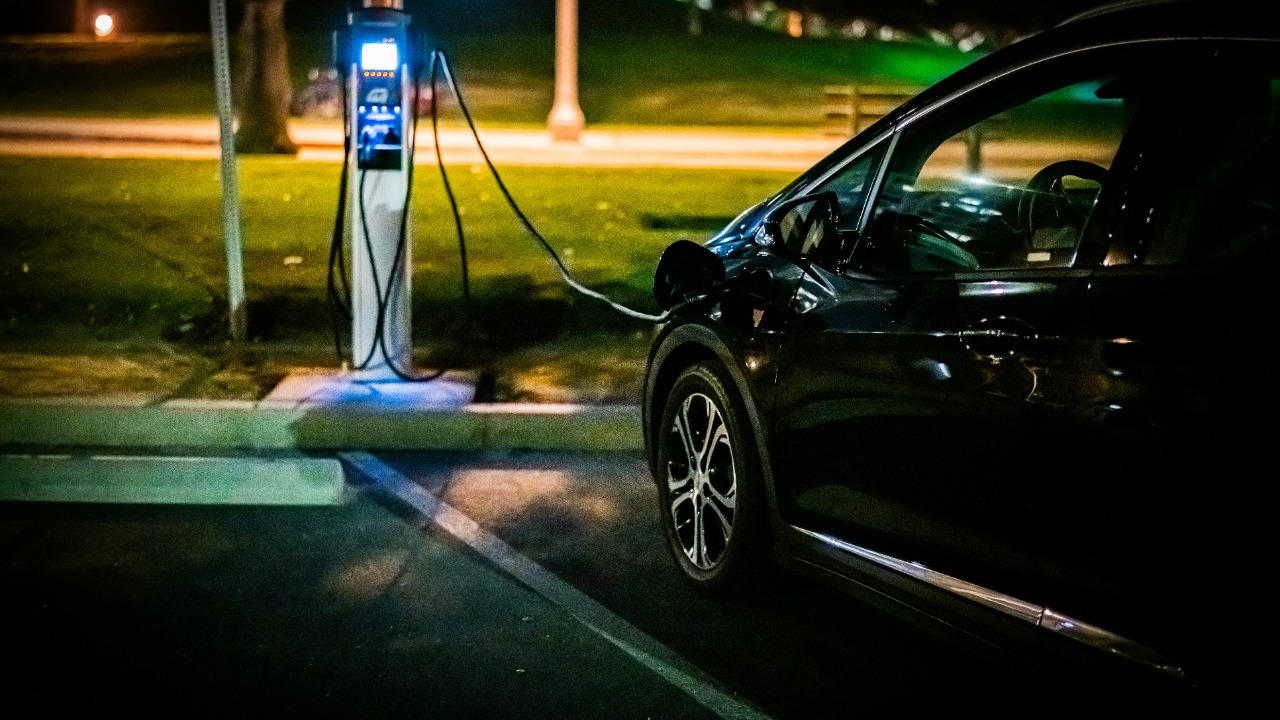
Although hybrids rely less on charging infrastructure than fully electric vehicles, the availability of charging stations can still be a concern. For those who wish to maximize their use of electric power, the limited infrastructure can be a barrier.
In areas where charging stations are sparse, hybrid owners may find it challenging to recharge their batteries, especially during longer trips. This limitation can reduce the convenience and efficiency of owning a hybrid vehicle, particularly if home charging is not an option.
Performance Trade-offs
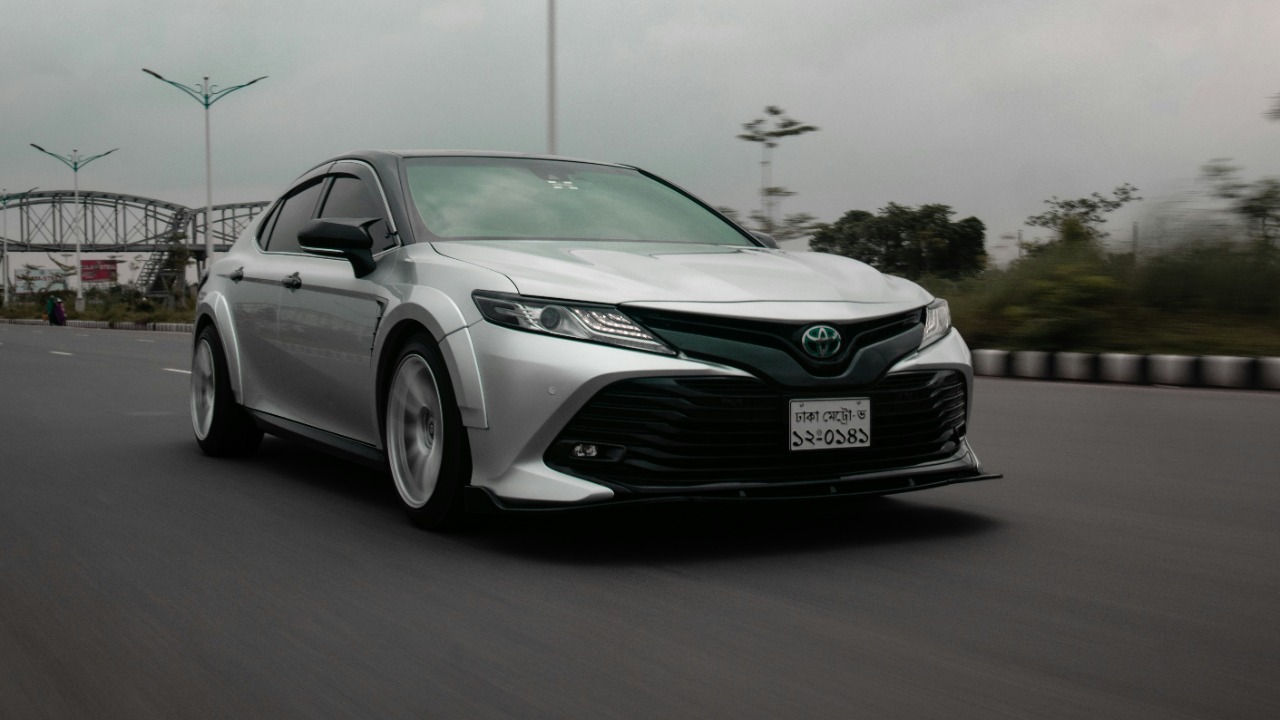
While hybrids are designed to be efficient, some drivers may find them lacking in terms of performance. The need to balance power with efficiency often means that hybrids do not deliver the same level of acceleration and handling as traditional vehicles.
For those who prioritize performance, the trade-offs inherent in hybrid design can be a deal-breaker. The weight of the battery and the complexity of the systems can sometimes result in a less responsive driving experience.
Resale Value Uncertainty

The resale value of hybrid vehicles can be uncertain, largely due to concerns about battery life and replacement costs. Prospective buyers of used hybrids may worry about the condition of the battery and the potential expense of replacing it, which can affect the vehicle’s market value.
Additionally, as new models with improved technology are introduced, older hybrids may depreciate more quickly. This uncertainty can make it challenging for current owners to predict the future value of their vehicle.
Consumer Misunderstanding

Finally, there is often a misunderstanding among consumers regarding what hybrids can and cannot do. Some may expect them to perform like fully electric vehicles, while others may not fully understand the maintenance requirements or the limitations of the electric range.
Educating potential buyers about hybrids is crucial to ensure they make informed decisions. Misunderstandings can lead to dissatisfaction and disappointment, which can ultimately impact the perceived success of hybrid vehicles in the market.
