Throughout history, many government missions were kept under wraps, only to be revealed years later. These secret operations often had profound impacts on national and international events, yet remained unknown to the public for decades. Here are ten such missions that we learned about much later.
Operation Northwoods
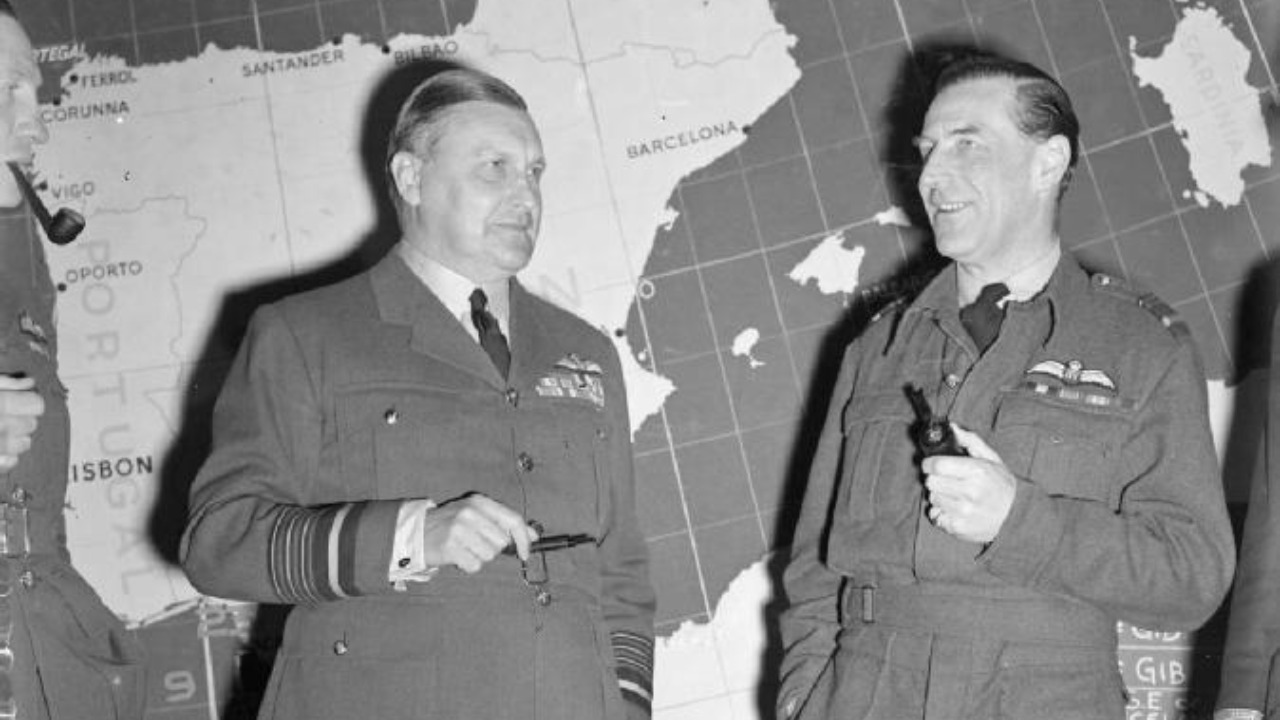
In the early 1960s, the U.S. Department of Defense developed a plan known as Operation Northwoods. It involved staging fake attacks on American soil to justify military intervention in Cuba. The plan included various proposals such as hijacking planes and sinking boats filled with Cuban refugees. Fortunately, President Kennedy rejected the plan, preventing further escalation during the Cold War.
The declassification of this operation revealed the lengths to which some officials were willing to go to achieve their objectives, raising ethical questions about government transparency and accountability.
Project Azorian
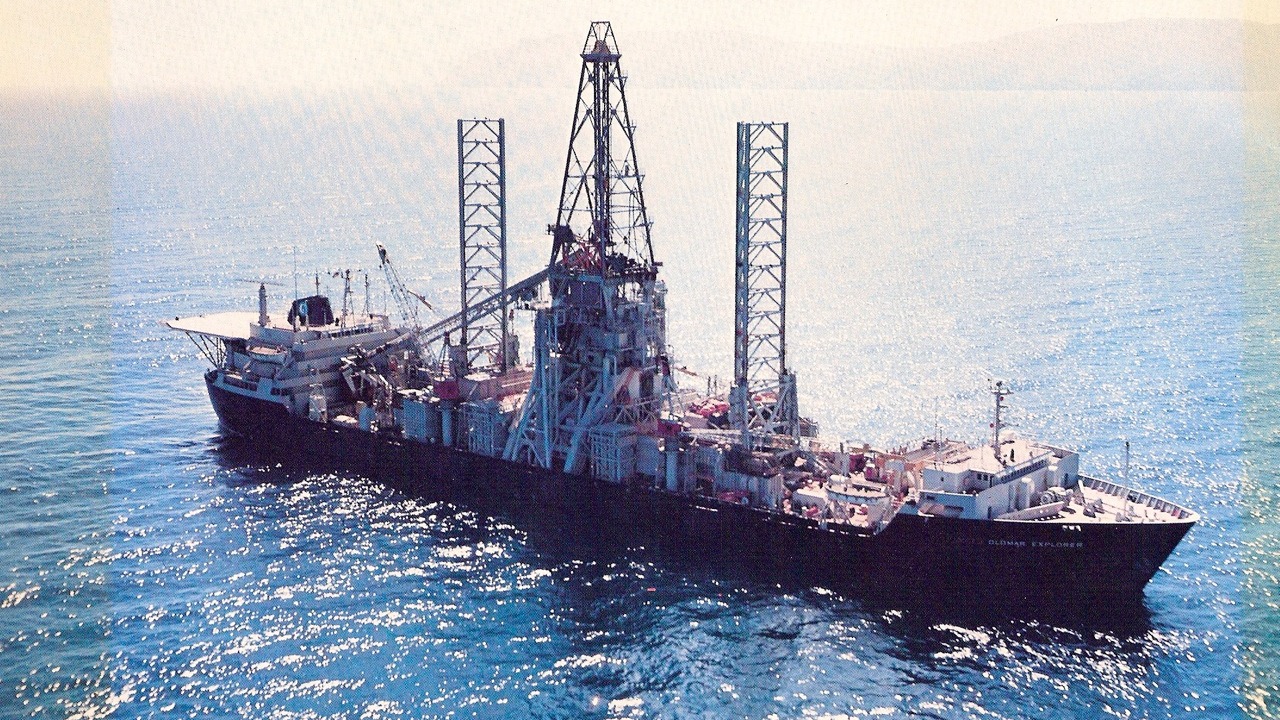
Project Azorian was an ambitious CIA initiative to recover a sunken Soviet submarine from the Pacific Ocean in the 1970s. Using a specially constructed ship called the Glomar Explorer, the mission aimed to gain intelligence on Soviet technology. While partially successful, the secrecy surrounding the project was only unveiled decades later.
This mission highlighted the technological prowess and strategic ingenuity of the Cold War era. Today, it is often cited in discussions about the limits of covert operations and the challenges of deep-sea exploration.
Operation Gladio
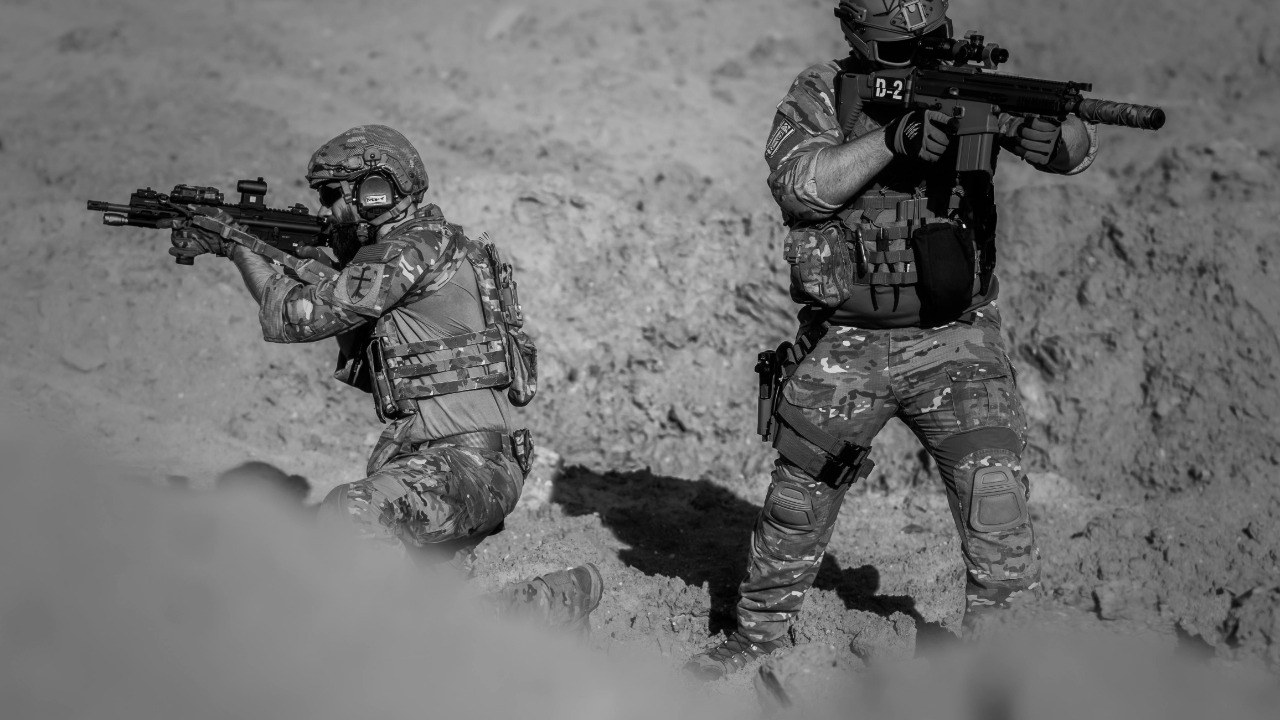
Operation Gladio was a clandestine NATO initiative to create secret armies across Europe during the Cold War. These armies were intended to conduct guerrilla warfare in the event of a Soviet invasion. Details about Operation Gladio only came to light in the early 1990s, sparking controversy over its implications for national sovereignty and democratic governance.
The operation is now studied as a case of hidden military alliances and the impact of Cold War paranoia on international relations.
Operation Paperclip
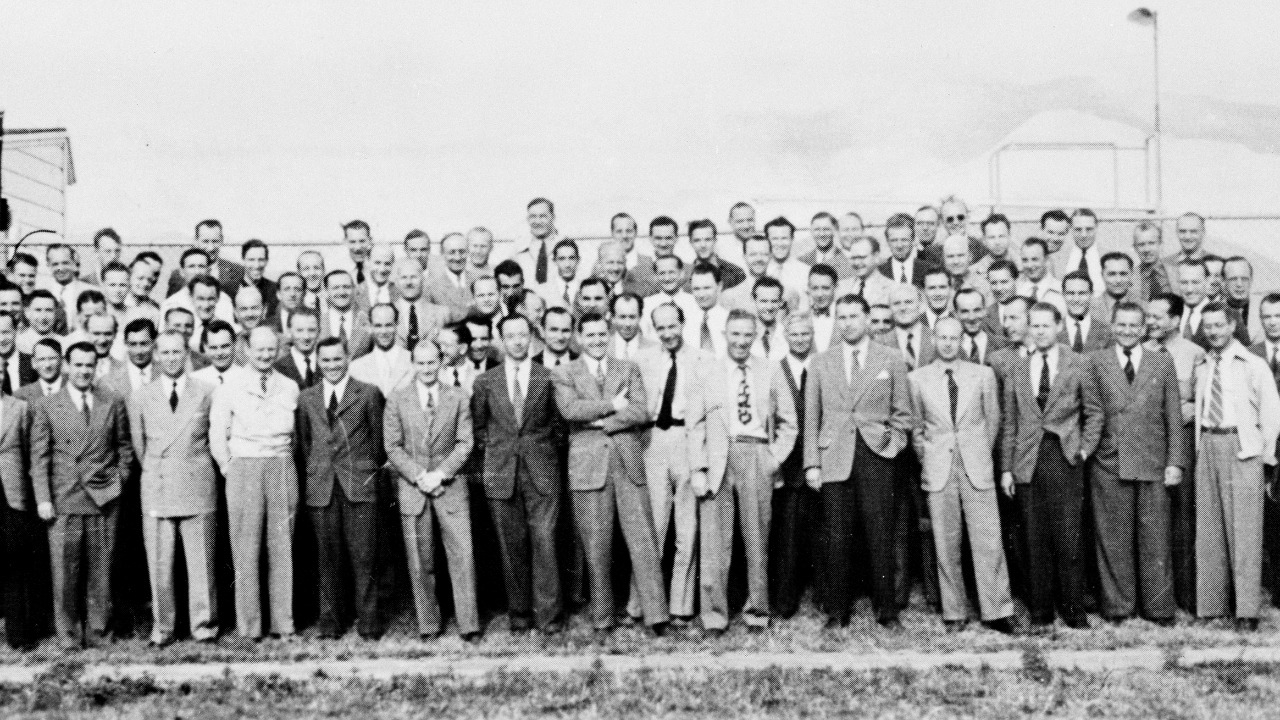
Operation Paperclip was a covert program to recruit German scientists to the United States after World War II. Many of these scientists had worked for the Nazi regime, raising ethical concerns. However, their expertise was deemed valuable in advancing U.S. military and space technology during the Cold War.
The operation underscores the complex moral decisions governments face in pursuit of scientific and military advancement and continues to be a subject of historical debate.
Operation CHAOS
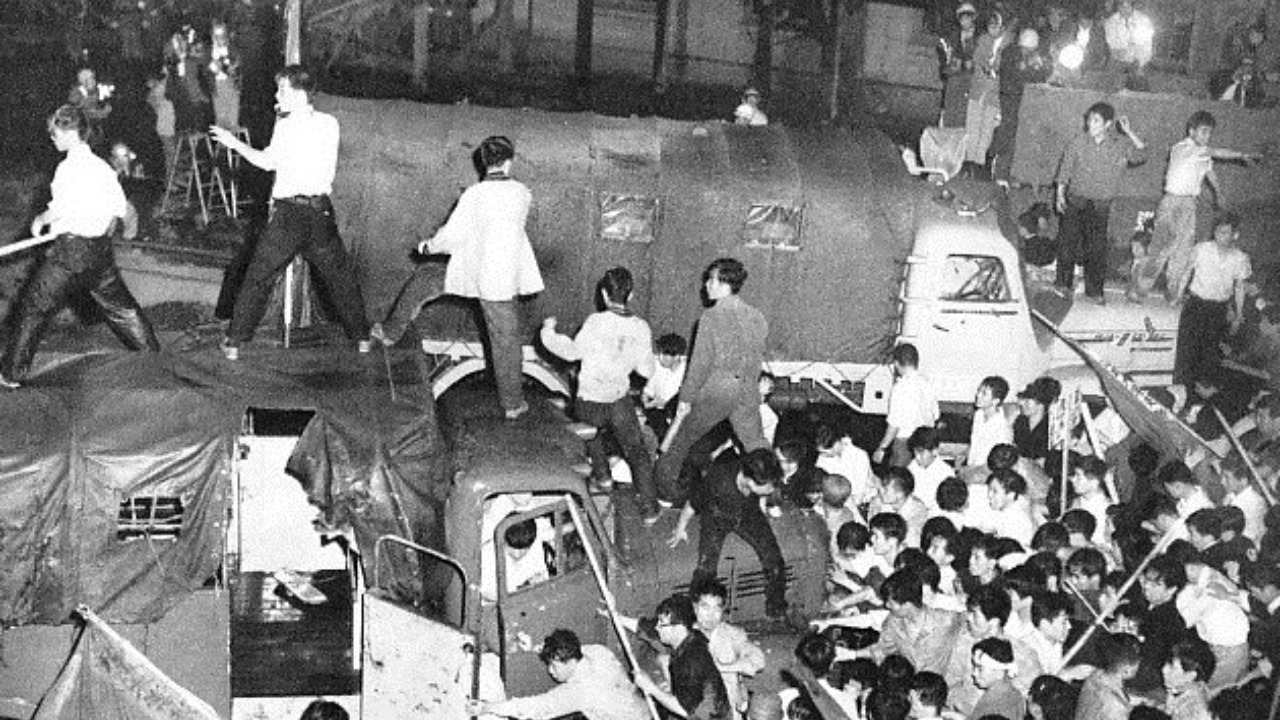
During the 1960s and 1970s, the CIA conducted Operation CHAOS to monitor anti-war and civil rights activists within the United States. The program aimed to uncover potential foreign influence on domestic dissent but ended up infringing on civil liberties.
This operation highlights the tension between national security and individual rights, a topic that remains relevant in today’s discussions on surveillance and privacy.
Operation Mincemeat
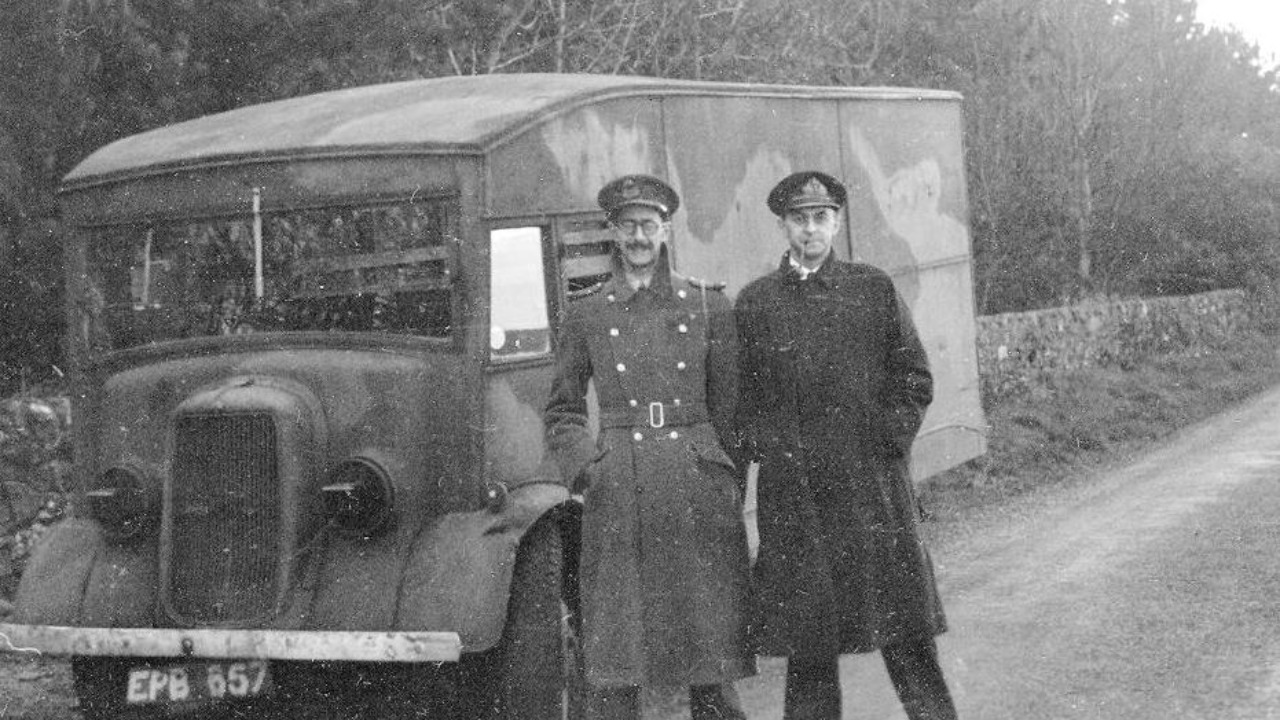
Operation Mincemeat was a British deception strategy during World War II that involved planting false documents on a corpse to mislead the Axis powers about Allied invasion plans. The operation successfully diverted German resources away from the true invasion site in Sicily.
This mission is celebrated for its creativity and effectiveness, showcasing the importance of intelligence and misdirection in wartime strategy.
Operation Cyclone
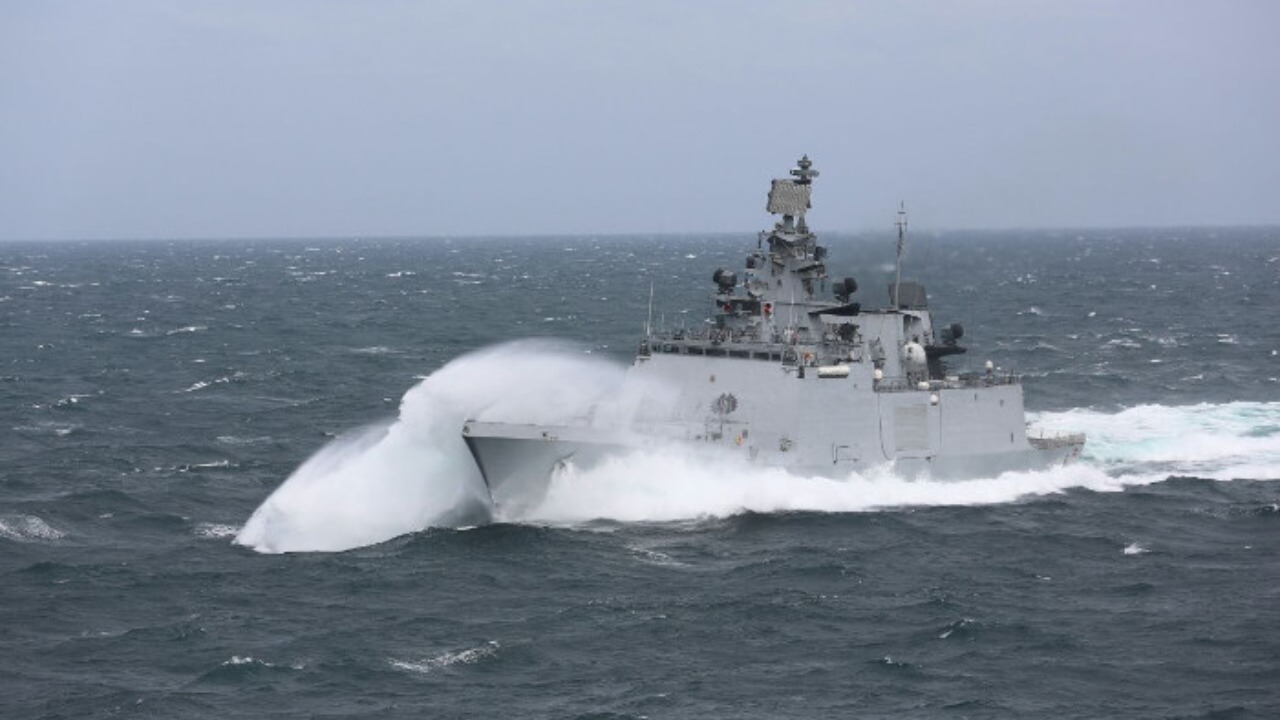
Operation Cyclone was a CIA program to arm and finance Afghan mujahideen fighters during the Soviet-Afghan War. Lasting from 1979 to 1989, it was one of the longest and most expensive covert operations conducted by the United States.
While it contributed to the Soviet withdrawal from Afghanistan, the operation also had long-term consequences for regional stability and highlights the complexities of international military interventions.
Operation Ivy Bells
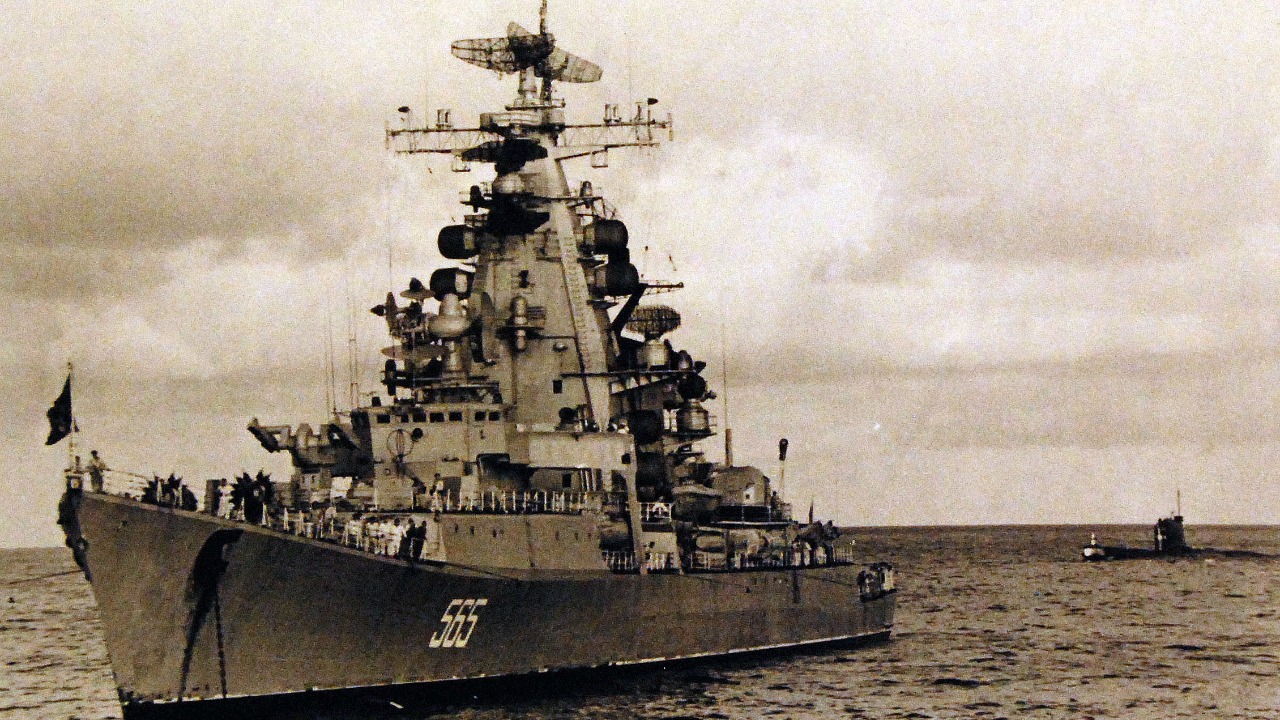
Operation Ivy Bells was a joint U.S. Navy and NSA mission to tap Soviet underwater communication cables during the Cold War. By deploying specially equipped submarines, the U.S. was able to gather crucial intelligence on Soviet military activities.
The operation remained secret until the 1980s, and its revelation emphasized the strategic importance of underwater espionage in modern warfare.
Operation Snow White
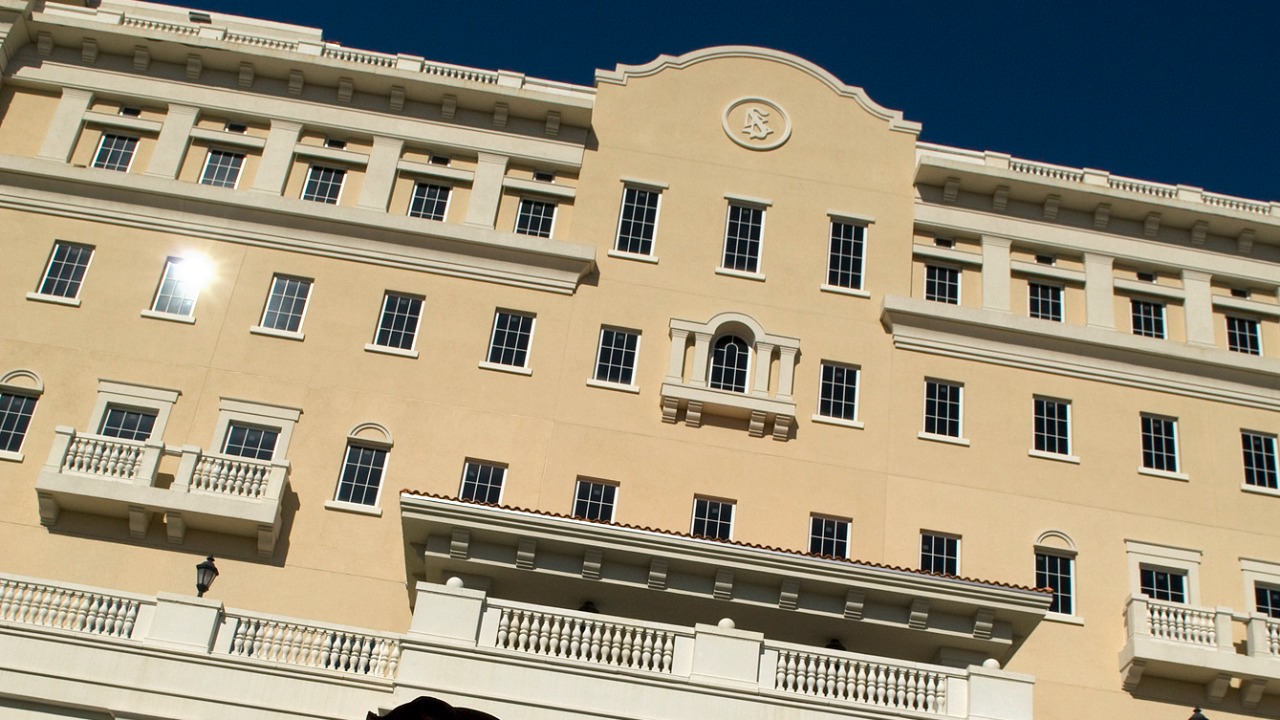
Operation Snow White was an internal operation by the Church of Scientology during the 1970s to infiltrate and purge unfavorable records about the church from government files. It became the largest infiltration of the U.S. government in history, leading to numerous arrests and convictions.
This operation raises questions about the extent of religious organizations’ influence and the measures they might take to protect their interests.
Operation Ajax
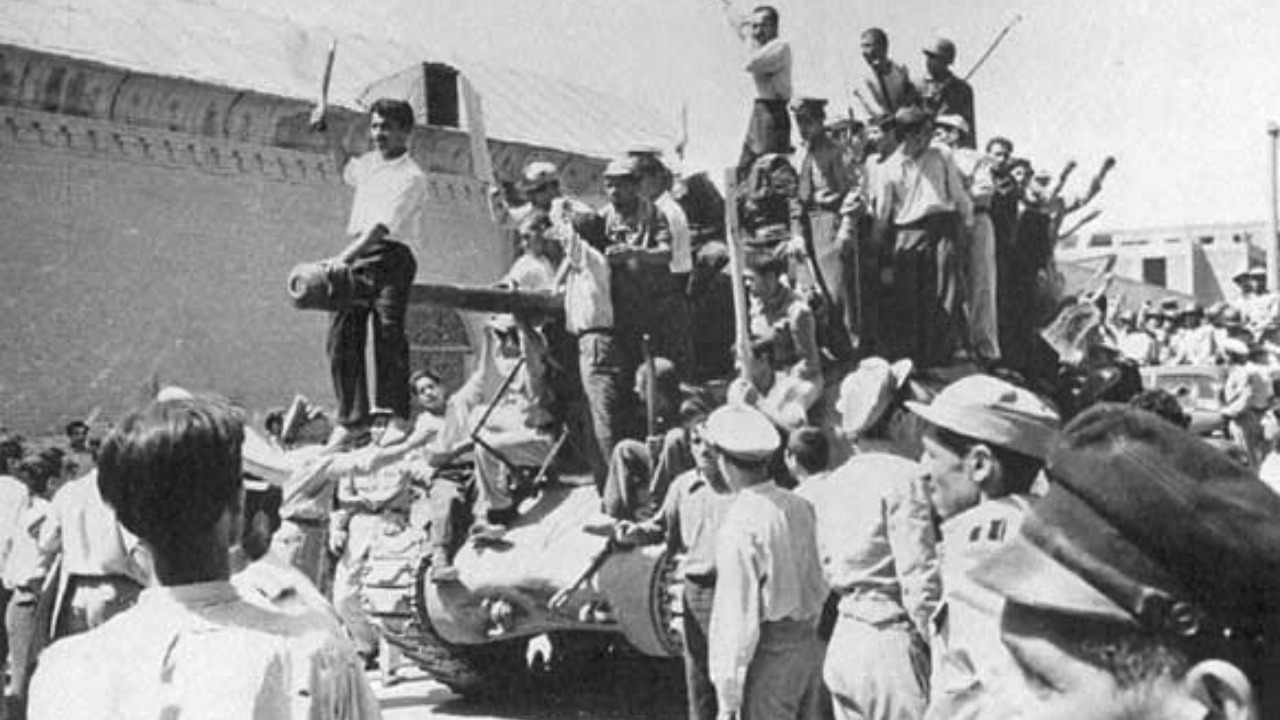
Operation Ajax was a covert operation by the CIA and British intelligence to orchestrate the overthrow of Iran’s democratically elected Prime Minister, Mohammad Mossadegh, in 1953. The operation aimed to maintain Western control over Iranian oil resources.
The coup had lasting impacts on U.S.-Iran relations and is often cited as a cautionary tale of foreign intervention in sovereign nations. The repercussions of this operation are still felt in contemporary geopolitics.
