
Modern engineering has pushed a small group of production cars past a barrier once reserved for prototypes and race cars: 0 to 60 mph in less than three seconds. Electric hypercars, hybrid supercars, and even one street-legal drag machine share the list, proving there is more than one way to build blistering acceleration. Here are ten production cars that reach that speed almost as fast as gravity allows.
1. Dodge Challenger SRT Demon 170: The Record-Setting Drag Missile
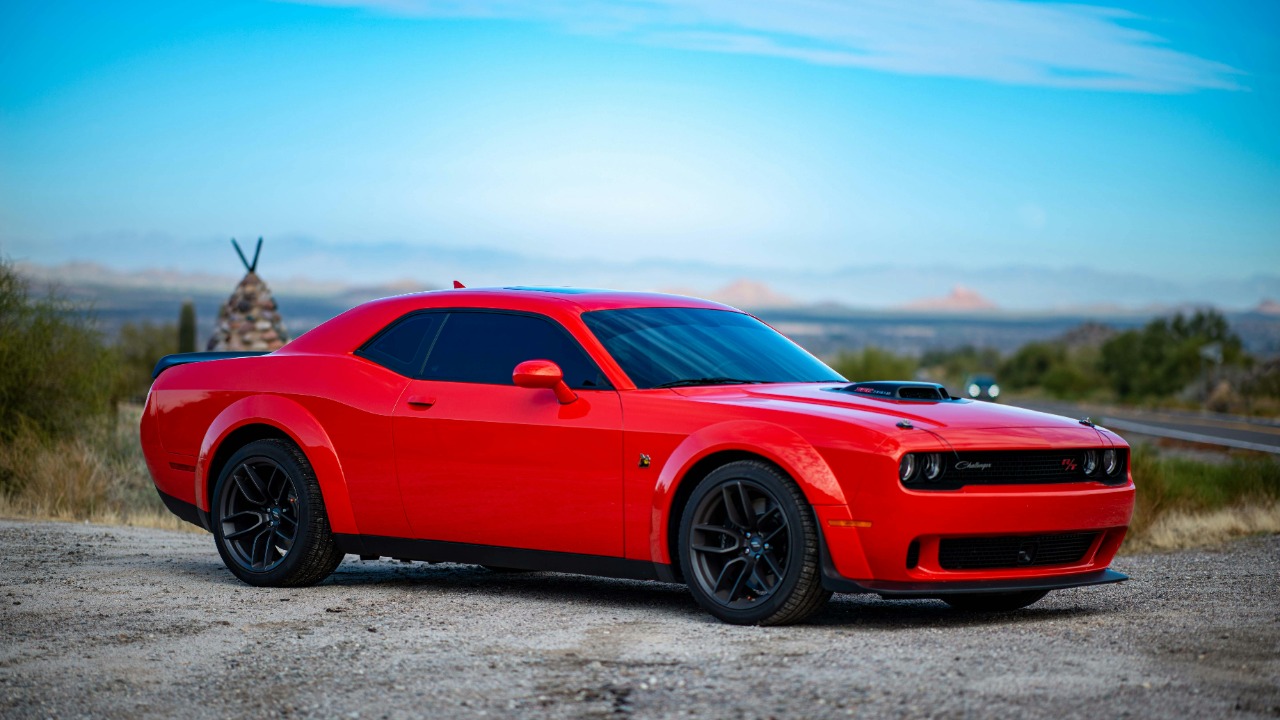
On E85 racing fuel the Demon 170 rockets to 60 mph in roughly 1.66 seconds, a figure Dodge attributes to a supercharged 6.2-liter V8 producing 1,025 horsepower paired with a wheelie bar and drag radials. The muscle car became the first eight-second production car, a milestone once reserved for purpose-built dragsters.
For buyers the trade-off is stark: street tires and pump gas erase most of that advantage, so the factory-supplied drag radials and racing fuel line matter as much as the engine itself. Owners treat the car less like a daily driver and more like a track-day specialist with license plates.
2. Rimac Nevera: Croatia’s Electric Speed Record
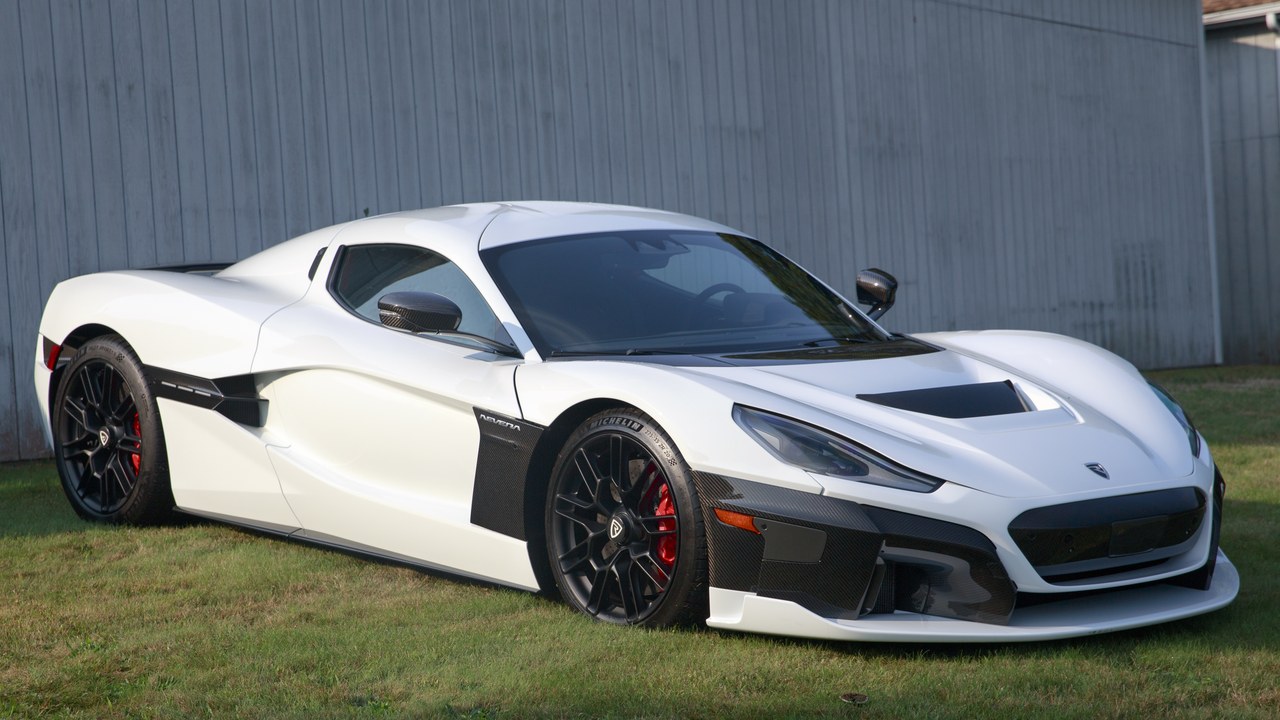
The Rimac Nevera pairs four electric motors for a combined 1,914 horsepower, and Rimac’s own instrumented testing put its 0-60 mph run at 1.74 seconds, among the quickest verified times any road car has posted. Croatian engineers built the carbon-fiber monocoque chassis specifically to handle that kind of instant torque without twisting.
Only 150 examples are planned worldwide, and each one ships with torque vectoring across all four wheels so the power reaches the road without wasted wheelspin. That combination of rarity and engineering has made the Nevera a benchmark other electric hypercar makers now measure themselves against.
3. Pininfarina Battista: The Design House’s First Hypercar
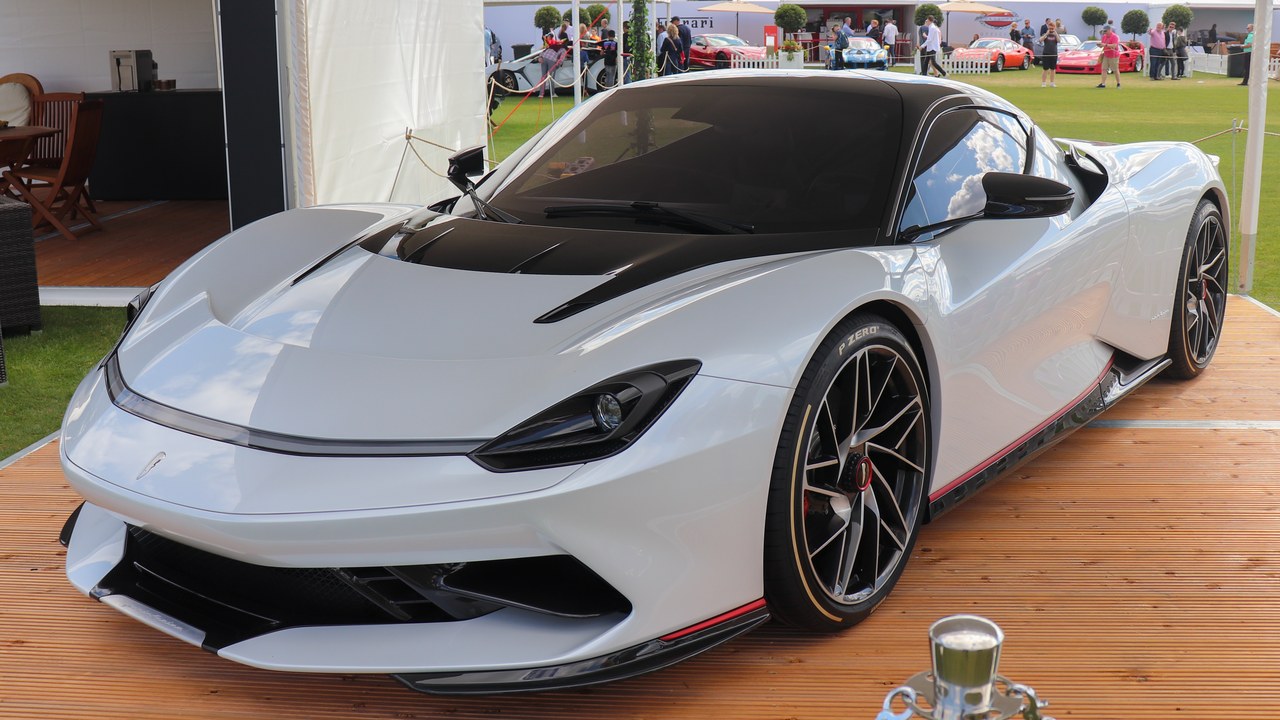
Automobili Pininfarina built the Battista on the same 1,900-hp quad-motor platform as the Rimac Nevera, and the shared architecture lets it reach 60 mph in about 1.79 seconds despite a body designed entirely in-house. The Italian coachbuilder’s first standalone car marked a shift from styling other brands’ vehicles to building its own.
Just 150 units are planned, each hand-finished at the company’s Cambiano atelier near Turin, and pricing starts well north of two million dollars. That exclusivity places the Battista among the rarest ways to experience Nevera-level acceleration wrapped in a more sculptural, grand-touring shape.
4. Lucid Air Sapphire: The Sedan That Out-Accelerates Supercars
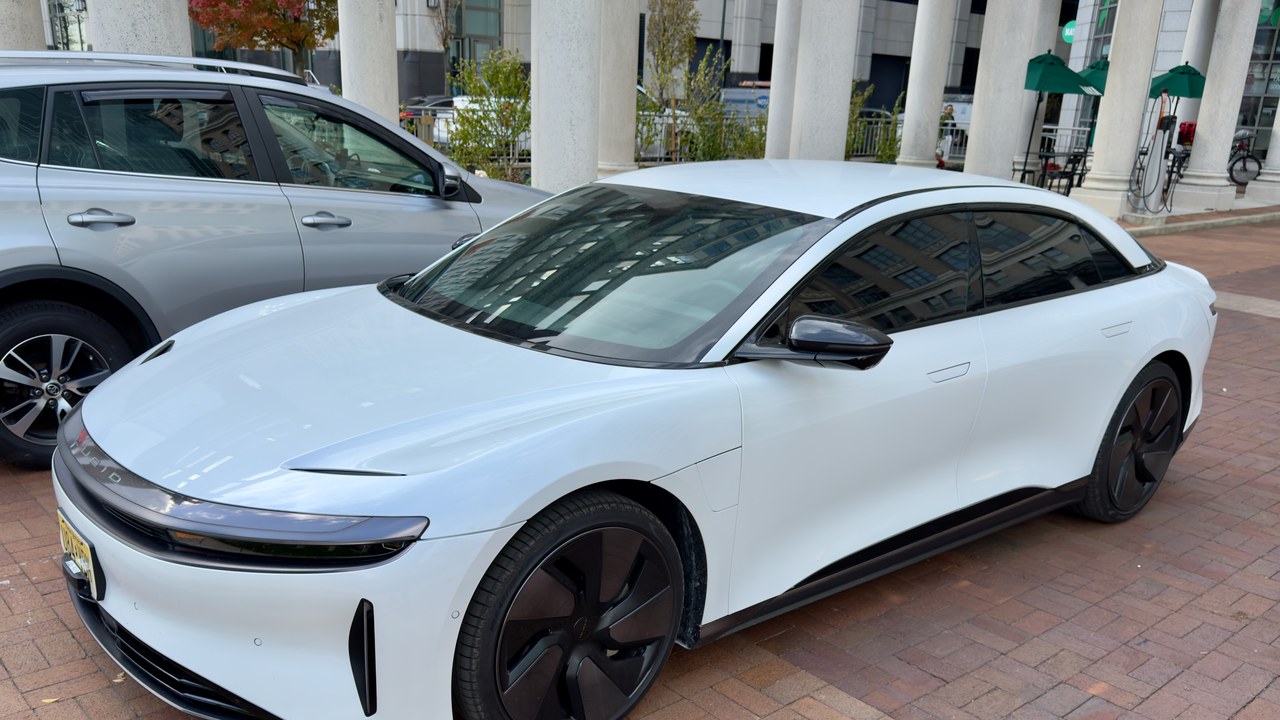
Lucid’s tri-motor Air Sapphire produces 1,234 horsepower and, according to the manufacturer, needs under two seconds to hit 60 mph, a figure that puts a four-door luxury sedan ahead of most two-seat supercars. The California-built electric platform channels that power through three motors, two of them mounted at the rear axle.
Unlike most cars on this list, the Sapphire seats five adults and carries a full trunk plus a front cargo area, so the acceleration comes without sacrificing everyday practicality. Carbon-ceramic brakes and a lowered, stiffened suspension distinguish it from the standard Air lineup.
5. Tesla Model S Plaid: Three Motors, One Blistering Launch
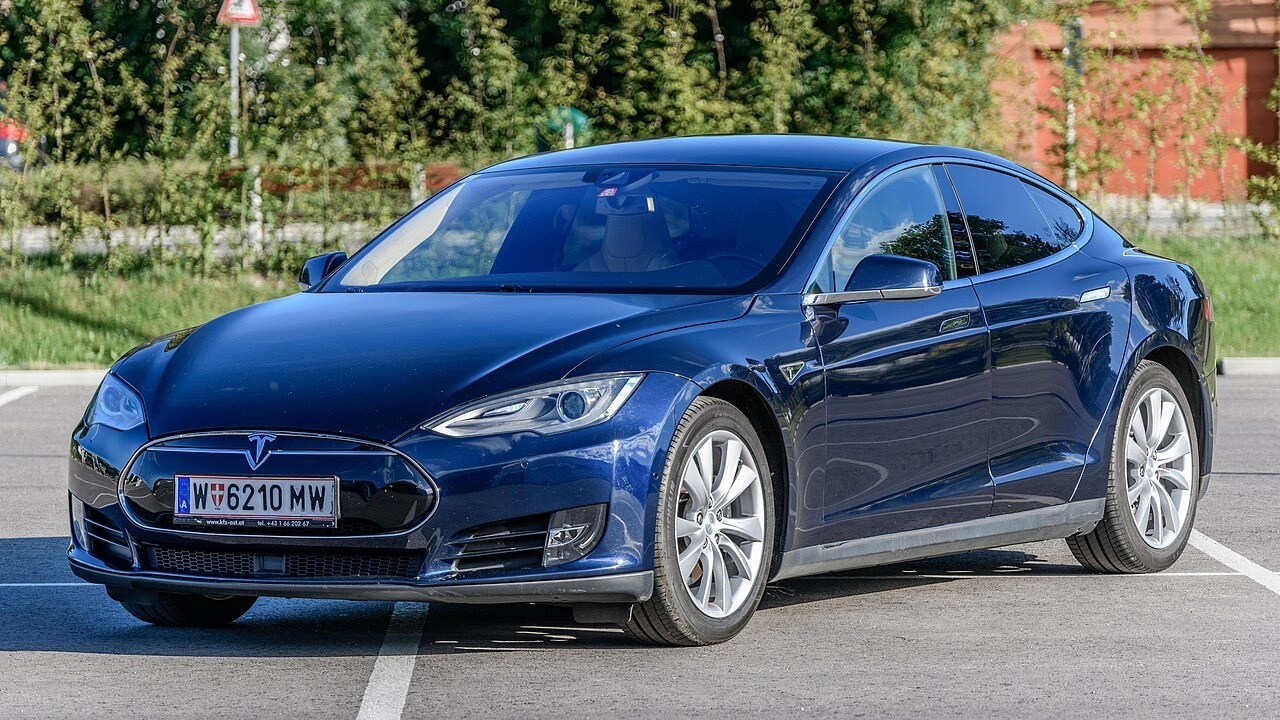
Tesla’s Model S Plaid uses three electric motors producing a combined 1,020 horsepower, and independent testers have clocked the sedan at roughly 2.1 seconds to 60 mph using its factory launch mode. The carbon-sleeved rear motor design lets the rotor spin faster without flying apart under that load.
That launch mode also cools the battery and motors aggressively beforehand, which is why repeated runs can lose a few tenths as the pack warms. Even with that caveat, the Plaid remains the quickest mass-produced sedan ever sold by a major automaker.
6. Chevrolet Corvette ZR1: America’s Twin-Turbo Answer
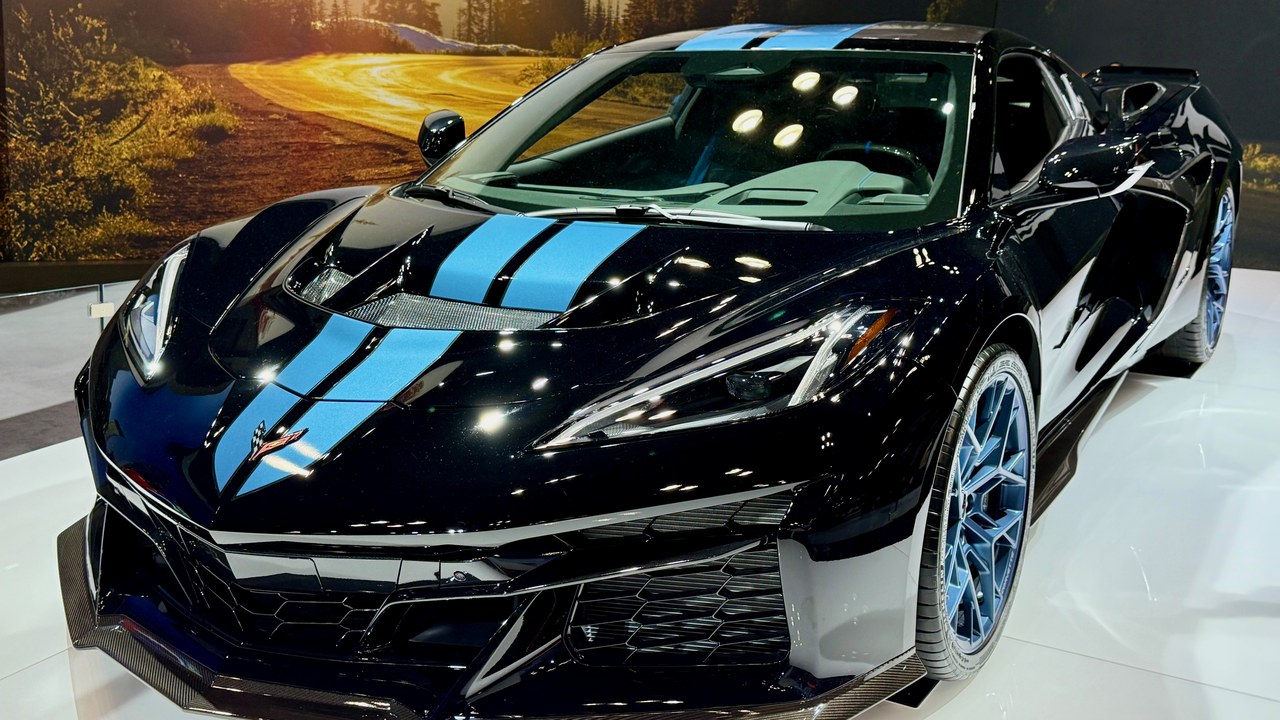
Chevrolet’s Corvette ZR1 pairs a flat-plane-crank V8 with twin turbochargers to produce more than 1,000 horsepower, and testers at Edmunds’ test track recorded a 0-60 mph run of about 2.3 seconds. That places an American V8 sports car in company usually reserved for European hybrids and electric hypercars.
The ZR1 keeps a manual-adjacent driving character that the electric cars on this list cannot replicate, including a shrieking exhaust note and a track-tuned chassis borrowed from the Z06. It remains the quickest gas-only Corvette General Motors has ever built.
7. Bugatti Chiron Super Sport: Quad-Turbo W16 Extremes
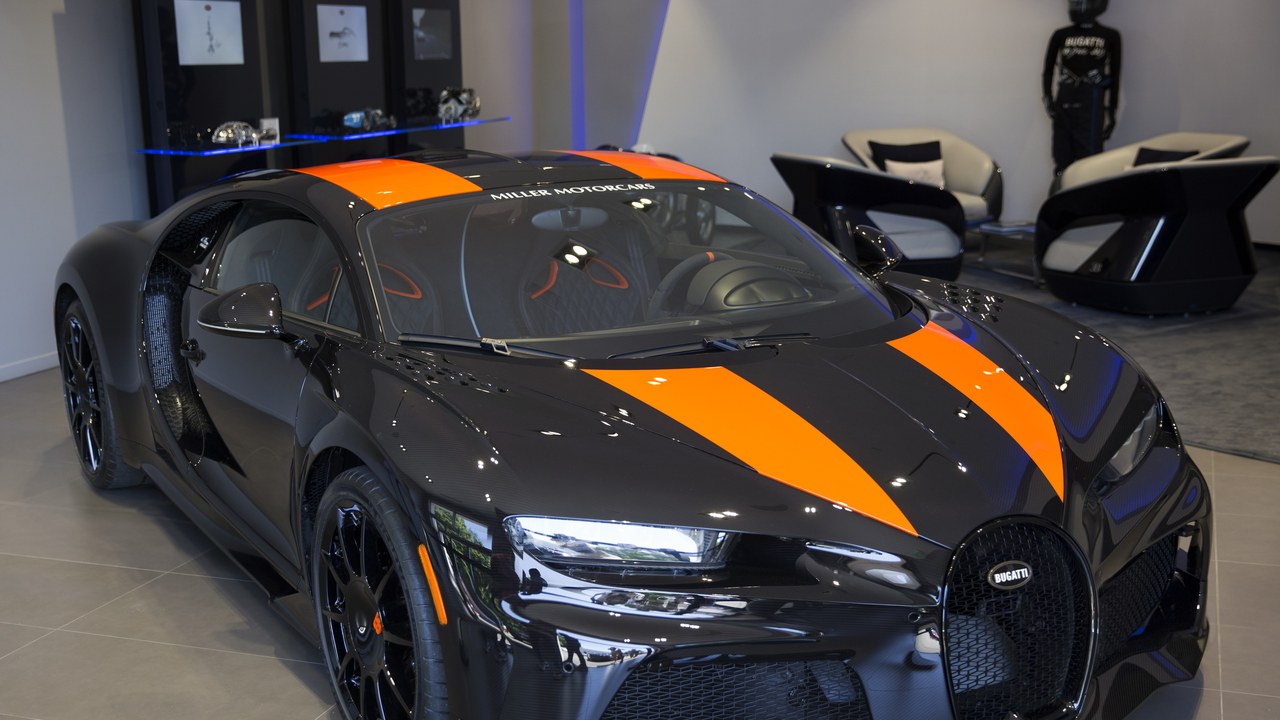
Bugatti’s Chiron Super Sport carries a quad-turbocharged 8.0-liter W16 engine producing 1,578 horsepower, enough to clear 60 mph in roughly 2.4 seconds on its way to a top speed near 273 mph. The longtail aerodynamic package was developed specifically to keep the car stable well past 200 mph.
Fewer than 60 Super Sport units were built, each one hand-assembled at Bugatti’s Molsheim atelier in France and priced well above three million dollars. Its combination of low-end violence and sustained top-end stability remains unmatched among internal-combustion cars.
8. Ferrari SF90 Stradale: Maranello’s Hybrid Leap
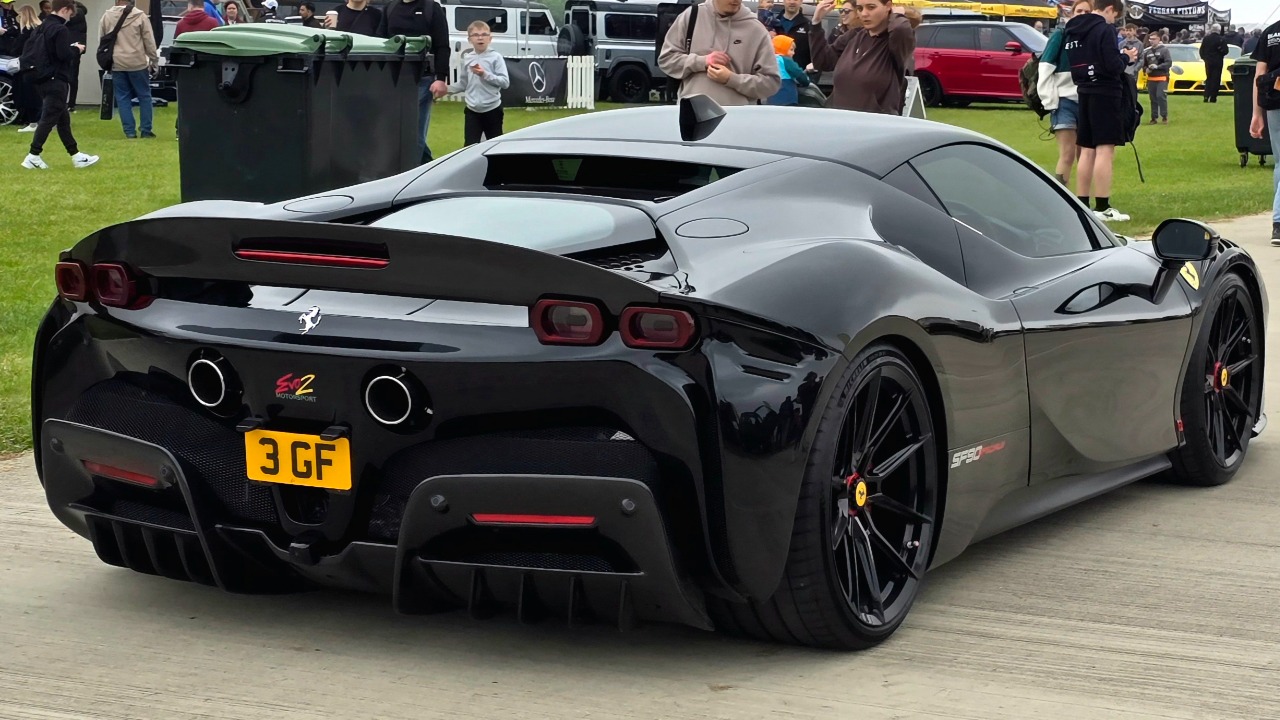
Ferrari built the SF90 Stradale around a twin-turbo V8 paired with three electric motors, and the combined plug-in hybrid system reaches 60 mph in roughly 2.5 seconds. The Maranello engineering team’s first hybrid supercar also drives on electric power alone for short distances around town.
Two of the three motors sit at the front axle, giving the SF90 all-wheel drive and a torque-vectoring ability that gas-only Ferraris of the past never had. That electrified front end is why it out-accelerates several older, more powerful Ferrari flagships.
9. Porsche 911 Turbo S: All-Wheel Drive Precision
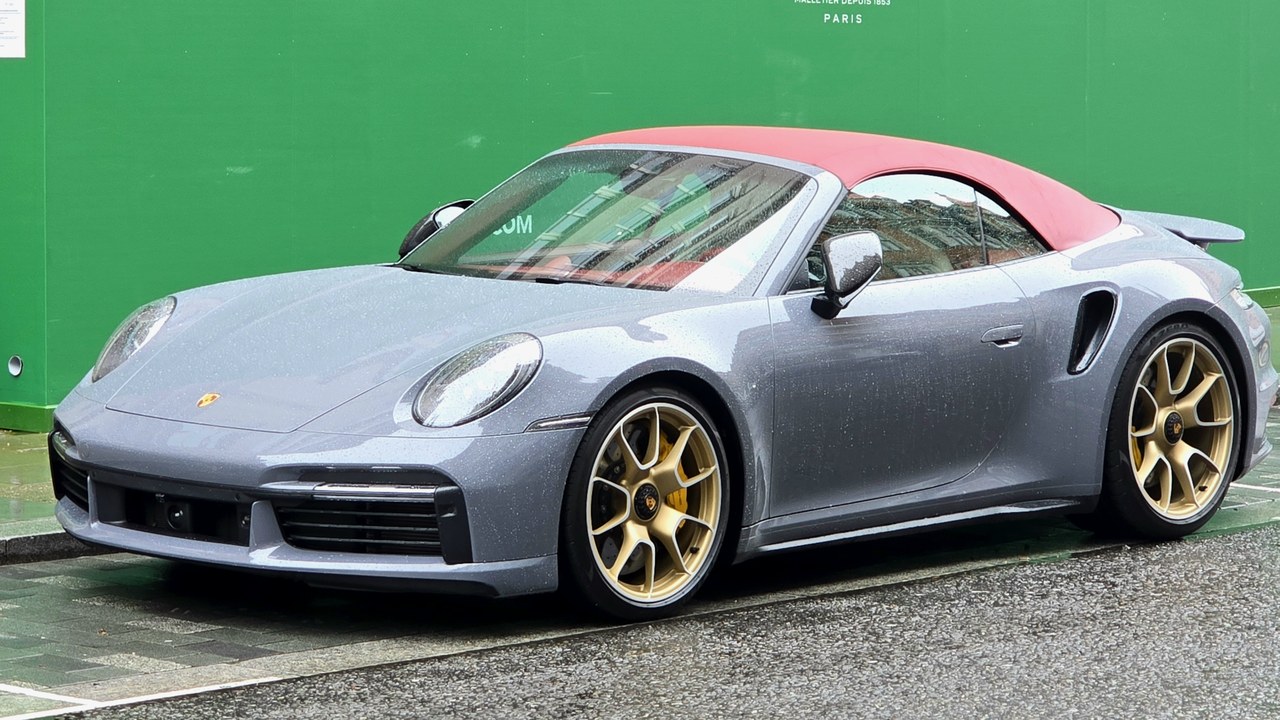
Porsche’s current 911 Turbo S sends 640 horsepower through all four wheels via a twin-turbo flat-six, and the 992-generation chassis completes the 0-60 mph run in about 2.6 seconds. Launch control and a dual-clutch gearbox manage the power transfer with a repeatability few rivals can match.
Unlike the hypercars on this list, the Turbo S is built for daily use, with a usable back seat, a front trunk, and a warranty backed by a global dealer network. That everyday usability is a major reason it remains a benchmark against which other sports cars are judged.
10. McLaren 765LT: The Track-Focused Longtail
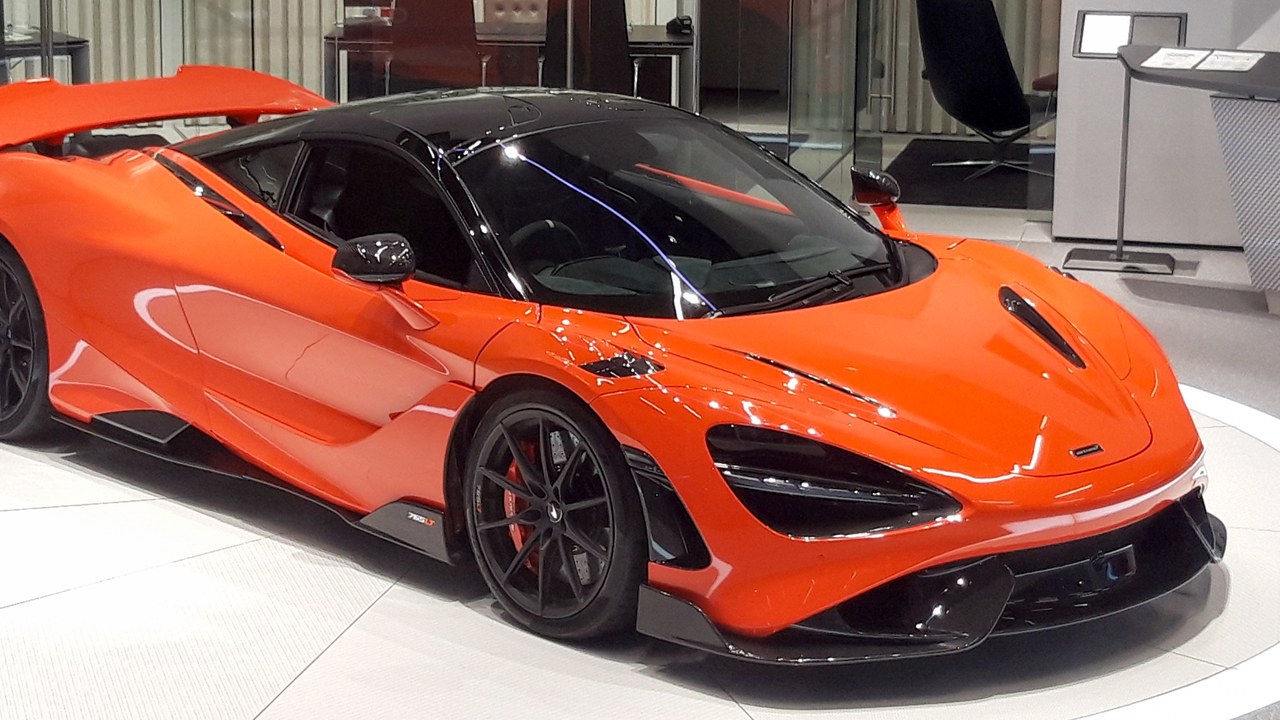
McLaren stripped weight from the 720S to build the 765LT, and the resulting track-focused coupe reaches 60 mph in around 2.7 seconds despite giving up some straight-line power to lighter components. The carbon-fiber bodywork and lighter glass shave more than 176 pounds versus the standard car.
Only 765 units were built worldwide, a nod to the car’s peak horsepower figure, and most sold out to existing McLaren customers before the model reached public order books. The longtail badge links it to McLaren’s earlier F1 GTR-inspired long-tail race cars.
More from Morning Overview
- Automakers are quietly dropping the stop-start feature many drivers love to hate
- A granite sarcophagus surfaced in Egypt with its original lid still sealed
- The FBI tells phone owners to delete these toll-payment texts draining accounts nationwide
- Herbal supplements are landing Americans in the hospital with liver damage, doctors warn
